
I’m sure you’ve all heard the saying that the breakfast is the most important meal of the day. This stems from the belief that breakfast acts like an “ignition switch” which sets out our metabolism and influences the energy level, mental acuity, and disposition for hours to come.
However, as much as we pay attention to the effects of breakfast on us directly, the long-term effects that the food we eat has on our filtering system (the kidneys) go unnoticed.
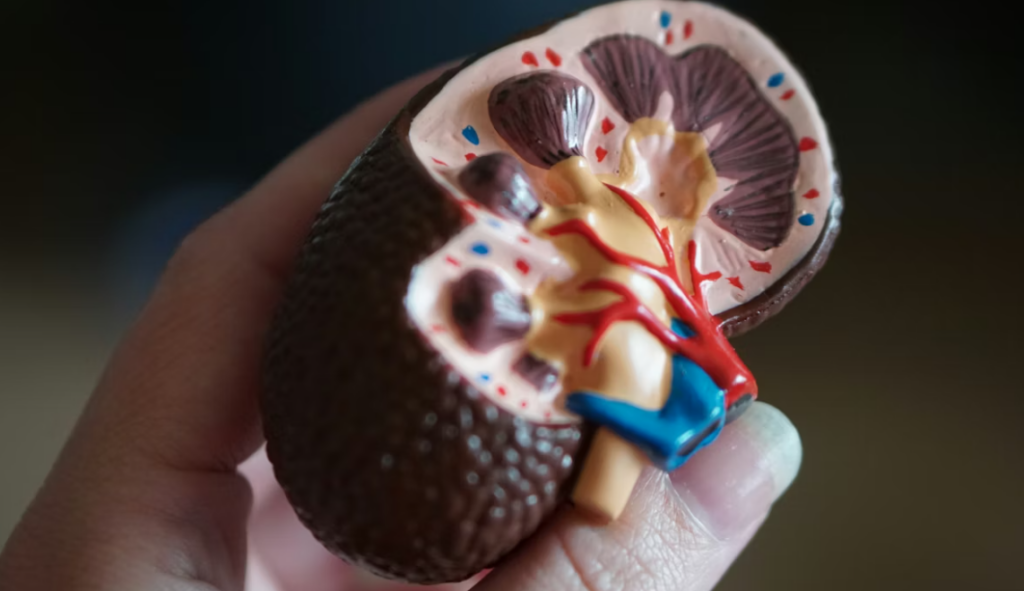
These two bean-shaped organs play a crucial role in human physiology. They work around the clock, filtering out 50 gallons (180 liters) of blood every day. The function of the kidneys involves intricate balancing. They remove metabolic waste, balance fluid volume, and maintain blood pressure with surgical precision.
As stated by the National Institute of Diabetes and Digestive and Kidney Diseases, the kidneys also function as a chemical factory. They produce hormones responsible for controlling red blood cell formation and bone health.
Since the work they do for our body is relentless, they are sensitive to the overall effects of our diet.
Recent studies indicate a harsh truth that diets that contain excessive amounts of sodium, processed sugars, and artificial products are paving the way to Chronic Kidney Disease (CKD).
It’s all about consistency. One “bad” breakfast is unlikely to damage your organs. But decades of such behavior can result in irreversible damage. The following are three unhealthy types of breakfasts that could potentially be destroying your kidneys—along with ways to turn it around.
1. The “Meat-Heavy” Morning: Processed Proteins and Sodium Overload
To a number of people, it is impossible to have a “proper” breakfast without bacon, sausages, or ham. These are indeed very tasty meals, but they present a serious threat to your kidneys because of their high levels of sodium, nitrate, and saturated fats.
The main culprit here is sodium. The Centers for Disease Control and Prevention (CDC) notes that excessive salt intake is a direct contributor to hypertension (high blood pressure).
Since the kidneys maintain blood pressure through the regulation of fluid balance, high levels of salt put a strain on the kidneys. Just picture your household water filter working at full capacity every day; inevitably, it starts breaking down. The same goes for the delicate “mesh” of the kidneys known as nephrons.

Further, meat products are frequently “plumped” with inorganic phosphates to preserve moisture and appearance. In contrast to the organic phosphorus present in vegetables, this chemical compound is absorbed into the body much more quickly. According to studies conducted by the National Kidney Foundation, excess phosphorus in the body may cause blood vessel calcification and excessive pressure on the kidneys.
You don’t need to become a vegetarian to protect your kidneys; however, you definitely want to choose “cleaner” proteins.
Pasture-fed eggs: One of the best ways to get good quality protein.
Greek yogurt: Perfect for protein and probiotics without all the nitrate burden.
Plant sources: Try tempeh or lentil “sausages” if you want that sausage feel without overwhelming your filtering mechanism.
2. The “Sugar Rush”: Refined Carbs and the Diabetes Connection
When breakfast is a plain bagel, sweetened cereal, or a pastries from the local coffee shop, your kidneys are being soaked in glucose. These products are made up of refined carbohydrates that quickly turn into sugar in the body.
This results in what can be described as an insulin roller coaster. According to the American Diabetes Association, prolonged high blood sugar levels are the main trigger of Type 2 Diabetes.
It is especially important when considering kidney problems, as diabetes is the leading cause of kidney failure around the world. High levels of blood sugar will damage the tiny blood vessels that reside inside your kidneys. This is referred to as diabetic nephropathy. It means that your kidneys cannot filter the waste out of your blood, but essential proteins leak into your urine.

Other than sugar, many commercially produced baked goods include hydrogenated fats or trans fats. They lead to inflammation in your body, acting like “sand in the gears,” thus worsening your kidney’s condition.
The goal here should be carbohydrates that release “slow” energy without leading to high insulin levels.
Steel-cut oats: High in soluble fiber, which plays a role in controlling glucose.
Whole-grain sourdough: Preferable to white bread because of its lower glycemic load.
Berries: Choose blueberries or raspberries for sweetening purposes because they are packed with antioxidants that protect against oxidative stress in the kidneys.
3. The “Convenience Trap”: Hidden Salts and Ultra-Processed Meals
When we think of salty foods, the very first things that come to mind are chips or pretzels. What many of us are unaware of, however, is that the modern breakfast landscape is littered with “hidden” sodium.
Instant oatmeal packs, frozen breakfast sandwiches, and even canned breakfast soups and noodles are saturated with preservatives that ensure their durability on store shelves.
According to the World Health Organization (WHO), the recommended intake should be less than 2 grams of sodium (or a teaspoon of salt per day). Nonetheless, just one frozen breakfast burrito can provide more than half of your daily limit of sodium.
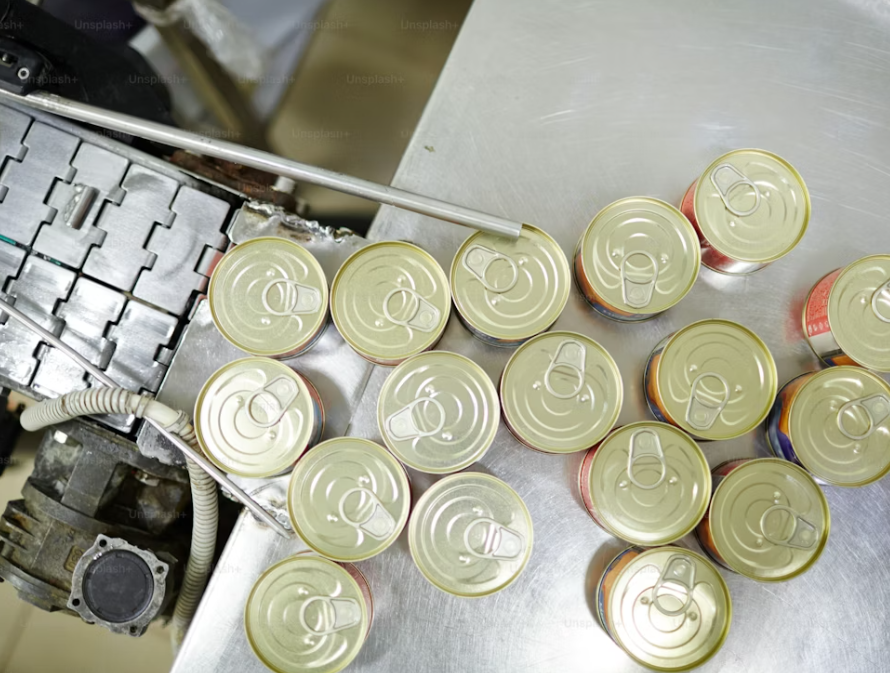
A study published in The BMJ proved the direct relationship between a high consumption of ultra-processed foods (UPFs) and metabolic diseases.
For the kidneys, UPFs are a nightmare because they contain a cocktail of non-nutritive additives. Although the liver takes care of most of the work, the kidneys clear out their metabolic waste. If your diet consists of 80% processed food, then the kidneys never get a rest day.
The more intact the food, the healthier it is for your kidney.
Avocado toast: On whole-grain toast with a few drops of lemon and not mountains of salt.
Homemade “Instant” Oats: Buy unflavored oatmeal and add all sorts of stuff to it yourself.
The 80/20 Rule: You don’t have to be perfect, but try to ensure the vast majority of your morning meals come from a single-ingredient source (e.g., an egg is an egg, an apple is an apple).
Why “Silent” Damage Is Most Dangerous
The scariest thing about kidney problems is how there are no red flags to warn us early on. As per the WHO, there are millions of individuals who have poor kidney function without realizing it.
When we finally show up at our doctor’s office complaining of tiredness, water retention, or an increase/decrease in the number of bathroom breaks, the kidneys may have already lost 50% or more of their function.
This is why proactive dietary choices are not just “health tips” but an essential maintenance.

Tiny Steps Towards Long-Term Well-being
Taking care of your kidneys does not need drastic changes in life or following any specific diet regime (unless you are diagnosed with some renal problem). This is simply about making thoughtful substitutions.
If you fancy eating a savory meal in the morning, then switch to healthier options like avocado or a boiled egg in place of bacon. If you enjoy sugary items, then try to avoid sugar syrup and opt for fresh fruits instead. The most important thing here: Drink water. Water acts as the oil that helps the organs function without difficulty.
Conclusion
Your kidneys are highly resilient, but not indestructible. The processed meat products, sugars, and sodium-laden fast foods which now make up the modern breakfast plate levy a hefty “tax” on your kidneys every morning.
The choice to go for healthier foods isn’t just making sure that you eat a more nutritious breakfast, but ensuring your future well-being. Your kidneys work tirelessly to keep your internal environment in perfect balance. The least you can do is give them a breakfast that makes their job a little easier. After all, the best way to handle a “silent” disease is to be loud and intentional about your prevention.
*Medical Disclaimer: This article is intended for informational and educational purposes only and does not constitute medical advice. It is not a substitute for professional diagnosis, treatment, or guidance from a qualified healthcare provider.
Always consult your doctor or another qualified medical professional with any questions you may have regarding a medical condition, symptoms, or dietary changes. Do not ignore or delay seeking medical advice because of information you have read here.
Individual health needs vary, and what works for one person may not be appropriate for another.
Please SHARE this article with your family and friends on Facebook.
Bored Daddy
Love and Peace