

When it comes to the outward physical signs of aging, we all expect to see a few more gray hairs here and there, perhaps even some wrinkles under our eyes. However, signs that reflect our overall vascular health are more likely to appear below the neck—particularly around the ankles and shins. From an uncomfortable feeling of heaviness in the legs to the appearance of reddened patches of skin, a condition known as stasis dermatitis may gradually develop.
Not only does it present itself as a typical rash, but stasis dermatitis can also be seen as a “smoke alarm,” warning of underlying problems within the circulatory system. It serves as a visible reminder of the effort our veins must make to work against gravity and return blood to the heart.
What exactly is stasis dermatitis?
Stasis dermatitis is an inflammatory skin condition that falls under the category of venous eczema. The condition predominantly affects the lower legs due to the difficulty faced by the circulatory system in this particular part of the body. The body must use the valves present in the veins of the leg, along with the pump action of the calf muscles, to send blood from the feet towards the heart.
However, when either of these is weakened—resulting in a condition called chronic venous insufficiency (CVI)—it causes blood to collect in the lower legs. The buildup (stasis) creates increased pressure in the venous system. Per the Cleveland Clinic, this hydrostatic pressure causes leakage of protein-rich fluid, as well as other elements, including red blood cells, from capillaries into the skin tissue.
The body perceives this leaked fluid as a foreign invader, triggering an immune response. According to recent studies, there are various inflammatory mediators such as matrix metalloproteinases and interleukin-31, which are considered the most crucial connection between venous hypertension and skin alterations.

The evolution of symptoms: From itch to ulcer
One of the most deceptive aspects of stasis dermatitis is how innocently it begins. The condition is prevalent in approximately 6% to 7% of adults over the age of 50, and this number can rise to 20% in those over 70, according to a study published in Springer Nature Link.
Early warning signs:
The first sign is that the skin over the ankles looks thin or “shiny.” Other signs include:
Pigmentation: A discoloration of the skin in a reddish or yellowish-brown color, like a bruise that won’t fade.
Pruritus: This is the most annoying symptom because it causes an itch-scratch cycle, which damages the skin’s barrier.
Edema: Swelling caused by fluid retention, which is more pronounced toward evening but subsides overnight.
Later symptoms: Chronic stage
With time, the skin begins to show physical changes due to the persistent leakage of red blood cells containing iron. Hemosiderin deposition causes permanent pigmentation of the skin in a tea-like color or dark brown. There is a sensation of heaviness or pain in the legs, even after standing for a brief period.
Advanced progression: Lipodermatosclerosis
The inflammatory response may result in scarring of fat under the skin. This condition referred to as lipodermatosclerosis, leads to the skin becoming very tough, thick, and firm. Some patients exhibit a very thin leg just above their ankle but still having a swollen calf, which is sometimes referred to as the “inverted champagne bottle” leg.
The final stage: Venous ulcers
The most severe complication is the formation of venous ulcers due to the poor oxygen supply from the blood vessels to the skin cells. The slightest injury to the skin may result in an open wound that does not heal because of poor oxygenation in the region. According to research conducted by The Journal of Vascular Surgery, more than 80% of leg ulcers arise from this condition.
The root causes: Why does circulation fail?
The human body is an exquisite piece of biological engineering, yet it too ages and breaks down. Venous insufficiency, which leads to stasis dermatitis, occurs when the valves fail to open and close properly.
Causes of this valve malfunction include:
Deep Vein Thrombosis (DVT): Past DVT causes scarring in the walls of the veins, destroying the valves.
Varicose Veins: Bulging, twisted veins indicate that blood flows against gravity, putting extra pressure on the valves.
Heart Failure: A failing heart struggles to pump blood effectively, causing blood to pool in the legs.
Obesity: Extra pounds place tremendous strain on the pelvis and surrounding veins, preventing blood flow out of the legs.
The National Institute of Health (NIH) highlights that one’s age is a non-modifiable risk factor in which the aging process causes a loss of tissue elasticity and the veins naturally become less flexible.

Identifying risk factors
Although age and genetic factors come into consideration, lifestyle becomes the critical determinant. Those with the greatest risks are:
The “standers” and “sitters”: Teachers, nurses, and desk job workers whose calf muscles fail to move due to hours spent in one place.
Multiple pregnancies: Pregnancy results in an increase in blood volume and pressure on the abdomen, placing excessive strain on the veins.
Salt intake: Increased salt intake results in water retention.
Lack of activity: The “muscle pump” effect provided by exercise does not take place.
Diagnosis and modern intervention
If your symptoms indicate something more serious than “dry skin,” it’s time to consult a specialist, either a vascular surgeon or a dermatologist. Usually, the diagnosis can be easily made using a physical examination as well as some testing procedures.
Venous Doppler Ultrasound is an imaging technique that is considered the standard for diagnosing venous insufficiency. The procedure involves the use of high-frequency sound waves to visualize blood flow, so the exact spot of malfunctioning valves can be identified. According to a study published in the journal Circulation, such a diagnostic procedure is crucial when differentiating stasis dermatitis from other skin diseases, such as cellulitis (a bacterial infection).
Treatment of stasis dermatitis demands both internal and external treatment.
The Best Option: Compression
The single best way to treat stasis dermatitis is by using compression. This works by applying pressure externally to help squeeze the blood out of the leg, simulating the effect of working valves.
Remember: Compression must be initiated only by a doctor. In cases where there is peripheral artery disease, the application of compression could be dangerous.
Skin Care
To address the “dermatitis” problem, doctors will use:
Topical Steroids: To reduce inflammation and relieve itching.
Emollients: These are greasy substances that lack smell. They work by helping repair damage to the skin.
Antibiotics: These are used only when an infection such as cellulitis occurs.
If the venous reflux problem is quite serious, contemporary medicine provides options such as minimally invasive surgery. This might involve endovenous laser ablation or sclerotherapy, which “seals” up the problematic veins, allowing for rerouting of the blood through healthy veins, thus reducing skin pressure.
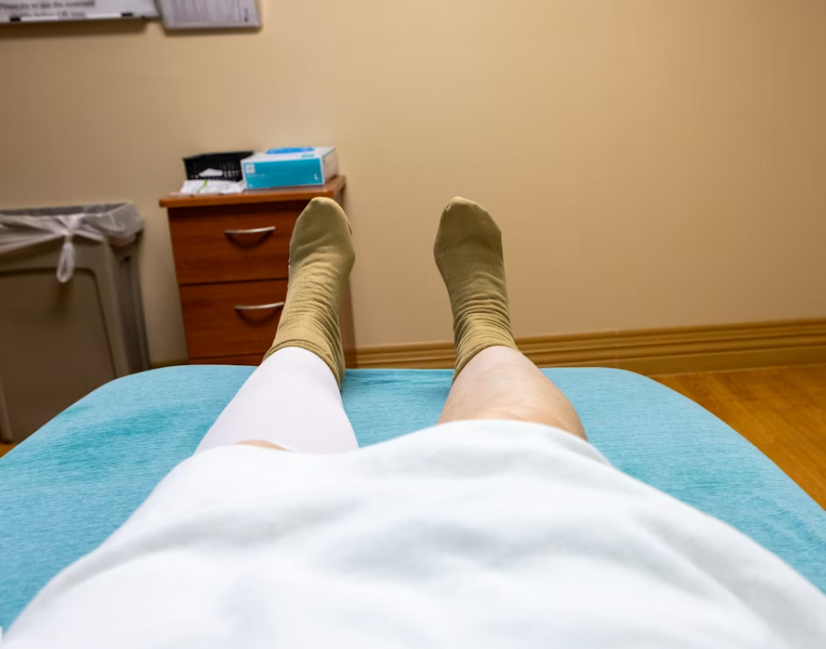

Prevention
You do not have to wait for any signs of discoloration to begin guarding yourself against issues with your blood vessels. Prevention is mostly associated with mobility and pressure in your body.
“Elevate” Principle: You should strive to keep your legs elevated above the level of your heart for about 15 minutes, three times a day. Gravity will help you in this case.
Keep Moving: Walking can be considered an excellent way to support your blood vessels. The reason is that walking helps contract the calf muscles in your legs, creating another pump for your body.
Inspect Your Skin: Using a mirror, examine the back of your ankles for possible appearance of new spider veins or discoloration.
Control Weight: Reducing weight can help prevent further progression of CVI.
Conclusion
Stasis dermatitis serves as a continual reminder of how interconnected the human body is. An issue with the heart or veins ultimately makes itself known through the skin. Though it may be concerning due to dark spots and an itchy sensation, stasis dermatitis is treatable if addressed early.
Through movement, the use of compression where necessary, and heeding the signals sent by our legs, we can help keep ourselves healthy and ensure the safety of our vascular system. We should not ignore our circulation until an infection occurs.
*Medical disclaimer: The information provided in this text is for educational and informational purposes only and is not intended as medical advice, diagnosis, or treatment. It should not be used as a substitute for consultation with a qualified healthcare professional. Always seek the advice of your physician or other qualified health provider with any questions you may have regarding a medical condition. Never disregard professional medical advice or delay seeking it because of something you have read here.
Please SHARE this article with your family and friends on Facebook.
Bored Daddy
Love and Peace