

There is nothing more frustrating than waking up in the middle of the night to be faced with having your child, or yourself, scratching uncontrollably.
While the discovery of tiny intestinal parasites is enough to make any parent’s skin crawl, the reality is that pinworms are a standard part of childhood for millions of families. In fact, they are easily treated, and even though they may look gross, they don’t say anything about your household hygiene.
If you are going through a “wiggly” experience at the moment, then it’s worth keeping in mind that you are definitely not alone in the struggle. This guide takes an in-depth look at the lifespan of these hitchhikers, what makes them tick, and how to get rid of them once and for all.

What Exactly Are Pinworms?
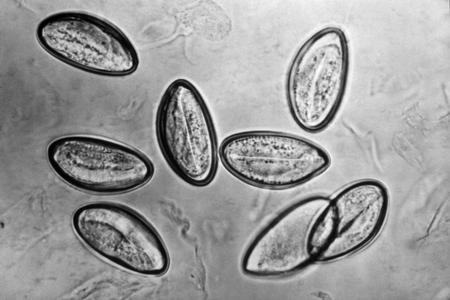
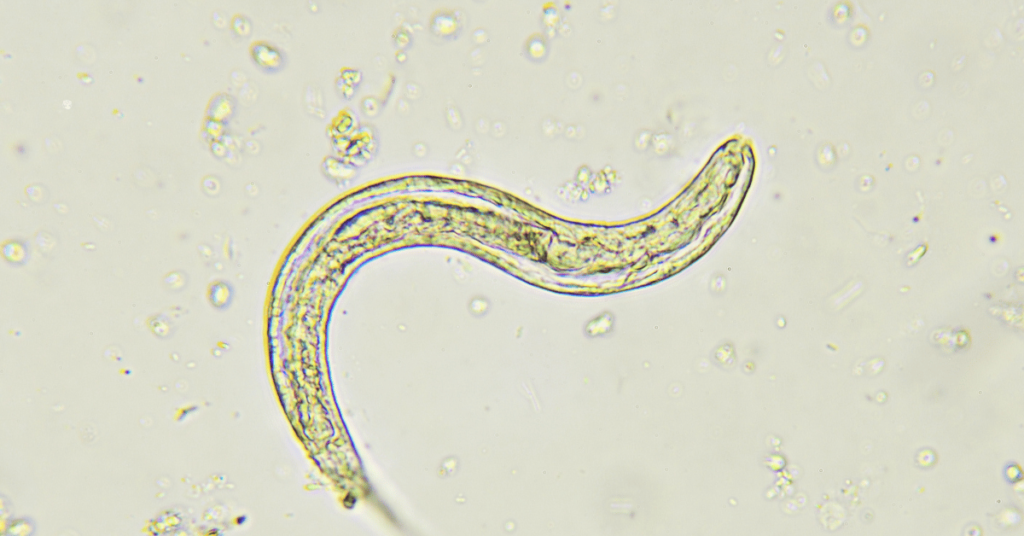
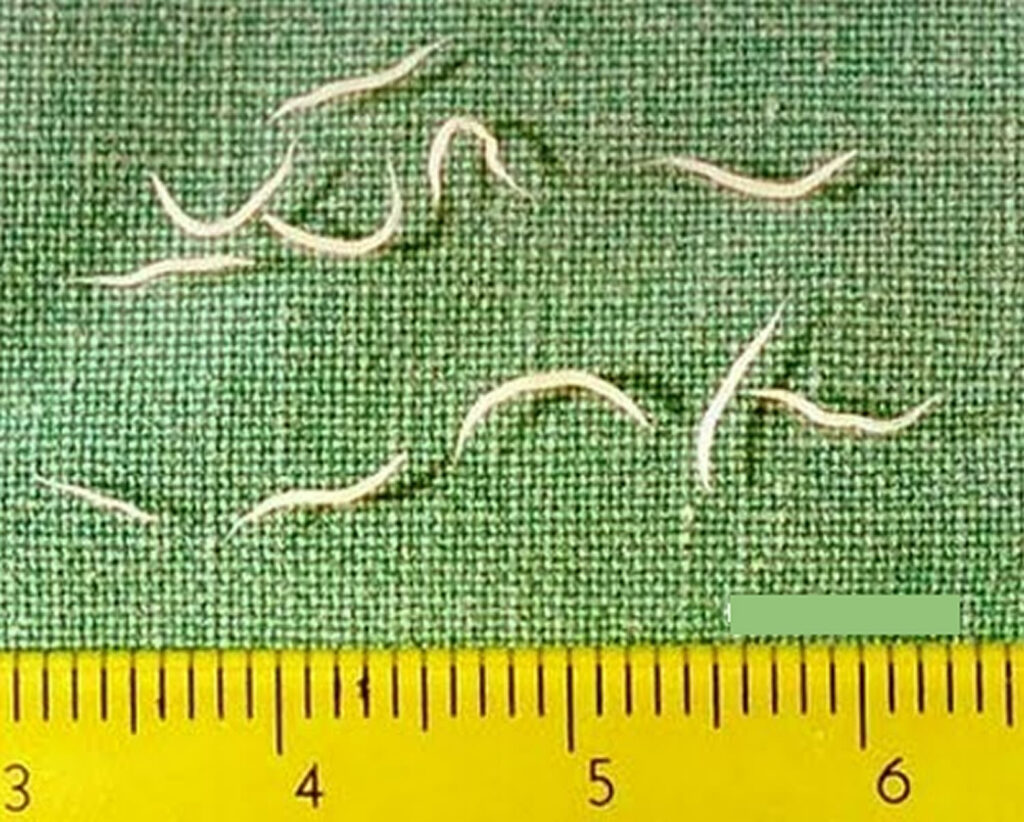
Pinworms, medically referred to as Enterobius vermicularis, are minute, white, worm-like parasites. Typically growing up to a maximum of 1.5 cm (the length of a staple), they resemble tiny pieces of dental floss. Despite their ominous name, they are some of the most widespread parasitic diseases in the world, especially among schoolchildren and people living in close quarters.
These worms live primarily in the human large intestine and rectum. In contrast to other parasites, which are much more aggressive and travel to the lungs and liver or deprive you of nutrients, they simply live in your intestine without doing any damage to you. Nevertheless, they are experts in irritating you and keeping you awake at night.
The Hygiene Myth
It is vital to address the stigma: having pinworms is not a sign of being “dirty” or “poor.” The eggs of pinworms are so small and durable that the transmission occurs everywhere, from playgrounds to offices and schools, simply because they are very difficult to detect. People who are most attentive to their hygiene can face this problem when they touch a handle on a shopping trolley or take out a library book that has been touched by someone infected with pinworms.
According to the US Centers for Disease Control and Prevention, pinworm infection is the most widespread form of intestinal worm infections in America.
The Midnight Itch: The Science of Nighttime Symptoms
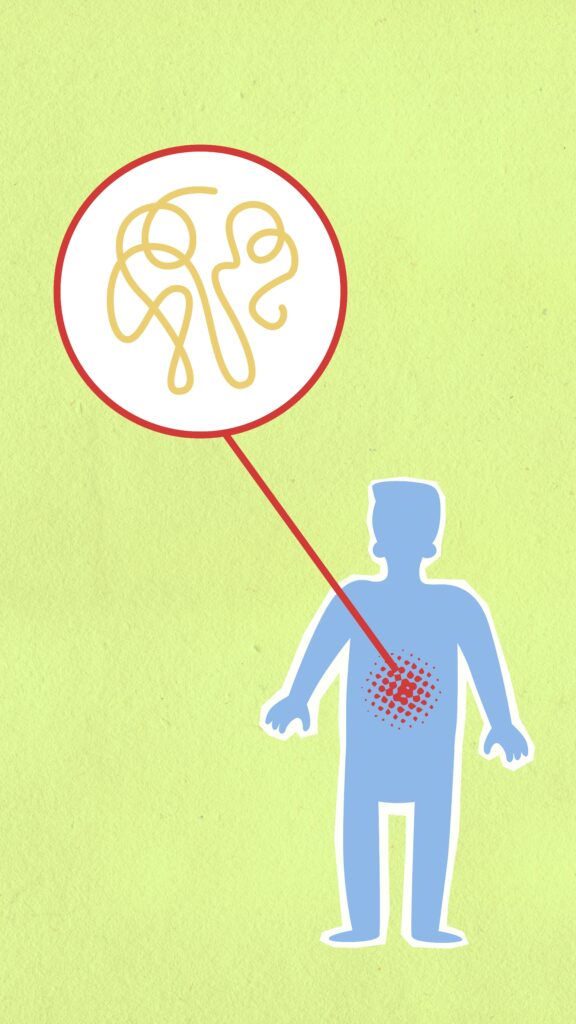
A typical symptom of pinworm infection is severe itching around the anus, which worsens during nighttime hours. However, it is not mere coincidental; instead, this is a carefully planned tactic by the parasite in order to survive and reproduce. To comprehend the reasons for the increase in itching during nighttime hours, one must focus on what the female pinworm does during her “night shift.”
The migration: As the body of the “host” comes to rest and its temperature is regulated, the female pinworms move from the intestines to the anus.
Egg-Laying: At the destination, she proceeds to lay thousands of microscopic eggs around the anus area.
Biological “glue”: The female pinworm produces a glue-like substance to adhere the eggs to the host’s skin. This glue-like substance, when mixed with the physical motion of the pinworms themselves, creates the itchy, prickling feeling that the host suffers from.
Scratch and spread cycle: The itching causes an involuntary reaction to scratch. As a result of being so tiny and sticky, the pinworm eggs can get stuck beneath nails, on pajamas, or bed sheets, which means that inevitably some eggs will end up in the mouth of another human host.
The NHS emphasizes that this specific nighttime itching is one of the primary diagnostic signs that pinworms are present and should be the first red flag for parents.
How They Spread: The Transmission Cycle
Pinworms are extremely infectious. The life cycle of pinworms is straightforward, elegant, and very efficient when it comes to infecting the whole household. To stop the cycle, one needs to know all the pathways of transmission.
The fecal-oral route
This is the most common mode of transmission. When an individual scratches the irritated area, the eggs stick under their fingernails. Then, the individual puts their fingers into the mouth or even eats some food. The eggs enter the digestive tract and hatch there, after which the larvae go to the large intestine.
Surface Contamination
Pinworm eggs are surprisingly resilient. They can survive for two to three weeks on various surfaces, including:
- Bed linens and pillowcases
- Towels and washcloths
- Stuffed animals and toys
- School desks and cafeteria tables
- Bathroom faucets and doorknobs
Airborne Inhalation
It may seem as though it comes straight out of a horror film, but because of the weightlessness of the eggs, they are capable of becoming airborne. Just shaking out a pair of sheets that have been infested will cause the eggs to take flight in a cloud-like formation. If someone breathes them in or swallows them, they will become infected.
The Reinfection Loop
The most annoying thing about pinworms is their ability to form a “loop reinfection.” Even if you treat yourself with drugs to eliminate the adult worms, the eggs already present in your surroundings could find themselves in your mouth within a week, initiating another cycle of infection.
Identifying the Symptoms
Of course, not all individuals display symptoms; there are carriers who have a small “worm load,” but who remain asymptomatic. For others, you should notice:
Primary symptom: Continuous itching sensation in the anal and/or vaginal areas, beginning about one hour after the person lies down in bed.
Behavior changes: Kids tend to be cranky, hyperactive, or “fidgety” during the day due to their lack of deep REM sleep.
Physical observations: In a few instances, it is possible to observe the tiny, white, wiggling worms yourself by shining a light into the child’s anal region a few hours after he falls asleep.
Secondary problems: It is also possible for the parasites to migrate to the vagina in girls, resulting in itching and/or discharge.
Diagnosis and the “Tape Test”
When an infection is suspected, physicians do not opt for costly blood work or stool analysis, as the eggs are not commonly detected in stool specimens. Rather, physicians prefer the “tape test” method.
How to perform the Tape Test
Immediately after waking up, when the patient has not showered or gone to the bathroom, apply a piece of transparent tape to the skin surrounding the anus.
The tape collects any eggs or worms that have been laid during the night.
Stick the tape onto a slide or into a plastic bag to be analyzed under a microscope by a health care provider.
According to the CDC, performing this test three mornings in a row significantly increases the chances of a correct diagnosis.

Treatment Options: The Two-Step Approach
Fortunately, pinworm infection responds well to treatments. Unfortunately, the whole family must be treated for pinworm infection.
Medical Treatment
There are usually only three drugs used by doctors:
Mebendazole – The most commonly prescribed drug.
Albendazole – Another effective drug against parasites.
Pyrantel Pamoate – The drug that is sold without prescription (Pin-X or Reese’s Pinworm Medicine).
Two Doses: Because these medications kill the adult worms but not the eggs, a second dose is mandatory exactly two weeks after the first. This kills any worms that hatched from eggs that were swallowed during the initial treatment period.
Treating the Whole Family
Treating just the patient with the symptoms is a frequent mistake. Since pinworm infections spread very rapidly, chances are that other family members have silent infections. If one does not treat all members simultaneously, a cycle of exchange of pinworm infections can take place, a ping-pong effect.
The Total Cleaning Protocol
The medication takes care of the worms within your body; however, your home may be considered a “minefield” of eggs. In order to break this cycle, the following steps need to be done diligently for at least three weeks:
Morning shower: All members of the household should take a shower upon getting up each morning. This way, you will wash off eggs that have been produced while sleeping. It is preferable to shower rather than bath because in a bath tub you would sit in contaminated water.
Hot water laundry: Towels, sheets, and underwear must be washed in the hottest water possible. The clothes should also be dried under the highest heat setting.
Sunlight: Leave the windows open. Pinworm eggs are susceptible to ultraviolet rays, therefore, the brighter the room, the better.
Nail clipping: Trim the fingernails short on a daily basis. Eggs may find refuge there, and shorter nails mean better hand washing.
Surface cleaning: Make sure to clean the surfaces which you come in contact with most frequently. This includes cleaning toilet seats, flush handles, and doorknobs.
Common Myths and Misunderstandings
“Are pets to blame?”
The most common misconception. Pinworms are strictly human parasites. Your cat, dog, and even hamsters will never get pinworm infections. When you find out your pet has worms, it’s another type (roundworms or tapeworms), and the treatment should be approached differently.
“Is it because I don’t clean enough?”
Certainly not. Once again, let me remind you that pinworm eggs are invisible to the naked eye. No matter how much you clean your apartment, you’ll probably still end up having at least one of those eggs land on your food. It’s just biology!
“Are they dangerous?”
Despite their fearsome name, pinworms are classified as “nuisance” parasites. They won’t cause any significant harm or illnesses and complications from the infection are exceedingly rare. The only problem is the secondary bacterial infection when children scratch themselves so badly that they wound themselves.
Conclusion
Getting rid of pinworms is something of a coming-of-age ritual for many families. This is a very frustrating experience, as well as an itchy one, and sometimes an exhausting one, as well. However, knowing that the worms have a 14-day cycle, and the eggs survive up to three weeks will give you control over the situation.
Using both the medication regimen consisting of two doses, showering each morning, and employing a scorched-earth policy towards laundry, you can get rid of pinworms and regain your comfortable nights of sleep. You can do it, and soon enough you’ll be able to put “midnight itch” behind you.
*Medical Disclaimer: This content is for informational purposes only and is not medical advice. Always consult a qualified healthcare professional for diagnosis and treatment.
Please SHARE this article with your family and friends on Facebook.
Bored Daddy
Love and Peace