
Home Blog Page 8

How US parents can sign up to claim $1,000 for children born between specific years

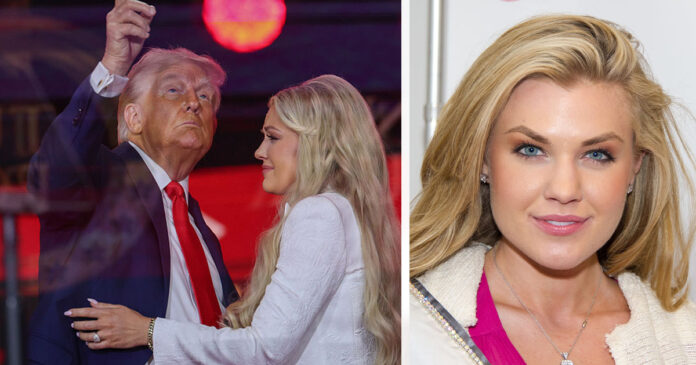
A newly passed US bill introduces a $1,000 payment for children born between January 1, 2025, and December 1, 2028. Interestingly, this period mirrors the span of Donald Trump’s second term in office, which will end in January 2029 after the next presidential election.

Following its approval, the new policy is set to take effect on July 4 this year, coinciding with Independence Day celebrations.

It is part of Donald Trump’s “big, beautiful bill,” which states: “This is a pro-family initiative that will help millions of Americans harness the strength of our economy to lift up the next generation. And they’ll really be getting a big jump on life.”

Under the plan, the funds will be deposited into what’s being called a “Trump Account,” opened in the child’s name and designed to track the overall stock market.

REUTERS via NewYork Post

Parents will also have the option to contribute additional money to the account if they wish, allowing them to potentially increase its value over time.

Parents whose kids qualify for the scheme can sign up for the Trump Account during tax filings.

IRS Form 4547 would be utilized to register for the account – a reference to President Donald Trump being the 45th and 47th president.

An additional alternative to applying for the account is through TrumpAccounts.gov website, where applicants can fill in a form to set up the account.

It was mentioned that applicants will be notified about activating their account at the right time. The funds will come from the US Treasury and will be put in an index fund. This means that the value of each Trump Account depends on the stock market and changes accordingly.

Only babies who qualify for the program can be entitled to receive the $1,000 one-time bonus.

Parents can add $5,000 of their own money to their child’s account annually.

The account remains locked from the moment it’s created until the child turns 18.

Although the funds become accessible at that point, they don’t need to be withdrawn right away.

Which companies are involved in the scheme?

Around 50 companies have been confirmed as involved in the accounts, according to Americans for Tax Reform.

A full list is here:

Acorns

Anand Legacy Foundation

Bank of America

Bank of New York Mellon

BlackRock

Block, Inc.

Broadcom

Brownstein Hyatt Farber Schreck

Charles Schwab Corporation

Charter Communications

Chime Financial Inc.

Chipotle

Citi

Coinbase

Comcast

Continental Resources

CTIA

Dalio Philanthropies – Ray and Barbara Dalio

Dell Technologies

Delta Airlines

Empower

Fox Corporation

Galaxy Digital Inc.

Harold Hamm

Heritage Foundation

IBM

Intel

Invesco

Invest America — Brad Gerstner (Trump Accounts inventor)

Investment Company Institute

JPMorgan Chase & Co.

Kraken

Mastercard

Michael and Susan Dell Foundation

News Corporation

Nicki Minaj

Nvidia

Replit

Robinhood Markets, Inc.

Russell Investment Group, LLC

S & P Global

SoFi Technologies, Inc.

Steak ‘n Shake

State Street

Turning Point USA

UBER

Vanguard

Visa

Wells Fargo

ANONYMOUS DONOR, SAN FRANCISCO

Please SHARE this article with your family and friends on Facebook.

Bored Daddy

Love and Peace
arty

A theory on why time feels like it’s moving faster since 2020

Have you ever found yourself wondering why it feels to you as though time is somehow moving faster, especially after the year 2020? Well, you certainly aren’t the only one with such thoughts. In fact, this phenomenon can be almost universally observed today: that bizarre sensation where your days seem to stretch out when you’re living them but seem to disappear when you reflect on them.

More recently, a video from TikTok creator Thomas Mulligan has taken the internet by storm, discussing this phenomenon via what he refers to as a “time perception theory.”

The concept put forward by Mulligan is supported by the following mathematical truth: As age increases, each new year becomes less of the proportion of the entirety of the person’s life.

In childhood, even a year can be viewed as a great amount of time since its share constitutes a large percentage of a life span. Imagine this: one’s first birthday includes 100% of time spent on Earth so far. One year after that birthday, the same year takes up 50% of one’s life; ten years – 10%; twenty years – just 5%, and so on. It becomes very clear why time seems to pass faster and faster with each decade added to your age.

However, according to psychologists, the truth goes far beyond percentages. The perception of time is very much linked to the way we memorize information in our heads. The period of time seems much longer when it is full of novel experiences and first-time situations. In such cases, our brain works extra hard and registers many more details about the event. That is why later on, it takes so much time to recall what happened during that time period. Conversely, when people live their lives in the routine of boring commutes and identical lunches, our brains tend to operate in power-saving mode. Consequently, we do not memorize most of these events at all. It feels like days are merging into one, and a week passes by in a blink of an eye.

As neuroscientists explain, this is precisely what made childhood seem to go on for ages. Everything was so fresh when we were children – new classes, new acquaintances, new abilities, and even new bodily experiences. In a constant state of taking in all this fresh information, our brains expand the perceived passage of time by sheer virtue of the brain activity involved. Once we become adults, we tend to slip into the autopilot mode where each day feels pretty much the same: get up, work, run errands, use screens, sleep, and repeat.

That familiarity strips away the “memory markers” our brain needs to track time, creating the illusion that the clock is spinning faster than it used to.

@mulligan.tv

Time perception theory

♬ original sound – Thomas Mulligan

One of the neuroscientists who has elaborated on this concept is Santosh Kesari who says that instead of measuring time through the use of digital watches, we tend to do so through events. Childhood appears to be long not only because we are young but also due to the vast number of milestone events that occur during that period. With age, we experience fewer and fewer milestone events, thereby making it difficult for us to remember things.

This strange phenomenon gained an extra level of surrealism during the pandemic times. Our lives became extremely repetitive during the lockdown periods when there were no means of escape and isolation was forced upon us. There was nothing distinct enough left for our mind to remember. This is why, to some degree, 2020 and the subsequent years felt as if they sped by at an abnormal pace while, at the same time, we felt incredibly bored to death. In other words, there was a lot of stagnation and almost no memory formation, which created the illusion of passing time.

Mulligan talks about how digital lives can play a role in the matter too. The act of spending countless hours on your phone and computer, looking at videos and other content that comes through a screen, gives you a feeling of “sameness,” meaning you can no longer distinguish between one day and another. As a result, your brain fails to recognize time passing by.

The silver lining of all this is that experts believe we can even “slow time” through a process of adding novel stimuli back into our lives. When the brain receives novel stimuli, it is forced to become alert and attentive once more. It is referred to as “the Holiday Paradox.” It means that although time seems to pass very quickly when we are on vacation, because it is full of novel things to see and hear, a weeklong vacation will seem to be more memorable than a month spent working.

The other method is “mindfulness.” Through mindfulness, you develop better memories through paying more attention to the everyday things like the taste of food you eat, sounds of the birds and rays of the sun. This makes up for what daily routines often erase from our minds. At the end of the day, time is not something static; rather, it can be made to stretch according to how much we participate in our life. Even though we can’t make time stand still, we can always remember more of it.

Conclusion

In conclusion, the sense of time running away from us is not an illusion, but rather the result of our lifestyles. The phenomenon can be called either the “proportional theory” or “blur of the mundane.” In any case, according to scientific evidence, it is due to the fact that the brain is programmed to generalize the habitual and emphasize the unusual. By ceasing to search for novel sensations and getting used to the predictability of a routine life, we give ourselves the right to forget about details.

However, despite the fact that mathematical principles of aging may appear as though they do not favor us at all, our perception remains flexible enough to offer us the chance to turn things around. Not only are we the passive receivers of accelerated time, but we are the directors of our own timeline as well. Through actively disrupting our habitual patterns of behavior, experiencing new “firsts,” and being fully engaged in life’s small events, we are able to successfully “stretch” the minutes and hours, making them more memorable in the process. While time may be finite, its quality depends solely on each of us.

Please SHARE this article with your family and friends on Facebook.

Bored Daddy

Love and Peace
arty

Epstein survivors break silence with claim after Melania Trump gives shock address

Melania Trump’s White House address was shocking, to say the least, triggering one of disgraced sex offender Jeffrey Epstein’s victims to break her silence.

Namely, the FLOTUS was clear that she had no links to Epstein, that it wasn’t him who introduced her to her husband, President Donald Trump, and that she was not one of his victims. She also said she had only briefly crossed paths with Epstein in 2000, stating: “I have never had any knowledge of Epstein’s abuse of his victims. I was never involved in any capacity. I was not a participant.”

Melania claimed she never had a relationship with Epstein’s associate Ghislaine Maxwell, who’s currently serving prison time, saying they only had a casual correspondence.

This came on the heels of newly released Justice Department files on Epstein, including a 2002 email from Ms. Trump to Maxwell regarding a New York Magazine feature.

“Dear G! How are you? Nice story about JE in NY mag,” the email said. “You look great on the picture. I know you are very busy flying all over the world. How was Palm Beach? I cannot wait to go down.

“Give me a call when you are back in NY. Have a great time! Love, Melania.”

In her statement, Ms Trump described the email as “a trivial note.”

Davidoff Studios/Getty Images

Melania said: “I have never been friends with Epstein. Donald and I were invited to the same parties as Epstein from time to time, since overlapping social circles is common in New York City.

“To be clear, I never had a relationship with ⁠Epstein or his accomplice, Maxwell.”

In the wake of Melania’s statement, a number of Jeffrey Epstein survivors offered their thoughts, issuing a joint letter pushing back on Melania’s remarks, saying they felt the proposal effectively shifted responsibility onto victims who have already come forward.

Lisa Phillips, who was 21 at the time she alleges she was assaulted by Jeffrey Epstein during a visit to his island, said she thinks Melania had a motive for stressing she “never had a relationship” with him.

Speaking to Sky News, Phillips said: “We probably won’t find that out for a couple more days or weeks, but I’m sure there’s a reason why.

“I think everyone takes their time. I think everyone has a boiling point. There’s a lot that has happened in the last nine months.”

Speaking in the Grand Foyer of the White House last week, Melania acknowledged that she was aware of “false smears” against her in relation to Epstein.

“I am not Epstein’s victim, Epstein did not introduce me to Donald Trump. I met my husband by chance at a New York City party in 1998,” Melania said.

“The lies ​linking me with the disgraceful Jeffrey Epstein need to end ​today,” she said.

WASHINGTON, DC – APRIL 09: U.S. first lady Melania Trump delivers a statement at the Grand Foyer of the White House on April 9, 2026 in Washington, DC. The first lady made a public statement to deny any ties to Jeffrey Epstein. (Photo by Alex Wong/Getty Images)

On Thursday, Melania Trump also urged lawmakers to allow Epstein’s victims to testify under oath before Congress, emphasizing the importance of formal, sworn statements.

She said that every woman should have the chance to publicly share her story if she chooses, and that those testimonies should be officially recorded in congressional records. According to her, only then can the full truth come to light.

Melania also pointed out that several high-profile business figures have stepped down in recent months after new information surfaced about their connections to Jeffrey Epstein. She noted that while such links don’t necessarily prove wrongdoing, they highlight the need for transparency in uncovering the facts.

After delivering her remarks, she did not take any questions from reporters.

Shortly afterward, Robert Garcia, a leading Democrat on the House Oversight Committee, released a statement backing her call for a public hearing. He also urged committee chairman James Comer to act quickly and schedule the hearing without delay.

Lily Phillips spoke out about Melania’s public push for a hearing for Epstein survivors.

“I would say I call her bluff, and be like, ‘OK, show us what you can do?’” Phillips said, adding that getting in touch with Epstein’s victims should be the first step.

“Wouldn’t that be the next step for her? Why would you make a statement like that and then not do anything?

“How can you make a statement like that without first saying: ‘OK, I’m here for you. Have the survivors reach out.’”

Please SHARE this article with your family and friends on Facebook.

Bored Daddy

Love and Peace

arty

I married my best friend’s wealthy grandfather for security—but on our wedding night, he revealed the truth

I was always the type of girl that was overlooked unless someone needed a target to make fun of. As a kid, you develop a sense for recognizing cruel intentions. By the time I was sixteen, I could laugh off any insult thrown at me by giving the impression that it didn’t sting because I did so in the nick of time. I knew how to tune out the suffocating cloak of pity from the school faculty and fool myself into believing that my loneliness was a matter of choice and not necessity.

But then Violet appeared in the picture.

She sat beside me in my chemistry class sophomore year, a cyclone of fancy perfumes and pure sunshine. Everything she did, including being nice to others, was deliberate. She did not act out of pity or the idea of making over some “fixer-upper” project. Rather, she just happened to be beautifully breathtaking, moving through life as if it was made especially for her enjoyment.

I, on the other hand, was invisible. I was the background noise in other people’s lives.

But she didn’t see a ghost; she saw Layla.

“You’re just not aware how special you are, Layla. You see the world differently, and no one else can make me laugh like you can.”

Because of some reason, Violet didn’t leave. I couldn’t quite understand why she would choose to stick around through the embarrassment of high school, the struggles of college, and everything in between. For five years straight, I believed that someday, Violet would get up in the morning and finally decide that she could not be friends with me anymore since it was such a hassle.

It is easy to summarize our most fundamental difference – she had a home while I only had my phone.

To this day, I cannot forget the time when I received a text from my brother telling me not to come home during Christmas. In all simplicity, it said that I should not return because there would be no place, there would be no money, and there wouldn’t be any point in inviting me either.

Anyway, I moved into the city with her right after college. No, not because of some sort of fixation; well, it probably seemed like that to others. It was simply a question of self-preservation—I had to stay close to the only person who actually recognized my existence. The first place I ever called my own was a small shoebox of a place perched over a 24/7 laundromat. It was loud, smelt like commercial cleaning products, and the heating never worked unless it decided to be generous—but it was home.

Violet came to visit during my moving day, loaded down with organic food stuffs and the kind of optimistic attitude I found utterly draining.

“You need curtains,” she said, pointing at my empty window that overlooked a wall made of brick.

“I need rent money,” I told her.

“Come now, don’t be like that. This weekend, my family is coming together at the estate for dinner. Come.”

That is how I came to know Rick, her grandfather.

When I first walked into the Thorne estate, I felt like an outsider among my own kind. The ceilings towered overhead and had their own climatic conditions, and the silverware was worth more than my college education combined. In the first half hour of dining, I spent all of my energy trying to eat my meal without triggering some invisible protocol of etiquette that would result in my expulsion from the estate.

Rick observed me. He was a man who seemed to be chiseled from granite and had eyes that didn’t simply observe but rather recorded you as soon as you came under their scrutiny.

“Is there a specific reason why you’re negotiating with the silverware, Miss Miller?” he inquired in a deep basso tone that drowned out the soft murmurs of his offspring.

There was silence at the table. I felt the flush of shame rise up my cheeks and neck. I met his gaze head-on, and oddly enough, the feeling of intimidation fled and left behind a flash of defensive humor.

“That’s all I’m trying to do, decide who will betray me less,” I replied.

This was the start of an odd chain of events. From then on, Rick started inviting me over even without Violet around. His candor was both exhilarating and frightening for me. He paid attention to what I had to say. He remembered the little details that I mentioned to him casually.

“Money comes before beauty,” he once commented one afternoon as we strolled through his gardens.

“That’s because money dictates what remains beautiful, Rick,” I retorted, remembering the peeling wallpaper in my apartment. “Beauty is a luxury, security a miracle.”

He smiled. It was a smile rarely seen from him and was more like a thin lifting of the corners of his lips. “Either profound or profound.”

“In my experience,” I said, “both.”

Of course, Violet noticed the connection. At first, she looked like she was having fun at this realization. “Grandpa thinks you’re great,” she informed me while we were having coffee. “He normally finds everyone utterly boring. He just loves that you’re the only one who says thank you to the staff and no to him.”

The fun didn’t last long, however. On a rainy Tuesday, Rick invited me into his library for an extremely unusual question.

“Layla, have you ever thought of marrying for security?”

I laughed. I really laughed. I waited for the joke, but there wasn’t any laughter in the room except for mine, as I listened to the raindrops beat against the leaded windows.

“Are you actually making me an offer here?” I stammered.

“Yes.”

This was when I needed to leave, or be offended or shocked. But none of that happened. Rather, there was a stark coldness in the air as I asked the question that would change everything. “Why?”

“Because I trust you more than myself,” he answered, and for the first time, I saw something besides his granite resolve as he responded to me. “To my family, I am nothing but a vault; but you see me as a person. I need someone I can count on, Layla, and you need someone who won’t crumble with footsteps overhead.”

After I told Violet what had happened, the backlash came almost immediately.

“I thought you would have some self-respect, but you clearly lack it,” she responded. “I thought I could trust you, but you’re nothing but another beggar.”

Three weeks later, I married Richard Thorne.

It wasn’t a very romantic wedding at all. It was small, costly, and awkward. I was marrying a man more than half my age. The difference vibrated through the room as a sour note. We exchanged no romantic promises; there were no declarations of devotion. All there was was a contract and an oppressive silence from his side of the family. Violet made an appearance, though she did not even make eye contact with me. Instead, she stood in the shadows.

At the reception party, Rick’s daughter Angela caught me by myself next to the champagne tower. Her smile was cold, predatory.

“Wow, you’ve progressed rather rapidly, haven’t you?” she purred, “from the laundromat to the manor in record time. You certainly have earned your stripes.”

“I do wish this family would be a little more well-behaved,” I answered smoothly. “After all, as of an hour ago, it’s me who gets to control the guest list.”

The confrontation never escalated because Rick cut it off before it became something more, but the damage was already done.

That night, in the antiseptic silence of our bedroom, Rick stripped down to the truth. “I’m dying, Layla.”

My breath left my body in a rush, and I perched at the edge of the giant bed we had yet to make love on. “For how long?”

“Months. Maybe a year if I’m lucky.”

“Why tell me this now? Why not tell me when the deal was made?” I asked.

“Because if you’d known, you would have married me for pity,” he explained, struggling to lean against his cane. “I didn’t marry you for a nurse, I married you to be my partner. My family has been circling overhead like buzzards, waiting to swoop in once my heart stops to sell the business and everything else I have built. I needed someone who understood the pain of having nothing so that you could appreciate money enough to protect the legacy of my business.”

He placed before me proof of his son’s theft from him, the effort by his family to have him declared mentally incapacitated, and then finally the contents of his last will. I would take control of his foundation as well as a place on the board.

“They’ll ruin me,” I said, stepping back in fear.

“They hate you anyway,” he replied. “Make them scared instead.”

What followed next was a cold war. At least until one day when Violet found me and accused me of selling my soul for an inheritance, I remained fearless. “I married him for the safety that you’ve always had since you were born.” You’re not grieving for your grandfather; you’re grieving for a paycheck,” I said.

When Rick had a heart attack at the dinner table, and his kids checked their watches, I held him and heard him say, “Don’t let them silence you.”

He died four months later, but only after ensuring that he took away all of their powers by making one final television appearance at a board meeting. He revealed their corruption and made sure that my position was secured.

When I stepped into the office of the foundation as its leader, the gossip was over. The employees greeted me as I walked in. For once, I wasn’t a problem for anyone or an ambitious social climber. They knew that I was the right person to guide them forward.

Please SHARE this article with your family and friends on Facebook.

Bored Daddy

Love and Peace

arty

Woman, 26, with excessive itching diagnosed herself with cancer after being dismissed by doctors

A young woman spent nearly a year dealing with persistent and uncomfortable symptoms before she was finally diagnosed with cancer. Sumbul Ari had been experiencing continuous itching for an extended period, and the condition progressively worsened until it severely disrupted her daily life. The itching became so intense that she was unable to sleep properly, often waking repeatedly during the night to scratch and relieve the irritation.

Since the symptoms first began in April last year, Sumbul made multiple visits to doctors in search of answers. However, despite her repeated efforts to seek medical help, she was turned away on several occasions.

At one point, a medical professional suggested that her itching was simply due to dry skin and advised her to apply moisturiser, while another reassured her by saying it was “just one of those things.”

As her condition progressed, Sumbul began experiencing a wider range of symptoms. These included changes in her body temperature, a loss of appetite and energy, and the development of a cough.

Sumbul’s symptoms persisted over time to the point where she described feeling “emotionally, mentally and physically exhausted.”

sumbulari/Instagram

At this stage, the 26-year-old said she had already begun to suspect cancer after researching her symptoms online, which she referred to as going down a “Reddit rabbit hole” each night. She stated that after reading about combinations of symptoms such as itchy skin, night sweats, and fatigue, she became convinced something serious was wrong.

Her condition prompted further medical attention after she discovered a lump in her neck. Following this development, doctors began taking her concerns more seriously and subsequent examinations revealed abnormal and enlarged lymph nodes in other areas of her body.

Eventually, she was diagnosed with Stage 2-3 Hodgkin lymphoma in March 2026.

Hodgkin lymphoma is a type of cancer that affects the lymphatic system, which plays a role in the body’s immune system. Although no cancer is easy to cope with, it should be noted that Hodgkin lymphoma is generally regarded as one of the most treatable types of cancers. As of 2026, medical science has reached unprecedented heights of success in treating it.

With Hodgkin lymphoma, the normal function of B lymphocytes that help protect your body from infection becomes disrupted when they start to mutate and reproduce uncontrollably. The affected cells are known as Reed-Sternberg cells.

Instead of supporting your body’s immune response by assisting in fighting infection, the cells accumulate in your lymph nodes – small structures that resemble beans within your body. Lymph nodes form part of your lymphatic system that can be likened to the “highway system” of your immune system, which explains why the diaphragm is considered the Great Divide.

Speaking of her diagnosis, Sumbul said, “I didn’t care if it was cancer, I just wanted the itching to stop and wanted a full night’s sleep.

“Being told I had cancer was relieving. I finally had an answer. But I was very frustrated at all the doctors who dismissed me, and very, very angry.

She added: “There is nothing more frustrating than knowing there is something incredibly wrong, but being brushed off by the people who are supposed to help.”

At the time being, she’s receiving chemotherapy and says the unpleasant symptoms have since disappeared.

“I can’t believe I am saying this, but I sleep every single night like a baby, and I no longer scratch myself,” she said, adding: “Every single morning I wake up grateful for a full night’s sleep. I forgot what it felt like to wake up well rested.”

@sumbul.ari here is my story #cancerjourney #cancerfighter #hodgkinslymphoma #lymphoma #cancerawarness ♬ original sound – Sumbul Ari

This young woman is urging everyone out there to listen to their body and seek answers whenever they feel like anything isn’t right. “Never stop advocating for yourself when you know something is deeply wrong. Keep trying until someone listens,” she says.

Many people with Stage 2 or 3 Hodgkin lymphoma experience what doctors call “B Symptoms”:

  • Drenching night sweats (needing to change pajamas or sheets).
  • Unexplained fevers.
  • Unintended weight loss.
  • A persistent, “itchy” feeling without a rash (Pruritus).

Please SHARE this article with your family and friends on Facebook.

Bored Daddy

Love and Peace

arty

CT scan: what it is, what it’s used for, and why doctors are increasingly requesting it

What’s a CT scan?

Computed Tomography, often referred to as a “CT scan,” is undoubtedly one of the most essential diagnostic instruments that modern medicine has to offer. CT scans have earned their place thanks to the detailed yet non-invasive insight they provide into the human body.

Although they have been around for a while, it is completely natural to be slightly anxious about a CT scan. You may be asking yourself, “What is it really doing?” or “Why not go with an X-ray instead?” Well, to answer your question, a CT scan works using a combination of advanced computer processing and X-rays to form slices of the body being examined. As compared to an ordinary x-ray that will give you a two-dimensional image like you’re just looking at a page, a CT scan gives doctors multiple perspectives of the page.

According to the Mayo Clinic, CT imaging “combines a series of X-ray images taken from different angles around your body and uses computer processing to create cross-sectional images.”

With internal structures being examined one layer at a time, it allows doctors to examine organs, bones, and soft tissues with a level of clarity that older forms of imaging cannot provide.

How does a CT scan work?

From the point of view of a patient, this procedure is surprisingly simple and, fortunately, non-invasive.

You will have to lie down on an examination table that moves into a large, donut-shaped machine. As you remain still, the scanner rotates around your body, sending X-ray beams from different directions. Detectors on the opposite side capture these beams and transfer the information to a computer, where it is reconstructed into images called “slices,” essentially virtual cross-sections of your body.

These slices can be viewed separately or combined into a three-dimensional image.

According to the Radiological Society of North America, CT scans provide “more detailed information than plain X-rays, especially of soft tissues and blood vessels.”

If someone is rushed to the ER after a car accident, a CT scan is the go-to. It can instantly spot internal bleeding or organ damage that a standard X-ray would completely miss.

Key advantages of CT scanning

The “superpower” of the CT scan is its speed. The vast majority of CT scans are completed within a matter of minutes, which literally becomes a lifesaving feature in certain critical conditions.

What makes speed crucial?

Traumas: Physicians require an immediate picture of internal injuries.

Strokes: Every second counts in saving brain tissue.

Bleeding internally: Rapid detection means the difference between life and death.

According to the National Institute of Biomedical Imaging and Bioengineering, CT scans are commonly used in emergencies due to their rapid response.

Additional benefits: Incredible image clarity, ability to scan multiple areas in one go, great for both initial diagnosis and checking progress later, available in almost every major hospital.

Why do doctors order CT scans?

A doctor usually calls for a CT scan when other tests leave them with more questions than answers.

Common reasons include: figuring out the source of persistent, mystery pain, spotting tumors or unusual growths, finding infections or hidden inflammation, assessing injuries after a fall or accident, checking for blood clots or “plumbing” issues in the veins.

CT scans are brilliant for narrowing things down. For instance, severe stomach pain could be anything from a kidney stone to appendicitis—a CT scan gives doctors the answer in minutes.

According to the Cleveland Clinic, scans are the preferred choice when doctors need “a fast, detailed look inside the body to diagnose disease or injury.”

Use in brain imaging

A CT scan is absolutely essential in neurology since it is able to detect any potentially fatal problems in the brain within seconds.

The CT scan is used for:

Diagnosing strokes

Detecting hemorrhages in the brain

Head injuries

Abnormalities

Time plays a significant role when a stroke occurs; hence, it helps to determine whether the stroke is due to a clot or a hemorrhage since the medication for either condition will have an adverse effect on the other one.

As stated by the National Institute of Neurological Disorders and Stroke, “early treatment can reduce brain damage and improve outcomes.”

Use in abdominal and pelvic imaging

CT scan also remains the best choice when investigating the body “engine” room: abdominal and pelvic regions.

The regions include: liver, kidneys, and pancreas, as well as intestines and bladder.

The CT scan aids in detecting:

Infections or abscesses

Kidney stones

Tumors

Internal bleeding or inflammation

More often than not, you will receive contrast dye. While it may have a slightly metallic taste, it helps in identifying blood vessels and organs by making them stand out on the CT scan.

According to the American College of Radiology, contrast enhanced CT makes it much easier to diagnose subtle abnormalities. For example, if you experience excruciating abdominal pains, your physician may require a contrast CT scan to determine the cause of your condition.

Safety and radiation considerations

But what about the radiation? Indeed, the level of radiation used in a CT scan is higher than that used during a conventional chest X-ray. Nevertheless, it is important to look at the problem objectively. Contemporary scanners work very effectively, using the smallest possible dose.

According to the FDA, “the benefits of an appropriate CT scan generally outweigh the risks.”

CT safety facts:

They are not ordered unless absolutely necessary.

Modern technology minimizes your exposure to radiation.

Doctors consider the risk posed by the radiation compared to the risk of not diagnosing.

During an emergency situation, information provided by CT scans will definitely outweigh the minuscule levels of radiation exposure.

Pexels

Role in monitoring treatment

A CT scan is not just a once-off diagnostic test but it is also used to monitor your recovery progress.

Follow-up scans can be used to:

Monitor if there is progression or regression of the disease.

See if the tumor has regressed in size.

Monitor if the therapy or surgery was successful.

Detect recurrence.

In cancer cases, the importance of this type of test lies in helping doctors assess whether chemotherapy is effective or if an alternative strategy needs to be employed.

According to the National Cancer Institute, imaging plays an important role when determining the effectiveness of therapy.

For example, a patient undergoing treatment may have a scan every few months. The shrinking of the tumor during the scan would be good proof that the treatment is successful.

Conclusion

Not only is a CT scan a standard diagnostic process, but it stands out as one of the major advancements in medical technology in the twentieth century. CT scans act as a link between mystery and a diagnosis and provide doctors an “all-access pass” to see how the body of a person functions with incredible accuracy which could previously have only been imagined in science fiction novels. In an emergency room, a CT scan can literally make the difference between life and death because a patient may be saved thanks to the information provided within seconds.

Not only in the emergency room but in a much broader scope, the CT scan acts as an invisible teammate in patients’ health journeys. Whether it is for making sure that the surgery site heals properly, that the treatment regime successfully decreases the tumor size, or that there are no issues discovered in a regular examination, the scan gives doctors and patients priceless peace of mind in terms of much-needed clarity. Even though it may be frightening because of its bulky doughnut shape and technical language involved, one thing remains true about the scan’s ultimate aim: obtaining reliable data.

As technology advances, CT scanning technology keeps advancing too, with new CT scanners decreasing the dosage of radiation even further while improving image clarity. The future looks bright, with CT scans continuing to be an essential part of medical diagnostics. Knowing the process of how each “slice” is created and why your doctor picked this particular instrument can demystify the procedure and give you back some control. In the end, a CT scan is not just a snapshot; it’s an informed decision, giving you the tools to move forward confidently and securely.

Please SHARE this article with your family and friends on Facebook.

Bored Daddy

Love and Peace

arty

Rajee Narinesingh had her face pumped with cement and superglue– this is her today

Rajee Narinesingh, one of the best known transgender women in America, has gone through so much in her life. Born in 1967, before the Internet became huge part of our lives, she couldn’t understand why she felt like a woman, and she certainly couldn’t Google it and learn more as people do today.

One thing was certain, she felt like she was trapped in a wrong body.

As years passed by, Rajee started going out and met transgender women at different clubs and that’s when she knew she was one of them.

Youtube/E!Entertainment

She was eager to change the way she looked, but as all those surgeries and fillers cost a fortune, she decided to turn to the black market.

“The last thing I wanted was to look like a man in a dress. I wanted to be a beautiful woman,” Rajee told Daily Mail of her initial steps to transition.

“So I made the choice to get injections done – in our community, it is called pumping.”

Unfortunately, she met a fake doctor who destroyed the lives of many over the years, notorious Oneal Ron Morris, or better known as “toxic tush doctor,” as the media labeled her.

Youtube/E!Entertainment

Rajee received ten injections from 2007 to 2010. Each of the sessions cost her $100, which was way too cheaper compared to what legal clinics offered. Rajee was perfectly aware Morris’ injections weren’t legal, but she though she could get the look she dreamed of for little money, not knowing that her life would turn into a living hell.

“When it finally came to the day, I was more excited than nervous because I was finally going to be the woman I had always wanted to be. There was a room that she had set up where she did a lot of medical procedures. It appeared to be pretty sterile,” Rajee explained of the first time she met Morris.

“It was like an extra bedroom that she had turned into a clinical area, and I would go in and pay the money. I got injections in my face and my hips, and my buttocks, and initially, I was fine. But then the nightmare started.”

Youtube/E!Entertainment

Rajee’s body got deformed at the parts she got injections at. Large lumps formed under her cheeks, lips, and chin. She knew something was very wrong, but she was ashamed and afraid to leave her home, let alone alert the authorities of Morris’ illegal “clinic.”

“I felt like a monster, I really did,” she told Barcroft Media, as quoted by the NY Post. “A sideshow circus clown.”

Eventually, in 2012, Rajee gathered strength to ask for help. She started visiting Dr. John Martin of Coral Gables Cosmetic Reconstructive Surgery who gave her softening injections and laser therapy to soften the huge lumps.

Youtube/E!Entertainment

Luckily, those treatments helped her regain her self-confidence. She started going out more and she even started dating.

“Now I’m feeling more confident, and with a good bit of makeup, I can achieve somewhat of an exotic look,” she told Daily Mail back then. “Recently, this guy said that being with me is like being with a sexy dragon. I didn’t know whether to slap him or kiss him.”

In 2016, Rajee received even more help when she was chosen to be part of the E! show Botched. Rajee applied the year before as well, but doctors weren’t sure how to help her. The following year, however, they believed they found a way to smooth her looks further.

“I have to make sure my plan is a conservative one, it’s a smart one, and it doesn’t take any undo careless risks with Rajee’s face,” Dr. Dubrow said on the show Botched.

Over the course of seven weeks, Rajee underwent four surgeries. Luckily, her face started looking better and better.

“My confidence has definitely improved,” she told Barcroft. “It has changed my life. It really has. I know I’m a big personality, so I’m always going to get stares, but now the stares are a little different.”

Youtube/E!Entertainment

Rajee wasn’t the only victim of the self proclaimed doctor Morris. One person died due to the injections which consisted of cement, superglue, and tire sealant, the same ones Rajee received. The victims sued Morris and she was sentenced to 10 years in prison.

In 2021, Morris sent a letter to Rajee, asking for forgiveness. Rajee decided that accepting the apology would give her some sort of closure too. She shared the response to Morris’ letter on the social media. “What I have become more aware of as I have lived my life is that if we can get stronger from the hardships we go through and learn from the mistakes we make, then they become blessings. I feel the sincerity of your spirit, Sis, and I want you to know that I wish the very best for you,” Rajee wrote.

Today, Rajee is a wide known community activist and works with the LGBTQ community, as well as several other organizations. “I call myself a world activist or a community activist. You know, because of my advocacy for the black-market injections took me global! No, it literally did! And now I hear from people in Uganda and Australia, honey. It’s crazy! I mean, Pakistan! Wow, it’s amazing,” Rajee told The Body.

“So that’s one of the blessings. I consider the whole situation with my black-market injections and all the suffering I went through — I consider that a blessing, because it gave me a bigger platform to do my advocacy and my activism,” she added.

“You know, even before all the corrective surgery,” she added, “I thought, ‘Hey, this happened to me, and if I can share my story, educate people, and prevent this from happening to someone else, then I’ve made lemon meringue pie out of lemons.’”

One thing is certain, after everything she endured, Rajee looks awesome and is happy with her appearance.

arty

The perfume I carelessly threw away hid a secret that could have changed everything — but I found out too late

I envisioned our tenth year anniversary as a scene from a romantic movie, with sweet music playing in the background and a lot of laughter. My husband and I holding hands and celebrating all our achievements together. It was indeed a big deal when you think about it; ten years of ups and downs, love, fights, forgiving each other and then enjoying those little, ordinary days that eventually became our lives.

A few weeks prior to the celebration, I took some extra shifts at work in order to be able to get the perfect gift, a watch I knew he’d loved — elegant but understated.

I could still feel the happiness of the moment when I bought it, and that night after dinner, I finally gave him with the watch. My heart was filled with joy when he smiled while looking at it. Then he took a small bag that was sitting by his chair and handed it to me. It was a plastic bottle of perfume, the type that is usually found at the very end of the supermarket counter.

For a brief moment, I failed to hide the spark of disappointment. I told myself not to mind, that gifts were not what counted, but at the same time, I was sad because I expected more from him. It wasn’t the fragrance that was the issue, but rather his lack of effort.

Anyway, I smiled, said thank you, and gave him a kiss.

Once home, I put the perfume inside a drawer. I never even opened it, just placed it there, trying to forget about having it.

Three weeks later, my life suddenly changed. I lost my husband and my world turned upside down.

The watch I had given him was on the bedside table, still ticking. The perfume in my drawer was thus still there, a silent witness to the last time we celebrated anything together. I simply could not look at it without a sharp stab of remorse. I could see the disappointment in myself as I stood so silent.

Oh, if I could turn back the time to that night just to hold his hand and truly enjoy the moment before it was gone. But sadly enough, grieving does not have a rewind button. It just takes away the words you didn’t say, and what you will never get the chance to say again.

By the time the months were up, the perfume had become a representation of everything that was left undone. I would catch sight of it while putting away or searching for an item in the drawer and I would quickly shove it away as if I were trying to keep the pain in. I missed him even in the most insignificant ways, his low humming while cooking, his head tilting when thinking, his soft reminders to take a break when I was working too much.

It was once love that filled every corner of our home, and now it was the absence which even though silent was heard very loud.

One gray day about a year later when I decided to clean that drawer after all, not because I wanted to delete his memories but rather to create a truce with them, I removed the perfume, it slipped off my hand, and hit the ground. The cap went under the bed and whilst I was bending down to get it, I noticed something small and folded slipping out underneath the label.

My heart started beating very fast. It was just a piece of paper, creased in the middle, with my name written in his handwriting. Very cautiously I opened it as if the paper might fall apart on my palms. The note read in his usual script: “I realize this perfume is a little but then again I am saving for the necklace you have always looked at. Thank you for trusting me, even when I don’t say it. You are my gift for all time.”

I let the tears flow. They fell quickly and freely with all the grief and guilt of the past months pouring out at once. I held the note to my heart, trembling, coming to the realization that what I had taken for indifference was actually the other way around. He had something bigger.

The perfume bottle, which at first was a reminder of dissatisfaction, was now the most valuable gift he had ever given it to me.

That night, I put it on my nightstand not as a reminder of loss but as a love that outlasted everything. I never sprayed it because in some way, using it felt like giving up on something divine.

Please SHARE this article with your family and friends on Facebook.

Bored Daddy

Love and Peace

arty

The first animal you notice may reveal your biggest personality flaw: a fun psychological test

Everyone who uses social media is familiar with these strange and mysterious illusions, which allegedly contain the answers to our deepest psychological secrets. Most people only glance at these images and forget about them. However, every now and then, there is one that catches our attention. The detailed sculpture below is one of those: an entangled biological mesh creating the shape of a human face.

The rules are easy: Do not cheat. Your first animal will show what your biggest personality flaw is.

Although these types of assessments are generally not based on scientific principles but rather on psychology, they do incorporate an interesting concept known as Pareidolia. In other words, Pareidolia is the human ability to recognize significant figures in a seemingly arbitrary image. What you focus on first tells a lot about the current condition of your mind.

So let’s dive into the menagerie and explore what your first choice might suggest about the “shadow side” of your personality.

1. The Lion (The Crown of the Head)

Should your eyes have instantly been drawn to the magnificent lion seated majestically upon the crown of your head, chances are that you are a person of strength, power, and prestige. But just as with every creature in this image, there is a shadow side to the Lion as well, and that dark side is arrogance and rigid pride.

    Being drawn to the image of the lion means that your “biggest flaw” could be a failure to accept when you are mistaken. Being in a position of authority and thinking of yourself as a protector makes you automatically think that admitting fault will undermine your position. Your craving for admiration turns into a hunger for control, which makes it hard for others to give you any negative feedback without you taking it personally.

    2. The Eagle (The Cheek/Eye Area)

    An eagle symbolizes clarity and accuracy. If this is the creature you picked, then your personal flaw would probably be either detachment or hyper-criticism.

    Eagles soar high and observe things from above. This helps you understand situations from afar very well, but at the same time, it may make you seem distant or detached. The problem is in the fact that while observing events from up above, you fail to consider the messy emotional aspect of people’s actions. Perfectionism may be one of your flaws.

    3. Snake (Chin and Neck)

    In case you were more focused on the two coiling snakes at the bottom of the statue, you are a very intuitive person who likes to keep things close to their chest. In that situation, your flaw would be either manipulation or secretiveness.

    Snakes are symbols of transformation and change, but they are also creatures of secrecy. If the snake was the part of the statue you paid attention to first, then it’s possible that you do like to keep secrets for yourself. That’s not to say you have malicious intentions, but there is a sense of secrecy or even manipulation that surrounds you.

    4. The Fish (The Nose and Eye Detail)

    The fish are placed inside the heart of the face, symbolizing emotions and the subconscious mind. Should the fish be the first thing you see here, your flaw might be escapism or indecisiveness.

      Fish flow along with the current. You may discover that when faced with problems, it is your natural tendency to “swim away” instead of dealing with the problem directly. This shows an inability to hold a stance in regards to important matters because you prefer to keep things fluid and prevent others from being displeased. Although this allows you to adapt easily, you run the risk of losing yourself to the surroundings.

      5. The Birds/Swallows (The Forehead and Brow)

      Most individuals can easily see the nimble swallows flitting around in the area of the forehead and brow. This suggests that your fault could be restlessness or lack of focus.

        You are an individual who likes to look into the future. But this is because you never stay still long enough to finish one idea before starting another. While your head is constantly brimming with ideas, you might not have enough of the earth energy necessary to put these ideas into practice. Your flaw would be giving up on anything when the thrill wears off.

        6. Otters or Small Animals (The Mouth and Jaw)

        In case you have seen the smaller and earthier animals such as the otters at the mouth level or even the cubs at the head level, your weakness will probably be dependency/people-pleasing.

          The animals stand for relationships and socializing. You see, if you spotted these animals first, then you place more importance on social harmony than your own happiness. This is what they call the “nice person” weakness; you do not want to risk rejection and therefore keep quiet about your own needs.

          Pexels

          The science behind the “first glance”

          Why would individuals perceive varying perceptions from the same set of geometric shapes and shadows? In most instances, there would be a reason for this variance. The human brain does not operate like a camera in terms of perception but rather operates like a narrator. In order to make sense of the perceptual mess around us, we rely on top-down processing. Psychologists describe top-down processing as a technique that allows us to apply our prior knowledge and emotions to our perceptual experience.

          The “flaw” that shows up as a result of such an analysis isn’t some sort of a scar etched into the very depths of your soul or even something static related to your personality structure. Rather, it is an indication of how you spend your psychological resources at the moment. What is seen is determined by how the person perceives reality at the time – if you are extremely conscious of your vanity recently, then the image of a Lion will be like a flashing neon sign for you.

          The purpose of the task you have performed here is not to criticize yourself but, rather, to assign you to a category in order to humiliate you. Quite to the contrary, the purpose of the task is to help you perform Shadow Work. This term denotes the technique used widely by the Swiss psychologist Carl Jung. This approach suggests that one should identify the elements of their character, which the person tries to hide because they seem “unacceptable.”

          Once you become acquainted with your shadow, you become whole. Here is how you can apply the results of your “first glance” to your personal growth:

          Acknowledge the flaw without judgement: The next step is to take down your armor. Don’t start blaming the test or saying the test is “off.” If you identified with the Snake and you’re now acutely aware of your proclivity for secrecy and manipulation, just allow that awareness to be. Admitting a weakness doesn’t mean you’re a bad person; it means you’ve become a self-aware individual.

          Find the virtue within the vice: One of the most appealing qualities about Jungian psychology is that it suggests there is virtue inherent in every vice. The Lion’s arrogance might simply be untrained leadership skills. The Fish’s escapist tendencies may actually represent the potential for a very creative imagination that still needs to be focused on something meaningful.

          Act and integrate: Once you identify that you are dealing with a certain pattern, you empower yourself to make a choice of another kind of reaction. Learning about something is the first step towards change. When next you find yourself having the desire to “swim away” during an emotional discussion, you can remind yourself of the Fish. Having identified the behavior as learned, you can challenge yourself to stay in the discussion room.

          Conclusion

          In the end, this picture is an absolute demonstration of Gestalt—an aspect of psychology whereby the “whole” becomes greater than the sum of its parts. Your brain will finally solve the puzzle and see the face of the human being. But without the presence of the intricate and sometimes even contradictory “animals,” there would be no such human face.

          We are all living manifestations of such instincts. We are never just one entity; we are Lions, Snakes, Fishes, and Birds all in one. Our “greatest flaw” is often merely our “weakest part.” And when looking at a composite picture such as this one, we must journey through a jungle of distinct characteristics before seeing the human nature in the middle.

          Through paying close attention to the first thing that we see, we obtain a small but priceless advantage over ourselves. We go from being the subjects of invisible powers to becoming masters of our fate. What was the first thing that you saw? More important, what are you going to do with your discovery for today? All you need is the mirror before you and simply look until you see yourself completely, warts and all.

          Please SHARE this article with your family and friends on Facebook.

          Bored Daddy

          Love and Peace

          arty

          Signs of dementia you should never ignore and habits you should start today to prevent it before it’s too late

          Dementia is not one disease but rather a general term used to describe several disorders characterized by a progressive deterioration in memory, cognitive skills, and regularity in everyday activities. It is true that dementia is a common problem among elderly individuals; however, it is far from being a natural occurrence that comes along with aging.

          According to the World Health Organization, dementia is one of the leading causes of disability and dependency among the global senior population. Millions of people suffer from dementia each year.

          A gradual nature of the disease poses a serious challenge to timely detection. In the initial stage, changes in cognitive functions are often overlooked because of their mildness. They can easily be explained by fatigue, stress, and forgetfulness typical of old age. However, recognizing the early symptoms can significantly improve the quality of life of a patient.

          Taking into account the latest findings in clinical practice and the recommendations of specialists in the medical field, here are the 10 earliest warning signs of dementia.

          Memory loss impairing daily activities

          Perhaps the most immediate warning sign is memory loss severe enough to interfere with everyday activities. This doesn’t involve forgetting things like where you left your car parked, but rather problems like:

          Failure to recall recent conversations or significant occurrences

          Repetition of questions

          Reliance on post-it notes and families to keep track of minor details

          As mentioned by The Alzheimer’s Association, forgetting short-term information tends to be one of the first signs of Alzheimer’s disease, the most common form of dementia.

          Difficulty planning and problem solving

          At its onset, dementia could disrupt the executive functions of the brain that are responsible for managing activities. The symptoms include troubles with following a well-known recipe or set of instructions, tracking monthly payments or finances in general, remaining concentrated on tasks that the person has repeated many times.

          The inability to manage and plan tasks indicates deterioration in the frontal and temporal regions of the brain.

          Confusion about time or place

          It is common among early symptoms for a person to be confused about when something happens or where they are. These cases usually involve: not remembering what day it is, being unable to recognize seasons or time intervals, or feeling lost at home.

          The confusion about place and time is a classic feature used in the diagnoses of dementia.

          Difficulty comprehending visual and spatial information

          People with dementia may experience changes in their brain’s interpretation of visual information and spatial relationships. They may face: problems in judging distance (increasing the danger of driving), difficulties in reading or tracking lines of text, problems recognizing familiar faces, objects, or geographical locations.

          Visual and spatial deficits have been found to develop relatively early in particular forms of dementia, according to studies by the National Institute on Aging.

          Difficulty communicating

          Naming a commonly used item becomes increasingly difficult, such as calling a watch a “hand-clock.” In addition, people with dementia may experience: repetition of certain phrases, and being unable to complete thoughts or sentences.

            These problems are often mild at first but eventually become noticeable.

            Misplacing things and losing the ability to retrace steps

            While everyone occasionally misplaces their keys, forgetting due to dementia is not the same. It usually includes: placing things in odd places (for example, putting a phone inside a freezer), accusing people of stealing objects when they can’t find them, inability to “retrace one’s footsteps” to retrieve a misplaced object.

            This situation tends to become extremely infuriating for both those who suffer from the condition and their family members.

            Bad judgement and poor decision-making

            Dementia may affect the sufferer’s rational thought process and good judgment. For instance: unusual and risky behavior when handling finances (giving money to telemarketers), abruptly becoming unhygienic or unkempt, failure to assess risk factors (walking into the path of traffic or forgetting about an appliance on the stove).

              Changes in decision-making abilities tend to stem from changes in the brain’s frontal lobe.

              Withdrawal from work and social events

              Many people in the early stages of dementia will find themselves withdrawing from their usual activities. This may include: loss of interest in previous hobbies, not attending any parties or family events, no longer attempting to follow games and group discussions.

              However, despite these behaviors seeming like depression at first glance, they can also be considered reactions to stress from cognitive impairment.

              Mood or personality changes

              Occasionally, one of the symptoms of early-stage dementia is a change in the “way a person acts.” These signs can include: experiencing fearfulness, suspicion, or paranoia, swinging between moods quickly or becoming easily irritable, or displaying uncharacteristic fears and/or agitation.

                According to the Mayo Clinic, the way dementia affects the brain can fundamentally change how a person regulates their emotions and personality.

                Difficulty in following conversation or thought process

                Being able to engage in a conversation or understand new information may prove difficult and mentally tiring. Examples are: finding it hard to grasp the flow of conversation, finding it difficult to follow conversations with multiple speakers, taking an unusually long time to respond to an easy question.

                These symptoms are initially mild but become more noticeable with time.

                Why early detection matters

                Catching it early is a game-changer because it gives families the breathing room to:

                • Start treatments that might help put the brakes on how fast symptoms get worse
                • Get a head start on planning for the future while everyone can still weigh in
                • Lean into lifestyle habits—like diet and exercise—that actually protect the brain
                • Look into clinical trials or join communities that offer real support

                Even though a total cure doesn’t exist for most types of dementia yet, stepping in early can make a massive difference in how someone lives their life day to day.

                Living with Alzheimer or dementia isn’t just hard for the person suffering from it but for those around them as well. Seeing a loved one struggling to remember things clearly is simply heartbreaking and everyone who has a relative with either of these two conditions knows the pain all too well.

                The good thing is that medicine is evolving with each passing day and we never know when the cure for some of the diseases and conditions of today will be found. One thing is certain, we should never lose hope.

                Researchers and scientists believe these 9 habits can help us protect our brain from Alzheimer’s and dementia.

                1. Quit smoking 

                Most of the people who enjoy smoking are aware of the negative consequences of this habit. Smoking doesn’t only affect the skin, but the brain as well. Researchers say that smokers run a 45 percent higher risk of getting Alzheimer’s compared to non-smokers.

                2. Increase your vitamin B12 intake

                Recent researches done at a medical institution in Finland speak of the correlation of Alzheimer’s and dementia and the deficiency of B12. That is one reason why you should start eating more food containing this important vitamin such as eggs, seafood, fish, and meat.

                © Pixabay

                3. Be more active

                Exercising for at least half an hour a day can affect your health positively. Not only you’ll feel fresher and younger, but you’ll help decrease the chances of suffering from dementia. Exercise helps keep your brain in shape as well, not just your body.

                4. Increase your Vitamin D intake

                Over the years, more and more importance is given to the vitamin D. A study conducted in the US back in 2014 showed that the deficiency of this vitamin can increase the risk of Alzheimer’s by 125 percent.

                If you want to increase your daily intake of this vitamin just spend more time on the sun. If that’s not an option, take some supplements.

                5. Drink coffee

                If you are one of those people who can’t imagine starting their day without a cup of coffee, than you are at the same time lowering the risk of Alzheimer’s disease by 50 percent.

                This drink plays the role of an antioxidant.

                © Pixabay

                6. Protect your head

                Studies suggest that bad head injuries can later lead to developing Alzheimer’s or dementia. That is why make sure you keep your head safe at all times, especially when you’re riding a bike or motorcycle. Never do it without a helmet.

                7. Minimize alcohol intake

                If you drink alcohol every now and then remember that consuming too much of it can negatively affect the normal functioning of the brain thus lead to dementia or Alzheimer’s. Of course, you can always have a glass of wine as it is said to keep you healthy.

                8. Brain exercises are great

                Our brain should be stimulated at all times. In case you wonder how to do it, here’s a tip. Read a lot, or solve crosswords and Sudoku whenever possible. Learning new things make the brain put an extra effort in remembering them, so that boosts memory.

                © Pixabay

                9. Make sure to relax and rest!

                Stress can cause dementia and no matter how hard it is to avoid stressful situations, do everything to do exactly that. Take rest often and make sure your brain and body get enough sleep.

                *Medical Disclaimer: This article is for informational purposes only and is not intended as medical advice, diagnosis, or treatment. If you notice symptoms of dementia or have concerns about cognitive health, consult a qualified healthcare professional.

                If you found this useful, please share this article with your family and friends.

                Bored Daddy

                Love and Peace

                arty

                The benefits of eating bananas and the myths you should stop believing

                There’s no doubt that bananas rank right up there with some of the most loved fruits on earth. Not only are they cheap and handy to eat but they are also packed with nutrients that are good for your body.

                Despite being ubiquitous, bananas have long been the center of controversy in the health sector. While some people believe that bananas make up the best clean fuel for athletes, others consider them the most evil things that they could possibly consume. Hence, what is the truth behind this fruit?

                To know more about bananas, it is important to take into account their benefits, impact on the body, and myths surrounding them in the modern viral environment.

                So let’s look at the actual science behind banana benefits and clear up those common myths.

                The Nutrient Profile: What’s Actually Inside?

                When you remove the banana peel, you are not only enjoying its delicious taste but also unlocking an array of micronutrients. One medium banana provides you with a perfect balance of vitamins and minerals that are necessary for your everyday functioning.

                For example, bananas are excellent sources of:

                Potassium: A crucial mineral and electrolyte.

                Vitamin B6 (pyridoxine): Necessary for the development of the brain and maintenance of the nervous and immune system.

                Vitamin C: An antioxidant responsible for maintaining skin health and enhancing the immune system.

                Magnesium: Participates in more than 300 biochemical reactions in the body.

                Fiber: Important for digestion and feeling full.

                Healthline provides some interesting statistics about bananas. For instance, one banana contains only 100 to 110 calories but is rich in fibers. They are naturally free of fat and have only negligible amounts of protein. The combination of these attributes makes them the “cleanest” source of carbohydrates, which are the body’s main fuel.

                The Cardiovascular Connection: Supporting Heart Health

                Another of the most extensively proven benefits of bananas is their heart-friendly nature, largely due to the high amounts of potassium they contain. Potassium is an electrolyte that carries a small electrical charge, which is vital for the heart’s ability to beat properly.

                Potassium serves several critical functions:

                Regulating Blood Pressure: Potassium helps the body eliminate excess sodium through urine and relaxes the walls of blood vessels.

                Water Balance: Alongside sodium, potassium is responsible for maintaining the proper balance of fluids inside and around body cells.

                Nerve & Muscle Function: Potassium supports the normal functioning of muscles, including the contraction of the heart muscle.

                According to the Cleveland Clinic, potassium-rich diets have been consistently linked to lower blood pressure and a reduced risk of stroke. Unfortunately, modern Western diets tend to contain too much sodium and not enough potassium. The good news is that adding a banana to your daily routine can be a simple first step toward achieving a healthier balance.

                The Gut Microbiome and Digestive Health

                While bananas are commonly advised as part of a BRAT (Bananas, Rice, Applesauce, Toast) diet for those with upset stomachs, they also offer additional digestive benefits.

                One of the main reasons bananas are considered helpful for digestion is their fiber content. They have:

                Soluble Fiber – This type of fiber is capable of dissolving in water, creating a gel-like substance in the digestive system. It slows down the digestion process, allowing your body to absorb nutrients.

                Resistant Starch – This type of fiber is abundant in unripened or somewhat green bananas. While regular starches are broken down in the small intestine, resistant starch reaches the large intestine and acts as a prebiotic.

                Studies have shown that resistant starch acts as food for beneficial bacteria in your gut. The process of breaking down the starch results in the creation of short-chain fatty acids such as butyrate. These acids are necessary for proper colon functioning, leading to:

                Reduction of systemic inflammation.
                Enhancement of the intestinal barrier.
                Improvement of nutrient absorption.
                Elimination of common problems like bloating and constipation.

                Nature’s Original Energy Bar

                When you watch a professional tennis game or marathon, you will see that the players are eating bananas during intervals of play. There is an explanation for the consumption of bananas by athletes prior to continuing play. The fruit is usually called the “energy bar of nature,” since the fruit contains different types of natural sugars, including glucose, fructose, and sucrose.

                Candy bars give rise to a fast increase in the level of blood sugar and consequently result in exhaustion; however, the bananas contain sugars, along with fibers.

                The Blood Sugar Debate: Are Bananas Safe?

                This might be the most misinterpreted aspect of the nutritional value of bananas. Since they are sweet fruits, many people, particularly health-conscious ones or those suffering from certain conditions, avoid them.

                The glycemic index (GI) of bananas ranges from low to medium, being about 42 to 62 according to their ripeness level. The GI indicates the effect of food consumption on the level of glucose in our bloodstream after eating it. This is because the presence of dietary fiber and resistant starch makes bananas not produce the high blood sugar spikes typical of processed foods like white bread.

                According to scientific studies, unripe green bananas have a lower GI than ripe ones with black spots on them. It is easy for a healthy body to digest the sugar contained in bananas. Diabetic patients should be very cautious regarding the intake of portions of bananas, but it does not mean they cannot eat this fruit alongside other foods like proteins.

                Weight Management: The Satiety Factor

                Bananas have been accused of being fattening, which is quite the opposite of the truth. Satiety plays an important role in successful weight loss. Feeling fuller leads to less consumption of calorie-rich, processed foods.

                Fiber in bananas works as a satiety inducer because:

                it increases bulk in the stomach;
                it helps slow stomach emptying.

                By substituting a 300-calorie snack bar with a 100-calorie banana, not only do you cut down the number of calories, but you also provide your body with nutrients that help regulate metabolism.

                A Shield of Antioxidants

                People usually assume that berries and dark leafy vegetables are the only foods that can provide antioxidants, but bananas have a lot of these essential substances. There are different kinds of antioxidants, such as flavonoids and dopamine and catechins.

                Antioxidants neutralize free radicals within the body, which cause oxidative stress. With time, oxidative stress leads to aging and different diseases such as cardiovascular disorders and some cancers. Moreover, bananas also have vitamin C, which strengthens the immune system and increases resistance to infections.

                Kidney Health and Longevity

                Kidneys are not given enough credit when it comes to keeping our blood clean and controlling the balance of minerals within us. Potassium plays a key role here. Several longitudinal studies have shown that females who consume bananas two to three times weekly have a much lower risk of kidney diseases in the following 13 years.

                Moreover, through proper regulation of our blood pressure, bananas also help to safeguard the kidneys from any harm. One of the primary reasons behind kidney disease is high blood pressure. On the other hand, people with severe kidney diseases and on a low-potassium diet must discuss their diet plan with their doctors.

                Debunking Banana Myths

                In today’s world, nutritional myths can travel faster on social media than truths. Here are the top myths about bananas.

                Myth 1: Bananas have too much sugar.
                As mentioned above, the sugar found in fruits is not the same as that found in soft drinks. Instead, fruit sugar comes in an envelope made up of fiber, vitamins, and minerals. In nutrition studies, the nutritional value of the entire fruit is found to be greater than its sugar content.

                Myth 2: Bananas are the best source of potassium.
                Bananas may be a great choice, but they are not necessarily the best choice. Some other foods such as avocados, spinach, and sweet potatoes have higher amounts of potassium than bananas. The best part about bananas is their accessibility.

                Myth 3: Bananas are Radioactive.
                This is one of the most fun info related to bananas, and while it is true that they have a radioactive element called Potassium-40, it does not affect humans since the amount present is extremely low. One would have to consume around 10 million bananas at once to die because of the effects of radiation poisoning.

                Myth 4: Smoothies destroy banana nutrients.
                An emerging myth states that a banana enzyme called polyphenol oxidase reduces the levels of flavanols found in other fruits, particularly berries. As one Reddit user pointed out:

                “Real world smoothies… still have a lot of fiber and protective compounds.”

                The reaction may actually happen in an experimental lab environment, but our bodies are efficient when it comes to gaining nutrients from any compound that we intake. Unless you are drinking smoothies for a particular dosage of a specific flavonoid, it is okay to eat bananas and berries together.

                Are There Any Drawbacks?

                Although bananas can be considered a super food in several aspects, caution is always advised when it comes to dietary considerations. Here are a few problems you might face if you consume way too many, say, around 5-6 of them a day:

                Digestive Issues: An overload of fiber content may cause bloating and discomfort in the digestive tract.

                Hyperkalemia: A very rare condition caused due to extremely high levels of potassium in the body.

                Dental Problems: Bananas, like other fruits, have sugar and starch which could potentially lead to tooth cavities.

                The optimal consumption level would be between 1 to 2 bananas a day.

                Conclusion

                In conclusion, bananas can be considered the simplest yet one of the best options when it comes to improving nutrition intake. The fruit is affordable – quite a rare quality in times of ever-growing food prices. It contains high amounts of essential nutrients that have been scientifically proved over the years. It is also highly versatile.

                You can use bananas to gain extra energy for your early morning training sessions. Bananas combined with oats make excellent breakfast ingredients for those who suffer from heart diseases. Moreover, you can keep bananas in your purse as an energy supplement at any time of the day.

                Healthy nutrition does not necessarily mean complicated formulas, expensive dietary supplements, and exotic fruits. On some occasions, it might turn out to be much easier than people think. Bananas contain enough nutrients to improve overall health and provide additional energy, especially in the case of heart diseases. However, remember that moderation is the key. Do not let myths get in your way.

                *Disclaimer: This article is for informational purposes only and does not constitute medical advice. Always consult a healthcare professional for medical concerns.

                Please SHARE this article with your family and friends on Facebook.

                Bored Daddy

                Love and Peace

                arty

                Harsh penalties for failing to register for the U.S. military draft as automatic registration is set to begin in 2026

                The international landscape has been significantly shaped by a more assertive and unpredictable phase of US foreign policy, turning long-standing diplomatic tensions into higher-stakes confrontations. In 2026, the global situation has shifted quickly from theoretical concerns to active crises in multiple regions.

                One of the most significant developments has been the escalation between the United States and Iran, which has included direct military strikes and retaliatory responses, further intensifying instability in the Middle East. At the same time, tensions continue to rise in other strategic regions, including the Arctic, where disputes involving Greenland and NATO positioning have added to broader geopolitical strain, as well as ongoing pressure in areas such as Venezuela.

                Together, these developments reflect a global environment increasingly defined by fragmented conflicts and competing spheres of influence, drawing comparisons to earlier eras of heightened geopolitical rivalry.

                With fears of global instability grow, Google searches for “World War III” and “US draft rule and age” have spiked, reflecting growing concerns about potential military conscription.

                While the United States does not currently operate an active military draft, the Selective Service System has remained on standby under federal law, allowing it to be reactivated in the event of a national emergency. Under a planned change expected to take effect in 2026, registration is set to become automatic for eligible individuals, removing the need for most men to sign up manually.

                This new system marks one of the most significant shifts in more than half a century. In a statement outlining the change, the Selective Service System (SSS) said: “SSS will implement the change by December 2026, resulting in a streamlined registration process and corresponding workforce realignment.”

                However, with only a few months remaining before implementation, men who turn 18 between now and the transition date will still be required to register themselves under the current system. Failure or refusal to register can result in penalties, as non-compliance is treated as a federal offense.

                According to USA.gov, it’s “punishable by fines or a prison sentence. And you may not be eligible for federal jobs, citizenship, or state-funded student financial aid.”

                Failure to register may result in felony charges, maximum penalties of five years in jail, and fines of $250,000. 

                According to expert, these felony convictions can also lead to losing the right to vote and possess firearms.

                A recent survey by the Atlantic Council shows that 69% of responders believe a war between powerful nations may take place within the next ten years.

                Since three generations of Americans have not been required to serve in the military, many of them are unfamiliar with the nation’s draft procedures.

                First to be drafted are men aged twenty. Additional drafts would include those turning 21 to 25, followed by 19- and 18-year-olds if more troops were needed. Over 16 million men 18–25 are registered, while 1.3 million currently serve.

                The Selective Service includes citizens, non-citizens, refugees, asylum seekers, transgender people assigned male at birth, as well as men with disabilities.

                The only exemptions from the US draft apply to men who, before turning 18, are placed in long-term care or confined at home with medical assistance, remaining so without interruption until turning 26.

                Further, ministers, certain elected officials, and some dual nationals are also exempted from the draft, while those who are in college can ask their service to be postponed.

                In case of change of law, women can be drafted too.

                Please SHARE this article with your family and friends on Facebook.

                Bored Daddy

                Love and Peace
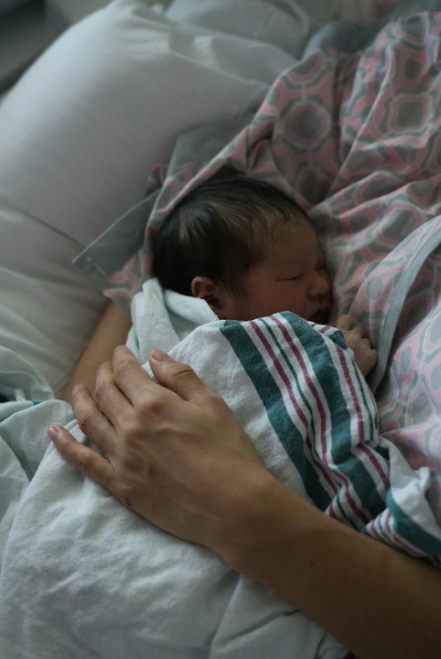
                arty

                If you hit your head, watch out for these symptoms that can show up even days later

                It is shocking how easy it is to disregard a head injury. You stumble, bump your head, and get a little dazed—but then you continue with what you were doing. There is no spectacular crash to the ground, no unconsciousness, and no bleeding. At first glance, there appears to be nothing wrong at all.

                Yet that is precisely what makes head trauma difficult to diagnose. Symptoms do not always appear instantly.

                It is common for hours, if not days, to go by before any symptoms become noticeable. All of a sudden, mild symptoms begin to appear, seemingly out of nowhere. It becomes incredibly difficult to pinpoint the source of the problem. This is why awareness is key.

                When a “Minor” Bump Isn’t Actually Minor

                A head injury doesn’t need to look serious to affect the brain. We often have a dramatic image in mind when we think about brain injuries—someone losing consciousness or being unable to speak. In reality, most cases are classified as “mild” traumatic brain injuries. However, that label can be misleading. “Mild” refers only to the initial diagnosis, not the long-term impact, which in some cases can last for years.

                In fact, it doesn’t take a major accident to cause damage. Something as simple as tripping or hitting your head on an object can be enough.

                The brain itself has a soft, gelatin-like consistency. Although it is protected by the hard structure of the skull, the inside isn’t perfectly smooth. When the head is suddenly jolted or stopped, the brain can move within the skull, shifting and making contact with its inner surfaces.

                Initially, it’s possible that you feel perfectly normal and don’t experience any puffiness or headache. However, as time passes, you may start to notice something unusual. You may begin feeling extremely exhausted, even if you’ve slept all night. It may become difficult to focus your attention on routine activities such as reading an email or listening to someone talking to you. It can feel like there is a haze of confusion clouding your mind, and even familiar surroundings may seem unfamiliar.

                Mild traumatic brain injuries, which are more commonly referred to as concussions, are hard to identify in the early stages as their symptoms are often slow to show up. This is where the surprise element comes in; by the time one starts showing symptoms, there’s no longer an apparent correlation with the initial injury.

                What a Concussion Actually Is

                To better comprehend why symptoms develop slowly, one must examine the underlying mechanisms of the injury. A concussion is essentially an injury to the brain that occurs when it moves and impacts the walls of the skull, triggering a series of events known as a “neurometabolic cascade.”

                Within the brain, billions of neurons are constantly sending signals to one another. These signals govern all functions of the body, including cognitive processes such as learning and memory, motor actions, mood, and attention—allowing you to read this sentence right now. In a concussion, communication between neurons is disrupted. Although the neurons themselves may not be physically damaged (which is why they do not appear on a standard X-ray), their function is temporarily impaired.

                Rather than smooth communication, the brain experiences what is often described as a “traffic jam.” Potassium is released from the cells while calcium moves into them, leading to excessive stimulation of neurons and leaving them drained. At the same time, the brain requires more energy to correct the imbalance caused by these chemical changes, but due to the injury, there is actually less energy available.

                The Mayo Clinic has established that one of the main reasons for post-concussion symptoms—such as fatigue, confusion, and headaches—is this mismatch between energy demand and supply. Essentially, the brain is trying to run a marathon without enough fuel.

                It is worth noting that the changes occurring due to concussions tend to be very subtle and hence may not appear through imaging techniques such as CT scans or MRI. These techniques are primarily aimed at assessing the presence of physical or structural problems like bleeding. This means that a concussion cannot be determined through these methods because it is a functional problem.

                Symptoms Don’t Always Show Up Right Away

                Another thing that tends to confuse people when it comes to concussions is the issue of timing. In some instances, there are expectations of immediate onset similar to physical reactions. However, at other times, the development of concussion symptoms occurs gradually as the brain tries to achieve balance.

                Early symptoms (first 24 hours)

                • Headache: Usually described as a feeling of pressure.
                • Dizziness or balance issues: Feeling “off” or like the room is swaying.
                • Nausea: Sometimes accompanied by vomiting, though not always.
                • Sensitivity to light or noise: The world suddenly feels “too loud” or “too bright.”

                Delayed symptoms (days later)

                • Trouble concentrating: Finding it impossible to finish a task.
                • Memory lapses: Forgetting why you walked into a room or struggling with names.
                • Irritability or mood swings: Feeling unusually angry, sad, or anxious for no clear reason.
                • Feeling mentally “slower”: A sensation that your thoughts are moving through molasses.

                As highlighted by the NHS, emotional and cognitive symptoms usually occur later on, and this may cause confusion for individuals who believe they were on the road to recovery. It may be difficult for people who have undergone treatment for burnout to come to terms with the fact that they still have to undergo another phase of recovery.

                How Symptoms Can Change Over Time

                It is uncommon for symptoms not to evolve at all; rather, the opposite tends to happen. While this process is part of recovery and should not come as a surprise, experiencing such unexpected changes can still be very unnerving. Your initial headache, which might have felt like a constant pressure similar to wearing a hat that is too small, may gradually shift into sharper pains. Alternatively, you may notice that your headache becomes “episodic,” appearing only in specific situations such as focusing on your laptop or entering a sensory overload environment, like walking through a busy supermarket.

                Similarly, your sleeping habits are likely to vary as well, initially leaning toward excessive sleepiness, where you may spend long hours napping during the day. As the chemical imbalance persists, however, you may suddenly find that you cannot fall asleep at all, creating a cycle of fatigue that can intensify other symptoms.

                Vision problems are another issue that tend to appear later. The eyes and the brain are constantly working together, so any problems at “headquarters” can lead to issues such as blurred vision while reading, double vision, or an unusual difficulty in tracking moving objects. This is not an accident, but rather what can happen when the brain is trying to adapt to energy shortages.

                Why Symptoms Can Be Delayed

                What causes you not to be aware of the injury’s effects until Thursday when it occurred on a Monday? Here are three main reasons why this happens:

                The Adrenaline Mask: Right after you experience a fall or crash, your body gets hit by a surge of adrenaline and cortisol. This “fight-or-flight” response is a result of evolution and helps you move away from danger. It is also capable of masking pain and tiredness, allowing you to continue performing tasks without noticing any issues in the initial stage.

                Inflammation Build-Up: Just as with a sprained ankle—where inflammation often peaks the following day—it can take some time for your brain to fully respond to the injury and develop secondary effects. Consequently, the “brain fog” may become more noticeable on Thursday than on Monday.

                Supply/Demand: This is one of the most common reasons symptoms become apparent later. You may feel fine while resting at home, but once you return to work where your brain needs to concentrate and process numbers, charts, lighting, and noise, the real “traffic jam” begins.

                Conclusion

                According to researchers at the Brain Injury Association of America, delays in inflammation and the abrupt return to cognitive demands can contribute to the “bloom” of symptoms.

                If you develop signs of a concussion a few days later, the wisest thing to do is consult a physician. Proper early management typically involves “relative rest” for the first 48 hours, followed by a gradual return to light physical activity. Staying in a dark room and completely depriving yourself of all sensory input is considered outdated advice. A gradual return to regular activity is now seen as the best way to help the brain recover from the “traffic jam.”

                Recovery usually takes around ten days. However, if symptoms persist for more than a couple of weeks, you may be dealing with so-called PPCS (Persistent Post-Concussive Syndrome). This does not mean the brain injury has become chronic; it simply means the recovery process has been prolonged.

                To address these ongoing symptoms, specialized rehabilitation such as vestibular and vision therapy may be required. Studies from the Cleveland Clinic suggest that individually tailored treatment programs can produce strong results in cases where recovery is delayed.

                *Medical disclaimer: This content is for informational purposes only and is not a substitute for professional medical advice, diagnosis, or treatment. If you suspect a concussion or have symptoms after a head injury, seek advice from a qualified healthcare professional.

                Please SHARE this article with your family and friends on Facebook.

                Bored Daddy

                Love and Peace

                arty

                The one question Elon Musk asks in every job interview to spot a liar

                It was way back in 2017 when Elon Musk sat down with Auto Bild and revealed one trait he values the most in a new hire. So, is it the academic credentials that matter the most to the billionaire? It turns out they don’t. Instead, he relies on a single question to cut through the noise.

                “I really just ask: ‘What are some of the tougher problems [you’ve] dealt with and how [you] dealt with those?’” Musk explained and added he asks people to walk him through the “story of their career,” focusing specifically on how they handled those high-stakes forks in the road.

                So, why obsess over one question?

                Musk uses it to quickly gauge a candidate’s character and whether they are blowing smoke.

                “What I’m really looking for is evidence of exceptional ability, meaning they’ve faced really difficult problems and overcome them,” he said.

                He’s looking for the real “architects” of a project. “You want to make sure that if there was a significant achievement, they were the ones behind it—not someone else.”

                Musk added that once you have been in the trench, you would never forget it. “You can ask them very detailed questions about it, and they’ll know the answer. But someone who wasn’t truly responsible won’t know the details,” he noted.

                Indeed even includes Musk’s go-to question as one of the “eight common problem-solving questions” you will most certainly face in an interview. When seeking someone who is quick on their feet, you will most likely be asked: “Describe a time when you faced an unexpected challenge in your job.”

                The gold standard for answering this is the STAR technique:

                • Situation – Set the scene.
                • Task – Define your role.
                • Action – Show your work.
                • Result – Prove the impact.

                Picking a meaty, honest example is usually the deciding factor.

                For Musk, his life’s story is about the impossible becoming reality, from the Hyperloop to Mars colonies. For him to construct this world, he needs innovators, not simply individuals who can take exams. This is reflected in his interviewing process.

                The Tesla CEO (and owner of X) told UNILAD: “I really just ask: ‘What are some of the tougher problems [you’ve] dealt with, and how [did you] deal with those? And how they made decisions at key transition points.” He claims this simple prompt is his ultimate litmus test for trust and spotting a liar.

                Musk added, “What I’m really looking for is evidence of exceptional ability so that they’ve faced really difficult problems and overcome them. And of course, you want to make sure that if there was some significant accomplishment, were they really responsible, or was somebody else more responsible.”

                His logic is simple: if you’ve lived through a problem, the scars and the strategies stay with you. “So you can ask them very detailed questions about it and they’ll know the answer, whereas the person who was not truly responsible for that accomplishment will not know the details.”

                SAUL LOEB/AFP via Getty Images

                Science actually backs him up. A study in the Journal of Applied Research in Memory and Cognition looked into “Asymmetric Information Management” (AIM), a method designed to catch deception by pushing for verifiable details.

                As researcher Cody Porter put it, “Small details are the lifeblood of forensic investigations and can provide investigators with facts to check and witnesses to question.”

                From the data obtained from the experiment, honest individuals tend to add more and more specifics to their stories, whereas liars keep things vague. This difference is precisely what one would expect when trying to look beneath the polished surface.

                If you want to land yourself a desk at Tesla or SpaceX, then here’s the gist of it: skip the fluff, get specific, and be ready to back up your story.

                Please SHARE this article with your family and friends on Facebook.

                Bored Daddy

                Love and Peace

                arty

                How eating beets regularly affects your body

                The vibrant red color of beetroot is possibly one of the most memorable cautionary colors in the natural world—or is it? For years, this root veggie has had the reputation of being a pariah on the dinner plate, occupying the forgotten spaces in the salad bar, or at best served warm but pickled in a way that tasted like soil and not food.

                We have always regarded beets as a burden rather than a delicacy. However, it must be noted that we are now in the middle of one of the largest paradigm shifts in cultural science history. The beet has been taken off the kitchen shelves and brought into the spotlight of nutritional research to claim its status as one of the most studied functional foods available today. There are multiple reasons for this turn of events, none of which are due to marketing or plant-based diets alone. The truth is, beetroot is possibly one of the keys to improved circulation, athletics, and brain function.

                But if we want to explore the reasons for this sudden adoration of beets by both nutrition experts and top-level athletes, we have to peel back their tough skin covered with soil.

                Beets are like natural chemistry laboratories. While most vegetables have one feature that makes them stand out—such as vitamin C in oranges or potassium in bananas—beets contain a combination of micronutrients that work together to influence different physiological functions.

                One such micronutrient is folate, or vitamin B9, an essential component in DNA repair and the production of new red blood cells. Beets also contain an abundant supply of manganese, an element required for metabolic activity and healthy bones, and they are one of the few natural plant sources of betalains. Although betalains give beets their bright red color, inside the body these compounds act as powerful antioxidants and anti-inflammatories. Rather than remaining passive in the body, they act as active agents that help counter oxidative stress and neutralize free radicals linked to chronic disease.

                The chemistry of circulation

                However, while the vitamins that the beet provides might make a difference for our health, what makes it particularly transformative is the fact that it is an essential source of dietary nitrates. It is here where the real science behind the beet comes into play. What happens when we eat a beet? We trigger a natural process through which the nitrates in the beet are converted into nitrites by natural bacteria in our mouths and stomachs. These are then used by our bodies to create nitric oxide, which is an essential signaling agent for the human cardiovascular system. One thing that nitric oxide does is act as a vasodilator. In simpler terms, this means that it tells the muscles around our blood vessels to relax and open up.

                It is not just a concept, as some of the most prominent research published in scientific publications, such as those from the National Institutes of Health, have shown that one glass of beetroot juice may cause a decrease in systolic blood pressure in as little as an hour or two. With hypertension being a problem in our society, the beet is thus a natural and practical way to solve this health issue, as it works in perfect symbiosis with the workings of the human organism. Improved circulation affects more than just our hearts since any part of our body that depends on oxygen and nutrients would also benefit.

                Managing inflammation and recovery

                In addition to these physiological processes, the regular use of beets could be helpful for inflammation control. In today’s world, many people suffer from chronic inflammation owing to their dietary habits, lack of sleep, and other factors. Beets contain betalains, which play an important role not only in coloring foods but also in their potential anti-inflammatory properties. These substances may help regulate immune system activity, which can contribute to the alleviation of inflammation-related discomfort, such as arthritis pain, support recovery processes, and overall physical wellness.

                As opposed to pharmaceutical preparations used for inflammation management, which can have side effects such as stomach irritation or kidney issues in some cases, beet extracts are generally well tolerated and compatible with normal body functioning. They can be viewed as a supportive addition in the context of reducing oxidative stress, which contributes to cellular damage and the development of various diseases and disorders later on. Thus, beets allow the body to better manage inflammation associated with unhealthy lifestyles and habits.

                Performance and physical endurance

                This cardiovascular widening will immediately take us to the very reason why the sports industry has become so crazy about beetroot supplements. Just enter any Olympic training camp or professional changing room and chances are that you will spot some beetroot juice or concentrated beetroot supplements there. The rationale behind it is straightforward: when you manage to widen the blood vessels in your body, then it means that more oxygen-filled blood will be able to reach your muscles. In this case, you make sure that your muscles will have enough oxygen to keep up performance levels for longer.

                This enables athletes to move farther, cycle faster, and recover more quickly due to the fact that their muscles are not being deprived of oxygen at the point in which they need it the most. This also isn’t something limited to only top-tier athletes. An individual who is older and climbing a staircase would experience similar effects from this process, as well as someone who hikes on weekends. Through boosting the efficiency at which the body uses oxygen, beets may support a more constant, reliable energy source rather than the burst one provided by sugar or caffeine.

                Digestive harmony and liver support

                Although there is more focus on how beets affect the heart and muscles, their digestive health effects are also remarkable. As gut health gains recognition in today’s society as an integral part of total well-being, beets stand out as a unique means of preserving good internal conditions. Beets are rich in dietary fibers, which come in two forms – soluble and insoluble. While these fibers contribute to digestion, they are also used as prebiotics to nourish the beneficial microorganisms in the intestinal flora. Good health of the microbial population can bring about many benefits, including immune and psychological health.

                Additionally, there is some special nutrient content in beetroot that provides the liver with special support. First of all, it is important to mention that the liver is the central filtering organ and it processes substances throughout the day. In this context, it should be mentioned that beetroot contains betaine, which may support fat metabolism and help prevent excessive fat accumulation in the liver. Moreover, it is pectin, a type of fiber, that may help support the removal of certain waste products by binding them in the digestive tract. Thus, consuming beetroot can be seen as a natural addition to a balanced diet that supports the body’s normal detoxification processes. This way, the optimal functioning of the liver and intestines contributes to a better performance of the body’s waste management system, which can be reflected in skin health and energy levels.

                Cognitive clarity and brain health

                The effects of the beet are not limited to its influence on the body; they also reach the brain. Perhaps one of the scariest parts about aging is the gradual degradation of one’s cognitive abilities, which can be caused by a reduction in the amount of blood flow to the frontal lobe of the brain, where decisions, concentration, and memory are made. Being such an effective agent in promoting improved circulation, nitric oxide also helps the brain receive sufficient oxygen-rich blood.

                Modern brain scans indicate that seniors on a high-nitrate diet, in particular those who drink beetroot juice, exhibit enhanced cerebral blood flow to these crucial cognitive centers when performing demanding mental activities. In other words, the beet could be helpful in preserving brain sharpness and even preventing premature cognitive aging. It is a prime illustration of the power of a seemingly minor lifestyle decision that leads to a ripple effect of advantages for the most intricate organ in our body. Oxygenation is an essential factor in ensuring good concentration and clarity of thought.

                Practical considerations

                Integrating beetroot into modern life will demand some common sense. Powerful as it may be, not everyone can take it in large amounts because of its high amount of oxalates, which means those who suffer from kidney stones should take special precaution. Moreover, there’s no need to be surprised if a pink color appears in the urine or stools because of “beeturia.”

                Consistency in consumption is what counts in order to achieve results. Rather than having an enormous portion once a week, opt for smaller amounts daily. Be it roasted beetroot for extra-sweet caramelization, raw shredded beets in a salad, or even blending the beet into a breakfast shake, the main objective is to support nitric oxide production over time. Over a couple of weeks, all these small steps may help turn this dietary habit into overall health improvement by supporting stamina and mental clarity.

                Conclusion

                In the end, the story of the beet is one of rediscovery. In many ways, this plant represents the idea that some of the best tools for better health often lie before us, right under our feet. We do not have to rely solely on expensive or foreign supplements when a humble vegetable can provide a range of nutrients that support the body’s various functions. This is an excellent example of how the simplest steps can sometimes have the biggest impact.

                Please SHARE this article with your family and friends on Facebook.

                Bored Daddy

                Love and Peace
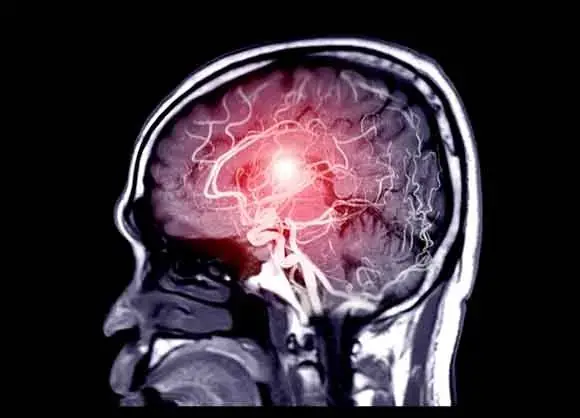
                arty

                Kate Middleton treats Prince William like a “fourth child”

                The Prince and Princess of Wales, Prince William and Catherine, Princess of Wales, are widely regarded as one of the most influential couples in the world. Kate, in particular, has become a deeply admired member of the Royal Family, and her relationship with William dates back to their student days at University of St Andrews.

                Recalling their first meeting through mutual friends, Kate once shared: “I actually went bright red when I met you and scuttled off feeling very shy about meeting you.

                “William wasn’t there for quite a bit of the time initially, he wasn’t there from Fresher’s Week, so it did take a bit of time for us to get to know each other.”

                According to the documentary The Day Will and Kate Got Married, which aired in April 2021, the pair started out as close friends. However, one particular moment shifted everything. During a university fashion show, Kate wore a sheer dress that caught William’s attention—and marked a turning point in how he saw her.

                “A switch had been flicked, he suddenly saw her in a different light, and I really believe that was the turning point in their relationship,” said Katie Nicholl in the documentary.

                As reported by The Telegraph, William later reflected on their early connection: “We were friends for over a year first and it just sort of blossomed from then on. We just spent more time with each other and had a good giggle, and realized we shared the same interests.”

                The couple now has three children together. Prince George, who is second in line of succession after his father, Prince William, was born on July 22, 2013 and the news of his arrival into the royal family took the world by storm. His birth was celebrated not only in Britain, but in every part of the world. Some two years later, the royal family welcomed Princess Charlotte, who was born on May 2, 2015. The youngest child of the Duke and Duchess of Cambridge, Prince Louis, was born on April 23, 2018.

                Youtube/ITV News

                There have been speculations that Kate and William wanted a fourth child, but according to ITV News’ royal editor, Chris Ship, if they do, they are likely to face criticism by the public especially the ‘green lobby’ because William is heavily involved in campaigns on environmental issues and many believe that if people are that interested in the planet, they shouldn’t have many children, according to Ship.

                “I’m sure William might open himself up to some criticism from that, sort of, green lobby if he were to have a fourth.”

                Ship added that his personal belief is that William and Kate are done with three.

                Back in 2023, during a surprise visit to the Baby Bank in Maidenhead, Kate helped fold some baby clothes and mentioned how you kind of forget how tiny babies are until you see it again.

                She was shown all the donations—clothes, toys, bits of equipment—that the Baby Bank collects for families. It’s something she’s supported for a long time, and it now helps thousands of people.

                While going through the clothes, one of the founders, Rebecca, joked, “I look at them and think I don’t want to go through that again.”

                Kate laughed and said, “I’ve been there and done that.”

                When pregnant with George, the Princess was diagnosed with hyperemesis gravidarum, which is acute morning sickness. She had to go to the hospital, an experience she recalled as “rotten.” Sadly, she experienced the same while carrying her other two children too.

                LONDON, UNITED KINGDOM – MAY 06: (EMBARGOED FOR PUBLICATION IN UK NEWSPAPERS UNTIL 24 HOURS AFTER CREATE DATE AND TIME) Catherine, Princess of Wales (wearing the Mantle of the Royal Victorian Order) and Prince William, Prince of Wales (wearing the Mantle of the Order of the Garter) watch an RAF flypast from the balcony of Buckingham Palace following the Coronation of King Charles III & Queen Camilla at Westminster Abbey on May 6, 2023 in London, England. The Coronation of Charles III and his wife, Camilla, as King and Queen of the United Kingdom of Great Britain and Northern Ireland, and the other Commonwealth realms takes place at Westminster Abbey today. Charles acceded to the throne on 8 September 2022, upon the death of his mother, Elizabeth II. (Photo by Max Mumby/Indigo/Getty Images)

                In 2020, Kate Middleton was a guest on Giovanna Fletcher’s podcast Happy Mum, Happy Baby, where she spoke of her condition.

                “[It was] utterly rotten. I was really sick,” she said.

                “I wasn’t eating the things I should be eating and yet the body was still able to take all the goodness from my body and to grow new life, which I think is fascinating.”

                The princess continued: “William didn’t feel he could do much to help and it’s hard to see you’re suffering without actually being able to do anything about it.”

                Kate added that she “quite liked” labor because she had felt bad during her pregnancy. “Because actually, it was an event that I knew there was going to be an ending to,” she explained. “But I know some people have really, really difficult times, so it’s not for everybody. No pregnancy is the same, no birth is the same.”

                The podcast host Giovanna Fletcher later asked: “Have you had it every time or just the first time?”

                “Yes, unfortunately,” Kate responded. “Lots of people have it far, far worse, but it was definitely a challenge. Not just for me but also for your loved ones around you – and I think that’s the thing – being pregnant and having a newborn baby and things like that, impacts everybody in the family.”

                Anwar Hussein/WireImage

                So, when it comes to the question about welcoming a fourth child in the future, it doesn’t really sound as something much likely to happen, but only time will tell.

                At the same time, according to a new book by royal expert Tom Quinn, they may already have one in their home—at least in a sense.

                In his 2025 book Yes Ma’am: The Secret Life of Royal Servants, Quinn claims that Prince William follows a very strict daily routine. His suits are reportedly pressed and laid out in advance, and he takes his bath at exactly the same time each day. However, the future king is said to become frustrated if anything disrupts that schedule.

                “I don’t know where William would be without Kate — she hasn’t had everything done for her throughout her life, so she calms him down when he gets a bit fractious. She said he sometimes has to be treated as her fourth child,” Quinn wrote in the book, per The Times.

                In his book, Tom Quinn shares new insights into the relationship between Prince William and Catherine, Princess of Wales. He claims Kate has a playful side and “enjoys ribbing William about his family,” even joking about Queen Camilla being descended from Edward VII’s “favorite mistress.”

                Anwar Hussein/Getty Images

                But William isn’t one to stay quiet—he often teases her right back.

                “Before Kate realized that as a senior royal you have to dress carefully, having taken advice, she once bought an outfit that William considered inappropriate. He told Kate she looked as if she’d just run through a charity shop covered in superglue. Everyone thought this was very funny, including, to her credit, Kate,” Quinn wrote.

                Kate and William always show their affection for one another, and that’s not just something for the public. “A picture tells a thousand words, and there have been several times when their affection is reminiscent of two teenagers in love, which of course they initially were, well in their early 20s,” royal expert Hilary Fordwich told Fox.

                “Their displays of public affection nowadays demonstrate they have no hesitation or reservation in letting the world know exactly how they feel about one another when they deem it appropriate to do so,” Fordwich shared.

                “Their comfort with each other from those deep bonds formed at university has never waned, but rather have grown.”

                Please SHARE this article with your family and friends on Facebook.

                Bored Daddy

                Love and Peace
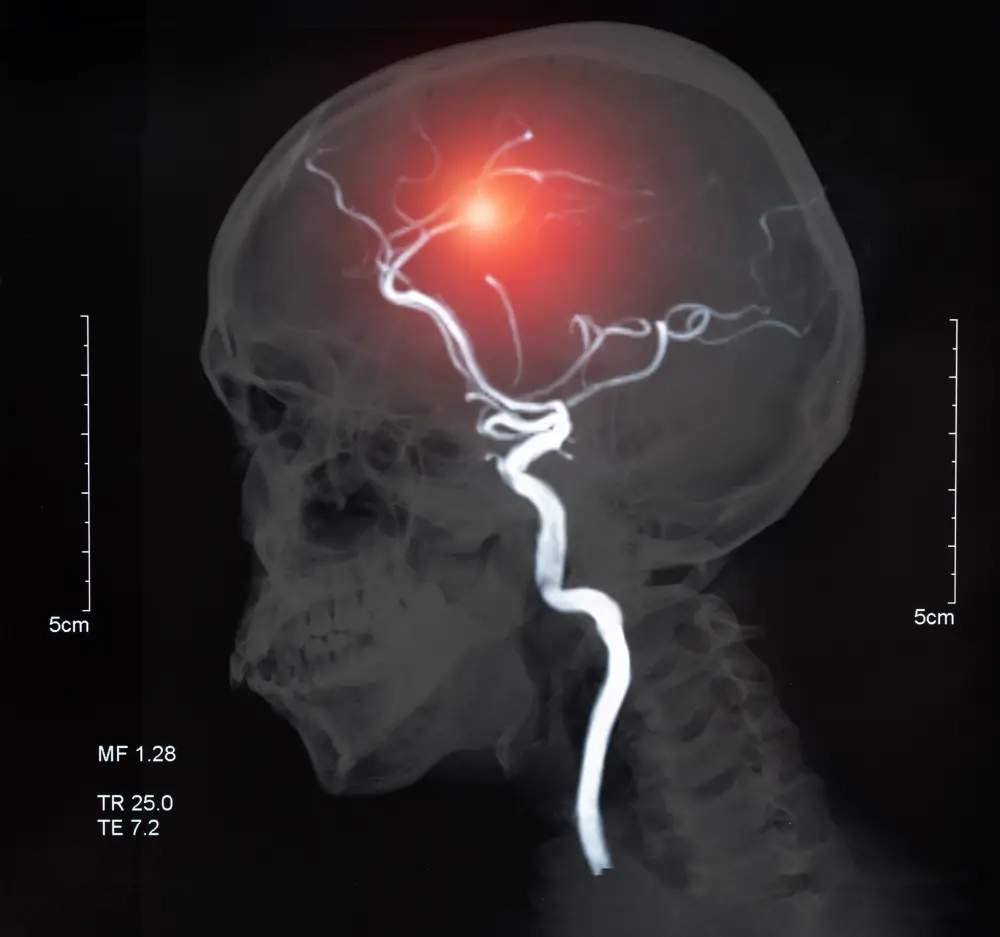
                arty

                Signs and physical changes in the final days and hours of life, according to health authorities

                As a person nears the end of their life, their body will naturally start its process of shutting down. It does not happen all at once, nor do the symptoms experienced by one dying individual resemble another’s experience. Nonetheless, there are certain physical signs that hospitals and health care institutions, such as the NHS, identify during someone’s final days or hours of life.

                While knowing about the process will not make the situation any easier emotionally, it can provide family members a better idea of what to expect when caring for their loved one. These signs may occur over several hours to days.

                The biology behind “powering down”

                In terms of the natural process of death as a biological phenomenon, it is the ultimate expression of self-preservation. Recognizing the body’s inability to continue its biological processes, it starts prioritizing, directing all the energy that remains toward core processes, such as keeping the heart beating and the brain active, rather than the periphery of limbs, skin, and the digestive system.

                According to the World Health Organization (WHO), the goal of palliative care is not only to ease suffering but also to recognize when certain processes begin and address any pain with the aim of maintaining dignity throughout this difficult time. In essence, the body wraps itself up in order to maintain the light of life within for as long as it possibly can.

                Here is a look at those common changes, explained with clarity.

                Pexels

                1. Increased sleep and the retreat of consciousness

                Some of the first and most obvious signs include an increased amount of sleep. With the slowing down of body processes, there comes a significant decrease in the level of energy. The person sleeps all day long, and at times, it’s hard to wake them up. When they are awake, they show signs of confusion, drowsiness, and inability to hold a conversation for several minutes.

                According to research done by Marie Curie, this phenomenon is quite common during natural retreat. It is not a sign of suffering since the body is now using less energy while shutting down different systems.

                What can be done: Medical practitioners advise letting the person sleep as much as necessary. Nevertheless, you still can take care of them by carefully moving them to a new position after several hours. At the same time, you should always behave as if they could hear your voice. Hospice research reveals that hearing is usually the last thing a dying individual loses before passing away.

                2. Loss of appetite and the “dehydration myth”

                Another symptom people experience in the final days and hours of life is a decreased appetite for food and water intake. As the organs start to function slower and slower, there comes a time when the body does not need as much sustenance. Hunger and thirst will diminish, and they will start experiencing swallowing difficulties (dysphagia).

                While this symptom can be highly disturbing to loved ones who view food as a sign of affection, studies conducted by VITAS Healthcare have shown that pushing someone to eat or drink can actually make them uncomfortable and even cause fluid retention in their lungs. On the other hand, mild dehydration at the end-of-life stage triggers the production of endorphins in the body.

                Some comfort measures include: moistening the lips with balm to prevent cracking, keeping the mouth clean and moist with a damp sponge or swab, and offering tiny ice chips or small sips of water only if the person is alert and asks for them.

                Unsplash

                3. Changes in breathing: The rhythm of the room

                Breathing is another physiological function which tends to change during the final stages of life. The changes include the alteration of breathing patterns which can range from being very slow to very fast. The patient may experience a phenomenon called Cheyne-Stokes breathing, where they breathe deeply and quickly before pausing (apnea). It can last for several seconds.

                Another common symptom involves a “wet” or rattling noise. As highlighted by the NHS in the discussion about breathing changes, this is due to an accumulation of secretions, which the individual no longer possesses the strength to clear. This noise may be distressing to the caregiver, but most patients do not experience pain.

                The expert perspective: Doctors from Liv Hospital confirm that this condition is related to the weakening influence of the brainstem on the breathing system. It indicates the shift towards the next phase. Turning the individual to the side is sufficient to stop making this sound and make breathing look easier.

                Unsplash

                4. Confusion, disorientation, and hallucinations

                In the final stages, some individuals may have “terminal delirium,” such as failing to recognize familiar faces, speaking in sentences that don’t make sense, or seeing people who aren’t there. Terminal delirium can occur because of changes in brain chemistry, medications, or low levels of oxygen.

                Studies on confusion show that, although frightening for loved ones, such experiences are quite common, and some even claim visions of dead family members, a condition referred to as “nearing death awareness.”

                What should you do? Your primary objective should be to reassure them rather than correct their misconceptions. According to experts, we should speak calmly and soothingly, not argue with them, and just be there, because our presence can work as a tranquilizer.

                Shutterstock

                5. Skin changes and temperature drops

                With decreasing circulation, the body will concentrate its resources on sustaining the heart and the brain; thus, the flow of blood to the extremities like the limbs will be compromised. The skin could feel cold and clammy, while the hands or feet could appear cyanotic or mottled.

                It is the body’s final attempt at conserving energy. Even though the individual is not feeling cold, putting a blanket over them gives a sense of security not just for them but for the family as well. Heating pads should be avoided because of the possibility that fragile skin can get burnt easily.

                6. Changes in toilet habits

                The decrease in fluid intake causes a slowdown of kidney functions as well as digestion. It results in infrequent urination, dark urine, and eventually leads to loss of control. It can be hard for families to see such a thing occur, but hospice professionals know how to approach the situation with extreme dignity and sanitation, keeping the patient dry at all times.

                7. Muscle weakness and loss of mobility

                Strength in the muscles begins to weaken, as the energy of the body focuses on other aspects. The individual will need help moving around and even with simple actions like changing position in bed or holding a glass. It is recommended for caregivers to be gentle in their movements, as the body is getting ready for the final stage of life.

                8. The energy surge: the “Golden Hour”

                Occasionally, individuals exhibit a sudden spike in their energy levels shortly before death. For instance, they might suddenly wake up, ask for their favorite meal, or have a completely clear conversation. While most of the family members are always hopeful of this change, palliative care literature shows that this is “the final surge.” This is a precious moment, one to do all the saying and connecting that needs to be done.

                9. Final vital sign changes

                During this phase, the heart rate becomes erratic or faint, and blood pressure steadily drops. These changes mark the last signs of the body working through its cycle.

                Supporting yourself through the vigil

                Sitting at the bedside during the final days of a dying person’s life is a tiring, sacred, and depleting experience. One should remember the following:

                Your presence is all that the person who’s going through their final hours and days of life needs: Not everything requires an action; sometimes, being present is an act in itself.

                Rest when necessary: It is common practice for those around their loved one to wait until they are alone in the room when taking their last breaths, as it is their final act to protect their families from suffering.

                Rely on professionals: If the patient receives hospice or palliative care, do not hesitate to ask these professionals to deal with medical issues so that you can concentrate on your loved one.

                Conclusion

                The final days before death are associated with significant physiological symptoms. However, these days are also highly human. As the body becomes weaker, the main concern for everyone is providing care, respect, and comfort to the one who is about to leave this life soon. Learning about these signs does not help diminish grief, but it replaces the fear-filled silence with knowledge and comprehension. Most importantly, what really matters at this moment is the compassion that surrounds the sick person’s bed.

                Please SHARE this article with your family and friends on Facebook.

                Bored Daddy

                Love and Peace
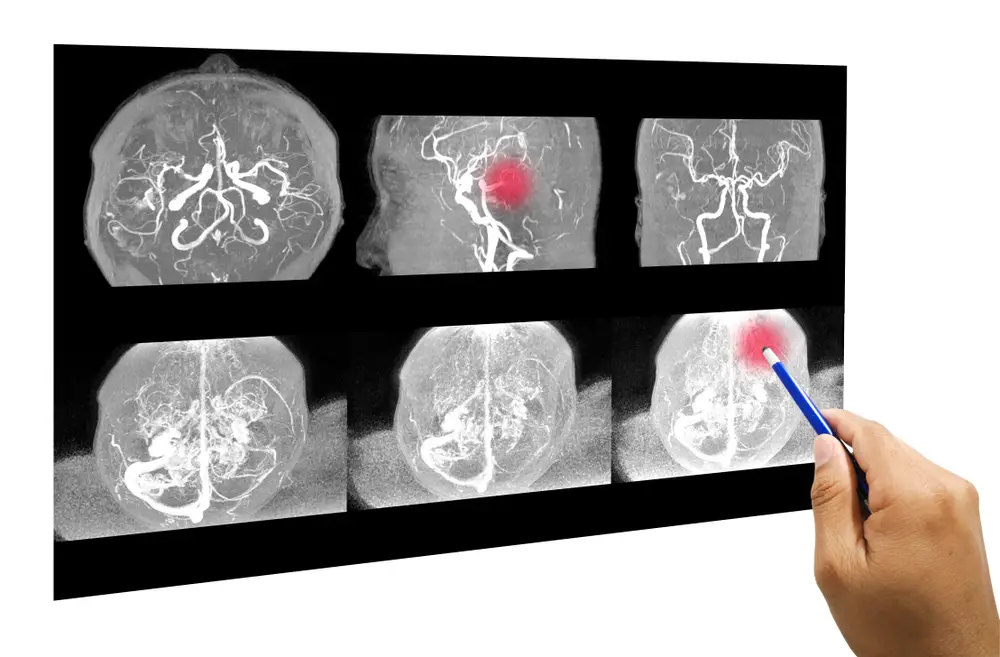
                  arty

                  He watched his brother die and battled a daily addiction of 100 pills — yet he rose to become one of the greatest artists we’ve ever seen

                  Despite all the hardship he experienced as a child, this man became one of the greatest stars that has ever walked the Earth.

                  He witnessed his brother die and battled addiction, but still managed to build a career many could only dream of.

                  Born on February 26, 1932, in Kingsland, Arkansas, he was raised in a crowded home with seven siblings, where hard work was simply part of daily life.

                  At just five years old, he was already picking cotton alongside his family, often singing as they worked beneath the unforgiving sun. Those early struggles helped shape the strength and spirit that would define him later on.

                  When the workday ended, life slowed down. The family would gather on the porch, his mother strumming her guitar as they sang hymns and old folk tunes late into the evening.

                  It was there that his love for music took root. Along with those moments came the sound of distant voices from a battery-powered radio. By the time he turned 12, he was already creating his own poems, songs, and stories.

                  Sadly, that’s when a tragedy struck. He was still just a boy when he lost his older brother Jack, the person he looked up to most, in a tragic accident involving an unguarded table saw.

                  Jack had taken a job at a local school, working in the agriculture shop. On one Saturday morning, he was asked to go fishing instead—but chose work over the trip. It would be a decision that ended in tragedy.

                  Jack spent a week at the hospital on high doses of painkillers, and there were even signs of improvement, according to Jack’s brother’s autobiography, but then doctors told the family not to keep their hopes high.

                  Within a week of the accident, Jack died. The tragedy left a lasting impact, filling him with guilt and sorrow that lingered for years. He often revisited that moment, saying he carried it with him and held onto the belief they would reunite one day, looking forward to “meeting [his] brother in Heaven.”

                  Looking back years later, he spoke about the admiration he had always felt for his older brother: “He was very strong. He was muscle bound. He worked out, and was in great shape for 14 years old. Jack had been called to preach. Being called to preach in our religion means that you have dedicated yourself to be a minister. Every night, he was at the table with his library, reading the Bible. He was a great influence on me.”

                  His brother’s death changed everything. It marked the loss of innocence and pushed him toward a more thoughtful, introspective way of seeing the world.

                  Music soon became his refuge. It gave him something to hold onto. As a teenager, he performed wherever he could, local radio stations, small contests, any place that would give him a chance.

                  By 14, he had taken his first job outside the farm, but his heart wasn’t in the work. It remained in the music he was creating and the dream he refused to abandon.

                  He bought his first guitar while stationed in Germany as part of the US Air Force during the war in Korea. He then formed a band with some fellow servicemen.

                  Once his service was over, he returned to Memphis where he sold appliances door-to-door by day, and continued pursuing music by night.

                  A small yet powerful record company took notice of him. They saw something different about him—something special. When given the opportunity to make a recording, he did not disappoint. His early release was a huge success, selling thousands of records and placing him in the limelight.

                  His popularity soared from there. His prison songs, his gospel songs, his love songs, his songs of hardship—all resonated with the listener in a deeply personal way. One of his songs stayed on the charts for an entire year, selling more than a million records. In a short time, he found himself performing on the biggest stages in country music, speaking for those people who were often ignored.

                  Success, however, would prove to be a mixed blessing.

                  As his fame grew, his addiction worsened. He suffered from alcoholism, as well as being addicted to stimulants like amphetamines and barbiturates.

                  Things seemed bleak for him at this point.

                  “I learned the hard way about drugs – not as hard as I could have learned, I guess. Because I courted death with it. For a long time I took my chances and tried a little bit of everything there was to try. Most any of it could have killed me while I was taking it, but I was lucky enough to survive. For anybody else, it probably would have meant certain death,” he once said.

                  He fought his way back with the help of a woman who would become his lifelong partner, and together they rebuilt what had nearly been lost.

                  His comeback was truly amazing. He would sell out shows, set records, and unite musicians from different styles in his TV show. Not only was he entertaining; he was uniting worlds.

                  Regardless of his success, he remained humble. He stood up for those who had no voice and performed at prisons, worked for charities, and advocated reforms. The music he created was full of compassion that came from suffering and salvation.

                  Despite his fame, those close to him always said he was the same man they have known since forever. Decades later, his influence only grew bigger. He won countless awards, entered multiple halls of fame, and kept reinventing himself late in life for new generations.

                  After decades together, he lost his wife in 2003, and he passed away months later.

                  Johnny Cash poses for a portrait in 2001 in Los Angeles, California. (Photo by Harry Langdon/Getty Images)

                  This legendary musician was never just a voice or just an artist. He was Johnny Cash, the Man in Black, a low-frequency rumble that shook the floorboards of American music and never truly stopped vibrating.

                  While others chased the spotlight, Cash stood in the shadows of prisons and cotton fields, carving a legacy out of gravel and grace. Decades later, that heavy, rhythmic “boom-chicka-boom” doesn’t just play on the radio—it haunts the DNA of modern storytelling.

                  Please SHARE this article with your family and friends on Facebook.

                  Bored Daddy

                  Love and Peace

                  arty

                  5 qualities that many men value in a woman after 60, according to studies and real experiences

                  If you think back to your twenties and thirstiest you realize that love felt like a high-stakes audition, didn’t it? You had to perform at your best and show that you were the best version of yourself. You were doing an act, performing success or God knows what, and it did put a lot of pressure on you and made you feel exhausted. But it was normal, because you were chasing a feeling, a status, a future that maybe felt out of your reach.

                  But once you get past the age of sixty, things change. The “chase” lost its importance because not only your knees may start aching more often, but also your brain will calm down. By this point, you have had enough experience to know that all the things that stressed you out in the past weren’t worth it. You have seen the best and the worst times in your life; you maybe got divorced, saw your children grow up, lost parents and friends. Well, the list goes on. You’ve gained a set of “silent lessons” that cannot be acquired during youth.

                  Now, love becomes a state rather than an action. What you need isn’t somebody to admire or be admired by, because that phase is long gone. All that is left now is to find somebody who gets it and aligns with you in every possible way.

                  This is something that many authors, including Jorge Bucay, emphasize about this stage of life, when we start shedding off our masks. When one turns 60, these masks no longer become pretentious; they become burdensome. One does not need to hold their breath in order to seem slimmer or cover their past experiences in order to make themselves look good.

                  This also changes everything about what one is looking for in a partner.

                  1. Companionship that doesn’t cling

                  The concept of “togetherness” for young people is often associated with that of “dependence.” This is because young people are just beginning their lives together by combining their resources and having children. But after reaching the age of 60, one has usually managed to learn to be independent. One might even have enjoyed this freedom from the clutches of dependence.

                  This is why companionship assumes a new meaning altogether after a person has passed the age of 60. Companionship becomes something more than merely someone who completes a person’s existence or keeps him alive; it becomes a matter of choice.

                  Here’s how I look at it: it’s the difference between handcuffing yourselves together versus simply walking down the same path together. Both of you are individuals. Neither of you require endless interaction or attention or is forced to speak at all times. Because honestly? There is something profoundly beautiful about “comfortable silence.” This is the silence when you both sit in the same room, reading separate books but feeling that presence beside you. It’s this comfortable walk when there is no need for unnecessary sound filling up the environment. It is simply having your partner beside you while enjoying the meal in total quietness. This does not require any exertion but merely a comfortability. At this stage of their life, if the relationship feels too much like hard work, the vast majority of men will leave.

                  Pexels

                  2. Sincere empathy

                  When you get to 60 years old, you have baggage to come along with that age. We all do. You have your scars, both visible ones and those hidden inside your chest. You’ve lost loved ones, experienced heartbreaks that you thought you wouldn’t be able to live through, and you’ve even messed up so badly that you regret what you’ve done when you lie awake at night at 3 am.

                  This is why emotional awareness is an absolute must-have. You won’t want anyone who will pass judgment or attempt to fix your past mistakes. Instead, you’ll want someone who understands what the past means to you and can understand without you having to explain anything.

                  This empathy doesn’t refer to weeping over a film scene but to the capacity to allow someone to have a bad day without taking it personally. This is the respect of someone’s “emotional rhythm.” If you feel reserved, then a good partner will not pester you asking you what is wrong with you ten times in a row.

                  It is hard to exaggerate how important it is from the standpoint of men who used to suppress emotions for decades of their life. We spend years learning to be our partner’s rock, provider, and a pillar of strength. What if a person could meet someone with whom they wouldn’t have to pretend they don’t have worries or doubts, and that person would accept them without judgment?

                  3. The power of “you do you”

                  In your sixties, respect isn’t about manners. It’s about independence. It took you half your life to develop your unique characteristics, opinions, and methods of doing things like sorting out the garage. The last thing any elderly person wants is to be considered a project.

                  Mature romance does not involve the rewriting of a narrative. It won’t involve changing your views on anything from politics to nutrition to child-rearing. It recognizes the “whole human story,” flaws and all.

                  It takes quiet courage when both parties have no need to dominate or control one another. It comes with the awareness that two individuals need not converge into one personality for a connection. You may have your own hobbies, while she has her own hobbies, but there comes a point where you meet halfway to swap stories.

                  4. Unforced tenderness

                  There’s this cultural thing that makes us believe that romance is reserved for the young. What we forget along the way is that tenderness does not stop happening after a certain age. It just isn’t as loud as before.

                  At 60 years old, tenderness is a touch on the shoulder when strolling through the grocery store, a word whispered knowing that another individual is under pressure, and even that look that you receive while doing nothing extraordinary.

                  Tenderness becomes an emotional sanctuary. It comforts in a manner that does not smother, it soothes without seeking the other’s focus, and it bonds without any coercion. This is not a sign of weakness, but a gentle yet clear expression of caring.

                  In older men, above 60, this type of tenderness takes the form of a very intimate language. It does not depend on strength, but rather consistency and sincerity.

                  5. Taking the mask off

                  Pretending is the one thing that becomes utterly unbearable as people get older because one cannot keep pretending anymore; they do not have the strength or patience to maintain all of these masks and appearances.

                  What an elderly person craves most is authenticity. People desire the freedom to be grumpy, silly, miserable, or tired because it becomes acceptable to let oneself off the hook. Authentic connections involve honesty; therefore, they include those late-night discussions about one’s values, fears, and aspirations.

                  Being perfect is certainly not a goal for the elderly because perfection is a bore. What people need most is honesty. They want to be seen for who they truly are, with all their flaws and wrinkles, and still be loved. It is then that one stops feeling the need to pretend, and real connection begins.

                  Conclusion

                  Love after the age of 60 is not “light” love; it is intensified love. It is love stripped bare of ego, insecurities, and all the things we feel we must prove to the world.

                  After all, this is not about the future; it’s about the present. You’re no longer worrying about the next 50 years, but rather the next five minutes—the plans for this afternoon. The quality of the people around you starts to matter more than their ability to take care of your needs and make you happy.

                  For mature men at this stage, being in a successful relationship means finding a witness—someone to watch the sunset with, both literally and figuratively. To continue walking alongside someone who shares those few values that truly matter: kindness, respect, and a great sense of humor.

                  Not moving on, but finally getting it right.

                  Please SHARE this article with your family and friends on Facebook.

                  Bored Daddy

                  Love and Peace

                  arty

                  Can you use a dead person’s belongings—or sleep in their bed? The answer might surprise you

                  Stop for a moment and just take a good look around your home. If you’ve lost anyone, no matter if it happened a couple of months ago or five years back, you must surely have “the spots.” You know exactly which spots I’m talking about. The drawers or corners of closets full of personal items, such as their shoes neatly arranged as if they are ready to wear them.

                  These small reminders surround all of us. The smell of familiar laundry soap in a worn hoodie, or an old wristwatch that no longer ticks, or even a coffee cup with a small crack on the rim they didn’t want to throw away. There is also the most important item, a bed, the very bed they rested in every single day of their life.

                  These items do nothing but sit and stare. They neither speak nor act; they are what they are and never change. Yet for so many of us, something begins to weigh heavily upon us in their presence. There is an odd sort of uneasiness that we are reluctant to discuss openly at dinner parties. It becomes apparent to us, and we cannot deny the feeling of fear.

                  You begin to stand in the doorway of the bedroom and wonder aloud, “Is it wrong of me to lie down here?” or “Is it bad luck for me to put this on?” We do not openly admit such sentiments because they seem illogical. We are rational beings, and we know that sweaters are nothing more than knitted material. However, when it comes to grief, logic has no place. These questions sit at the crossroads of memory, emotion, and the ancient traditions surrounding death.

                  Yet, when one takes out the superstition and the raw nerves behind it, what remains is much more realistic. And believe it or not, it’s a whole lot more reassuring than the stories we tell ourselves.

                  Go back in time, or look at other civilizations, and one thing is certain – objects take on the personality of the person who owns them. Words like “energy” and “aura” become prevalent. Concerns arise that, when a person dies, his or her personal effects carry some part of the death within them. This is where the rumors of “haunted mirrors” or “cursed jewelry” come from.

                  After experiencing a loss, the whole world seems amplified. Your senses become hyper-aware of your surroundings. An unoccupied room isn’t simply empty – it is “heavy.” Familiar items, such as their reading glasses sitting on the nightstand, appear to be foreign artifacts. The bed doesn’t feel “full” enough of their presence to lie in.

                  However, when we take a psychological perspective into account, this emotional response doesn’t come from the item itself. It comes from us. There are no actual “hard drives” in which an object can store a soul. A wooden chair does not remember the individual who used it for twenty years. A blanket does not contain the sadness of past events. A mattress does not keep the soul of its occupant or their intentions.

                  What happens is that people project their inner worlds onto external objects. People themselves place love, trauma, and other emotions onto material possessions in order to cope with the “heaviness” of loss, which cannot be measured. This distinction is crucial. If the fear exists in the object, one becomes a hostage to their dwelling place. If the fear is created within one’s mind, there is hope for resolution.

                  However, when we begin to think that the objects themselves are the issue, the way in which we navigate our world is transformed. We no longer enter particular rooms. We do not open specified closets. We feel as if we are visitors in our very own personal museum of sadness. At these times, grieving becomes less an emotional journey and more of a spatial one.

                  One such story that is often used by grief counselors is the following: There once was an older lady whose husband passed away fifty years after their marriage. His death occurred peacefully and took place on the couch in the living room – his favorite seat, in which he spent every single night.

                  She found it impossible to sit on that couch after her husband’s funeral. Then she felt unable to enter the room itself. Her reluctance started gradually but soon turned into a serious matter; she began to think of the room as “marked.” As she remembered stories told to her by people from her village, she believed staying in such rooms brought bad luck and prevented spirits from “moving on.”

                  Thus, she put her whole life in the kitchen. In it, she arranged a cot next to the stove and led all her life in this one little room, passing the living room as if she were stepping through the site of some crime. For months, she lived this way, constrained and uncomfortable, fearing the “energy” in this room.

                  Finally, exhausted, she simply entered it and sat down. She expected something to occur. She waited for the feeling of coldness, of displeasure, or an ill omen.

                  Nothing happened.

                  It was only silence. There were dust particles floating in the light. His books were still stacked there. This is not what she had imagined to be a brick wall erected out of fear but a foggy wall out of it. She had changed a lot since then. Reclaiming the room did not imply that she no longer missed him but rather that she was no longer fearful of their past life.

                  The bed question

                  Undoubtedly, this is what people most grapple with. “Is it okay to sleep on the bed?”

                  From a practical perspective, a bed is simply a device used for sleeping. It’s metal frame, foam padding, and cloth coverings. It does not act as a spiritual sponge. In other words, unless you are facing an urgent hygienic matter, such as prolonged sickness and an old, worn-out mattress, there is absolutely no danger in sleeping on the bed.

                  However, the problem lies in the psychological element. To some people, lying down in that bed is the only way they can sleep. It’s comforting like a hug and reminds them of their loved one. However, it may be extremely upsetting to others because it serves as a reminder of their loss.

                  Both of these approaches are fine. There isn’t a “right” approach to furniture either. If the bed gives you peace of mind, leave it there. If it gives you the feeling of claustrophobia, then replace it. Get new bedding, or move the bed against another wall, or get an entirely new bed if you can afford it. This is not being disrespectful; it’s known as self-care. You must be able to sleep in order to recover from this trauma.

                  The burden of “stuff”

                  What about their clothes? The shoes. The half-filled bottle of cologne. People tend to think that by preserving every little thing, they’re protecting their memories from extinction.

                  But holding onto things out of fear is entirely different from doing so out of love. A jacket stored in the closet for ten years will not help you keep that memory alive—you’ll do that yourself.

                  Here’s where the better way to do things comes into play. Be mindful and selective. Choose a couple of items that are truly meaningful to you—a watch they loved wearing or a sweater they wore during a vacation. These are your “anchor objects”.

                  Everything else? Consider letting go of them. Imagine how good it would make you feel if you saw their coat on someone else who needed it. It’s like you’re taking that frozen energy and releasing it into the world. And there’s nothing wrong with making the memory an act of kindness.

                  If you feel overwhelmed by what’s left behind, remember that you don’t have to accomplish everything at once. It may take some time.

                  Go slowly. Begin with something small like decluttering one night stand or wearing that shirt they used to wear around the house for a while and seeing if it makes you feel better. If you feel good, keep it. Otherwise, store it away.

                  There are no rules to be followed. The “mourning police” aren’t going to stop by and check on your progress.

                  Conclusion

                  Ultimately, the possessions that belong to someone are not “haunted.” They do not contain the spirits of the dead or carry the weight of negative energies. They are simply items used within the narrative of an individual’s life.

                  What truly lasts is not the cracked cup or the dilapidated bed frame, but the emotions they inspired in you and the manner in which they shaped your perspective on life—the things you laugh about now and the way you think because of them.

                  Once the dread over the “possessions” has dissipated, one will see that it was not the things themselves that provided their love in the first place; it was them. When the dread subsides, all that is left is an unshakable sense of peace that allows one to continue living amid the memories without being haunted by them.

                  Please SHARE this article with your family and friends on Facebook.

                  Bored Daddy

                  Love and Peace

                  arty

                  Heartbreaking final image shows 7-year-old girl inside FedEx truck before she was murdered

                  In a heartbreaking moment in court this Tuesday, a final photo was released of 7-year-old Athena Strand who was abducted from her driveway in late 2022 and later murdered and dumped near a river. The release of the black-and-white photo captured in the back of a FedEx delivery van that showed the girl kneeling behind the driver’s seat coincided with a turn of events at the courtroom.

                  34-year-old Tanner Horner, the driver responsible for the delivery, unexpectedly pleaded guilty to capital murder and aggravated kidnapping. The plea came just as his trial was prepared to begin, sparing the court a lengthy fact-finding phase but doing little to ease the emotional weight of the evidence presented.

                  Horner, who was delivering a box of “You Can Be Anything” Barbies to Athena’s rural home in Paradise, near Fort Worth, claimed he accidentally struck her with his van and then panicked and put her inside the van, and eventually strangled her and left her body near a river, Express reported.

                  However, judging from the image, prosecutors believe Athena Strand wasn’t seriously injured and what Horner did to her was a deliberate decision, not one made in a state of panic.

                  WFAA

                  During opening statements, Wise County District Attorney James Stainton told the court the photograph showed Athena was “very much alive and very much uninjured” when she was placed in the truck.

                  Stainton alleged the first words Horner spoke to her were: “Don’t scream or I’ll hurt you,” repeated twice.

                  James Stainton told jurors they would be shown footage from inside the van and would also hear audio recorded after the camera had been deliberately covered. Stainton said: “You are going to hear what a 250-pound man can do to a 67-pound child. And when I say it’s horrible, I mean it.”

                  He continued: “You can’t unhear” the audio, calling it evidence of “the level of cold-heartedness that you’re going to see.”

                  He added that Athena fought back, leaving Horner’s DNA under her fingernails and “in places where you shouldn’t find DNA on a 7-year-old girl.”

                  Facebook

                  Jurors were told Horner seemed composed in the video, at one point whistling as he drove, while Athena appeared clearly upset, undermining his account of events spiraling out of control.

                  Judge George Gallagher instructed the jury: “Now your sole duty will be to listen to all of the evidence that is going to be presented to you because you will be using that evidence to determine the proper punishment to be assessed.”

                  Investigators were able to identify Horner after confirming he had delivered the set of Barbie dolls to the home shortly before Athena vanished. He later led authorities to her body just two days after she was reported missing.

                  With Horner admitting to the crime, the proceedings have now moved to the sentencing phase. The jury is no longer tasked with determining guilt, but the ultimate punishment. They need to decide whether Horner will be sentenced to death or to a life in prison without the possibility of parole.

                  Elizabeth “Ashley” Strand, Athena’s stepmother who first reported her missing, became emotional on the witness stand, saying her now 14-year-old daughter still runs and hides at the sight of a delivery driver and continues to suffer from nightmares.

                  According to Court TV, Horner’s defense attorney urged the court to show mercy, arguing that his client was born to an exotic dancer who consumed alcohol during pregnancy, had struggled with mental illness his entire life, and was exposed to lead as a child.

                  Sentencing proceedings are expected to continue for approximately two weeks.

                  Please SHARE this article with your family and friends on Facebook.

                  Bored Daddy

                  Love and Peace
                  arty

                  Social media demands Barron Trump enlists in US Army

                  During the Vietnam War between 1955 and 1973 Americans were drafted in the US Army. Current President Donald Trump, however, wasn’t one of them.

                  As this information came to light, many wondered why Trump, who was rather young at the time and was 6’2, athletically-built college student, dodged the war.

                  In 1968, Donald Trump celebrated graduating from college – that same year, 16,899 Americans were killed in the Vietnam War.

                  Until that point, Trump avoided being drafted four times due to attending college.

                  He received four student deferments between 1964 and 1968 while attending Fordham University and the University of Pennsylvania. But even after his graduation, he received a deferment yet again. It was a medical deferment classified as 1-Y – later changed to 4-F – for bone spurs in his heels.

                  However, the lack of documents showing that the business-mogul suffered from spurs in his heels sparked controversy.

                  Many are convinced that he had obtained the medical documents illegally in order to avoid the military service, while others believe his diagnosis was genuine. According to the The Gun Zonethere are no corroborating medical records to prove either belief.

                  Reach Publishing Services Limited

                  Dr. Elysa Braunstein, daughter of late foot doctor Dr. Larry Braunstein, told The New York Times that her father had once rented a room from Donald’s dad, Fred Trump. “I know it was a favour,” she alleged, adding of Trump’s heel: “But did he examine him? I don’t know.”

                  Asked in recent times whether he has ever undergone a foot surgery, Trump said he hadn’t. “Over a period of time, it healed up,” he told Seattle Times.

                  Deferment could be obtained by influential people who could afford going to college. Those who couldn’t get it but were influential were deployed to noncombat zones such as Germany and Korea.

                  Now that the war in Iran is in full force, many Americans are wondering if Donald Trump’s youngest son, Barron, would be drafted in case the situation escalates any further.

                  US and Israeli troops have bombed several sites, including the capital of Tehran, and killed Iran’s supreme leader, Ayatollah Ali Khamenei.

                  Iran responded to the attacks, and as of Tuesday, it has been reported that six members of the US military lost their lives. The exact number of casualties at the Iranian side hasn’t been confirmed yet.

                  Trump and his administration carried out the strikes against Iran without the Congress’ approval, and having in mind the fact that Trump has no military experience, many question his decision and wonder if he’s even aware of the consequences of his actions.

                  REUTERS via NewYork Post

                  In fact, neither of Trump’s children have ever served in the military, which leaves Barron Trump the first one in the family to do so.

                  However, many believe the chances of something like that tag place is very unlikely.

                  Over the weekend, as the war in Iran began, the hashtag #SendBarron started trending.

                  One user wrote: “Why not demonstrate that Trump family spirit of patriotism and sacrifice by sending Barron to fight Iran?”

                  “At least someone from the Trump family should demonstrate how patriotic they are by serving instead of grifting,” a second added.

                  Another post read: “#SendBarron. Would certainly send a message of solidarity with our troops, and gratitude for the sacrifices they make every day.”

                  One user stated: “If you vote for leaders who love war, maybe you or your children should at least be first in line to explain why it’s worth it.”

                  Some even criticized Trump’s involvement in escalating the war while remaining safe. One person commented, “POTUS is chilling at his own country club while starting WWIII #SendBarron.”

                  Barron Trump turns 20 in May, which means he would be qualified to be drafted. But as we said before, the chances of that are likely non-existent.

                  As it turns out, Trump’s youngest son could be exempt from military service because of unusual medical reasons.

                  According to the Mirror, Barron is about 6’7″ tall and his height might make certain military positions difficult for him. Roles that require operating in tight spaces—such as inside armored vehicles, tanks, or aircraft—may not be suitable for someone of his size.

                  The US Army sets a maximum height requirement of 6’8″ for certain positions, meaning Barron could be ineligible for service if he exceeds that limit.

                  Barron Trump attends the inauguration of U.S. President-elect Donald Trump in the Rotunda of the U.S. Capitol on January 20, 2025. REUTERS/Kevin Lamarque/Poolâ€_â€_

                  Who could be drafted in the case of war?

                  Ever since the strikes on Iran, the public’s concerns about potential military conscription started growing, with questions such as “World War III” and “US draft rule and age” becoming most searched on Google.

                  Although the United States has no active military draft at the time being, since the country ended mandatory conscription in January 1973 after the Vietnam War, federal law allows it to be reinstated during a national emergency.

                  A recent survey by the Atlantic Council shows that 69% of responders believe a war between powerful nations may take place within the next ten years.

                  Since three generations of Americans have not been required to serve in the military, many of them are unfamiliar with the nation’s draft procedures.

                  First to be drafted would be man at the age of twenty, followed by those who are between 21 and 25 years old. Next come those who are 18 and 19. There are over 16 million men aged 18 to 25 who are registered, and currently, there are 1.3 million man who are active members of the military.

                  The Selective Service includes citizens, non-citizens, refugees, asylum seekers, transgender people assigned male at birth, as well as men with disabilities.

                  The only exemptions to the draft in the United States are men who are in long-term care or under home confinement with medical assistance before the age of 18, remaining in that state without interruption until the age of 26.

                  Further, ministers, certain elected officials, and some dual nationals are also exempted from the draft, while those who are in college can ask their service to be postponed.

                  In case of change of law, women can be drafted too.

                  Registration of the draftee is handled by the Selective Service System, either through their official websites or through post offices. Men are expected to register when they turn 18, and failure to do so can lead to serious legal consequences, including felony charges, a penalty of up to five years of prison time, and a fine of up to $250,000.

                  Experts also point out that if someone is convicted of a felony for failing to register, there are also other consequences, including the loss of the right to vote, a prohibition of owning firearms, and losing eligibility for government employment and federal student financial aid.

                  Possible drafts require Congressional approval by amending the Military Selective Service Act.

                  Please SHARE this article with your family and friends on Facebook.

                  Bored Daddy

                  Love and Peace
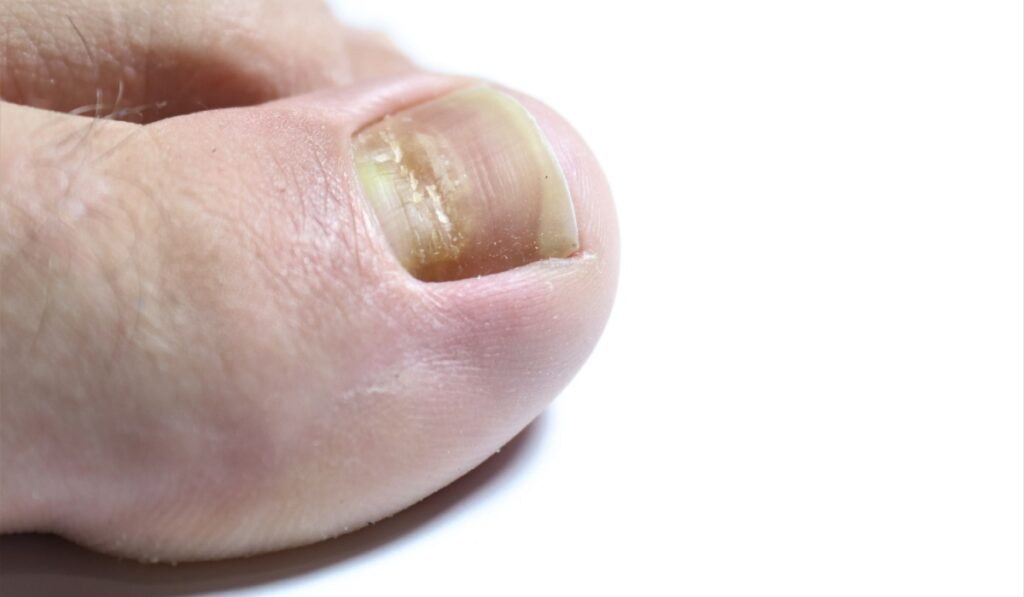
                  arty

                  I called my sister ‘nobody’ after she raised me—then I learned how wrong I was

                  When we speak of success, we tend to measure it by the stuff we can show off: diplomas hanging up on the walls, impressive titles attached to our names, or even the cheering crowds.

                  Truth is, however, that there is much more than that lying at the bottom of everything that happens in our life, since the real foundation of our existence is often built in the shadows, fueled by the sacrifices of people we’ve grown used to overlooking.

                  This one is for my sister – the person who raised me and worked herself to the bone so I could chase my dreams.

                  I guess we all know all too well that there comes a point in life when something shifts, yet we don’t really feel that while it’s happening. At least not consciously. For me, that moment came when my younger sister stopped being a teenager and became my caretaker, provider, and source of everything. She dropped out of college without telling anyone, took two jobs, and learned to stretch a single grocery list across an entire week. She mastered the art of a fake smile, telling me, “Everything will be okay,” and somehow making me believe her.

                  My sister didn’t choose this path because she wanted to; she had no other options.

                  At the time, I didn’t understand that. All I noticed was her hard work and her constant effort to keep us afloat. Meanwhile, I was entirely focused on my grades and climbing the ladder of success.

                  Honestly, I was thriving and took everything thrown at me because of ambition and simple curiosity. Grad school, internships, and then a career that others would envy; that was my story. On the day of my graduation when everybody around was clapping their hands, I scanned the crowd, searching for her. I saw her sitting somewhere way behind in the last row, clapping quietly. She had the look of pride on her face like the whole celebration was hers, not mine.

                  After embracing her, I felt the surge of pride from achieving it all. But in an instant of absolute and sheer arrogance, I told her, “See, I’ve made it; I have climbed up the ladder. You chose the easier route and here you are, nobody.”

                  She didn’t lash out at me. No, she just smiled at me and said, “I’m proud of you,” and then she walked away. For a moment, things seemed okay. After all, I had my own kingdom to build. So what if she could take care of hers? I just thought that was how it worked when you got older.

                  A few months went by, and then I found myself visiting her in her town while attending a conference there. I wanted to see her, mainly because I needed reassurance that things were fine. However, once I got within a stone’s throw of the house, I knew something was wrong. It was open, lifeless, barren, and all the coziness and warmth of her home was stripped away from it.

                  There was an eerie noise, which led me to the living room where she lay on the ground, pale, trembling, and barely breathing. She looked so weak and vulnerable that I realized she had let her spirit drain away over time. My mind raced as I fell to my knees, feeling completely helpless. Through gritted teeth, she smiled and said, “I didn’t want you to worry.”

                  In the sterile, brightly-lit corridor of the hospital, my entire reality fell apart. It began with the truth being revealed in painstaking detail by a doctor who regarded me with a combination of pity and bewilderment. It involved a chronic autoimmune disorder she had been ignoring all along, a series of missed appointments, and medication she had not taken due to her inability to pay for it. She sacrificed her health so that I would not have to interrupt my studies because of medical bills.

                  It was followed by the harsh financial truth that made me sick to my stomach. That inheritance that I assumed we had set aside from our parents’ savings? It did not exist. Our parents left us with very little in savings and an enormous amount of debt. All of those dollars she had given me for tuition, textbooks, and rent? They were the fruits of her labor, which she had endured in secret, working late hours and taking on extra jobs. In my academic bliss, I did not realize how I had deprived her of everything else she had.

                  With these details in mind, my whole concept of love and family unraveled. I came to understand that in my pursuit of recognition, she had been eroding her own life. She had sold everything – the heirloom jewelry that once belonged to our mother, the massive oak furnishings passed down through generations, even the trinkets that were our cherished childhood memories – to ensure I could stand on my feet. She had compressed her own essence, well-being, and happiness into a tiny space to give me room to grow.

                  Perspective hit me overwhelmingly. While I measured my life in degrees and achievements posted on LinkedIn, she had measured hers in patience, suffering, and sacrifice. I had been shaped by years of her hunger, fatigue, and pain.

                  And after she finally got some sleep from her medications, I walked to the waiting area where I just lost it. It was not because I feared that something bad would happen to her – there was another kind of grief within me. My arrogance about all the things I had achieved made me walk around with pride and never once stop to look at the very ground I was standing on, which happened to be the woman carrying me on her shoulders.

                  She slowly opened her eyes, and even though she was hooked up to all sorts of machines and IVs, she gave me her usual tired yet achingly sweet smile. And then it dawned on me – something no teacher, mentor, or CEO ever taught me in my life – that true greatness doesn’t need a megaphone or a platform to be heard; it doesn’t require media coverage at all. Greatness is found in simple and often mundane acts of service that make the world go round while other people try to get their fifteen minutes of fame.

                  Her affection did not give me just an opportunity to advance my career – it offered me a master class on the meaning of kindness and bravery beyond the reach of any television camera. While I used to consider success to be the final destination, my understanding of this word changed dramatically in that hospital room. True success is the capacity to help others quietly and protect them without expecting anything in return except the happiness of those people. She did this for me for half of her lifetime, and I only started to realize the full scope of her generosity.

                  This is not only a tribute to my sister; it is also a call for each of us to take a second glance at the individuals in our lives, particularly those who appear to be “fine” or “unassuming.” There is a tendency to believe that those who provide us with aid and support are invincible, that they are a part of the landscape. They are not. More often than not, the individuals whom we consider to be fortunate, or worse yet, those who lead “simple lives,” are shouldering burdens which would cripple us in less than an hour.

                  It is a sobering reminder of the toxicity of pride and the limitations of our perceptions. My pride had clouded my judgment so much that I failed to see the individual who made my achievements possible. I mistakenly equated visibility with significance and noise with importance. It is perilous to place value on an individual based on their accomplishments without taking into account the sacrifices they make to attain such successes.

                  Lastly, this is about the necessity of being grateful. We often take those who love us for granted, assuming they have an inexhaustible source of strength. We think they will always be there, unseen yet steadfast in the background. Yet they have limits. They can grow tired in body and spirit. That is why we must appreciate and value them before something forces us to realize it.

                  Conclusion

                  I eventually learned that the true measure of a person’s greatness isn’t in what the world sees, but in what they do when they think no one is watching. My sister’s life was never defined by a resume or a high-paying job; it was defined by the quiet, incredible sacrifices she made so I could have the luxury of choice.

                  I also realized that recognition doesn’t need to be a public event. It doesn’t require a plaque. Sometimes, the most profound recognition comes in a quiet, private moment when you finally acknowledge someone’s struggle and choose to honor it with your presence and your help. By stepping into her world and truly seeing her—not as my “caretaker” but as a human being with her own dreams deferred—I finally understood the depth of her courage.

                  Real success, it seems, doesn’t lie in standing on a podium, looking down upon an audience. Rather, it lies in standing by the side of another person, catching them just in time before they fall, and shaping the world around us through our strength. Today, I no longer measure my success by the degrees or diplomas I hold, because I realize I’ve found myself thanks to the loving support and resilience of my sister, who took upon herself the burden of holding up the sky so that I could fly.

                  Please SHARE this article with your family and friends on Facebook.

                  Bored Daddy

                  Love and Peace
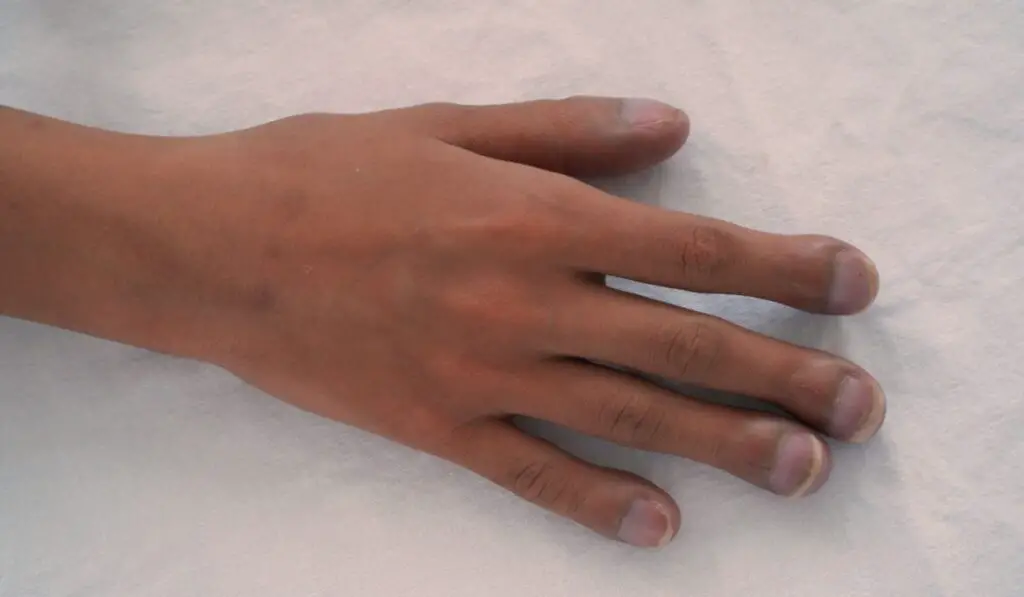
                  arty

                  The doctor who held my hand! A story of loss, healing, and hope!

                  Leo, Elena’s 7-year-old son, was playing on the climbing structure at their local playground. It was something he really enjoyed; one of his favorite things to do during the day. And the day was a beautiful one. The son was shining, the place was filled with children, and Leo had plenty of fun. Unfortunately, soon after, a tragedy struck, and Elena’s world shattered into a million pieces.

                  There was no scream or loud noise, just a dull thud and a child who never opened his eyes again.

                  Somehow, Leo fell, and he was rushed to the hospital.

                  Doctors did everything in their power to save his young life. Leo was placed on life support, while his scared mother prayed to God to save her son. Doctors spoke with careful compassion, but their words felt distant, muffled, as if Elena were watching events unfold from beneath water.

                  When life support was off, the silence that ensued was devastating. In that moment, Elena could finally understand what “never again” really meant. Never again would Leo leave his shoes by the door. Never again would he ask for one more story tonight. She knew she would never again hear his laughter echo through the house.

                  Loss did not come alone but brought aftermath.

                  Mark, her husband, had his own kind of meltdown. He had taken Leo to the park that day, and he was wracked with guilt. Instead of bringing the couple together, the loss and the grief solidified into resentment. Within weeks, he left. He couldn’t look at Elena without reliving the moment he wanted to unsee.

                  Elena stayed behind and was surrounded by reminders of a life ended too soon. Leo’s backpack was still where he’d left it, his shoes by the door, his crayons all over his room.

                  In the ICU’s last hours, one calm presence kept her grounded. Dr. Aris was Elena’s silent company. She took her hand, and said, “Hold on. Don’t give the pain the victory.”

                  The months to come were filled with grief and mourning. Some days Elena was unable to get out of bed; other times she went outside just to show that she could.

                  She went to a grief support group and started small rituals. She planted her son’s favorite flowers, and wrote letters to him about the things he would never see again.

                  Two years later, at a symposium on trauma and child protection, Elena recognized a familiar voice. Dr. Aris was at the lectern. She was speaking on empathy in medicine. When they reunited, the doctor shared her own story. She told Elena how her own daughter had survived a similar accident, forcing her to better understand the meaning of loss and purpose.

                  That reunion led to Leo’s Light, a program supporting families facing medical trauma and working toward prevention.

                  Elena started sharing her story, helping other parents who lost as child as much as she could. Without Leo, her life was never the same.

                  Please SHARE this article with your family and friends on Facebook.

                  Bored Daddy

                  Love and Peace
                  arty

                  Popular posts