Searching for Answers
In the months that followed, I searched desperately for answers. I confronted Marcus directly: “Had I done something wrong? Had I offended Sarah or anyone else?” He insisted there was no personal issue—that it was all a misunderstanding blown out of proportion.
I speculated about Sarah’s feelings, my parents’ intentions, and even logistical concerns. But none of those explanations fit. The most painful possibility settled in like a shadow: I had simply become peripheral to my family—a familiar face they no longer felt the need to include.
The Christmas Confrontation
Flying home for Christmas felt like walking into a carefully scripted play where I didn’t belong.
Conversations were stilted and shallow. Attempts to discuss the engagement party were met with deflection or silence. My presence felt like a burden, an uncomfortable reminder.
On Christmas Eve, as everyone gathered to talk wedding plans in the kitchen, I sat alone in the living room, swallowed by loneliness. Even my mother dismissed my feelings, calling me “too sensitive” and urging me to enjoy the holidays rather than “make a scene.” Her words stung as a form of emotional invalidation, deepening my sense of exclusion.
The Sister’s Verdict
Emma, my younger sister, had always been my ally—until that May visit when she dropped a truth bomb that cut deeper than I expected: “You moved so far away. It’s like you’re not really family anymore. You make everything feel weird now.”
Her words crystallized what I’d been fearing: my family had reorganized itself around my absence.
My efforts to stay connected were now seen as intrusions rather than acts of love.
The Wedding Invitation
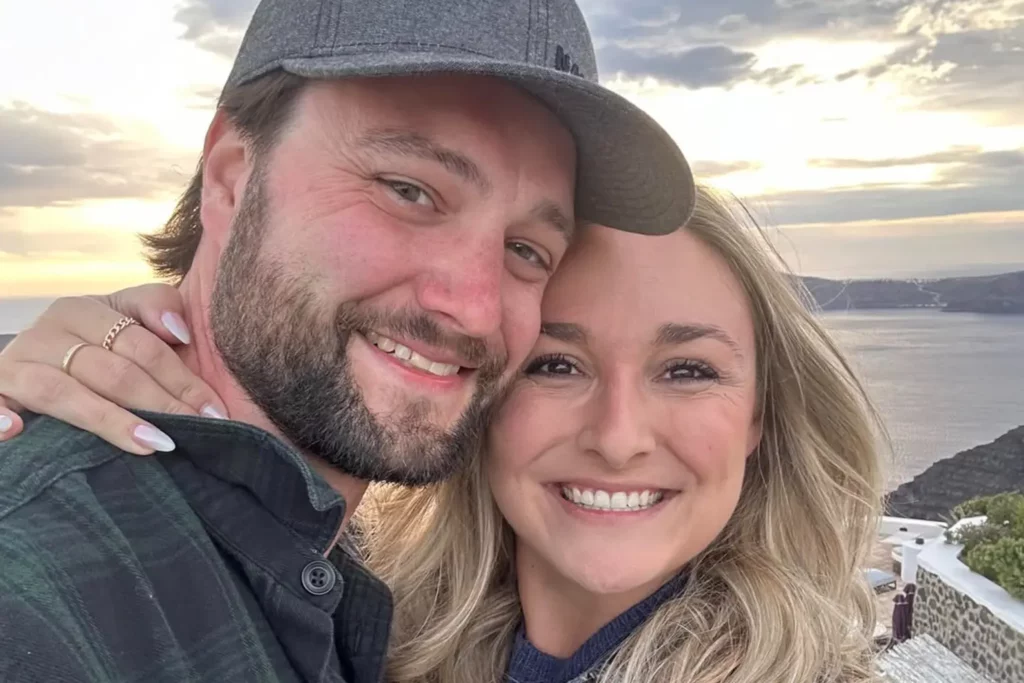
Nine months later, a save-the-date card arrived for Marcus and Sarah’s October wedding. It felt surreal: I was “family” enough to receive an invite, yet the gesture was cold and formal.
The full invitation arrived six months later. I was included—but not in the wedding party. Emma and our brother Jake held defined roles; Sarah’s close friends and family were involved. I had no role, no significance. My girlfriend Rebecca wasn’t even invited, while Emma’s plus-one was welcomed.
The Decision
I wrestled with whether to attend. On one hand, I longed to rebuild bridges by showing up. On the other, going alone, invisible in the crowd, would be emotionally brutal. My presence might provoke awkwardness, forced conversations, or highlight my exclusion.
After much soul-searching, I chose silence. I didn’t RSVP. Not declining, but withdrawing quietly. It was both a painful surrender and an act of empowerment—accepting that my once unbreakable bond with Marcus had eroded beyond repair.
The Wedding Day
The wedding day arrived on a beautiful October Saturday in Scottsdale, Arizona. I stayed in Portland, keeping busy with simple comforts—grocery shopping, reading, a long walk. Rebecca was my rock, encouraging me to protect my heart rather than endure emotional harm.
We cooked dinner and watched movies—a private celebration of love far more genuine than the one I was excluded from.
The Buzzing Phone
I kept my phone off most of the day to avoid the inevitable social media flood. But around five o’clock—an hour before the ceremony—the phone buzzed nonstop.
Family members, assuming I was traveling, bombarded me with messages about delays and plans. Calls from my mom grew frantic; texts from dad and extended family expressed concern.
The contradiction was striking: despite the distance and strain, they expected me to be there, even as my inclusion had always felt reluctant.
The Confrontation
When the reception began, I answered my mom’s call.
Her voice was sharp with panic and anger: “Where the hell are you? This is your brother’s wedding. How could you embarrass us like this?”
The irony was bitter. My presence had become unwelcome; now my absence was shameful.
“I’m in Portland—where you all prefer me to be,” I said, steadier than I felt.
“This isn’t the time for your drama,” she snapped. “Everyone’s asking where you are. What do I tell them?”
“Tell them the truth,” I said. “I wasn’t really welcome, so I stayed home.”
“Of course you were welcome. You’re family,” she insisted.
I drew on therapy lessons and said calmly,“For a year, you made it clear I wasn’t part of this family anymore. You excluded me from the engagement party, made visits uncomfortable, and treated my attempts at connection like
intrusions.”
“It’s your brother’s wedding,” she repeated, hoping significance would erase the pain.
“It’s just a party,” I echoed coldly—the same phrase they used to dismiss my hurt a year ago.
After a pause, I said, “Tell everyone I said hi,” and hung up.
The Aftermath
Messages flooded in from family, interpreting my absence in their own ways. Dad urged me to apologize; Emma accused me of selfishness for making Marcus’s day about me. Some relatives were sympathetic, others disappointed, all encouraging reconciliation.
Marcus never called. I heard through others that my absence was painful for him too—he’d assumed I’d attend despite the rift, and my empty chair was a stark reminder of fractured ties.
Their surprise was telling. After a year of cold distance, they still expected my happy presence. The disconnect between their actions and my reality was profound.
Reflecting on Family Dynamics
Therapy helped me understand the layers beneath the hurt. Distance sometimes creates walls instead of protection. My role as the “academic twin” may have made me seem distant, not just geographically but emotionally.
My success might have been a silent wedge, unintentionally signaling that I belonged to a different world.
Building New Connections
The family fracture pushed me to invest in my chosen family in Portland. Rebecca and I talked openly about boundaries and healing. Friends became anchors of support and validation.
I began mentoring younger colleagues, guiding them through their own family complexities. These chosen bonds brought the love and respect I craved.
The Long-Term Perspective
Two years later, contact with my family is minimal. We exchange holiday greetings, but the closeness we once had is gone.
Marcus and Sarah had a baby last year; I sent a gift and card but wasn’t invited to meet my nephew. Absence has become expected, not mourned.
True reconciliation requires acknowledgment and accountability—neither offered. Without that, attempts risk repeating old wounds.
Lessons About Love and Loyalty
I’ve learned that blood doesn’t guarantee love or loyalty. Family obligations don’t justify mistreatment. Forgiveness is valuable but must not enable harm.
Choosing myself over painful expectations is vital for mental health and growth. Family can be chosen, not just given.
Conclusion
Looking back, this experience was both painful and enlightening. Being excluded revealed deep family fractures I hadn’t faced. Though the betrayal hurt, it taught me boundaries, self-respect, and honesty.
Family is defined not by blood alone but by care, support, and respect. My chosen family has shown me love and loyalty flourish beyond traditional ties.
Stepping back from relationships that cause pain doesn’t mean giving up on family—it means choosing a life where kindness and genuine connection come first.
The wedding day arrived on a beautiful October Saturday in Scottsdale, Arizona. I stayed in Portland, keeping busy with simple comforts—grocery shopping, reading, a long walk. Rebecca was my rock, encouraging me to protect my heart rather than endure emotional harm.
We cooked dinner and watched movies—a private celebration of love far more genuine than the one I they excluded me from.
Please SHARE this article with your family and friends on Facebook.
Bored Daddy
Love and Peace

arty
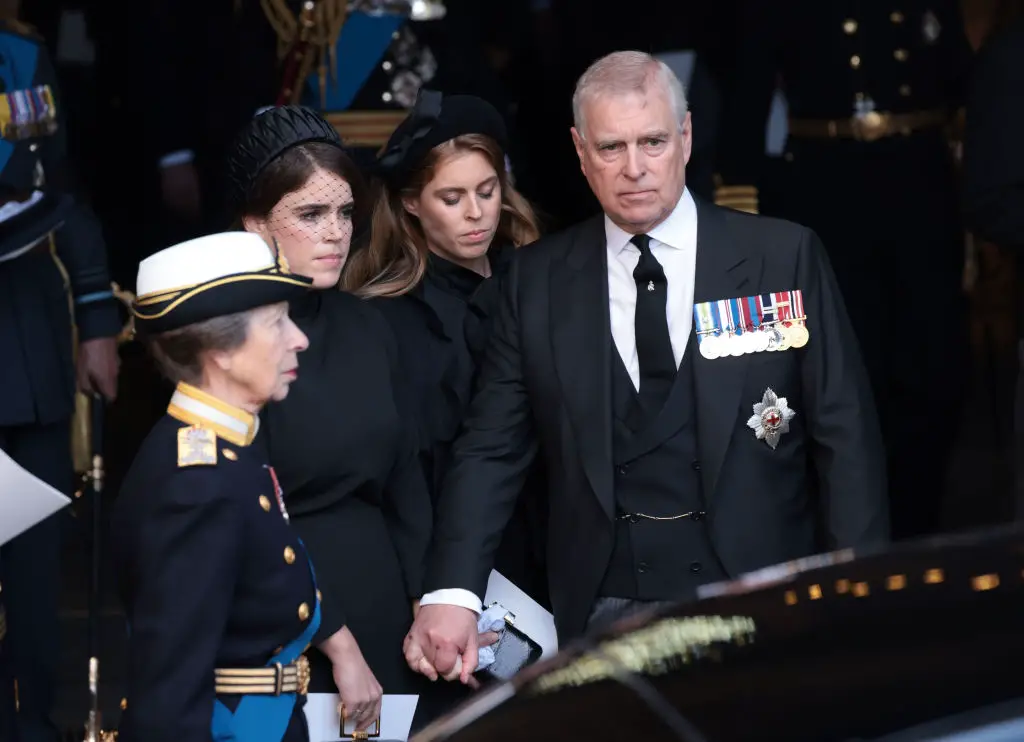
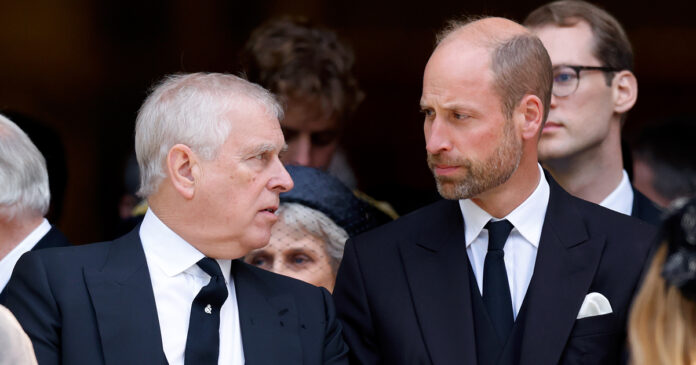
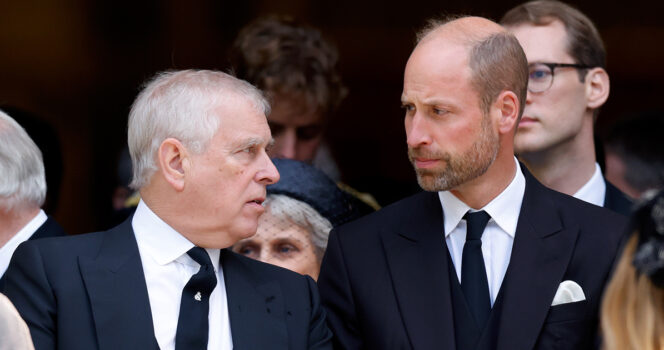
Prince William & Harry’s bitter feud was ‘triggered by brutal childhood comment’, according to an insider
Late Princess Diana made her sons promise her that they would be friends forever, and truth is, the two brothers did share a close bond growing up, but during the last couple of years, that changed drastically.
Ever since Harry and Meghan stepped down from their royal duties and moved to the States, the relationship between Harry and the rest of the royals, including William, has gone downhills. It was mainly because of the interviews the Duke of Sussex gave in which he accused his family of a number of things. Their relationship became even worse when Harry published his all-tell memoir Spare.
Among the rest, Harry detailed a meeting in his book with William during which he had called his wife, Meghan, “abrasive,” “rude,” and “difficult,” something Harry referred to as to “parroting the press narrative.”
Allegedly, things escalated and Harry described how William “grabbed me by the collar, ripping my necklace, and … knocked me to the floor.”
“He set down the water, called me another name, then came at me. It all happened so fast. So very fast. He grabbed me by the collar, ripping my necklace, and he knocked me to the floor. I landed on the dog’s bowl, which cracked under my back, the pieces cutting into me. I lay there for a moment, dazed, then got to my feet and told him to get out,” Harry wrote.
According to a friend of William, the brother’s relationship is at a such low point that William is considering excluding Harry from his coronation when he becomes king. “They are estranged, which is dreadfully sad,” the source told The Times.
However, royal expert and author Christopher Andersen told Fox he is “convinced” that the Duke will be there. “Despite all the bad blood between the brothers, I’m convinced that, when the time does come, William will not be foolish enough to exclude his only sibling, now fifth in line to the throne, from his coronation,” Andersen said.
“Things probably have never been worse between the brothers than they are now. William and Charles have pretty much made the joint decision to effectively cut Harry out of their lives, at least for the time being. There is no sign of a reconciliation on the horizon, and everyone involved seems to have pretty much come to terms with that.”
While the brothers seemed to be getting along until the family feud and the Sussexes departure from the royal family, Princess Diana’s former butler, Paul Burrell, claims Harry’s feelings of being the “spare” might have been triggered all the way back when they were children.
He suggested that the cause might have been something like the nanny showing preference for William, who was — and remains — the future king.
“I heard one of the nannies say to William, ‘I’m going to give you three sausages, William. You need to grow big and strong, because you’re going to be king one day,’” Burrell said.
Burrell, who started working at Buckingham Palace when he was 18 and later became King Charles’ butler, spent a lot of time around William and Harry. He saw their rivalry start when they were kids and carry on as they grew up.


“I met both William and Harry in their early 20s, at a polo match, and chatted to them, and you could see that Harry always felt he was in second place.”
Please SHARE this article with your family and friends on Facebook.
Bored Daddy
Love and Peace