
Could Your Mouth Be Sending a Warning? Early Signs of Oral Cancer to Watch For

- Advertisement -

Many people may overlook the earliest indications of oral cancer, putting themselves at risk for serious complications. Could a lingering sore or an unusual patch in your mouth be more than simple irritation? While these changes often seem minor, medical experts caution that they can be the first signs of a more serious condition. Because symptoms can be subtle and easily dismissed, staying alert and seeking timely medical advice is crucial.
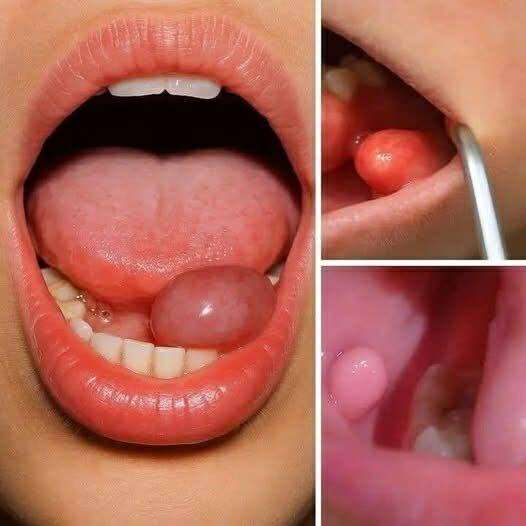
Understanding Oral Cancer

Oral cancer, sometimes called mouth cancer, can develop in various areas, including the lips, tongue, cheeks, gums, and the roof or floor of the mouth. Early detection significantly increases the likelihood of successful treatment, according to the American Cancer Society. However, the initial signs are often easy to miss, emphasizing the importance of awareness.

This guide highlights the most common early warning signs of oral cancer to help you know when to consult a healthcare professional.

1. Mouth Sores That Persist

    Sores that remain in the mouth for more than two weeks may signal early oral cancer. They can appear on the lips, gums, or inner lining of the mouth and are often painless initially.

    - Advertisement -

    Action: Any sore that does not heal within two weeks should be examined by a dentist or doctor.

    2. White or Red Patches

    Changes in color inside the mouth can indicate abnormal tissue growth:

    Leukoplakia: White patches that cannot be wiped away; may sometimes become cancerous.
    Erythroplakia: Red, velvety patches that are more likely to contain precancerous or cancerous cells.
    Mixed lesions: Areas that feature both red and white patches.

    Action: Persistent or expanding patches should be evaluated by a professional.

    3. Unexplained Bleeding

    - Advertisement -

      Bleeding in the mouth without trauma or brushing could indicate a serious issue. While occasional gum bleeding may be harmless, repeated or unexplained bleeding warrants attention.

      Action: Consult a healthcare provider if bleeding recurs without clear cause.

      4. Lumps, Thickened Areas, or Rough Spots

      A new lump, thickened area, or rough texture in the mouth, tongue, or throat may be an early sign of abnormal tissue development. These may initially be painless but can increase in size over time.

      Action: Any new growth or change in texture should be checked by a dental or medical
      professional.

      5. Numbness or Ongoing Pain

      Persistent numbness, tingling, or pain in the mouth, lips, or chin—without an obvious cause—may indicate changes in nerve function due to lesions.

      Action: Seek medical attention for ongoing numbness or unexplained discomfort.

        6. Difficulty Chewing or Swallowing

        Pain or discomfort while eating, or feeling that something is stuck in the throat, may indicate lesions affecting the oral cavity or throat. Early-stage head and neck cancers can present with these symptoms.

        Action: Consult a healthcare provider if chewing, swallowing, or jaw movement is uncomfortable.

        7. Persistent Bad Breath

        Chronic bad breath that does not improve with good oral hygiene may indicate underlying tissue changes or infection.

        Action: Bring ongoing bad breath to a dentist or doctor for evaluation.

        Risk Factors for Oral Cancer

        Certain factors increase the risk of developing oral cancer:

        • Tobacco use (smoking or chewing)
        • Heavy alcohol consumption
        • Human papillomavirus (HPV) infection
        • Excessive sun exposure (linked to lip cancer)
        • Age over 40
        • Poor nutrition

        If you have one or more risk factors, regular oral screenings are especially important.

        The Importance of Routine Checkups

        Dentists are often able to detect early signs of oral cancer during routine exams. Visiting a dentist at least twice a year provides an opportunity to identify potential issues before they worsen.

        When to Seek Professional Help

        Seek medical advice if you notice any of the following symptoms for more than two weeks:

        • Persistent sores or patches
        • Lumps or unusual growths
        • Ongoing pain, numbness, or unexplained bleeding
        • Difficulty swallowing or chewing
        • Persistent bad breath

        Start with a dentist or primary care provider, who may refer you to a specialist if necessary.

        Conclusion

        Oral cancer is most treatable when detected early. Because its first symptoms are often subtle and painless, awareness, regular dental checkups, and timely evaluation of unusual changes in the mouth are essential. Being proactive about oral health not only protects your well-being but also increases the chances of early diagnosis and successful treatment.

        Disclaimer: This article is not intended to be a substitute for professional medical advice, diagnosis or treatment and is for informational purposes only.

        Please SHARE this article with your family and friends on Facebook.

        Bored Daddy

        Love and Peace

          - Advertisement -
          - Advertisement -
          - Advertisement -

          Many people may overlook the earliest indications of oral cancer, putting themselves at risk for serious complications. Could a lingering sore or an unusual patch in your mouth be more than simple irritation? While these changes often seem minor, medical experts caution that they can be the first signs of a more serious condition. Because symptoms can be subtle and easily dismissed, staying alert and seeking timely medical advice is crucial.

          Understanding Oral Cancer

          Oral cancer, sometimes called mouth cancer, can develop in various areas, including the lips, tongue, cheeks, gums, and the roof or floor of the mouth. Early detection significantly increases the likelihood of successful treatment, according to the American Cancer Society. However, the initial signs are often easy to miss, emphasizing the importance of awareness.

          This guide highlights the most common early warning signs of oral cancer to help you know when to consult a healthcare professional.

          - Advertisement -

          1. Mouth Sores That Persist

            Sores that remain in the mouth for more than two weeks may signal early oral cancer. They can appear on the lips, gums, or inner lining of the mouth and are often painless initially.

            Action: Any sore that does not heal within two weeks should be examined by a dentist or doctor.

            2. White or Red Patches

            Changes in color inside the mouth can indicate abnormal tissue growth:

            Leukoplakia: White patches that cannot be wiped away; may sometimes become cancerous.
            Erythroplakia: Red, velvety patches that are more likely to contain precancerous or cancerous cells.
            Mixed lesions: Areas that feature both red and white patches.

            Action: Persistent or expanding patches should be evaluated by a professional.

            3. Unexplained Bleeding

              Bleeding in the mouth without trauma or brushing could indicate a serious issue. While occasional gum bleeding may be harmless, repeated or unexplained bleeding warrants attention.

              Action: Consult a healthcare provider if bleeding recurs without clear cause.

              4. Lumps, Thickened Areas, or Rough Spots

              - Advertisement -

              A new lump, thickened area, or rough texture in the mouth, tongue, or throat may be an early sign of abnormal tissue development. These may initially be painless but can increase in size over time.

              Action: Any new growth or change in texture should be checked by a dental or medical
              professional.

              5. Numbness or Ongoing Pain

              Persistent numbness, tingling, or pain in the mouth, lips, or chin—without an obvious cause—may indicate changes in nerve function due to lesions.

              Action: Seek medical attention for ongoing numbness or unexplained discomfort.

                6. Difficulty Chewing or Swallowing

                Pain or discomfort while eating, or feeling that something is stuck in the throat, may indicate lesions affecting the oral cavity or throat. Early-stage head and neck cancers can present with these symptoms.

                Action: Consult a healthcare provider if chewing, swallowing, or jaw movement is uncomfortable.

                7. Persistent Bad Breath

                Chronic bad breath that does not improve with good oral hygiene may indicate underlying tissue changes or infection.

                Action: Bring ongoing bad breath to a dentist or doctor for evaluation.

                Risk Factors for Oral Cancer

                Certain factors increase the risk of developing oral cancer:

                • Tobacco use (smoking or chewing)
                • Heavy alcohol consumption
                • Human papillomavirus (HPV) infection
                • Excessive sun exposure (linked to lip cancer)
                • Age over 40
                • Poor nutrition

                If you have one or more risk factors, regular oral screenings are especially important.

                The Importance of Routine Checkups

                Dentists are often able to detect early signs of oral cancer during routine exams. Visiting a dentist at least twice a year provides an opportunity to identify potential issues before they worsen.

                When to Seek Professional Help

                Seek medical advice if you notice any of the following symptoms for more than two weeks:

                • Persistent sores or patches
                • Lumps or unusual growths
                • Ongoing pain, numbness, or unexplained bleeding
                • Difficulty swallowing or chewing
                • Persistent bad breath

                Start with a dentist or primary care provider, who may refer you to a specialist if necessary.

                Conclusion

                Oral cancer is most treatable when detected early. Because its first symptoms are often subtle and painless, awareness, regular dental checkups, and timely evaluation of unusual changes in the mouth are essential. Being proactive about oral health not only protects your well-being but also increases the chances of early diagnosis and successful treatment.

                Disclaimer: This article is not intended to be a substitute for professional medical advice, diagnosis or treatment and is for informational purposes only.

                Please SHARE this article with your family and friends on Facebook.

                Bored Daddy

                Love and Peace

                  - Advertisement -
                  Bryan Seal
                  Bryan Seal
                  Bryan is an American novelist and Veteran of the United States Marine Corps. Between those careers, he’s worked as a deckhand, commercial fisherman, divemaster, taxi driver, construction manager, and over the road truck driver, among many other things.

                  More from author

                  Related posts

                  Advertisment

                  Latest posts

                  A year after my divorce my ex MIL told me her son did the right thing leaving me

                  Every divorce is painful in its own way, and mine wasn't an exception. Around a year following my separation with my ex-husband, I found...

                  My husband let his secretary ride in the front seat of my car and called me sensitive—so I sold his house, took his car,...

                  When people ask me at what point did I realize my marriage was over, I don't really overshare. But I knew exactly what that...

                  Donald Trump’s niece Mary claims he’s in a ‘downward spiral’ and reveals what he’s ‘terrified’ from

                  That Mary Trump isn't fond of her uncle, President Donald Trump, isn't anything new. In fact, it looks like she's using every chance she...

                  Want to stay up to date with the latest news?

                  We would love to hear from you! Please fill in your details and we will stay in touch. It's that simple!