

In recent years, the number of younger adults diagnosed with early-onset colorectal cancer has increased significantly, which made experts research the possible causes that led particular demographic to face a growing threat of this particular type of cancer.
According to research funded through Cancer Grand Challenges, the reason could be child exposure to to a toxin produced by Escherichia Coli.
While E. Coli is a vital part of a healthy gut microbiome, as explained by Cancer Research UK, some strains of it can produce a toxin called colibactin capable of altering DNA. This toxin, which is also produced by other harmful species of gut bacteria except for E. Coli, can damage cells in the colon, potentially contributing to colorectal cancer, which is currently the second-leading cause of cancer-related deaths in the United States.
“Not every environmental factor or behavior we study leaves a mark on our genome,” Ludmil Alexandrov, a professor at U.C. San Diego and a member of the school’s Moores Cancer Center, said in a statement. “But we’ve found that colibactin is one of those that can. In this case, its genetic imprint appears to be strongly associated with colorectal cancers in young adults.”
According to the American Cancer Society, it is estimated that the number of people diagnosed with colorectal cancer this year would be 158,000. Also, 55,000 deaths are expected.
Experts, however, argue that there are steps that could help prevent colibactin, as per The Independent.
One of those steps is understanding the exact impact colibactin has on the gut. Human digestive system consists of trillions of bacteria that help create a complex eco-system that changes as we age. At infancy, or typically around six months of age, E.Coli is the dominant force in the gut. This, however, shifts as we go into adulthood.
According to research, around 20-30% of the adult population carries E. Coli strains capable of producing colibactin, says Christian Jobin, a microbiome researcher at the University of Florida. However, carrying this bacteria doesn’t always translate into cancer. It is interesting to note that cancers tied to colibactin are less common in Africa and Asia compared to the US and Western Europe.
Researchers are still working to understand the “why” in this disparity. Jobin suggests that the behavior of colibactin-producing E.Coli is influenced by a variety of factors, including our diet, internal inflammation, and even specific medications.
Further, Jobin argues that how people are born, breastfeeding, the use of antibiotics, and whether or not children were fed processed foods, can all be contributing factors.
“All of these factors are known to substantially affect the microbiome and there is some evidence they may impact this [colibactin producing] bacteria, but we really need to investigate each one carefully,” said Jobin.
This perspective shifts the focus from the time of diagnosis to the many decades of “silent” development that preceded it. By the time the tumor is detected, the microbiome in the gut has already changed significantly, often as a result of different exposures early in life.
“It might not be just about what happens in adulthood – cancer could potentially be influenced by events in early life, perhaps even the first few years,” said Alexandrov.
Building a healthy gut in infants is crucial for supporting their immune system, their nervous system, and their digestion. The first few months are critical, according to Chicago’s Children’s Healthcare Associates.
Parents can support this development through breastfeeding, introducing foods packed with beneficial bacteria, or using probiotic-fortified formula. Even simple skin-to-skin contact helps as microbes from the parent’s skin transfer to the baby and help establish a resilient gut microbiome.
It is also very important to avoid antibiotics, unless they are really necsessary.
“Antibiotics can knock out a raging ear infection and cure strep throat, but they can kill off beneficial gut bacteria at the same time. Use these drugs only when needed, not for viral infections like colds, flu, and many ear and sinus infections,” Stanford Medicine says.


When it comes to adults and the health of their gut, the strategies are rather similar.
Even a single serving of probiotic-rich foods – think yoghurt, pickles, sauerkraut, or sourdough – can give the good bacteria a boost. According to the Children’s Hospital of Philadelphia, these foods help lower the count of harmful bacteria by increasing acidity by also tackling the inflammation linked to chronic diseases such as cancer.
Boosting your fiber is just as vital. Foods like bell peppers, bananas, oats, and asparagus serve as prebiotics and fuel the good bacteria present in your system. According to researchers, just three to five grams of prebiotics daily can strengthen the gut health and protect you from harmful bacteria such as E. Coli.
What also plays an important role in keeping your gut healthy are hydration and physical activity. Water is the key ingredient for the mucus that protects the digestive system, while exercise and any form of physical activity helps keep your good bacteria “happy.”
While sedentary life can can limit your microbes, just 150 minutes of moderate activity a week is enough to see improvement. Mayo Clinic suggests that women drink 11.5 eight-ounce cups of water per day, and man have 15.5.
As per the American Cancer Society, colorectal cancer starts in the colon. “Most colorectal cancers start as a growth on the inner lining of the colon or rectum. These growths are called polyps.”
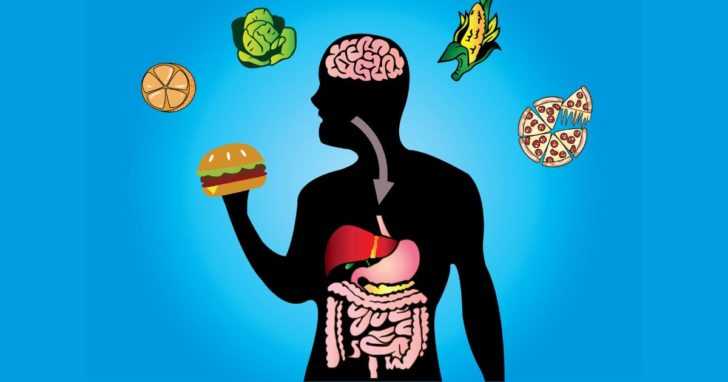
While polyps are quite common and often noncancerous, some can turn into cancer over time.
Dr. Jeremy Kortmansky of Yale School of Medicine explains that colorectal cancer typically exhibits aggressive histological features, which is why it is often diagnosed in later stages.
The symptoms can be rectal bleeding, changes in bowel habits, diarrhea, or constipation. It is very likely these symptoms to be mistaken for less severe issues like hemorrhoids or irritable bowel syndrome.
Of course, as with any other cancer, genetics can play significant role at colorectal cancer.
Obesity increases cancer risk by altering hormones like insulin, promoting cell growth. Chronic inflammation caused by fat tissue also contributes to this risk. A study in JAMA Oncology found that obesity nearly doubles the risk of early-onset colorectal cancer.
Please SHARE this article with your family and friends on Facebook.
Bored Daddy
Love and Peace