


Many people dismiss minor changes in their mouths, thinking a sore, patch, or discoloration is nothing serious. Yet these subtle signs can sometimes indicate a far more dangerous condition—oral cancer. This type of cancer often develops silently, showing little to no symptoms
in its early stages, but it can progress rapidly if left unchecked. People over 40, or those who regularly smoke or consume alcohol, are particularly at risk. Even small warning signs such as persistent sores, numbness, or discoloration should not be ignored, as early recognition can make a life-saving difference.
Mouth and Oral Cancer Specialist in Delhi: Understanding Types, Symptoms, and Treatments
Oral cancer, which affects the mouth, lips, tongue, gums, and surrounding areas, is more commonly diagnosed in men after the age of 40. In India, this year alone, there have been over 77,000 new cases, with more than 52,000 deaths reported. The disease is often detected late, typically after it has spread to lymph nodes in the neck, but timely diagnosis greatly increases survival chances.
Types of Oral Cancer
Oral cancer can develop in multiple areas of the mouth, including:
- Lip cancer
- Tongue cancer
- Inner cheek cancer
- Gum cancer
Cancer of the lower mouth
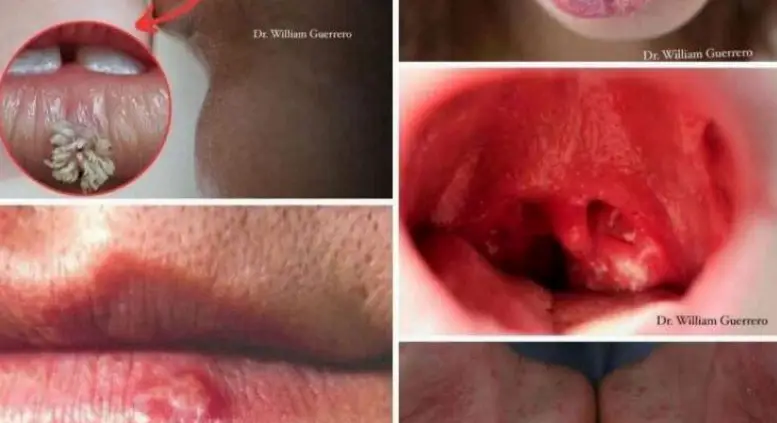
Prompt consultation with a dentist is crucial if any warning signs appear. Regular oral check-ups, ideally twice a year, are strongly recommended. Specialists like Dr. Sajjan Rajpurohit provide focused care for early detection and treatment.
Recognizing Symptoms of Oral Cancer
Although early stages may not cause noticeable symptoms, regular monitoring is important, especially for high-risk individuals.
Common warning signs include:
- Mouth sores or blisters that do not heal
- Swelling inside the mouth
- Loose teeth
- Unexplained bleeding
- Difficulty or pain while swallowing
- Lumps in the neck
- Ear pain
- Sudden weight loss
- Numbness in the lips, face, neck, or chin
- Red or white patches in the mouth or on lips
- Persistent throat discomfort
- Dry mouth
- Jaw pain or stiffness
- Tongue pain
While these symptoms do not automatically indicate cancer, seeing a dentist for evaluation is essential, particularly if multiple symptoms appear or persist despite treatment.
Causes and Risk Factors
Key contributors to oral cancer include:
Smoking: Cigarettes, cigars, and pipes significantly increase the risk.
Tobacco Use: Chewing tobacco or using other forms of tobacco is a major factor.
Excessive Alcohol Consumption: Heavy drinking can also elevate the risk.
Stages of Oral Cancer
Understanding the stage helps guide treatment and predict outcomes:
Stage 1: Tumor is less than 1 inch and has not spread to lymph nodes.
Stage 2: Tumor grows to 1–2 inches, without lymph node involvement.
Stage 3: Tumor is around 2 inches and may involve nearby lymph nodes.
Stage 4: Advanced stage with spread to surrounding tissues, lips, or distant parts of the body.
Treatment Options
Treatment depends on the stage and location of the cancer:
Surgery: Removes the tumor and may involve reconstructive procedures using pedicle or free flap techniques.
Radiation Therapy: Uses high-energy rays to target cancer cells while preserving healthy tissue. Methods include external beam radiation therapy (EBRT) and brachytherapy.
Chemotherapy: Anti-cancer drugs destroy cancer cells, often combined with radiation for higher effectiveness.
Targeted Therapy: Attacks cancer cells specifically to prevent further growth and may be used alongside other treatments.
Important Facts
About 80% of oral cancer cases are linked to tobacco use.
The average age of diagnosis is around 50 years.
Men are more likely than women to develop oral cancer, and risk increases with age.
Early-stage detection can improve survival rates to 82%, while advanced-stage diagnosis reduces survival to about 27%.
The Importance of Early Detection
Timely recognition of symptoms and regular dental check-ups are critical. In India, oral health is often neglected, leading to higher rates of oral disease.
Monitoring for unusual changes and seeking professional advice promptly can prevent serious complications and significantly
improve treatment outcomes.
Conclusion
Detecting oral cancer early is key to successful treatment. Paying attention to persistent sores, unusual patches, lumps, numbness, or discomfort can save lives. Regular dental visits, awareness of personal risk factors, and prompt medical evaluation for concerning signs not only protect oral health but also increase the likelihood of long-term survival and quality of life. Staying proactive is the most effective way to fight this silent yet serious disease.
Disclaimer: This article is not intended to be a substitute for professional medical advice, diagnosis or treatment and is for informational purposes only.
Please SHARE this article with your family and friends on Facebook.
Bored Daddy
Love and Peace