Home Blog Page 5

Donald Trump issues new bombshell claim about King Charles days after state visit

King Charles III’s recent visit to the United States centered on reinforcing the long-standing partnership between the UK and the US, with discussions focusing on shared global priorities rather than formal political negotiations.

Following the visit, however, President Donald Trump has made several claims which prompted an official response from the Palace.

As a head of state, King Charles, as well as the rest of the members of the British royal family, traditionally stay above party politics and remain neutral. This time, however, the king found himself in a rather delicate position after Trump publicly suggested that Charles shared his stance on the Iran crisis, particularly the view that Iran should never obtain nuclear weapons, at the State Dinner hosted at the White House.

“We’re doing a little Middle East work right now… and we’re doing very well,” Trump said over a toast. “We have militarily defeated that particular opponent, and we’re never going to let that opponent ever, Charles agrees with me even more than I do. We’re never going to let that opponent have a nuclear weapon. They know that, and they’ve known it right now, very powerfully,” he continued.

Francis Dias/Pool/via Samir Hussein/WireImage/Getty Images

The remarks came after repeated calls from Ed Davey to cancel the visit ahead of the King’s four-day state trip, which began on Monday. Davey had previously raised concerns about the meeting between the monarch and Donald Trump, telling the House of Commons earlier this month that such an engagement risked placing the King in a politically sensitive position.

“President Trump is one of the most unpredictable people we have seen on the world stage and I hope he does not embarrass our monarch,” Davey said.

In response to Trump’s remarks, a Buckingham Palace spokesperson said: “The King is naturally mindful of his Government’s long-standing and well-known position on the prevention of nuclear proliferation.”

Mere days following the visit, Trump once again referenced the monarch in a political context. Following their departure, he announced plans to remove tariffs on Scotch whisky, drawing a subtle connection to the recent royal visit.

“In Honor of the King and Queen of the United Kingdom, who have just left the White House, soon headed back to their wonderful Country, I will be removing the Tariffs and Restrictions on Whiskey having to do with Scotland’s ability to work with the Commonwealth of Kentucky on Whiskey and Bourbon, two very important Industries within Scotland and Kentucky,” Trump wrote on Truth Social.

The president continued by claiming that “people have wanted to do this for a long time,” calling the new development a “great Inter-Country Trade.” 

“The King and Queen got me to do something that nobody else was able to do, without hardly even asking! A wonderful Honor to have them both in the U.S.A.,” Trump concluded.

PA Wire via Independent

This post prompted yet another response from the Palace. “The King has been informed of President Trump’s warm gesture and sends his sincere gratitude for a decision that will make an important difference to the British whisky industry and the livelihoods it supports,” a spokesperson said, as per People Magazine.

“His Majesty will be raising a dram to the President’s thoughtfulness and generous hospitality as he departs the US after a most enjoyable State Visit for both Their Majesties in this special anniversary year,” the statement continued.

During a press conference, Trump confirmed he “took all the restrictions off, so Scotland and Kentucky can start dealing again.”

The development comes as the whisky industry faces pressure on both sides of the Atlantic. During his trade policies, Donald Trump introduced a 10% tariff on imports, including Scotch whisky, according to BBC. Leaders in Scotland and across the United Kingdom have since called for the tariff to be lifted, arguing it would benefit both Scottish and American producers, especially given that the United States remains the largest market for Scotch, as reported by Politico. At the same time, Scotland continues to spend hundreds of millions annually importing oak barrels from Kentucky, adding further strain to the industry.

Please SHARE this article with your family and friends on Facebook.

Bored Daddy

Love and Peace

arty

What role does the lymphatic system play in cancer progression?

When it comes to discussions about lowering the risk of cancer, the conversation usually revolves around the “big three”: eating your greens, hitting the gym, and never skipping your screenings.

But while those are all critical elements, one component of the human body rarely gets its fair share of credit when it comes to staying healthy and preventing cancer: the lymphatic system. This is a highly complex system that acts as the body’s natural filtration mechanism.

It plays an integral role in building your immune system, regulating your body’s fluids, and assisting you with any illness or condition that your body may experience. However, it also has a complicated relationship with cancer, specifically in how the disease migrates. While supporting your lymph health isn’t a “magic bullet” for prevention, understanding how it functions is a vital part of maintaining a resilient body.

What Exactly is the Lymphatic System?

Consider the lymphatic system as your body’s second circulation system – but there is one thing that makes it unique from the other: it does not come equipped with a pumping organ. This is a complex network of tubes, organs, and nodes that help move lymph, a clear liquid full of immune cells that fight off infections. Unlike the first, the latter is dependent on body movement to flow through the body.

Its primary duties are essential for survival:

  • Filtration: Scrubbing harmful substances and pathogens through lymph nodes.
  • Immune Support: Acting as a staging ground for immune cell attacks.
  • Fluid Balance: Ensuring fluid doesn’t pool in your tissues.
  • Waste Removal: Clearing out cellular debris and “trash.”

The Dual Role: Immunity vs. Metastasis

One of the characteristics of cancer is that it spreads. This condition is referred to as metastasis. Sadly, the very highways intended to transport immune cells can be hijacked by cancer cells.

If the tumor grows, the cells will become detached and get into the lymphatic vessels. In a recent study published in the journal Cancers, it was noted that the tumor cells may migrate via lymphatic vessels to develop new colonies elsewhere in the body.

For instance, breast cancer often shows such features. One of the studies conducted revealed that tumor cells could use lymph fluid and bloodstream as the transport routes to disseminate around the body. This is the reason why, during a diagnosis, doctors are so focused on whether the nearby lymph nodes are “clear” or “involved.”

Why Lymph Nodes are the “First Responders”

When it comes to cancers, the lymph nodes are usually the first place where metastatic cells travel to. The condition of the lymph nodes may provide information regarding the stage of a particular type of cancer. Literature review conducted on metastasis shows the lymphatic network is usually the first and most common pathway for cancer progression, according to a study published in Cancer Biology and Medicine.

For example, research on lung cancer confirms that nearby nodes are typically the first site of metastasis, making them the “canary in the coal mine” for staging and treatment.

Pexels

Can Cancer “Trick” the System?

Although the immune cells designed to eliminate cancer are located in the lymph nodes, cancer is particularly adept at using the lymphatic environment to its advantage.

Tumors can stimulate the formation of new lymphatic vessels, a process known as lymphangiogenesis. This creates additional pathways through which cancer cells can spread. Research shows that tumor-driven lymphangiogenesis is closely linked to an increased risk of metastasis.

Research indicates that tumors can release signaling molecules that promote lymphangiogenesis, increasing the number of lymphatic vessels and potentially enhancing the spread of cancer cells.

Debunking the “Flow” Myths

One widely held belief among proponents of wellness is that “increasing lymph flow” helps avoid cancer. But the facts are not that simple.

A study published in the journal Cancer Research found that lymphangiogenic growth factors can increase the formation and activity of lymphatic vessels, which may enhance the transport of cancer cells to lymph nodes. This suggests that increased lymphatic activity does not automatically translate into reduced cancer risk or prevention.

Metastasis involves far more than the simple transport of cancer cells through lymph fluid. It is a complex, multi-step process influenced by cellular communication and the surrounding tumor microenvironment. In a study on breast cancer, the authors emphasize that metastasis depends heavily on interactions between cancer cells and surrounding tissues.

Supporting Your Health, Not Just Your Lymph

While you can’t “detox” your way out of a cancer diagnosis with dry brushing or expensive supplements, you can certainly support the system that supports you. Since the lymphatic system depends on external pressure instead of internal pumping, what you do on a daily basis will determine whether your system runs smoothly or not. Here’s how to make sure your “filter” works perfectly well:

Keep Moving: In the world of lymphatics, moving is the sole “pump” available. The compression and relaxation of muscle fibers through exercises cause contraction of the lymphatic vessels to transport the fluid into the lymph nodes for filtration purposes. Such exercises include walking, swimming, and yoga; however, even simple “desk stretches” and calf raises are ideal for preventing stagnation of fluid in the lower parts of the body.

Breath Deep: Most individuals are “chest breathers,” but effective lymph support involves deep breathing. Your diaphragm functions as a bellows to the thoracic duct, the largest lymphatic vessel in the body. Deep breathing results in a vacuum effect on the chest wall, forcing the lymph fluid upwards from the lower parts of the body into the bloodstream.

Stay Hydrated: Imagine the flow of lymph as similar to the flow of a river – when the water level is low, then the river transforms into a stagnant, sluggish creek. Because the lymph consists mostly of water, hydration will make sure that your lymphatic fluid stays fluid enough. When you are dehydrated, the fluid gets “sluggish” and makes it difficult for immune cells to move where they need to be.

Maintain Healthy Weight: Any excess mass, particularly excessive fat, can put pressure on the lymphatic channels, thus effectively “kinking the hose.” Long-term damage caused by excessive pressure leads to decreased function of the lymphatic system, increasing the chance of developing conditions like lymphedema, which involves persistent inflammation.

Get Your Sleep: The most recent findings by researchers have centered on the glymphatic system, which is the brain’s “waste removal” system, which essentially switches on when you are sleeping. At night, the brain cleans out metabolic waste and toxins. By not getting enough sleep, one basically skips their body’s daily cleaning schedule.

A Note on “Detox” Myths: There are many “detoxes” and “cleanses” being sold on the internet these days. Although manual lymphatic drainage (MLD) can be a medical requirement for people suffering from lymphedema, for a person who is fit and healthy, there is no need for such a process. Your liver and kidneys are doing a fabulous job of detoxifying your body around the clock without you even noticing it.

Pexels

When to Seek Medical Advice

Since the lymphatic system plays an important role in immune surveillance and the early detection of disease, noticeable physical changes should not be ignored. While lymph node swelling is commonly a normal response to infections such as the common cold, certain symptoms may require medical evaluation.

Persistent swelling: Ongoing swelling in the limbs, neck, or other areas can indicate impaired lymphatic drainage or an underlying blockage that requires assessment.

Firm or unusual lymph nodes: During infections, lymph nodes are often tender, soft, and temporarily enlarged. However, lymph nodes that are hard, fixed in place, growing over time, or painless but persistent should be evaluated by a healthcare professional.

Skin and sensory changes: Changes such as skin thickening, a pitted or “orange peel” texture, unexplained redness, or a persistent feeling of heaviness or tightness in the limbs may suggest disruption in normal lymphatic flow and should be investigated if they do not resolve.

Conclusion

The lymphatic system itself is an engineering masterpiece of the biological world—a silent warrior and an important part of the body’s immune and fluid balance systems. As for the connection between it and cancer, it is multifaceted; however, not only can it serve as a means of protection from disease, but also, regrettably, as a pathway through which disease can spread. Nevertheless, one should not let this complicate things too much and cause unnecessary fear.

In the end, promoting your lymphatic well-being is not about discovering a miraculous solution to all your problems or following some biohacker’s fad routine, but simply acknowledging and appreciating the inherent processes of our bodies. Being physically active, staying hydrated, and listening to your body’s needs is not about “draining” the lymph from your body—instead, it means creating the best possible foundation for your health in the future.

*Medical Disclaimer: This article is for informational and educational purposes only and is not intended to diagnose, treat, cure, or prevent any disease. The content is based on general scientific research and publicly available information, but it should not be considered a substitute for professional medical advice.

Always consult a qualified healthcare provider regarding any medical concerns, symptoms, or before making changes to your health routine. Do not ignore or delay seeking professional medical advice because of information read in this article.

Please SHARE this article with your family and friends on Facebook.

Bored Daddy

Love and Peace

arty

10 surprising ways a pinch of baking soda can change your life

There is a very specific reason why sodium bicarbonate, commonly known as baking soda, has managed to remain such a constant fixture in homes worldwide through generations. Even in this age of fancy and expensive cleaning agents, baking soda is a versatile substance whose cost-effectiveness, availability at any small grocery shop, and chemical versatility cannot be ignored. Baking soda is extremely cheap and easy to come by; however, its effectiveness in cleaning and deodorizing makes it a highly multipurpose substance.

Nevertheless, as the “natural living” trend continues to become popular, the claims about baking soda have sometimes become more than what the product really deserves. While a lot of them are grounded on scientific facts, some have just gone beyond being misunderstood or even exaggerated. For anyone who would like to take full advantage of this essential ingredient in the kitchen, it is important to know why it works as well as when it does not work, which involves an understanding of both its chemical benefits and its biological limitations.

In this article, we will discuss ten scientifically proven ways to apply baking soda, and we will also take an essential look at where the myths end and the science begins.

1. A Master Class in Odor Neutralization

When discussing some of the most effective and scientifically valid applications of baking soda, odor removal cannot be overlooked. Everyone knows about the “box in the refrigerator” trick, yet very few know the science behind it. While scented candles or aerosols just spread their chemical scent throughout the room to mask the odors, baking soda acts as an odor-neutralizing agent.

Unpleasant smells are either acidic, such as sour milk, or alkaline, like rotten fish. Being amphoteric in nature, sodium bicarbonate reacts with both alkaline and acidic components of odor molecules and changes them to neutral odorless salts. That explains its superior performance when used to freshen carpets, deodorize sweaty sneakers, or achieve neutral scents in confined environments. As per information available from the National Library of Medicine, the unique molecular structure of baking soda enables it to function as a pH buffer that physically interacts with odor compounds and alters their chemical structure.

2. The Nuances of Natural Deodorant

Given the properties of baking soda in neutralizing odor-causing bacteria, many people use this ingredient for their homemade natural deodorant. This compound works amazingly well if used in small quantities. But it must be noted that “natural” does not mean “harmful-free” in all cases.

Dermatologists always make sure to point out that there are certain pH balances on human skin. Usually, human skin has an acid mantle that has a pH of about 5.5. But baking soda, on the other hand, has a much higher level of acidity, a pH of around 9.

This is why the American Academy of Dermatology warns against interference with the natural barrier of the skin, as this could result in dehydration, inflammation, and even painful rashes in individuals with sensitive skin. This means that if you decide to use it as a deodorant, you would have to apply it in its diluted form.

Unsplash

3. A Gentle Yet Effective Household Abrasive

The composition of baking soda itself lends itself very well to use as a surface cleaner because of its nature as a mild abrasive; tough enough to scrub away dried food stains or soap film, but not hard enough to damage the surface polish of your stainless steel kitchen sink or porcelain bathtub.

As pointed out by the United States Environmental Protection Agency (U.S. EPA), ingredients such as baking soda make excellent substitutes for other, more potent cleaning agents. This can help families enhance their indoor air quality, as it reduces the off-gassing effect that occurs when using industrial cleaners. A paste comprising three parts of baking soda and one part of water can clean any household surface, from stovetops to bathroom tiles.

Unsplash

4. The Chemistry of Grease and Stain Fighting

As far as the chemistry goes, grease is the biggest enemy of the kitchen, and here baking soda comes to the rescue. Grease is an organic compound, which means that it will react to an alkali. When applied on a greasy pan, the baking soda will begin reacting with fatty acids contained in grease, thus making it more prone to dissolving in water.

It becomes a “booster” in the laundry room too. Although no replacement for an industrial stain removing product with enzymes to tackle oil stains that have already formed, a little half cup added to the wash cycle will assist in balancing the pH of the water used, which in turn will make your usual detergent more efficient.

Unsplash

5. Neutralizing Pungent Hand Odors

Cooking regularly means dealing with the problem of “garlic hands” since some ingredients have sulfuric compounds that react with the skin and remain even when you wash your hands repeatedly with regular soap.

Using baking soda is an easy way to resolve the problem chemically by rubbing a little bit of the powder into your wet hands. You will get rid of the odors much quicker than usual soap does because the process works instantly against such strong smells.

Unsplash

6. A Therapeutic Foot Soak

Because sodium bicarbonate is known to be highly effective for shoe odor, it follows that it will be equally effective in treating feet problems. Putting a handful of baking soda into warm water will give you an alkaline medium, which will help to loosen hardened calluses and eliminate foot odor.

Even though there is no substantial clinical evidence about “foot soaks” like there is with the effectiveness of baking soda when used industrially, many people claim it provides a refreshing foot spa-like treatment. However, as in underarm application, those who have eczema or dry skin need to be extra careful. Over-soaking can result in the removal of the natural oils in your feet, thus requiring immediate moisturization.

Unsplash

7. Soothing Minor Skin Irritations

For many years now, a paste of baking soda has been used to treat bee stings and mosquito bites. Applying a paste of baking soda and water on the irritated skin may offer some relief from the irritation.

According to the Mayo Clinic, the use of home remedies like baking soda pastes on skin irritations is a good remedy to try for mild skin irritations by reducing the acidity caused by some insect bites or just soothing the skin. But this remedy is not meant for serious conditions, where one should seek medical assistance.

Unsplash

8. Enhancing Oral Hygiene

The use of baking soda in the field of dentistry dates back far into the past. This substance can be found in numerous toothpastes, which is due to its efficiency in removing dental stains and plaque from teeth.

According to a detailed review conducted by the Journal of the American Dental Association, toothpastes that contain baking soda showed much better results in removing plaque when compared to other types of toothpaste. However, one should understand that baking soda cannot serve as an alternative to regular toothpaste as it does not possess fluoride, which helps re-mineralize enamel and prevents tooth decay.

9. A Fast-Acting (But Temporary) Antacid

Since it is an alkali, baking soda is capable of directly buffering against stomach acid. In the case of heartburn, you have stomach acid burning your esophagus, which would then need to be neutralized to relieve the burning sensation. Drinking baking soda dissolved in water does the trick.

The National Institutes of Health (NIH) confirms that sodium bicarbonate is a valid short-term treatment for indigestion. But since sodium bicarbonate contains so much salt, frequent use can lead to serious side effects, including:

Elevated Blood Pressure: This excessive salt level can be fatal in patients with high blood pressure.

Electrolyte Imbalance: It will alter electrolyte balance when taken excessively.

Fluid Retention: Elevated sodium level results in retaining too much water in the body.

If heartburn is a persistent issue, it may signal a more serious underlying condition that needs a doctor’s attention.

10. The Science of the Drain Maintenance

What happens when you combine baking soda and vinegar? The famous volcano chemical reaction goes beyond being a simple school project for children. When mixed together, the ingredients form carbon dioxide gas, which has some physical force to clean out the lighter debris from your sink drain.

However, this reaction cannot solve such issues as “fatbergs” and hair clogs as it is too weak to do so. Yet, this combination makes an excellent cleaning tool to use monthly to ensure you drain stays clear of smells and minor blockages.

Addressing the Myths: What Baking Soda Cannot Do

While all of these points are indeed impressive, it is essential to mention another thing that can be found online – misinformation. One of the most harmful and persistent myths is that baking soda can not only help but actually cure cancer due to its ability to alkalize the body.

There is no scientific evidence of curing cancer by drinking baking soda. Although certain experiments were conducted to check the effect of pH on cell development in laboratory conditions, there is an extremely sophisticated system of regulating internal pH within our organism (it includes the lungs and kidneys). So you cannot just “alkalize” yourself by drinking something.

According to the American Cancer Society, alternative medicine must never be used as an absolute replacement for scientifically proven treatments. Using any kind of experimental method for treating diseases may result in the loss of time and ultimately prove fatal.

Please SHARE this article with your family and friends on Facebook.

Bored Daddy

Love and Peace

arty

Rudy Giuliani in critical condition in hospital – Trump makes claim

Former New York City Mayor Rudy Giuliani and longtime Donald Trump ally Rudy Giuliani has been hospitalized with pneumonia at a Florida hospital and remains in “critical but stable condition,” according to his spokesperson Ted Goodman.

Goodman said the 81-year-old former mayor is being monitored as a “precautionary measure,” as per the Independent.

Giuliani, who served his term during the September 11 terror attacks, “ran toward the towers to help those in need, which later led to a diagnosis of restrictive airway disease,” Goodman wrote.

“This condition adds complications to any respiratory illness, and the virus quickly overwhelmed his body, requiring mechanical ventilation to maintain adequate oxygen and stabilize his condition,” he added.

Giuliani is “now breathing on his own, with his family and primary medical provider at his side,” Goodman said.

WASHINGTON, DC – DECEMBER 11: Rudy Giuliani, the former personal lawyer for former U.S. President Donald Trump, departs the E. Barrett Prettyman U.S. District Courthouse on December 11, 2023 in Washington, DC. Jury selection and opening arguments started today in his defamation jury trial brought by Fulton County election workers Ruby Freeman and Shaye Moss, who successfully sued Giuliani in civil court. (Photo by Drew Angerer/Getty Images)

The announcement came just days after Giuliani appeared on his nightly America’s Mayor Live broadcast, where he was coughing and told viewers his voice was “a little under the weather.”

“My voice is a little under the weather, so I won’t be able to speak as loudly as I usually do, but I’ll get closer to the microphone,” he said.

President Donald Trump, whom Rudy Giuliani has long supported and defended, said on Truth Social that he believes Giuliani was the “Best Mayor in the History of New York City.”

Donald Trump also referenced his friend’s hospitalization to direct criticism at Democrats, implying they were somehow to blame.

“Our fabulous Rudy Giuliani, a True Warrior, and the Best Mayor in the History of New York City, BY FAR, has been hospitalized, and is in critical condition,” Trump wrote.

“What a tragedy that he was treated so badly by the Radical Left Lunatics, Democrats ALL — AND HE WAS RIGHT ABOUT EVERYTHING! They cheated on the Elections, fabricated hundreds of stories, did anything possible to destroy our Nation, and now, look at Rudy. So sad!”

Rudy Giuliani, who led unsuccessful legal efforts to challenge Donald Trump’s defeat in the 2020 presidential election, has spent recent years navigating a series of legal battles, including criminal charges, bankruptcy proceedings, and a defamation case in the turbulent aftermath of the vote.

Last summer, he was injured in a car accident in New Hampshire that left him with a fractured vertebra, and he was later seen at public events using a wheelchair. Giuliani had previously served as a key legal adviser to Trump during his first term in office.

Now 81, he persistently promoted claims that the 2020 election had been stolen by Joe Biden, including at the “Stop the Steal” rally held before the January 6, 2021 Capitol attack. In the aftermath, courts in New York and Washington, D.C., revoked his license to practice law over those unsubstantiated claims, the Independent wrote. He was also sued for defamation by two Georgia election workers, a case that he reportedly settled last year.

Please SHARE this article with your family and friends on Facebook.

Bored Daddy

Love and Peace

arty

A man diagnosed with autism at 42 describes years of being misdiagnosed by doctors

Imagine the relief and disbelief of receiving a diagnosis at 42 for a condition that had shaped your entire childhood and had gone unrecognized for most of your life.

Tyler Barnett of California experienced exactly that when he was diagnosed with autism at the age of 42.

Speaking to People, he explained that this diagnosis changed everything because he lived his life “feeling like an imposter.”

As a child, many considered him to be gifted, but at the same time, doctors diagnosed with a bunch of mental health conditions including anxiety, depression, and bipolar disorder. In fact, even Tyler himself, who works as a public relations specialist, tried to figure out what was going on with his brain most of his life.

But it wasn’t until April 13, 2026, when he was officially diagnosed with level 1 autism and Attention-Deficit/Hyperactivity Disorder (ADHD). For him, it was the exact moment things fell into place.

Prior to the diagnosis, Tyler felt like he was looking on his own life from the outside, feeling a gap between him and those around him.

“I was watching a group of kids link arms and jump up and down and laugh…they were doing something from a movie I hadn’t seen or something. I was on the outside just watching,” he told People, recalling a childhood memory. “I didn’t really understand why they were doing that or why it was fun, but I felt like I didn’t get it or didn’t know how to fit in.”

Sadly, that feeling didn’t go away with time. Instead, it stuck with him throughout his adult life, too. Others advised him to try and blend in, which wasn’t an easy thing to do.

For the sake of fitting in, he started pretending in order to “make other people comfortable around me.” For him, that meant copying other people’s behaviors, something that simply didn’t come naturally to him.

Eventually, this led to something known as a “second nature,” and he no longer felt like himself.

@millennialdad Just got diagnosed with autism and adhd after 42 years of trying to figure out just what exactly was wrong with me. Feeling so much relief…but so much grief for little me who deserved to know. #autism #adhd #audhd #actuallyautistic #neurodivergent @autism speaks ♬ original sound – Millennial Dad

Over the years, he sought help from therapists, but none of them got to the bottom of the problem he’s been facing his entire life.

“I saw a lot of therapists, and the thing about therapy is you can’t therapize yourself out of autism,” he said. “You can talk about your life and your problems and your parents, etc., but this is not seeing the forest for the trees. So while therapy was helpful, it actually pulled me further from the truth.”

The therapies he has received throughout the years, including anxiety, depression, and even bipolar disorder, only pulled him away from the real cause of why he was experiencing what he had been experiencing.

“Internally, I was in so much pain, exhausted, confused, scared and hiding it all,” he said.

Following the autism diagnosis, Tyler took to social media, where he has a TikTok page under the username @millenialdad, and shared in an emotional video: “Today I found out that I’m autistic and I have ADHD…I always have, and nothing’s wrong with me.

“I’ve been mislabeled and mismedicated, and misdiagnosed. I have tried to figure this out myself and I’m so relieved.”

Tyler Barnett 

With the diagnosis came the relief because that constant need that he needed “fixing” faded away. “I couldn’t fix myself no matter what I did — and I tried a lot, for a long time,” he admitted. “And now I know there is nothing to fix…I am a zebra, not a broken horse.”

Eventually, he was taken off the meds for bipolar disorder.

“As I get back to my true self, I can see clearly I am perfect as I am. The world just couldn’t meet me where I was,” he shared with People. “Because when you understand autism and ADHD for exactly what they are, they can stop becoming a disability and become a superpower.”

Please SHARE this article with your family and friends on Facebook.

Bored Daddy

Love and Peace

arty

The Pope and White House relations draw public attention amid Vatican discussions

When it comes to global affairs, tension isn’t always seen through open conflicts or heated exchanges. In some cases, it’s all about the shift of tone, the change of priorities, or the omission of certain symbolic gestures otherwise expected to exist. Truth is, the relations of the Holy See with the US government are no exception to this trend; they are as much about collaboration as they are about careful distancing.

The relationship between Washington and the Vatican did not happen overnight; it has developed over a period of around one hundred years. The development was initiated by the meeting of Woodrow Wilson and Benedict XV, which took place in 1919. President Wilson was the first American head of state to visit the Vatican and initiate dialogue with the pontiff.

Nevertheless, it took another thirty years before the process of diplomatic interaction was normalized. Dwight D. Eisenhower started the trend of presidential visits to the Vatican when he visited Pope John XXIII in 1959. The meetings between representatives of the two states continued to occur and have become an integral part of international diplomacy.

That relationship only deepened further when Pope John Paul II visited Jimmy Carter in 1979. It was then that the conversations moved beyond formalities to focus on human rights and global cooperation, themes that still anchor Vatican diplomacy today.

President Ronald Reagan and Pope John Paul II/ David Hume Kennerly/Getty Images via Fox News

There have been moments when the Vatican and the United States found themselves closely aligned. During the Cold War, Ronald Reagan and Pope John Paul II developed a notable partnership shaped by their shared opposition to communist rule in Eastern Europe.

Their 1982 meeting is often seen as a defining moment in this relationship. Having both survived assassination attempts the previous year, the two leaders approached global affairs with a heightened sense of urgency. While the Vatican did not describe their cooperation as a formal alliance, both sides pursued overlapping goals—particularly in their support for the Solidarity movement in Poland.

This convergence of moral and political influence contributed to broader changes across Eastern Europe, which ultimately played a role in the decline of communist governments and the eventual dissolution of the Soviet Union.

Regardless of their frequent meetings, the Vatican and the United States often have two very distinct perspectives on international affairs.

For one, the Vatican has its own set of values based on moral theology. This includes values such as human dignity, poverty, and peace. The Vatican does not limit its perspective to the boundaries of any single nation. American policymakers, on the other hand, face many concrete issues. These include issues related to national security, economic development, and immigration. Even when discussing similar topics, the Vatican and American policymakers do so from very different perspectives.

Getty Images

All these differences have come out into the open during the papacy of Pope Leo XIV. In particular, the direct criticism by the Pope of the United States’ foreign policies, particularly the Iran issue, represents a sharper, more vocal approach than we’ve seen in the past.

Pope Leo has been clear: violence cannot be justified by faith, and “God does not endorse war.”

This message formed an uneasy juxtaposition with the use of moral and religious language by some American politicians concerning military activities. Public tensions arose after the vice president Vance raised objections to the pope’s theological views regarding wars, and the president himself joined the debate criticizing the pontiff.

“How can you say that God is never on the side of those who wield the sword?” the vice-president said during a Turning Point USA event at the University of Georgia, as reported by The Guardian.

“Was God on the side of the Americans who liberated Holocaust camps? It’s very, very important for the pope to be careful when he talks about matters of theology … you’ve got to make sure it’s anchored in the truth.”

A day before that, JD Vance, who converted to Catholicism, urged the U.S.-born Pope Leo XIV to “stick to matters of morality” following an earlier post on X in which the pope criticized the US-Israel war in Iran.

“God does not bless any conflict. Anyone who is a disciple of Christ, the Prince of Peace, is never on the side of those who once wielded the sword and today drop bombs,” Leo wrote.

Vatican Media/Vatican Pool – Corbis/Getty Images

Some two weeks ago, the pope spoke to reporters while traveling aboard the papal plane en route to Cameroon for an 11-day visit to Africa. Although he avoided directly responding to JD Vance’s remarks or the recent wave of social media criticism from Donald Trump—who had described him as “weak” and “terrible”—his comments suggested the ongoing dispute remained on his mind.

The tensions, which had unfolded over five days, began when Pope Leo XIV referred to the Iran war during evening prayers at St Peter’s Basilica as being driven by a “delusion of omnipotence.”

Although it is not the first time that popes and presidents have exchanged opinions on controversial issues, analysts note that what distinguishes this particular conflict from other debates is the directness of their differences. In fact, it has been called an “inflection point”—the point at which leaders sharing a common cultural background have become poles apart.

Within the realm of diplomatic discourse, every move is interpreted. Whenever there is an absence of harmony or frequency in the discussions, it becomes easy to see whether there are any fault lines. However, just because there seems to be “perceived distance,” it does not necessarily mean that all forms of communication have ceased completely. In fact, most diplomatic activity takes place behind the scenes through ambassadors and private correspondence.

Ultimately, the connection between the Vatican and the US can be viewed as two contrasting sides of the same coin. While one side of this coin is based on the teachings of God, the other side rests on the foundation of the state.

There are times when both sides align themselves, and there are times when their interests clash with each other. However, such differences do not reflect poorly on the relationship. Rather, they indicate that there are still many lessons that moral and political influence can learn from one another.

Please SHARE this article with your family and friends on Facebook.

Bored Daddy

Love and Peace

arty

New poll reveals how popular Melania Trump is compared to other First Ladies

Melania Trump is considered by many one of the most beautiful and most stunning first ladies the US has ever had.

It was back in 1987 when young Melania decided to drop out of the University of Ljubljana, Slovenia, and focus on modeling instead. It took her only a year to get a contract with a modeling agency in Milan. Her looks opened the doors to the fashion industry for her and she was very successful at what she did.

From a small town in her homeland of Slovenia to the White House, her life has been quite an adventure. Melania Trump remains a captivating presence and a name associated with elegance and grace.

Jim Spellman/WireImage

Here are some fascinating facts about Melania Trump you may not know.

1. Melania was born in Melanija Knavs on April 26, 1970, in Novo Mesto, Slovenia, making her the second first lady born out of the United States of America. The first was Louisa Adams, wife of President John Quincy Adams.

2. In her homeland, Melania attended the university of Ljubljana, where she studied architecture. However, she decided to drop out of her studies in order to pursue a modeling career.

3. After dropping out of university, it took Melania only a year to get a contract with a modeling agency in Milan.

When she met famous Italian businessman Paolo Zampolli, he helped her get a work visa to the US.

She had appearances in magazines such as Vogue, Harper’s Bazaar, and GQ.

Getty Images

4. Melania once shared that she speaks several languages, including Slovenian, English, French, Serbian, German, and Italian. However, she’s not fluent in all of them.

5. Melania received a green card in March 2001 and became a U.S. citizen in 2006, according to PBS. She has always claimed that she arrived in the country legally and never violated the terms of her immigration status.

6. Melania Trump first met her future husband at a Kit Kat Club event during the New York Fashion Week in 1998. He was with a date that night, but when he saw Melania, he immediately wanted to know more about her. The couple tied the knot in 2005 during a lavish ceremony at the Bethesda-by-the-Sea Episcopal church in Palm Beach, Florida.

She’s Trump’s third wife and is 24 years his junior.

Drew Angerer/Getty Images

7. Melania is involved in a number of charities, including Be Best program, which she launched in 2018. It aims at promoting physical and emotional wellbeing among children.

8. She is the first Catholic First Lady since Jackie Kennedy.

9. Melania Trump is a devoted mother to her son Barron Trump whom she kept out of the spotlight most of his life. During his childhood, she didn’t have nannies because she has raised him all by herself.

10. The first lady is an advocate against cyber bullying.

Alon Skuy/Getty Images

A survey recently conducted to rank America’s First Ladies has rekindled debate, but there is likely to be an unpleasant surprise for some.

As some of the country’s past First Ladies still retain their popularity several years on since they stepped down from their roles, present-day First Lady Melania Trump finds herself in a more complicated position, symbolizing the sharply polarized opinions of the American people.

In this survey of 2,255 Americans, Melania found herself among such famous First Ladies as Michelle Obama and Jackie Kennedy.

According to polling from YouGov, Melania Trump has an approval rating of -16. This places her behind her successor, Jill Biden, who scored -9—but she does not rank at the very bottom.

The holder of that title is Hillary Clinton, whose approval score was -17. On the whole, one can notice that negative approval scores for political figures are rather common nowadays.

However, there were some First Ladies who enjoyed the support of voters from various ideological backgrounds.

Among them:

  • Nancy Reagan (+25)
  • Rosalynn Carter (+32)
  • Lady Bird Johnson (+23)
  • Barbara Bush (+21)
  • Michelle Obama (+21)
  • Laura Bush (+19)
Joe Raedle/Getty Images

But towering above all these other figures in terms of popularity and influence was none other than Jacqueline Kennedy Onassis with an impressive approval rating of +56.

The poll also reflected a familiar pattern: Melania Trump performed much better among Republicans than Democrats, mirroring the broader political divide tied to her husband’s presidency.

Explaining its methodology, YouGov said:

“A random sample (stratified by gender, age, race, education, geographic region, and voter registration) was selected from the 2019 American Community Survey.

“The sample was weighted according to gender, age, race, education, 2024 presidential vote, 2020 election turnout and presidential vote, baseline party identification, and current voter registration status.”

The poll comes as a documentary about Melania Trump becomes popular, earning $7 million during its opening weekend, with Amazon reportedly paying $40 million for the rights and another $35 million for promotion.

The poll also surveyed former American presidents, and the results were just as shocking. Donald Trump came in last place among the 20 presidents that were surveyed, with a net approval rating of -20. Right behind him was Joe Biden, who came in second as the least popular president in the poll.

Nearly 48 percent of respondents rated Donald Trump as “poor,” while an additional 6 percent described his performance as “below average.”

If you found these facts fascinating, please SHARE this article with your family and friends on Facebook.

Bored Daddy

Love and Peace

arty

Understanding pinworms: Causes, symptoms, transmission, and how to get relief

There is nothing more frustrating than waking up in the middle of the night to be faced with having your child, or yourself, scratching uncontrollably.

While the discovery of tiny intestinal parasites is enough to make any parent’s skin crawl, the reality is that pinworms are a standard part of childhood for millions of families. In fact, they are easily treated, and even though they may look gross, they don’t say anything about your household hygiene.

If you are going through a “wiggly” experience at the moment, then it’s worth keeping in mind that you are definitely not alone in the struggle. This guide takes an in-depth look at the lifespan of these hitchhikers, what makes them tick, and how to get rid of them once and for all.

What Exactly Are Pinworms?

Pinworms, medically referred to as Enterobius vermicularis, are minute, white, worm-like parasites. Typically growing up to a maximum of 1.5 cm (the length of a staple), they resemble tiny pieces of dental floss. Despite their ominous name, they are some of the most widespread parasitic diseases in the world, especially among schoolchildren and people living in close quarters.

These worms live primarily in the human large intestine and rectum. In contrast to other parasites, which are much more aggressive and travel to the lungs and liver or deprive you of nutrients, they simply live in your intestine without doing any damage to you. Nevertheless, they are experts in irritating you and keeping you awake at night.

The Hygiene Myth

It is vital to address the stigma: having pinworms is not a sign of being “dirty” or “poor.” The eggs of pinworms are so small and durable that the transmission occurs everywhere, from playgrounds to offices and schools, simply because they are very difficult to detect. People who are most attentive to their hygiene can face this problem when they touch a handle on a shopping trolley or take out a library book that has been touched by someone infected with pinworms.

According to the US Centers for Disease Control and Prevention, pinworm infection is the most widespread form of intestinal worm infections in America.

The Midnight Itch: The Science of Nighttime Symptoms

A typical symptom of pinworm infection is severe itching around the anus, which worsens during nighttime hours. However, it is not mere coincidental; instead, this is a carefully planned tactic by the parasite in order to survive and reproduce. To comprehend the reasons for the increase in itching during nighttime hours, one must focus on what the female pinworm does during her “night shift.”

The migration: As the body of the “host” comes to rest and its temperature is regulated, the female pinworms move from the intestines to the anus.

Egg-Laying: At the destination, she proceeds to lay thousands of microscopic eggs around the anus area.

Biological “glue”: The female pinworm produces a glue-like substance to adhere the eggs to the host’s skin. This glue-like substance, when mixed with the physical motion of the pinworms themselves, creates the itchy, prickling feeling that the host suffers from.

Scratch and spread cycle: The itching causes an involuntary reaction to scratch. As a result of being so tiny and sticky, the pinworm eggs can get stuck beneath nails, on pajamas, or bed sheets, which means that inevitably some eggs will end up in the mouth of another human host.

The NHS emphasizes that this specific nighttime itching is one of the primary diagnostic signs that pinworms are present and should be the first red flag for parents.

How They Spread: The Transmission Cycle

Pinworms are extremely infectious. The life cycle of pinworms is straightforward, elegant, and very efficient when it comes to infecting the whole household. To stop the cycle, one needs to know all the pathways of transmission.

The fecal-oral route

This is the most common mode of transmission. When an individual scratches the irritated area, the eggs stick under their fingernails. Then, the individual puts their fingers into the mouth or even eats some food. The eggs enter the digestive tract and hatch there, after which the larvae go to the large intestine.

Surface Contamination

Pinworm eggs are surprisingly resilient. They can survive for two to three weeks on various surfaces, including:

  • Bed linens and pillowcases
  • Towels and washcloths
  • Stuffed animals and toys
  • School desks and cafeteria tables
  • Bathroom faucets and doorknobs

Airborne Inhalation

It may seem as though it comes straight out of a horror film, but because of the weightlessness of the eggs, they are capable of becoming airborne. Just shaking out a pair of sheets that have been infested will cause the eggs to take flight in a cloud-like formation. If someone breathes them in or swallows them, they will become infected.

The Reinfection Loop

The most annoying thing about pinworms is their ability to form a “loop reinfection.” Even if you treat yourself with drugs to eliminate the adult worms, the eggs already present in your surroundings could find themselves in your mouth within a week, initiating another cycle of infection.

Wikipedia

Identifying the Symptoms

Of course, not all individuals display symptoms; there are carriers who have a small “worm load,” but who remain asymptomatic. For others, you should notice:

Primary symptom: Continuous itching sensation in the anal and/or vaginal areas, beginning about one hour after the person lies down in bed.

Behavior changes: Kids tend to be cranky, hyperactive, or “fidgety” during the day due to their lack of deep REM sleep.

Physical observations: In a few instances, it is possible to observe the tiny, white, wiggling worms yourself by shining a light into the child’s anal region a few hours after he falls asleep.

Secondary problems: It is also possible for the parasites to migrate to the vagina in girls, resulting in itching and/or discharge.

Diagnosis and the “Tape Test”

When an infection is suspected, physicians do not opt for costly blood work or stool analysis, as the eggs are not commonly detected in stool specimens. Rather, physicians prefer the “tape test” method.

How to perform the Tape Test

Immediately after waking up, when the patient has not showered or gone to the bathroom, apply a piece of transparent tape to the skin surrounding the anus.

The tape collects any eggs or worms that have been laid during the night.

Stick the tape onto a slide or into a plastic bag to be analyzed under a microscope by a health care provider.

According to the CDC, performing this test three mornings in a row significantly increases the chances of a correct diagnosis.

Treatment Options: The Two-Step Approach

Fortunately, pinworm infection responds well to treatments. Unfortunately, the whole family must be treated for pinworm infection.

Medical Treatment

There are usually only three drugs used by doctors:

Mebendazole – The most commonly prescribed drug.

Albendazole – Another effective drug against parasites.

Pyrantel Pamoate – The drug that is sold without prescription (Pin-X or Reese’s Pinworm Medicine).

Two Doses: Because these medications kill the adult worms but not the eggs, a second dose is mandatory exactly two weeks after the first. This kills any worms that hatched from eggs that were swallowed during the initial treatment period.

Treating the Whole Family

Treating just the patient with the symptoms is a frequent mistake. Since pinworm infections spread very rapidly, chances are that other family members have silent infections. If one does not treat all members simultaneously, a cycle of exchange of pinworm infections can take place, a ping-pong effect.

The Total Cleaning Protocol

The medication takes care of the worms within your body; however, your home may be considered a “minefield” of eggs. In order to break this cycle, the following steps need to be done diligently for at least three weeks:

Morning shower: All members of the household should take a shower upon getting up each morning. This way, you will wash off eggs that have been produced while sleeping. It is preferable to shower rather than bath because in a bath tub you would sit in contaminated water.

Hot water laundry: Towels, sheets, and underwear must be washed in the hottest water possible. The clothes should also be dried under the highest heat setting.

Sunlight: Leave the windows open. Pinworm eggs are susceptible to ultraviolet rays, therefore, the brighter the room, the better.

Nail clipping: Trim the fingernails short on a daily basis. Eggs may find refuge there, and shorter nails mean better hand washing.

Surface cleaning: Make sure to clean the surfaces which you come in contact with most frequently. This includes cleaning toilet seats, flush handles, and doorknobs.

Common Myths and Misunderstandings

“Are pets to blame?”

The most common misconception. Pinworms are strictly human parasites. Your cat, dog, and even hamsters will never get pinworm infections. When you find out your pet has worms, it’s another type (roundworms or tapeworms), and the treatment should be approached differently.

“Is it because I don’t clean enough?”

Certainly not. Once again, let me remind you that pinworm eggs are invisible to the naked eye. No matter how much you clean your apartment, you’ll probably still end up having at least one of those eggs land on your food. It’s just biology!

“Are they dangerous?”

Despite their fearsome name, pinworms are classified as “nuisance” parasites. They won’t cause any significant harm or illnesses and complications from the infection are exceedingly rare. The only problem is the secondary bacterial infection when children scratch themselves so badly that they wound themselves.

Conclusion

Getting rid of pinworms is something of a coming-of-age ritual for many families. This is a very frustrating experience, as well as an itchy one, and sometimes an exhausting one, as well. However, knowing that the worms have a 14-day cycle, and the eggs survive up to three weeks will give you control over the situation.

Using both the medication regimen consisting of two doses, showering each morning, and employing a scorched-earth policy towards laundry, you can get rid of pinworms and regain your comfortable nights of sleep. You can do it, and soon enough you’ll be able to put “midnight itch” behind you.

*Medical Disclaimer: This content is for informational purposes only and is not medical advice. Always consult a qualified healthcare professional for diagnosis and treatment.

Please SHARE this article with your family and friends on Facebook.

Bored Daddy

Love and Peace

arty

Woman’s foot has been swollen for years, then she finally pays the doctor a visit to learn why

Very often, we procrastinate and put important things, like regular doctor checkups, off and we only realize the consequences of our actions when it is too late.

A young woman named Cheryl Murray noticed a tiny lump on her foot when she was just 15. At the time, doctors brushed it off as something not serious, believing she torn a ligament following a slip and fall.

Cheryl herself didn’t think it was anything serious although it grew to the size of a golf ball over the course of ten years.

When Cheryl started dating her boyfriend David, she was too embarrassed to tell him about the lump but he noticed she had issues with her leg and confronted her about it.

“David asked me what was wrong with my foot. I replied that it was torn ligaments, but he could tell it wasn’t, that it was more serious,” Cheryl recalled.

“I was ashamed of it,” she admitted while talking to Daily Mail.

As expected, he urged her to see a doctor, and she finally listened.

Once at the hospital, doctors ran a bunch of tests and the results were worrying. The lump turned out to be cancer affecting the connective tissue. The X-rays, a biopsy, and an MRI all indicated Cheryl had sarcoma.

Since Cheryl waited too long before seeking help, it was too late for anything to be done and her leg needed to be amputated to her knee in an attempt to prevent the cancer from spreading further.

“I never ever believed it would be anything severe,” she stated. “I was hysterical, I was so shocked I could not speak. I seemed like I had actually been typed the face two times in one day.”

She’s now sharing her story in an attempt to raise awareness of the importance of visiting a doctor when something doesn’t seem right, even if that’s something we believe is not harmful.

As explained by the Cleveland Clinic, sarcoma is an uncommon type of cancer that develops in the body’s connective tissues—such as muscles, tendons, fat, blood vessels, and nerves. It can occur in many areas of the body, though it most often begins in the arms or legs.

The exact cause of sarcomas isn’t fully understood. However, they are seen more frequently in adults, particularly in those who have previously received radiation or chemotherapy for other cancers. There are several forms of sarcoma, including:

  • Osteosarcoma, which affects the bones
  • Chondrosarcoma, which develops in cartilage
  • Ewing’s sarcoma, which starts in the bone marrow

Because symptoms can differ depending on where the tumor forms, these cancers are often difficult to recognize early on. Some warning signs may include:

  • Persistent swelling that doesn’t go away
  • Lumps or deformities in bones or under the skin
  • Chronic pain in a specific area
  • Muscle weakness or loss of mobility
  • Changes in walking or coordination

Cheryl’s experience is a strong reminder to pay attention when something doesn’t feel right. She was fortunate—her life was saved, but only after she chose to trust her instincts and her now husband’s urging to see a doctor.

“10 years I’ve been fighting the good fight 🎗️Soft tissue sarcoma is such a rare cancer and unfortunately one that…

“If I hadn’t shown him the lump, I probably would’ve ignored it even longer,” she said.

Please SHARE this story with your family and friends on Facebook.

Bored Daddy

Love and Peace

arty

NYC Mayor Zohran Mamdani’s ‘rude’ gesture to King Charles during 9/11 Memorial visit

As part of their four-day US visit, King Charles and Queen Camilla visited the National 9/11 Memorial in lower Manhattan where were welcomed by former NYC Mayor Michael Bloomberg, who is also the chairman of the 9/11 Museum and Memorial, and Beth Hillman, its president and CEO, who gave them a tour of the site. The royal couple also met with the current New York City Mayor Zohran Mamdani.

King Charles and Mayor Zohran Mamdani spoke briefly and were seen laughing.

Previously, Mamdani said he wouldn’t be meeting the king in private and the reason why enraged many who claimed the mayor has a hard time “set aside his obsession with colonialism,” according to Deccan Herald.

Namely, while Mamdani did greet the king, he made it clear he won’t accompany them on the tour. On Wednesday morning, Joe Calvello, the mayor’s press secretary, said in a statement, “The mayor will not meet privately with King Charles. But the mayor will be at the wreath-laying ceremony today.”

When asked whether he would have a private audience, Mamdani said, “If I was to speak to the king separately from that, I would probably encourage him to return the Koh-i-Noor diamond.”

X/Sky News, Getty Images

The remarkable 106-carat Koh-i-Noor is mounted in the crown that was once worn by Queen Elizabeth The Queen Mother. It was presented to Queen Victoria in 1849, and ever since, it has been the center of ongoing controversy, with debates over its rightful ownership continuing to this day.

According to critics, the striking jewel—often likened to the size of a hen’s egg—was taken under unfair circumstances from Duleep Singh, then just 10 years old, after the British seized his kingdom. The Guardian requested a response from Buckingham Palace, but the palace chose not to comment on whether the diamond might be returned.

The actions of Zorhan Mamdani did little to impress the editorial board of the New York Post. The outlet—consistently critical of him during his campaign and early mayoral tenure—wrote, “Of course Zohran Mamdani couldn’t manage a decent welcome for the king of England: That would’ve required maturity, grace and humility that our mayor just doesn’t have.

“Showing respect for the king is showing respect for Britain, yet Mamdani couldn’t resist showing disrespect,” the editorial wrote and emphasized that British royals have historically been greeted with enthusiasm by New York City mayors, recalling how Robert F. Wagner Jr. hosted a celebratory ticker-tape parade for Queen Elizabeth II during her 1957 visit.

“But Mamdani couldn’t bother with any such gestures; he couldn’t even set aside his obsession with colonialism, telling reporters he hoped to push Charles ‘to return the Koh-i-Noor diamond’, a 105-carat gem originally from India and now on display at the Tower of London,” the editorial said.

“Mamdani’s inexperience is no excuse for letting his personal passions blind him to the duties of his high office,” the editorial said, calling out his “addiction to performative displays.”

“At best, his youth means there’s a chance he’ll learn from his graceless mistakes, and do a bit better the next time he’s called to represent all the people of New York City,” the editorial added, as reported by Deccan Herald.

A spokesperson for the royal family declined to respond to Mr Mamdani’s remarks, according to Politico.

Francis Dias/Pool/via Samir Hussein/WireImage/Getty Images

Earlier, Buckingham Palace issued a response after Donald Trump claimed that King Charles III agreed with him that Iran should not be permitted to acquire nuclear weapons. Members of the royal family are expected to remain politically neutral, yet Trump told guests on Tuesday night that the US would never allow Iran to obtain such weapons and suggested the King shared his stance.

“Charles agrees with me even more than I do,” Trump said. In his ‌own comments later, the King did not speak about Iran or the Iran war.

A Palace spokesperson responded: “The King is naturally mindful of his government’s long-standing and well-known position on the prevention of nuclear proliferation.”

Please SHARE this article with your family and friends on Facebook.

Bored Daddy

Love and Peace

arty

The mystery of the pale patch: A deep dive into small white spots on your skin

The human skin has amazing communication capabilities. It blushes if we feel embarrassed; it gives us goosebumps when we feel cold; and sometimes, it grows little mysterious white patches seemingly out of thin air.

Have you noticed little white spots or patches appearing on your skin lately? Don’t panic; you’re not alone! Most people’s first reaction to these patches is fear—they could be fungi, they could be permanent, and they could be an indication of some internal problem.

The good thing is that most small patches on the skin are actually harmless from a medical point of view. Nevertheless, taking into consideration that the skin plays such an important role in our confidence and appearance, figuring out the “why” behind all the changes is absolutely necessary. What happens is that there is some depletion of melanin, which gives the skin its natural color, or this substance stops being produced in certain areas.

We will go through all the causes behind the appearance of these spots, as well as find out how they develop and what can be done about them.

1. The Most Likely Culprit: Idiopathic Guttate Hypomelanosis (IGH)

If you are above the age of 30 and have seen very small, porcelain-like white spots on your shins or forearms, chances are that what you have is called Idiopathic Guttate Hypomelanosis (IGH). Though the name sounds scary, it is one of the most common skin problems.

In medical terms, “idiopathic” denotes the unknown cause of the problem, “guttate” is the term for the tear-drop shape, and “hypomelanosis” means the absence of pigment. As indicated by studies published in numerous dermatological periodicals, IGH is basically a manifestation of “aging of the skin” plus prolonged UV irradiation. The rays of the sun over decades may impair melanocytes (cells producing pigmentation) in isolated and localized sites; the cells just “shut down.”

Appearance: Pale patches in a flat and smooth form measuring from 2mm to 5mm across.

Location: Usually the shins, forearms, and occasionally the face or upper back.

According to the American Academy of Dermatology (AAD), IGH is not a precursor to skin cancer and is purely a cosmetic concern.

What can be done

As the cells responsible for producing the coloration in these areas often cease to function altogether, “repigmentation” is not an easy task. However, preventing additional exposure to the sun’s UV rays is essential to avoid developing more sunspots. Some dermatologists use topical retinoids or gentle dermabrasion to blend these sunspots together, but most individuals opt to leave them as they are.

2. The Living Landscape: Tinea Versicolor

But what about those cases where white spots aren’t caused by the sun, but by something else living on your skin? It’s a type of fungal infection called tinea versicolor that results from too much growth of yeast called Malassezia.

Malassezia resides on everybody’s skin; it is a normal part of our microbiota. Nevertheless, in hot and moist conditions, or when skin is especially oily, this yeast tends to overgrow. Once Malassezia overgrows, it starts producing an acid affecting the process of melanin formation. Thus, spots with reduced pigmentation (sometimes hyperpigmented spots) appear.

Appearance: White, pink, or light brown spots, having a thin and scaly coating. The latter can be easily spotted upon gentle scratching.

Behavior: Typically, such spots are more noticeable after being exposed to the sun as the yeast inhibits their tanning, whereas other skin remains darkened.

The Centers for Disease Control and Prevention (CDC) notes that this is one of the most frequent superficial fungal infections globally.

How to manage it

Tinea versicolor is easily treated with clotrimazole or miconazole cream from the local drug store. It is also suggested that individuals suffering from tinea versicolor use anti-dandruff shampoos which contain either selenium sulfide or ketoconazole, but they have to use them as a body wash instead. They have to apply this solution on the affected area, wait for five to ten minutes, and then wash it off.

3. Pityriasis Alba: The Dry Skin Connection

Misdiagnosed as other, more severe illnesses, pityriasis alba is common in families with children and adolescents. In most cases, pityriasis alba is seen as a mild form of atopic dermatitis.

While in IGH there is smoothness, the patches in Pityriasis alba begin as red and scaly patches. After the inflammation goes down, there will be a pale and dry patch left behind. It is most prevalent among children suffering from asthma or hay fever.

Appearance: Circular or oval lesions found mostly on the cheeks, chin, or upper arms.

Seasonality: It becomes very apparent during the summertime. This is not due to exposure to the sun, but rather because the white spots do not tan, and thus, the contrast between the two becomes more pronounced.

DermNet NZ classifies this as a self-limiting condition, meaning it eventually goes away on its own as the child reaches adulthood.

Treatment and Care

The goal here is hydration. In this case, the treatment would involve the rehydration of the skin. It is recommended that you apply a thick moisturizing lotion without any smell two times a day. In case the patches appear red or irritated, then a hydrocortisone cream available over the counter could be applied for a couple of days.

4. Vitiligo: When the Immune System Intervenes

Perhaps the most well-known cause of white patches is Vitiligo. This is an autoimmune condition where the body’s immune system mistakenly attacks and destroys its own melanocytes.

Vitiligo is distinct because the loss of pigment is usually complete—the patches are “milky white” rather than just “pale.” It affects approximately 1% of the world’s population and can start at any age.

Appearance: Clearly outlined chalk-white patches that tend to be symmetrical, with matching locations such as the two elbows, both knees, or both sides of the face.

Course: It may be variable, where some individuals develop small patches that remain constant while others continue to spread for decades.

The NIAMS stresses that although vitiligo does not cause pain or is contagious, it has important psychological implications.

Modern Medical Breakthroughs

Vitiligo treatment has improved dramatically in the past few years. Not only does UVB light therapy and steroid creams provide relief, but there is also a brand-new group of medications called JAK inhibitors which help “shut down” the autoimmune response, thus enabling pigment to reappear. If you think that you might have vitiligo, visiting a dermatologist would be your best course of action.

Distinguishing the Difference: A Quick Reference

If you are trying to figure out which condition matches your skin, use this comparison table:

FeatureIGH (Sun Spots)Tinea VersicolorPityriasis AlbaVitiligo
TextureSmoothSlightly ScalyDry/RoughSmooth
EdgesBlurry/SmallDefinedFaded/BlurryVery Sharp
ItchinessNeverSometimesRarelyNever
Typical Age30+Teens/Young AdultsChildrenAny
Sun ImpactCaused by sunMade more visibleMade more visibleHigh burn risk

Essential Skin Care Strategies

Whether the cause is known or not, the treatment of any white spots must be approached with two strategies – keeping the skin protected and healthy.

The Non-Negotiable: SPF 30+

Once the skin loses its coloration, it loses one of its major forms of protection from DNA damage caused by sunburns. White patches burn quicker than normal skin does. Therefore, wear sunscreen every day without fail, even when the weather is gloomy, to prevent what dermatologists call a “contrast effect.”

Barrier Repair

In cases where you have Pityriasis Alba, or generally dry skin, the “moisture sandwich” method should work well for you. You can put on your hydration serum or just water on your skin first, then follow with a rich moisturizer that includes ceramides.

Balance Your Microbiome

In case you tend to get those fungal related skin spots (tinea versicolor), make sure you dress in cotton or linen clothes. Polyester or other synthetic fabrics hold sweat and heat close to your skin, causing a greenhouse effect for the yeast.

When to See a Professional

Even though the skin disorders mentioned above are among the most frequent, there are also less common skin disorders such as Lichen Sclerosus or even rare skin lymphoma that may be manifested by white spots on the body. If any of the following symptoms occur, it is advisable to consult a dermatologist:

Rapid and sudden appearance of the patches.
Patches cause thickening, pain, or bleeding of the skin.
Patches occur in the genital region.
Loss of color leads to severe emotional distress.

A dermatologist may use a Wood’s Lamp (a special UV light) to look at your skin in a dark room. Under this light, vitiligo glows a bright “blue-white,” while fungal infections may glow a dull yellow or green, allowing for an instant and accurate diagnosis.

*Medical Disclaimer: This article is for general informational and educational purposes only and is not intended to be a substitute for professional medical advice, diagnosis, or treatment. Skin conditions can vary widely between individuals, and symptoms that look similar may have different underlying causes. Always seek the advice of a qualified healthcare provider or dermatologist with any questions you may have regarding a medical condition. Do not disregard professional medical advice or delay seeking it because of information you have read here.

Please SHARE this article with your family and friends on Facebook.

Bored Daddy

Love and Peace

    arty

    How daily showers after 70 can do more harm than good

    Most of us have been taught that taking a shower every day is a sign of good hygiene, and most times, good hygiene means better health. But does this rule apply to the elderly people, too? Well, according to research, it doesn’t.

    In fact, health experts believe that people over the age of 70 should avoid daily showers, and the reasons are various.

    Pexels

    1. Aging skin is different

    Whether we like it or not, our skin changes naturally as we age. Over 70, it usually becomes thinner, drier and more sensitive. Sebaceous glands—responsible for producing natural oils— slow down, natural moisture is produced in lesser amounts, and the skin’s protective barrier weakens over time, making it more difficult to keep hydrated and protect itself from bacteria.

    Daily showers, particularly with hot water and soap, can strip the remaining natural oils from the skin. In the long run it may lead to dryness, itching, irritation, and small cracks that may remain undetected for some time. Minor breaks in the skin such as these can let infections in, and older bodies generally have more difficulty fighting them off.

    Because of this, gentle skincare becomes more important than ever—focusing not just on cleanliness, but on maintaining moisture and protecting the skin’s natural barrier.

    2. Over-washing disrupts healthy bacteria

    Our skin harbors billions of friendly bacteria that protect us from invading harmful germs. Showering regularly, particularly with antibacterial or heavily fragranced soaps, can interfere with this balance. When beneficial bacteria are rinsed away too often, the skin is more susceptible to rashes, fungal infections, and inflammation.

    Physicians now acknowledge that a “too clean” existence can actually undermine the natural defenses of the skin, especially in the elderly. It doesn’t imply that we should forget about hygiene; rather, we should approach it more intelligently. By using less harsh cleansers, cutting down on showering our entire body, and instead concentrating on maintaining our skin’s barrier, we could maintain this fine balance. In some cases, safeguarding the skin microbiome becomes equally critical compared to cleansing the dirt or sweat off our skin.

    3. Increased risk of falls and fatigue

    Taking daily showers also increases the chances of fatigue and falls, because showering isn’t just about staying clan but it also involves physical activity. People over the age of 65 may be at higher risk because of the slippery shower, the extended standing periods in the shower, and the hot water.

    Falls are a major cause of injury in the elderly. Showering daily can increase that risk unnecessarily, particularly among those who have problems with balance, arthritis, low blood pressure or muscle weakness.

    Additionally, the heat from the water might lead to lowered blood pressure, causing dizziness. When combined with fatigue, this makes it more difficult for one to retain balance during a shower. It is quite dangerous since even slight trips may result in broken bones, especially since bones become weaker as people grow older.

    It is important to take some measures in order to avoid these potential dangers. The use of non-slip mats and the installation of grab bars can go a long way toward achieving safety while showering. Other preventive measures include lowering water temperatures and reducing the duration of the shower.

    4. Clean doesn’t mean daily bathing

    Here’s an important truth: staying clean doesn’t require showering every day.

    That being said, you don’t have to shower every day to be clean. Most dermatologists and geriatric care providers believe it is generally acceptable for people aged 65 and over to not shower daily and to instead shower about 2-3 times a week, unless there is heavy sweating, incontinence, or a medical condition that requires more frequent washing.

    On non-shower days, the minimal hygiene can be as simple as washing your face, hands, underarms and groin, changing clothes as needed, and taking a warm, damp cotton ball to your face for a more in-depth clean. It’s a way to keep the skin clean but not irritated.

    However, at the same time, placing emphasis on gentleness can also produce tangible results. Mild, unscented soaps, the application of moisturizer post-bathing, and clothing made of light materials can all contribute to maintaining the body’s comfort while ensuring that its natural protective barrier remains intact. Personal care regimes can also be modified according to individual preferences and lifestyles; what truly counts is regularity and comfort, rather than rigid adherence to a certain set of rituals.

    Pexels

    5. Soap is not always necessary

    A widely held belief is that all showers should include washing with soap all over the body, but that is not necessarily the case, particularly among the elderly population. With increasing sensitivity of the skin as we grow older, washing with soap can sometimes lead to drying out of the skin and irritation. Different areas of the body secrete different amounts of oils and sweat; therefore, their washing requirements vary.

    Many dermatologists recommend being selective in our choice of which areas require washing with soap. The underarms, groin, and feet are some places that must be cleaned daily. In contrast, other parts of the body do not require soap and can be washed only with water.

    6. Long showers can do more harm than good

    Even though taking long showers may seem like a great way to unwind, it might be detrimental to the skin in the long run, particularly aging skin. Aging skin tends to become less oily, making it drier and more prone to wrinkles and other skin conditions. The prolonged exposure of the skin to water results in the softening and increased permeability of its external layers.

    Therefore, the natural oils of the skin are washed out easily, thus leaving it susceptible to dryness and sensitivity after the shower. Hence, it would be best if you took short showers, preferably within 5-8 minutes, to maintain healthy skin. Moreover, taking short showers helps avoid exhaustion and strain due to prolonged standing.

    7. What you do after showering matters just as much

    The skincare routine does not stop the moment your shower ends. In fact, at times, what happens after taking a shower is even more significant than during a shower.

    Once you get out of the shower, it starts losing moisture quite rapidly as you dry. If you want to avoid the sensation of feeling your skin tighten and become somewhat uncomfortable, you need to do something about it.

    It would be helpful to pat your skin dry gently instead of rubbing, causing further irritation. It is also advisable to apply moisturizers as soon as possible after a shower. The reason for this action is that doing so helps you seal moisture when your skin is still damp.

    Conclusion

    At 65 and over, you don’t need to shower daily, as that can dry out your skin and potentially make you more prone to falls. Shower less frequently, bathe in lukewarm water and use mild soap, apply moisturizer afterwards, and pay attention to your body, and remember, cleanliness should support health, not compromise it.

    Please SHARE this article with your family and friends on Facebook.

    Bored Daddy

    Love and Peace

    arty

    7 effective exercises to reduce heel pain and manage plantar fasciitis naturally

    Many of us have experienced that first jolt upon waking up as we step down from our beds. It’s the painful sensation that can make a simple trip from one end of the room to the other as uncomfortable as walking on nails. If this resonates with you, chances are you suffer from plantar fasciitis, a prevalent ailment that results from inflammation or minuscule tears in the plantar fascia, the strong ligament that supports your arch.

    The good news? Typically, you don’t have to book an appointment with a surgeon or stock up on medications to make yourself feel better. The evidence is clear – your body’s greatest healing power comes at the end of your feet. As reported by the Journal of Orthopedic & Sports Physical Therapy (JOSPT), stretching and strengthening are the key.

    In fact, there is even evidence in the literature stating that the simple use of a stretching program can bring about major improvement in more than 50% of people in a matter of weeks according to ResearchGate. And when you combine your stretching with strength training, you build yourself a “support structure,” which will relieve tension in your foot and help regain your mobility.

    Are you tired of limping around? Then take these seven scientifically proven exercises and start healing yourself.

    The Seated Plantar Fascia Stretch (The “Gold Standard”)

    If you only have time for one stretch, make it this one. Unlike general stretches, this one targets the exact area where the pain starts. According to clinical research by the American Academy of Family Physicians, this stretch is often more effective for chronic cases than standard calf stretches.

    How to do it: Sit down and place the affected leg over the other at the knee. Then, hold your toes and gently pull them toward your shin.

    Goal: Hold the position for 20–30 seconds.

    Quick tip: Try doing this in the morning before getting out of bed to “pre-stretch” the tissue.

    The Wall-Supported Calf Stretch

    We all know that our body is a chain, and most of the time, the culprit behind your heel pain is actually the calf muscle in your body. When your calf muscles are tense, they tug at the Achilles tendon, which tugs at your heel.

      How to do it: Stand with your back towards a wall, placing your arms up against the wall at the level of your eyes. Place one leg behind, ensuring that it remains straight. Bend at your waist and lean forward until there is a stretch in the rear part of your leg.

      Goal: Hold each for 30 seconds.

      Why it works: Lessening the strain on the calves results in decreased mechanical stress on your plantar fascia as explained by the Foot & Ankle Centers.

      Towel Curls (The Arch Builder)

      What may seem to be a mere trick actually works to activate the intrinsic muscles—those small muscles within the foot that prevent the arch from collapsing.

        How to do it: Start by sitting and placing a thin towel on the smooth floor. With just your toes, “scrunch” the towel inward. After it has been scrumpled, extend it out again and repeat.

        Why it matters: Activation of these small muscles leads to a built-in orthotic and helps relieve the fascia of the weight.

        Controlled Heel Raises

        Strength is the only safety net you’ll need to ensure a future free of pain. These heel raises will strengthen the calf and arch muscle groups, which will help to better distribute the load created by your body weight.

        How to do it: Stand with feet placed shoulder-width apart. Gradually raise yourself on tiptoes; hold steadily for two seconds, then lower back down.

        Goal: 2-3 sets of 10-15 repetitions.

        Scientific Proof: According to research published on PMC, strengthening muscle groups to improve load distribution is crucial in alleviating walking pain.

        Marble Pickups

        Like towel curls, marble pickups are another exercise that helps improve foot dexterity. The goal is to encourage the foot to move actively rather than remain passive.

        How to do it: Scatter a few marbles (or even pens or small objects) on the floor. Use your toes to pick them up one by one and place them into a container.

        Effect: Modern rehabilitation programs often include “foot core” exercises to help counter muscle imbalances that can contribute to inflammation.

        Rolling Massage (Active Release)

        Although this is not strictly considered a workout, but rather a soft tissue massage technique, it plays a crucial role in the list of techniques presented here. It can be seen as a kind of “kneading out” of the knots in the foundation of your foot.

        How to do it: Sit on a chair and place either a tennis ball, lacrosse ball, or even a frozen water bottle underneath your foot, and roll it from your heel to the base of your toe.

        The advantage: It will enhance blood circulation in that particular area and give you temporary neurological pain relief, which will make subsequent stretches easier.

        The Short Foot Exercise

        It is the “plank” exercise for feet. It may look simple, but it is highly effective in firing up the muscles supporting your arches.

        How to do it: Place your foot flat on the floor. Then, pull the ball of your foot towards your heel without flexing your toes. The foot becomes shorter while the arch lifts.

        Goal: Maintain the arch lifting for 5 seconds before resting.

        Purpose: This exercise strengthens the foot structure so that there will be no collapsing of arches, which usually leads to plantar fasciitis pain.

        Why This Works

        While the suffix “-itis” implies active inflammation, recent sports medicine research shows that chronic heel pain should be referred to as plantar fasciosis because it involves more than simply inflammation of the tissues.

        Your foot is truly an architectural masterpiece and the plantar fascia is the “string” of the foot “bow.” If you do not have proper muscle support or your foot’s “strings” are too tight, then you are putting them under extreme strain.

        Numerous studies suggest that treating symptoms without addressing the underlying mechanics is like bailing water out of a leaking boat without fixing the hole.

        Stretching (the “release”): Tightness in the calf muscles and the plantar fascia increases tension. Stretching helps reduce this tension and signals the nervous system to relax.

        Strengthening (the “shield”): Exercises such as high-load strength training—for example, heel raises with a towel under your toes—help train the body to tolerate greater load. Over time, this encourages the tissue to adapt and become stronger through a process known as mechanotransduction.

        Your Road to Recovery

        The road to recovery isn’t always a straight line, but it is predictable based on research data. Most evidence-based programs suggest a timeframe of 4–8 weeks for meaningful structural changes to occur. Think of it like preparing for a 5K—you can’t rush the body’s adaptation process.

        Stretching (2–3 times per day): Targets “first-step” pain. By stretching your calves and toes before getting out of bed, you reduce the risk of micro-tears caused by suddenly loading cold, stiff tissue.

        Strength training (1–2 times per day): This involves progressive overload. Start gradually—the goal is to activate the muscles without triggering a flare-up that carries into the next day.

        Conclusion

        Heel pain isn’t just physical—it can become mentally exhausting, turning something as simple as a walk in the park into something you have to think twice about. It’s frustrating when “quick fixes” like expensive inserts or ice packs only offer short-term relief.

        By focusing on a steady routine of stretching and strengthening, you’re not just covering up the pain—you’re working on the root of the problem. Be patient with your feet; they’ve carried you a long way. With a consistent, research-based approach, you’re not only moving toward recovery—you’re helping make sure the pain doesn’t come back.

        Please SHARE this article with your family and friends on Facebook.

        Bored Daddy

        Love and Peace

        arty

        Expert breaks down why Donald Trump did not react during WHCD assassination attempt

        The shooting that took place during the White House Correspondents’ Dinner on April 25 remains a hot topic with experts and the public still questioning how the suspect managed to enter the place and fire gunshots. Further, many are convinced the entire incident was staged, claiming among the rest that Press Secretary Karoline Leavitt’s words in an interview with Fox News that “there will be some shots fired tonight in the room” were “a slip of the tongue” and a sign of foreknowledge, according to CBS.

        According to the news report, the suspect, identified as Cole Thomas Allen, 31, was reportedly carrying a shotgun, handgun, and several knives while charging toward the security checkpoint near the staircase leading to the room where the dinner was being held. US Secret Service agents were able to tackle him before he entered the hall, and an exchange of fire followed. One of the officers was injured but survived due to wearing a bulletproof vest.

        According to ABC News, early evidence suggests that Allen’s plan was to target as many people as possible in a mass shooting. He has since been charged with the attempted assassination of President Donald Trump. He also faces charges of transporting a firearm or ammunition across state lines, as well as discharging a firearm in connection with a violent crime. The allegations were outlined during his arraignment in US District Court in Washington, D.C.

        Reuters via Independent

        Footage from the Washington Hilton shows the sequence of events as they unfolded. While many people sought shelter under tables, Trump administration officials were escorted out of harm’s way.

        Initially, Donald Trump remained in place. An expert later observed that the contrast between the president and those around him was notable.

        Body language expert “Dr. G” has now revealed why Donald Trump didn’t move.

        “He looks indifferent, almost unimpressed by what’s going on around him,” the expert said. “If you look at the three people that he’s surrounded by… we’re all seeing the freeze response… Freeze is the first step.”

        Dr. G, whose YouTube channel has more than 650,000 subscribers, went on to explain that what viewers saw in the clip was a “textbook” example of how people react to sudden danger, noting that “three of them are all freezing.”

        As the situation escalated, those around Donald Trump began to move, shifting into a “flight” response.

        Danny KEMP and AFPTV teams / AFP via Getty Images

        “You’ll notice that… they all leaned backward. Even though physically that’s not actually going to do anything, that’s part of the instinct,” Dr. G said.

        The body language expert stated that, despite the evident danger, Donald Trump’s manner seemed unusual.

        “President Trump still does not seem to be particularly concerned about what’s going on. You’ll notice his facial expression doesn’t really change through any of this,” the expert concluded, adding, “Part of what I think this says is that President Trump may interpret danger differently than other people.”

        Please SHARE this article with your family and friends on Facebook.

        Bored Daddy

        Love and Peace
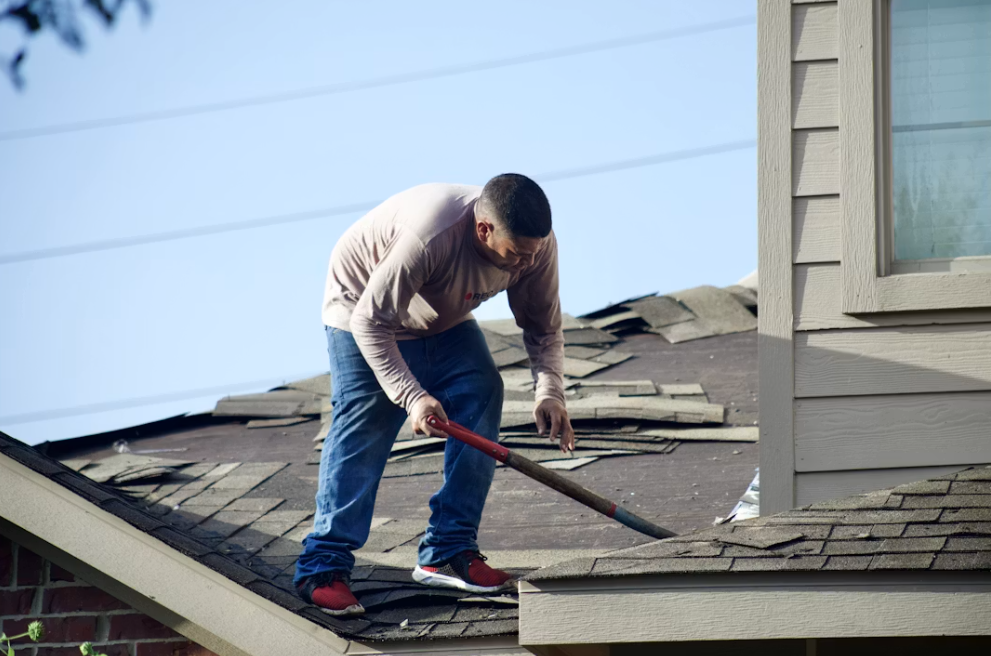
        arty

        Erika Kirk faces backlash for White House Correspondents’ Dinner

        Ever since her husband’s death, Erika Kirk has been under the spotlight, but not for all the good reasons. Following the shooting that took place at the White House Correspondents’ Dinner, she received backlash for her comments regarding the incident.

        It was on April 25 that President Donald Trump, First Lady Melania Trump and a number of officials gathered at Washington D.C. for the annual event when an armed man, later identified as 31-year-old Cole Tomas Allen, charged at a security checkpoint with a shotgun, handgun, and knives. The guests were forced to evacuate as US Secret Service agents were able to tackle him before he entered the hall, and an exchange of fire followed. One of the officers was injured but survived due to wearing a bulletproof vest.

        Following the chaos, it was Erika Kirk’s comments that became one of the night’s most discussed moments.

        Before long, people online started criticizing how she reacted. One person wrote, “Notice how she didn’t say anything out loud until she saw the camera.”

        “Everything about her just comes off as so fake and scripted,” another added. One person posted, “She’s not crying she’s just mad the spotlight wasn’t on her the whole night until the shots hit.”

        According to those present, Erika Kirk appeared shaken and tearful as security led her out after gunshots were heard. Witnesses say she kept repeating, “I just want to go home,” while trying to leave.

        For many attendees, the moment felt especially intense, coming just over six months after Charlie Kirk was killed at a speaking event at Utah Valley University on September 10. The sound of gunfire at another public gathering is believed to have triggered strong emotional responses.

        Many responded with sympathy toward Erika, saying her reaction was understandable.

        “You people are f***ing sick. Whatever you think or feel about her, remember that her husband was f***ing killed on camera. And their children will forever live without a father,” one person wrote.

        Another person added, noting that her husband Charlie Kirk had reportedly been killed just months earlier, “Y’all lowdown that lady just saw her husband killed on his platform in 4k. That shit was just months ago she got ptsd.”

        The evening of April 25 took a sudden turn when gunfire erupted near the venue. The incident occurred at approximately 8:30 p.m., roughly 20 minutes after Donald Trump and Melania arrived in the ballroom.

        Danny KEMP and AFPTV teams / AFP via Getty Images

        In a press briefing taking place after the attack, Trump called the suspect a “whack job” and a “lone wolf.”

        “My impression is he was a lone wolf whack job. These are crazy people,” he said and continued: “I saw a room that was just totally unified. It was, in one way, very beautiful, a very beautiful thing. To see a man charge a security checkpoint armed with multiple weapons, and he was taken down by some very brave members of the Secret Service, and they acted very quickly. It is always shocking when something like this happens.”

        Wolf Blitzer, who was present at the event, described the moment, “All of a sudden, I start hearing g*nshots in the hall right near me. And the next thing I knew, a police officer threw me to the ground.”

        Reports indicate that over 2,000 attendees took shelter under tables as at least five shots were fired. The event was officially called off by 9:45 p.m.

        Subsequently, D.C. US Attorney Jeanine Pirro confirmed charges against the suspect, stating, “Make no mistake, there will be many more charges.”

        Please SHARE this article with your family and friends on Facebook.

        Bored Daddy

        Love and Peace

        arty

        7 smells snakes hate and how to use them to keep these slithery visitors away from your home

        There are numerous claims that snakes possess an incredibly advanced sense of smell, although it is nothing like what we humans have. Instead of simply smelling using their nostrils, they rely on a unique organ referred to as the Jacobson’s organ. It is a sensory apparatus designed specifically for the purpose of detecting particles of chemicals through the tongue. As a result, the flicking of a snake’s tongue can be perceived as the process of tasting the surrounding air in order to analyze the environment.

        Given how responsive they are to such chemical signals, it would make sense to think that an extremely strong and foul odor would drive them away. It does seem logical since the smell will either overwhelm them or be nauseating, which means that the snake will not want to linger in the area. However, it is not as straightforward as it sounds. Although a particular smell may cause discomfort in the animal and deter it from staying in the area for prolonged periods, there are no definitive studies on a particular smell that could repel the snake.

        It is also important that you consider the factors that influence the behavior of snakes before buying a number of products such as oils or powders. Generally speaking, snakes visit areas that provide them with the “triple big,” including food, shelter, and suitable weather conditions. If your property provides abundant sources of insects and rodents, along with suitable shelters, it is likely that the snake will remain there, even if the area doesn’t smell right.

        This is the reason why the actual “secret” to preventing snakes involves more physical work than using any magic smell. Mowing the grass, removing heaps of firewood, sealing cracks, and ensuring that you do not have mice are far better approaches compared to using a repellent. Furthermore, if you have venomous species of snakes, then you definitely need to contact an expert, not experiment with DIY solutions.

        Clove and cinnamon Oil

        Clove and cinnamon oil, for example, may be suggested as natural snake repellents. Both these oils have extremely high concentrations of highly irritating substances that will most certainly annoy a snake’s sensory receptors. Some individuals dilute the oil and apply it near doors and entryways to form a minor barrier.

        The fact is that these oils are very concentrated. Extreme caution should be exercised when using them since they may irritate your skin and even your eyes. Moreover, they may be harmful to your pets and household animals; therefore, you shouldn’t apply them undiluted.

        The sulfur method

        This is another type of traditional remedy which has been used since ages. The principle behind using sulfur is that snakes avoid areas where the environment is very foul due to the stench emitted by this substance.

        It can be applied to the edges of your property or around the deck area. But honestly, it has its downsides. For one, it smells terrible to humans, too. It can also mess with your soil quality over time and isn’t great for your plants or certain building materials. It’s a bit of a “cure is as bad as the disease” situation for many homeowners.

        White vinegar

        White vinegar is one of the common solutions used in areas where moisture is present, such as the edges of ponds, poolside decks, or damp crawl spaces. It is highly acidic, and its strong smell is thought to interfere with a snake’s ability to “taste” the air properly.

        It may work in situations that require a quick, targeted response, but white vinegar acts as a non-selective herbicide. It can damage plants and alter the pH balance of your soil, so it’s not something you should use extensively in your garden.

        Garlic and onions

        Next come garlic and onions. These two have their pungent sulfur smell, particularly once they’re diced up or minced, that supposedly drives snakes crazy.

        People will leave these out near entrances, or make their own “smell sprays,” but here’s the rub: Once that stuff starts to decompose, it attracts all sorts of critters, including insects and vermin—animals that snakes prey upon. Plus, onions and garlic are actually dangerous for dogs and cats to eat. And again, the science on whether a snake actually cares about the smell of your kitchen scraps is pretty thin.

        Citrus, lemongrass, and citronella

        Citrus and other plants such as lemongrass and citronella are some of the most popular organic pesticides out there. These are the plants with strong fragrances that we usually love, yet bugs, and according to some snakes too, don’t.

        Lemongrass stands out since it works against insects. The fewer insects you have, the fewer foods snakes will come for in your garden. In terms of citrus, you can use either dried or diluted fruit oils on patios. However, since they degrade very quickly, they need to be frequently reapplied, especially right after rainy days.

        Cedar oil and cedar mulch

        Cedar is yet another major player. Cedar has its natural oils, which produce the distinct “closet” odor, said to be particularly unpleasant for reptiles. Adding cedar mulch to your landscaping will also prove helpful since it helps maintain a dry environment that won’t attract insects.

        This choice seems attractive, practical, and decorative; however, it is not an ultimate solution. One more aspect to consider is that it may drive away beneficial insects as well.

        Peppermint oil

        Because of that intense menthol kick, peppermint oil is a frequent flyer on these lists. The thought is that the smell is just too overwhelming for a snake’s sensitive Jacobson’s organ to handle.

        On the other hand, you need to be very careful when using peppermint oil if there are any animals around your home. It is highly toxic to cats and can also make dogs sick if they inhale it or come into contact with it.

        The reality check

        Though all the scents listed here might be an interesting topic of conversation, none of them is guaranteed to work. Whether or not the effectiveness will be achieved, along with the degree of success that might be reached, will depend on weather conditions, type of snakes, and dosage applied.

        You should have in mind that a lot of these methods can also accidentally hurt your plants or put your pets at risk. That’s why it’s better to think of scents as a tiny, optional “extra” rather than your main line of defense.

        In reality, the best way to protect your property from snakes isn’t with bottles of oil; it’s with some yard work. Snakes have no reason to stick around without food sources (like rodents) and places to hide (such as tall grass or debris).

        Unsplash

        Add some basic maintenance to your snake-proofing efforts, along with securing your home’s perimeter, and you’ll see far better results than with any spray you could make from vinegar or garlic.

        It is not difficult to comprehend why we would desire a “magic smell” that could solve our problem. It seems straightforward and effortless. Snakes, however, do not think like us. Survival is their priority. If your yard satisfies their basic needs, then sprinkling a small amount of cinnamon will not deter them from staying put.

        Once you understand that they’re just looking for a meal and a nap, it’s much easier to focus on the stuff that actually works. Prevention isn’t about finding the perfect perfume; it’s about making your space somewhere a snake doesn’t want to live.

        Please SHARE this article with your family and friends on Facebook.

        Bored Daddy

        Love and Peace
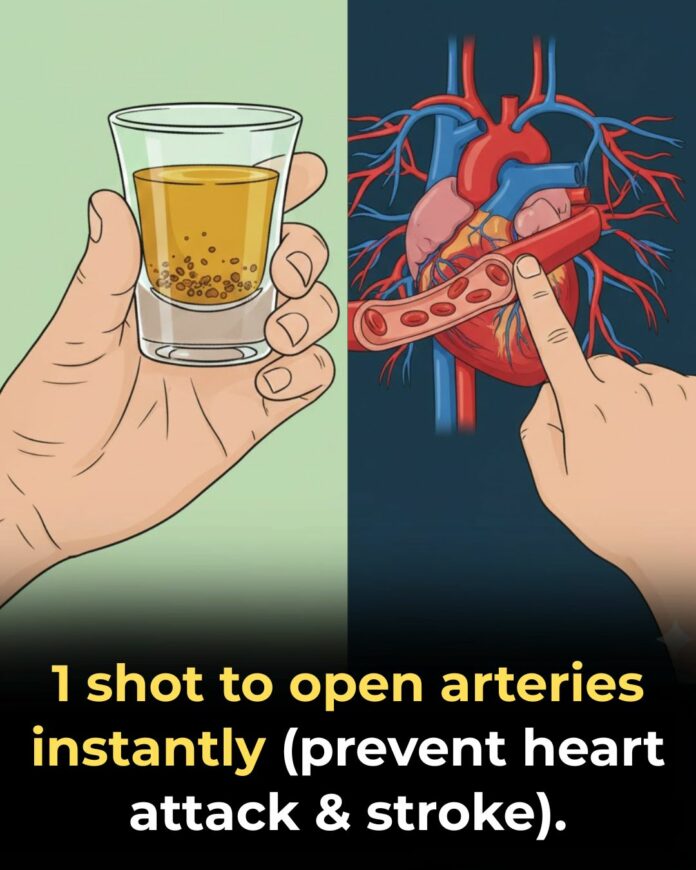
        arty

        A hesitant beginning that slowly turned into something meaningful

        I’ve been reflecting quite a bit on that night recently. You see, when we get caught up in doing things, sometimes our minds don’t allow us to notice the real happenings that surround us, and that is exactly where I found myself at the time, trapped in the chaos of my own mind. Well, it seems that everything that happened that evening was rather chaotic – but in the best way possible!

        My night did not start in a spectacular way; it was a quiet evening, too quiet for that matter. It was actually really quiet. Too quiet. I just had this low, steady kind of nervousness that had been sitting in the pit of my stomach for a few days. You know that feeling where your heart isn’t exactly racing, but you just feel… heavy? Like you’re waiting for something but you’re not sure if it’s going to be good or bad? Yeah, that.

        I had thought about asking him out so many times that it wasn’t even funny anymore. Honestly, I probably went through a hundred versions of what I would say before getting my teeth brushed or heading into work. Once I finally made it happen, everything was no longer natural or authentic. Instead, it became this prewritten, rewritten piece that I edited until there wasn’t any authenticity left. Anything I could think of always either seemed way too informal, like “Hey, whatever, if you’re bored,” or too extreme and intense.

        When he finally did say yes, however, I don’t believe that I had much of a reaction. At least I was sure that I didn’t; I must have just nodded and mumbled something like ‘Cool.’ However, it stayed inside of me all the same, this thing that wasn’t joy but was there and persisted in occupying this tiny portion of my thoughts.

        The day of the date itself, however, saw me tell myself not to think too much about it. Of course, that statement alone was my subconscious way of saying, “Oh no, here I go again thinking about every second of this thing!” While I was getting ready, I felt completely hopeless, changing things up multiple times before deciding on the perfect outfit. I thought about whether I looked like someone who was trying too hard, or worse, someone who hadn’t bothered to put any effort into the whole ordeal. Does this jacket make me seem like I am trying to act like something else? Are these shoes really matching the atmosphere of the date? And yet, I was trying to convince myself not to worry because it was just a dinner date after all, where two people get together and share some food. That was all.

        Everything seemed fine when we actually met up. In fact, there really wasn’t anything “wrong.” He was respectful, and he may have been a tad bit careful, as if he was walking on eggshells. We sat down, went through our usual pleasantries and I thought, Oh, that’s good. We’ve started off nicely.

        Then things didn’t quite pan out the way I thought they would.

        The conversation… oh boy, it didn’t really flow. I’m not saying it was awkward. It’s not like we were bickering or keeping an icy silence between us. One minute he would respond to a question from me and after that nothing but silence. He wouldn’t continue the conversation or anything. He wouldn’t even say something like “and you, what do you think about it.” Just straight to the point and then dead silence again. And then it was me looking frantically in search of the next topic because I didn’t want to stay silent.

        In the beginning, I tried to make an exception. I figured maybe he just needed some time to get warmed up. People aren’t always ready to speak at once, right? So I continued to bombard him with questions. I asked him about his work and what he did after getting out of the office, discussed random things like the music or unusual decorations of the place. Nothing helped to break this deadlock.

        Pretty soon, those little intervals seemed too long for any reason other than the discomfort of being acutely conscious of their existence. Do you remember the last time five seconds felt like five minutes? That was when the real trouble began. Nothing had changed, except that I found myself thinking about the awkwardness I was experiencing. I was thinking about the silence, the way I was sitting, and the way the entire situation must have appeared to the diners at the nearby table. I found myself paying attention to things I normally wouldn’t notice—for instance, how loudly the couple two tables down from us was laughing and exactly how often the waiter passed by our table without stopping.

        That’s when the “real” overthinking began.

        Now, I really started to wonder whether I had done anything stupid by going ahead with my idea. Was he really interested in me? Or perhaps, he had simply agreed out of politeness and fear of offending me? All our past meetings came into question as well – maybe it was me who misunderstood his signals and invented the feeling between us?

        All this did not make its way outside, of course. I am not that courageous to say such harsh things in his face. On the exterior, I tried to appear as calm and friendly as possible, nodded whenever he said something, smiled where appropriate and continued to pepper the conversation with questions whenever there was some awkward silence.

        At one point, I guess I gave up. When it was time to order from the menu, I did not even bother flipping through the options anymore; rather, I ordered something I wanted—namely, a burger and fries. This decision became the most effortless choice I’ve made all night long.

        Pexels

        Fortunately, when our food arrived, it helped. Having a distraction in the form of food to do while eating provided some sort of comfort in knowing that, despite everything else going wrong in our interaction, we still have some semblance of normalcy. I grabbed a fry absentmindedly without realizing what I was doing, trying to find some peace and stop the barrage of thoughts racing inside my head.

        Then, he looked at my plate and asked, “Really?”

        Not necessarily loud or aggressive, but definitely shocking to the point where I immediately imagined all the worst things. Okay, so now he judges the food I’m eating as well. Great.

        However, when I actually took a look at him, his attitude towards me completely changed. He did not look judgmental; on the contrary, he looked like he was immensely relieved by something. He started to smile and actually burst out laughing. This laugh, however, was not a laughing-at-you one, rather more of a thank-god laugh.

        “You know I’ve been hoping that you order that,” he said, “and I just didn’t know whether it’s appropriate for me to have the same dish.”

        Needless to say, it took me quite some time to digest what had happened. It was absolutely not what I expected him to say, and the overall atmosphere on the table changed dramatically. The stress that had been weighing on my mind since Tuesday suddenly vanished.

        He started explaining, awkwardly, which somehow made it funny—he was trying so hard and didn’t even realize how obvious it was, and it ended up looking kind of cute. Then he admitted he’d been really nervous the whole time, not knowing how to act or what I expected. He was so afraid of messing things up that he froze and kept his answers short, worried he’d say something stupid otherwise. Even when ordering, he avoided something like a burger because he didn’t want to seem careless.

        I laughed while listening, because it all sounded so ridiculous out loud. And at the same time, I realized I had been feeling exactly the same way.

        However, later on, the interaction became… well, real. Not perfect, not Hollywood, but natural. We discussed, interrupted, joked about how extremely uncomfortable the first part of the evening was. There were no more awkward silences like before – just silences. We were just two people eating burgers and being frank.

        Reflecting on everything that happened, there was absolutely nothing new in the concrete reality – the same restaurant, the same food, the same people. It’s just that instead of guessing each other’s thoughts, we started to share them openly.

        What almost ended up being a total disaster turned into something else entirely. Not because it became “ideal,” but because it became honest. In a weird way, I think it was actually better that it started off so poorly. It gave us something to break through. It made the connection feel earned rather than just handed to us. And yes, it was messy, it was slightly embarrassing, and it was completely human. And honestly? I wouldn’t change it.

        Please SHARE this article with your family and friends on Facebook.

        Bored Daddy

        Love and Peace

        arty

        People online are discussing alleged ‘proof’ related to the reported Trump incident

        It wasn’t long after the recent shooting at the White House Correspondents’ Dinner took place that a parallel story started spreading on the social media. Alongside actual reports of the incident, during which an armed suspect carrying a shotgun, handgun, and several knives charged toward the security checkpoint near the staircase leading to the room where the dinner was being held and shots were fired, a wave of social media users claimed the entire incident was staged.

        These conspiracy theories spread like a wildfire and flooded social media platforms almost instantly, with people calling it a “false flag” before the dust had even settled.

        What is known about the shooting comes from law enforcement. According to Washington Post and AP, the surveillance cameras captured the footage of the suspect, later identified as 31-year-old Cole Tomas Allen, charging at a security checkpoint with a shotgun, handgun, and knives. The encounter occurred around 8:36 pm when Secret Service agents stopped him and tackled him down after which he got arrested.

        Reuters via Independent

        Despite the official timeline, certain moments were promptly reinterpreted as signs of cover-up. There were two such cases that stood out on the Internet and captured the attention of theorists:

        Prior to the event, Press Secretary Karoline Leavitt was reported to have said in an interview with Fox News that “there will be some shots fired tonight in the room.” Although social media users interpreted the statement as “a slip of the tongue” and a sign of foreknowledge, available transcripts suggest the phrase referred to the upcoming “roast” of the press by the president, according to CBS.

        After the shooting, President Donald Trump, along with allies, posted on Truth Social suggesting the incident underscored the urgency of constructing a “Militarily Top Secret Ballroom” worth $400 million, which had reportedly been delayed due to legal reasons. According to PBS News, criticism surrounding the shooting included claims that it came at a “too convenient” time.

        President Trump posted a photo of a suspect in custody after the shooting incident at the White House Correspondents’ Dinner at the Washington Hilton on April 25, 2026. @realDonaldTrump/Truth Social

        The missing parts in the initial videos, especially a blurry video showing the evacuation of Vice President JD Vance, led to different interpretations of events. Theories were developed suggesting that the Secret Service looked “too calm,” thereby “proving” that the whole operation had been planned beforehand. Yet, according to The Guardian, conspiracy theories tend to arise during such times, when people lack trust in what is happening around them.

        Scholars who examine misinformation believe that this response is quite common. In environments where polarization reigns supreme, “incomplete evidence” does not come across as a normal feature of an inquiry process but as something rather suspicious.

        So far, there is no hard evidence confirming the allegation that the shooting was staged. There has been, however, confirmation of the existence of a legitimate security threat, the man behind the shooting and his manifesto, and an ongoing FBI investigation into an assassination attempt. It is the resilience of the story of the “staging” that tells us more about the current information environment than the actual events.

        Please SHARE this article with your family and friends on Facebook.

        Bored Daddy

        Love and Peace

        arty

        Viewers all pick up on the same troubling detail in footage from the attempted shooting involving Trump

        The attempted attack during the 2026 White House Correspondents’ Dinner at the Washington Hilton has continued to draw attention, as more details emerge about how the incident unfolded and how quickly it was brought under control.

        According to the news report, the suspect, identified as Cole Thomas Allen, 31, was reportedly carrying a shotgun, handgun, and several knives while charging toward the security checkpoint near the staircase leading to the room where the dinner was being held. US Secret Service agents were able to tackle him before he entered the hall, and an exchange of fire followed. One of the officers was injured but survived due to wearing a bulletproof vest.

        In an interview on CNN’s “State of the Union,” Acting Attorney General Todd Blanche noted that, according to investigators, Allen planned to target not only the president but also officials of the administration, based on the manifesto he sent to his family.

        Reuters

        In a press briefing taking place after the attack, Trump called the suspect a “whack job” and a “lone wolf.”

        “My impression is he was a lone wolf whack job. These are crazy people,” he said and continued: “I saw a room that was just totally unified. It was, in one way, very beautiful, a very beautiful thing. To see a man charge a security checkpoint armed with multiple weapons, and he was taken down by some very brave members of the Secret Service, and they acted very quickly. It is always shocking when something like this happens.”

        According to Blanche, the suspected shooter is believed to have “traveled by train from Los Angeles to Chicago, and then Chicago to Washington, D.C., where he checked into the hotel where the correspondents’ dinner was at in the last day or two.”

        The focus of the event quickly shifted toward the historic weight of the setting itself. The Washington Hilton is far from a standard venue; it is the same hotel where, over four decades ago, an American president narrowly survived an assassination attempt.

        Danny KEMP and AFPTV teams / AFP via Getty Images

        On March 1981, only moments after delivering a speech to the members of AFL-CIO, John Hinckley fired upon President Reagan. The official records at the Ronald Reagan Presidential Library revealed that Hinckley used a .22 caliber revolver fitted with “devastator” bullets. One of these rounds ricocheted off the presidential limousine, striking Reagan under the arm and inflicting life-threatening injuries in what remains one of the most significant security breaches in modern political history.

        Decades later, the same scene became a setting for another assassination attempt on a president of the United States.

        Many were quick to point this out, with a viewer writing, “Ironically, the shooting occurred at the DC Hilton which was the same hotel where Reagan was shot and nearly assassinated 45 years ago.”

        Please SHARE this article with your family and friends on Facebook.

        Bored Daddy

        Love and Peace

        arty

        From itching to ulcers: understanding stasis dermatitis and what it reveals about your circulation

        When it comes to the outward physical signs of aging, we all expect to see a few more gray hairs here and there, perhaps even some wrinkles under our eyes. However, signs that reflect our overall vascular health are more likely to appear below the neck—particularly around the ankles and shins. From an uncomfortable feeling of heaviness in the legs to the appearance of reddened patches of skin, a condition known as stasis dermatitis may gradually develop.

        Not only does it present itself as a typical rash, but stasis dermatitis can also be seen as a “smoke alarm,” warning of underlying problems within the circulatory system. It serves as a visible reminder of the effort our veins must make to work against gravity and return blood to the heart.

        What exactly is stasis dermatitis?

        Stasis dermatitis is an inflammatory skin condition that falls under the category of venous eczema. The condition predominantly affects the lower legs due to the difficulty faced by the circulatory system in this particular part of the body. The body must use the valves present in the veins of the leg, along with the pump action of the calf muscles, to send blood from the feet towards the heart.

        However, when either of these is weakened—resulting in a condition called chronic venous insufficiency (CVI)—it causes blood to collect in the lower legs. The buildup (stasis) creates increased pressure in the venous system. Per the Cleveland Clinic, this hydrostatic pressure causes leakage of protein-rich fluid, as well as other elements, including red blood cells, from capillaries into the skin tissue.

        The body perceives this leaked fluid as a foreign invader, triggering an immune response. According to recent studies, there are various inflammatory mediators such as matrix metalloproteinases and interleukin-31, which are considered the most crucial connection between venous hypertension and skin alterations.

        The evolution of symptoms: From itch to ulcer

        One of the most deceptive aspects of stasis dermatitis is how innocently it begins. The condition is prevalent in approximately 6% to 7% of adults over the age of 50, and this number can rise to 20% in those over 70, according to a study published in Springer Nature Link.

        Early warning signs:

        The first sign is that the skin over the ankles looks thin or “shiny.” Other signs include:

        Pigmentation: A discoloration of the skin in a reddish or yellowish-brown color, like a bruise that won’t fade.

        Pruritus: This is the most annoying symptom because it causes an itch-scratch cycle, which damages the skin’s barrier.

        Edema: Swelling caused by fluid retention, which is more pronounced toward evening but subsides overnight.

        Later symptoms: Chronic stage

        With time, the skin begins to show physical changes due to the persistent leakage of red blood cells containing iron. Hemosiderin deposition causes permanent pigmentation of the skin in a tea-like color or dark brown. There is a sensation of heaviness or pain in the legs, even after standing for a brief period.

        Advanced progression: Lipodermatosclerosis

        The inflammatory response may result in scarring of fat under the skin. This condition referred to as lipodermatosclerosis, leads to the skin becoming very tough, thick, and firm. Some patients exhibit a very thin leg just above their ankle but still having a swollen calf, which is sometimes referred to as the “inverted champagne bottle” leg.

        The final stage: Venous ulcers

        The most severe complication is the formation of venous ulcers due to the poor oxygen supply from the blood vessels to the skin cells. The slightest injury to the skin may result in an open wound that does not heal because of poor oxygenation in the region. According to research conducted by The Journal of Vascular Surgery, more than 80% of leg ulcers arise from this condition.

        The root causes: Why does circulation fail?

        The human body is an exquisite piece of biological engineering, yet it too ages and breaks down. Venous insufficiency, which leads to stasis dermatitis, occurs when the valves fail to open and close properly.

        Causes of this valve malfunction include:

        Deep Vein Thrombosis (DVT): Past DVT causes scarring in the walls of the veins, destroying the valves.

        Varicose Veins: Bulging, twisted veins indicate that blood flows against gravity, putting extra pressure on the valves.

        Heart Failure: A failing heart struggles to pump blood effectively, causing blood to pool in the legs.

        Obesity: Extra pounds place tremendous strain on the pelvis and surrounding veins, preventing blood flow out of the legs.

        The National Institute of Health (NIH) highlights that one’s age is a non-modifiable risk factor in which the aging process causes a loss of tissue elasticity and the veins naturally become less flexible.

        Identifying risk factors

        Although age and genetic factors come into consideration, lifestyle becomes the critical determinant. Those with the greatest risks are:

        The “standers” and “sitters”: Teachers, nurses, and desk job workers whose calf muscles fail to move due to hours spent in one place.

        Multiple pregnancies: Pregnancy results in an increase in blood volume and pressure on the abdomen, placing excessive strain on the veins.

        Salt intake: Increased salt intake results in water retention.

        Lack of activity: The “muscle pump” effect provided by exercise does not take place.

        Diagnosis and modern intervention

        If your symptoms indicate something more serious than “dry skin,” it’s time to consult a specialist, either a vascular surgeon or a dermatologist. Usually, the diagnosis can be easily made using a physical examination as well as some testing procedures.

        Venous Doppler Ultrasound is an imaging technique that is considered the standard for diagnosing venous insufficiency. The procedure involves the use of high-frequency sound waves to visualize blood flow, so the exact spot of malfunctioning valves can be identified. According to a study published in the journal Circulation, such a diagnostic procedure is crucial when differentiating stasis dermatitis from other skin diseases, such as cellulitis (a bacterial infection).

        Treatment of stasis dermatitis demands both internal and external treatment.

        The Best Option: Compression
        The single best way to treat stasis dermatitis is by using compression. This works by applying pressure externally to help squeeze the blood out of the leg, simulating the effect of working valves.

        Remember: Compression must be initiated only by a doctor. In cases where there is peripheral artery disease, the application of compression could be dangerous.

        Skin Care
        To address the “dermatitis” problem, doctors will use:

        Topical Steroids: To reduce inflammation and relieve itching.

        Emollients: These are greasy substances that lack smell. They work by helping repair damage to the skin.

        Antibiotics: These are used only when an infection such as cellulitis occurs.

        If the venous reflux problem is quite serious, contemporary medicine provides options such as minimally invasive surgery. This might involve endovenous laser ablation or sclerotherapy, which “seals” up the problematic veins, allowing for rerouting of the blood through healthy veins, thus reducing skin pressure.

        Prevention

        You do not have to wait for any signs of discoloration to begin guarding yourself against issues with your blood vessels. Prevention is mostly associated with mobility and pressure in your body.

        “Elevate” Principle: You should strive to keep your legs elevated above the level of your heart for about 15 minutes, three times a day. Gravity will help you in this case.

        Keep Moving: Walking can be considered an excellent way to support your blood vessels. The reason is that walking helps contract the calf muscles in your legs, creating another pump for your body.

        Inspect Your Skin: Using a mirror, examine the back of your ankles for possible appearance of new spider veins or discoloration.

        Control Weight: Reducing weight can help prevent further progression of CVI.

        Conclusion

        Stasis dermatitis serves as a continual reminder of how interconnected the human body is. An issue with the heart or veins ultimately makes itself known through the skin. Though it may be concerning due to dark spots and an itchy sensation, stasis dermatitis is treatable if addressed early.

        Through movement, the use of compression where necessary, and heeding the signals sent by our legs, we can help keep ourselves healthy and ensure the safety of our vascular system. We should not ignore our circulation until an infection occurs.

        *Medical disclaimer: The information provided in this text is for educational and informational purposes only and is not intended as medical advice, diagnosis, or treatment. It should not be used as a substitute for consultation with a qualified healthcare professional. Always seek the advice of your physician or other qualified health provider with any questions you may have regarding a medical condition. Never disregard professional medical advice or delay seeking it because of something you have read here.

        Please SHARE this article with your family and friends on Facebook.

        Bored Daddy

        Love and Peace

        arty

        Lip-reader reveals Donald Trump’s private warning to King Charles

        In an event that combined the best practices of diplomacy with the harsh realities of international politics, US President Donald Trump and his wife Melania Trump hosted British King Charles III and Queen Camilla at the White House this week. What appeared on the surface to be a display of diplomacy was, in reality, a more troubling exchange, according to a lip-reading analyst.

        With the 250th anniversary of American independence on the horizon, the four-day visit is strategically scheduled to coincide with a significant milestone for the “Special Relationship,” particularly at a time when the British government is seeking to leverage the monarchy as a diplomatic tool to improve strained relations linked to tensions over Iran.

        Even with its political significance, the day started out with warm tradition.

        Following an initial welcome on the South Portico, the couples then went inside the Green Room for tea. The highlight, however, was the tour conducted by the First Lady herself, where she introduced her creation – the White House beehive, built in the image of the famous White House residence.

        The façade of diplomatic decorum is said to have fallen away as the two heads of state walked towards the South Lawn. According to forensic lip-reader Nicola Hickling, President Trump bypassed small talk to deliver a series of startling remarks regarding global security and Russian President Vladimir Putin.

        Francis Dias/Pool/via Samir Hussein/WireImage/Getty Images

        As the camera’s lens zoomed in from afar, the discussion was believed to have started when the President discussed the incident involving shooting that had occurred just 48 hours prior during the White House Correspondents’ Dinner.

        “This shooting…” Trump appeared to say, according to The Mail, before the king responded, “I’d rather not stand about here too long. I feel I shouldn’t be here.”

        Trump then asked if Charles was OK, “It’s not a good thing.” He then added, “I wasn’t prepared, but now I am prepared.”

        According to Hickling, the president went on to discuss his talks with Russian President Vladimir Putin. “So right now, I am talking to Putin. He wants war,” Trump allegedly said. King Charles, however, said they would discuss that topic later.  “We will discuss that later,” the King replied. 

        But Trump continued.  

        “I’ve got a feeling… if he did what he said, he will wipe out the population,” Trump warned. 

        The monarch attempted to change the subject once more. “Another time,” he said, according to Hickling.

        AP

        Despite the reported tension, the visit continued as planned with a full schedule. Following the afternoon at the White House, the royal couple attended a garden party at the British Ambassador’s residence, serving 3,000 sandwiches to guests including Treasury Secretary Scott Bessent and former Speaker Nancy Pelosi.

        The latter part of King Charles III’s visit includes a historic address at a Joint Meeting of Congress, the first time a British monarch has done so since 1991, along with a visit to the National September 11 Memorial & Museum in New York, marking its approaching 25th anniversary.

        Please SHARE this article with your family and friends on Facebook.

        Bored Daddy

        Love and Peace
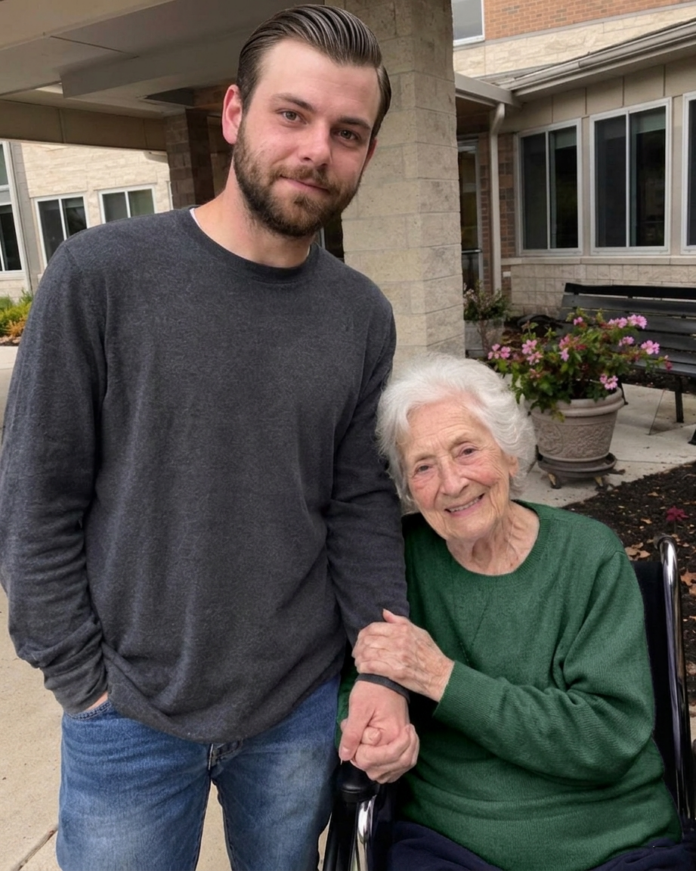
        arty

        What truly creates happiness after 80 may not be what most people think

        Reaching your 80s is about more than just a number on a birthday card. This stage of life brings not only accumulated knowledge also triggers a fundamental shift in how we view our relationships and our place in the world. Most people at this stage aren’t just counting the years they’ve survived; they are looking backward and forward at the same time, trying to assess whether those years were—and continue to be—fulfilling. It is a period where the “quantity” of life often takes a backseat to the “quality” of the daily experience.

        One thing that is quite remarkable about this period in one’s life is that aging can differ considerably from person to person. You see it everywhere: Some individuals will still be considered “young” at 85 years old, being physically fit, travelling, and serving as the centre of attention in their communities. On the other hand, there may also be individuals who, because of poor physical health, the passing of their partners, or other environmental reasons, become more introverted. The scientific consensus is virtually unanimous in stating that there is no “silver bullet” or magic gene that explains all these differences.

        The sense of purpose

        The most important influence guiding our way through this decade would be the sense of purpose. Purpose in life comes to us very easily, almost effortlessly, throughout most of our adult lives. We are who we are by virtue of what we are expected to be; we become managers, parents, providers. What happens when these aspects no longer exist? What happens after the structure of our career leaves us? Without a purpose, everything becomes ambiguous because there is nothing that we have to wake up for.

        The science on this is pretty solid. A major longitudinal study in Psychological Science found that people with a strong sense of purpose tended to live longer. The most intriguing part of this study was that the effect remained valid regardless of other variables such as whether an individual was retired and their emotional state. In other words, having something worth waking up for not only made them feel “happy” but also had a physical impact on their lifespan.

        Purpose does not need to be related to something great or something that will change the whole world in the conventional sense of the word. This doesn’t imply that one needs to start a venture or even write a book at 82 years old (some individuals actually do). Instead, purpose could be linked to a hobby such as gardening, walking every day, or doing good for others, such as voluntary work or helping with grandkids. Most importantly, it is about having a purpose.

        This concept is the very foundation of the philosophy known as Ikigai, which means “reason for being” in Japanese. People who practice this lifestyle are well known in places like Okinawa, where longevity is well documented. It is indeed a philosophy, but clinical studies have shown that people who identify themselves as followers of ikigai tend to sleep better and experience fewer medical complications. When one’s brain perceives purpose, the body often responds positively.

        Unsplash

        Social connections

        Whereas internal purpose serves as the engine, socialization serves as its fuel. There is an idea that one should have less social interaction as one gets older because one “mellows.” The reality is quite the opposite. Humans are social beings, and age does not alter that fact.

        In addition, there are several ways in which the negative effects of lack of socialization can manifest themselves. First, the problem of loneliness in society has been identified by healthcare specialists, including the United States Surgeon General, as a serious health concern. Loneliness in the elderly population cannot be attributed solely to feelings of sadness and depression. Rather, chronic loneliness is associated with elevated levels of cortisol, a hormone often released during times of stress. Additionally, it negatively impacts the efficiency of the immune system. Although loneliness cannot be considered a direct cause of illness, like viruses, it does serve as an additional risk factor for various health problems.

        When you reach your eighties, chances are high that your social network will shrink due to the loss of friends and peers. As such, the importance of forming and maintaining quality relationships becomes more pronounced. Whether it is playing cards every week, talking to a brother on the phone, or even exchanging pleasantries with neighbors, “micro-relationships” help maintain cognitive clarity and emotional resilience.

        Unsplash

        Physical Mobility

        The other important factor is physical mobility. In fact, it cannot be denied that muscles gradually become weaker and people become less coordinated, an age-related process called sarcopenia. Nonetheless, numerous studies indicate that this decline is neither predetermined nor irreversible but depends on the concept of “use it or lose it.”

        Even such an activity as walking, available to many senior citizens, is likely to be more effective in preserving muscle mass compared to physical inactivity. It does not imply that an octogenarian has to be as physically active as someone in his or her twenties or even try to compete in terms of athletic performance. The point is to achieve functional fitness—meaning that one’s level of physical performance must be sufficient to move freely, perform basic activities independently, go shopping, sit down and stand up without any assistance, or play games with the rest of the family.

        Impaired mobility often results in social isolation and thus underscores the problem once again. Hence, the ability to move around becomes equally important in maintaining both physical health and social interaction.

        Unsplash

        The role of nutrition

        Lastly, one needs to consider their diet. There is no magic formula for the optimal diet that would allow you to live to one hundred years old. Nevertheless, in your 80s, several simple guidelines become particularly significant. With age, the absorption of nutrients becomes less efficient; hence, food must be healthier and more nutrient-dense.

        Protein helps maintain sufficient muscle mass, while vitamins and healthy fats (omega-3 fatty acids) contribute to brain health. Hence, it is often mentioned that the Mediterranean diet is useful in longevity studies because of its abundant consumption of fresh vegetables, grains, nuts, and fish rich in antioxidants that help reduce inflammation. It is often assumed that chronic inflammation contributes to various diseases associated with aging, such as osteoarthritis and heart disease.

        Furthermore, in your 80s, nutrition is related not only to the physiological but also to the psychosocial dimension. It can be enhanced by dining together, as it encourages social interaction.

        Unsplash

        A new chapter, not a final one

        Considering the bigger picture, it becomes clear that “good aging” cannot be achieved through a single magic formula or luck in the genetic lottery. It depends on how interconnected meaning, relationships, exercise, and diet are, and how together they form an internal support system.

        It is quite remarkable how much average life expectancy has grown over the last century, as people in their eighties and nineties are becoming increasingly common. Still, a long life is not synonymous with happiness and well-being. The distinction between those who stay active and healthy in old age and those who become limited in their physical activity and social contacts can be quite dramatic.

        And, once again, it has nothing to do with healthcare or pharmacies.

        After all, it is perfectly possible to continue developing, remain interested in life, and establish close connections when one reaches eighty years of age. Eighty years is the result of hard work and valuable experience gained throughout many years; still, it is a whole new chapter in one’s life story, full of difficulties and opportunities. Life slows down at this age, as one is no longer able to lead the hectic lifestyle characteristic of middle age. At this stage, it is possible to find joy in small things – eating a nice meal or engaging in a long conversation with one’s relatives.

        Please SHARE this article with your family and friends on Facebook.

        Bored Daddy

        Love and Peace
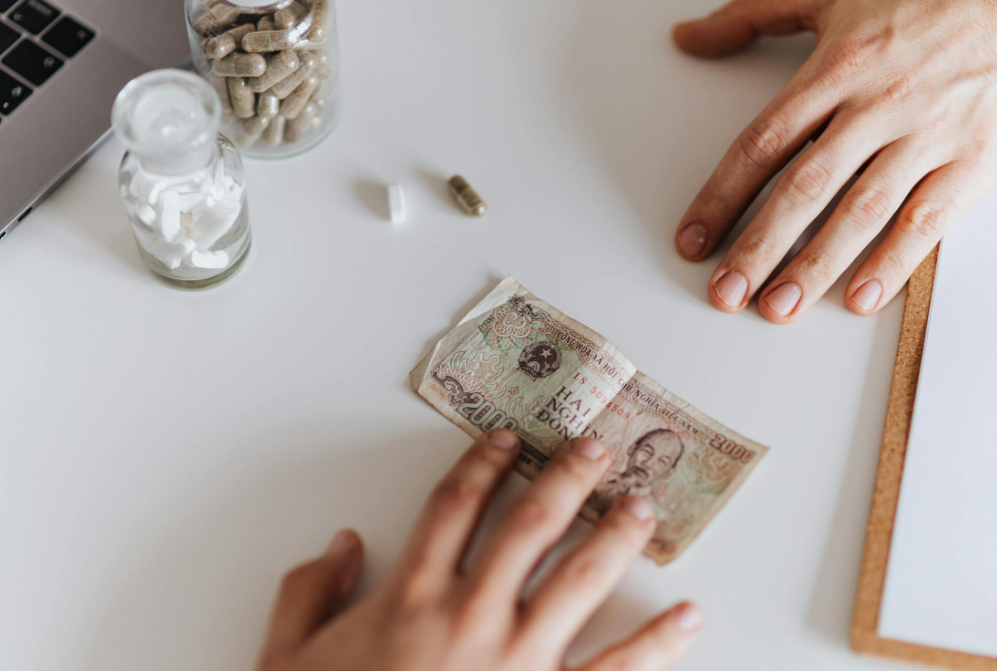
        arty

        Unexpected moment at the White House Correspondents’ Dinner draws widespread attention

        Cole Tomas Allen was a NASA intern, a Caltech graduate, and a “Teacher of the Month.” To those who knew him, he has always been the face of the success. But on Saturday night, the 31-year-old became the face of a security nightmare that nearly reshaped the American executive branch during the White House Correspondents’ Dinner.

        The shock radiating through the public stems from Allen’s unlikely pedigree. “The evidence is abundantly clear: Cole Tomas Allen traveled to Washington D.C. for the purpose of assassinating President Trump,” said FBI Director Kash Patel in a statement released by the Department of Justice. “Thanks to the heroic actions of our brave law enforcement partners who acted quickly and professionally, Allen did not succeed – and now, he will be held fully accountable. This FBI and our interagency partners have worked around the clock over the past two days investigating this case, and today’s charges are the first step in justice being served and providing answers to the American people.”

        Allen’s background is far from a typical background of a violent offender. He graduated with a degree in mechanical engineering from Caltech in 2017 and recently obtained his master’s degree in computer science from CSU Dominguez Hills. In terms of professional standing, Allen was held in high esteem. He had been a part-time teacher at C2 Education for six years.

        On LinkedIn, he described himself as a “mechanical engineer and computer scientist by degree, independent game developer by experience, teacher by birth.” What’s more, he created a non-violent strategy game for Steam called Bohrdom using atomic chemistry models, The Los Angeles Times reported.

        Reuters via Independent

        The investigation into his movement on the night he opened fire at the annual Washington, D.C, Saturday event shows a very high degree of premeditation.

        As per the court records, Allen avoided traveling by air, perhaps so as to not get caught because of TSA scanning for guns, but preferred cross-country train travel. Allen reached D.C. on April 24 and registered at Washington Hilton as a bona fide guest. It was precisely because of his guest status that he succeeded in gaining entry into the building. Although there were restrictions on the use of public entrances, Allen gained access using the back door of the hotel.

        As per the Justice Department, the items he brought included:

        • A 12-gauge pump-action shotgun (purchased August 2025).
        • A Rock Island Armory 1911 .38 caliber pistol (purchased October 2023).
        • Multiple tactical knives.

        According to witnesses, including CNN’s Wolf Blitzer, the situation quickly escalated into chaos. “He seemed to have gone through the metal detector, but he had a weapon and he was firing,” Blitzer told Time Magazine.

        In the course of the attack, a Secret Service agent was wounded by gunfire on his chest. His body armor is said to be the reason he survived the shooting. Just before the assault began, Allen sent an email to his relatives and previous employers. This email, which is being treated as a manifesto by the investigating officers, concluded with his signature, “Cole ‘coldForce’ ‘Friendly Federal Assassin’ Allen.” He allegedly expressed his sincere apologies for causing problems because, in his own perspective, the action was a political “correction,” the Department of Justice stated.

        President Trump posted a photo of a suspect in custody after the shooting incident at the White House Correspondents’ Dinner at the Washington Hilton on April 25, 2026. @realDonaldTrump/Truth Social

        CBS News reported that during his initial court hearing on Monday, April 27, Allen faced a litany of federal charges, including the attempted assassination of the President.

        Assistant U.S. Attorney Jocelyn Ballantine told the court, “He attempted to assassinate the president of the United States, Donald J. Trump… We are asking the court to preventively detain Mr. Allen.”

        While the country tries to figure out how someone with such an extensive education became radicalized in broad daylight, President Trump himself commented on the event via Truth Social, calling Allen a “lone wolf whack job” and a “very sick person.” He also posted a photo on the social media showing the shirtless suspect on the floor of the hotel with his arms tied behind his back after being detained.

        The White House Correspondents’ Dinner has been indefinitely postponed pending the findings of the Secret Service’s investigation into how “Teacher of the Month,” carrying a suitcase packed with weapons, booked a room right above the President’s podium.

        Please SHARE this article with your family and friends on Facebook.

        Bored Daddy

        Love and Peace

        arty

        Years after I became guardian to my late fiancée’s 10 kids, my eldest looked at me and said, ‘Dad, I’m finally ready to tell you what really happened to Mom’

        For seven years, I have been living in a world of my own, where sorrow was the heaviest burden my family has ever carried. I have come to believe that the loss of my Calla is what shattered us forever and became the defining factor of our lives. I have been spending every single moment of those seven years taking care of the ten kids my late fiancée has left behind, being convinced that I am but a victim of some awful accident, having survived the unimaginable alongside my fellow survivors. But then one Tuesday evening, while sitting with my eldest daughter in the dimly lit laundry room, she told me that it was now time for her to reveal the truth about what happened on that bridge the night Calla disappeared.

        Most mornings start in a kind of chaos that’s almost predictable. By the time seven rolls around, something has already gone wrong. That morning, it was burned sourdough, three missing left shoes, and two of the middle boys yelling over a Lego piece like it was the most sacred piece of plastic there was. I am forty-four, and for the past seven years, I have been the sole parent to ten children, none of whom share my genes. The house is never silent; it is a vibrational wall of noise, with somebody always speaking, crying, needing a signature on a piece of paper, or a Band-Aid on a scraped knee. This is a special kind of fatigue that is impossible to fully convey to those who are fortunate enough to reside in quiet homes. But it is my life. To be perfectly frank, I cannot recall when silence last existed, and for a long time, I did not care to.

        Calla was meant to be my wife. When we were younger, she was the one who kept the whole world glued together without seeming to do much work. Whenever she entered the room, everything calmed down. The children paid attention to her. The teenagers looked up to her. I depended on her even more than I knew back then. She was my anchor.

        That anchor broke seven years ago.

        Her car was found abandoned by the police near the river. The driver’s side door hung wide open, her purse remained in its place in the passenger’s seat, while her coat was left lying on the railings above the water. It was folded carefully, as though deliberately left there. None of this made any sense at all, but then again, in a small community, none of that mattered. Without facts, people have an unfortunate tendency of filling in the gaps. This is simply how rumors are born, through ignorance.

        They discovered Mara only a few hours later. She was eleven at that point. They found her walking along the shoulder of a back road many miles from the bridge, barefoot and shaking uncontrollably with her teeth rattling like a machine gun. She appeared lost, confused and completely unaware of her surroundings and how she got there. It took weeks before she would even utter a single word, which was repeated endlessly; “I don’t remember.” Until eventually it became the truth. There was never a body recovered, but after ten long days of searching the river for her, the police informed us it was time to call it quits and they performed a ceremony and buried an empty coffin.

        After that it was simply a matter of surviving one hurdle after another.

        People called me insane for taking in all of her kids. Even my own brother had a sit-down chat with me and said it was more than what one person could handle. Sure, I might love them, but raising ten grieving children on my own was going to drive me crazy. He might have been right. There were many times when I stared at a mound of laundry at two in the morning and realized that he was right. But I couldn’t turn my back to them, so I stayed.

        It had been seven years of school plays and visits to doctors.

        And then came that day a few weeks ago. In the midst of the normal assembly line of lunch-making activities, she asked if she could speak to me later. She did not say much about it, but she carried herself differently. There was something grave about the way she spoke to me and I knew she meant to be serious. She seemed to have aged beyond her years at that time.

        Late at night, when all had calmed down, she found me. I was expecting an exchange about something to do with her mother, either memories or something that she wanted Calla to be present for. However, her words left me shocked because she said that everything I knew for the last seven years was nothing but a lie.

        Initially, my mind could not even comprehend what she was trying to say to me. I only stared back at her blankly before she spoke out loud and clear that, “She did not jump in the water, dad. All she did was leave.”

        Mara told me everything else about what happened in slow-motion, as if she was relieved to finally get all of that burden off her shoulders from childhood till now. Calla had not fallen into the river, nor had she jumped in the water. Instead, she drove to the bridge, stopped her car, and created a scenario which would make people believe it was tragic. She had admitted to Mara that she had done wrong and that she had debts that she had no idea about, “complications” that she could not deal with anymore. There was someone else waiting for her. She told an eleven-year-old girl that she had a chance to start over somewhere else, and she was taking it.

        Calla told Mara that we’d all be better off without her and asked her to not let anyone know what happened. She told a little girl that keeping quiet about this was the only way to “fix” everything. For seven years, Mara kept it. She witnessed me grieving, saw her siblings crying, and bore the burden of silence because she believed that if she said anything, the world would crumble into pieces.

        I felt pain in my heart. Not only did I have to suffer the agony of being abandoned but also having Calla give that young girl a lifetime sentence of guilt and make her believe that she was doing her a favor.

        I asked Mara why now. She showed me her phone. Calla had tried to contact her three weeks ago. She had sent an image and a text. In the image, she looked exhausted, grey hair showing as she stood next to some guy I’d never met. She was ill and wished to “get it sorted out before it was too late.”

        This was where I drew my line. Her “explanation” was no longer relevant.

        On the following day, I did not contact Calla. Instead, I contacted a lawyer. I let her in on all the details. She was very professional, for which I was thankful since I felt like I was buzzing with an anger I had never realized was inside me before. She explained that legally, I was the one with power. I was the guardian, and Calla would have to go through channels other than a sneaky text to a traumatized daughter.

        I did agree to one meeting, just to see if it made any difference. We met at a neutral location in the form of a parking lot. As soon as she got out of the car, I knew nothing had changed. She looked like someone I didn’t know, who had endured a tough few years in her life, but it was not the same woman I used to love.

        She told me that by leaving, it was her sacrifice. And then he told me that she knew I would make a better father for the kids than she could be at the present moment.

        All I did was stare at her. There is a huge difference between making a sacrifice and disappearing from your child’s life. Not only did she use her own daughter as a pawn in her getaway plan, but she knew that Mara was soft-hearted enough to answer her phone calls.

        The first thing that I did was talk to Mara. “Mara, you have been relieved from all responsibilities.” The secret had been kept, guilt was washed away, and it was not her fault. After that, I called everybody else into the room. I didn’t tell them every sordid detail of the debt or the other man, but I told them the truth: their mother hadn’t died. She had chosen to leave. I made sure they knew that Mara had been a victim of that choice, too.

        The teenage kids got furious while the other ones became confused, but the most important part was that none of them pointed fingers at Mara. They all came to understand that Mara had actually been protecting them.

        That evening, however, there was finally peace within the house, only it was a different sort of peace. Mara asked me what would happen if Calla came back and tried to be their ‘mom’ once more.

        With a deep sigh, I explained to Mara how being a mother was something that had to be done everyday, especially those days when it seemed impossible not to run away from her children. Calla may have given birth to them, but she certainly was no longer a part of their lives.

        And that was perhaps the moment in the last seven years where we truly knew what family was really all about.

        Please SHARE this article with your family and friends on Facebook.

        Bored Daddy

        Love and Peace
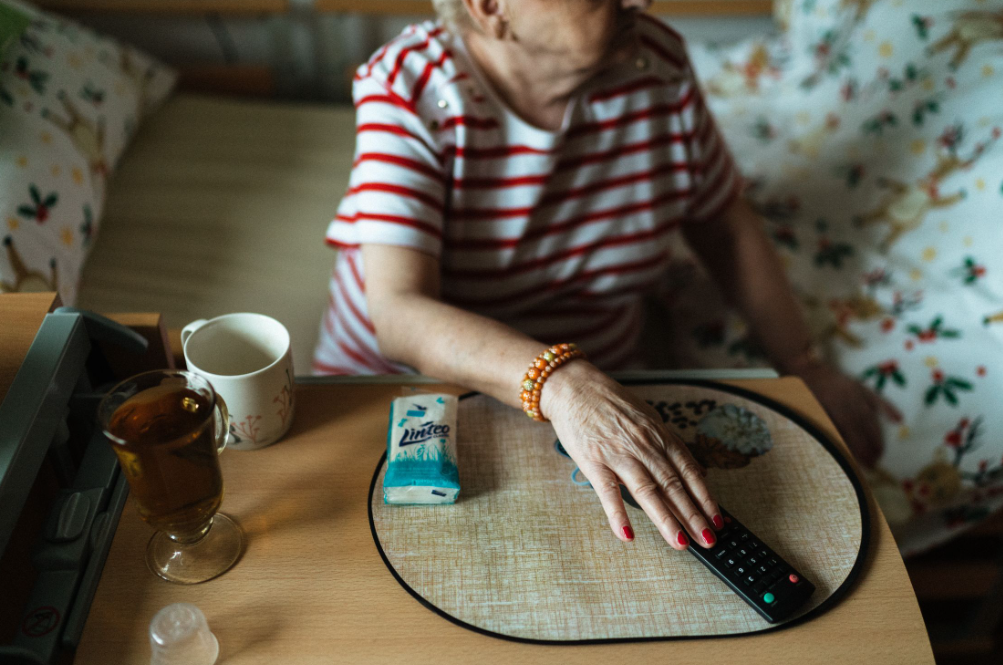
        arty

        Popular posts