
The first animal you notice may reveal your biggest personality flaw: a fun psychological test

0

Everyone who uses social media is familiar with these strange and mysterious illusions, which allegedly contain the answers to our deepest psychological secrets. Most people only glance at these images and forget about them. However, every now and then, there is one that catches our attention. The detailed sculpture below is one of those: an entangled biological mesh creating the shape of a human face.

The rules are easy: Do not cheat. Your first animal will show what your biggest personality flaw is.

Although these types of assessments are generally not based on scientific principles but rather on psychology, they do incorporate an interesting concept known as Pareidolia. In other words, Pareidolia is the human ability to recognize significant figures in a seemingly arbitrary image. What you focus on first tells a lot about the current condition of your mind.

So let’s dive into the menagerie and explore what your first choice might suggest about the “shadow side” of your personality.

1. The Lion (The Crown of the Head)

Should your eyes have instantly been drawn to the magnificent lion seated majestically upon the crown of your head, chances are that you are a person of strength, power, and prestige. But just as with every creature in this image, there is a shadow side to the Lion as well, and that dark side is arrogance and rigid pride.

    Being drawn to the image of the lion means that your “biggest flaw” could be a failure to accept when you are mistaken. Being in a position of authority and thinking of yourself as a protector makes you automatically think that admitting fault will undermine your position. Your craving for admiration turns into a hunger for control, which makes it hard for others to give you any negative feedback without you taking it personally.

    2. The Eagle (The Cheek/Eye Area)

    An eagle symbolizes clarity and accuracy. If this is the creature you picked, then your personal flaw would probably be either detachment or hyper-criticism.

    Eagles soar high and observe things from above. This helps you understand situations from afar very well, but at the same time, it may make you seem distant or detached. The problem is in the fact that while observing events from up above, you fail to consider the messy emotional aspect of people’s actions. Perfectionism may be one of your flaws.

    3. Snake (Chin and Neck)

    In case you were more focused on the two coiling snakes at the bottom of the statue, you are a very intuitive person who likes to keep things close to their chest. In that situation, your flaw would be either manipulation or secretiveness.

    Snakes are symbols of transformation and change, but they are also creatures of secrecy. If the snake was the part of the statue you paid attention to first, then it’s possible that you do like to keep secrets for yourself. That’s not to say you have malicious intentions, but there is a sense of secrecy or even manipulation that surrounds you.

    4. The Fish (The Nose and Eye Detail)

    The fish are placed inside the heart of the face, symbolizing emotions and the subconscious mind. Should the fish be the first thing you see here, your flaw might be escapism or indecisiveness.

      Fish flow along with the current. You may discover that when faced with problems, it is your natural tendency to “swim away” instead of dealing with the problem directly. This shows an inability to hold a stance in regards to important matters because you prefer to keep things fluid and prevent others from being displeased. Although this allows you to adapt easily, you run the risk of losing yourself to the surroundings.

      5. The Birds/Swallows (The Forehead and Brow)

      Most individuals can easily see the nimble swallows flitting around in the area of the forehead and brow. This suggests that your fault could be restlessness or lack of focus.

        You are an individual who likes to look into the future. But this is because you never stay still long enough to finish one idea before starting another. While your head is constantly brimming with ideas, you might not have enough of the earth energy necessary to put these ideas into practice. Your flaw would be giving up on anything when the thrill wears off.

        6. Otters or Small Animals (The Mouth and Jaw)

        In case you have seen the smaller and earthier animals such as the otters at the mouth level or even the cubs at the head level, your weakness will probably be dependency/people-pleasing.

          The animals stand for relationships and socializing. You see, if you spotted these animals first, then you place more importance on social harmony than your own happiness. This is what they call the “nice person” weakness; you do not want to risk rejection and therefore keep quiet about your own needs.

          Pexels

          The science behind the “first glance”

          Why would individuals perceive varying perceptions from the same set of geometric shapes and shadows? In most instances, there would be a reason for this variance. The human brain does not operate like a camera in terms of perception but rather operates like a narrator. In order to make sense of the perceptual mess around us, we rely on top-down processing. Psychologists describe top-down processing as a technique that allows us to apply our prior knowledge and emotions to our perceptual experience.

          The “flaw” that shows up as a result of such an analysis isn’t some sort of a scar etched into the very depths of your soul or even something static related to your personality structure. Rather, it is an indication of how you spend your psychological resources at the moment. What is seen is determined by how the person perceives reality at the time – if you are extremely conscious of your vanity recently, then the image of a Lion will be like a flashing neon sign for you.

          The purpose of the task you have performed here is not to criticize yourself but, rather, to assign you to a category in order to humiliate you. Quite to the contrary, the purpose of the task is to help you perform Shadow Work. This term denotes the technique used widely by the Swiss psychologist Carl Jung. This approach suggests that one should identify the elements of their character, which the person tries to hide because they seem “unacceptable.”

          Once you become acquainted with your shadow, you become whole. Here is how you can apply the results of your “first glance” to your personal growth:

          Acknowledge the flaw without judgement: The next step is to take down your armor. Don’t start blaming the test or saying the test is “off.” If you identified with the Snake and you’re now acutely aware of your proclivity for secrecy and manipulation, just allow that awareness to be. Admitting a weakness doesn’t mean you’re a bad person; it means you’ve become a self-aware individual.

          Find the virtue within the vice: One of the most appealing qualities about Jungian psychology is that it suggests there is virtue inherent in every vice. The Lion’s arrogance might simply be untrained leadership skills. The Fish’s escapist tendencies may actually represent the potential for a very creative imagination that still needs to be focused on something meaningful.

          Act and integrate: Once you identify that you are dealing with a certain pattern, you empower yourself to make a choice of another kind of reaction. Learning about something is the first step towards change. When next you find yourself having the desire to “swim away” during an emotional discussion, you can remind yourself of the Fish. Having identified the behavior as learned, you can challenge yourself to stay in the discussion room.

          Conclusion

          In the end, this picture is an absolute demonstration of Gestalt—an aspect of psychology whereby the “whole” becomes greater than the sum of its parts. Your brain will finally solve the puzzle and see the face of the human being. But without the presence of the intricate and sometimes even contradictory “animals,” there would be no such human face.

          We are all living manifestations of such instincts. We are never just one entity; we are Lions, Snakes, Fishes, and Birds all in one. Our “greatest flaw” is often merely our “weakest part.” And when looking at a composite picture such as this one, we must journey through a jungle of distinct characteristics before seeing the human nature in the middle.

          Through paying close attention to the first thing that we see, we obtain a small but priceless advantage over ourselves. We go from being the subjects of invisible powers to becoming masters of our fate. What was the first thing that you saw? More important, what are you going to do with your discovery for today? All you need is the mirror before you and simply look until you see yourself completely, warts and all.

          Please SHARE this article with your family and friends on Facebook.

          Bored Daddy

          Love and Peace
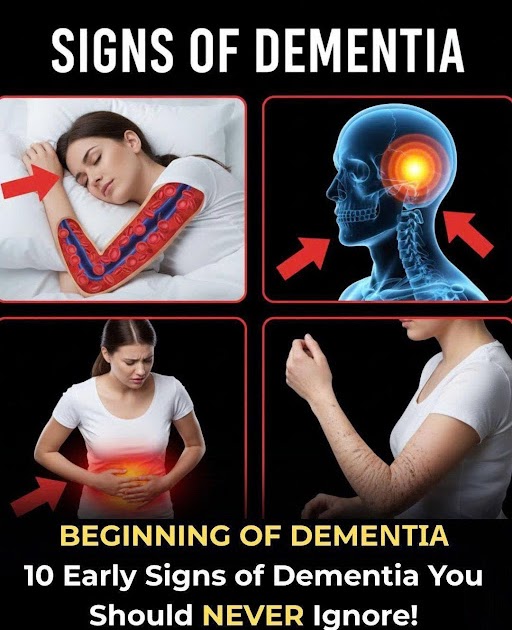
          Signs of dementia you should never ignore and habits you should start today to prevent it before it’s too late

          0

          Dementia is not one disease but rather a general term used to describe several disorders characterized by a progressive deterioration in memory, cognitive skills, and regularity in everyday activities. It is true that dementia is a common problem among elderly individuals; however, it is far from being a natural occurrence that comes along with aging.

          According to the World Health Organization, dementia is one of the leading causes of disability and dependency among the global senior population. Millions of people suffer from dementia each year.

          A gradual nature of the disease poses a serious challenge to timely detection. In the initial stage, changes in cognitive functions are often overlooked because of their mildness. They can easily be explained by fatigue, stress, and forgetfulness typical of old age. However, recognizing the early symptoms can significantly improve the quality of life of a patient.

          Taking into account the latest findings in clinical practice and the recommendations of specialists in the medical field, here are the 10 earliest warning signs of dementia.

          Memory loss impairing daily activities

          Perhaps the most immediate warning sign is memory loss severe enough to interfere with everyday activities. This doesn’t involve forgetting things like where you left your car parked, but rather problems like:

          Failure to recall recent conversations or significant occurrences

          Repetition of questions

          Reliance on post-it notes and families to keep track of minor details

          As mentioned by The Alzheimer’s Association, forgetting short-term information tends to be one of the first signs of Alzheimer’s disease, the most common form of dementia.

          Difficulty planning and problem solving

          At its onset, dementia could disrupt the executive functions of the brain that are responsible for managing activities. The symptoms include troubles with following a well-known recipe or set of instructions, tracking monthly payments or finances in general, remaining concentrated on tasks that the person has repeated many times.

          The inability to manage and plan tasks indicates deterioration in the frontal and temporal regions of the brain.

          Confusion about time or place

          It is common among early symptoms for a person to be confused about when something happens or where they are. These cases usually involve: not remembering what day it is, being unable to recognize seasons or time intervals, or feeling lost at home.

          The confusion about place and time is a classic feature used in the diagnoses of dementia.

          Difficulty comprehending visual and spatial information

          People with dementia may experience changes in their brain’s interpretation of visual information and spatial relationships. They may face: problems in judging distance (increasing the danger of driving), difficulties in reading or tracking lines of text, problems recognizing familiar faces, objects, or geographical locations.

          Visual and spatial deficits have been found to develop relatively early in particular forms of dementia, according to studies by the National Institute on Aging.

          Difficulty communicating

          Naming a commonly used item becomes increasingly difficult, such as calling a watch a “hand-clock.” In addition, people with dementia may experience: repetition of certain phrases, and being unable to complete thoughts or sentences.

            These problems are often mild at first but eventually become noticeable.

            Misplacing things and losing the ability to retrace steps

            While everyone occasionally misplaces their keys, forgetting due to dementia is not the same. It usually includes: placing things in odd places (for example, putting a phone inside a freezer), accusing people of stealing objects when they can’t find them, inability to “retrace one’s footsteps” to retrieve a misplaced object.

            This situation tends to become extremely infuriating for both those who suffer from the condition and their family members.

            Bad judgement and poor decision-making

            Dementia may affect the sufferer’s rational thought process and good judgment. For instance: unusual and risky behavior when handling finances (giving money to telemarketers), abruptly becoming unhygienic or unkempt, failure to assess risk factors (walking into the path of traffic or forgetting about an appliance on the stove).

              Changes in decision-making abilities tend to stem from changes in the brain’s frontal lobe.

              Withdrawal from work and social events

              Many people in the early stages of dementia will find themselves withdrawing from their usual activities. This may include: loss of interest in previous hobbies, not attending any parties or family events, no longer attempting to follow games and group discussions.

              However, despite these behaviors seeming like depression at first glance, they can also be considered reactions to stress from cognitive impairment.

              Mood or personality changes

              Occasionally, one of the symptoms of early-stage dementia is a change in the “way a person acts.” These signs can include: experiencing fearfulness, suspicion, or paranoia, swinging between moods quickly or becoming easily irritable, or displaying uncharacteristic fears and/or agitation.

                According to the Mayo Clinic, the way dementia affects the brain can fundamentally change how a person regulates their emotions and personality.

                Difficulty in following conversation or thought process

                Being able to engage in a conversation or understand new information may prove difficult and mentally tiring. Examples are: finding it hard to grasp the flow of conversation, finding it difficult to follow conversations with multiple speakers, taking an unusually long time to respond to an easy question.

                These symptoms are initially mild but become more noticeable with time.

                Why early detection matters

                Catching it early is a game-changer because it gives families the breathing room to:

                • Start treatments that might help put the brakes on how fast symptoms get worse
                • Get a head start on planning for the future while everyone can still weigh in
                • Lean into lifestyle habits—like diet and exercise—that actually protect the brain
                • Look into clinical trials or join communities that offer real support

                Even though a total cure doesn’t exist for most types of dementia yet, stepping in early can make a massive difference in how someone lives their life day to day.

                Living with Alzheimer or dementia isn’t just hard for the person suffering from it but for those around them as well. Seeing a loved one struggling to remember things clearly is simply heartbreaking and everyone who has a relative with either of these two conditions knows the pain all too well.

                The good thing is that medicine is evolving with each passing day and we never know when the cure for some of the diseases and conditions of today will be found. One thing is certain, we should never lose hope.

                Researchers and scientists believe these 9 habits can help us protect our brain from Alzheimer’s and dementia.

                1. Quit smoking 

                Most of the people who enjoy smoking are aware of the negative consequences of this habit. Smoking doesn’t only affect the skin, but the brain as well. Researchers say that smokers run a 45 percent higher risk of getting Alzheimer’s compared to non-smokers.

                2. Increase your vitamin B12 intake

                Recent researches done at a medical institution in Finland speak of the correlation of Alzheimer’s and dementia and the deficiency of B12. That is one reason why you should start eating more food containing this important vitamin such as eggs, seafood, fish, and meat.

                © Pixabay

                3. Be more active

                Exercising for at least half an hour a day can affect your health positively. Not only you’ll feel fresher and younger, but you’ll help decrease the chances of suffering from dementia. Exercise helps keep your brain in shape as well, not just your body.

                4. Increase your Vitamin D intake

                Over the years, more and more importance is given to the vitamin D. A study conducted in the US back in 2014 showed that the deficiency of this vitamin can increase the risk of Alzheimer’s by 125 percent.

                If you want to increase your daily intake of this vitamin just spend more time on the sun. If that’s not an option, take some supplements.

                5. Drink coffee

                If you are one of those people who can’t imagine starting their day without a cup of coffee, than you are at the same time lowering the risk of Alzheimer’s disease by 50 percent.

                This drink plays the role of an antioxidant.

                © Pixabay

                6. Protect your head

                Studies suggest that bad head injuries can later lead to developing Alzheimer’s or dementia. That is why make sure you keep your head safe at all times, especially when you’re riding a bike or motorcycle. Never do it without a helmet.

                7. Minimize alcohol intake

                If you drink alcohol every now and then remember that consuming too much of it can negatively affect the normal functioning of the brain thus lead to dementia or Alzheimer’s. Of course, you can always have a glass of wine as it is said to keep you healthy.

                8. Brain exercises are great

                Our brain should be stimulated at all times. In case you wonder how to do it, here’s a tip. Read a lot, or solve crosswords and Sudoku whenever possible. Learning new things make the brain put an extra effort in remembering them, so that boosts memory.

                © Pixabay

                9. Make sure to relax and rest!

                Stress can cause dementia and no matter how hard it is to avoid stressful situations, do everything to do exactly that. Take rest often and make sure your brain and body get enough sleep.

                *Medical Disclaimer: This article is for informational purposes only and is not intended as medical advice, diagnosis, or treatment. If you notice symptoms of dementia or have concerns about cognitive health, consult a qualified healthcare professional.

                If you found this useful, please share this article with your family and friends.

                Bored Daddy

                Love and Peace

                The benefits of eating bananas and the myths you should stop believing

                0

                There’s no doubt that bananas rank right up there with some of the most loved fruits on earth. Not only are they cheap and handy to eat but they are also packed with nutrients that are good for your body.

                Despite being ubiquitous, bananas have long been the center of controversy in the health sector. While some people believe that bananas make up the best clean fuel for athletes, others consider them the most evil things that they could possibly consume. Hence, what is the truth behind this fruit?

                To know more about bananas, it is important to take into account their benefits, impact on the body, and myths surrounding them in the modern viral environment.

                So let’s look at the actual science behind banana benefits and clear up those common myths.

                The Nutrient Profile: What’s Actually Inside?

                When you remove the banana peel, you are not only enjoying its delicious taste but also unlocking an array of micronutrients. One medium banana provides you with a perfect balance of vitamins and minerals that are necessary for your everyday functioning.

                For example, bananas are excellent sources of:

                Potassium: A crucial mineral and electrolyte.

                Vitamin B6 (pyridoxine): Necessary for the development of the brain and maintenance of the nervous and immune system.

                Vitamin C: An antioxidant responsible for maintaining skin health and enhancing the immune system.

                Magnesium: Participates in more than 300 biochemical reactions in the body.

                Fiber: Important for digestion and feeling full.

                Healthline provides some interesting statistics about bananas. For instance, one banana contains only 100 to 110 calories but is rich in fibers. They are naturally free of fat and have only negligible amounts of protein. The combination of these attributes makes them the “cleanest” source of carbohydrates, which are the body’s main fuel.

                The Cardiovascular Connection: Supporting Heart Health

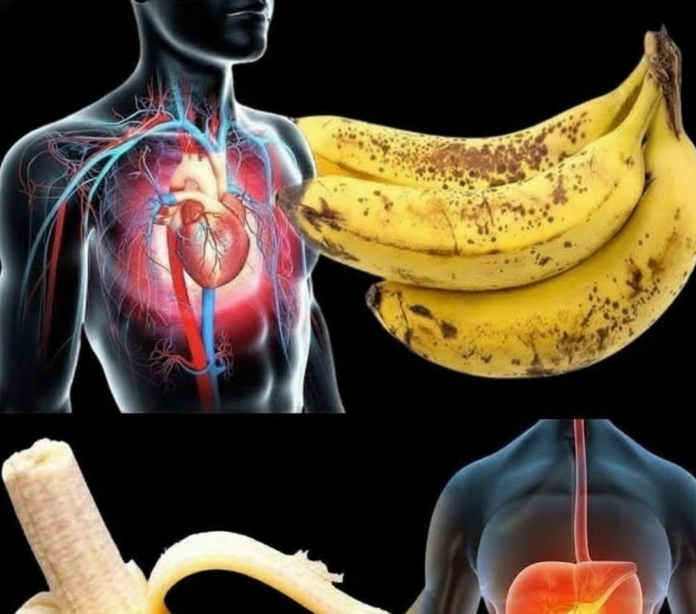
                Another of the most extensively proven benefits of bananas is their heart-friendly nature, largely due to the high amounts of potassium they contain. Potassium is an electrolyte that carries a small electrical charge, which is vital for the heart’s ability to beat properly.

                Potassium serves several critical functions:

                Regulating Blood Pressure: Potassium helps the body eliminate excess sodium through urine and relaxes the walls of blood vessels.

                Water Balance: Alongside sodium, potassium is responsible for maintaining the proper balance of fluids inside and around body cells.

                Nerve & Muscle Function: Potassium supports the normal functioning of muscles, including the contraction of the heart muscle.

                According to the Cleveland Clinic, potassium-rich diets have been consistently linked to lower blood pressure and a reduced risk of stroke. Unfortunately, modern Western diets tend to contain too much sodium and not enough potassium. The good news is that adding a banana to your daily routine can be a simple first step toward achieving a healthier balance.

                The Gut Microbiome and Digestive Health

                While bananas are commonly advised as part of a BRAT (Bananas, Rice, Applesauce, Toast) diet for those with upset stomachs, they also offer additional digestive benefits.

                One of the main reasons bananas are considered helpful for digestion is their fiber content. They have:

                Soluble Fiber – This type of fiber is capable of dissolving in water, creating a gel-like substance in the digestive system. It slows down the digestion process, allowing your body to absorb nutrients.

                Resistant Starch – This type of fiber is abundant in unripened or somewhat green bananas. While regular starches are broken down in the small intestine, resistant starch reaches the large intestine and acts as a prebiotic.

                Studies have shown that resistant starch acts as food for beneficial bacteria in your gut. The process of breaking down the starch results in the creation of short-chain fatty acids such as butyrate. These acids are necessary for proper colon functioning, leading to:

                Reduction of systemic inflammation.
                Enhancement of the intestinal barrier.
                Improvement of nutrient absorption.
                Elimination of common problems like bloating and constipation.

                Nature’s Original Energy Bar

                When you watch a professional tennis game or marathon, you will see that the players are eating bananas during intervals of play. There is an explanation for the consumption of bananas by athletes prior to continuing play. The fruit is usually called the “energy bar of nature,” since the fruit contains different types of natural sugars, including glucose, fructose, and sucrose.

                Candy bars give rise to a fast increase in the level of blood sugar and consequently result in exhaustion; however, the bananas contain sugars, along with fibers.

                The Blood Sugar Debate: Are Bananas Safe?

                This might be the most misinterpreted aspect of the nutritional value of bananas. Since they are sweet fruits, many people, particularly health-conscious ones or those suffering from certain conditions, avoid them.

                The glycemic index (GI) of bananas ranges from low to medium, being about 42 to 62 according to their ripeness level. The GI indicates the effect of food consumption on the level of glucose in our bloodstream after eating it. This is because the presence of dietary fiber and resistant starch makes bananas not produce the high blood sugar spikes typical of processed foods like white bread.

                According to scientific studies, unripe green bananas have a lower GI than ripe ones with black spots on them. It is easy for a healthy body to digest the sugar contained in bananas. Diabetic patients should be very cautious regarding the intake of portions of bananas, but it does not mean they cannot eat this fruit alongside other foods like proteins.

                Weight Management: The Satiety Factor

                Bananas have been accused of being fattening, which is quite the opposite of the truth. Satiety plays an important role in successful weight loss. Feeling fuller leads to less consumption of calorie-rich, processed foods.

                Fiber in bananas works as a satiety inducer because:

                it increases bulk in the stomach;
                it helps slow stomach emptying.

                By substituting a 300-calorie snack bar with a 100-calorie banana, not only do you cut down the number of calories, but you also provide your body with nutrients that help regulate metabolism.

                A Shield of Antioxidants

                People usually assume that berries and dark leafy vegetables are the only foods that can provide antioxidants, but bananas have a lot of these essential substances. There are different kinds of antioxidants, such as flavonoids and dopamine and catechins.

                Antioxidants neutralize free radicals within the body, which cause oxidative stress. With time, oxidative stress leads to aging and different diseases such as cardiovascular disorders and some cancers. Moreover, bananas also have vitamin C, which strengthens the immune system and increases resistance to infections.

                Kidney Health and Longevity

                Kidneys are not given enough credit when it comes to keeping our blood clean and controlling the balance of minerals within us. Potassium plays a key role here. Several longitudinal studies have shown that females who consume bananas two to three times weekly have a much lower risk of kidney diseases in the following 13 years.

                Moreover, through proper regulation of our blood pressure, bananas also help to safeguard the kidneys from any harm. One of the primary reasons behind kidney disease is high blood pressure. On the other hand, people with severe kidney diseases and on a low-potassium diet must discuss their diet plan with their doctors.

                Debunking Banana Myths

                In today’s world, nutritional myths can travel faster on social media than truths. Here are the top myths about bananas.

                Myth 1: Bananas have too much sugar.
                As mentioned above, the sugar found in fruits is not the same as that found in soft drinks. Instead, fruit sugar comes in an envelope made up of fiber, vitamins, and minerals. In nutrition studies, the nutritional value of the entire fruit is found to be greater than its sugar content.

                Myth 2: Bananas are the best source of potassium.
                Bananas may be a great choice, but they are not necessarily the best choice. Some other foods such as avocados, spinach, and sweet potatoes have higher amounts of potassium than bananas. The best part about bananas is their accessibility.

                Myth 3: Bananas are Radioactive.
                This is one of the most fun info related to bananas, and while it is true that they have a radioactive element called Potassium-40, it does not affect humans since the amount present is extremely low. One would have to consume around 10 million bananas at once to die because of the effects of radiation poisoning.

                Myth 4: Smoothies destroy banana nutrients.
                An emerging myth states that a banana enzyme called polyphenol oxidase reduces the levels of flavanols found in other fruits, particularly berries. As one Reddit user pointed out:

                “Real world smoothies… still have a lot of fiber and protective compounds.”

                The reaction may actually happen in an experimental lab environment, but our bodies are efficient when it comes to gaining nutrients from any compound that we intake. Unless you are drinking smoothies for a particular dosage of a specific flavonoid, it is okay to eat bananas and berries together.

                Are There Any Drawbacks?

                Although bananas can be considered a super food in several aspects, caution is always advised when it comes to dietary considerations. Here are a few problems you might face if you consume way too many, say, around 5-6 of them a day:

                Digestive Issues: An overload of fiber content may cause bloating and discomfort in the digestive tract.

                Hyperkalemia: A very rare condition caused due to extremely high levels of potassium in the body.

                Dental Problems: Bananas, like other fruits, have sugar and starch which could potentially lead to tooth cavities.

                The optimal consumption level would be between 1 to 2 bananas a day.

                Conclusion

                In conclusion, bananas can be considered the simplest yet one of the best options when it comes to improving nutrition intake. The fruit is affordable – quite a rare quality in times of ever-growing food prices. It contains high amounts of essential nutrients that have been scientifically proved over the years. It is also highly versatile.

                You can use bananas to gain extra energy for your early morning training sessions. Bananas combined with oats make excellent breakfast ingredients for those who suffer from heart diseases. Moreover, you can keep bananas in your purse as an energy supplement at any time of the day.

                Healthy nutrition does not necessarily mean complicated formulas, expensive dietary supplements, and exotic fruits. On some occasions, it might turn out to be much easier than people think. Bananas contain enough nutrients to improve overall health and provide additional energy, especially in the case of heart diseases. However, remember that moderation is the key. Do not let myths get in your way.

                *Disclaimer: This article is for informational purposes only and does not constitute medical advice. Always consult a healthcare professional for medical concerns.

                Please SHARE this article with your family and friends on Facebook.

                Bored Daddy

                Love and Peace

                Harsh penalties for failing to register for the U.S. military draft as automatic registration is set to begin in 2026

                0

                The international landscape has been significantly shaped by a more assertive and unpredictable phase of US foreign policy, turning long-standing diplomatic tensions into higher-stakes confrontations. In 2026, the global situation has shifted quickly from theoretical concerns to active crises in multiple regions.

                One of the most significant developments has been the escalation between the United States and Iran, which has included direct military strikes and retaliatory responses, further intensifying instability in the Middle East. At the same time, tensions continue to rise in other strategic regions, including the Arctic, where disputes involving Greenland and NATO positioning have added to broader geopolitical strain, as well as ongoing pressure in areas such as Venezuela.

                Together, these developments reflect a global environment increasingly defined by fragmented conflicts and competing spheres of influence, drawing comparisons to earlier eras of heightened geopolitical rivalry.

                With fears of global instability grow, Google searches for “World War III” and “US draft rule and age” have spiked, reflecting growing concerns about potential military conscription.

                While the United States does not currently operate an active military draft, the Selective Service System has remained on standby under federal law, allowing it to be reactivated in the event of a national emergency. Under a planned change expected to take effect in 2026, registration is set to become automatic for eligible individuals, removing the need for most men to sign up manually.

                This new system marks one of the most significant shifts in more than half a century. In a statement outlining the change, the Selective Service System (SSS) said: “SSS will implement the change by December 2026, resulting in a streamlined registration process and corresponding workforce realignment.”

                However, with only a few months remaining before implementation, men who turn 18 between now and the transition date will still be required to register themselves under the current system. Failure or refusal to register can result in penalties, as non-compliance is treated as a federal offense.

                According to USA.gov, it’s “punishable by fines or a prison sentence. And you may not be eligible for federal jobs, citizenship, or state-funded student financial aid.”

                Failure to register may result in felony charges, maximum penalties of five years in jail, and fines of $250,000. 

                According to expert, these felony convictions can also lead to losing the right to vote and possess firearms.

                A recent survey by the Atlantic Council shows that 69% of responders believe a war between powerful nations may take place within the next ten years.

                Since three generations of Americans have not been required to serve in the military, many of them are unfamiliar with the nation’s draft procedures.

                First to be drafted are men aged twenty. Additional drafts would include those turning 21 to 25, followed by 19- and 18-year-olds if more troops were needed. Over 16 million men 18–25 are registered, while 1.3 million currently serve.

                The Selective Service includes citizens, non-citizens, refugees, asylum seekers, transgender people assigned male at birth, as well as men with disabilities.

                The only exemptions from the US draft apply to men who, before turning 18, are placed in long-term care or confined at home with medical assistance, remaining so without interruption until turning 26.

                Further, ministers, certain elected officials, and some dual nationals are also exempted from the draft, while those who are in college can ask their service to be postponed.

                In case of change of law, women can be drafted too.

                Please SHARE this article with your family and friends on Facebook.

                Bored Daddy

                Love and Peace

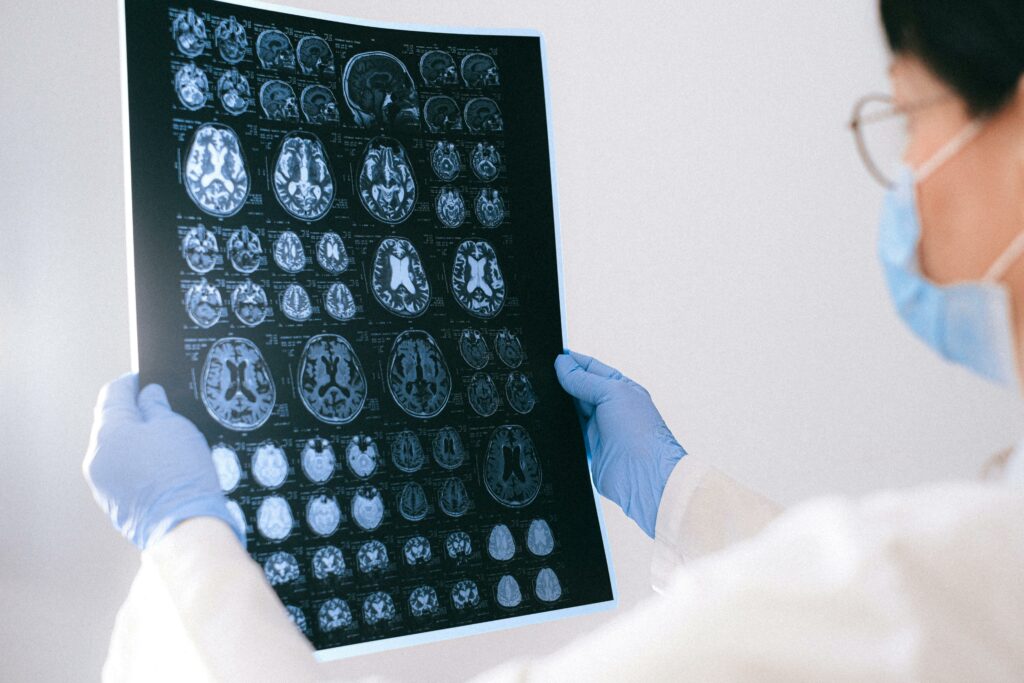
                If you hit your head, watch out for these symptoms that can show up even days later

                0

                It is shocking how easy it is to disregard a head injury. You stumble, bump your head, and get a little dazed—but then you continue with what you were doing. There is no spectacular crash to the ground, no unconsciousness, and no bleeding. At first glance, there appears to be nothing wrong at all.

                Yet that is precisely what makes head trauma difficult to diagnose. Symptoms do not always appear instantly.

                It is common for hours, if not days, to go by before any symptoms become noticeable. All of a sudden, mild symptoms begin to appear, seemingly out of nowhere. It becomes incredibly difficult to pinpoint the source of the problem. This is why awareness is key.

                When a “Minor” Bump Isn’t Actually Minor

                A head injury doesn’t need to look serious to affect the brain. We often have a dramatic image in mind when we think about brain injuries—someone losing consciousness or being unable to speak. In reality, most cases are classified as “mild” traumatic brain injuries. However, that label can be misleading. “Mild” refers only to the initial diagnosis, not the long-term impact, which in some cases can last for years.

                In fact, it doesn’t take a major accident to cause damage. Something as simple as tripping or hitting your head on an object can be enough.

                The brain itself has a soft, gelatin-like consistency. Although it is protected by the hard structure of the skull, the inside isn’t perfectly smooth. When the head is suddenly jolted or stopped, the brain can move within the skull, shifting and making contact with its inner surfaces.

                Initially, it’s possible that you feel perfectly normal and don’t experience any puffiness or headache. However, as time passes, you may start to notice something unusual. You may begin feeling extremely exhausted, even if you’ve slept all night. It may become difficult to focus your attention on routine activities such as reading an email or listening to someone talking to you. It can feel like there is a haze of confusion clouding your mind, and even familiar surroundings may seem unfamiliar.

                Mild traumatic brain injuries, which are more commonly referred to as concussions, are hard to identify in the early stages as their symptoms are often slow to show up. This is where the surprise element comes in; by the time one starts showing symptoms, there’s no longer an apparent correlation with the initial injury.

                What a Concussion Actually Is

                To better comprehend why symptoms develop slowly, one must examine the underlying mechanisms of the injury. A concussion is essentially an injury to the brain that occurs when it moves and impacts the walls of the skull, triggering a series of events known as a “neurometabolic cascade.”

                Within the brain, billions of neurons are constantly sending signals to one another. These signals govern all functions of the body, including cognitive processes such as learning and memory, motor actions, mood, and attention—allowing you to read this sentence right now. In a concussion, communication between neurons is disrupted. Although the neurons themselves may not be physically damaged (which is why they do not appear on a standard X-ray), their function is temporarily impaired.

                Rather than smooth communication, the brain experiences what is often described as a “traffic jam.” Potassium is released from the cells while calcium moves into them, leading to excessive stimulation of neurons and leaving them drained. At the same time, the brain requires more energy to correct the imbalance caused by these chemical changes, but due to the injury, there is actually less energy available.

                The Mayo Clinic has established that one of the main reasons for post-concussion symptoms—such as fatigue, confusion, and headaches—is this mismatch between energy demand and supply. Essentially, the brain is trying to run a marathon without enough fuel.

                It is worth noting that the changes occurring due to concussions tend to be very subtle and hence may not appear through imaging techniques such as CT scans or MRI. These techniques are primarily aimed at assessing the presence of physical or structural problems like bleeding. This means that a concussion cannot be determined through these methods because it is a functional problem.

                Symptoms Don’t Always Show Up Right Away

                Another thing that tends to confuse people when it comes to concussions is the issue of timing. In some instances, there are expectations of immediate onset similar to physical reactions. However, at other times, the development of concussion symptoms occurs gradually as the brain tries to achieve balance.

                Early symptoms (first 24 hours)

                • Headache: Usually described as a feeling of pressure.
                • Dizziness or balance issues: Feeling “off” or like the room is swaying.
                • Nausea: Sometimes accompanied by vomiting, though not always.
                • Sensitivity to light or noise: The world suddenly feels “too loud” or “too bright.”

                Delayed symptoms (days later)

                • Trouble concentrating: Finding it impossible to finish a task.
                • Memory lapses: Forgetting why you walked into a room or struggling with names.
                • Irritability or mood swings: Feeling unusually angry, sad, or anxious for no clear reason.
                • Feeling mentally “slower”: A sensation that your thoughts are moving through molasses.

                As highlighted by the NHS, emotional and cognitive symptoms usually occur later on, and this may cause confusion for individuals who believe they were on the road to recovery. It may be difficult for people who have undergone treatment for burnout to come to terms with the fact that they still have to undergo another phase of recovery.

                How Symptoms Can Change Over Time

                It is uncommon for symptoms not to evolve at all; rather, the opposite tends to happen. While this process is part of recovery and should not come as a surprise, experiencing such unexpected changes can still be very unnerving. Your initial headache, which might have felt like a constant pressure similar to wearing a hat that is too small, may gradually shift into sharper pains. Alternatively, you may notice that your headache becomes “episodic,” appearing only in specific situations such as focusing on your laptop or entering a sensory overload environment, like walking through a busy supermarket.

                Similarly, your sleeping habits are likely to vary as well, initially leaning toward excessive sleepiness, where you may spend long hours napping during the day. As the chemical imbalance persists, however, you may suddenly find that you cannot fall asleep at all, creating a cycle of fatigue that can intensify other symptoms.

                Vision problems are another issue that tend to appear later. The eyes and the brain are constantly working together, so any problems at “headquarters” can lead to issues such as blurred vision while reading, double vision, or an unusual difficulty in tracking moving objects. This is not an accident, but rather what can happen when the brain is trying to adapt to energy shortages.

                Why Symptoms Can Be Delayed

                What causes you not to be aware of the injury’s effects until Thursday when it occurred on a Monday? Here are three main reasons why this happens:

                The Adrenaline Mask: Right after you experience a fall or crash, your body gets hit by a surge of adrenaline and cortisol. This “fight-or-flight” response is a result of evolution and helps you move away from danger. It is also capable of masking pain and tiredness, allowing you to continue performing tasks without noticing any issues in the initial stage.

                Inflammation Build-Up: Just as with a sprained ankle—where inflammation often peaks the following day—it can take some time for your brain to fully respond to the injury and develop secondary effects. Consequently, the “brain fog” may become more noticeable on Thursday than on Monday.

                Supply/Demand: This is one of the most common reasons symptoms become apparent later. You may feel fine while resting at home, but once you return to work where your brain needs to concentrate and process numbers, charts, lighting, and noise, the real “traffic jam” begins.

                Conclusion

                According to researchers at the Brain Injury Association of America, delays in inflammation and the abrupt return to cognitive demands can contribute to the “bloom” of symptoms.

                If you develop signs of a concussion a few days later, the wisest thing to do is consult a physician. Proper early management typically involves “relative rest” for the first 48 hours, followed by a gradual return to light physical activity. Staying in a dark room and completely depriving yourself of all sensory input is considered outdated advice. A gradual return to regular activity is now seen as the best way to help the brain recover from the “traffic jam.”

                Recovery usually takes around ten days. However, if symptoms persist for more than a couple of weeks, you may be dealing with so-called PPCS (Persistent Post-Concussive Syndrome). This does not mean the brain injury has become chronic; it simply means the recovery process has been prolonged.

                To address these ongoing symptoms, specialized rehabilitation such as vestibular and vision therapy may be required. Studies from the Cleveland Clinic suggest that individually tailored treatment programs can produce strong results in cases where recovery is delayed.

                *Medical disclaimer: This content is for informational purposes only and is not a substitute for professional medical advice, diagnosis, or treatment. If you suspect a concussion or have symptoms after a head injury, seek advice from a qualified healthcare professional.

                Please SHARE this article with your family and friends on Facebook.

                Bored Daddy

                Love and Peace

                The one question Elon Musk asks in every job interview to spot a liar

                0

                It was way back in 2017 when Elon Musk sat down with Auto Bild and revealed one trait he values the most in a new hire. So, is it the academic credentials that matter the most to the billionaire? It turns out they don’t. Instead, he relies on a single question to cut through the noise.

                “I really just ask: ‘What are some of the tougher problems [you’ve] dealt with and how [you] dealt with those?’” Musk explained and added he asks people to walk him through the “story of their career,” focusing specifically on how they handled those high-stakes forks in the road.

                So, why obsess over one question?

                Musk uses it to quickly gauge a candidate’s character and whether they are blowing smoke.

                “What I’m really looking for is evidence of exceptional ability, meaning they’ve faced really difficult problems and overcome them,” he said.

                He’s looking for the real “architects” of a project. “You want to make sure that if there was a significant achievement, they were the ones behind it—not someone else.”

                Musk added that once you have been in the trench, you would never forget it. “You can ask them very detailed questions about it, and they’ll know the answer. But someone who wasn’t truly responsible won’t know the details,” he noted.

                Indeed even includes Musk’s go-to question as one of the “eight common problem-solving questions” you will most certainly face in an interview. When seeking someone who is quick on their feet, you will most likely be asked: “Describe a time when you faced an unexpected challenge in your job.”

                The gold standard for answering this is the STAR technique:

                • Situation – Set the scene.
                • Task – Define your role.
                • Action – Show your work.
                • Result – Prove the impact.

                Picking a meaty, honest example is usually the deciding factor.

                For Musk, his life’s story is about the impossible becoming reality, from the Hyperloop to Mars colonies. For him to construct this world, he needs innovators, not simply individuals who can take exams. This is reflected in his interviewing process.

                The Tesla CEO (and owner of X) told UNILAD: “I really just ask: ‘What are some of the tougher problems [you’ve] dealt with, and how [did you] deal with those? And how they made decisions at key transition points.” He claims this simple prompt is his ultimate litmus test for trust and spotting a liar.

                Musk added, “What I’m really looking for is evidence of exceptional ability so that they’ve faced really difficult problems and overcome them. And of course, you want to make sure that if there was some significant accomplishment, were they really responsible, or was somebody else more responsible.”

                His logic is simple: if you’ve lived through a problem, the scars and the strategies stay with you. “So you can ask them very detailed questions about it and they’ll know the answer, whereas the person who was not truly responsible for that accomplishment will not know the details.”

                SAUL LOEB/AFP via Getty Images

                Science actually backs him up. A study in the Journal of Applied Research in Memory and Cognition looked into “Asymmetric Information Management” (AIM), a method designed to catch deception by pushing for verifiable details.

                As researcher Cody Porter put it, “Small details are the lifeblood of forensic investigations and can provide investigators with facts to check and witnesses to question.”

                From the data obtained from the experiment, honest individuals tend to add more and more specifics to their stories, whereas liars keep things vague. This difference is precisely what one would expect when trying to look beneath the polished surface.

                If you want to land yourself a desk at Tesla or SpaceX, then here’s the gist of it: skip the fluff, get specific, and be ready to back up your story.

                Please SHARE this article with your family and friends on Facebook.

                Bored Daddy

                Love and Peace

                How eating beets regularly affects your body

                0

                The vibrant red color of beetroot is possibly one of the most memorable cautionary colors in the natural world—or is it? For years, this root veggie has had the reputation of being a pariah on the dinner plate, occupying the forgotten spaces in the salad bar, or at best served warm but pickled in a way that tasted like soil and not food.

                We have always regarded beets as a burden rather than a delicacy. However, it must be noted that we are now in the middle of one of the largest paradigm shifts in cultural science history. The beet has been taken off the kitchen shelves and brought into the spotlight of nutritional research to claim its status as one of the most studied functional foods available today. There are multiple reasons for this turn of events, none of which are due to marketing or plant-based diets alone. The truth is, beetroot is possibly one of the keys to improved circulation, athletics, and brain function.

                But if we want to explore the reasons for this sudden adoration of beets by both nutrition experts and top-level athletes, we have to peel back their tough skin covered with soil.

                Beets are like natural chemistry laboratories. While most vegetables have one feature that makes them stand out—such as vitamin C in oranges or potassium in bananas—beets contain a combination of micronutrients that work together to influence different physiological functions.

                One such micronutrient is folate, or vitamin B9, an essential component in DNA repair and the production of new red blood cells. Beets also contain an abundant supply of manganese, an element required for metabolic activity and healthy bones, and they are one of the few natural plant sources of betalains. Although betalains give beets their bright red color, inside the body these compounds act as powerful antioxidants and anti-inflammatories. Rather than remaining passive in the body, they act as active agents that help counter oxidative stress and neutralize free radicals linked to chronic disease.

                The chemistry of circulation

                However, while the vitamins that the beet provides might make a difference for our health, what makes it particularly transformative is the fact that it is an essential source of dietary nitrates. It is here where the real science behind the beet comes into play. What happens when we eat a beet? We trigger a natural process through which the nitrates in the beet are converted into nitrites by natural bacteria in our mouths and stomachs. These are then used by our bodies to create nitric oxide, which is an essential signaling agent for the human cardiovascular system. One thing that nitric oxide does is act as a vasodilator. In simpler terms, this means that it tells the muscles around our blood vessels to relax and open up.

                It is not just a concept, as some of the most prominent research published in scientific publications, such as those from the National Institutes of Health, have shown that one glass of beetroot juice may cause a decrease in systolic blood pressure in as little as an hour or two. With hypertension being a problem in our society, the beet is thus a natural and practical way to solve this health issue, as it works in perfect symbiosis with the workings of the human organism. Improved circulation affects more than just our hearts since any part of our body that depends on oxygen and nutrients would also benefit.

                Managing inflammation and recovery

                In addition to these physiological processes, the regular use of beets could be helpful for inflammation control. In today’s world, many people suffer from chronic inflammation owing to their dietary habits, lack of sleep, and other factors. Beets contain betalains, which play an important role not only in coloring foods but also in their potential anti-inflammatory properties. These substances may help regulate immune system activity, which can contribute to the alleviation of inflammation-related discomfort, such as arthritis pain, support recovery processes, and overall physical wellness.

                As opposed to pharmaceutical preparations used for inflammation management, which can have side effects such as stomach irritation or kidney issues in some cases, beet extracts are generally well tolerated and compatible with normal body functioning. They can be viewed as a supportive addition in the context of reducing oxidative stress, which contributes to cellular damage and the development of various diseases and disorders later on. Thus, beets allow the body to better manage inflammation associated with unhealthy lifestyles and habits.

                Performance and physical endurance

                This cardiovascular widening will immediately take us to the very reason why the sports industry has become so crazy about beetroot supplements. Just enter any Olympic training camp or professional changing room and chances are that you will spot some beetroot juice or concentrated beetroot supplements there. The rationale behind it is straightforward: when you manage to widen the blood vessels in your body, then it means that more oxygen-filled blood will be able to reach your muscles. In this case, you make sure that your muscles will have enough oxygen to keep up performance levels for longer.

                This enables athletes to move farther, cycle faster, and recover more quickly due to the fact that their muscles are not being deprived of oxygen at the point in which they need it the most. This also isn’t something limited to only top-tier athletes. An individual who is older and climbing a staircase would experience similar effects from this process, as well as someone who hikes on weekends. Through boosting the efficiency at which the body uses oxygen, beets may support a more constant, reliable energy source rather than the burst one provided by sugar or caffeine.

                Digestive harmony and liver support

                Although there is more focus on how beets affect the heart and muscles, their digestive health effects are also remarkable. As gut health gains recognition in today’s society as an integral part of total well-being, beets stand out as a unique means of preserving good internal conditions. Beets are rich in dietary fibers, which come in two forms – soluble and insoluble. While these fibers contribute to digestion, they are also used as prebiotics to nourish the beneficial microorganisms in the intestinal flora. Good health of the microbial population can bring about many benefits, including immune and psychological health.

                Additionally, there is some special nutrient content in beetroot that provides the liver with special support. First of all, it is important to mention that the liver is the central filtering organ and it processes substances throughout the day. In this context, it should be mentioned that beetroot contains betaine, which may support fat metabolism and help prevent excessive fat accumulation in the liver. Moreover, it is pectin, a type of fiber, that may help support the removal of certain waste products by binding them in the digestive tract. Thus, consuming beetroot can be seen as a natural addition to a balanced diet that supports the body’s normal detoxification processes. This way, the optimal functioning of the liver and intestines contributes to a better performance of the body’s waste management system, which can be reflected in skin health and energy levels.

                Cognitive clarity and brain health

                The effects of the beet are not limited to its influence on the body; they also reach the brain. Perhaps one of the scariest parts about aging is the gradual degradation of one’s cognitive abilities, which can be caused by a reduction in the amount of blood flow to the frontal lobe of the brain, where decisions, concentration, and memory are made. Being such an effective agent in promoting improved circulation, nitric oxide also helps the brain receive sufficient oxygen-rich blood.

                Modern brain scans indicate that seniors on a high-nitrate diet, in particular those who drink beetroot juice, exhibit enhanced cerebral blood flow to these crucial cognitive centers when performing demanding mental activities. In other words, the beet could be helpful in preserving brain sharpness and even preventing premature cognitive aging. It is a prime illustration of the power of a seemingly minor lifestyle decision that leads to a ripple effect of advantages for the most intricate organ in our body. Oxygenation is an essential factor in ensuring good concentration and clarity of thought.

                Practical considerations

                Integrating beetroot into modern life will demand some common sense. Powerful as it may be, not everyone can take it in large amounts because of its high amount of oxalates, which means those who suffer from kidney stones should take special precaution. Moreover, there’s no need to be surprised if a pink color appears in the urine or stools because of “beeturia.”

                Consistency in consumption is what counts in order to achieve results. Rather than having an enormous portion once a week, opt for smaller amounts daily. Be it roasted beetroot for extra-sweet caramelization, raw shredded beets in a salad, or even blending the beet into a breakfast shake, the main objective is to support nitric oxide production over time. Over a couple of weeks, all these small steps may help turn this dietary habit into overall health improvement by supporting stamina and mental clarity.

                Conclusion

                In the end, the story of the beet is one of rediscovery. In many ways, this plant represents the idea that some of the best tools for better health often lie before us, right under our feet. We do not have to rely solely on expensive or foreign supplements when a humble vegetable can provide a range of nutrients that support the body’s various functions. This is an excellent example of how the simplest steps can sometimes have the biggest impact.

                Please SHARE this article with your family and friends on Facebook.

                Bored Daddy

                Love and Peace

                Kate Middleton treats Prince William like a “fourth child”

                0

                The Prince and Princess of Wales, Prince William and Catherine, Princess of Wales, are widely regarded as one of the most influential couples in the world. Kate, in particular, has become a deeply admired member of the Royal Family, and her relationship with William dates back to their student days at University of St Andrews.

                Recalling their first meeting through mutual friends, Kate once shared: “I actually went bright red when I met you and scuttled off feeling very shy about meeting you.

                “William wasn’t there for quite a bit of the time initially, he wasn’t there from Fresher’s Week, so it did take a bit of time for us to get to know each other.”

                According to the documentary The Day Will and Kate Got Married, which aired in April 2021, the pair started out as close friends. However, one particular moment shifted everything. During a university fashion show, Kate wore a sheer dress that caught William’s attention—and marked a turning point in how he saw her.

                “A switch had been flicked, he suddenly saw her in a different light, and I really believe that was the turning point in their relationship,” said Katie Nicholl in the documentary.

                As reported by The Telegraph, William later reflected on their early connection: “We were friends for over a year first and it just sort of blossomed from then on. We just spent more time with each other and had a good giggle, and realized we shared the same interests.”

                The couple now has three children together. Prince George, who is second in line of succession after his father, Prince William, was born on July 22, 2013 and the news of his arrival into the royal family took the world by storm. His birth was celebrated not only in Britain, but in every part of the world. Some two years later, the royal family welcomed Princess Charlotte, who was born on May 2, 2015. The youngest child of the Duke and Duchess of Cambridge, Prince Louis, was born on April 23, 2018.

                Youtube/ITV News

                There have been speculations that Kate and William wanted a fourth child, but according to ITV News’ royal editor, Chris Ship, if they do, they are likely to face criticism by the public especially the ‘green lobby’ because William is heavily involved in campaigns on environmental issues and many believe that if people are that interested in the planet, they shouldn’t have many children, according to Ship.

                “I’m sure William might open himself up to some criticism from that, sort of, green lobby if he were to have a fourth.”

                Ship added that his personal belief is that William and Kate are done with three.

                Back in 2023, during a surprise visit to the Baby Bank in Maidenhead, Kate helped fold some baby clothes and mentioned how you kind of forget how tiny babies are until you see it again.

                She was shown all the donations—clothes, toys, bits of equipment—that the Baby Bank collects for families. It’s something she’s supported for a long time, and it now helps thousands of people.

                While going through the clothes, one of the founders, Rebecca, joked, “I look at them and think I don’t want to go through that again.”

                Kate laughed and said, “I’ve been there and done that.”

                When pregnant with George, the Princess was diagnosed with hyperemesis gravidarum, which is acute morning sickness. She had to go to the hospital, an experience she recalled as “rotten.” Sadly, she experienced the same while carrying her other two children too.


                LONDON, UNITED KINGDOM – MAY 06: (EMBARGOED FOR PUBLICATION IN UK NEWSPAPERS UNTIL 24 HOURS AFTER CREATE DATE AND TIME) Catherine, Princess of Wales (wearing the Mantle of the Royal Victorian Order) and Prince William, Prince of Wales (wearing the Mantle of the Order of the Garter) watch an RAF flypast from the balcony of Buckingham Palace following the Coronation of King Charles III & Queen Camilla at Westminster Abbey on May 6, 2023 in London, England. The Coronation of Charles III and his wife, Camilla, as King and Queen of the United Kingdom of Great Britain and Northern Ireland, and the other Commonwealth realms takes place at Westminster Abbey today. Charles acceded to the throne on 8 September 2022, upon the death of his mother, Elizabeth II. (Photo by Max Mumby/Indigo/Getty Images)

                In 2020, Kate Middleton was a guest on Giovanna Fletcher’s podcast Happy Mum, Happy Baby, where she spoke of her condition.

                “[It was] utterly rotten. I was really sick,” she said.

                “I wasn’t eating the things I should be eating and yet the body was still able to take all the goodness from my body and to grow new life, which I think is fascinating.”

                The princess continued: “William didn’t feel he could do much to help and it’s hard to see you’re suffering without actually being able to do anything about it.”

                Kate added that she “quite liked” labor because she had felt bad during her pregnancy. “Because actually, it was an event that I knew there was going to be an ending to,” she explained. “But I know some people have really, really difficult times, so it’s not for everybody. No pregnancy is the same, no birth is the same.”

                The podcast host Giovanna Fletcher later asked: “Have you had it every time or just the first time?”

                “Yes, unfortunately,” Kate responded. “Lots of people have it far, far worse, but it was definitely a challenge. Not just for me but also for your loved ones around you – and I think that’s the thing – being pregnant and having a newborn baby and things like that, impacts everybody in the family.”

                Anwar Hussein/WireImage

                So, when it comes to the question about welcoming a fourth child in the future, it doesn’t really sound as something much likely to happen, but only time will tell.

                At the same time, according to a new book by royal expert Tom Quinn, they may already have one in their home—at least in a sense.

                In his 2025 book Yes Ma’am: The Secret Life of Royal Servants, Quinn claims that Prince William follows a very strict daily routine. His suits are reportedly pressed and laid out in advance, and he takes his bath at exactly the same time each day. However, the future king is said to become frustrated if anything disrupts that schedule.

                “I don’t know where William would be without Kate — she hasn’t had everything done for her throughout her life, so she calms him down when he gets a bit fractious. She said he sometimes has to be treated as her fourth child,” Quinn wrote in the book, per The Times.

                In his book, Tom Quinn shares new insights into the relationship between Prince William and Catherine, Princess of Wales. He claims Kate has a playful side and “enjoys ribbing William about his family,” even joking about Queen Camilla being descended from Edward VII’s “favorite mistress.”

                Anwar Hussein/Getty Images

                But William isn’t one to stay quiet—he often teases her right back.

                “Before Kate realized that as a senior royal you have to dress carefully, having taken advice, she once bought an outfit that William considered inappropriate. He told Kate she looked as if she’d just run through a charity shop covered in superglue. Everyone thought this was very funny, including, to her credit, Kate,” Quinn wrote.

                Kate and William always show their affection for one another, and that’s not just something for the public. “A picture tells a thousand words, and there have been several times when their affection is reminiscent of two teenagers in love, which of course they initially were, well in their early 20s,” royal expert Hilary Fordwich told Fox.

                “Their displays of public affection nowadays demonstrate they have no hesitation or reservation in letting the world know exactly how they feel about one another when they deem it appropriate to do so,” Fordwich shared.

                “Their comfort with each other from those deep bonds formed at university has never waned, but rather have grown.”

                Please SHARE this article with your family and friends on Facebook.

                Bored Daddy

                Love and Peace