Home Blog Page 3

Which woman appears the oldest? This personality test says it can uncover your real character

It’s not hard to see why personality tests have become so popular lately. They are all over the social media, and attract the attention of many. So what’s the reason for that? Well, for one, there is something genuinely fascinating about how our brain reacts in those first few seconds of seeing a person, an image, or a shape. Even before logic kicks in, the brain forms opinions, makes assumptions, and spots a bunch of details. This is probably why these personality tests are so addictive; they seem pretty basic on the surface, but they trigger our curiosity because whether you want to admit that or not, most of us love revealing things about ourselves.

Of course, this isn’t science but a fun way to reflect on our gut instincts, emotional habits, and the ways we perceive the world around us.

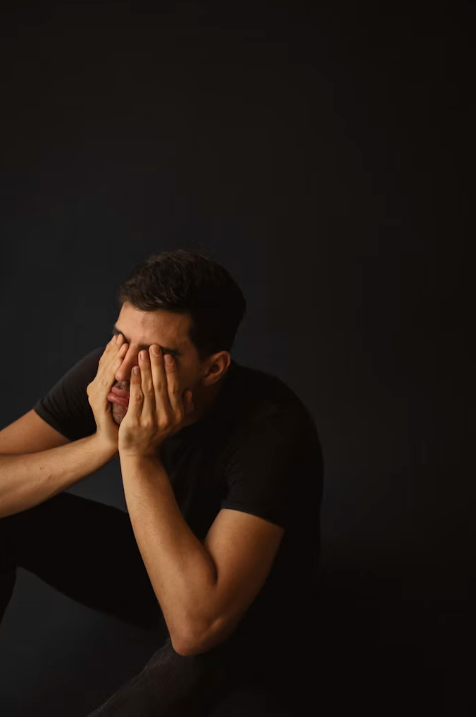
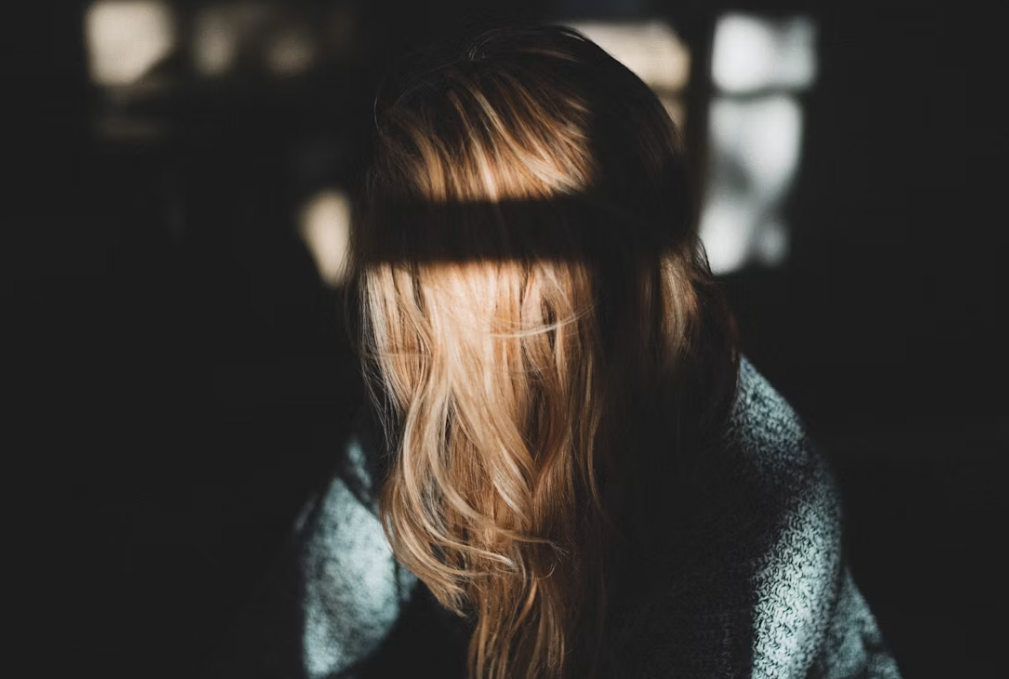
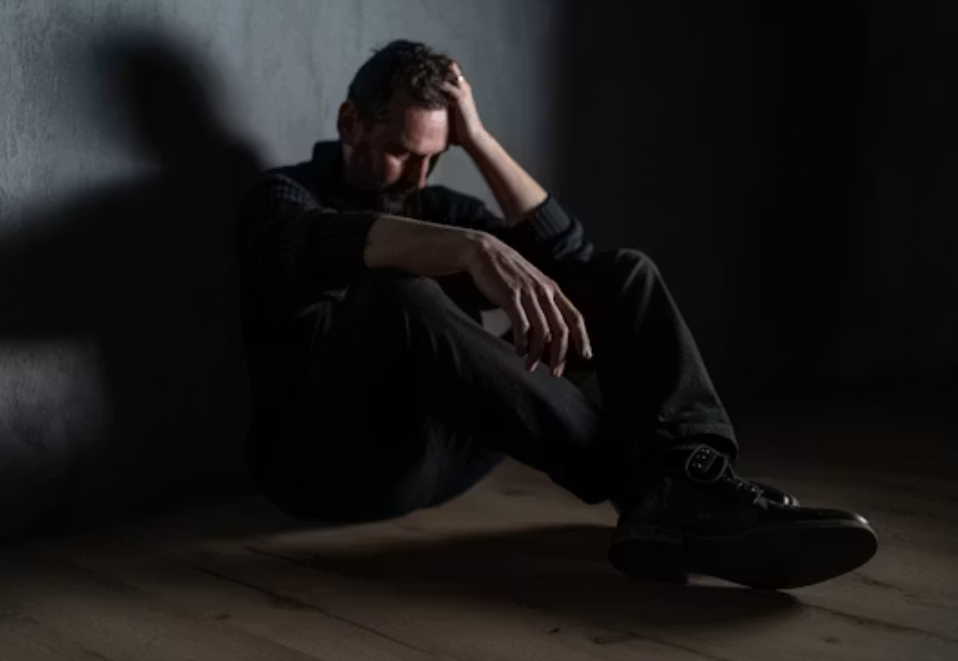
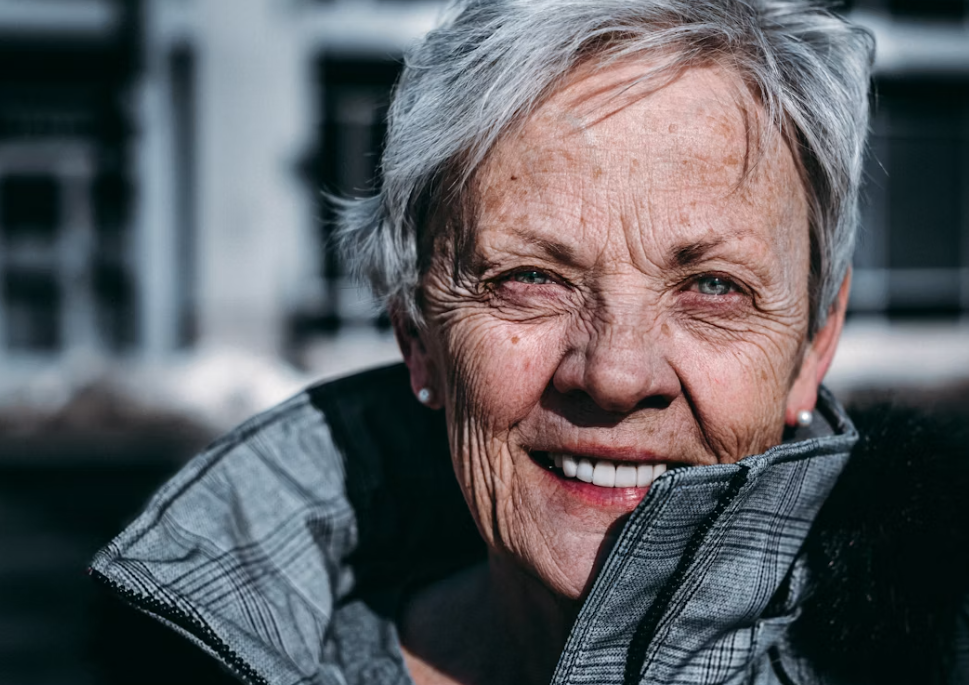
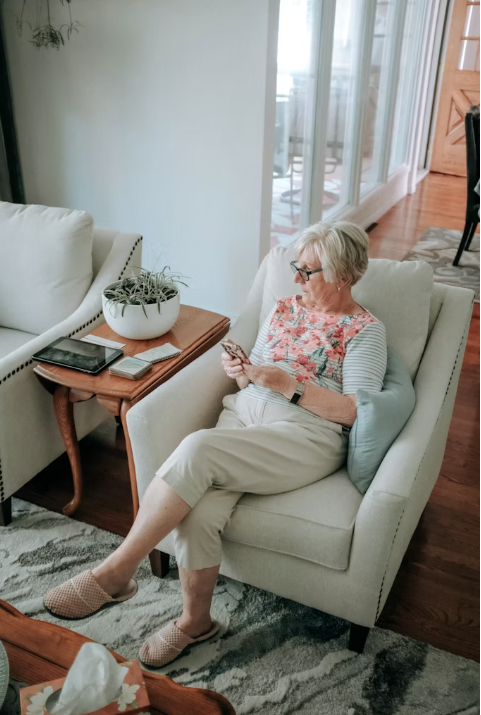
This particular image comes with a rather simple question: Which woman appears the oldest?

It does look like a random visual puzzle at first but the theory behind it suggests that your choice might shine a light on your personality traits, as well as your ability to read people.

Don’t overthink it. The trick is to trust your gut. Just take a look at the four silhouettes and chose the one that immediately strikes you at the oldest of them all.

And yes, since this is just a quiz not based on any scientific grounds, just take the results with a grain of salt. Why? Because human personality is too complex to be summed up with a single image. Still, it’s cool to see how differently two people can look at the same image.

Here’s what your choice might say about you!

If you chose the first woman

It’s quite possible that you value qualities such as serenity, grace, and stability.

More often than not, you will pay attention to body language, presence, and poise before even looking into what someone physically looks like. Dramatic people who like making noise will definitely not appeal to you; rather, you appreciate individuals who exhibit a sense of poise and control. Due to this fact, others see you as very mature and well-grounded.

You do not appreciate any form of drama and prefer places where you can have an honest discussion without all the noise. Chaos simply zaps all your energy, which explains why you tend to be the mediator during moments of tension.

Observation is another personality trait you possess. In many cases, you observe what others miss. You are very keen on picking up tone, gestures, and other nuances that others ignore, making you a better judge of the situation before you even start speaking.

Most of your family and friends see you as their go-to person for advice because you offer balanced perspectives rather than knee-jerk emotional reactions. People trust your take on things because they know you actually think before you speak.

However, the image of being a cool person may mask your struggles behind it since you tend to take up too many responsibilities in order to appear strong for other people. Even though you always seem like a calm person, inside, you may be going through a struggle that nobody knows about.

If you chose the second woman

Your personality is likely fueled by independence, ambition, and a strong sense of drive. Sitting around doing nothing at all would probably drive you insane because you are constantly planning ahead to what your next goal will be. You appreciate the trait of confidence within other people, and are attracted to those who know what direction they want their lives to go.

Since you’re quick to pick up on attitude and body language, you tend to form fast impressions of people. Sometimes your gut is spot on, but other times you might end up judging someone a bit too quickly before you actually get to know them.

One thing you should definitely be proud of is your honesty. You never hesitate to speak up your opinion, even if your views oppose everyone around you. Most people admire such courage because it makes you appear fearless and very sure of yourself.

But underneath all this confidence lurks a silent fear of not being understood. Strong-willed individuals are often misinterpreted, and there have been instances where your directness has been misread as toughness despite your good intentions.

However, in the end, your true power lies in resilience. Life might give you some nasty surprises, but there’s nothing that can stop you from rising up, no matter how difficult circumstances may become. Difficulties seem to only motivate you more, not bring you down. There is just something about you that makes you resilient, and that’s probably the best power you could have.

If you chose the third woman

You are very closely attuned to your intuition and your emotional intelligence.

You are able to feel everything very intensely, not just your own emotions, but the energies of all the people around you. Unlike most people who make decisions based only on facts and logic, you tend to always rely on your feelings when it comes to decision-making, and it should be noted that your instincts almost never fail you.

Real conversation and true emotions mean everything to you. Shallow small talks and pretenses will drain you completely, but you thrive when there is honesty involved and in relationships in which it is okay for both parties to express their fears and ideas without pretending that they have everything figured out.

Creative thinking is most likely your forte. No matter whether it is related to art or anything else, you instinctively know how to dig beyond simple solutions and find new answers that others never thought of.

On the other hand, this sensitivity makes you overwhelmed by the intensity of everything you feel. You tend to dwell on conversations or situations that have already happened since you take them seriously. Something trivial that another person might easily overlook becomes an obsession for you for the next few days.

At times, it’s because you take things too personally. In other words, you tend to become the recipient of others’ stress, despite having nothing to do with them. Nevertheless, your sensitivity and empathy make you a good listener with a compassionate personality.

If you chose the fourth woman

You most likely have a very practical, realistic, and highly independent outlook on life.

You are not easily influenced by the first impression of anything or anyone because you do not believe in emotional manipulation. Rather, when assessing any situation or a person, you like to rely upon hard facts and honesty. Unlike other people, you do not allow your feelings to influence your decisions but rather analyze everything logically before you make a move.

Due to such an attitude towards life, others may perceive you as somewhat reserved and difficult to understand. In all likelihood, you’re not going to confide your personal feelings in people you’ve just got to know.

Yet after you’ve won someone’s loyalty, you become very protective and loyal yourself. Loyalty and reliability mean more to you than any short-lived excitement or anything superficial and flashy.

Your second pillar, independence, is an extremely important aspect of your nature. You strongly dislike being overly dependent on others, and you tend to figure everything out by yourself. And even when things get extremely difficult, your mind starts looking for ways to solve problems rather than panic.

Sometimes, people might mistake your self-control for being emotionally distant or detached. In reality, you just guard your feelings closely because you’re careful about who you trust. You might not always wear your heart on your sleeve, but that doesn’t mean you don’t feel things just as deeply as anyone else.

Conclusion

Ultimately, however, personality tests such as this one are only meant to be amusing and reflective in nature, and certainly not a diagnostic tool in psychology. There are myriad factors that affect the way in which we interpret information from our surroundings—our background, experience, culture, mood, and even memory.

In other words, two individuals can look at the very same image and have totally different reactions because each one of us perceives information in our own unique way, and that very thing is what makes personality quizzes intriguing.

Please SHARE this article with your family and friends on Facebook.

Bored Daddy

Love and Peace

arty

Warning signs of stroke your body might be sending

In recent years, the rise in stroke cases among young adults has made it crucial to recognize its common symptoms. Many believe that strokes are only common at the older adults, but that’s not the case.

Certain factors that contribute to this condition at the young population include unhealthy lifestyle, chronic stress, recreational drug use, birth control pills that include estrogen, as well as increasing prevalence of conditions such as hypertension and diabetes.

The American Heart Association reports that the number of strokes at young adults have increased 40 percent in recent years. In fact, around 10-15 percent of strokes affect people aged 18 to 45.

“While the medical community has made significant improvements to reduce the severity and complications of strokes with early interventions, these efforts are of limited value if patients do not recognize stroke symptoms,” Dr. Khurram Nasir, chief of the division of cardiovascular prevention and wellness at Houston Methodist DeBakey Heart and Vascular Center in Texas, said.

“Time is critical for treating stroke. The earlier people recognize symptoms, the better their chances are to reduce long-term disability from stroke,”he added.

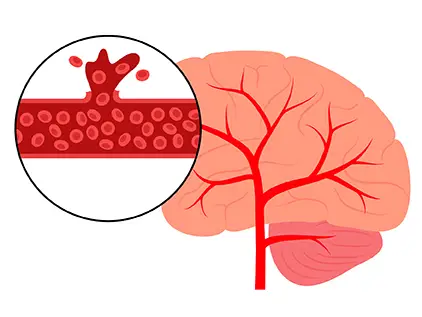
A stroke occurs when blood flow to the brain is blocked or disrupted.

Strokes can cause brain damage and death. In fact, stroke is the leading cause of disability worldwide.

Some symptoms of stroke at young adults include:

1. Sudden weakness or numbness on one side of the body

Sudden weakness, numbness, or tingling, especially on one side of the body, is one of the most common and easily recognizable signs of a stroke. This can include the face, arm, or leg. This symptom occurs without warning. For example, one side of the face might droop, or a person might not be able to lift one arm. This is due to the interruption of blood flow to certain areas of the brain that control movement and sensation.

In young adults, this symptom is often overlooked and misattributed to fatigue, nervousness, and nerve problems. However, even temporary numbness is a symptom of something potentially life-threatening, such as a transient ischemic attack, or mini-stroke.

The important point I want to emphasize is this: If one side of the body feels “off,” weak, or numb, don’t wait. This is a medical emergency.

2. Difficulty speaking or understanding speech

Another major symptom of a stroke is difficulty speaking or understanding speech. This manifests itself through slurred speech, confusion, and inability to construct sentences. An individual with a stroke will know exactly what to say but will not be able to get the words out. Alternatively, if they experience a stroke, they will not be able to understand what is being said to them.

This is due to the fact that a stroke affects the language centers of the brain, especially the left hemisphere. At times, the speech may be very slow and nonsensical. This symptom is usually misdiagnosed in younger individuals, especially if it is not related to other major symptoms. It is usually misdiagnosed as stress, intoxication, and even panic attacks. However, it is important to remember that sudden confusion and difficulty with speech is a major symptom of a stroke and should not be ignored. If an individual is suddenly unable to communicate properly, then it is a clear indication that the brain is not receiving enough oxygen.

3. An abrupt, intense headache

A severe headache, described as the “worst headache of your life,” is a possible stroke symptom, specifically a hemorrhagic stroke, where there is bleeding in the brain. However, unlike other headaches, this one strikes suddenly and might be accompanied by nausea, vomiting, or altered consciousness.

The problem with the symptom, though, is that young adults might brush it off as a migraine or a headache caused by stress. However, the main difference lies in the fact that the headache strikes suddenly and feels unusual compared to other headaches.

Medical experts emphasize that when it comes to a severe headache without any known cause, it should always be taken seriously, especially when there are other symptoms such as dizziness and vision difficulties.

So, if the headache comes out of nowhere, it is not something to “sleep off.”

4. Dizziness and loss of balance

According to the Mayo Clinic, sudden dizziness, difficulty walking, and coordination problems can be signs that a person is experiencing a stroke in the part of the brain that controls balance and coordination, like the cerebellum. This is where the person feels like the room is spinning around them. This is especially problematic since this symptom is easily misdiagnosed and confused with other, not-so-serious problems, especially among younger patients. These include vertigo, dehydration, and fatigue.

However, this symptom will usually be sudden and severe and will be accompanied by other signs and symptoms. This is why coordination problems can make even the simplest tasks, like walking straight or holding objects, unexpectedly difficult. Dizziness that is sudden and severe should always be treated like an emergency.

Unsplash

5. Vision issues

Another vital but sometimes ignored symptom of a stroke is vision problems. These may include blurred vision, double vision, sudden blindness in one or both eyes, or increased sensitivity to light. There are instances where a person may lose part of their visual field but may not be aware of it.

This happens because a stroke can affect areas in the brain used for processing visual information. Unlike other changes in vision, which may develop gradually, vision changes due to a stroke are sudden and come unexpectedly.

Young adults may ignore these symptoms as eye strain due to too much time spent looking at computer screens or fatigue. However, sudden changes in vision, especially when accompanied by headache or dizziness, are symptoms that cannot be ignored. Prompt medical attention can greatly decrease the possibility of permanent damage.

Conclusion

The symptoms of strokes in young adults are often ignored as they do not fit into the general perception of people who are prone to strokes. Most people associate strokes with old people, but there is sufficient evidence to suggest that strokes can happen to young people as well. These symptoms may include sudden weakness or difficulty in speaking, severe headache or dizziness, or changes in vision. These symptoms may seem minor or may go unnoticed, but they may actually be a sign of a significant interruption in the flow of blood to the brain. It is crucial to take these symptoms seriously and act quickly. This can make a significant difference in terms of improving health and reducing the risk of complications or disabilities. Treatments for strokes are time-sensitive, and delays may result in permanent damage or disabilities.

Don’t forget to listen to your body. If you feel anything unusual or out of place, it is better to seek medical attention than to ignore these symptoms. Being aware and taking quick actions can literally save a life.

*Medical disclaimer: This content is for informational purposes only and does not replace professional medical advice, diagnosis, or treatment. If you experience symptoms of a stroke, seek immediate medical attention. Always consult a qualified healthcare professional with any health concerns.

Please SHARE this article with your family and friends on Facebook.

Bored Daddy

Love and Peace
arty

Man who lost wife and daughter in Maldives scuba diving tragedy breaks silence with powerful claim

Five Italian divers have tragically lost their lives 160 feet underwater while scuba diving in the Maldives. The group was exploring caves around Vaavu Atoll on Thursday morning when the tragedy happened.

Authorities were alerted that the group of divers disappeared at around 1.45 p.m. local time, with an emergency search operation taking place immediately.

What made the tragedy even more heartbreaking was the loss of another life, that of rescue diver Sergeant Major Mohamed Mahudhee, who passed away while helping with recovery operations. The five Italian divers were later identified as University of Genoa marine biology professor Monica Montefalcone, her 20-year-old daughter Giorgia Sommacal, Muriel Oddenino, Gianluca Benedetti, and Federico Gualtieri.

Italy’s foreign ministry said in a statement: “The divers are reported to have died while attempting to explore caves at a depth of 50 metres [164 feet].”

While how the tragedy unfolded remains a mystery, the husband of professor Monica Montefalcone and the father of Giorgia, has spoken out and said he also has questions about how his wife and daughter lost their lives.

Monica Montefalcone – Facebook/ Project Seagrass

While many criticised the decision of the divers to dive that deep, Montefalcone’s husband, Carlo Sommaca, told Italian newspaper La Repubblica that his wife “would never have put the life of our daughter or other kids at risk.”

Speaking to The Times, he added: “My only certainty is that my wife is one of the best scuba divers on the face of the earth.”

In a separate third interview with the Associated Press, Sommaca stated: “Something must have happened.”

Pulmonologist Claudio Micheletto told Italian news agency Adnkronos: “It’s likely that something went wrong with the tanks.”

He continued: “Death from oxygen toxicity, or hyperoxia, is one of the most dramatic deaths that can occur during a dive — a horrible end.”

Montefalcone was far from an inexperienced diver. She had completed more than 5,000 dives throughout her life and was recognized by World Wide Fund for Nature as one of the leading specialists on Mediterranean Posidonia ecosystems.

Giorgia Sommacal/ Instagram

Her research focused largely on seagrass restoration, protecting coastal environments, and studying how climate change affects marine biodiversity.

Officials said the area where the group had been diving, roughly 60 miles south of Malé, was experiencing rough and unpredictable weather conditions, with winds reportedly reaching up to 30 mph at the time.

The dangerous seas also forced recovery operations to be paused on Friday, although authorities expected the search to resume once conditions improved on Saturday.

Reports said another 20 passengers had traveled out to sea with the five victims, but they ultimately chose not to enter the water — a decision that may have saved their lives.

Officials from Italy’s foreign ministry said in a statement: “Due to adverse weather conditions, it is not yet clear whether they will be able to reach the vessel in distress, which has in the meantime moved in search of a safe harbor.

“The vessel is awaiting an improvement in weather conditions in order to return to Malé.”

Please SHARE this article with your family and friends on Facebook.

Bored Daddy

Love and Peace

arty

Why are your veins suddenly bulging and visible?

Bulging veins may actually be totally harmless when they appear on a temporary basis due to exercise or simply because it’s summer. But then again, there will be situations where the presence of bulging veins indicates the existence of a problem with your blood circulation that you should not ignore. Knowing the reason behind such an occurrence will allow you to distinguish whether it is something that requires a professional evaluation.

The vein system acts like a roadway that transports oxygen-depleted blood back up to the heart. Unlike the arterial system, which is helped by gravity, the veins have to struggle against gravity especially in the legs, using their own one-way valve system and muscle compression around them to pump blood upwards. When this system fails due to faulty valves or high pressure, blood pools up rather than moving through properly.

One of the main causes of bulging veins is simply being physically active. As you engage in physical activities, your muscles contract intensely, which in turn calls for increased blood supply, thus forcing the veins close to the skin surface. The problem is common among athletes and those with low body fat. It’s worth noting that this kind of vein visibility is not a serious health issue.

Other everyday factors include:

Ageing: With age, valves of our veins become less elastic and efficient.

Genetics: If your parents had visible veins, then there is an immense probability that you have them as well.

Hot temperatures: Hot temperature makes the blood vessels dilated (expanded).

Tight clothes: Clothes that squeeze around your waist or groin regions make pressure in your veins.

Excessive weight: Being overweight puts excessive structural strain on your legs.

Prolonged sitting or standing: Staying static defers the “muscle pump” effect, allowing blood to pool.

Although such factors might only cause temporary effects, over time, they may create conditions that lead to chronic venous problems.

Shutterstock

In many cases, the enlarged appearance of the veins serves as an early sign of varicose veins, which belong to the spectrum of chronic venous disorders. In such a case, the inside valves become dysfunctional and cease to prevent the reverse blood flow into the vein, making it fill with blood. Varicose veins usually emerge on the legs or the feet; however, on rare occasions, they can emerge on the arms or in the pelvis area.

Usually, varicose veins have a dark blue or purple color and have a characteristic twisted appearance. While for some patients the problem does not have any symptoms apart from visual appeal, for others, the condition can be accompanied by such symptoms as a sensation of heaviness or leg ache.

According to the NHS, the underlying reason behind varicose veins is a mechanical failure. As these one-way valves fail to work effectively, the flow of blood reverses, thereby stretching the vein.

Common causes and risk factors

Some of the factors that may rapidly lead to varicose veins and bulging include:

Hormonal changes: Puberty, pregnancy, and menopause may relax vein walls.

Pregnancy: An additional strain caused by both extra blood in the body as well as an enlarged uterus putting pressure on veins in the pelvis area.

Lack of activity: Desk work or standing up for too long without walking reduces circulation.

Smoking: Smoking has been proven to damage blood vessels and affect blood circulation.

Age: The natural aging process may cause wear and tear, leading to the failure of valves.

The Mayo Clinic notes that women are statistically much more likely than men to suffer from varicose veins, especially due to hormone-related reasons.

Symptoms that shouldn’t be ignored

Whereas many cases of swollen veins may be purely superficial or temporary, certain symptoms can indicate a more serious underlying issue with blood circulation. It is advisable to consult a healthcare professional if you experience bulging veins along with any of the following symptoms:

  • A feeling of painful heaviness or persistent discomfort in the extremities
  • Swelling in the ankles or feet that does not improve overnight
  • Skin changes such as shininess, thickening, or discoloration in the affected area
  • Persistent itching or eczema-like irritation near the veins
  • Veins that feel hard, unusually warm, or tender to the touch
  • Sudden or rapidly worsening symptoms

One symptom that deserves particular attention is skin discoloration. This may be associated with long-term changes in circulation and reduced oxygen and nutrient delivery to surrounding tissues, which can affect skin health over time.

How varicose veins affect the body

If the valves in the vein begin to malfunction and cause the back-up of blood, the persistent pressure will deform the walls of the vein. This is because the increased pressure causes blockage to occur, preventing the skin tissues from receiving nutrients and oxygen.

If this continues without any treatment, then it may result in Chronic Venous Insufficiency (CVI), which is an incurable disease that will eventually get worse over time.

Potential complications

Untreated varicose veins can lead to serious complications.

Venous ulcers

They are open wounds characterized by pain. They occur as a result of prolonged fluid buildup which causes deterioration of the skin tissue from within. Due to poor circulation in that area, these injuries tend to be very difficult to treat and tend to recur frequently. Venous ulcers is one of the major complications of venous insufficiency, according to Cleveland Clinic.

Blood clots

The slow movement of blood provides the ideal conditions for blood clots to form. These may develop either in superficial veins called Superficial thrombophlebitis or deep inside muscles as a disease called Deep Vein Thrombosis (DVT). DVT is actually a serious condition since a fragment of the clot can detach, move towards the lungs, and lead to a pulmonary embolism. As stated by the CDC, being alert to DVTs is critical since they demand urgent medical attention.

Diagnosis and medical evaluation

Getting a diagnosis is usually straightforward. Your doctor will begin with an examination of your legs and feet from a standing position and will take your medical history into account. In order to examine what is happening inside the body, your doctor will most likely prescribe a duplex ultrasound, which is painless and non-invasive. This test will create a map of your blood flow, allowing them to determine which valves are leaking.

Treatment options

Treatment methods will be based solely on the level of severity. The milder instances of pooling may simply call for simple lifestyle modifications, while more severe instances can necessitate a fast and easy outpatient process.

Compression stockings: Elastic stockings which squeeze the leg muscles to promote upward blood flow.

Leg elevation: Putting your feet above your heart several times daily by virtue of gravity.

Lifestyle modifications: Taking walks, staying at a healthy weight, and taking breaks for physical activity.

Sclerotherapy: Injection of medicine directly into the problematic vein, thus sealing it shut safely.

Laser or Radiofrequency ablation: Sealing problem veins through use of heat energy internally.

Vein surgery: Severe instances of vein problems may require removal or bypass of the vein tract.

What it all comes down to is restoration of good circulation in the legs.

Prevention and care

While you cannot alter your genes or reverse aging, you can implement certain measures to alleviate the stress on your blood vessels:

Stay active as the body pumps blood back to your heart through movement.

Do not sit crossed-legged and do not stand in one spot for long periods of time.

Control your weight because extra weight makes the physical work more difficult for your legs.

Wear loose-fitting clothing so your waist and thighs are not constricted.

Avoid smoking since it compromises the strength of your blood vessels.

Raise your feet at the end of the day and allow your veins some relief.

The Cleveland Clinic stresses the importance of practicing a healthy routine regularly for maximum prevention of vein deterioration.

*Medical disclaimer: This article is for informational and educational purposes only and is not intended to replace professional medical advice, diagnosis, or treatment. Always seek the advice of a qualified healthcare provider with any questions you may have regarding a medical condition. Never disregard professional medical advice or delay seeking it because of information you have read here.

Please SHARE this article with your family and friends on Facebook.

Bored Daddy

Love and Peace
arty

‘Nature’s Valium’: Exploring the research behind valerian’s reputation for anxiety relief and better sleep

It seems like valerian has become one of those herbs you can’t escape from if you are experiencing troubles sleeping. Available in the form of teas, bedtime gummies, pills, tinctures, or various “relaxing” products for those who are stressed or simply exhausted, this herb has now earned itself quite a significant moniker—“nature’s valium.” While it may be true, it sets the bar a bit too high. According to the National Institutes of Health (NIH), valerian and Valium aren’t even related. One is just a plant-based supplement, while the other is a heavy-duty prescription drug with an entirely different chemical makeup and medical purpose.

Yet, there is no surprise why these two are often put under the same umbrella. The reputation of valerian regarding stress relief and promotion of sleep is immense. For hundreds of years, people have relied on this plant in case of anxiety and insomnia. And that is why this ingredient remains a champion among many others in modern health care. However, using an ingredient simply because of its long-term popularity doesn’t necessarily prove that it does miracles. Thus, instead of questioning the value of valerian, people should ask if this plant is capable of giving at least some relief from stress and sleep difficulties.

Generally, mainstream health organizations describe valerian using a very cautious language. According to NIH ODS, evidence supporting valerian as a sleeping aid is currently “inconclusive.” Additionally, NCCIH notes that scientific findings on the matter are quite inconsistent and there is no sufficient evidence proving that valerian impacts anxiety disorders. As for the safety issues, the good news is that both organizations are unanimous on one point – valerian does not seem to pose any significant threats to healthy people who take it temporarily.

Pexels

This creates a bit of a weird paradox for valerian in the supplement aisle. Clearly it’s no cure-all magic bullet, but it’s also far from just being another old-wives’ tale with no basis at all in reality. Instead, it falls somewhere in the middle—a traditional herbal treatment which may offer a little relief, but is tempered by its limits in the realm of messy science.

One reason that makes valerian so relevant today is how far back its story goes. The National Institute of Health says that valerian has been used medically since ancient times, like when it was prescribed by Galen, a physician in Ancient Greece and Rome, for cases of insomnia. By the sixteenth century, it was the preferred cure for anxiety attacks, tremors, headaches, and palpitations.

The importance of this timeline lies in the fact that it made valerian famous without any use of marketing in ancient times. Any cure that lasts for many centuries automatically acquires the status of trust. But tradition survives not only due to people’s need for a good story and hope. In the case of valerian, one cannot rule out the presence of both at once.

The National Center for Complementary and Integrative Health (NCCIH) explains that the medicinal properties of the plant lie in its roots and underground stems. Nowadays, valerian is very popular among cures for insomnia, stress, and anxiety. Yet, modern researchers must separate this romantic history from what the data actually proves.

One roadblock is that even today there is no full understanding of how the herb works. According to the NIH, there is still no consensus among scientists as to the exact substances contained in the roots responsible for its sedative properties; it is probably several components that work synergistically. This creates problems in justifying the claims made in marketing campaigns.

In Europe, the authorities are more pragmatic about the issue. The EMA approves several compositions of valerian root for treating mild tension and sleep disturbances. However, they clearly distinguish the effects supported by scientific studies from the ones considered traditional medicine only.

Additionally, the EMA mentions that this plant extract has a “gradual onset,” which means that its effects won’t kick in right away but will accumulate gradually in contrast to a prescribed medication that works almost instantly. In addition, if you decide to buy this supplement in America, keep in mind that the FDA doesn’t hold these products to the same drug-like standards of formulation and standardization.

Pexels

What the sleep research actually shows?

Sleep is where valerian has its strongest backing, though the science is still hit-or-miss. According to NIH, the evidence for using it in cases of sleeping disorders is “inconclusive”. For every clinical test that has yielded promising results, there is another one suggesting it does almost nothing.

Positive Results: In one study mentioned by the NIH, which involved individuals suffering from mild insomnia, a 450-milligram dose of valerian was found to help people fall asleep and achieve good sleep quality more quickly. Another study, involving people with diagnosed insomnia during a 28-day period, found that a standard amount worked better than placebo to alleviate symptoms.

The Caveats: In a 2006 study led by Dr. Susan Bent from the University of California, San Francisco, valerian was noted as having the potential to “improve sleep quality” while having little to no negative side effects.

The bigger problem is that most valerian studies come riddled with flaws. The NIH mentions inconsistency among experiments, in terms of varying dosages, preparations, and extremely diverse patient groups. While some experiments examined only a few patients, others did not have controls at all.

Newer research hasn’t cleared things up. A more recent experiment mentioned by the NIH showed that standardized valerian had no noticeable effects on sleep quality of patients suffering from insomnia. That led the American Academy of Sleep Medicine to recommend against using valerian for chronic insomnia in adults because the evidence was just too weak to lean on.

What about anxiety relief?

If you think the sleep data is shaky, the claims around anxiety are even harder to defend. There’s no end to websites hailing valerian as the ultimate “natural remedy” for anxiety, yet the most authoritative health organizations remain highly doubtful. In their words, NCCIH reports there are simply insufficient studies to make any conclusion about the herb’s effects on anxiety.

It’s important to note here that actual anxiety disorders are serious medical issues, unlike normal stress and nervousness.

Even after an extensive review of the available scientific literature conducted by the Cochrane Collaboration, researchers found only one small study that met the scientific standards required to evaluate valerian’s effectiveness for anxiety. As a result, there was not enough evidence to determine whether valerian worked better than a placebo or prescription medications such as Diazepam.

Even the European Medicines Agency avoids describing valerian as a treatment for anxiety disorders and instead states that valerian root preparations may help relieve “mild nervous tension.” According to the National Institute of Mental Health, anxiety disorders are typically treated with psychotherapy, medication, or a combination of both, depending on the individual patient’s needs.

Among the benefits associated with valerian is that it seems to be pretty forgiving on the body when used short-term. Data suggests that it is generally safe for healthy adults as long as you stick to typical doses (usually between 300 and 600 milligrams a day for a few weeks).

Safety notes

Long-Term Safety: It is emphasized by both the NCCIH and NIH that there is no information regarding the safety of long-term use.

Adverse Reactions: Although generally mild, adverse reactions may include headaches, dizziness, nausea, vivid dreams, grogginess in the mornings, and irritability.

Interaction: Valerian can dangerously amplify anything else that causes drowsiness. Use extreme caution if mixing it with alcohol, benzodiazepines, OTC sleep aids, or other natural supplements like melatonin or kava.

Pregnancy & Driving: The EMA specifically advises against the usage of this product if one is pregnant or nursing, and also recommends that one should avoid driving after consuming it.

Where valerian realistically fits

The most intelligent approach is to look past all the nonsense. Rather than setting the bar too high in assuming it will magically cure you or making the mistake of completely disregarding its effectiveness altogether, treat valerian for what it really is – an easy fix when you’re having a sleepless night or stressful week.

Don’t get yourself too hyped up about it. It’s important to understand that according to EMA, you may not feel the effects until after several weeks of consistent use, completely dispelling any myths about it being a fast-working “natural valium.”

In case you decide to give it a go, take it easy, avoid pairing it with other downers, and watch your body’s reaction. Above all, if you suffer from debilitating chronic insomnia and severe anxiety, it will be extremely unwise to rely on valerian to cure those problems through supplementation.

Valerian’s truth lies in the comfortable middle ground: it is an ancient herb that may offer some calming properties, yet its scientific research record is very inconsistent, and it can be fairly safe for the short term.

*Medical disclaimer: This article is intended for informational and educational purposes only and should not be considered medical advice. It is not meant to diagnose, treat, cure, or prevent any medical condition. Always consult a qualified healthcare professional before starting any supplement, herbal remedy, or treatment, especially if you are pregnant, nursing, taking medication, or have an existing medical condition. Never ignore professional medical advice or delay seeking treatment based on information found in this article.

Please SHARE this article with your family and friends on Facebook.

Bored Daddy

Love and Peace
arty

Which couple is the happiest? The one you choose reveals your true personality

Most of us believe that we know exactly what we want in a partner, yet all that goes through our conscious mind is simply a set of clichéd requirements: being truthful, being nice, and having a good sense of humor. Truth is that the way we relate to one another is far more complex and takes place far below the surface. So, does love really need to resemble a Hallmark movie scene? Not really, honestly. What love is all about, at the end of the day, is in simple things such as how you share a space, how you handle minor inconvenience, or how you react when not everything goes along the plan.

This is precisely why even a straightforward visual cue, such as picking between four sets of couples walking in the rain, can be quite interesting from a psychological standpoint. Rain messes with people’s heads and compels them to react right away. They can freak out, chuckle, cover up, and some may even have the urge to protect the person beside them. What the brain does not do when presented with a picture like this is sit down and logically analyze the couples’ body language. Rather, the viewer picks one particular couple who just seem to be more right than the others.

This is not a quiz that can be scored against a range, or ranked to determine which relationship is the healthiest. Each and every one has its own particular strengths, as well as its own potential for trouble. All you are doing with your instinctual response is bringing to light the emotional language that feels most natural, most familiar, or even urgent to you at this moment.

Couple 1: The Anchors

In case you were instantly drawn to the first couple, your whole outlook towards relationships is based on emotional security, certainty, and discreet devotion. You are most likely an individual who finds no appeal whatsoever in the wild roller coaster ride of love affairs filled with drama and constant ups and downs which might be entertaining to watch on television, yet rather tiresome in reality. In your opinion, genuine love cannot be all about emotions; it should be carefully nurtured on a daily basis.

You flourish when the relationship is entirely secure for you. As far as you are concerned, your ideal outcome would be to get to a stage where you and your partner can coexist in the same place without any acting, pretending, or worrying about where you stand. The person you appreciate is the one who means what he or she says and acts on those promises. If you have this tendency, then you are definitely someone who is very consistent in nature. In your social group or family setting, you must be the one that people look at as being reliable. When things are hectic, you do not throw a fit but rather figure out a way to solve the problem.

Couple 2: The Parallel Solitudes

In case the second couple seemed like the happiest to you, you are a very complex individual who needs independence and freedom in your intimate relationships. You do not believe that being in a relationship means sacrificing your identity and merging two souls into one unbreakable unit. In your opinion, the best type of love is when two fully grown individuals choose the same direction in life and support each other’s development but never feel suffocated by each other or develop emotional dependence.

You value your personal space, and what you want is a partner who would understand that your breathing room is essential for your relationship. This does not mean that you avoid commitment or keep people at arm’s length because you are emotionally distant. Quite the contrary, you perceive intimate connections as an expression of mutual respect and intellectual compatibility.

Couple 3: The Spark Seekers

If the third couple is was what happiness really means to you, then you are one of those people who live and breathe their love with great passion and emotional intensity. You are a true romantic at heart, but not in the naive sense of the word. It is just that you know that life is too short to waste time on superficial connections, bland relationships, or lukewarm bonds between partners. Love, for you, is something that must be intense and transformative, full of strong chemistry, captivating communication, and emotional power.

You can bring so much warmth, energy, and vitality into your relationships and interactions with others. When you love somebody, you give yourself completely and wholeheartedly without any fear of being vulnerable or putting up any barriers. You want your partner to experience how deeply you desire them and appreciate them. You are most probably an extremely expressive lover who knows how to use words, actions, touches, and even humor to make the connection between you and your partner exciting and full of positive energy.

Couple 4: The Guardians

Choosing the fourth couple demonstrates an emotionally nurturing, protective, and very committed nature. It is evident that for you, being in a relationship does not just form one of the many aspects of your life; it is the core of your emotional existence. Being around those you love makes you feel complete and gives you a sense of purpose, happiness, and meaning. You have a motherly or fatherly instinct no matter what your biological sex or whether or not you are a parent, and your instinct in any close relationship is to protect your loved one from the harsh world outside.

You have an amazing ability to read emotions. You are very empathic and end up picking up on the feelings and emotions of those around you without even knowing that you are doing it. You can tell when someone’s shoulders are slumping or their tone is changing before they even realize that they are having trouble. This is because you are so aware of other people’s needs that when they are around you, they feel safe and comfortable emotionally. They know that they can break down around you and you will not criticize them, but rather figure out how to piece them back together.

Conclusion

What we see when looking at this type of quiz is that we are not analyzing the image; we are auditing ourselves subconsciously. While the couple you picked is not a reflection of yourself, it is a true depiction of where your heart stands at the moment.

Perhaps if you picked the couple who are the steady ones, it is because your life is quite chaotic, and your soul wants something to be in order. Maybe the couple you picked were the independent ones since you have felt suffocated lately or are rebuilding yourself. Possibly you picked the passionate couple because you feel like you are in a rut and need some excitement. Or maybe you picked the protective couple because you are either taking on your role as a caregiver or desperately hoping someone will do it for you.

The relationships that humans have are very complicated and dynamic, and they evolve as we ourselves evolve. There is no such thing as the correct way to love, and there is certainly no such thing as the right couple in the stormy rain.

What matters is that you look at your decision, your pattern of relationships, and question yourself whether you are receiving and giving love that completes you.

So now the question becomes even more interesting.

Which couple did you choose first?

Please SHARE this article with your family and friends on Facebook.

Bored Daddy

Love and Peace

arty

The woman who recorded 30 years of news because she didn’t trust the future

Before the term “fake news” entered popular vocabulary and became a regular feature in headlines, one woman had long been preparing herself for a reality where the very concept of truth could become negotiable. She did not author books, give interviews, or attempt to start a public revolution. All she did was press record, capturing the world as it was happening.

Her name was Marion Stokes. In a world that had become fast-paced and oversaturated with information, she deliberately chose to document everything possible, with immense self-discipline. News channels, political debates, important news events, global emergencies, and even mundane daily updates were all part of her collection. Her seemingly odd, even obsessive behavior would soon be hailed as sheer brilliance.

Stokes’ practice of taping the television news without interruption for over 30 years, as stated in The Guardian, was motivated by her belief that sooner or later, truth would be twisted, changed, or wiped out completely. Her approach to fighting against the corruption of information did not involve protesting but, rather, preserving the original records without fail.

Today, no one considers what she did as a strange passion but, rather, a warning delivered way ahead of time. In an age when thenarrative changes overnight and truth is doubted at every turn, her collection serves as a vivid reminder of how important it is to preserve original records.

Marion Stokes was not only an archivist throughout her life. As a young woman, she was engaged in civil rights activism and social justice. Her experience allowed her to develop a keen insight into the game between power, media, and public opinion. On one hand, she understood that information had the ability to shape society, yet on the other hand, she knew that the process could be selective and fast-paced.

With the development of television as the primary tool for shaping public opinion, Stokes began paying closer attention to the news. She noticed certain trends, like the tone of presentation, the way the news was repeated, and the way particular stories managed to capture public attention, while others vanished from sight without any explanation.

Rather than merely criticizing the media, Stokes decided to act upon her thoughts. She opted for documenting the process. Gradually, she created a recording studio within the walls of her own house that contained multiple TVs, VHS machines, and tons of tapes. She recorded from multiple stations simultaneously and kept her equipment in top condition in order not to miss a minute of her recordings.

Her relatives claim that she was an extremely disciplined person who did not give up on her idea. Recording was no mere pastime; it controlled her entire day-to-day schedule. She truly believed that future generations would need unedited, raw footage to see exactly how events were pitched to the public the moment they happened.

Over the period of three decades, Stokes amassed an archive that is simply mind-blowing. Countless VHS tapes filled her living quarters and were arranged in a way that showed continuous TV history through the years. All tapes recorded exact slices of time as they happened on TV screens.

As reported by KPBS, she made sure to upgrade her equipment to always stay ahead of the curve. As soon as some device became obsolete, she would replace it with a better one. Her goal was quite straightforward: keep the tapes rolling, no matter how media technology changed.

Her collection was immense in scope. Estimates suggest that she recorded more than 71,000 tapes containing all kinds of broadcasts, ranging from major global events to local weather reports. Unlike curated archives that focus only on historically significant moments, her collection was comprehensive, as she made no distinction between major and minor pieces of information.

It is this completeness that has made her archive especially valuable to researchers and historians today. The archive doesn’t just preserve the events themselves; it preserves the way those events were fed to the public.

Marion Stokes was deeply anxious about the long-term survival of accurate information.

She felt that the media, whether intentionally or not, would slowly reshape public memory through sneaky edits, new interpretations, and shifting narratives.

Of course, at the time, her worries seemed rather paranoid. People had not yet grasped the idea of the doubt that would come to characterize the mainstream media. Even so, she saw the early warning signs of a fragmented media landscape.

For Stokes, her tapes served as the best protection against this uncertainty. By preserving broadcasts in their original form, she created a permanent reference point. People would always have a way to look back and verify what had actually been said and shown, rather than relying entirely on later interpretations or rewritten narratives.

To a large extent, she anticipated the confusion that defines today’s media landscape. Her archive was not only meant to preserve history, but also to protect its integrity. She understood that truth is shaped not only by events themselves, but also by the way those events are presented to the public.

With Marion Stokes’ passing in 2012, that gigantic mountain of tapes could very well have ended up buried in a landfill somewhere, or been left totally forgotten. The scale of the collection made its preservation an enormous logistical nightmare, and it would take an almost unbelievable amount of effort to save it from oblivion.

Fortunately, all of her years of hard work did not go down with her into the grave. The Internet Archive, a nonprofit digital library dedicated to the preservation of human knowledge, understood exactly what they were getting themselves into when they began their monumental undertaking.

It was extremely tough and challenging work. Each and every VHS video had to be digitized, logged, and entered into a searchable digital database. Digitizing decades of non-stop TV required massive expertise and a serious long-term commitment. The result is a truly remarkable and unique source of information. What began as the passionate hobby of a single woman has become a valuable resource for journalists, scholars, historians, and all people interested in how media spin develops through time. This project proves that one person really can make a dent in this world.

The concept of “fake news” seems to be everywhere in today’s media environment, mostly as a tool of aggression. News spreads very fast nowadays, particularly via social media, which makes it extremely difficult to differentiate between fact and misinformation, bias, or outright manipulation.

The Stokes archive provides something unique in the contemporary world – receipts. By accessing original broadcasts, individuals can skip any modern interpretation and look at things precisely the way they were portrayed at that particular time.

The Stokes archive provides something unique in the contemporary world – receipts. By accessing original broadcasts, individuals can skip any modern interpretation and look at things precisely the way they were portrayed at that particular time.

Moreover, the example set by Stokes makes us reconsider how we consume media ourselves in the modern age. We have become accustomed to consuming media in small doses, through the means of short videos or click-bait headlines. These forms may make consumption easier, but they lack critical context. The ability to see the complete and unfiltered picture is what enables us to create a comprehensive worldview.

With a world full of digital information that can be edited or removed in mere seconds, the use of analog tapes provides Stokes’ work with a sense of longevity. It serves as a reminder that information cannot simply be preserved; it must also be safeguarded.

The life of Marion Stokes was mainly spent out of the spotlight. For anyone looking from outside, her constant and round-the-clock recording could easily be considered strange and hard to explain. However, in retrospect, the genius of her efforts is now quite obvious.

What she created has proven to be a valuable instrument for self-reflection and research. Through the help of her archive, we can view our past in great detail and learn about the process of narrative construction. Thus, we can gain insight into the complex relationship between media, memory, and public belief.

Please SHARE this article with your family and friends on Facebook.

Bored Daddy

Love and Peace
arty

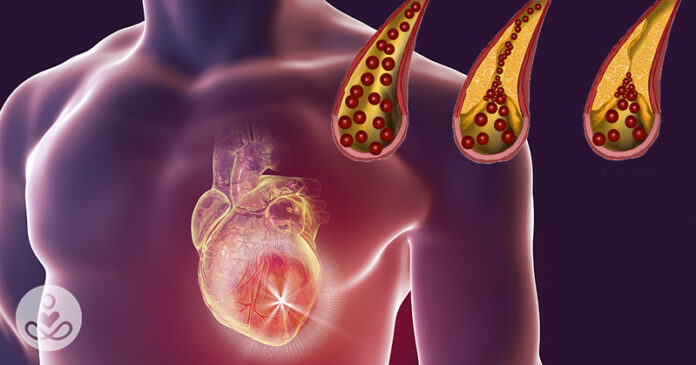
Heart surgeon warns everyone about this food that ‘destroys your heart’ daily

Processed red meat products such as ham, bacon, corned beef, and some sausages like salami, chorizo and hot dogs, belong to the group of foods often blamed for heart disease alongside saturated fat and excess salt. But are these foods the only ones that affect people’s heart health? The answer is no, according to heart surgeon Dr Philip Ovadia.

According to official mortality data released by the Centers for Disease Control and Prevention (CDC) via the National Center for Health Statistics, diseases of the heart remained the leading cause of death in the United States in 2024. This accounted for approximately 22.2% of all total deaths nationwide in 2024, maintaining its long-standing position above cancer (which claimed 619,876 lives).

Whereas genetics establish the baseline risk and physical activity helps maintain cardiovascular function, recent clinical evidence suggests that dietary patterns play a central role in addressing the growing burden of cardiovascular disease. Contemporary guidelines on cardiovascular health have shifted away from focusing on individual nutrients toward promoting overall dietary patterns such as the Mediterranean and DASH diets, which emphasize whole grains, fruits, vegetables, lean proteins, and healthy fats in relation to key risk factors such as hypertension and dyslipidemia.

Dr Philip Ovadia/ YouTube

The importance of diet-based interventions is further underscored by CDC statistics indicating that approximately two-thirds of American adults have at least one modifiable cardiovascular risk factor.

Dr Philip Ovadia now shifts the focus to refined carbohydrates and says they can quietly damage the heart over time.

“This food drives insulin resistance, triggers chronic inflammation, and is slowly destroying your heart,” Dr Ovadia said.

The doctor noted that eating refined carbohydrates can lead to arterial plaque buildup, which elevates the risk of a heart attack.

“It leads to exactly the inflammatory environment that turns into that soft, unstable plaque I see causing heart attacks every week in the operating room,” he explained.

Dr Ovadia warned that some foods advertised as healthy may still contain a lot of refined carbohydrates. “Even foods marketed as healthy, like low-fat granola, whole wheat bread, and rice cakes are loaded with these refined carbs,” he said.

He also advised people to limit foods such as bagels, flavored yogurts, fruit juice, instant oatmeal, breakfast cereals, crackers, and potato chips. Instead, he recommended a diet rich in vegetables, healthy fats, and protein.

Please SHARE this article with your family and friends on Facebook.

Bored Daddy

Love and Peace
arty

New Trump family photo draws attention online for one interesting detail

The more he tends to stay out of the public eye, the more the public is interested in the personal life of Barron Trump.

The youngest child of the business mogul doesn’t expose his private life and is rarely seen in public. What we know of him is that he’s currently attending a business school in New York.

Barron was born in 2006, the same year when Donald and Melania tied the knot. He grew up in the Trump Tower in Manhattan, where he is reported to have an entire floor for himself. Although he has lived surrounded by luxury, he never had a traditional nanny while growing up. Instead, Melania took all the care of him, and that included preparing him breakfast and lunch every day.

Back in the day when Barron was born, Donald Trump did something unconventional.

Just 20 minutes into the world, the former president alerted the media that he became a father for the fifth time.

PALM BEACH, FL – JANUARY 18: Viktor Knavs, Melania Trump, Barron Trump and Donald Trump are seen at the funeral of Melania’s mother Amalija Knavs on January 18, 2024 in Palm Beach, Florida. (Photo by MEGA/GC Images)

As reported by several newspapers, he called MSNBC’s long-running radio show “Imus in the Morning,” hosted by Don Imus, to reveal the great news.

“Everyone’s perfect,” Donald Trump, who was 59 at the time, told Imus.

“I continue to stay young, right? I produce children, I stay young,” while Melania’s website posted that the baby weighted in at 8 1/2 pounds and was 21 inches long.

Being significantly taller than the rest of his siblings, as well as his father, Barron’s height has caught the attention of many and each photo of him leaves people stunned over his appearance.

Photos of Barron were taken at his grandma’s funeral.

Melania’s mother, Amalija Knavs, died at 78 on January 10.

PALM BEACH, FL – JANUARY 18: Viktor Knavs, Melania Trump, Barron Trump and Donald Trump are seen at the funeral of Melania’s mother Amalija Knavs on January 18, 2024 in Palm Beach, Florida. (Photo by MEGA/GC Images)

The Former First Lady announced the news with sadness.

“Amalija Knavs was a strong woman who always carried herself with grace, warmth, and dignity,” the former First Lady said.

In the statement she released, Melania further wrote about her late mother that “[Amalija] was entirely devoted to her husband, daughters, grandson, and son-in-law.

“We will miss her beyond measure and continue to honor and love her legacy.”

The news of Amalija’s ill state came to light when Melania was missing from the Christmas family photo. Back then, Donald Trump explained that his wife was absent because she was caring for her mother whose health deteriorated.

Amalija Knavs and her husband, Viktor, became US citizens in 2018 after living in the US on green cards sponsored by their daughter. 

Joe Raedle/Getty Images

Melania’s parents have always been by her and her sister’s side. They have been very supportive and did all in their power to provide a good life for their daughters. Even when they were very young, Amalija and Viktor took Melania and her sister Ines to trips around Europe, including France, Germany, and Italy.

When Trump became the President, Melania gave speech in the White House Rose Garden in which she thanked her parents.

“My parents worked very hard to ensure our family could not only live and prosper in America but also contribute to a nation that allows for people to arrive with a dream and make it a reality,” she said. “I want to take the moment to thank my mother and father for all that they have done for our family. It is because of you that I am standing here today.”

Melania’s parents also played an important role in the life and upbringing of Barron Trump.

“Barron almost certainly speaks Slovenian with… Ines, his aunt, who also lives in New York.” author Bojan Pozar wrote in his book Melania Trump – The Inside Story: The Potential First Lady, released in 2016. “[Melania’s sister] Ines Knavs was the one who took care of all the paperwork at the Slovenia consulate in New York so that Barron could formally acquire Slovenian citizenship.” The same was true for Amalija and Viktor.

James Devaney/GC Images

At his campaign rally, Trump also took the time to mention his late mother-in-law and thank her for everything she had done for his son and his family.

“I want to thank her incredible, beautiful mother who passed away a few days ago,” he said. “And she’s up there, way up there. She’s looking down and she’s so proud of us,” he told the crowd.

“And I just want to say to Amalija, you are special, one of the most special people I’ve ever known,” he added.

Trump further added, “Great people, great parents to all of us, really. Great parents, but also to Barron. Boy, did she take care of Barron. That’s how he got so tall, he only ate her food.”

Trump then joked about his son’s height, saying it is pity he isn’t interested in basketball, but in soccer.

“I said you’re gonna be a basketball player. He said, ‘Well, I like soccer, Dad, actually.’ I thought… at your height, I like basketball better, but you can’t talk them into everything,” Trump added, saying that Barron was a “special boy.”

Getty Images North America/Chip Somodevilla

Barron is growing up so fast that some believe the photos of him are photoshoped.

“I thought this was Photoshop, what the hell?!” one person said, as reported by Yahoo. “Wasn’t that the little kid fighting to stay awake at Trump’s inauguration? That was…. 7 years ago. Oh.”

Several news outlets have reported that Barron stands at 6 feet 7. However, that is incorrect, according to Barron Trump’s father, Donald.

In fact, Donald revealed that Barron stands at 6 feet 8, as reported by the Mirror.

The most recent photos of Barron taken on the election day stunned the public even further because he seems like he has grown even more.

People were quick to comment on the photo of Barron voting for the first time for his dad.

“One way that it is definitely not 2016 all over again is that Barron Trump is like 7 feet tall now,” one person wrote. 

“Barron Trump may very well be just three normal height humans stacked on top of one another,” another added.

“[Six-foot-nine] Barron Trump, son of Donald Trump, may just get a call from the Washington Wizards one of these days,” shares one, referring to a draft by the NBA team.

“God d*** Barron Trump is like 7 feet tall; that boy gotta get off the stage and start HOOPING.”

Most recently, it was Ivanka Trump, Barron’s sister, who shared a family photo featuring herself, her husband, Jared Kushner, Donald Jr. and his fiancée Bettina Anderson, Tiffany and her husband Michael Boulos, as well as Barron smiling on the end, that caused a stir.

Instragram

Not only it was a rare public appearance but it also prompted an online discussion about Barron’s height… yet again!

Commenting on the photo, one social media user joked: “Barron is 12 foot tall.”

“Yo they don’t make XXXXXL ties,” another teased. “He’s so damn tall. Unreal!”

A third also jibed: “Baron is an absolute unit.”

Please SHARE this article with your family and friends on Facebook.

Bored Daddy

Love and Peace

arty

Look closely: There’s one unusual detail hidden in this scene

Are you in for another puzzle?

First impressions can be very deceiving as far as images go. A familiar setting, familiar objects, and the familiar surroundings may fool us into believing there is nothing special about what we see before us. As the brain works fast to interpret data, our perception of something is made within seconds, and we believe we understand everything. While the skill allows us to move through life efficiently, it has its drawback. We fail to notice small things right under our noses.

This is one of the reasons why visual puzzles and observation games have gained so much popularity on the Internet. Such puzzles test just how carefully people really observe and show how easy it is to trick the brain with assumptions. Often, the hidden object may not necessarily be hard to see once you know what you are looking for. The hard part is forcing yourself to slow down long enough to see it.

Picture an idyllic maternity room in the hospital. It looks very soothing and comfortable. A lady who just gave birth is seen lying down in bed, holding the baby close to her chest, and smiling sweetly while the doctor is standing beside her ensuring that she and the baby are in good health. The picture looks well arranged and neat with all medical instruments well kept and bright light shining on the walls.

In fact, most of those observing this picture will never even think that anything is not right here. Since everything looks so natural and realistic, the brain automatically accepts all the elements as true without any doubt. The focus of attention is always on the baby, the mother or the emotions displayed by her. There are only very few people who take a closer look at the background.

But there is one little detail in this picture which many people fail to notice at first glance.

At first glance, the clock appears perfectly normal. It hangs quietly in the background just like any ordinary hospital clock. But when you look more carefully, you realize that something is off. Instead of displaying the number “8,” the clock shows the letter “B.”

It is such a tiny detail that many people overlook it instantly.

Why our mind gets tricked?

Actually, there is a fascinating explanation behind it. The human mind has depends greatly on expectations. Whenever we encounter a clock, we subconsciously expect that the numbers would be correct on it. This is because the letter “B” bears some resemblance with the number “8” when seen for a brief moment. Simply put, humans do not really read all the numbers on the clock since the brain fills in the missing information automatically.

This is why many people look straight into the picture for a few seconds but see nothing strange about it. The brain favors quickness over accuracy in processing information. Instead of examining each small detail one by one, it makes shortcuts based on pattern recognition.

In psychology, this concept is known as inattentional blindness. It refers to the inability of people to notice something out of the ordinary due to the fact that their attention is concentrated somewhere else. Some very noticeable features can be overlooked if the brain assumes what should be seen.

The best illustration of this phenomenon is observed during psychological experiments in which people become so concentrated on one particular activity that they don’t notice anything else going on in front of their eyes. In one well-known study, people watching a group pass a basketball often failed to notice a person in a gorilla suit walking across the screen. Their attention was directed elsewhere, so the unexpected detail became practically invisible.

In fact, visual puzzles such as the clock puzzle operate in the same way as the optical illusions. They force people to go beyond their natural way of thinking and start paying attention to what they observe. In addition, while the puzzle might look very easy at the beginning, it teaches us a lot about human perception.

Finally, another reason why people love solving such puzzles so much is that they offer satisfaction after finding the concealed element. First, the viewer is puzzled because everything looks absolutely normal. However, after noticing the error, the whole picture changes entirely. Something that seemed invisible before becomes noticeable immediately.

These puzzles also serve as a good example of how strong the impact of our first impression is on our judgment. We tend to think that we have grasped everything that happened there at once but some very essential details can be easily overlooked because of our assumptions.

Observation tasks teach us patience and attentive analysis. We learn to slow down our thoughts and concentrate in order to process the information correctly and not make false conclusions based on our preconceptions. According to some scientists, such brain teasers can actually enhance our mental abilities.

Patience over brainpower

The most fascinating thing about this exercise is that just being intelligent is not enough for solving it. There are many intelligent individuals who fail to solve it because it requires not knowledge, but rather the ability to notice details. The one who carefully examines the picture will be able to see the answer very quickly as compared to those who act on intuition.

In conclusion, the hidden letter “B” in the clock face is a small mistake but a very important lesson. Our brains have the habit of making some assumptions to simplify our lives, but they do not always prove to be right. Sometimes, taking more time to examine something leads to seeing different things.

And that is exactly what makes puzzles like this so fascinating. They remind us that even in the most ordinary scenes, there may be something unexpected hiding in plain sight waiting for someone observant enough to notice it.

Please SHARE this article with your family and friends on Facebook.

Bored Daddy

Love and Peace
arty

Man asks elderly neighbor to watch his pets and receives an emotional surprise in return

For most people, the scariest part of getting old is being lonely. When we are young and caught up in the daily grind, it’s easy to overlook the fact that our elderly family and neighbours feel isolated. Truth is that when a person gets old and loses most of their friends, or they simply reach a point where physical limitations make it hard to leave the house and socialize, they can easily spend most of their time indoors and alone.

Sadly, loneliness does far more than just weigh heavily on a person’s emotional well-being. That constant feeling of disconnection leads to a condition of hyper-vigilance, flooding the system with stress hormones and driving up systemic inflammation. The result of such a biological wear-and-tear is toxic and causes immense damage to the person’s immune system and increases the chances of having a stroke, type 2 diabetes, and heart problems.

As reported in a study by the World Health Organization, the effects of loneliness are staggering—surpassing the dangers of obesity and matching the mortality risks of smoking 15 cigarettes a day—and are linked to an estimated 100 deaths every single hour globally.

So, being around people and nurturing social connections are some of the factors that contribute to a long and fulfilling life, and a post by a Redditor that goes by the name Dylan might be the perfect example of that.

Dylan started his post by explaining that he asked his elderly neighbor to look after his pets while he was on vacation for two weeks, not assuming the effects that simple request would have on the neighbour’s life.

In a letter Robert sent to Dylan, he wrote, “Good afternoon. This letter is regarding your vacation two weeks ago and how you let me babysit Smokey, Oreo, and Jennifer. I’d just like to give you a letter of thanks.”

While the letter didn’t mention what kind of animals Smokey, Oreo, and Jennifer are, Dylan later cleared it up: Smokey was a German shepherd, Jennifer was a grumpy little beagle, and Oreo was the cat.

I went on a vacation 2 weeks ago, and let my neighbor babysit my pets. Shortly after I got back home, I received this letter from him in the mail that made me smile and cry. I’d like to share it here.
by
u/SnooCupcakes8607 in
MadeMeSmile

Robert’s letter continued, “As you know, I’m an old man. You don’t see me outside often anymore, as these joints aren’t as lively as they used to be. To add to that, two years ago, in the midst of the pandemic, my dad got diagnosed with stage four colon cancer. After his death, I was left alone in my home. I don’t have a wife or kids. I could go to sleep one day and never wake up again. Every day is just sitting around and wondering what I have done for this world.

“Until I met Smokey, Oreo, and Jennifer.

“Your pets are the cutest, funniest, and most troublesome (In a good way, don’t worry, they didn’t mess up my house too much!) individuals. They gave me the motivation to restart my life again. I started waking up early in the mornings. I began to take walks outside with your pets for the first time in years. Every 10 minutes, whenever I felt sad for a second, they would bark or rub against my leg and make me laugh.

“The highlight of their stay was when I took them to the park. It was the longest time I’ve spend outside in a while. It didn’t just bring back pet interaction, I also met other people, started talking, and made friends with a handful of fellow human beings. I was so happy to finally be able to talk with friends again, interact with others, and feel like I’m part of the human race.

“I realize I sound very existential right now, but I’m telling the truth. It’s nice knowing that I’m doing something for someone, even if it’s my neighbor.

“I adopted two dogs soon after. (You may have been hearing noise from my home, pardon them!) I now take regular walks to the park with them and talk with friends I made there. Anyways, I’d just like to say: thank you so much. You brought back meaning to my life. And that’s all that matters.

“Sincerely,

“Robert (P.S. I think it’s time for you to mow the lawn, haha!)”

It didn’t really come as a surprise that Dylan’s post went viral, with many praising both him and Robert.

“Robert is a national treasure and I take anything less to be an insult!”

“I wouldn’t just mow my lawn, but Robert’s too. Forever.”

“Robert really is the good in all of us. He must be protected at all costs.”

A number of people shared their own experience of “fighting” loneliness by adopting a pet.

“My Grandma is 93 and losing her mobility. She loves cats but doesn’t think she can take care of one. Enter, Rent-a-Kitty! The neighbor’s cat! He comes over and they hang out and she’s tickled by his visits, but then he goes to his own house at night. It’s a pretty big win for her,” one Redditor wrote.

“I’m so glad no one can see me right now. Tears everywhere. I’ve been so worried that I will become that old man. This year has been such a low and trying to get out of it has been the worst. I can’t have dogs where I live but maybe a cat. I need to get my life in order and perhaps having a pet (or really anything more than a plant) will help get me there Thank you,” another person commented.

The pleasure pets give is immense, and it is scientifically proven that there are health benefits too because according to the American Heart Association, people who have pets live longer. Being around a dog makes you release feel good hormones such as oxytocin, serotonin, and dopamine which helps reduce stress levels and improve mood.

In addition to that, taking your dog for walks is an exercise routine all by itself. Plus, taking a dog out forces you to step outside and connect with the world; you naturally end up chatting with other pet owners or random neighbors, and those small daily interactions can completely turn someone’s day around.

Another advantage dog owners enjoy is their ability to bounce back from health scares. Research suggests that individuals who own a dog recover much faster from a heart attack or a stroke than those who do not have a dog as a companion.

Keep in mind that it is a good idea to go check on your older relatives and perhaps take your furry friends along with you. You truly never know what a little visit from a dog can do to their mood.

Please SHARE this article with your family and friends on Facebook.

Bored Daddy

Love and Peace
arty

I moved in with the perfect man at 51, but just over a week later, I found myself rushing back home

By age 51, I felt I had created a life that was completely my own. After having been divorced for five years, I had gotten used to living my life independently. I owned my own home, I owned my own vehicle, and I did things my way without having to ask for anyone else’s opinion. I was finally not changing myself to please anyone else anymore.

While I have never been one of those women with a cover-magazine body, I somehow learned how to love myself the way I was. Growing up, I was forced to see curve as something I needed to hide, and the insecurities only grew bigger when I married my now ex-husband, who’d always make comment about how I used to look fitter and better. At first, I didn’t pay much attention to his words, but over time, his criticism affected my self-confidence, although it was always more subtle than said with a raised voice.

When I think about it, I realize that I stayed in that marriage way longer than I should have. At the time, I tried to convince myself that he only meant well, and that I was overly sensitive. But then, I became aware that I started talking to myself the same way he did, and that’s when I left. When I divorced him, I didn’t feel liberated right away. No, at first, I felt like a failure and someone unable to keep a relationship healthy and going. Later on, it was as though I left a room that was suffocating me for too long.

I slowly rebuilt myself into someone who didn’t need permission to be comfortable in their own skin.

So, when my friends introduced me to Mike nine months ago, I was skeptical yet open-minded about dating again. He was a 63-year-old who used to serve in the military and was working as a security consultant. On our first date, he brought lilies because I once casually mentioned I preferred them over roses. That tiny detail made me think he truly listened.

For all the weeks after that, he was entirely consistent. He would pay for food without making it a big deal and he would open doors without making a fuss. He did not say anything about my physique or my age. Every time I tried to get my purse out to pay for something, he politely told me to leave it alone without making me feel bad.

Seven months later, he suggested living together. It wasn’t like he was rushing things or putting any sort of pressure on me. He just pointed out that we were always hanging around each other, so why not? It seemed natural. Initially, I was hesitant, stating that I cherished my independence and needed some personal space. His reaction to this was that he admired my individuality and did not intend to alter my nature. This, coupled with his understanding attitude, persuaded me to say yes.

However, I didn’t give up my apartment right away. Instead, I let him know that I needed some time to adjust, and he agreed without any argument, which felt reasonable, and even healthy.

The first night was warm and effortless. We made dinner, had some wine, and chatted like two people who were entirely at home in each other’s presence. I felt confident that I had made the right choice.

Then came the morning after that.

We had a bowl of cereal that had been prepared using water instead of milk for breakfast. When I questioned it, he explained casually that it was healthier and lower in calories. I thought it was funny initially and assumed it was a prank.

But it wasn’t a joke.

As days passed by, things started to change. His fridge started to run out of any food that he deemed “unhealthy.” The bread, cheese, butter, and snacks were all gone because after a particular age, these items were not suitable anymore. Every meal was carefully regulated with small amounts of protein and vegetables only. My plates were so small at times, that I was left feeling hungry. When I’d say I was hungry, he’d brush it off as unnecessary emotional eating that I needed to control.

By day three, he brought a scale in the bedroom and had me weigh myself. He then went on to explain what my idea weight should be based on some scientific facts he was throwing at me randomly.

I don’t know why, probably because I didn’t want to get into an argument with him, my I did step on that scale while something deep inside me tightened.

From there, weighing myself became a daily occurrence. He kept asking about what I was eating, monitored my diet, and started making comments about my physique like a work-in-progress project. From there, more rules came into place. Some food items were completely prohibited. Even how I behaved at the dining table became monitored and corrected.

The breaking point was when I walked into the kitchen and found my meal set out precisely and in an exact portion size, with instructions not to eat anything extra. It wasn’t advice. It was like a manual telling me how to live my life.

That’s when I stood my ground.

I told him I didn’t like the idea of being controlled because I was an adult and didn’t need someone telling me what to eat or what to do with my own body. He remained unfazed and unperturbed and simply claimed that it was for my own good and that I would appreciate what he was doing for me one day.

But I couldn’t overlook how suffocating it made me feel. It wasn’t love but manipulation under the guise of caring.

I told him that I had not joined his world because I felt incomplete. He assured me that all he was doing was helping me reach my fullest potential. Our discussion didn’t take long before escalating into something more intense. I told him that I felt like I was being observed, judged, and restricted by someone in what should have been my own space. He called me paranoid and said it was just “house rules.”

That was when I realized that there was no middle ground. He never considered my discomfort a valid issue. In the end, he laid down the ultimatum—either go along with his terms or get out.

At first, I thought about how I always used to back down before in my former marriage because I wanted to avoid conflict. However, for once, my instincts told me not to.

I left him then and there.

Without wasting any time, I rushed into the room and started packing my bags. He tried to hold me back as he said that we could resolve our differences and make it work. But I knew what this relationship was all about. Love? No way! It was control.

But once back at my apartment, it felt like a whole new world. The silence was no longer oppressive; it was soothing. I understood that I came very close to once again losing what I had fought so hard to gain. Sitting in front of my luggage on the floor, I cried not out of sadness but out of pure relief, perhaps even pride.

I saw the pattern for what it was; I chose me.

I made tea that night, added milk, and even had some cookies, all without giving a second thought to rules, calories, and consequences. For the first time in days, I truly relaxed in my body. I learned a very important lesson, that true caring does not entail controlling. True love is never going to ask you to become something else to prove yourself. And I promised myself I would never again mistake control for kindness, no matter how nicely it was presented.

Please SHARE this article with your family and friends on Facebook.

Bored Daddy

Love and Peace
arty

Opinion: Why Prince William needs to speak about his health

It’s safe to say that the British royals have been through a lot during the past couple of years, and somehow, Prince William has found himself in the middle of many of the family’s struggles. From Harry and Meghan’s decision to step away from royal life in Britain to Kate Middleton’s cancer diagnosis, as well as King Charles’ own diagnosis, William has had a lot on his plate. This has made the public concerned about his own well-being, especially after the future king was spotted with a beard, which was considered a major no-no during the reign of his grandmother, Queen Elizabeth.

William’s new “looks” made people talk, and many started speculating that there was something wrong with his health. The Palace hasn’t addressed those rumors, which have been widely reported by major media outlets.

While the royals have all the right to protect their privacy, being public figures, they probably should be more outspoken about their lives. At least the public would appreciate that.

Getty Images

Just how protective the royals are of their privacy is evident from the fact that they have never issued any official statement regarding the accusations made against them by Prince Harry and his wife.

Even though they’ve been put on the spot about Prince Harry more times than anyone can count, Prince William and the rest of the royals have stuck to a strict script of total silence. They just refuse to bite or share how they really feel. That said, you’d be hard-pressed to find anyone who doesn’t think Harry’s public jabs and accusations didn’t cut incredibly deep behind closed doors.

Keeping out of the controversy is textbook Royal Family behavior. It’s all about “no complaints, no explanations” – keeping things behind closed doors. While it totally makes sense for them to want to maintain their privacy, many people are now beginning to question whether such tactics are even effective anymore. If the monarchy wants to be relevant moving forward, it seems like it’s time for them to put down the walls and allow themselves to become a little more open.

This is where Prince William enters the conversation, and the speculation surrounding his health last fall could have been the ideal moment for him to begin changing the way the Royal Family communicates with the public, having in mind both he and Kate Middleton tend to modernize the monarchy in the years to come.

Christopher Furlong/Getty Images

Prince William’s first outing with a beard caused social media to go wild, but not only because of the new facial hair; many of the commenters also pointed out that he appeared much slimmer and seemed rather tired.

Let us make one thing clear—no one wants anyone to reveal their personal health issues to the entire world, especially since the prince is under such intense scrutiny. However, at the same time, there seems to be a widespread perception that William would benefit greatly from sitting down once in a while and giving a sincere interview about the pressures of being a royal and concerns surrounding his health.

It seems like total transparency isn’t just a nice idea for the Royal Family anymore but practically a survival tactic.

In this age, gossip regarding their marital status and private affairs may spread like wildfire within just a few minutes. The monarchy will appear much more contemporary and connected by taking action themselves and putting a stop to these rumors early on, preventing gossip-filled magazines and trolls on social media from dictating everything.

Of course, there is no doubt that these claims have severely damaged their reputation, however, the royal family’s traditional policy of keeping quiet has never worked properly before and has just allowed speculations to run wild. Prince William himself will have a lot to gain from adopting a slightly different strategy now. All he needs to do is say something and debunk all the rumors that might be spreading in a matter of hours.

LONDON, ENGLAND – NOVEMBER 21: Prince William, Prince of Wales and Catherine, Princess of Wales attend a ceremonial welcome for The President and the First Lady of the Republic of Korea at Horse Guards Parade on November 21, 2023 in London, England. King Charles is hosting Korean President Yoon Suk Yeol and his wife Kim Keon Hee on a state visit from November 21-23. It is the second incoming state visit hosted by the King during his reign. (Photo by Chris Jackson/Getty Images)

A new survey released by the National Centre for Social Research in April last year revealed that public support for the Royal Family had fallen to its lowest level in modern times. According to the findings, only 54% of people in Britain described the monarchy as “very” or “quite important” in late 2023. By comparison, that figure stood at 76% back in 2012.

Following the death of Queen Elizabeth II and the never-ending chaos of Harry and Meghan, it comes as no surprise that the British monarchy’s popularity is on a downslide. For the future of the family, however, all eyes are on Prince William and Kate Middleton because they have been tasked with the responsibility of making the British monarchy relevant and closer to the regular people.

Actually, even a very simple thing like William openly making jokes about the reasons behind his decision to grow a beard would go a long way toward ensuring that people can relate to him as a person. Trust in today’s day and age is fostered by honesty. Complete secrecy about absolutely everything seems rather undignified nowadays; it simply widens the gap between the royals and the public even more.

Please SHARE this article with your family and friends on Facebook.

Bored Daddy

Love and Peace
arty

Which glass has more water: Your answer reveals if you’re a giver or a taker

At first glance, this puzzle seems incredibly simple, just like most puzzles out there. There are four glasses labeled A, B, C, and D, all filled with water to nearly the exact same level. Inside each glass, however, sits a completely different everyday object. Your challenge is to decide which glass truly contains the most actual water.

Most of us give their answer right away, relying on our initial instincts. But after giving it some thought, we will soon discover that this is no game of guessing whatsoever.

It’s fun how puzzles like this one often lead to lively debates regarding personality and thought processes. Although the decision you make may have no scientific basis for defining who you are, it does have in describing how you think and how you interpret the things you see around you.

Looking closely at the glasses

Each glass contains a distinctly different object:

Glass A contains a paperclip

Glass B contains a baseball

Glass C contains an eraser

Glass D contains a wristwatch

Initially, most people concentrate solely on the apparent water level. Given that the four glasses seem to be equally filled to the brim, it becomes increasingly challenging to spot the critical clue in front of them.

The trick behind this puzzle is based on an elementary law of physics known as displacement.

When any object is submerged in water, it displaces water by occupying space. The larger the object, the more space it takes up inside the glass. Consequently, this means less water remains in that particular glass.

Therefore, even if two glasses appear to contain the same amount externally, the one with the smallest object actually contains the greatest amount of water.

The correct answer is Glass A.

The paper clip is undoubtedly the smallest object amongst all four objects. This explains why it causes the minimum amount of displacement of water. Since the paper clip takes up the minimum physical space in the glass, there would be enough space left for water to flow around the object to attain the high water level.

On the other hand, the baseball placed in Glass B takes up a large amount of space. There is not enough space left for the water to fill the gap. The rubber eraser and the metal wristwatch also displace significantly more water than the tiny paperclip.

This is why Glass A technically contains the most water, even though all the glasses may appear completely similar at first glance.

Why so many people get it wrong

The thing that makes this puzzle so fascinating is not the complexity of the science behind it. On the contrary, the idea itself is pretty straightforward when you take your time and think about it. The problem is purely perceptual in nature.

It is natural for the human mind to make fast and efficient visual judgments while navigating through life. Seeing four glasses with water filling them to the same level automatically implies equal amounts of liquid contained within each of the glasses. Most people concentrate on the level of water rather than the displacement caused by the objects hidden inside.

This is precisely the reason why riddles such as these are spreading fast online. It shows how intriguing the gap between perception and reality can be. At times, the tiniest detail makes all the difference.

What your choice might say about you

While there is only one answer that fits this riddle from a logical standpoint, it gets even more interesting when considering the various ways in which you might interpret your choice in terms of personality traits.

If you chose glass A

If your choice was the paper clip, then you likely have an amazing eye for details and find yourself preferring a more methodical thought process instead of jumping to conclusions. You may be one of those people who need to break down the situation before coming to an answer. In other words, instead of just looking at the surface level, you see past it and into the reasoning behind it all.

If you chose glass B

In case the baseball grabbed your interest, you tend to use intuition and instinctive judgments rather than over-analyses of your visual observations. You tend to act according to your instincts and have confidence in yourself while taking swift actions. You might not always consider all possibilities before acting and, therefore, fail to notice small details.

If you chose glass C

The choice of the eraser could point towards a balance between being a logical and creative thinker. This indicates that you have the capacity to think logically while also incorporating some form of imagination, and you normally weigh different options before coming up with a definite conclusion. Being a flexible thinker, you often adapt easily to new information and are perfectly willing to change your perspective if proven wrong. People like this are usually thoughtful and open-minded.

If you chose glass D

By choosing the watch, you are likely to have a greater attraction towards symbolism, emotion, and abstract reasoning. Instead of concentrating on the tangible dimensions or the objective facts and figures, your focus may naturally shift towards the significance, importance, and interpretation of things. You may place a higher importance on experiences and feelings compared to logical reasoning.

Why people love visual puzzles

Puzzles are extremely popular now due to their simplicity, interactivity, and the great pleasure people feel while solving them. Visual puzzles encourage people to engage immediately. Unlike complex equations and lengthy tests that require time and effort, puzzles take only seconds to understand, which makes them highly suitable for social media.

However, what makes them truly memorable has more to do with psychology than anything else. These visual puzzles remind people that our minds do not always interpret things accurately because they often work based on assumptions.

In everyday life, this happens more often than we realize:

  • People judge complex situations too quickly based on a headline.
  • They trust appearances without looking deeper into a person’s character.
  • They react emotionally before analyzing the actual facts.

Puzzles like this gently challenge those automatic cognitive habits and force us to pause.

The bigger lesson behind the puzzle

Ultimately, the most intriguing thing about this puzzle is not whether or not you were right in your initial attempt. Rather, it’s the reasoning process behind your conclusion.

Did you stop to think about what was going on?
Did you rely solely on your gut feeling?
Did you consider the objects’ function within the glasses?

The puzzle ultimately becomes a small reflection of how people approach problems in general. At times, the reality is not always immediately evident. At times, the solution lies in the minutiae that others overlook. And finally, at times, those who take enough time to observe become the ones who get to see the bigger picture.

So the next question is, “Did you choose glass A right away?”

Please SHARE this article with your family and friends on Facebook.

Bored Daddy

Love and Peace

arty

What would happen to Melania if case Trump dies in office

While the question of what would happen to Melania Trump if Donald Trump were to pass away while serving as president isn’t exactly dinner-table conversation, it does remain a topic of growing curiosity, especially since discussions about Trump’s age and health completely dominate today’s political headlines.

Donald Trump returned to the Oval Office for the second time at the age of 78 years and 220 days, making him the oldest president ever, as per Presidents USA. If he finishes his term, he will leave office at 82. That reality alone has a lot of Americans quietly wondering what actually happens if a sitting president dies in office—not just behind the scenes in Washington, but personally for his family.

However, while the Internet loves to speculate, the legal framework here is incredibly clear. The USA has constitutional laws, as well as federal laws and traditions that were designed just for such a scenario.

What would happen almost immediately is the shift of power. Under Section 1 of the 25th Amendment, should a president die, the vice-president automatically takes over. There’s no waiting period, special election, or debate. As detailed on Wikipedia’s Twenty-fifth Amendment page, this system was ratified in 1967 to fix major gaps in presidential succession, largely spurred by the chaos following John F. Kennedy’s assassination in 1963.

This means if Donald Trump were to die in office, Vice President JD Vance would immediately step up as President of the United States. He wouldn’t just be an “acting” president; constitutionally, the office belongs to him completely.

Then, the office of the vice presidency will remain unfilled until the new constitutional mechanism takes effect. The new president appoints an individual to fill this vacancy, but this appointment is subject to approval through majority votes in both the House of Representatives and the Senate. This situation has occurred a handful of times in recent history, such as when the vice president Spiro Agnew resigned in the 1970s, prompting the selection of Gerald Ford, who them became a president himself following Nixon’s resignation.

Of course, such transition would also lead to a generational shift as JD Vance, who was born in 1984, would be one of the youngest presidents in American history.

Within one day, the US would go from having one of its oldest-ever inaugurated presidents to one of its youngest leaders.

As expected, in case JD Vance takes the position of a president, it would be his wife Usha Vance who would become a first lady because it’s not an elected position; the title simply belongs to the spouse of the sitting president. What that would also mean is that Melania Trump would stop being First Lady that very same day.

But then comes another important question – What happens to Melania Trump next?

But even without her title, she would keep many perks and benefits. One such benefit is her personal protection. Under federal law, former presidents and spouses receive lifelong protection from the Secret Service unless they remarry. According to The Washington Post, President Obama signed a bill in 2012 which provided complete lifetime security protection for former commanders-in-chief and their family.

Because of this law, Melania Trump would continue to have full Secret Service protection for the rest of her life. Barron Trump would also keep his detail, provided he meets the legal age requirements set for presidential children.

Where Melania would choose to live is anyone’s guess, but most people assume she’d head back to Mar-a-Lago or the Trump family apartments in New York. Unlike the president, former first ladies don’t have any official public duties or mandatory residences to maintain.

WASHINGTON, DC – SEPTEMBER 03: First Lady Melania Trump attends an event to mark National Alcohol and Drug Addiction Recovery Month in the East Room of the White House on September 3, 2020 in Washington, DC. The First Lady hosted a round table event with people who are recovering from substance use and mental health issues. (Photo by Drew Angerer/Getty Images)

Regarding finances, most of Melania Trump’s life after her husband will depend on personal decisions made by the family and not governmental regulations. Donald Trump’s estate is tied up in complex inheritance laws and estate taxes, alongside whatever specific instructions he has laid out in his will and prenuptial agreements. Financial sources have valued Donald’s net worth into billions of dollars for several decades now, although pinpointing an accurate figure becomes difficult because his money is mostly invested in companies and properties.

True, there is a modest lifetime pension given to the surviving spouses of former presidents, but that amount is a drop in the bucket compared to Trump’s personal fortune. The real financial picture is locked away in private legal documents that the public simply won’t ever see.

There is more to it than just money and documents because the death of a sitting president is an event of national response.

In case a sitting president passes away in office, there is a well-defined mourning process that takes place according to the established protocols and traditions developed over many years. These arrangements aren’t thrown together at the last minute. In fact, every administration starts planning for them early on, working directly with the Military District of Washington to coordinate the logistics.

Typically, a president who dies while serving in office is honored with a formal state funeral. These ceremonies usually follow a traditional sequence, beginning with a lying-in-repose ceremony at the White House, followed by a lying-in-state ceremony at the US Capitol Rotunda, and ending with a national funeral service at the Washington National Cathedral.

REUTERS

According to long-held custom in the United States, national flags across the country are flown at half-staff for 30 days following the death of a President.

Melania Trump, who would then be the widow of the President, would undoubtedly take a central role in these solemn proceedings. As such, she would participate in the traditional events alongside other close relatives of the deceased President.

These recent ceremonies follow the established protocol of previous state funerals, such as those of former presidents like John F. Kennedy, Ronald Reagan, and George H. W. Bush. This was recently observed in the state funeral of Jimmy Carter, which witnessed the gathering of many dignitaries for the ceremony in Georgia and Washington.

It might seem far-fetched now, but this is a scenario the nation has experienced before on several occasions. Eight American presidents have died while serving in office, including leaders such as Abraham Lincoln, Franklin D. Roosevelt, and John F. Kennedy. Every one of those moments reshaped how America handles succession and emergency protocols.

The reality is that these concerns largely stem from the ongoing debate surrounding age and health in American politics. From the moment President Trump returned to office for a second term, his age became one of the most frequently discussed topics in both news coverage and public opinion polls. Surveys have repeatedly shown that many Americans are increasingly concerned about the physical demands placed on aging political leaders, particularly in the years following the 2016 election.

PALM BEACH, FLORIDA – DECEMBER 31: Former U.S. President Donald Trump and former first lady Melania Trump arrive for a New Years event at his Mar-a-Lago home on December 31, 2022 in Palm Beach, Florida. Trump continues to run for a second term as the President of the United States. (Photo by Joe Raedle/Getty Images)

However, on the other hand, the White House and President Trump have always argued that he is in excellent health and fit for the job. After an extensive physical checkup at the Walter Reed National Military Medical Center, his physician issued a press release declaring him to be in excellent health, mentally sound, and fit to serve.

In essence, the United States Constitution is structured in such a way that the nation will not panic in case of any emergency. The line of succession for the presidency is always in place.

The funeral services, the transfer of executive power, and the White House transition would all follow a playbook that has been refined over two centuries of American history.

No one wants to see these emergency plans put to use. But the whole reason they exist is because history proves the country always needs to be ready for the unexpected.

Please SHARE this article with your family and friends on Facebook.

Bored Daddy

Love and Peace

arty

The surprising truth about eating eggs every day

When it comes to eggs, it’s safe to say they are one of the foods surrounded by much controversy. The reason is that, over the years, experts first condemned their consumption as a cause of high blood cholesterol, and then, years later, they were classified as a superfood. This is why many people wonder what the truth about eggs really is, and whether they can eat them without guilt or worry about their health.

The egg debate has been around for quite some time. Despite their “bad” reputation in the past, today the story surrounding eggs has changed as a number of research revealed that for most people who are not suffering from any conditions, eggs don’t impose risk for heart disease. In fact, studies suggest that heart disease is mostly influenced by the consumption of trans fats, too much sugar, and processed carbs.

The HeartUK states that cholesterol “is a type of blood fat which is made in the liver. It’s found in some foods too. It plays vital roles in how your body works, and it’s especially important in your brain, nerves and skin.”

Around 80% of it is produced by your body and the rest comes from the food you eat.

According to the Cleveland Clinic, “too much cholesterol in your blood can be dangerous for you.” There are two types of cholesterol, HDL cholesterol, or the “good” cholesterol that experts believe can help protect your arteries, and LDL cholesterol, or the “bad” cholesterol that can make a sticky substance called plaque build up in your arteries. In general, cholesterol is essential for cell membranes, hormones, and vitamin D production, and research shows that our bodies adjust to the cholesterol we eat by producing less on their own.

While eggs are high in cholesterol, they are low in saturated fat, which, like trans fats, can raise LDL cholesterol.

This superfood is rightly referred to as the “eggcellent” source of nutrition since it provides an ideal combination of nutrients. The primary reason behind this is the availability of excellent quality protein in the egg that has all the necessary nine amino acids, making it quite effective when it comes to muscle recovery post a strenuous activity or just an entire day at work. Previously, the fat content of eggs was considered problematic, but in reality, eggs contain heart-friendly monounsaturated fats and inflammation-reducing omega-3 fatty acids in abundance. Apart from these macronutrients, an egg also supplies an overwhelming list of vitamins and minerals, such as vitamin A and E, which help boost immunity and keep your skin healthy.

They are also rich in selenium and phosphorus, which keep your thyroid and metabolism running smoothly. What truly sets eggs apart, however, is their high concentration of choline. This vital, often overlooked nutrient serves as a building block for acetylcholine—a key neurotransmitter that directly regulates memory, mood, and focus. By fueling both your body and your brain, eggs provide a simple, complete way to sustain long-term physical health and sharp cognitive function.

Consuming an egg or two per day can:

  • Help build and maintain muscles
  • Boost brain power
  • Keep your eyes healthy
  • Keep you full longer and help with weight management
  • Support your heart and immune system

Eggs can be consumed in a number of ways. Scrambled, boiled, as omelets, sunny-side-up, in salads, in baking to add some extra protein, you name it.

If you can, go for pasture-raised eggs since they usually have more omega-3s and vitamins than the regular kind.

Eggs are safe, healthy, and super easy to cook. They give you protein, good fats, and essential nutrients — all in a few bites. So next time you’re deciding on breakfast, don’t overthink it: crack an egg and enjoy.

The difference between eating eggs in the morning and eating eggs in the evening

People do not often pay attention to when they consume eggs; however, there is ongoing discussion about how eating them at different times may affect health. Eggs are a rich source of nutrients regardless of whether you scramble them in the morning or cook an omelet for dinner. However, consuming eggs at different times of the day may offer different benefits depending on your body’s needs.

Eating eggs for breakfast is common because the body requires energy after several hours of sleep. Eggs contain high-quality protein that helps support metabolism and keeps you feeling full for longer periods. Due to their filling nature, people may also be less likely to snack excessively before lunchtime after eating eggs in the morning.

Eggs also provide generous amounts of choline, which is not one of the most well-known nutrients, yet it plays a key role in promoting brain health. Choline contributes to memory, focus, and overall cognitive function. Therefore, consuming eggs for breakfast could be highly beneficial for students, professionals, or anyone who wants enough energy and mental focus throughout the day.

From another perspective, eating eggs for dinner might bring certain advantages. In particular, some nutritionists suggest that eggs promote relaxation due to their contribution to the body’s production of melatonin, which is responsible for sleep cycles. Therefore, preparing eggs for dinner could help a person relax and feel sleepy at night. At the same time, it is recommended not to eat a large meal before going to bed, as this might cause discomfort.

Another benefit of eating eggs in the evening is their ability to support muscle recovery. They provide complete protein, which helps muscles repair themselves after physical activity throughout the day. Because of this, having eggs for dinner after a workout may be beneficial for athletes and active individuals.

Apart from protein, eggs also contain vitamin D and vitamin B12, which are important for tissue repair and recovery. Since the body performs much of its recovery and restoration during sleep, it makes sense to provide it with the necessary nutrients during dinner time.

From a broader perspective, there is no single perfect time to eat eggs. Having them in the morning may help boost energy, improve concentration, and keep you full throughout the day, while eggs eaten in the evening may support muscle recovery and relaxation. Ultimately, the best time to consume them depends on your lifestyle, needs, and personal preferences.

Please SHARE this article with your family and friends on Facebook.

Bored Daddy

Love and Peace

arty

My fiancé told me not to call him my future husband – Two days later, he froze by what was waiting on his chair

The moment my fiancé told me to stop calling him my future husband, something inside me just shut off. Around us, the dinner was as normal as it could be, with my future mother-in-law’s loud laughter echoing in the dinner hall as shattered glass. Inside of me, however, something trusting stopped breathing.

It all started with an innocent comment about how my future husband hated olives as I moved them from his plate.

Adrien’s comment shocked me. His fingers touched lightly against the stem of his glass before he turned to me with that air of elegance with which he tried to be both irresistible and untouchable and said not to call him my future husband. Not yet. His voice was so soft that it made the words he uttered feel even more chilling than they were.

His sister, Camille, smiled, trying to tell me that I got what I deserved by calling my fiancé my future husband, while his mother, Vivienne, kept staring at my engagement ring, as though she tried to send a message that I wasn’t worth wearing, even regretting to allow me to wear it in the first place.

Once again, Adrien reminded me in front of everyone there that were just just engaged, not married yet, so there was no need I mention the word “husband.” And yes, he said it made him feel as though I was trying to make things permanent too soon.

Vivienne added that men needed room to breathe, while Camille joked that it must feel especially difficult when someone married “above themselves.” The comment was wrapped in a smile sharp enough to cut skin.

Heat rose in my throat, but my years of experience in corporate boardrooms had taught me how to be stoic when underestimated by others. So, I sat quietly with my hands folded in my lap.

Adrian put his hand on my wrist, the same gesture one would make to soothe an upset child, and reminded me that he loved me.

The memory of those words remained with me even after we left the dinner table.

He loved me for securing the bridge loan when his company faced bankruptcy, thanks to my father’s venture capital firm. He loved me because of the introductions I made to the people he could never meet otherwise. And yes, Adrien seemed to only love me when my name benefited him.

That night, Adrian was sleeping soundly in my penthouse, but I was sitting alone in my office where I opened all those files which were related to our wedding. Guest lists, vendor contracts, hotel reservations, security clearances, private events for his family and investors.

And you know what? I removed my name from each and every one of those arrangements.

After that, I made a series of calls before sunrise, and by the morning, the marriage Adrian has pictured in his mind no longer existed.

Two days later, he still thought I was just angry.

He sent me flowers along with a message to “be reasonable.”

Next, he texted me. He told me not to humiliate him. It seems his mother thought I owed Camille an apology. We had to have lunch on Friday since appearances were important.

Our lunch date was arranged at Bellamy House, a private club with plush furnishings, oil paintings, and rich people who did not gossip but remembered everyone’s sins. Adrian had extended invitations to relatives, investors, friends, and even a magazine editor, who would write about our marriage in their society section.

What Adrian did not realize was that Bellamy House held many connections with my family. My grandmother had played a significant role in its founding years ago, and there was a painting of her hanging in the garden room.

No one recognized Adrien as someone of high importance, but they did recognize me.

That Friday, I put on a careful dress of ivory silk.

Noelle, my assistant, brought me a folder full of confirmations. All the wedding money deposits were tied to my bank accounts. All contracts were authorized by me. If I ever pulled back the consent, Adrian would lose everything.

That wasn’t all.

His business loan was declared defaulted after an investigation into his false financial statements and exaggerated contracts revealed that one of his clients had never even signed and another one had withdrawn months ago. One contract had falsely used my father’s firm as leverage.

Suddenly Adrian’s desperation made perfect sense. He didn’t want marriage because he loved me. He wanted security before his empire collapsed.

Meanwhile, at Bellamy House, the staff worked silently all around me as things got ready. The seating cards vanished. The reservations were altered. The menus were changed.

On Adrian’s chair, I left a cream-colored envelope sealed with black wax.

It contained four things: an official termination of our engagement, paperwork that canceled all wedding preparations related to my name, the foreclosure notice on Adrian’s business loan, and a photo.

The photo featured Adrian kissing Camille’s best friend Tessa in front of the hotel lift.

I got this photo anonymously several weeks ago, but dismissed it then since love has a peculiar tendency of blinding people to facts.

When the guests arrived, the ball was well underway.

Vivienne glided into the room surrounded by pearls and arrogance, demanding to know why I was the one sitting at the main table instead of her son.

The staff answered politely but firmly.

Not today.

Camille initially chuckled, obviously believing it was some kind of mistake. However, the atmosphere changed as soon as Adrian stepped foot through the door and noticed me sitting beneath my grandmother’s portrait.

And then he saw what lay on the chair.

His confidence instantly vanished.

Adrian crept up slowly, examining the envelope as though it might blow up any second. After all, men like him hated the idea of paper more than anything else since there would be proof.

He wanted to know if I was creating a scene.

I replied that scenes didn’t mean anything if the audience wasn’t worth being entertained.

Camille grabbed the envelope first, scanning the contents before her expression completely drained of color. Adrian snatched the papers away and quickly realized what had happened. The engagement was over.

As Adrian arrived at the photograph, an uncomfortable silence fell over the whole table. Tessa appeared terrified. Vivienne wanted some answers. Another investor pulled back from the table in disgust.

But Adrian sought to reclaim control by pointing out that many couples survived such a slip-up.

I reminded him businesses usually didn’t.

That is when real panic showed up on his face.

I calmly told him that his loan was now in default, his board had been notified, and his finances were being investigated by his financial auditors because the contracts he had for investments had now been rendered useless.

Adrian had never looked scared until that day.

Vivienne tried to strike back, but I hinted at some jewelry purchases that seemed to be linked to company money.

Unsplash

Then the phones on the table started ringing at once.

The announcement about our break-up was already out there for everyone to know.

Not the compromising picture.

Not just yet.

Just our classy break-up – enough to have everyone wondering what else I did not leak out there.

Adrian lowered his tone and requested that we take care of matters privately.

Yet privacy was never of any importance to him, especially when it came to humiliating me in public over an innocent comment during dinner.

I reminded him in a gentle tone that all I did was follow his instructions.

He had instructed me not to refer to him as my future husband.

And I followed.

I removed the engagement ring from my finger and left it gently on his untouched plate.

It took no time for the aftermath to follow.

Adrian was asked to step down by his board within hours, and financial auditors were quick to investigate him. Vivienne started selling her jewelry to pay off her debts, and Camille’s party planning business was dead in the water when her insulting messages about her clients ended up on social media.

Six months passed before I bought the garden room at Bellamy House and renamed it after my grandmother.

Opening night was filled with flickering candles and soft music. Instead of wearing the traditional wedding dress, I wore black silk and felt like myself for once without any expectations from anyone else.

Nobody mentioned Adrian that night.

But somewhere out there, I knew he was still trying to explain himself to people who no longer believed anything he said.

And when someone called my name across the room, I turned toward them feeling whole again — not because someone chose me, but because I had finally chosen myself.

Please SHARE this article with your family and friends on Facebook.

Bored Daddy

Love and Peace
arty

My daughter’s teacher called about something hidden in her locker — and it changed everything I thought I knew.

I thought I knew everything about my daughter’s world. Even after losing her, I believed I truly understood who she was. I was completely wrong, and I only figured that out because of a phone call I almost ignored.

Death of a child changes everything. When Lily passed away at age thirteen, it seemed that the world was suddenly divided into two pieces — the “before,” when there was still hope, and the “after.” Nothing seemed normal anymore. The flat became silent, and each and every room made me realize she was no longer around.

I could not bear to touch anything in her room. The grey hoodie was hung up on the back of her chair, while the pink sneakers lay on the floor, just the way she had left them before leaving the room. Some part of me still expected her to burst through the door with another one of her melodramatic stories or an apology, but she never did.

Following her passing, I stopped answering my phone, lost track of time, and spent all of my time indoors, while the rest of the world was proceeding normally.

One day, a Tuesday morning to be precise, the middle school of Lily called me.

At first, I thought that there was no need to pick up since it was just a phone call. However, when I saw who was calling, I instantly panicked, and answered the call. Lily’s English teacher, Ms. Holloway, informed me that she had found something that belonged to Lily in her locker with my name on it.

As soon as I entered, I could feel the tension in the air. The hallways were absolutely quiet, and Ms. Holloway, as well as the school counselor, were on the verge of crying. Ms. Holloway gave me an envelope that had the phrase “FOR MOMMY” in Lily’s writing on the front.

The note said that Lily had fulfilled her secret promise out of love for me. She also left the address of the storage unit and a tiny silver key along with the note.

I was completely perplexed.

I rushed directly to the storage unit. It was such a nondescript building that I had seen it many times before but never really paid any attention to it. I opened the storage unit with the key and pushed the metal door open to reveal whatever I found inside.

Instead of school projects, which I assumed I’d find, the room was filled with perfectly stacked boxes.

Each and every box was labeled with my name.

My knees almost gave out.

The first box contained hundreds of letters written by hand. Each letter came with special instructions scribbled on its envelope, ranging from letters to be sent on my birthdays to ones that should come to me during bad mornings, lonely nights, and days when I missed her so much that I could not function. Lily somehow had predicted the exact feelings that I was going to experience at some point.

Pexels

Above the letters sat a tiny voice recorder.

When I hit the play button and her voice came through, I totally freaked out. It was just too much, after days of nothing but silence. Her message went on to say that, if I was hearing her now, it means she did not have the time she had hoped for.

There I was, sitting in that filthy concrete floor, sobbing more than I had since the funeral.

In the end, I knew I could not do it alone, so I called my sister, Judy, who came right over and froze when she walked into the unit and saw all the boxes.

Together, we began carefully going through them.

The second box was filled with timetables, meal suggestions, and notes reminding me to get enough sleep, along with others urging me to look after myself. Lily had planned everything in minute detail to ensure that I kept going after she was gone.

The third box contained a list of individuals she felt were necessary to have in my life. These included my neighbors, her friends’ parents, teachers, and even the school counselor. She listed down their importance and the exact time when I should contact them.

It became painfully clear that Lily had prepared herself for months before the possibility of her not living any longer came true.

One of the hardest boxes to unpack was marked “Memories You’ll Forget First.”

In there were pictures of events that happened in my life that I didn’t remember happen. Simple, normal moments that I had long since forgotten, like burnt pancakes, movie nights, and messy art projects. Just little happy moments that didn’t seem important enough at the time.

Almost every picture had a little note attached that told the story of the memory associated with the image. It dawned on me how badly Lily had wanted to keep our history safe from ever being lost.

And then we began unpacking the box labeled “The Hard Truth.”

Inside was Lily’s diary.

She spoke about her experiences at the doctor’s office and her attempts to conceal her fear.

Lily described watching the panic I was constantly trying to hide from her. She knew long before I ever admitted it to myself that I was terrified of losing her. In so many ways, she was much stronger than I was.

At that point, I finally stopped trying to hold it together. For weeks, I had forced myself to stay numb because I thought falling apart would make everything worse. But sitting there, surrounded by all the love and preparation Lily had left behind, I completely broke down.

Judy stayed right by my side through all of it.

Finally, a realization dawned on me. It occurred to me that I had never told Judy about the address for the storage space. After asking her about it, Judy revealed that Lily had involved her in the plan many months ago.

According to Judy, Lily came to see her almost six months before her death. With the help of the savings from babysitting jobs, birthday cards, and allowances, Lily rented the storage unit, while Judy had paid for the rest. Lily had begged Judy to keep this from me, as she realized that I would not have been able to cope with this situation mentally.

There was one more box that was kept slightly apart from the others.

All that was inside was a flash drive with the label “LAST ONE.”

Judy got out her laptop into the car where we watched the video recording together.

As soon as Lily appeared on the screen and sat down on her bed, the breath froze in my chest. How calmly she spoke directly to me, as though she was aware from the start of what kind of reaction I would have after her death.

She knew very well how I would cut off all communication with everyone, stop responding to any messages, and just keep on living through each day.

However, she didn’t record that video just to cheer me up. She gave me a task.

Namely, there were always children sitting alone in the school library, silent children whom no one saw. Lily wanted me to return to the school and do something for somebody.

Most importantly, to live and not to drown in grief.

The following morning, for the first time in several weeks, I got out of bed for a reason. One of Lily’s letters was waiting for me on my nightstand, especially designed for mornings when I couldn’t muster the energy to leave bed. Reading it provided me with the necessary motivation to keep going.

In the afternoon, I returned to Lily’s school.

There were children reading books or doing their homework in the library as usual. Then I saw a girl sitting by herself in the corner wearing a gray hooded sweatshirt that looked remarkably similar to Lily’s.

She appeared to be totally closed off, just as Lily had mentioned in the video.

For a split second, the pain took hold of me, and I nearly left the room.

Instead, I approached her and sat down beside her.

For the first time since Lily died, I realized something beautiful: she hadn’t spent her final months preparing me for her death.

She had spent them preparing me to survive it.

And somehow, knowing that made moving forward feel possible again.

Please SHARE this article with your family and friends on Facebook.

Bored Daddy

Love and Peace

arty

How much money did the store lose?

So, how much money did the store actually lose?

Give this some thought for a minute. Most people miss the boat completely on this puzzle because they try to treat the robbery and the shopping incident as two entirely different scenarios, when in reality all that needs to be done is follow the path of the money!

The real answer? The store lost exactly $100.

This is one of the simplest ways of looking at it if broken down into simple steps:

In the beginning, the store has both all of its stock and its money. Then comes the customer who steals $100 from the till. What has happened? The store has now been robbed of $100.

But that’s where everybody begins thinking too much about the problem.

Eventually, the criminal returns and spends that very same stolen hundred-dollar bill to buy seventy dollars’ worth of goods. Many individuals tend to think that the retailer has lost both the stolen cash and merchandise, but the accounting doesn’t work that way. Why? Since the stolen hundred-dollar bill is returned back to the cash register when the sale takes place. The retailer literally recovers its money.

Let us try to understand that in more detail:

Step 1: The Theft

The thief steals $100.

Damage: The loss on the part of the shop is $100. Simple enough.

Step 2: The Transaction

The thief comes back into the store and makes a purchase worth $70 using the exact same stolen money. The clerk unknowingly accepts it.

Once the deal is done, that $100 bill is back in the drawer, meaning the original cash is no longer missing. However, the store just handed the thief:

$70 worth of items

And $30 worth of cash.

Thus, the thief got $70 worth of goods and $30 in cash, totaling up to $100.

So, what did the store actually lose in the end? $70 in inventory plus $30 in change. Total loss: $100.

There is no loss of $200 in this case because you cannot count the same hundred dollar bill twice. Nor is there a loss of $170, because the stolen $100 was added back to the register. In the end, the only thing that has been lost is the merchandise plus the change, which comes to a total of precisely $100.

The problem lies not in calculating but rather in comprehending how the trick works. Our minds tend to consider the theft and the purchase completely separately despite the fact that they deal with exactly the same hundred dollar bill. The mind perceives “theft of money” along with “purchase of items,” and instantly comes up with an answer by adding both values together.

That’s why so many people confidently guess wrong on their first try. It’s a logic puzzle, not an arithmetic problem. People get tripped up by the idea of a crime and accidentally count the money twice, which is why online debates about this riddle get surprisingly intense. Even after hearing the fix, some people still fight it because the wording tricks them into thinking it’s more complicated than it is.

Look at it this way: if the thief had just walked in and magically left with $70 worth of stuff and $30 in cash, you’d instantly say the store lost $100. The whole “$100 bill” loop is just noise because it ended up right back where it started.

Once people see that, it clicks. Usually, that’s when they either laugh it off or get annoyed they didn’t catch it sooner. Riddles like this are great because they test your reasoning, not your math skills. You don’t need a calculator; you just have to look at the bottom line.

And no matter how you slice it, the bottom line is always the same: the store lost exactly $100.

Did you get it right on your first try?

Please SHARE this article with your family and friends on Facebook.

Bored Daddy

Love and Peace

arty

My son has been experiencing this for two months — and it’s getting worse

Urticaria is a skin condition that affects 1 in 5 people at certain period of their life. It causes intensely itchy, raised patches on the skin known as weals (or hives) that can be round or ring shaped and may join together.

They often appear after scratching and may affect the skin on every part of the body.

It is caused when histamine and other chemical mediators are released into the bloodstream by certain body cells known as mast cells. The welts are the result of fluid leaking from the skin’s capillaries.

While the hives usually disappear within 24 hours, the condition itself may take longer to treat.

Urticaria is often accompanied with swelling under the skin known as angio-oedema. This usually affects the soft parts of the body like the lips, eyelids, or inside the mouth.

Unlike hives, these swellings take longer to disappear and are more painful than itchy.

If angio-oedema appears without weals, it could be a hereditary condition called hereditary angio-oedema. In cases like this, it is not connected to urticaria and requires different treatment and blood tests for diagnosis.

Shutterstock

Depending on how long it lasts, urticaria can be categorized into:

Acute urticaria

The most common type of hives is acute urticaria, which refers to a sudden onset of symptoms that generally disappears within six weeks. In almost all instances, the cause of acute urticaria can be pinpointed. Acute urticaria is caused by an allergic reaction or sensitivity that leads to histamines being released into the skin, dilating the blood vessels and causing fluid leakage.

Some of the common triggers include the following:

Allergic Reactions: Bad reaction to any particular food like peanuts, shellfish, eggs, or milk, as well as to insect stings, or even allergies to some substances such as latex.

Medications: Non-steroidal anti-inflammatory drugs (NSAIDs), aspirin, and particular antibiotics, such as penicillin, are common culprits.

Infection: Viral infection like the common cold, hepatitis, or mononucleosis, which is very common in children, or even bacterial infection.

Environmental Factors: Exposure to heat, cold, or emotional stress.

Symptoms usually peak quickly and fade within a few days or weeks, responding well to oral antihistamines.

Chronic urticaria

The chronic form of urticaria is characterized by repeated outbreaks of wheals and hives on a frequent basis, usually on a daily basis, for more than six weeks. In contrast to acute urticaria, it is particularly challenging to identify the precise trigger for chronic urticaria, which is unknown in as many as 80% to 90% of cases.

Key characteristics and underlying mechanisms include:

Autoimmune Connection: It is estimated that in approximately half of the cases, the body’s own immune system attacks the body’s tissues. Elevated levels of autoantibodies bind to IgE receptors on the mast cells resulting in histamine secretion.

Underlying Conditions: There are times when chronic hives result from a systemic condition in the body. Some examples include hypothyroidism, lupus, and rheumatoid diseases.

Quality of Life Implications: Since individual lesions resolve themselves within a span of 24 hours but new lesions keep cropping up somewhere else, this disorder may lead to sleep disturbances and emotional turmoil. Therapy for this disorder entails aggressive treatment options such as high doses of antihistamines, biologics (such as omalizumab), or immunosuppressives.

Physical Urticaria

Physical urticaria, which may also be known as inducible urticaria, represents a special type of hives in which the formation of lesions on the skin results from exposure to a particular external agent, not any internal factors. The hives occur promptly, within a minute or two after being triggered and are restricted to the part of the skin contacted.

Some of the most frequent triggers are:

Dermographism (Skin Writing): Raised, itchy hives resulting from the physical stimulation of the skin through friction, scratching, or pressing hard on the skin surface. Any light scratching may leave itchy, elevated marks on the skin.

Cold Urticaria: This occurs due to sudden contact with cold air, cold water, or ice. If the whole body is immersed in cold water, it might turn life-threatening by causing a generalized release of histamine.

Cholinergic Urticaria (Heat/Urine): Caused by an increase in body heat. It may occur during exercise, bathing in hot water, eating spicy foods, or intense mental stress.

Solar Urticaria: A unique type that is caused by contact with ultraviolet (UV) rays or natural sunlight.

Delayed Pressure Urticaria: Results from prolonged and heavy pressure applied to the skin for hours—for instance, carrying heavy backpack straps, sitting in an uncomfortable position, or tightening one’s belt. This condition is different from other forms of physical urticaria because it takes up to 4–8 hours for symptoms to occur and feels deeper and more painful than itchy.

Though hives are generally harmless, there are times when waiting it out is not an option. If your hives are accompanied by breathing difficulties such as shortness of breath, swelling of the tongue or throat, dizziness, or chest tightness, immediate medical attention should be sought. These symptoms may indicate an anaphylactic reaction, which can be life-threatening.

To help identify possible triggers, your doctor may recommend keeping a symptom diary. While it may seem time-consuming, recording the foods you eat, medications you take, stress levels, daily activities, and the timing of outbreaks can help uncover patterns and possible causes behind the hives.

There are also certain lifestyle changes that may help reduce flare-ups. These include wearing loose-fitting clothing, using fragrance-free skincare products instead of harsh soaps, keeping the skin cool, and taking steps to manage stress. For itchy outbreaks, applying a cool compress may provide immediate relief.

Living with chronic hives can feel overwhelming, especially when the flare-ups keep returning, but many cases can be managed successfully once the right treatment plan is found and the person understands their triggers. It is important to consult a healthcare professional if symptoms become severe, frequent, or begin interfering with quality of life.

Please SHARE this article with your family and friends on Facebook.

Bored Daddy

Love and Peace

arty

On Mother’s Day, a little girl showed up with my son’s backpack — and a shocking secret

I lost my eight-year-old son, Randy, at school only one week before Mother’s Day.

I heard people saying that it was an unfortunate tragedy, and no one could have prevented it from happening. I tried accepting that since I knew it would be hard for me to move on if I had other thoughts in my mind.

There was one thing I could not understand.

That day Randy passed away, his bright red Spider-Man backpack was gone.

This may seem insignificant after losing your son, but you have to understand how important that backpack was to him. He took it wherever he went. He placed it near his bed before going on a field trip because he was scared that he might forget it the following morning.

And suddenly it was gone.

Ms. Bell, his teacher, stated that she never saw it once the ambulance left. “We made sure to look through all the classrooms and hallways,” the principal assured me.

The officer who had come to our home had always seemed awkward whenever I brought up this topic.

“Sometimes things can be misplaced when it comes to such incidents,” he had told me softly.

I recall looking at him from across the kitchen table.

“My son is gone because of what happened there, but the only item he had on him that day disappeared immediately after.”

He could not give me any response.

No one could.

And then Mother’s Day came, just like a sudden storm I wasn’t prepared for.

Each year, Randy would make me breakfast himself. He would usually make dry cereal, leave milk everywhere, and get flowers from outside with soil still clinging to the roots.

On that day, I was alone in the living room with Randy’s dinosaur blanket in my lap, while an empty cereal bowl sat unused on the coffee table.

It was too quiet inside the house.

It was around nine when the doorbell sounded.

I did not answer it because I did not want a condolence card or anyone to look at me with pity.

There were more rings, followed by loud banging a few seconds later.

It took all I had to finally make my way to the door, prepared to deal with anyone who needed something.

But when I opened it, a little girl stood holding onto Randy’s backpack as tight as she could.

She was no more than eight or nine years old, with dirty hair and tear-filled eyes.

As soon as I laid my eyes on that backpack, I was sure my heart had skipped a beat.

“Are you Randy’s mom?”

I nodded, unable to say anything more.

“I know that you were looking for this, right?”

My eyes locked on the familiar Spider-Man fabric.

“What do you mean by that?”

She hugged it even tighter.

“Randy told me to hold onto it; he was my best friend.”

“What is your name, darling?”

“Sarah.”

I asked her softly to come in, and she took a moment but finally came into the kitchen with the bag, as if it were something precious that she carried.

“I haven’t stolen it,” she said hastily.

“I believe you.”

“I was protecting it.”

It felt like my heart was being shattered by those words.

Sarah put the bag on the kitchen table with both hands.

“Open it,” she said.

My fingers shook as I slowly unzipped it.

Inside were balls of lavender and white yarn, knitting needles, and folds of tissue paper enclosing something soft.

I delicately removed the object from inside.

It was a handmade unicorn.

At least that’s what it was intended to be; one leg was still missing, its body had a strange tilt, and the horn appeared lopsided.

“It was Randy’s gift for you,” said Sarah hastily. “From craft class.”

I stared at the awkward-looking unicorn in shock.

“Why would he make a unicorn?” I whispered. “Randy adored dinosaurs.”

Sarah dabbed her nose with her sleeve.

“He said that you liked them,” she answered.

The pain in my chest came immediately.

Several months ago, I had made a joke about loving unicorns and sipping coffee from an ancient unicorn cup.

That he had remembered such a thing stunned me.

Underneath the yarn was a folded Mother’s Day card written in my son’s messy handwriting.

Mom,

It’s not done yet. Don’t laugh.

Sarah says the horn is the hardest part.

I love you more than cereal breakfasts.

Love, Randy.

A noise slipped out from me before I could suppress it.

Sarah began crying as well.

Then, in a hushed voice, she said, “There’s something else.”

At the very bottom of the bag lay another piece of paper, wadded up tightly as if someone had been trying to conceal it.

I unfolded it slowly.

Dear Mom,

I’m sorry I ruined the Mother’s Day wall.

I know you’re tired of problems.

But I promise I’m not bad.

Love, Randy.

I stared at the note in confusion.

“What is this?”

Sarah looked down at her shoes.

“Ms. Bell made him write it.”

A cold feeling spread through my chest.

“When?”

“Before he fell.”

There was suddenly an awkward silence in the kitchen.

Pexels

Sarah told me that yet another student, Tyler, had splattered some paint on the display for Mother’s Day, and some decorations were destroyed. Randy got blamed for it since he was holding glue to help Sarah work on her assignment.

“He kept saying he didn’t do it,” Sarah murmured. “He said you knew he wasn’t a liar.”

I looked back down at Randy’s apology letter, noting how hard he must have pressed his pencil against the page.

“He was afraid you would be disappointed in him,” Sarah continued softly.

It tore at my heart, imagining my son’s last minutes being consumed with worry over disappointing me.

“Did anything else happen after that?” I questioned.

She placed her hand on the center of her chest.

“He told me his chest was feeling squished again.”

“Again?”

She nodded slowly while crying.

“Yes, but he told me earlier and said not to tell you because you were ill.”

I couldn’t breathe.

It seemed that Randy had been hiding his chest pains from me because he did not want to worry me.

Sarah wiped her tears.

“I told him to drink water,” she whispered. “My grandpa always says water helps when something hurts.”

I knelt carefully in front of her.

“You were trying to help him.”

“But it didn’t help.”

“No,” I answered softly. “But you were kind to him. That matters.”

Sarah told me that Randy tried putting the unicorn back into his backpack because he did not want me to see the apology note before his Mother’s Day gift.

Then Randy collapsed.

Teachers shouted. Paramedics rushed into the room. Students were hurried out of the classroom.

Through all the chaos, Randy’s backpack remained untouched beneath the table.

“Before everything happened, he told me to protect it until Mother’s Day,” Sarah said quietly. “That’s why I took it home.”

She appeared frightened when she confessed this.

“I thought adults would throw it away.”

Rather than responding to her, I hugged her tight as she sobbed into my chest.

That bag contained everything left of my child’s soul.

It wasn’t just the unicorn he never finished; it was the evidence that proved what he was like during those last few hours – compassionate, considerate, and concerned about others.

After Sarah regained her composure, I asked her who raised her.

“Grandpa,” she responded softly.

I phoned him, and an hour later, he appeared, tired and anxious.

He apologized several times for Sarah appearing unexpectedly, but I shook my head.

“She gave me something very special,” I replied.

The following morning, I came back to school with Randy’s backpack.

In it were the letter of apology, the half-made unicorn, and his Mother’s Day card.

Ms. Bell greeted me in the hallway, and as soon as she saw the backpack, she seemed shocked.

I gave her Randy’s letter of apology.

“This is what my son wrote before he died,” I told her softly.

She clutched her hands to her mouth.

I asked her directly whether Randy had actually ruined the display.

There was a long pause before she finally admitted what happened.

“No,” she whispered again. “He didn’t.”

Sarah held my hand as we stood together.

I looked into the eyes of Ms. Bell, but there was just one thing that I had to tell her.

“I don’t blame you for what happened to my son. However, the last thing you made him feel was shame for something he never did.”

Three days passed, and the school had its Mother’s Day celebration.

Before the event started, Ms. Bell publicly admitted that Randy had been wrongly blamed.

It couldn’t take away my pain.

Nothing could.

Next, Sarah walked up to the front of the room, clutching a little gift bag in her hands.

In it sat the completed unicorn.

It was still a little off-kilter – the horn was lopsided and one ear seemed a little larger than the other.

But it was perfect.

“I finished it for him,” Sarah murmured quietly. “Almost.”

That Mother’s Day, I thought I had lost the last pieces of my son forever.

Instead, a little girl arrived at my door carrying his backpack — and inside it, Randy left behind proof that even after loss, love still finds ways to stay.

Please SHARE this article with your family and friends on Facebook.

Bored Daddy

Love and Peace

arty

Between the ages of 70 and 75: 5 aspects that can make this stage more challenging

Reaching the age of 70 is a milestone worth celebrating because it reflects decades of experience, memories, and independence. Many people see this stage of life as a peaceful time filled with relaxation, family gatherings, and a slower pace of life. However, what is often overlooked is that the years between 70 and 75 can bring significant physical and emotional changes.

Aging during this stage is not necessarily about decline. Instead, it marks a new chapter in life that requires adapting to changes in both the body and mind. Understanding these changes is important because it helps people maintain their independence, health, and quality of life.

Here are five key shifts that tend to hit during these years, along with some down-to-earth ways to manage them.

1. Loss of muscle mass accelerates

Another major physical surprise after reaching 70 years of age is how quickly your muscle mass and strength begin to decline. This phenomenon is called sarcopenia, which started at around 30 years and then starts to accelerate when you reach 70 years.

    Initially, small changes occur in strength. It is becoming difficult to lift groceries, rise from a deep seat, and you become tired during the walks, which you once found easy. Muscles are not only important because of how they look but rather because they are the framework of your life, support joints, and help you to stay standing and avoid falling.

    The tricky part? Your body doesn’t process protein or respond to exercise quite as efficiently as it used to. Building muscle is harder now, which is why staying active is no longer optional—it’s essential.

    You do not have to become a bodybuilder. All you have to do is use resistance bands or lift light weights or simply perform some bodyweight squats a couple of days a week. And another thing to remember is to watch what you eat. People above the age of 70 do not consume adequate amounts of proteins. Eggs, Greek yogurt, and fish are good sources of protein.

    2. Balance becomes a bit more fragile

    When we say “bad balance,” we assume that it’s all about bad leg strength when the truth is, balance is about the coordination between your visual system, vestibular system, peripheral nerve endings, and your brain. With aging, you’ll find that there’s a bit of disconnect between these different body parts. Sometimes, your reflexes will be slower than usual, or your “spatial orientation” will be a little bit off.

    Falling down is an important issue during this phase of your life, and that’s why. While one misstep would only result in hurt pride when you’re 40, the same could land you in the hospital bed when you’re 72. Even scarier is the “fear of falling.” This fear leads to a sedentary lifestyle, making you weaker and more prone to falling down.

    3. Loneliness is a genuine health risk

    It is also important to mention the impact of changes in social life after age 70. Retirement becomes common, friends may move away or struggle with illness, and family members often become busy with their own responsibilities.

    Even if solitude never bothered someone before, loneliness can begin to affect emotional well-being. It not only feels painful but can also negatively affect physical health. Loneliness has been linked to cognitive decline, weaker immune function, and other health problems.

    Human interaction is important for mental and emotional health. This can include regular phone calls, joining community activities, or simply talking with neighbors.

    4. Your internal thermostat gets finicky

    One of the least discussed changes is the body’s reduced ability to regulate temperature properly. This can mean not feeling thirsty even when dehydrated or not realizing that the surrounding temperature is dangerous until symptoms like dizziness appear.

    This makes awareness especially important. Drinking fluids regularly, even before feeling thirsty, is a smart habit because the body’s warning signals become weaker with age. It is also important to pay close attention to weather conditions, since the body has to work harder to adjust to extreme heat or cold.

    5. Sleep feels less like a “reset”

    Sleep changes a lot in your early 70s. It’s not necessarily that you need fewer hours, but the quality often tanks. Deep sleep gets shorter, and you’ll likely find yourself waking up at 3:00 AM for no apparent reason.

    When you don’t get that restorative rest, everything else feels harder—your mood, your memory, and your energy levels all take a hit. Instead of fighting it or getting frustrated, try to work with your body. Getting some natural sunlight during the day and cutting out screens an hour before bed can help nudge your internal clock back into a better rhythm.

    Consistency is King

    From ages 70 to 75, healthy aging is not about perfection but about consistency. Simple habits like eating enough protein, doing light exercise or stretching, and staying socially active can make a big difference in maintaining health and independence.

    If you notice changes in your body or daily life, do not automatically assume they are simply caused by “getting older.” Many issues can often be improved with small lifestyle adjustments or a conversation with a healthcare professional. Asking for help is not a sign of weakness, but a sign of wisdom and self-care.

    Please SHARE this article with your family and friends on Facebook.

    Bored Daddy

    Love and Peace
    arty

    A boy took me to prom out of pity for my scars — the next day, his parents and police came to my door

    For years, I have been convinced that the most difficult thing about that fire was learning to live with my scars. But then, one night in my senior year, I understood that what the fire had left me was not just a charred interior and scarring skin; it was much more than that.

    I was only nine years old when my home caught on fire.

    I remember getting up in the middle of the night and feeling pain in my chest because of all the coughing. The smoke was thick and black, covering the entire room and obscuring everything from sight. My mother could be heard somewhere in the house, calling my name desperately. As soon as I attempted to stand up, I felt the smoke burning inside my lungs.

    After that, everything seemed to happen in a split second. While I was being pulled out of my burning home by the firefighters, who had arrived there after receiving an emergency call, the flames were spreading rapidly through the kitchen.

    I survived, but not without injuries.

    Burns on my face, neck, and arm took a long time to heal, leaving scars that could never fully fade away.

    For a while, I refused to look at myself in the mirror because I disliked the way I looked. However, sooner or later, you learn to recognize yourself again despite everything.

    One thing that would always remain difficult was to cope with other people.

    Children looked at me all the time. They would whisper behind my back and ask me a bunch of questions. It was rare when anybody would be openly nasty to me, but simply those stares made me feel alienated.

    By the time I reached high school, I was an expert in pretending nothing bothered me.

    I stayed by myself, studied hard, and tried not to attract anyone’s attention. Therefore, when the time came for the prom, I told my mother I could not care less about attending it.

    “You cannot avoid everyone forever, Cindy,” she said to me one day while washing the dishes. “There was a single incident in your life that had to happen once. Do not let it rule your decisions anymore.”

    “It is not avoiding them,” I protested.

    But deep inside, I knew that she was right.

    After several weeks of trying to convince me, I finally agreed to attend.

    Together we purchased a dress, and for the first time in many weeks, my mother seemed excited about something concerning me. On the day of the prom, she styled my hair while I diligently covered up the scars on my neck using makeup.

    At that very moment, standing in front of the mirror, I actually felt like a beauty once again.

    However, it all changed when I stepped into the gym.

    Everything was decorated beautifully. Lights adorned the ceiling, music filled the air, and everybody appeared confident and happy. Groups of students took photos, and couples started dancing at the center of the dance floor.

    While all of this happened, I was left alone at the refreshments table pretending to text somebody.

    None of the students came to talk to me. While some greeted me politely, others seemed to ignore me completely.

    After an hour, I realized that I was done.

    But then Caleb Harper came up to me.

    Caleb Harper was a familiar face to everyone in school. Captain of the football team, a real catch, good-looking – everyone’s attention automatically went to Caleb Harper.

    Which is why I figured he was kidding when he approached me.

    Instead, he nervously reached out his hand towards me.

    “Would you dance with me?”

    I must have heard him wrong.

    “I’m not kidding?”

    He nodded.

    Carefully, I placed my hand on top of his.

    The moment he took me onto the dance floor, I knew people were watching. Girls would gossip amongst themselves, while the guys were just plain astonished.

    But Caleb did not care about them.

    And soon enough, neither did I.

    We danced most of the night. He entertained me by telling ridiculous jokes and made me feel like there was nothing wrong with me.

    The night just flew by, and when it was over, I wished that it wouldn’t end.

    Following the prom, Caleb stayed behind with me rather than going back with his friends.

    “You enjoyed yourself tonight?”

    “Yeah,” I answered honestly. “It was better than I anticipated.”

    His face was smiling, but there was something else about him that made me think he was hiding something from me.

    Once we arrived at my front porch, we paused for a moment, both of us being awkward.

    “Thank you for tonight.”

    “No problem.”

    And then, he looked at me straight in the eye.

    “See you.”

    He left, and as he did, I felt happier than I had been in a long time.

    The following day, a loud knock interrupted the silence.

    Half asleep, I came down the stairs wondering what if it could be a neighbor.

    But I was shocked.

    Two policemen were there standing next to Caleb’s parents.

    Suddenly, my insides tightened.

    A policeman approached me cautiously.

    “Cindy, when did you see Caleb last?”

    “I saw him last night after the prom,” I replied hesitantly.

    “Did he say where he is headed after that?”

    I shook my head in denial. “No. Why?”

    They glanced at each other nervously before one of them addressed me again.

    “Cindy, did you know that Caleb had anything to do with the fire that happened at your place years ago?”

    “What?”

    He told me that Caleb had provided them with some information related to the fire, which happened around ten years ago.

    Apparently, according to him, he had witnessed something the night that the fire consumed my home.

    “What kind of something did he witness?”

    Before he had a chance to reply, Caleb’s dad interrupted gently.

    “He didn’t mean for any of this to happen.”

    The cops informed me that Caleb’s older brother, Mason, was known for getting into trouble as a kid. When my house caught fire, Caleb had followed Mason around town and watched him leave my house before smoke came from the windows.

    It seems that recently, when Mason was about to be released after his second offense, Caleb felt like revealing what he had witnessed.

    After talking with the cops, Caleb went missing and they needed to know if I knew where he was.

    I told them no.

    Technically, it was the truth.

    But once they left, I kept thinking about those abandoned buildings on the outskirts of town where Caleb and his gang used to gather.

    So I gathered my bag and headed to the bus stop.

    Unsplash

    For the first time in years, I knew I was getting closer to finding the truth.

    But once I got to the old buildings where Caleb had hung out, there were some football players lounging around one of the buildings.

    As soon as they saw me coming their way, the conversation halted.

    A player smirked. “Are you looking for your prom date?”

    There were quiet laughs all around.

    “No. I need to speak to Caleb,” I said clearly.

    None of them would make eye contact afterwards. One of the players let out a sigh.

    “Most likely at Taylor’s place.”

    He told me where it was, and after twenty minutes, I found myself standing outside a tiny blue house in the other side of town.

    It was Taylor who opened the door, looking surprised at seeing me.

    However, before she even had the chance to say something, footsteps followed behind her.

    Caleb entered the hallway.

    The instant he saw me, he turned pale.

    “Were you there on the night of the fire?” I blurted out right away.

    There was silence.

    Eventually, he nodded.

    “Yeah.”

    Listening to his admission physically twisted my stomach in agony.

    He joined me on the porch.

    “At nine, I tagged along with Mason because it seemed like fun,” he confessed softly. “I watched him climb through your kitchen window, and then I saw smoke.”

    “Why didn’t you say anything?”

    “I was afraid,” he answered honestly. “If I said anything, I’d destroy my brother.”

    It drained him to admit it.

    “I was carrying that for years,” he added. “But once we were going to the same school, I didn’t know how to come near you.”

    That wasn’t all he said.

    Before prom, he had heard a few boys laughing about how no one would dance with me due to my scar.

    “I got mad,” he stated softly. “And I realized I had been pretending all this time that I wasn’t bothered.”

    I just stood there staring at him.

    “It’s not because I feel sorry for you,” he said, “that I asked you out. It’s because I like you.”

    Neither of us could speak after that.

    Then I asked the question that had really been on my mind.

    “Why did Mason do it?”

    “I honestly have no idea,” Caleb replied with slow movements.

    That afternoon, we took the drive to the prison where Mason had been taken.

    Upon seeing him walk into the visiting room, it wasn’t fear that came to my mind.

    But exhaustion.

    I made eye contact with him.

    “Why would you burn down my home?”

    Immediately, Mason shook his head.

    “I never meant to.”

    He told me that when he was fourteen, he would always be sneaking into other people’s homes to see what he could take. The night in question, he sneaked into our kitchen through an open window.

    Once inside, he lit a cigarette.

    But then he heard someone upstairs moving and got scared, leaving him no choice but to leave.

    He said, “I didn’t even realize I set it on fire until the next morning.”

    For many years, Caleb assumed that his brother set the fire on purpose.

    And now here we were both sitting, understanding that it was all just from one careless act.

    Mason looked at me with all of the guilt on his face.

    “Sorry, Cindy.”

    And oddly enough, sitting there listening to him, I found that I was not angry anymore.

    I was mostly just very, very sad.

    Sad that one reckless mistake took away so many people’s lives.

    Sad that Caleb had been living with the guilt for years after such a misunderstanding.

    Later on that day, Caleb and I went back to the police station to repeat all of Mason’s confession.

    When the policemen asked me whether I wanted to file a complaint, I simply shook my head.

    “No,” I whispered.

    Since no one could make those scars disappear.

    But I finally knew that it did not have to dictate my life anymore.

    At least not anymore.

    Please SHARE this article with your family and friends on Facebook.

    Bored Daddy

    Love and Peace
    arty

    Psychological test: Which of these four babies is a little girl?

    Every now and then, the internet completely loses its mind over something incredibly simple. Have you come across that utterly fun “which baby is a girl” thing floating around social media recently? It is simply everywhere. I don’t even understand how it is possible for the internet to take such an exceedingly simple thing and make it an overwhelming topic of debate. No complicated rules, no special skills, no deep background knowledge required—just one single image and a split-second decision. Yet somehow, you find yourself staring at it for five minutes straight, completely second-guessing your own eyesight, and then immediately

    All there is in the game is an image of cartoon babies with numbers 1 to 4 on them.

    These babies all have different looks and facial expressions as well as different body positions, and different vibes altogether. But there isn’t anything complex here, all that is asked is this simple question: “Which baby is a girl?”

    It sounds so basic, right? Like a total no-brainer. But, the moment you start to choose, you are instantly caught up in your own mind. The moment that was going to be a breeze turns out to be an analytical marathon, with you scrutinizing each and every pixel of the image as if you are a crime detective. You begin to analyze their faces and wonder if the second one is smiling and looks cute enough to make you think that she must be a girl. Wait, what about the third one? Does the third one look rather obstinate and serious? What about the first one? Does the first one’s forehead have a certain shape? And, before you know it, you are lost in your thoughts trying to convince yourself that your decision is made based on reasoning and intuition, or perhaps some archaic stereotypes of gender.

    It is truly intriguing to think about all of the psychology that goes into how these kinds of things end up being such a viral sensation on social media. Honestly, we are all programmed as human beings to seek out knowledge about ourselves, even if it comes from something so frivolous and light-hearted as an online game. The whole reason why this kind of challenge works so well is that it combines our innate desire for knowledge and a little bit of insight into how our minds work.

    Different from traditional riddles or mathematical puzzles that make you feel like you’re back in high school taking an intelligence test, this one does not demand that you be exceptionally smart. In fact, everything hinges on your instantaneous reaction. Most individuals make up their mind within the first two seconds of seeing the illustration, and that very first reaction is what makes this activity feel incredibly personal. And of course, the next thing you want to know the moment you choose your answer is what everyone else picked, and this is exactly what starts the same discussion every single time. You will argue how obvious the correct answer is by saying, “It’s obviously number two,” while others stare at you like you have two heads and reply, “You must be nuts! It’s definitely number three.”

    In the “official” viral version of the test, baby number two is the girl.

    The vast majority of people automatically choose this option, and it always boils down to the idea that this baby is the only one smiling and expressing emotions. On the other hand, many people come up with an entirely different number and are quite surprised when they scroll down and see the “official” answer.

    And, naturally, because this is the internet, people have already attached an entire personality analysis to whichever baby you choose. Supposedly, if you picked baby number two, it means you are a deeply emotional and intuitive person with a warm personality and a strong sense of empathy. The theory claims that instead of focusing only on logic or physical details, you are more drawn to emotions, energy, and the overall feeling of a situation.

    Unsplash

    According to the interpretation behind the trend, people who choose number two are usually approachable, communicative, open-minded, and highly instinctive. They are said to trust their gut feelings more than endless overthinking and are often very good at picking up on other people’s emotions and body language. The explanation for this is fairly simple: baby number two is smiling and appears cheerful, so the subconscious mind supposedly reacts to that positive emotional expression first before analyzing anything else.

    But does that psychological aspect really exist at all? It most definitely does—this is precisely what psychologists refer to as the “Barnum effect.” It is, in fact, nothing more than the principle that makes horoscopes or fortune cookies work so well. This means that you are given a statement describing your personality in terms so general and broad that it could easily apply to almost anyone, yet when it is presented as the result of a test you’ve just taken, you believe it was written specifically for you. Look at the statements they provide: “You care about people,” “Sometimes you overanalyze situations,” “Honesty and authenticity mean a lot to you.” Yes, of course. But despite all that, it is difficult to deny that there is something strangely familiar and true about those statements.

    In conclusion, yes—the internet confirms that baby number two is a girl. Yet this image is nothing more than a playground for our own natural abilities of perception. It serves as a reminder that even when faced with the simplest possible question, we can still discover fascinating things about ourselves and the way we interpret the world around us. So, what’s the truth? Which one did your instincts immediately tell you was the right choice?

    Please SHARE this article with your family and friends on Facebook.

    Bored Daddy

    Love and Peace

    arty

    Popular posts