Home Blog Page 18

Here’s every A-list actor mentioned in the Epstein files

0

Attorney General Pam Bondi revealed that all of Jeffrey Epstein files have been released, and they consist of millions of emails, photos, and documents relating to the harrowing case of the late sex offender.

The files include a number of celebrities, politicians, and other prominent figures, and the updated list of every name mentioned has since been handed to the Congress. According to the Department of Justice, however, not every name that’s on the list is related to any form of misconduct or wrongdoing.

Among the public figures are A-list celebrities such as Beyoncé, Cher, Bruce Springsteen, Jay-Z, and Robert De Niro. There are also figures from politics, including President Donald Trump and Vice President JD Vance, as well as Michelle Obama, Marco Rubio, and former President Bill Clinton and Hillary Clinton.

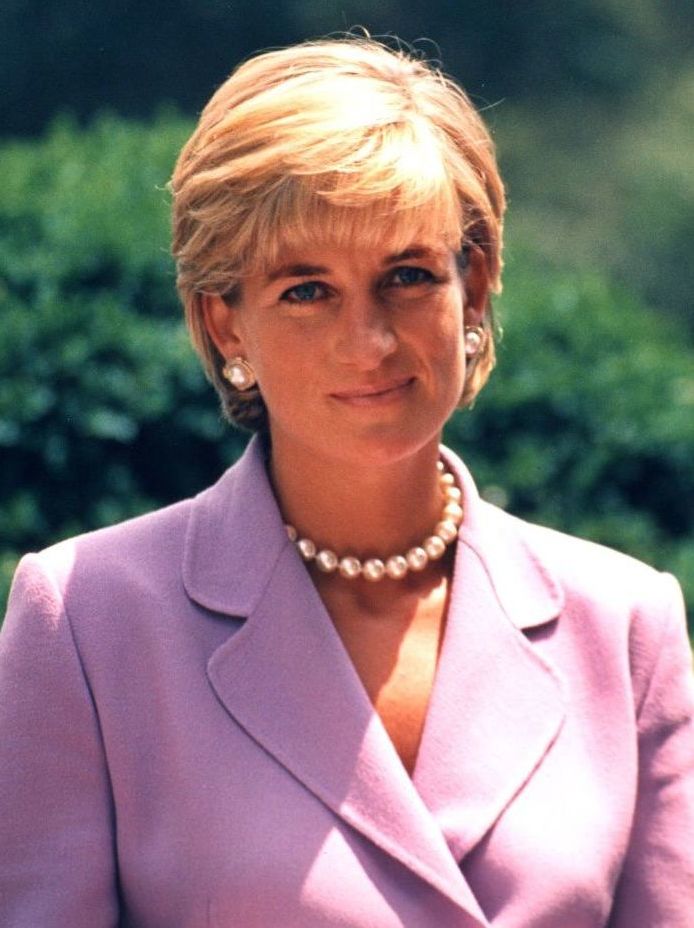
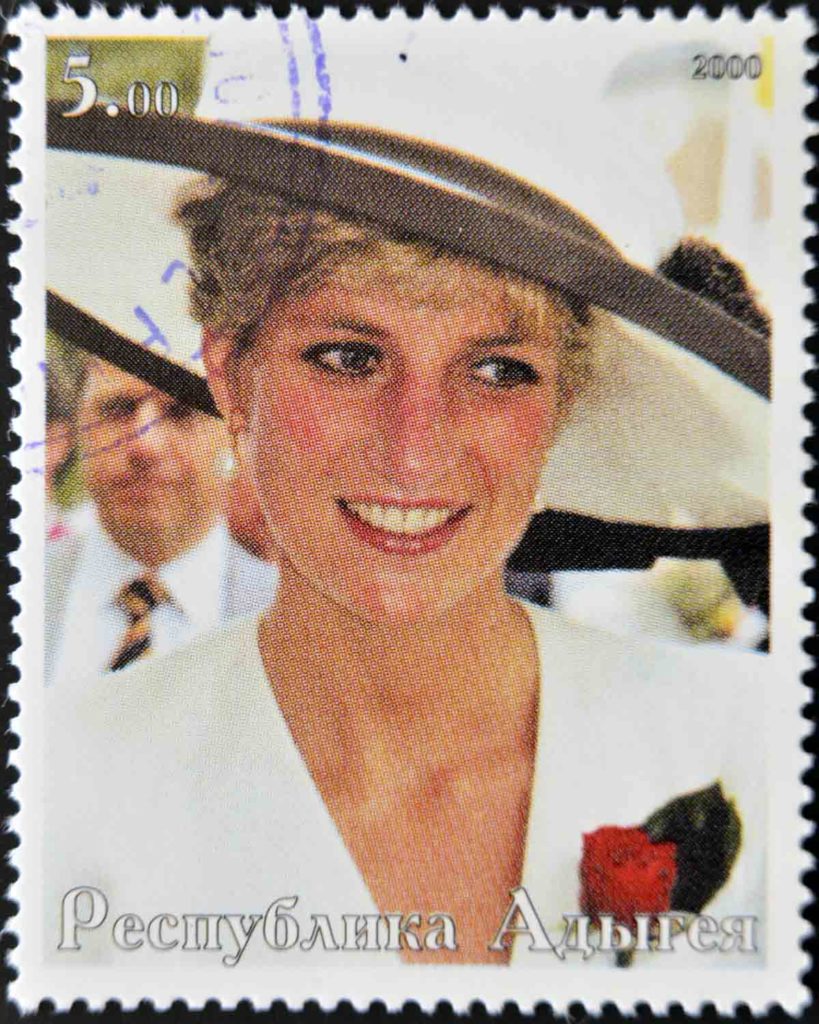
Other public figures whose names have been included in the documents are Diana Ross, Melinda Gates, Tucker Carlson, and Meghan Markle. The documents even include names of cultural icons from the past, including Princess Diana, Elvis Presley, Michael Jackson, and the legendary Marilyn Monroe from the Golden Age.

US Department of Justice/ AFP

The names are mentioned in the files in a “wide variety of contexts,” according to Attorney General Pam Bondi and her deputy Todd Blanche. In a letter accompanying the release, Bondi wrote that “no records were withheld or redacted because they might cause embarrassment, damage reputation, or be politically sensitive, regardless of whether the person was a government official, public figure, or foreign dignitary.” The files were broken down into nine categories and, according to the Department of Justice, represent the “complete release of records” in the case.

While some of the people on the list have had widely reported connections to Epstein, such as the likes of Prince Andrew, who was recently arrested on the grounds that he was sharing confidential information with his friend Epstein, many people on the list have no known record of ever meeting or interacting with the disgraced sex offender.

With the exception of his long-time madame, Ghislaine Maxwell, who was convicted and is serving time in prison, none of the people named in the released documents have been convicted of any crimes related to Epstein.
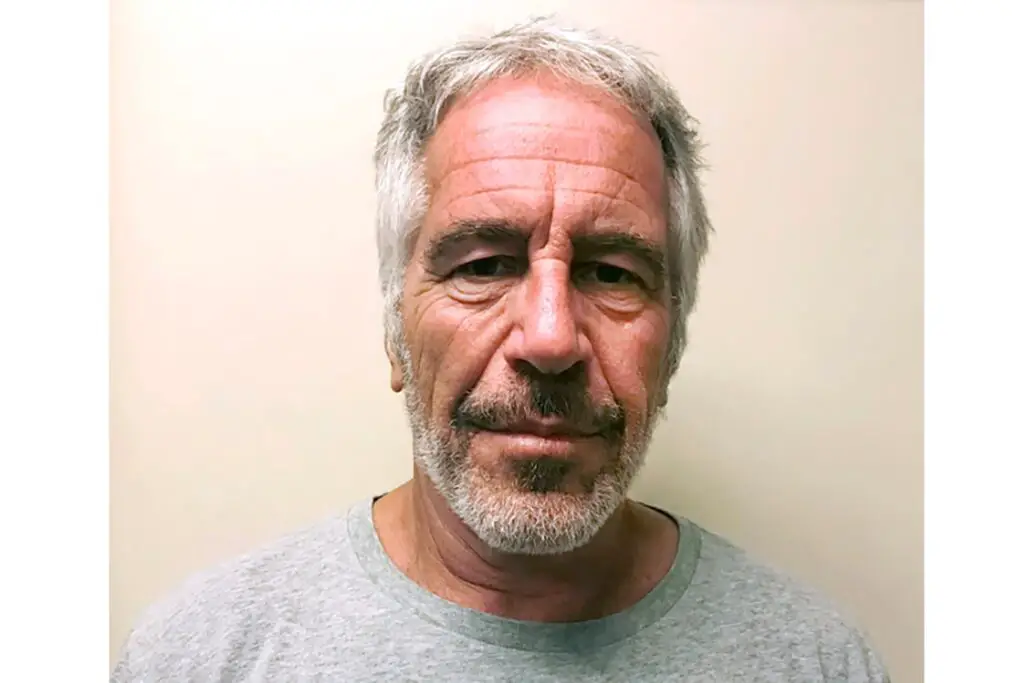
Jeffrey Epstein/ New York State Sex Offender Registry

The release has received criticism from lawmakers across party lines, who claim that the release of the names without clear context could lead to victims, bystanders, and perpetrators being conflated.

Representative Ro Khanna stated that the release of the names is “purposefully muddy,” as it included names that had no possible connection to the crimes committed by Epstein.

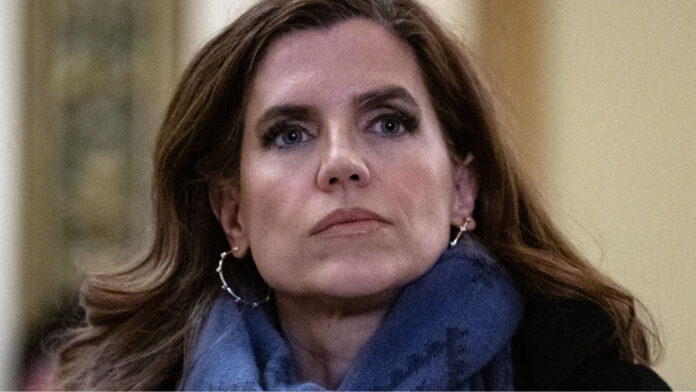
Representative Eric Swalwell said that the DOJ was careless in grouping unrelated mentions of names together. According to Representative Nancy Mace, some names were still not included in the release.

Among those mentioned in the roughly 3.5-million-page cache is actor Kevin Spacey who was photographed alongside Ghislaine Maxwell and former President Bill Clinton during a visit to London’s Churchill War Rooms in 2002. He was one of those celebrities who has been vocal about the release of the files, writing on the social media that it would hopefully help clear his name.

“Release the Epstein files. All of them. For those of us with nothing to fear, the truth can’t come soon enough. I hate to make this about me — but the media already has,” Spacey wrote on X.

Martin BUREAU / AFP via Getty Images

The files also mention filmmaker Woody Allen who allegedly attended a dinner hosted by Epstein in 2010 alongside his wife Soon-Yi Previn. Other people in attendance were Prince Andrew, publicist Peggy Siegal, journalist Katie Couric, and TV host George Stephanopoulos.

Allegedly, Previn sent a message to Epstein about the #MeToo justice movement, writing it “has gone too far.”

Previn also seemed to point out an underaged girl involved in the sexting scandal, calling her “despicable and disguising,” when in fact she should have blamed former US Congressman Anthony Weiner, who was later convicted of sending inappropriate messages to a minor.

Talent agent Casey Wasserman, yet another prominent figure in the world of entertainment, who has been representing top-tier artists over the years, has also been in the list. Allegedly, he traveled on Jeffrey Epstein’s private plane and exchanged intimate messages with Ghislaine Maxwell.

Over the years, the entertainment industry has seen its fair share of scandals in the wake of individuals such as Harvey Weinstein, Roman Polanski, and the on-set shooting involving actor Alec Baldwin. The Epstein scandal has only added a new layer of complexity for Hollywood.

Jeffrey Epstein pleaded guilty in 2008 to state charges in Florida for soliciting prostitution of a minor and was arrested again in 2019 in New York for federal sex trafficking.

He was found dead in August 2019 at 66 at the Metropolitan Correctional Center in New York while awaiting trial. His death was determined to be suicide.

Read all the names in the list below:

Please SHARE this article with your family and friends on Facebook.

Bored Daddy

Love and Peace
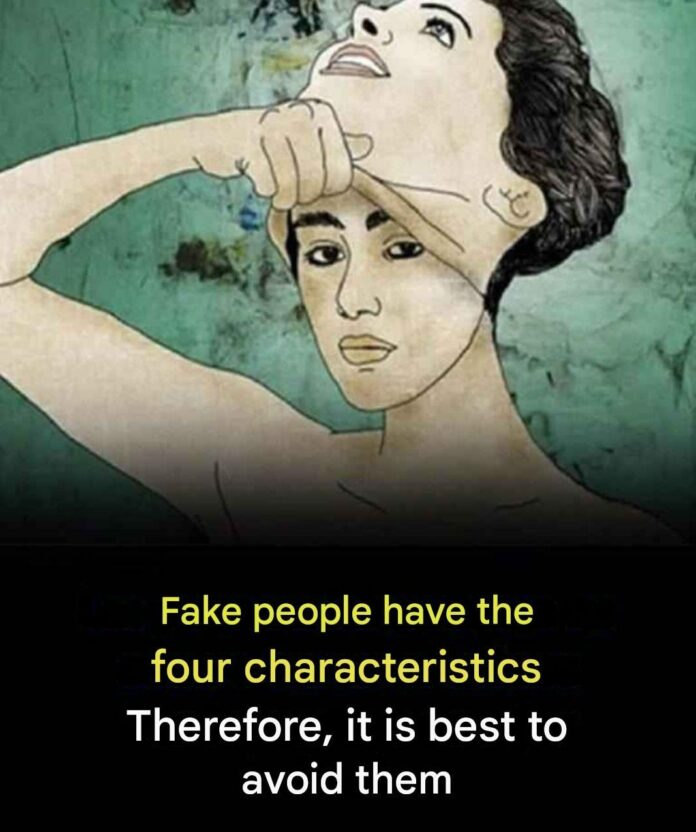
Fake people have the following 4 characteristics

0

Throughout our life, we come across different individuals, and it’s safe to say that some of them seem… well, a little off. They wear a “mask” to conceal their true identity, and many refer to them as “fake” people.

These are people who don’t find it hard to imitate the moods, the interests, and the personalities of the people around them, almost as if they were social chameleons. Although this may not sound like a big deal, their lack of authenticity, which is often a result of their own insecurities and constant need for approval, can be draining to those around them.

Psychologists have analyzed this phenomenon and found some common characteristics that are associated with it. Narcissism is one of the most common traits, which is characterized by an individual’s sense of self-importance, need for admiration, and lack of empathy for others.

Then there is Machiavellianism, which is associated with a person’s ability to manipulate others in order to get what they want.

And finally, the most alarming one is psychopathy, which is associated with an individual’s lack of guilt and remorse, which may make some fake people emotionally harm others without batting an eyelid.

Childhood is also cited as a contributing factor by experts. People who have not experienced emotional bonding or validation throughout their childhood may feel that they do not deserve love. This leads them to develop a kind of shield or a façade of authenticity that protects them from being rejected. Although this is a useful strategy for them in the short run, it can lead them to be caught in a web of deceit, making it difficult for them to form authentic relationships.

According to Kernberg, “Fake behavior often begins as a shield, but it can become a barrier—not just for the person, but for everyone around them.”

Below are four characteristics fake people share:

1. Inconsistent Behavior

One of the most obvious traits of fake people is the inconsistency in their behavior. They tend to behave in one way around certain people, and then totally differently around others. Along the way, they they adjust their words, their tone, and even their personality to suit the situation.

For instance, a person may be warm and friendly around people of authority, while being cold and distant around others, or they may adopt the interests, opinions, and even the personality of those they try to impress. This can be quite confusing for people around them since it becomes difficult to know who they really are and what they really think. According to psychologists, this is usually a result of the need for social approval or a manipulation of a situation to suit their own ends.

Over time, a pattern starts to develop where the fake individual adjusts, exaggerates, or even makes up things for the sake of winning favor, attention, or influence. In such cases, their words often contradict their actions, and their promises or views may change based on who is listening. Friends, coworkers, or a romantic partner can easily notice that something is off.

These inconsistencies can easily cause damage and emotional distress for those attempting to keep a relationship with the fake individual. The truth is, of course, that everyone occasionally adjusts their behavior in a social setting. However, fake people make a habit of inconsistency, which leaves others wondering what their motives, intentions, and authenticity are in every interaction.

2. Constant Need for Validation

People who are fake tend to be very dependent on the validation of others in order to feel safe.

What this means is that many of these individuals tend to seek compliments, reassurance, or approval on a frequent basis and seem to enjoy being the center of attention in a social setting. This is not necessarily apparent or deliberate, but it can have a tendency to impact their interactions with others over time. Conversations may tend to revolve around their accomplishments, concerns, or needs, with less room for actual dialogue.

When so much energy is invested in being liked or admired, it can be really difficult to settle into a relationship in which being honest and showing your emotions is more important than being liked. Over time, things can begin to feel a little bit skin-deep, because the emphasis is on gaining approval instead on getting to know one another.

And although it’s true that each of us needs a little bit of encouragement from time to time, being too dependent on what others think of you and feeling constant need of approval can make it difficult to build a balanced relationship.

3. Master of Manipulation

A fake person can also be very skilled at manipulating situations and emotions, sometimes without it even being noticeable. They know what people want to hear and how to say it, using charm, flattery, or sympathy.

This type of behavior is not always overt and dramatic. In fact, it is often very subtle, such as small talk, carefully timed praise, or emotional hints that nudge things in their direction. They may also exploit someone’s vulnerabilities, not necessarily out of malice, but perhaps out of self-protection or to get what they want. This can create a situation where others are left feeling uncertain or questioning their own responses, even if they can’t quite put their finger on why.

Dishonesty can often be a part of this as well. People who are fake may exaggerate the truth, or they may change details to fit the circumstances. They may exaggerate their accomplishments or watch as their mistakes fade away into the background. They may not be lying with ill intent, but it’s because they want to maintain the image that they feel they need to keep up. But when the truth keeps changing, it can lead to a breakdown of trust. The people around them may pick up on inconsistencies or feel as though they are never hearing the whole story. A series of small lies can lead to a situation where it’s hard to form real, honest relationships.

4. Lack of Boundaries

Often, fake people do not have a good sense of boundaries. Out of the blue, they may get too personal, too soon, or just ignore boundaries altogether and insert themselves into places where they are not even wanted in the first place. This can be a subtle thing, such as sharing too much or asking too much, or it can be overt, such as ignoring a “no” when someone says it to them. Either way, it can make people feel like they are being pressured or coerced into something, even if they cannot quite put their finger on why.

At the same time, they tend to be quite hypocritical. They might be talking about values such as honesty, loyalty, or kindness, but their behavior doesn’t always reflect their words. They might be saying one thing about how wrong certain behavior is, but then they go ahead and behave exactly like that.

Over time, this becomes too difficult to ignore. You begin to notice that what they are saying is good, but what they are doing is something else entirely. And while no one is perfect, when this happens repeatedly, it erodes trust. You stop listening to what they are saying and start listening to what they are doing.

Conclusion

The point of being able to recognize some of the crucial traits most fake people share isn’t about being too conscious and about analyzing every social connection you make with people, but simply about awareness. So, the next time you start noticing a pattern, such as inconsistency, the lines between people getting fuzzy, any sort of manipulation, or words that don’t match actions, simply take a step back. It doesn’t mean you should exclude that person from your life entirely, just be cautious for the sake of protecting your own emotions and sanity.

Also, when you don’t feel comfortable about someone you’ve just met, maybe it’s best to trust your intuition that warns you that the person is fake.

If you are aware and clear about who you are, what you want, and where your values stand at, you won’t be likely to be manipulated by fake people. You need to learn how to say “no” when you really feel like saying “no,” how to communicate your needs, and how to protect what you believe in. This way, you are likely to attract people who are similar to you, and avoid the fake ones.

It is also important to remember that pretentious behavior is often a product of insecurity rather than confidence, but it doesn’t mean it’s a reason to accept it. To choose to keep people at arm’s length is not cruel, it is self-respect.

Ultimately, genuine relationships are the ones that are developed over time, not overnight. These relationships are a result of shared values, respect, and the ability to simply be yourself without the fear of being judged.

Please SHARE this article with your family and friends on Facebook.

Bored Daddy

Love and Peace

Robert Duvall, known for ‘The Godfather’ and ‘Apocalypse Now,’ passes away — details

0

Robert Duvall, best known for the iconic films The Godfather and Apocalypse Now, passed away aged 95.

The news of his passing was shared by his wife, Luciana Duvall. In a post shared on the social media, she wrote, “Bob passed away peacefully at home, surrounded by love and comfort.

“To the world, he was an Academy Award-winning actor, a director, a storyteller. To me, he was simply everything. His passion for his craft was matched only by his deep love for characters, a great meal, and holding court. For each of his many roles, Bob gave everything to his characters and to the truth of the human spirit they represented. In doing so, he leaves something lasting and unforgettable to us all.”

In Apocalypse Now, Duval, who portrayed the role of cavalry-hatted Kilgore, gave the world two of the most famous lines in cinema history, “Charlie don’t surf!” and “I love the smell of napalm in the morning.”

Getty Images

In addition to this iconic performance, Duvall treated the world with the role of consigliere Tom Hagen in The Godfather and The Godfather II.

In the earlier days of his stunning career, he played Boo Radley in To Kill a Mockingbird, as well as plenty of other roles that helped cement his place in the world of film.

Over the course of his years on film, he was nominated for the Oscar seven times and won one, for best actor in 1984’s Tender Mercies, in which he played a country singer battling alcoholism.

He also received nominations for The Godfather (1973), Apocalypse Now (1980), The Great Santini (1981), The Apostle (1998), A Civil Action (1999), and later for The Judge (2015).

Getty Images

According to NBC News, Duvall did not want a formal service, with his family asking from his fans to honor his memory by “watching a great film, telling a good story around a table with friends, or taking a drive in the countryside to appreciate the world’s beauty.”

His Oscar nominations spanned over four decades, exemplifying a career that was both consistent and diverse.

Tributes from fellow colleagues and fans poured in, honoring his legacy.

Al Pacino, his “Godfather” co-star, said in a statement to The Associated Press, “It was an honor to have worked with Robert Duvall. He was a born actor as they say, his connection with it, his understanding and his phenomenal gift will always be remembered. I will miss him.”

Getty Images

Adam Sandler wrote on Instagram, “Funny as hell. Strong as hell. One of the greatest actors we ever had. Such a great man to talk to and laugh with. Loved him so much. We all did. So many movies to choose from that were legendary. Watch them when you can. Sending his wife Luciana and all his family and friends our condolences.”

Viola Davis called it an honor to work alongside Duvall on Windows. She added that she had always admired his presence on screen, referring to him as a giant and an icon, mentioning his long list of classic films.

View on Threads

Michael Keaton Douglas posted, “another friend goes down. acted with and became friends. shared a great afternoon on my front porch talking about horses. he was greatness personified as an actor RIP RD.”

Duvall was married four times, but had no children, and that wasn’t something he really spoke about openly.

According to the Mail, a source said that while Duvall had previously acknowledged that having children “wasn’t in the cards for him,” he didn’t look back at it as a regret, saying he had “lived an incredible life” and that his 95 years were “well spent.”

Getty Images

Duvall once joked about not having children, saying “I guess I’m shooting blanks,” according to Today.  “(I’ve tried) with a lot of different women, in and out of marriage. I thought of adoption, but (my wife and I) haven’t yet.”

Before he met his wife Luciana, he was married three other times. He wed Barbara Benjamin in 1964, and they split in 1975. From 1982 to 1985, he was married to Gail Youngs. Duvall was married to Sharon Brophy from 1991 to 1995.

Please SHARE this article with your family and friends on Facebook.

Bored Daddy

Love and Peace

Andrew Mountbatten-Windsor arrested on his birthday in dramatic police raid

0

Andrew Mountbatten-Windsor, formerly known as Prince Andrew, has been arrested on his 66th birthday, and taken to custody following a raid on his new Sandringham home, the Mail reported.

Allegedly, neither the King nor Buckingham Palace was informed in advance of Mountbatten-Windsor’s arrest.

The arrest follows allegations of misconduct in public office after police said they were assessing a complaint involving the alleged sharing of confidential material with late convicted sex offender Jeffrey Epstein.

As reported by the Mail, emails released by the US Department of Justice seem to suggest that the former duke was circulating summaries of official visits to Honk Kong, Vietnam, and Singapore. In one email, dated November 2010, it appears that the information was forwarded by Andrew Mountbatten-Windsor just five minutes after it was sent to him by his then special adviser, Amir Patel. In another email sent on Christmas Eve 2010, it appears that a confidential briefing was shared with Epstein detailing investment opportunities related to the reconstruction of Helmand Province.

Shutterstock

This is the first time the disgraced royal to be placed under arrest despite being accused of numerous allegations that are related to Epstein, which he denied over and over again.

According to the BBC, which was first to report the news, police arrived at Sandringham, Wood Farm, at around 8 a.m. local time on Thursday. At least six unmarked police cars and eight plainclothes police officers entered the residence through both front and back doors at the Sandringham Estate.

Mountbatten-Windsor, who remains eighth in line to the throne, could face a maximum sentence of life in prison if convicted.

Per the BBC, Assistant Chief Constable Oliver Wright said: “Following a thorough assessment, we have now opened an investigation into this allegation of misconduct in public office.”

“It is important that we protect the integrity and objectivity of our investigation as we work with our partners to investigate this alleged offence,” he continued. “We understand the significant public interest in this case, and we will provide updates at the appropriate time.”

WINDSOR, UNITED KINGDOM – APRIL 20: (EMBARGOED FOR PUBLICATION IN UK NEWSPAPERS UNTIL 24 HOURS AFTER CREATE DATE AND TIME) Prince Andrew, Duke of York attends the traditional Easter Sunday Mattins Service at St George’s Chapel, Windsor Castle on April 20, 2025 in Windsor, England. (Photo by Max Mumby/Indigo/Getty Images)

Mountbatten-Windsor has been staying at Wood Farm for almost three weeks after he was compelled to leave his residence at Royal Lodge in Windsor due to revelations about his involvement with Jeffrey Epstein. He has been seen only once since his relocation to the Sandringham house, which was last Thursday.

King Charles has issued a statement following the arrest of his brother, Andrew Mountbatten-Windsor earlier today. He said: “I have learned with the deepest concern the news about Andrew Mountbatten-Windsor and suspicion of misconduct in public office. What now follows is the full, fair and proper process by which this issue is investigated in the appropriate manner and by the appropriate authorities.

“In this, as I have said before, they have our full and wholehearted support and co-operation. Let me state clearly: the law must take its course. As this process continues, it would not be right for me to comment further on this matter. Meanwhile, my family and I will continue in our duty and service to you all. Charles R.”

Marko Djurica – Pool/Getty Images

Thames Valley Police, who have not named Andrew Mountbatten-Windsor as per the UK law, released a statement on Thursday morning, saying, “As part of the investigation, we have today (19/2) arrested a man in his sixties from Norfolk on suspicion of misconduct in public office and are carrying out searches at addresses in Berkshire and Norfolk.

“The man remains in police custody at this time. We will not be naming the arrested man, as per national guidance. Please also remember that this case is now active so care should be taken with any publication to avoid being in contempt of court.”

Please SHARE this article with your family and friends on Facebook.

Bored Daddy

Love and Peace

8 ways how to handle rude people

0

When it comes to rude people, we’ve all been there, done that, and trust me, handling them can be a nightmare, especially if you don’t know how.

I’m sure that you’ve found yourself being irritated by someone rude at some point in your life and you had the shortest fuse and failed to respond the way you wanted; in a calm manner that won’t scream you were actually offended by their behavior. If that’s the case just know that you are not alone.

The thing is that we all encounter rude people every now and then, and they come in the form of a random stranger staring at us while we have our coffee at our favorite cafe, someone we work with and are forced to be around nearly every day, or even a family member.

Regardless of who it is, our ability to deal with our own reactions effectively is far more important than we might think. Because when you think about it, it is simple to lash out or give someone attitude, especially if you think you will never see them again, but if you take a moment to think about it, you will find that you end up feeling better about yourself and the situation.

Luckily, the days when you got easily set off by every difficult person you’ve encountered can be quite far away from you thanks to some useful tactics.

Sometimes, it does take time, a lot of trial and error, and more patience than you thought you had, but learning how to handle rude people is all worth it in the end.

Think Before You Speak

Back in the day, whenever someone was mean to me, my initial reaction was to shoot back that same second. If they yelled, I yelled back louder, it was as simple as that. At the time, it just felt like the right thing to do because of so many reasons that felt obvious. It was second nature to me to defend myself by doing what that other person did. But looking back at it, I realize it was the most unhealthy way for me to handle such situations. And yes, it only made things worse in every way.

What I’ve learnt ever since is that even a few seconds can flip the script of an exchange. When you take a moment to before you respond allows your brain to catch up with your emotions. More often than not, that moment is the difference between a blowout argument that leads you nowhere and a civil exchange that ends without any of you linger any anger.

So how do I manage this? It’s very simple, really. I just stop and take a deep breath, or even two, and give myself a moment to clear my head before I utter anything at all.

And when you think about it, you don’t even own anyone an immediate response, especially not to those who don’t treat you the way you deserve to be treated.

Keep Calm

Rude people are practically everywhere, including at your workplace and they can make your work days a living hell, but only if you allow them.

One of the best ways to diffuse rudeness in the workplace is to keep your cool and show that you are able to control your reactions. What this means is that the less reactive you appear, the less influence rudeness will have over the situation. That deep breath you just took? You probably felt a little bit of relief. That’s the whole point. When your body is relaxed, your mind tends to follow. The trick is to maintain that calm vibe for the rest of the conversation. Speak in a steady voice, never let hurry to get your words out., and let the silence do the rest.

When you take the time to think before you speak, it’s a powerful way to show that you’re not easily upset. Most people don’t know how to react to someone who is calm and confident, especially when they were counting on you to blow your top.

Consider The Other Person’s Point Of View

We are all human beings, and we can all be rude and hard to handle at times. So the next time someone treats you poorly during an interaction and you already know that person is not bad, maybe it’s just situational and they are in a bad mood and that’s the only reason they are cranky to you. If that’s the case, it would be helpful to take a step back and consider things from their perspective before you start rolling your eyes.

It’s worth asking yourself if there’s any chance that they might actually be right, or if there’s something you’re missing in the moment. Sometimes what passes for rudeness is actually just frustration expressed in the wrong way. This doesn’t mean it’s not an issue, but it might help you react differently. On the other hand, if this is someone who always acts like this — snapping at people, being dismissive, always negative — then it’s probably not just a bad day. At this point, you’re probably looking at a bigger issue than that, rather than a bad day. And in this case, it’s worth recognizing that this is something that the two of you may need to address more seriously than you’re doing each time, rather than just blowing it off.

Unsplash

Consider What The Other Person Might Be Going Through

Sometimes, people are rude not because of you personally or the situation you two found yourself in, but because of something that’s eating them up. We all have our problems that we deal with on a daily basis and maybe the person who treats you badly is going through some tough times. Who knows, maybe they are dealing with a sick parent, love issues, or struggling to make ends meet.

So, it’s sometimes for the best to answer to rudeness with empathy.

Choose The Right Approach

Before you respond to someone rude, ask yourself if it’s worth it to turn the situation into a bigger issue than it already is. Because sometimes, if the person is someone not important to you, it’s not not.

Instead, the best course of action is to be as kind as you can and then just walk away from it entirely. If you do so, it won’t mean you’re weak; it means you’re choosing your own peace.

However, if the person is someone you know and will be seeing again, just walking away from it might not be the best approach. In those situations, having a calm and honest conversation can actually help to clear the air. And if that’s what you’re facing, let’s talk about what that might look like.

If You’re Going To Talk It Out, Do So Mindfully

If any of the rude people you try to handle are close to you, it would be wise to have an open and helpful conversation with them and tell them specific examples of what in their way they talked to you really offended you. Rather than speaking in general point out the things that caused problems and also mention what you’d like to see happen differently in the future, not as a way of attacking, but as a way of making your interactions easier and less stressful.

Essentially, the point is not to scold or shame, but to pave the way for better communication so that you can avoid this problem in the future.

Don’t Respond To Rudeness With Rudeness

Answering to rudeness with rudeness won’t take you anywhere. Trust me, I’ve done that in the past and I know for sure that it rarely helps the situation. On the contrary, it may just land you hot water.

If you can manage to keep your cool and not let yourself get too caught up in the heat of the moment, you’ll feel better about yourself and the entire situation in general. And if you think that staying calm would leave you with the impression that you are suppressing your emotions, you are wrong. Not only you are not doing that, but you are showing the kind of attitude that would make you feel even better about yourself later on.

Unsplash

When All Else Fails, Kill ‘Em With Kindness

I know it can feel a bit like you are faking when when you smile in the face of rudeness, but trust me, that’s much better than getting into a full-blown fight, don’t you think so? What’s most, your positive attitude may even improve the mood of the person who’s been rude to you, maybe not totally, but even a bit. And the best part? You are leaving the situation more in charge.

I’m aware that some people are just impossible, but still, why not give it a shot? And even if that doesn’t change them, it will definitely change you. And most times, it’s all it takes to make your day better.

Conclusion

At the end of the day, it’s kindness that makes this world go round, so why not choose you to be the one spreading it?

We should understand that living in a world where rudeness doesn’t exist is practically impossible, but we can definitely build a world where we respond to it with a bit of charm and elegance.

Please SHARE this article with your family and friends on Facebook.

Bored Daddy

Love and Peace

Never-before-seen photos of Meghan Markle give new insight into her childhood

0

Like it or not, the truth is that Harry and Meghan make one of the most power couples there are. From the moment the world learned they were dating, all eyes have been on them. The attention they received from the media has been so extensive that many believe Meghan being under scrutiny by the press had a lot to do with the couple’s decision to step down from their royal duties and settle in the States.

Before meeting Harry, Meghan Markle, who was born in Los Angeles, California, on August 4, 1981, has had quite a career in the world of film. At the time she stared dating the prince, who was one of the most loved and most popular members of the royal family, Meghan was playing the role of paralegal Zane on Suits.

In fact, being the daughter of Thomas Markle, a lighting director and director of photography, she spent a great deal of her childhood on the set of a number of movies, accompanying Thomas, with whom she used to be very close.

Youtube/ET

Although she was familiar with how the industry worked, Meghan reportedly never wanted her story to be a cliché and she refused to be known as the L.A. girl who dreamed of becoming an actress, so she attended the Northwestern University where she studied communication. Later on, she moved to Illinois to double-major in both theater and international relations at the prestigious Evanston school.

She first caught the public’s eye as a briefcase girl on the game show Deal or No Deal.

“I was the ill-fated number 26, which for some reason no one would ever choose,” she told Esquire. “I would end up standing up there forever in these terribly uncomfortable and inexpensive five-inch heels just waiting for someone to pick my number so I could go and sit down.”

Michael Kovac/WireImage

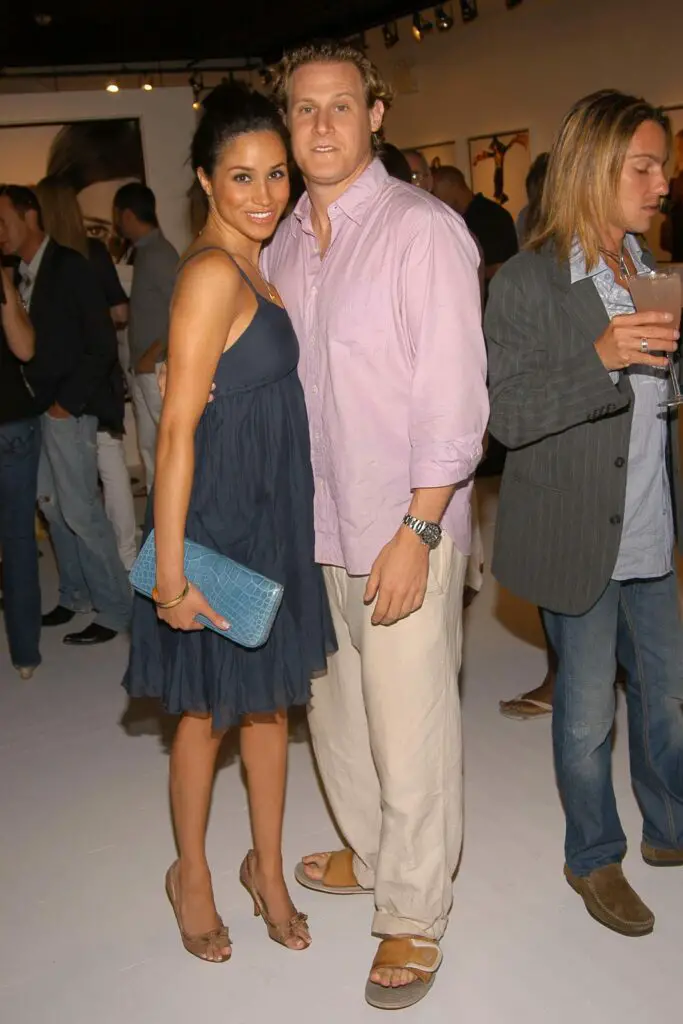
At the beginning of her successful acting career, Meghan met her first husband, Trevor Engelson.

According to IMDB, he was born on October 23, 1976, in Great Neck, Long Island, New York, and attended the University of Southern California’s School of Communications.

He entered the world of film working as a production assistant and then worked his way to become a film producer. Over the years, he’s worked on a number of projects such as the 2006 film Remember Me, starring Robert Pattinson. He has also been involved in productions such as License to Wed and All About Steve. 

After dating for seven years, Meghan and Trevor tied the knot at a ceremony which took place at the Jamaica Inn in Ocho Rios in Jamaica. The celebration lasted for three days during which around 100 guests attended parties, drinking games at the beach, brunches, and even a wheelbarrow race. 

Billy Farrell/Patrick McMullan via Getty Images

Meghan being a divorcee when she met Harry was something Buckingham Palace would rather not speak about or highlight.

Fast forward to this day, Meghan and Harry are happily married and have two children together.

Netflix

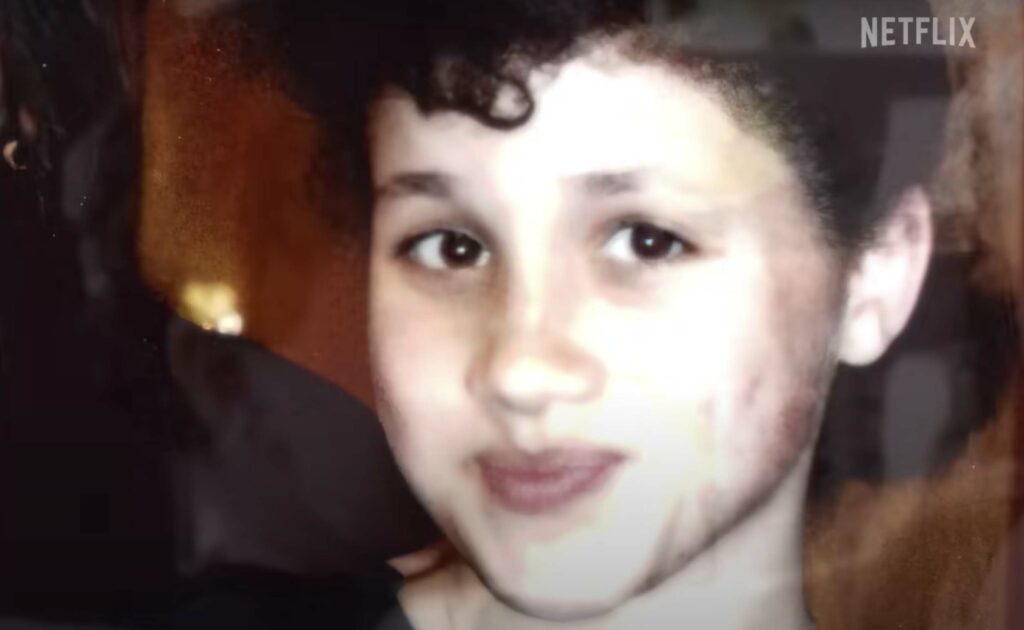
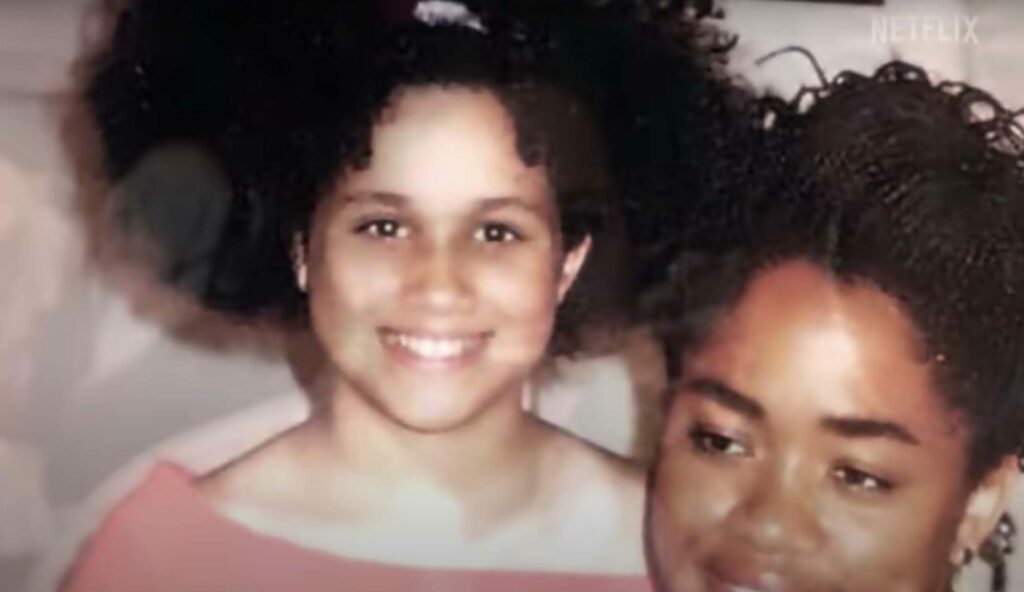
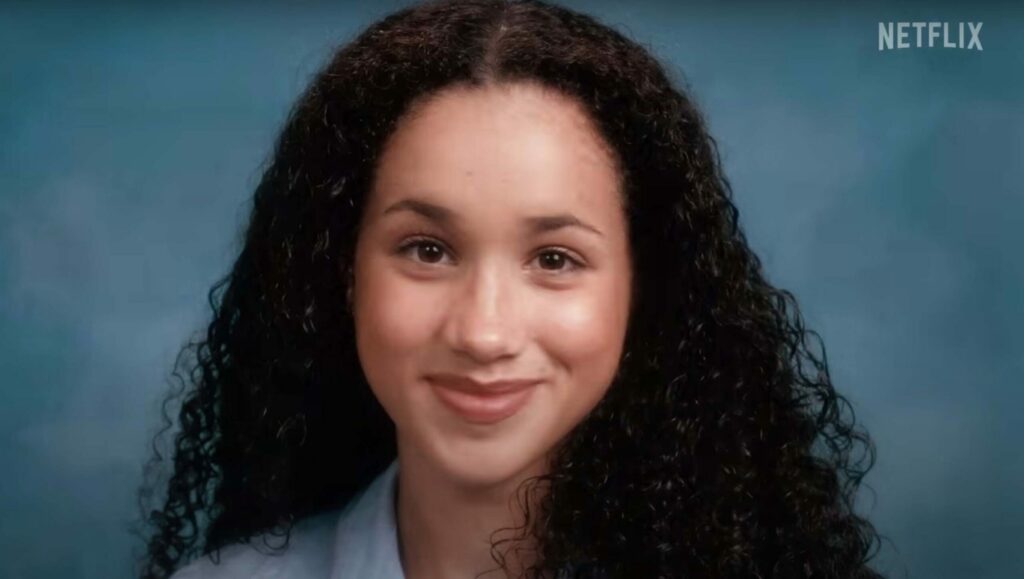
In the Netflix documentary featuring their life as a couple, as well as their lives before meeting each other, never-before seen photos of Meghan Markle have been shown to the public.

Netflix

In one of the photos, Meghan poses with her mom Doria Ragland, and on another one, she could be seen playing. A a third, when she was about nine or ten, shows Meghan with a touch of makeup.

Netflix

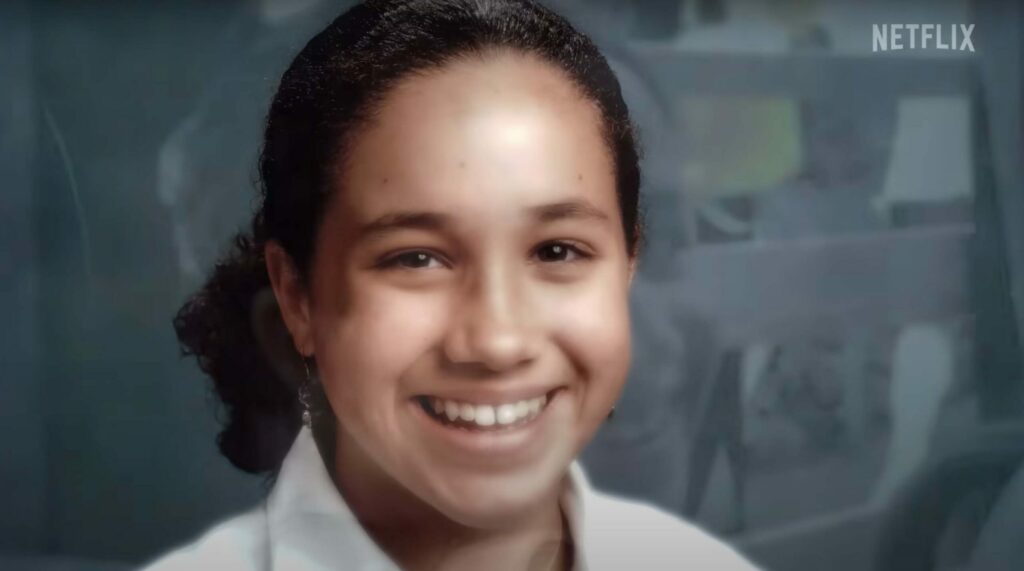
A school photo of Meghan wearing a white polo-neck t-shirt, showing off her smile, was also seen in the trailer.

Netflix

Please SHARE this article with your family and friends on Facebook.

Bored Daddy

Love and Peace

After my husband passed, I asked my stepson for rent — what I found in his room shocked me

0

During what I thought were the best years of my life, my husband began to feel ill. He worked extremely hard, and we both knew that his job was stressful at times, so we both attributed it to that.

But as his illness began to become more serious, he finally agreed to go see a doctor, and that is when we found out that he had cancer. The news crushed us both.

What followed were months of treatments, hospital visits, and plenty of medication. Sadly, the cancer spread to his other organs and doctor’s gave him days to live. I couldn’t believe it was really happening, and I leant the hard way that life gest cruel when you least expect it.

However, eventually my husband died, and I needed a lot of time to accept the situation. My relatives and friends came to visit me initially, but later everyone went back to their normal activities, and my stepson and I were left to look after each other.

I married my husband when his son was still very young, and although I never tried to take the place of his mother, I somehow did become the substitute for her in his life. The truth is that he and I have always been very close. He was closer to me than he was to his father, and I was happy to have him around, although I knew that he was just starting his life and that he would eventually move out and start his own family. But at the time, he was there, and that was all that mattered.

My husband didn’t leave me much, just the house where we lived. All the money we had been saving were spent on medical bills. What’s most, it wasn’t even enough. I was left with debt.

My stepson was nineteen at the time, and honestly, I started feeling like he needed to start contributing.

So, one day, I told him we needed to talk.

“I need you to contribute,” I said. “Five hundred dollars a month. Just to help with expenses.”

I was somehow sure that he would agree, because honestly, I didn’t think that $500 was much, but he didn’t respond the way I thought he would.

He was angry and said that I was taking advantage of him. There was so much anger in his eyes that I even got a little scared. Was he the same man who had gone through thick and thin with me during his father’s fight with cancer? Honestly, back then, that was a question that was so hard to answer.

What hurt me the most, however, was when he called me “childless.” Okay, I knew that I didn’t have any children of my own, but I did consider HIM to be my child.

How could he forget everything that the two of us had been through together overnight? At the end of the day, I was the one who had taken him to and from school for all those years, and I was the one who had never missed any of his school recitals and games.

Because of some reason I couldn’t even explain to myself, I didn’t say anything back. But at that point of weakness, I simply nodded in agreement with him and went straight to bed.

What I did the next day isn’t something I’m proud of, but at that point, I just felt that something had to be done. I changed the locks because I felt that by doing that, I would be able to protect what little I had left. And not only that, but I also told myself that I should get my stepson’s belongings out of his room, and maybe that would teach him a lesson.

It wasn’t like I never went into his room. I was the one who cleaned it every week, but this time, I felt like I was trespassing on his property because I was in there without asking him first. But, so what? That would teach him a lesson, and maybe he would come to his senses and start acting like a kid should, right?

Packing his stuff… God that would make it real and maybe my mind would finally stop racing. I began folding his clothes and putting his books into the couple of boxes that I found under his desk. And as I went through his belongings, I tried not to think about the small things that might remind me that although he was already nineteen, my stepson was still just a kid who was learning how to cope with his pain. Why? Because that would only make things easier for me.

Out of habit, I knelt down to look under his bed. I don’t even know what I was exactly looking for. Maybe a sock he pushed there, who knows.

And then I touched something soft and heavy.

It turned out to be a duffel bag pushed all the way back in the corner. And, my name was on it. I felt both scared and confused, wondering what could that be. I was even afraid to open it and inspect it, but I did it anyway.

Inside, there was an old-fashioned savings account passbook. Like the ones you don’t see any more.

I couldn’t even begin to wrap my head around it at first. And then I looked at the deposits, page after page.

Twenty bucks, thirty bucks, a hundred. Those were rather small but consistent deposits from the last four years. They were from summer jobs, weekend side hustles, birthdays. My stepson had been saving money.

What hit me hard was that he had written somewhere among those pages that it was “Mom’s retirement fund.”

He called me “mom,” and it was something he was actually doing for me. I held that passbook like it was alive.

There was also an envelope there that read, “For her birthday. Don’t chicken out this time.”

My birthday was five days away. I thought hard about opening that envelope, and I eventually did, although it felt so wrong. But honestly, I was later glad I did, because it helped fix things out with my stepson.

He wrote that he knew what I was going through after his dad’s passing, and that he was aware times were hard both in terms of finances and emotionally. He also wrote he knew of my fears of growing old alone and without anyone visiting me, but in that letter, he assured me he was always going to be there for me.

“You gave up everything to take care of Dad during his illness. You never complained. Not once. You didn’t have to love him the way you did, and you didn’t have to love me at all. But you did.”

At that moment, I felt both misunderstood and seen at the same time.

And then came the part that shattered me. “So wherever I end up, whatever I do, there will always be a place for you. You will always have a home with me. Not because you have to, but because you’re my mom. The only one I’ve ever really had. You’ll never be alone. I promise.”

He spent four years saving money for my retirement, and all I did was assume he was selfish. The words he told me that other night, that I was using him and that I was childless. I understood he didn’t mean any of it, he was just a young man who was hurt and tried to sound tough in a world that had already taken so much from him.

And I, in times of pain and fear, responded to his words with the worst of me. I was so angry at myself.

That evening, when he got home, I opened the door, but he seemed hesitant to enter. I was holding the duffel bag and the moment he saw it, he panicked.

“You went through my room,” he said.

“Yes,” I said. “And I found what you’ve been doing all this time.”

He got embarrassed, because to him, it probably felt like he was doing something soft.

We didn’t say much. I only said I was really sorry, and all of a sudden, it all felt like home again.

Conclusion

Stepparent and stepchild relationship can be tricky. For most, they are awkwardness, misunderstanding, and feelings that can quickly become tangled. At times, for both sides, it feels like nothing they do is good enough.

At the end, what is important for these relationships to feel as normal as possible, is to be patient, honest, and willing to give it another try even when things seem hopeless.

No one is perfect. We all have our flaws. And ultimately, family isn’t just about biology but about showing up and choosing to love even when things get hard.

Please SHARE this article with your family and friends on Facebook.

Bored Daddy

Love and Peace
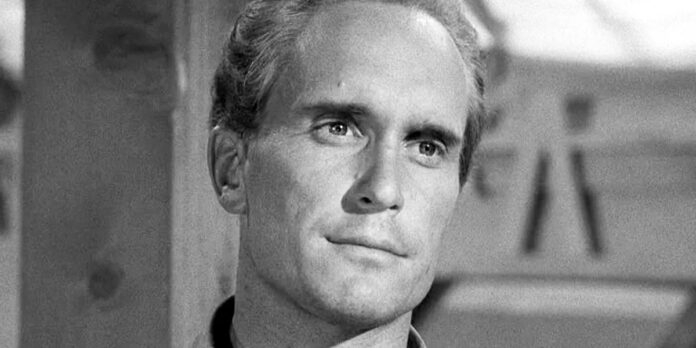
Three hooligans attacked a defenseless girl, but they could not imagine what would happen a minute later

0

There is something peaceful about empty places, such as early mornings in the parks or side alleys still damp from overnight rain. Well, at least for me and people like me who appreciate spending some time alone outside of the house.

For women especially, these places feel like rare pockets of freedom where they can enjoy their own company.

However, those same places that can make you feel liberated, can flip in a second, and this is something many women know without even being told.

We don’t need statistics waved in our faces to remind us of it because we know it when we hold our phone a little closer or when we adjust our speed because the sound of footsteps is off.

The threat that women face when they are alone often comes from the thought that they are vulnerable creatures who lack self-defence when they are in trouble, and that’s exactly what the three men in this story believed.

A Calm Morning That Changed in Seconds

Veronica, a young woman in her twenties, took a run in the park early in the morning. She had been taking the same route every single day, and she had never experienced anything unpleasant. Why she loved the place was because it was quiet, and there were rarely any people passing by at that time of the day.

At one moment, she got really tired and stopped at an empty alley to catch her breath. Nothing spoke of trouble until that point, and then, out of the blue, she heard noises coming from behind.

When she turned around, she spotted three men on motorbikes. They all looked like typical bikers, with visible tattoos all over their arms and necks. Somehow, she felt uncomfortable, but told herself she shouldn’t feel that way because she wasn’t a kind of a person who’d judge anyone by the way they look.

And then, at one moment, they stepped out of their bikes, and one of them said, “So, beauty. Alone in this neighborhood?”

The most chilling thing of situations like these isn’t even the danger itself but how quickly you understand that the men have already come to a conclusion about you.

To these men, Veronica wasn’t a person who had stopped to catch her breath after a run. She wasn’t a whole person with somewhere to be, with people who loved her, with a life that existed before this moment. She was just a woman alone. And in their minds, that meant one thing.

They began to circle around her and one of them edged slightly to the side. Another leaned back on his bike, and blocked the path she had just come from. Then they noticed her shoes, her watch, and the gold chain around her neck.

“Nice chain,” one of them said, nodding at it.

“Yeah,” another one said with a grin. “You run with that on all the time? That’s brave of you.”

At that moment, they expected her to start panicking and maybe even start crying.

Instead, Veronica remained motionless.

She didn’t scream, and that confused them a bit. She spoke only when she had to, and then briefly and flatly, as if she were discussing the weather. When one of them moved closer, she didn’t back away. She simply stood her ground and looked at him without showing fear.

Her unusual calmness threw them for a loop.

The three men weren’t getting the reaction they’d come for, and suddenly the power they thought they had wasn’t so secure after all. What’s more, Veronica’s reaction spooked them.

The truth is that there is this notion that people just love to spread, especially on the internet, about confidence being some sort of shield. As if you stand up tall enough or speak loudly enough, and look like you couldn’t care less enough, nothing bad will ever happen to you.

But that’s not totally true.

What happened to Veronica isn’t some inspirational poster about confidence being the answer to save the day because her calm wasn’t magic or any movie heroism. And it sure as hell wasn’t a guarantee of safety.

The reason Veronica wasn’t actually in danger had nothing to do with how she was acting, and everything to do with the fact that she wasn’t as alone as they thought.

But here’s the thing: they didn’t know that.

From their perspective, they saw a woman who was acting “incorrectly.”

They were expecting a script to play out in a certain way such as a look of fear, a nervous laugh, maybe a step back. Anything familiar.

When one of them leaned in and made a comment that was obviously meant to gauge her reaction, she didn’t bat an eye. When another one threatened her with a “you know what happens when…” type of comment, she didn’t go out of her way to defuse the situation.

She just looked at him and said, “Or what?”

Predators need predictability and fear to do the work for them. They need people to react in the way they have before.

Veronica didn’t.

She didn’t give them the reaction they were expecting because her bodyguards were near by. She was the daughter of one of the richest man in the city and her bodyguards followed her everywhere, though they stayed far enough to give her the freedom any young woman her age needs without feeling like someone’s always watching her.

The moment her bodyguards appeared, the three men got on their bikes and drove away as quickly as they could. Did they learn their lesson? Who knows.

Most Women Don’t Have Bodyguards — And That’s the Point

Here’s where this story gets important. Most women aren’t daughters of rich men and don’t have bodyguards waiting in the shadow to come and rescue them when they face similar danger like Veronica did. Most women who find themselves at quiet, isolated places, are actually alone, which is why stories like this shouldn’t end with “but luckily, she was protected.”

They should end with a question: What happens when there is no one else coming?

Because telling women to “be careful” isn’t enough.

Awareness Isn’t Paranoia — It’s Survival

Self-defence isn’t about fists and kicks, but about awareness about surrounding of women, noticing when something doesn’t feel right, and listening to your intuition over your rational mind.

Most women are raised to be polite first and safe second. They are taught to not “make a scene,” and even question their instincts.

It’s this hesitation that predators bank on.

What comes to mind when people think of “self-defence” is a fight scene from a movie with perfect punches and blinding attackers.

The truth is, real self-defence isn’t about winning a fight but about women giving themselves a chance to get away.

This is why training in boxing, kickboxing, or martial arts can be so effective – not because you’ll be able to overpower an attacker, but because you’ll learn:How to maintain your balance when you’re under stress, how to protect your head, how to use your voice, and how to move instead of freeze.

Boxing, in particular, is a great way to learn about distance, timing, and confidence in your own body. Just a few months of training can change the way you walk down the street. And that alone may be enough to scare off some attackers.

Mental Preparation Matters Just as Much

When you find yourself in a dangerous situation and freeze, that doesn’t show weakness since that’s a natural response. However, this can be overridden with training.

A lot of self-defence classes can teach women how to focus on decision making under pressure, what to do when adrenaline hits, when to shout and when to run.

When you know you have options, it can help you to keep panic under control.

A Different Ending, A Real Lesson

Veronica’s story comes to a close without issues, and that’s a good thing. However, the moral of this story isn’t the super twist, but the reminder that danger doesn’t usually come with any warnings.

In reality, few women will ever find themselves in a situation where bodyguards must intervene at the precise moment. However, every woman can choose to invest in awareness, confidence, and planning.

Not because they should have to, but because their lives are worth protecting.

Being alone doesn’t have to mean being defenseless.

And knowing how to protect yourself, mentally, physically, and emotionally, can mean the difference between fear controlling the moment or you taking control of the moment.

Please SHARE this article with your family and friends on Facebook.

Bored Daddy

Love and Peace

Stephen Hawking’s doomsday warning is closer than we thought

0

The end of the world is a grim subject, yet, according to late Stephen Hawking, it may come sooner than any of us anticipates.

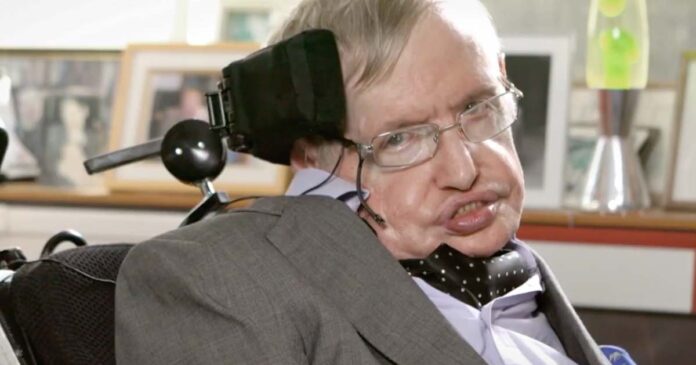
Hawking was a visionary physicist and one of the most celebrated scientists of the modern era. He gained fame for his groundbreaking work on black holes and relativity.

Hawking’s book A Brief History of Time remained at the top of the Sunday Times best-seller list for four years and was translated into 40 languages, sold in millions of copies.

The book dealt with ideas about space and time, the future, and the existence of God. Hawking wrote several more books.

At the age of 21, Hawkins was diagnosed with ALS and that changed his life forever.

“When you are faced with the possibility of an early death, it makes you realize that life is worth living and that there are lots of things you want to do,” Hawking told New York Times.

“In my last year at Oxford, I noticed I was getting increasingly clumsy. I went to the doctor after falling down some stairs, but all he said was, ‘Lay off the beer,’” but he knew the beer wasn’t the problem.”

Once they determined he suffered from ALS, or known as Lou Gehrig’s disease, Hawking was given two and a half years to live. But he proved doctors wrong and lived a fulfilled life until 76 during which he worked on groundbreaking research that helped scientists explore deep space, understand quantum mechanics, and push the limits of human knowledge.

Hawking, however, was more than a brilliant scientist; he was also a warning voice for the future of mankind.

PRINCETON, NJ – OCTOBER 10: Cosmologist Stephen Hawking on October 10, 1979 in Princeton, New Jersey. (Photo by Santi Visalli/Getty Images)

He frequently talked about the real threats that could endanger our existence and his warnings, which are perhaps even more relevant today than when he first expressed them, were driven by science. Hawking encouraged people to be aware of problems such as global warming, the dangers of nuclear meltdown, and the risks of uncontrolled technological progress.

One of the fields he talked about most passionately was artificial intelligence, where he warned that if AI is allowed to progress towards “singularity” unchecked, it could pose completely new dangers. Hawking never held back when it came to making big predictions, many of which came with deadlines.

On the other hand, he was sure that if we take these threats seriously, we have the power to create a better and more sustainable world. In this sense, the fame of Hawking was not only used to uncover the secrets of the universe, but also to help us cope with the challenges of living in it.

The Science Behind Stephen Hawking’s Predictions of Earth’s Demise

According to Hawking, the issues of overpopulation and the greater need of energy could eventually turn the Earth into an uninhabitable planet. The fact that the world’s population doubles every 40 years and puts pressure on the planet’s resources could turn it into what he described as a “giant ball of fire.” More people mean more energy consumption, which leads to global warming. The world’s cities are growing and becoming overly populated, while forests are shrinking, and habitats are being destroyed. Factories, homes, and power plants consume enormous amounts of fossil fuels, causing the earth’s temperature to rise.

“This exponential growth cannot continue into the next millennium,” Hawking said in his computer-synthesized voice at the Tencent WE Summit in 2017. “By the year 2600, the world’s population would be standing shoulder to shoulder, and the electricity consumption would make the Earth glow red-hot.

“This is untenable.”

If current trends continue, we could face a world where resources are stretched to the breaking point and extreme weather becomes the norm.

The rise of temperatures could force millions of people to abandon their homes in search of livable conditions, even beyond Earth, and the lack of water and floods could trigger wars, putting entire nations at risk.

Shutterstock

During the discussion, he also highlighted the Breakthrough Starshot project, which aims to launch tiny, beam-powered spacecraft on a scouting mission to Alpha Centauri, the closest star system beyond the Sun.

“Such a system could reach Mars in less than an hour, or reach Pluto in days, pass Voyager in under a week, and reach Alpha Centauri in just over 20 years,” he said.

Also, late Hawking believed that technology holds the key to solving the problems if it is used in the right way. He spoke of investing in renewable energy, sustainable farming, and responsible resource management in order to slow down the process, but this would require global collaboration.

If this is not achieved, solutions could come too late. The problem is not only to avoid disaster but to ensure that the world that is left is one that is still livable in the future. The warnings from Hawking are not meant to frighten us but to alert us to the fact that the future is something that we can control, but only if we act now.

Hawking spoke of what he called a tipping point, where global warming would become irreversible. “We are close to the tipping point where global warming becomes irreversible. Trump’s action could push the Earth over the brink, to become like Venus, with a temperature of 250 degrees, and raining sulphuric acid,” he told BBC News.

Billionaires Elon Mush and Jeff Bezos have also been warning of the dangers our planet is facing and the need for space travel as the ultimate escape plan for humanity. However, the notion that disaster is inevitable might just mean that the solutions that we can actually pursue on our own planet are being overlooked in our quest for some high-tech escape plan.

Youtube/StephenHawking

Artificial Intelligence (AI)

When it comes to Artificial Intelligence (AI), late Stephen Hawking was a leading voice in discussions about how humanity could harness IT for good, but he also believed that developing thinking machines may put our very existence at risk.

“The development of full artificial intelligence could spell the end of the human race,” he told BBC.

In fact, Stephen Hawking had a uniquely nuanced view of artificial intelligence. He believed that in the short term, the effects of AI depend on who is in control, and on long term, on whether it is even possible to control it at all. Hawking also referred to AI as a “dual-use” technology which has the potential to do a lot of good but also the potential to cause catastrophic damage.

Although he was afraid of the potential for superhuman AI to exceed human intelligence, Hawking’s own life was sustained but much simpler AI, which was developed with the help of Intel and Swiftkey, and learned how Hawking thought so that it could predict the words he wanted to say, enabling him to speak and write despite having ALS.

Hawking was aware of the great potential of AI but also advised against it. Even AI much inferior to human intelligence had the potential to solve some of the biggest problems facing the world today, including disease, poverty, war, and climate change. However, if that same technology isn’t controlled properly, it can eventually become uncontrollable.

“It would take off on its own, and re-design itself at an ever increasing rate,” he said.

Shutterstock

Nuclear Warfare

When Adaeze Uyanwah, a 24-year-old student from California who toured the London’s Science Museum accompanied by Hawking, asked him which human trait he would most like to change, he said “aggression.”

“The human failing I would most like to correct is aggression. It may have had survival advantage in caveman days, to get more food, territory or a partner with whom to reproduce, but now it threatens to destroy us all,” Hawking answered, according to the Independent. “A major nuclear war would be the end of civilization, and maybe the end of the human race.”

Conclusion

Stephen Hawking probably never tried to paint the future as a lost cause, and his warnings and predictions are still based on the conviction that the humanity still have choices, and those choices are important. The dangers he warned about, from climate change to nuclear weapons, and artificial intelligence are slow-burning and inextricably linked. And while they don’t come with a bang of collapse, they are fueled by neglect, short-sightedness, and a lack of coopeartion.

Ultimately, what the great Hawking was advocating for was responsibility. He knew that science, combined with ethics and global cooperation could help us avoid the worst consequences.

The question isn’t whether disaster is ordained into our future, but whether we are prepared to do something before the warning signs become insurmountable damage. Stephen Hawking’s predictions of disaster are a challenge humanity needs to answer to.

Please SHARE this article with your family and friends on Facebook.

Bored Daddy

Love and Peace

Barack Obama’s brutal reply to Trump after racist video depicting him and Michelle as apes

0

President Donald Trump won’t apologize for the racist video he posted on the social media depicting Former President Barack Obama and Former First Lady Michelle Obama as apes.

The video in question, which triggered backlash from both Republicans and Democrats, has since been removed.

“The most racist thing I’ve seen out of this White House,” is how Senator Tim Scott, the only Black Republican senator, described it. The clip, apparently taken from an X post by conservative meme creator Xerias in October, evokes racist caricatures comparing black people to monkeys.

Trump told reporters that he “didn’t see” the segment with the Obamas.

When asked if he would apologize, he said, “I didn’t make a mistake,” adding, “I mean I look at a lot of thousands of things. I looked at the beginning of it. It was fine. I guess it was a take off on The Lion King and certainly it was a very strong post in terms of voter fraud.”

The White House called the backlash “fake outrage,” and the post was later blamed on a member of the staff.

REUTERS via NewYork Post

While Obama didn’t address the video directly, in a 47-minute podcast with podcaster Brian Tyler Cohen released on Saturday, he spoke of the disturbing trend in US politics.

Cohen asked Obama about US “discourse,” which he said “has devolved to a level of cruelty that we haven’t seen before.”

Further, the host called attention to the White House’s claims that the “victims” of ICE are “domestic terrorists,” and told Obama, “just days ago, Donald Trump put a picture of you, your face, on an ape’s body.”

Obama responded: “It’s important to recognise that the majority of the American people find this behaviour deeply troubling.

“It is true that it gets attention. It’s true that it’s a distraction.”

Fane Group

Still, he added that he did meet people who “still believe in decency, courtesy, kindness” while traveling around the country.

“There’s this sort of clown show that’s happening in social media and on television,” he continued.

“And what is true is that there doesn’t seem to be any shame about this among people who used to feel like you had to have some sort of decorum and a sense of propriety and respect for the office, right?

“That’s been lost.”

He added bluntly: “There’s this sort of clown show that’s happening in social media and on television.”

Chip Somodevilla/Getty Images

Obama went on to criticize the actions by US Immigration and Customs Enforcement (ICE) under the Trump administration.

“It is important for us to recognize the unprecedented nature of what ICE was doing in Minneapolis, St. Paul, the way that federal agents, ICE agents were being deployed, without any clear guidelines, training, pulling people out of their homes, using five-year-olds to try to bait their parents, all the stuff that we saw, teargassing crowds simply who were standing there, not breaking any laws,” Obama said.

The former president connected the immigration crackdown with wider worries about American values, pointing to recent incidents such as the killing of Alex Pretti in Minneapolis. He called it “a heartbreaking tragedy” and described it as “a wake‑up call to every American, regardless of party, that many of our core values as a nation are increasingly under assault.” He also said that explanations from the Trump administration about the deaths of Pretti and Renee Good “aren’t informed by any serious investigation.”

This isn’t the first time Trump to share a video involving Obama. Back in July, 2025, he posted an AI generated video of Obama being arrested by FBI agents inside the Oval Office.

The video clip posted on Truth Social showing Obama in handcuffs did not contain any warning that it was fake or not real. The video clip had the caption “No one is above the law,” with the background music being “Y.M.C.A.” by The Village People, a song that Trump frequently uses during his rallies.

Prior to the “arrest,” Obama is shown seated with Trump in the Oval Office, using footage from November 2016, when Trump was the president-elect and Obama was set to leave office.

The video clip also shows Obama in a federal prison.

Please SHARE this article with your family and friends on Facebook.

Bored Daddy

Love and Peace

When a person keeps coming back to your mind: possible emotional and psychological reasons

0

Has it ever happened to you that a person keeps popping into your head even when you’re not trying to think about them? You can be busy with work or distracted by other things, but they still cross your mind. And then it starts happening often enough that you start noticing it instead of brushing it off.

The thing is that this sometimes happens without any obvious feelings for the person in question. And even if you try to figure out why they keep coming back to your mind, there is not always an obvious reason.

This can be related to how things ended, or didn’t

Psychology may have the answer of why a person keeps coming back to your mind. Back in the 1920s, psychologist Bluma Zeigarnik noticed something interesting while observing waiters in a café in Vienna. They could remember every detail of orders they were working on without writing anything down. But as soon as the bill was paid, they forgot everything.

In lab experiments, Zeigarnik discovered that people are likely to remember unfinished tasks almost twice as well as finished ones. This phenomenon is known as the Zeigarnik Effect, and it shows that unfinished tasks are a source of mental tension that keeps them in your mind.

And it’s not just household chores that get stuck in your mind, but people too. That’s where cognitive dissonance comes in. This phenomenon was first discovered by Leon Festinger in the 1950s. It occurs when reality doesn’t live up to your expectations. For example, your friend suddenly stops responding to your messages, or your relationship ends without any reason. Your mind is aware of the discrepancy and keeps dwelling on it.

You are Trying Too Hard to Forget Someone

When we try not to think about something or someone and do our best to oppress our thoughts, it’s exactly then that our mind turns to the thing or the person we try to forget. This phenomenon is also described by psychology, and probably one of the most famous research done on this is the one by social psychologist Daniel Wegner.

Namely, Wegner did an experiment in which he asked participants not to think about a white bear and asked them to ring a bell whenever that thought crossed their mind. The results showed just what he expected. The more the participants tried not to think of a white bear, the more they actually thought about it.

So, when you wonder why something keeps popping up in your thoughts, think of how your brain works when it comes to suppression.

When you try to suppress a thought, two things happen simultaneously. One is your conscious attempt to distract yourself from the thought. This is where you fill your head with anything but the thought you are not to supposed to think of. The other is an automatic monitoring system that is constantly checking to see if the thought has crept back into your head. The problem with this monitoring system is that it has to keep the thing you’re trying to suppress in mind, which ironically keeps bringing it back to the forefront.

The same goes to people. You keep thinking of someone not because you lack willpower but simply because your brain is doing exactly what it’s supposed to do when it comes to suppressing thoughts.

Are You Really in Love With That One Person You Can’t Get Out of Your Mind?

Sometimes, the explanation for why a particular person just keeps popping up in your head isn’t necessarily about unfinished business, but about limerence, a psychological phenomenon that was first identified by psychologist Dorothy Tennov in the 1970s.

According to Tennov’s findings, people who are experiencing limerence find themselves obsessively thinking about someone, idealizing them, and searching for signs that their feelings are, in fact, returned. Every glance, message, and small interaction becomes magnified in importance, while uncertainty or rejection leads to increased anxiety and obsession.

This isn’t just a crush but your brain’s emotional feedback loop going into overdrive, keeping that person front and center in your head, even when you’re trying to focus on something else. Like the Zeigarnik Effect, limerence is a phenomenon that feeds on incompleteness and uncertainty, making it hard to shake until some kind of resolution or reality check happens.

According to scientists, limerence could be compared to addiction, which makes it less like affection and more like obsession.

Emotional Comfort?

It’s a weird thing, isn’t it? Sometimes someone from your past will just keep popping up in your mind right when things are feeling messy and overwhelming. You might find yourself wondering if it’s some kind of sign that you should reach out, but your brain isn’t necessarily trying to tell you to reconnect. Maybe it’s doing something much simpler and surprisingly clever. Your brain remembers the feeling of safety that person gave you, and it’s using that to help you through what’s going on in your life right now. It’s like your brain is reaching into your memory closet and pulling out a little patch of emotional calm to steady you in that particular moment.

You Keep Cycling Through the Same Thoughts 

Sometimes, it’s not just the person who is on your mind at all times, but also the conversations you had with them once. So, if you find yourself replaying the same conversation or experience over and over, even after it’s been over for a long time, that’s rumination.

It is a process that psychologists have been studying for decades because it appears in so many emotional experiences. Early work by psychologist Gerald Nolen-Hoeksema discovered that when people are worried, upset, or left with unresolved emotions, their minds can get caught in a cycle of repetitive thinking. They keep replaying what was said, what wasn’t said, and all the “what ifs.” For instance, you might be replaying a text that never got sent, thinking about how someone reacted in a way that you didn’t see coming, or going back through memories of a relationship that never got a chance to get closure.

This isn’t just thinking, but the mind being stuck on the same emotional thoughts because it hasn’t figured out how to process them yet.

This is why, even when you are trying to focus on something else, the same thoughts keep resurfacing in your mind. It’s because your mind is, in essence, stuck in a loop until some sort of emotional resolution is reached.

The Feeling of Missing Someone

Sometimes a person keeps popping up in your head for the most obvious reason. You simply miss that, and that’s that. Maybe you only realized how much you took them for granted after they were gone. Now that they are absent, you keep getting back to the day-to-day things you shared, such as random text messages, jokes that only they found funny, and even the tiny acts you two shared.

And now, all of a sudden, these small things start feel gigantic. It’s a strange combination of nostalgia and insight when you suddenly realized just how much of your life they shaped, even if you never even realized it until now. And that’s why some people stay in your head long after they’re gone.

Not Every Connection Has a Clean Explanation

Some thoughts and connections just don’t make any sense, and that’s exactly what makes them so powerful. There are people who stay with you only because they left a mark in a subtle way that somehow stayed with you, and things like that simply won’t fade away overnight. Instead, they slowly fade away, but creep back into your mind at the most random times. It could be a song, a smell, a memory that seems completely out of place that can trigger the thought of them. And even before you realize it, they are right there again. It doesn’t have to mean anything. It’s simply that part of your life was touched by someone, and your mind won’t let it go.

Conclusion

If someone keeps appearing in your mind, it doesn’t mean you have to do something about it or give it much significance. It is enough to acknowledge it and forget about it without analyzing it too much. In fact, many thoughts are just fleeting, and the best thing to do is to let them be.

Please SHARE this article with your family and friends on Facebook.

Bored Daddy

Love and Peace

Champion skydiver killed in fatal jump after parachute failure

0

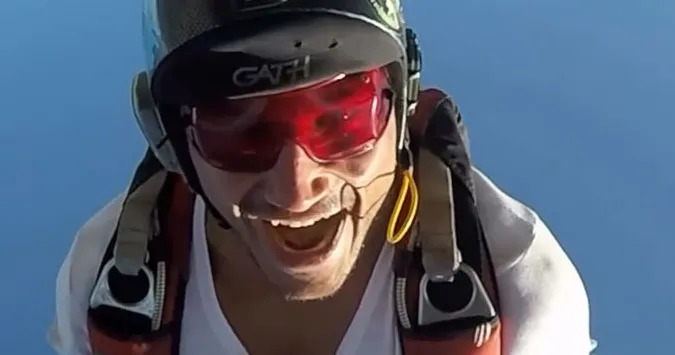
Pierre Wolnik, a two-time world skydiving champion in the discipline of freefly, died aged 37 following a parachute malfunction while skydiving over a mountain.

Wolnik skydived in a wingsuit from a helicopter to carry out a freefall skydiving jump in the Mont Blanc range, a mountain range in the French Alps, on Saturday, February 7th, as per reports in Le Figaro, TF1 Info, and Le Dauphiné Libéré.

After a brief free fall, his parachute failed to open.

French sports outlet Sport Tricolore confirmed Wolnik’s death in a post on X, calling him “a globally recognized name in the world of wingsuit flying.”

Pierre Wolnik/Instagram

Wingsuit flying is considered an extreme form of flying in which skydivers use a special suit that consists of fabric attached to the arms and legs, which helps them glide at high speeds while reducing their rate of descent.

His body was found in the village of Les Bossons, in the Chamonix valley, and first responders declared him dead at the scene, Le Figaro reported.

Further, the publication wrote that the technical issue that caused the parachute malfunction is still under investigation.

The athlete was a member of the French FAI World Championship team and was considered one of the most prominent wingsuit skydivers.

Wolnik, who was also a professional videographer, was very active on the social media where he had more than 6,000 followers. He was often posting very thrilling moments of his skydiving stunts.

According to his Instagram profile, he was also a tunnel coach for dedicated flyers.

Pierre Wolnik/Instagram

The Fédération Française de Parachutisme posted a tribute to Wolnik. In a translated social media post, they wrote: “It is with profound sadness that we announce the passing of Pierre Wolnik, which occurred on Saturday, February 7th.

“Pierre leaves behind the memory of a teammate whose presence will forever be felt. Today, the entire sport parachuting community mourns and pays tribute to a young man renowned for his talent and his exceptional character. On behalf of the entire Federation, we extend our sincere condolences to his family, loved ones, teammates, coach, and the members of the French national teams who had the privilege of knowing him.”

FFP President Yves-Marie Guillaud also paid tribute to Wolnik in a separate statement.

“The entire sport parachuting community mourns a talented young man with such a friendly smile,” Guillaud wrote via Facebook, according to Le Parisien. “May the memory of this exceptional parachutist fill our hearts.”

In an October post shared on the social media, in which he could be seen gliding high over a vast mountain range with another diver, Wolnik wrote, “It seems that too many of us take this great mystery of life for granted to a point that they don’t even question the nature of the experience until the very end of it.”

Another of his posts was captioned: “Flying high, feeling free 🪽. Good vibes, good crew — smiles don’t lie 🤘🏼. Because up there, everything makes sense.”

His fans also paid tribute to Wolnik.

“Rest in peace champion 🕊️,” one user commented.

“Fly free 🕊,” another added.

“Condolences to his family!!” a third user commented.

Please SHARE this article with your family and friends on Facebook.

Bored Daddy

Love and Peace
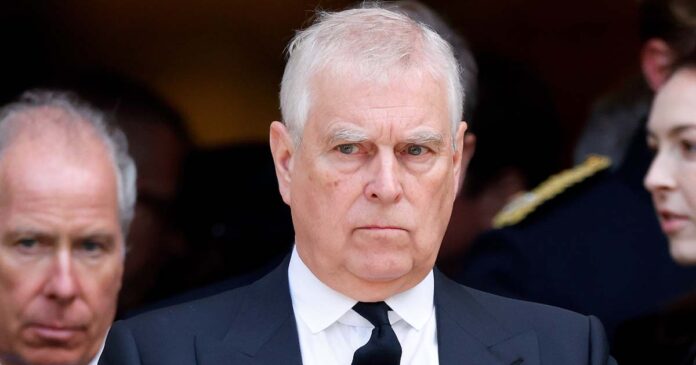
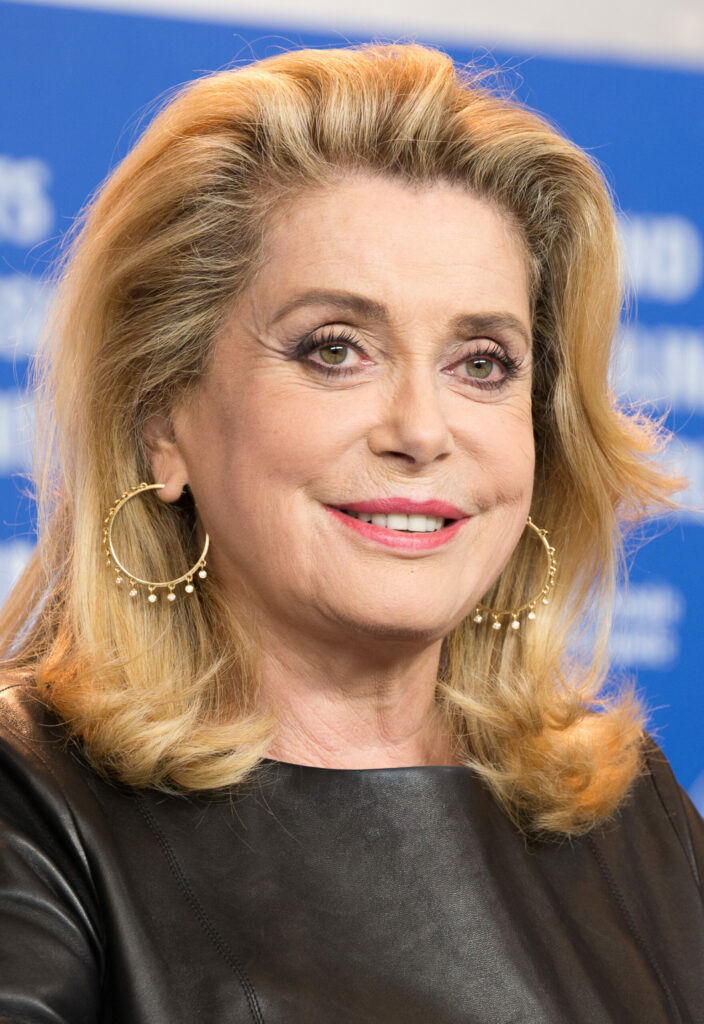
Catherine Deneuve: Timeless icon of the 60s continues to radiate elegance and beauty

0

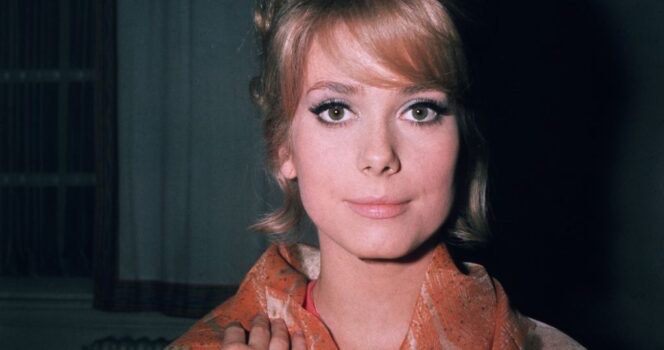
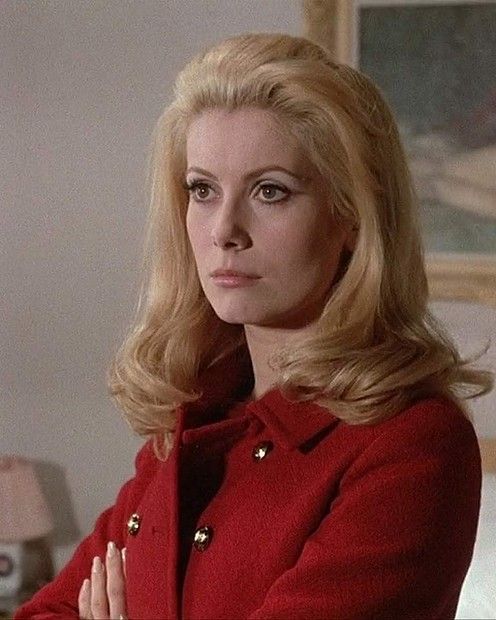
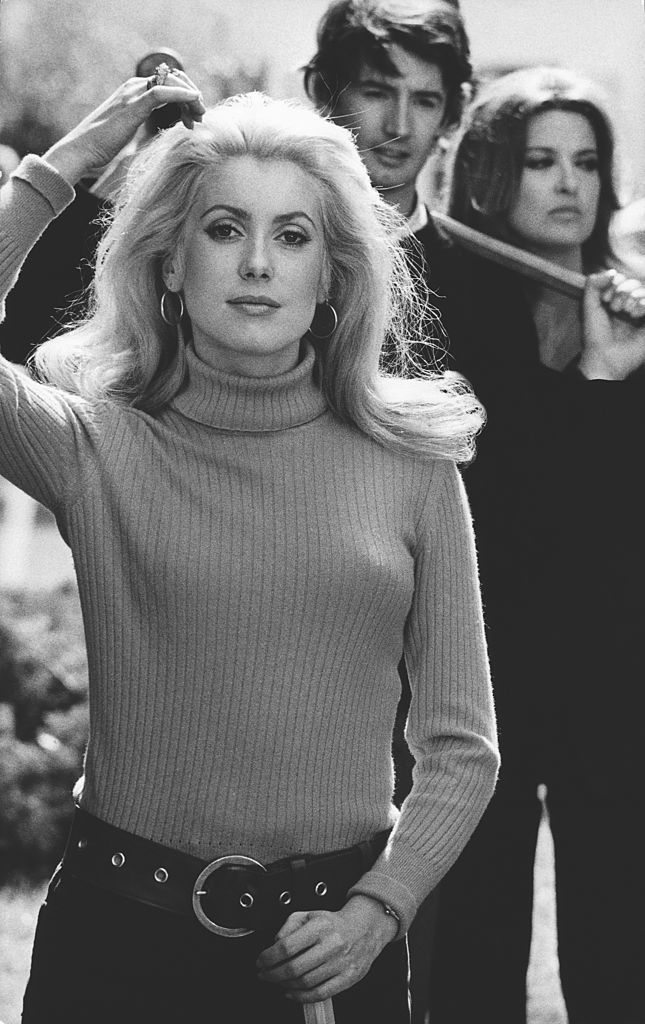
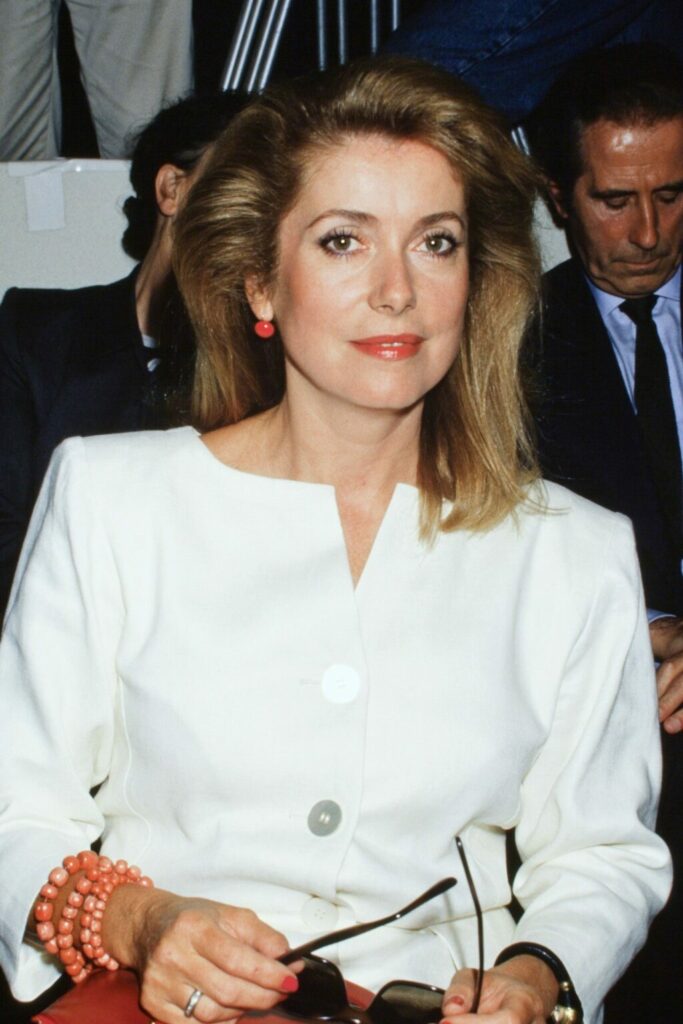
Catherine Deneuve, who achieved global stardom in the 1960s with her starring role in Jacques Demy’s colorful musical The Umbrellas of Cherbourg (1964) and her chilling performance in Roman Polanski’s Repulsion (1965), has been hailed as the very essence of French elegance in the world of cinema.

Deneuve, 82, was born into a family of actors. She had her debut in 1957, landing a role in the French film The Twilight Girls.

Following her role in The Umbrellas of Cherbourg, one of the many films of Jacques Demy in which she would take part through her illustrious career, her acting skills would catch the attention of renowned filmmaker Roman Polanski. With her role of Carol, a woman suffering from violent schizophrenia, in the psychological thriller Repulsion, Deneuve established herself as the “ice maiden” type.

Later on, she continued to reinforce this image in Belle de Jour, in which she portrayed a bourgeois housewife with a secret profession as a prostitute.

In 1967, Deneuve starred in The Young Girls of Rochefort along with her sister who was just a year older than her. However, despite they weren’t twins in real life, the sisters were so much alike that it wasn’t hard to portray twin sisters on screen.

Sadly, three months after the release of the film, Catherine Deneuve’s sister, Françoise Dorléac, who was 25 at the time, was killed in a car crash.

“The day I lost my sister, I lost my joy of living…it is the most painful thing that I have experienced,” the actress said in an interview with Paris Match, a weekly French magazine.

Juergen Vollmer/Popperfoto/Getty Images

Over the course of her career, Deneuve starred in over 120 films. Speaking of how the industry has changed over the years, she said in an interview with The Talks, “Human nature is a very wide thing. There are roles that are more in relation with people of my generation. When you grow older in life, it’s the same thing. You have an experience and a type of character that you cannot play if you are 30, let’s say.

“It’s difficult to find a good path. You can grow older better in Europe than in America, that’s for sure. But women seem to be younger than they were 50 years ago. It’s the evolution of human beings, ah? 40 years ago, when you see a 50-year-old woman, she looked her age. Today, much less.”

Deneuve only landed roles in a handful of English movies, including The April Fools (1969) with Jack Lemmon, Hustle (1973) with Burt Reynolds, March or Die (1977) with Gene Hackman, and the 1983 cult favorite The Hunger alongside David Bowie and Susan Sarandon.

She also explained why she mainly stared in French films. “I feel very French, but I speak Italian and English, so I feel very European. But I don’t feel close to English people, for example. It’s not that far away geographically, but I don’t feel close to English people because it’s such a different sensibility, such different characters.”

She added, “We are so different. I feel closer to Spanish or Italian people than to English people. Because of the nature of the Latin character compared to an Anglo-Saxon character. We have different educations… we are very different.”

In 1965, she married David Bailey, a British photographer whom she met at a Playboy shoot. The couple divorced in 1972, the same year she welcomed a daughter with Italian actor Marcello Mastroianni.

In 1980, Deneuve teamed up with Gérard Depardieu in The Last Metro, a collaboration that quickly became one of French cinema’s most celebrated pairings. It was the first time they worked together, and definitely not the last, as they would go on to make 15 films as co-stars.

Deneuve later explained that their connection came down to instinct. Neither liked to over-rehearse, they just showed up and responded to the moment.

In the early ’90s, she hit another major milestone with Indochine, which brought her an Oscar nomination, a César Award, and international acclaim when the film won Best Foreign Language Film.

In the 2000s, Deneuve continued taking on fresh roles, including the acclaimed musical drama Dancer in the Dark opposite Björk, and later Potiche, her eighth film with Gérard Depardieu.

After appearing in The Truth, she briefly paused work due to a health scare while filming Peaceful, before returning to the set the following year.

Today, at the age of 82, Catherine Deneuve is still going strong.

Please SHARE this article with your family and friends on Facebook.

Bored Daddy

Love and Peace

Congresswoman claims she possesses her own list of names from the full Epstein files, saying it will ‘shock’ the public

0

Lawmakers reviewed unredacted versions of several records in the Jeffrey Epstein files and pressured the Justice Department on Monday to un-redact more names.

From Monday onwards, members of Congress have been granted the opportunity to review the more than 3 million pages of documents that were recently made public by the Department of Justice under the Epstein Files Transparency Act. However, Rep. Jamie Raskin expressed concern about the extremely limited access to the documents, noting that members of Congress can review them on only four computers in a DOJ satellite office.

Rep. Raskin said that “it’s not explained yet why there might be certain redactions that have been made.

“So, I went over there, and I was able to determine, at least, I believe, that there were tons of completely unnecessary redactions in addition to the failure to redact the names of victims, and so that’s troubling to us,” Raskin said Monday, ABC reported.

“I saw the names of lots of people who were redacted for mysterious or baffling or inscrutable reasons,” he added.

Martin BUREAU / AFP via Getty Images

On the same day, Republican Rep. Thomas Massie and Democratic Rep. Ro Khanna, who co-authored the Epstein Files Transparency Act and have both reviewed the unredacted documents, expressed concern that some men’s names may have been accidentally redacted.

Currently, it is not known what the specific activities or connections these men may have had to the unredacted documents that the lawmakers were able to review.

Rep. Khanna read out the names of six people who had been previously redacted in the Epstein files during a floor speech on Tuesday, after visiting the Department of Justice where he and Rep. Thomas Massie spent two hours reviewing the documents.

The six men identified by Khanna, as reported by The Guardian, are Leslie Wexner, founder of Victoria’s Secret; Sultan Ahmed bin Sulayem, CEO of DP World; Nicola Caputo; Salvatore Nuara; Zurab Mikeladze; and Leonic Leonov.

Khanna also expressed concern that the DOJ may have over-redacted women’s names in the files, noting that some were hidden simply because they were female. “Just because, for example, someone is female doesn’t necessarily mean they’re survivors. And it seemed like they blanket redacted anyone who was a female from my review,” he said.

Kevin Dietsch/Getty Images

Now, Congresswoman Nancy Mace says she has her own list of people who have been found to be redacted, and she wants to know why.

“I took a lot of notes. I saw a lot of names,” she said during Katie Pavlich Tonight on Tuesday.

“I wanted to look at the documents of the people who have not been arrested or investigated. A lot of that information is still redacted.”

Mace said she has found the names of women who were potential co-conspirators of Epstein and may have been providing women to him.

She said they were “adult women who were recruiting young women and potentially underage individuals to give to Jeffrey Epstein,” adding: “Really disgusting behavior.

“These are people that I want to have brought in, tesitfy and answer some very tough questions.

“I’m very concerned as a survivor about protecting the personal information, the names of underage children of some of these women that was put out in the public,” Mace went on to explain. “And it’s also, it’s shaming. It’s victim shaming.”

Jeffrey Epstein/ New York State Sex Offender Registry

Although she claims that not all people she recognized in the files had evidence against them of wrongdoing, there are allegations being raised about their association with Epstein.

“I saw some names in there, people that I had no idea would be in the files, who were scheduling lunch or meetings with a convicted pedophile. Didn’t do anything wrong, but certainly you question, ‘Wow, why are all these people, rich and powerful and famous, Hollywood, et cetera, doing this?’” she said.

In the end, both Rep. Ro Khanna and Rep. Nancy Mace are calling for greater transparency in the Epstein files. Together, their efforts underline the ongoing push for accountability and a clearer picture of Epstein’s network.

Please SHARE this article with your family and friends on Facebook.

Bored Daddy

Love and Peace

New research reveals key brain development changes before birth may influence the risk of autism and schizophrenia

0

We tend to turn our attention to the brain and its function only when certain problems start to appear. It could be when a child starts struggling at school, or an adult starts feeling lost in their own thoughts, or simply when behavior seems out of sync with what’s expected.

It is in moments like these that we start looking for patterns and explanations. Yet, a new research reveals that much of who we are may have been shaped long before any of these issues could be observed.

Well before we started to speak, our memory could stick, or a “sense of I” could be born, the roots of our thinking, feeling, and doing were being laid. To understand the mind may be, in part, to realize not only where it fails us now but also how the early pages of our lives, even before birth, begin to dictate what is to come.

Neurodevelopmental disorders, including autism and schizophrenia, are commonly talked about years after the onset of the first symptoms, whether it’s the struggle in school for the child with autism or the alterations in perception, thought, and social connection for the person with schizophrenia.

However, recent research is moving the onset of these disorders from years after birth to the first weeks in the womb.

Scientists at the University of Exeter have produced a list that explains the process of the chemical changes in our DNA and how they occur in the development and aging of the human brain. This has given us further insight into the possible ways in which autism and schizophrenia could be developing in the brain.

The scientists researched the process of something called epigenetic changes, which are basically chemical changes that occur in the DNA in our brain. These changes are very important in the development of the brain because they tell the brain cells what to do and help the different areas of the brain work correctly.

Shutterstock

One of the changes the researchers focused on is something called DNA methylation. The researchers were able to study almost 1,000 human brains that were donated to the study. The study included all stages of life, from six weeks after conception until the age of 108. The researchers focused particularly on the cortex, which is the part of the brain that controls thinking, memory, perception, and behavior. It is very important that the cortex is functioning correctly from the early stages of brain development in order for the brain to be healthy throughout our lifetime.

A new study published in the journal Cell Genomics reveals that the chemical switches on our genes, known as DNA methylation, are in a state of flux even before we are born. These changes play a crucial role in the activation of crucial biological pathways in the development of the cortex of the brain. What’s even more intriguing is the fact that the development of the DNA methylation patterns in the neurons of the brain, which are the primary signaling cells of the brain, begins very early on in development and makes them stand out from the rest of the cells in the brain.

The most intriguing part of the study is the fact that the genes which are linked to autism and schizophrenia are subject to the greatest changes in DNA methylation patterns in the early stages of development. This shows that the development of the cortex of the brain is crucially dependent on these genes, and any interruption in the process could lead to the development of the aforementioned mental health disorders.

Alice Franklin, from the University of Exeter, who is first author on the study said: “By analysing how chemical changes to DNA shape the brain across the human lifespan, we’ve uncovered important clues about why neurodevelopmental conditions like autism and schizophrenia may develop. Our findings highlight that their roots may lie very early on in brain development.”

From the very beginning of a baby’s development, the brain develops a highly coordinated and well-timed blueprint to determine how different areas of the brain will develop and become connected. Before a baby even begins to think, act, or display personality, the outer layer of the brain, or the cortex, begins to develop in layers, with each cell having a purpose based on its position and timing of development. As it is obvious, even a small change during this time could have a great impact, as much of the rest of the development depends on this process.

At this point, it is not about behavior or personality; it is about developing the structure of the brain. The cells have to know where to go, when to multiply, and how to prepare to communicate with other parts of the brain. There are biological signals inside the body, and these signals are like instructions, ensuring everything develops in the correct sequence. If these instructions change even slightly, the structure of the entire brain could develop, but it could function differently later on.

Why Epigenetics Matters for Autism and Schizophrenia

While genetic research managed to identify a number of variants that are associated with autism and schizophrenia, these variants alone don’t answer the question of why some individuals develop these disorders and others don’t. In fact, many of the same genetic markers are also present at people who have never been diagnosed with autism or schizophrenia, which forced researchers to focus on epigenetics in order to get a better understanding of how genetic risks affect biology.

Essentially, epigenetics is the system that regulates the way in which genes behave without actually altering the DNA sequence itself. In the brain, these processes determine when and where particular genes are turned on, ensuring that brain development remains coordinated throughout the process of brain growth and change. Rather than simply turning genes on or off, epigenetics is like a dimmer switch, making subtle adjustments in the way in which genes behave. This influences the way in which brain systems initially develop and the way in which they respond later in life to experience, learning, and the environment.

In relation to autism and schizophrenia, epigenetics provides a way of thinking about a set of issues that is beyond the simple notion that they are inherited or “hard-wired.” It provides a way of thinking about how genetic vulnerabilities interact with the biological environment, not all at once, but over a period of time. This helps to explain why traits associated with autism and schizophrenia tend to emerge gradually, and why they vary so greatly from person to person.

Looking at something in this way helps to reinforce a non-deterministic approach to understanding risk. To say that you are vulnerable to something because of a biological factor does not mean that you are locked into a particular outcome, but rather that there are a number of possibilities.

The University of Exeter study in particular focuses in on the specifics of DNA methylation because it is one of the best understood and most researched of the epigenetic markers in the brain tissue of humans. By determining what the typical pattern of DNA methylation looks like at various stages of brain development, the researchers are in effect creating a sort of guide.

This allows future researchers to take a closer look at the regulation of genetic risk in the cortex, rather than the location of the risk itself. It also allows researchers to gain a deeper understanding of what goes wrong when the regulation does not occur in the expected manner.

It’s not difficult to misinterpret research findings that try to relate prenatal brain development to neurological differences that show up later in life. This is especially true when the research deals with conditions such as autism or schizophrenia, as these are already somewhat mysterious to most people. Therefore, the research suggests that people should try to read these findings in terms of what they show, rather than what they appear to suggest at first glance. The research suggests that early brain development seems to have an impact on later outcomes, as well as the fact that there’s a strong relationship between epigenetics and genes that have to do with autism or schizophrenia. This research helps to show that neurological differences begin early, though they do this slowly and in ways that change.

However, the study does not suggest that biology during early development controls the course of a person’s life.

There is no single epigenetic mark that would tell if a child would develop autism or schizophrenia. Prenatal factors are part of a much broader picture.

There is also great care taken by the researchers to address the concerns parents and caregivers might have when they read the results. It is only logical to wonder if there could be long-term effects from the experiences during pregnancy, but the researchers want to make it clear that the results are not about control or blame. Epigenetics is not about being certain; it is about being sensitive.

A generation of research on human development reveals that the brain remains malleable even after birth. The years of early childhood, in fact, represent a peak in malleability, influenced by care and learning opportunities, and the broader social world around us. From this point of view, prenatal biology provides the foundation for human development, but not the outcome.

The practical importance of this research, then, is not to improve prediction, but to inform our understanding and support. By appreciating the early vulnerabilities and the lifelong malleability, scientists are working to develop a more accurate and compassionate model of human neurodevelopment.

Please SHARE this article with your family and friends on Facebook.

Bored Daddy

Love and Peace

The billionaire’s daughter was given only three months to live—until the new housekeeper uncovered a shocking truth

0

Following his wife’s sudden passing, Richard wasn’t the same man any longer. His entire life turned upside down, and he no longer spent his days attending meetings and answering calls.

No one inside the Wakefield mansion dared to say it out loud, but everyone could feel it. Richard’s daughter, Luna Wakefield, was fading away.

The little girl suffered from a medical condition that left her with three months to live.

Richard, who was a company owner and a multimillionaire, stared at his daughter but couldn’t do anything to help her. In moments like that, he knew money couldn’t buy everything.

The mansion was enormous. And it was rather quiet, but not in a way that makes you feel peaceful. No. On the contrary, that silence made everyone feel guilt for no particular reason. And yes, that mansion was filled with the best of the best. There were private doctors, state-of-the-art medical equipment, rotating nursing staff, therapy animals, gentle music, books, imported toys, bright blankets, and walls painted in Luna’s favorite color.

Sadly, the only thing that really mattered wasn’t there. And that was Luna’s mental presence.

Her eyes were always distant and unfocused. It seemed as though she stared at nothing particular, and seeing her like that broke Richard’s heart into a million pieces over and over again. His face was no longer part of the magazine covers, and his “empire” could now survive without him. He needed to be there for Luna, despite her not even being aware he was right by her side.

He started every day with the same routine. He’s prepare breakfast for his daughter, despite there were plenty of staff at the house and the kitchen who could do that instead of him. However, Luna would barely touch the breakfast, and it went on every single morning.

Next, Richard would give her the medications. Luna took plenty of meds prescribed by one of the best private doctors there was, Dr. Atticus Morrow, who was overseeing Luna’s care.

Richard would write down any change in his daughter’s behavior, even the slightest one. His notebook was filled with a bunch of notes he went through over and over again, hoping to notice a change that could help with her treatment.

But Luna barely spoke. She even barely nodded. All she did was staring at the window. Her father spoke to her anyway. He shared stories, made promises he knew he wouldn’t fulfill, and invented all sorts of fairy tales he believed Luna would like. Sadly, the distance between them was getting broader with each passing day.

But then, Julia Bennett arrived.

Julia was a woman who had experienced loss. Her newborn baby died, and she was never the same ever since that tragedy took place. So when she saw the advert in the newspaper that Mr. Wakefield was looking for a housekeeper, she thought there was nothing she could lose. The advert asked for someone to tend a large house, light duties, and to take care for a sick child. Because of reasons she couldn’t explain, Julia’s chests tightened. It felt as though life was offering her a second chance not to drown in grief.

She applied and got the job.

She was kind and calm, and Richard explained her the rules: distance, respect, discretion.

Julia was assigned a guest room at the far end of the house, where she placed down her simple suitcase like someone trying not to take up space. She spent the first couple of days observing the place.

Julia moved silently through the room. She started tidying, straightening up, assisting the nurses with their supplies. She pulled back the curtains, added flowers in soft shades, routinely folded the quilts. What she didn’t do was go straight to Luna. Just she paused in the threshold, and saw a kind of loneliness for which no soothing phrase could ever serve as an antidote.

What lingered with Julia, however, was not Luna’s pale skin or the wispy hair regrowing. It was something she could not quite name that was missing from behind her eyes. It was the idea that Luna was right there but really far away at the same time. Julia was all too familiar with that sensation. She’s also known it once herself, coming home with nothing in her hands.

So she waited.

One day, she placed a little music box on Luna’s bed. When it was played, Luna would slightly turn her head, enough so she’d show awareness. Julia read from the hallway because she didn’t want to put any pressure on the girl.

A few weeks into it, Richard began to feel a shift he couldn’t quite put his finger on. Julia did not make the house noisy, but she made it warm. One evening he found Luna cradling the music box in her palms, and he thanked Julia for that gift that seemed like it mattered to his daughter.

Weeks passed, and trust began to establish itself. Luna let Julia brush her newly grown hair. Then, in a single still moment, all changed.

“It hurts… don’t touch me, mommy.”

Julia froze… This was the first time she heard the little girl speak.

Julia set the brush down gently and said nothing more than, “Okay. We’ll stop.”

Over the next few days patterns started to emerge. When someone walked and Luna would hear footsteps, she’d react to them and she’d turn her head around. It was the same with the voices. But one thing that Julia noticed and which worried her was that Luna’s mood declined after she received certain medication.

And then, one day, after paying Luna a visit together with nurses and other doctors, Dr. Morrow left behind the huge folder in which he was writing down the changes in Luna and her treatment after every visit.

Julia started calling his name with the folder in the hands, but the doctor had already left. So Julia’s curiosity arouse and she started reading the papers that were neatly piled one over another.

To her, the entire situation felt awkward from the beginning, and this was her chance calm her mind. But the moment she started going through the papers, she knew something was terribly wrong.

One of the documents read that the “trial” was founded by certain pharmaceutical companies. Julia had no idea Luna was part of a trial treatment, and it turned out that neither Richard was aware of that.

The files of the medications Luna was taking felt suspicious, too. Some of them were labeled “Restrictive use only,” although Luna was taking them every single day, sometimes even twice a day. Others were labeled “Clinical trial only.” There were dates that didn’t align with Luna’s current treatment plan. But Luna’s name was there, on every single one of the papers.

That night, Julia perched on the edge of her bed with her lap top on her knees.The glow lit up her hands as she typed the names of drugs she barely knew how to pronounce.

The results were worse than she feared.

One drug had been approved only for adults in late-stage trials. Another was removed from the market in several countries following reports of organ suppression. A third wasn’t even licensed at all but was still experimental, its data incomplete, its risks “under evaluation.”

The phrase repeated again and again on medical forums and in buried reports: “It should only be used if other options are unavailable.”

Julia hung on the screen. As she read, more and more pieces clicked into place. Luna had always had other options. There had always been a way to help her. And the drugs—those drugs—explained it all. The emptiness she’d glimpsed in Luna, the way she looked remote, even hollow… it wasn’t the disease. It was the medication.

Julia didn’t sleep that night. She replayed every nurse’s movements in her mind, every hush-hush command, every strange glance. One followed orders without question, another ignored the labels, one avoided her eyes entirely. And each time, her thoughts went straight to Dr. Morrow whose name appeared everywhere. It was on the approvals, the dosage increases, in notes justifying the continuation of treatment despite Luna’s worsening condition.

When Richard finally got around to reading the files, what Julia had already suspected became undeniable. They had been declaring Luna terminal too soon. That label had closed doors and offered no other options. Once that door was shut, anything could be sanctioned as “the last hope.”

And the test results confirmed the nightmare. The doses weren’t intended to cure; they were intended to suppress. Luna hadn’t been failing on her own. Her body had been kept in a kind of synthetic decline long enough for everyone to assume that it was untreatable.

“So she was never… she was never beyond salvation?” Richard asked. The response was calm, matter-of-fact—but it hit harder than anything: “No. She was never dying the way you were told.”

Someone had treated Luna as data, as collateral, and nearly got away with it. The worst part? How easily everyone had been persuaded not to ask questions. That silence, that blind faith… it had almost cost a child her life.

Please SHARE this article with your family and friends on Facebook.

Bored Daddy

Love and Peace

James Van Der Beek shared one colon cancer symptom that led to tragic diagnosis and death

0

Dawson’s Creek star James Van Der Beek passed away aged 48, sending shockwaves through the entertainment world.

Van Der Beek was battling colon cancer for nearly three years, and his passing brought the question of why so many young people are getting diagnosed with this form of cancer back into the limelight.

The Mirror reported Dr. Will Bulsiewicz, a gastroenterologist who goes by the Gut Health MD online, said the actor’s death “didn’t need to happen.”

In a post on the social media in which he shared his tributes to the late actor, Dr. Bulsiewicz aslo wrote, “He was 48, and this didn’t need to happen.

“James Van Der Beek died from colorectal cancer, and right now, colon cancer is rising in younger adults.”

He further wrote, “But you need to know: this is often preventable. That’s why we lowered the screening age from 50 to 45. If you’re 45 or older, you don’t wait for symptoms; you get screened. And if you have a family history, you start even earlier.

“But at any age, if you have bleeding, a change in bowel habits, unexplained anaemia, persistent abdominal pain, or unexplained weight loss – don’t ignore it. Get checked. As a gastroenterologist, I’ve removed pre-cancerous polyps that would have become cancer.

“That’s what a colonoscopy can do. It can prevent cancer or catch it early when it’s most curable. So I’m asking you, please book the colonoscopy. The earlier the better. Do it for yourself, do it for your family, and help me share this message.”

Van Der Beek’s passing was confirmed by his family, who said in a statement, “Our beloved James David Van Der Beek passed peacefully this morning. He met his final days with courage, faith, and grace.

“There is much to share regarding his wishes, love for humanity, and the sacredness of time. Those days will come. For now we ask for peaceful privacy as we grieve our loving husband, father, son, brother, and friend.”

Van Der Beek was diagnosed with colon cancer in 2023 and was candid about his battle with the disease.

Speaking to People magazine in 2024, Van Der Beek spoke of disclosing his diagnosis with the public, saying he was in “a good place and feeling strong.”

At the beginning, he had been dealing with the disease privately, but had “found it helpful and cathartic to share things publicly,” he told the publication. He added that he wanted to raise awareness about colon cancer.

“I’d always associated cancer with age and with unhealthy, sedentary lifestyles,” Van Der Beek told People. “But I was in amazing cardiovascular shape. I tried to eat healthy — or as far as I knew it at the time.”

Getty Images

He shared that one of the first symptoms he noticed, which is also the case with many other people who suffer from the same disease, were changes to his bowel movement. He brushed that symptom off at the beginning because he thought it was due to his coffee drinking habit, but even after he stopped having coffee, the irregularities in his bowel movement continued.

“When I cut that out and it didn’t improve, I thought, ‘All right, I better get this checked out,'” he said.

He was diagnosed with colon cancer following colonoscopy.

“Then the gastroenterologist said — in his most pleasant bedside manner — that it was cancer,” he said. “I think I went into shock.”

The actor added, “The trickiest thing is there are so many unknowns with cancer.

“You think, ‘How do I fix this? Is this healing me? Is this hurting me? Is this working? Is it coming back?’ As someone who likes answers, not knowing is one of the hardest things.”

In recent years, more people under the age of 50 have been diagnosed with bowel cancer, a rise that researchers believe may be linked to changes in lifestyle, environmental factors, or even genetics.

This type of cancer was once seen mostly in older adults, but as cases among younger people continue to grow, experts are rethinking when screenings should begin and how treatment should be approached.

As per the American Cancer Society, colorectal cancer starts in the colon. “Most colorectal cancers start as a growth on the inner lining of the colon or rectum. These growths are called polyps.”

While polyps are quite common and often noncancerous, some can turn into cancer over time.

Dr. Jeremy Kortmansky of Yale School of Medicine explains that colorectal cancer typically exhibits aggressive histological features, which is why it is often diagnosed in later stages.

The symptoms can be rectal bleeding, changes in bowel habits, diarrhea, or constipation. It is very likely these symptoms to be mistaken for less severe issues like hemorrhoids or irritable bowel syndrome.

Rebecca Siegel from the American Cancer Society believes that the increase of early-onset colorectal cancer at young people can be related to the lifestyle changes introduced in the mid-20th century.

The Western diet has indeed changed dramatically over the years and it now includes more processed foods and sugars, particularly high-fructose corn syrup, that began to be a widely used product in the 70s. Researchers attribute this change to obesity and metabolic diseases, both risk factors for colorectal cancer.

A sedentary lifestyle is another risk factor

Research indicates that it could be years before such changes produce cancer, which accounts for the incident increase in this type of cancer in young people.

Genetics, too, play a significant role, just like with any form of cancer out there.

Obesity increases cancer risk by altering hormones like insulin, promoting cell growth. Chronic inflammation caused by fat tissue also contributes to this risk. A study in JAMA Oncology found that obesity nearly doubles the risk of early-onset colorectal cancer.

John Marshall of Georgetown University’s Lombardi Comprehensive Cancer Center, who has treated cancer patients for more than three decades, said, “We’re now starting to see more and more people in the 20-, 30- and 40-year-old range developing colon cancer. At the beginning of my career, nobody that age had colorectal cancer,” adding that the shift “is shaking us all, to be blunt.”

Please SHARE this article with your family and friends on Facebook.

Bored Daddy

Love and Peace

Princess Diana’s last words disclosed by firefighter who responded on scene

0

Known as the People’s Princess because of her nurturing and compassionate nature, as well as love for the ordinary citizens, Lady Di will forever be remembered as the woman who changed Britain and the Monarchy.

This incredible Princess rose to prominence upon her engagement to Prince Charles, Queen Elizabeth II’s eldest son and heir apparent to the British throne. Ever since the world learned of her, she was under the spotlight. The paparazzi followed her every move, and according to many, pushed her to her death.

Wikipedia Commons

At the time of her death, Princess Diana’s sons, Harry and William, were only 12 and 15 years.

She lost her life after she and her partner Dodi Fayed, the son of Egyptian billionaire Mohamed Al-Fayed, her driver Henri Paul, and her bodyguard Trevor Rees-Jones crashed the Mercedes in the Pont de I’Alma tunnel in Paris while trying to escape the paparazzi.

Shutterstock. The Pont de l’Alma tunnel where Princess Diana was fatally injured in the car crash. Above the tunnel you can now see the Flame of Freedom of Liberty, now a tribute to the Princess.

Xavier Gourmelon was one of the first responders who came to the scene after the tragic crash. He spoke of the day and revealed what Princess Diana’s final words were.

As reported by The Independent, Gourmelon said: “The car was in a mess and we just dealt with it like any road accident.”

He then continued, “For me this was simply a banal traffic accident, one of many that emergency services have to deal with and it was the usual causes, speed and a drunk driver…

“I could see she had a slight injury to her right shoulder but, other than that, there was nothing significant. There was no blood on her at all. I held her hand and told her to be calm and keep still, I said I was there to help and reassured her.”

As she was still conscious when he approached her to help her, the Princess said: “My God, what’s happened?”

Shutterstock

Gourmelon further said how he believed the Princess would pull through and was shocked to hear that she died one day after she was admitted to the Pitie-Salpetriere hospital. According to reports, Lady Di passed away as a result of massive internal injuries and a ruptured blood vessel which caused internal bleeding.

Her funeral was watched by 2.3 billion people from all over the world. Diana’s passing was a loss that crushed billions of hearts. There was no single Briton who didn’t mourn her death.

Dodi Fayed’s father, Mohamed Al-Fayed, whose son died at the scene, was convinced that the crash was no incident at all.

Princess Diana will forever be missed by many. May she rest in peace.

Please SHARE this article with your family and friends on Facebook.

Bored Daddy

Love and Peace

Taking morning baths after 70: potential liver risks you should be aware of

0

Taking a bath daily is what most people consider a healthy practice. Of course, there are also those who shower more than once per day, but there are also those who tend to skip a day or two.

However, while taking a bath feels like a simple daily task, it can have some health consequences on the elderly.

When people reach a certain age, usually 70 and above, their bodily functions tend to slow down. It is also the age when the body becomes more vulnerable to changes in temperature and circulation, so taking baths first thing in the morning can put stress on the liver and increase the risk of liver-related conditions. While the act of showering isn’t harmful on its own, the timing can be.

Here are some liver-related risks seniors should know about if they often bathe in the morning.

1. Reduced Blood Flow to the Liver

As we get older, the body doesn’t adapt to sudden changes the way it once did. What the elderly should have in mind is that circulation slows, blood pressure becomes more sensitive, and internal organs rely on a narrower margin of balance. That’s why something as simple as a very hot bath, especially early in the morning, can have a stronger effect on older adults than they might expect.

When you step into hot water, blood vessels near the skin widen quickly. This pulls blood toward the surface of the body and away from deeper organs. According to experts at Harvard Medical School, heat exposure causes blood vessels to dilate and temporarily alters how blood is distributed throughout the body. While this response can feel relaxing, it also lowers blood pressure and reduces circulation to internal organs for a short time.

For younger, healthy people, the body usually compensates without issue. In older adults, especially first thing in the morning when blood pressure is already lower, this adjustment can be slower and less efficient. Doctors at the Cleveland Clinic note that hot baths can significantly lower blood pressure, which may lead to lightheadedness, weakness, or reduced organ perfusion in seniors.

The liver may be particularly affected. Research published in the Journal of Hepatology found that exposure to hot water reduced portal blood flow, the circulation that supplies the liver. In people with liver conditions such as fatty liver disease, hepatitis, or early cirrhosis, this temporary reduction may increase liver strain and slow detoxification processes.

None of this means older adults need to avoid bathing altogether. The issue is temperature and timing. Very hot water early in the day places extra demands on circulation when the body is least prepared to adapt. Warm baths later in the day are generally better tolerated and less disruptive to blood flow.

2. Higher Risk of Fatty Liver Worsening

Hot baths first thing in the morning may feel refreshing, but for older adults they can place stress on the body. Exposure to very warm water causes blood vessels to widen quickly, which can lead to a sudden drop in blood pressure. In people over the age of 70, the body is often slower to compensate for these rapid shifts, increasing the risk of dizziness, weakness, or reduced blood flow to vital organs.

This effect can be more pronounced in individuals with metabolic conditions such as type 2 diabetes. Diabetes already affects blood vessel health and circulation, and adding an abrupt temperature change early in the day can further strain the system. For some, this extra stress may worsen existing liver conditions, particularly fatty liver disease.

Fatty liver disease develops when excess fat builds up in liver cells, often linked to insulin resistance and metabolic imbalance. While it may start without obvious symptoms, ongoing stress on the liver can accelerate progression. Over time, untreated fatty liver disease can lead to inflammation, scarring of liver tissue known as fibrosis, and eventually reduced liver function. This can interfere with the body’s ability to regulate blood sugar, process medications, and remove toxins.

For older adults, especially those managing diabetes or liver conditions, it may be safer to avoid very hot baths in the morning. Choosing warm water instead, bathing later in the day, and allowing the body time to fully wake up can help reduce unnecessary strain and support overall metabolic and liver health.

3. Hepatitis Reactivation Triggers

There are cases of older adults who live with inactive hepatitis B or C without even being aware of it. So, sudden exposure to very hot or very cold water in the morning can act as a physical stressor that can challenge their immune system. In rare cases, this stress may disrupt the body’s balance and trigger viral activity. When that happens, it can cause liver inflammation and worsen any existing liver conditions. While this is an uncommon outcome, it does serve as a reminder to avoid extremes.

4. Strain on a Cirrhotic Liver

Bathing for older adults with cirrhosis is among those tasks that can prove particularly daunting. Cirrhosis also decreases the liver’s ability to cleanse the body of toxins, reduces albumin levels, and interferes with blood clotting. An abrupt hot bath, especially before getting up in the morning, can overburden the circulatory system. The blood rushes to the skin in large volumes, temporarily diminishing circulation to the internal organs, ovaries and uterus, and the liver.

This transition can bring about swelling and fatigue and make you feel sluggish before the day has even started. Over time, strain on an already compromised liver could potentially lead to severe complications, such as hepatic encephalopathy, where toxins build up and impair brain function.

For elderly cirrhotic patients, using a thermostat to bring the temperature up to a moderate warmth and bathing later in the day may do the liver no harm. It allows the patient to attend to daily hygiene without overextending herself, reducing unnecessary discomfort and supporting a more comfortable posture.

5. Increased Risk of Gallbladder and Bile Flow Problems

The liver and gallbladder work closely together to produce, store, and release bile, which is essential for digesting fats and removing certain toxins from the body. In older adults, this delicate system can become more sensitive to sudden stress, including rapid changes in temperature. Taking a very hot or very cold bath early in the morning can temporarily disrupt blood flow and circulation, which may interfere with how these organs function.

For people prone to gallstones or bile duct issues, this can be particularly problematic. Sudden temperature changes may cause the gallbladder to contract or the bile ducts to react in ways that worsen discomfort or trigger a flare-up. Over time, repeated stress could increase the risk of complications, such as inflammation or pain associated with gallstones, and may make existing bile duct problems harder to manage.

Elderly individuals or those with known liver or gallbladder conditions should be cautious with extreme-temperature baths, especially early in the day. Opting for a gently warm bath, rather than very hot or cold water, and bathing later in the morning or afternoon allows the body to adjust more gradually. This simple adjustment helps support healthy bile flow while maintaining comfort and reducing unnecessary strain on the liver and gallbladder.

6. Dehydration and Toxin Accumulation

A number of seniors begin the day already mildly dehydrated because water is lost from the body overnight due to breathing and sweating along with normal metabolic activities. Soaking in a hot tub first thing in the day can exacerbate the dehydration, as heat induces further fluid loss through perspiration and directs blood flow away from the muscles to the surface of the skin. Older people can feel the impact of mild dehydration as well—tiredness, dizziness, and slower circulation are just a few symptoms.

Hydration is especially important for the liver, which depends on adequate blood flow to perform its detoxification duties effectively. The liver may also receive added strain when the body is dehydrated, as dehydration reduces blood flow to the body’s internal organs. When you combine dehydration with the abrupt circulatory shifts caused by a hot bath, it can magnify these effects, reduce liver efficiency, and make you feel heavy, fatigued, or sluggish first thing in the morning.

For this reason, experts advise that seniors hydrate before bathing by drinking a glass of water as soon as they wake up. Waiting a few minutes after rising for the body to ‘wake up’ before entering the bath and selecting a warm rather than scalding temperature may also help ease the strain on circulation. Small changes like these can make a real difference—helping the liver work its best, fueling overall energy, and making daily hygiene safer and more comfortable for aging adults.

Conclusion

If you are 70 or above wait at least an hour after waking up to take a bath. Further, bath with lukewarm water, make sure you stay hydrated, and limit bath time to 10-15 minutes at maximum.

Please SHARE this article with your family and friends on Facebook.

Bored Daddy

Love and Peace

Studies suggest people with a certain blood type may have a greater chance of reaching 100

0

The 2024 Revision of World Population Prospects states that the number of centenarians, people who reach to live to 100 or beyond, has roughly doubled every decade since 1950 globally. Further, it is expected the number to quintuple between 2022 and 2050.

Extended lifespan is the product of a complex and multifactorial interaction of several parameters, a large number of which are still unknown.

While genetic predisposition is an important factor, a person’s lifespan is also influenced by lifestyle, environment, and social relationships. The exact reasons why some people become centenarians and others do not remain largely unknown, which makes this a fascinating topic to discuss and research.

Ultimately, understanding what supports lifespan and healthspan in these exceptional individuals may point the way toward extending good health and longevity.

These research enable us not only to better understand how aging processes develop over the course of life, but also to gain knowledge on how exceptional longevity may be facilitated. In the end, identifying what supports both lifespan and health span in these extraordinary individuals may lead to ways to extend good health and longevity.

Reaching 100? Insights from a Groundbreaking Swedish Study

Centenarians were once those people whose birthdays became community events or even newspaper features. Even today, hitting a century of life is rare, and scientists have long wondered why some people live far longer than others. Is it luck? Genetics? Lifestyle? Or a combination of all three?

A study from Sweden gives us a glimpse into the answer. Researchers had access to decades of health records for tens of thousands of people, and they wanted to know whether routine blood tests taken in midlife could reveal who might eventually make it to 100.

Decades of Tracking

The study looked at 44,637 people from Stockholm County. These participants, all born between 1893 and 1920 (ages 64 to 99), had routine blood tests performed between 1985 and 1996. After that, the researchers followed these individuals for up to 35 years, tracking disease, death, and residency through national registers.

Out of all these participants, 1,224 reached the age of 100, and most of them, around 85 percent, were women. This didn’t come as a surprise as women generally live longer than men. But the researchers weren’t just counting birthdays. They also wanted to know if blood markers measured decades earlier could reveal something deeper about their longevity.

It turns out they could.

The Markers That Matter

The study examined 12 routine blood markers. They were glucose and total cholesterol for metabolic health, creatinine for kidney function, liver enzymes including gamma-glutamyl transferase (GGT), alkaline phosphatase (ALP), and lactate dehydrogenase (LD), iron markers, and uric acid, which may be a sign of inflammation, and albumin, a proxy for nutrition and protein intake.

The results showed very clearly that extreme values, both too high or too low, were associated with a lower probability of reaching 100.

As researcher Karin Modig explained in a Live Science article:

“We found that, on the whole, those who made it to their hundredth birthday tended to have lower levels of glucose, creatinine, and uric acid from their 60s onwards. For example, very few of the centenarians had a glucose level above 6.5 earlier in life, or a creatinine level above 125.”

It indicates that even a small edge in midlife, sustained over years, can bring about a subtle shift in the odds of reaching extreme longevity.

Cholesterol and Iron: Moderation Is Key

Clinical practice guidelines often recommend aggressive cholesterol lowering, but the Swedish study demonstrated something more nuanced. Higher total cholesterol levels were actually associated with a modest increase in the probability of surviving to age 100. The researchers commented that this result is consistent with prior research indicating that elevated cholesterol may, on occasion, be beneficial in the very elderly.

Iron levels showed a similar pattern. Very low iron was linked to lower odds of living to 100. The lesson here is that extremes aren’t ideal. A steady, moderate range is what seems to matter most.

Kidney function was also significant. Those who lived the longest generally had healthier kidneys in midlife, allowing their bodies to process toxins, medications, and blood pressure for decades. Liver function was important too, but not as drastically. Inflammation was consistently reduced in centenarians and supercentenarians. Less inflammation may help keep organs and tissues resilient as the years tick by.

Unsplash

The Role of Genetics

Genes clearly play a part in longevity. Other studies reviewed alongside the Swedish research highlight variants in genes like FOXO3A, which regulates stress resistance and insulin signaling; APOE and PON1, which affect cardiovascular health and lipid metabolism; and TP53 and P21, which help control cell cycles and protect against age-related damage.

Blood type, while fixed from birth, may have a minor influence as well. Certain types could slightly affect disease risk or clotting, but they don’t determine whether someone lives to 100. The story of longevity is far more complex than one gene or one blood type alone.

Modig notes: “The study does not allow conclusions about which lifestyle factors or genes are responsible for the biomarker values. However, it is reasonable to think that factors such as nutrition and alcohol intake play a role. Keeping track of your kidney and liver values, as well as glucose and uric acid as you get older, is probably not a bad idea.”

She adds: “That said, chance probably plays a role at some point in reaching an exceptional age. But the fact that differences in biomarkers could be observed a long time before death suggests that genes and lifestyle may also play a role.”

Unsplash

What This Means for You

So what does this all mean for the rest of us? The short answer is that you don’t need perfect lab results to live a long life. Also, you don’t need to obsess over numbers or chase extremes. What matters most is steady, consistent habits over time.

Blood sugar is one example. Avoid constant spikes from sugary snacks and drinks. Meals with protein, fiber, and healthy fats can help keep things steady. Kidneys and liver are quietly working hard, so drink enough water, be mindful of medications, limit alcohol, and eat nutrient-rich foods. Cholesterol and iron are similar: extremes aren’t helpful, and moderate levels appear to support longevity. Inflammation can be reduced with movement, good sleep, stress management, and a diet rich in vegetables and fruits.

The big idea is that small, steady habits add up. A slightly better meal, an extra walk, or a night of restful sleep quietly tips the odds in your favor over decades. Longevity isn’t about chasing perfection. It’s about letting the little things compound.

Beyond the Numbers

One of the most impressive aspects of this study is how long it followed people. This wasn’t a survey or a one-time snapshot. It tracked decades of data, showing how what happens in midlife—blood sugar, kidney function, inflammation—can shape outcomes decades later.

Longevity is rarely about a single factor. Genes, biomarkers, daily habits, and even a little luck all combine. No single thing guarantees you’ll live to 100, but a lifetime of balanced choices definitely improves your odds.

Even blood type, while eye-catching in headlines, is just one small piece of the puzzle. The bigger picture is consistency: steady habits, stable organ function, and taking care of your body year after year.

Unsplash

The Human Lesson

Ultimately, this isn’t about obsessing over lab results. The centenarians in the Swedish study weren’t perfect. They had variations in diet, lifestyle, and genetics. What set them apart was decades of generally balanced health, the quiet advantages that accumulate over time.

“It’s about living well every day, letting your habits compound over time,” Modig says.

Balanced meals, a good night’s sleep, regular walks, and small efforts to manage stress all add up.

No one can promise you’ll reach 100, but paying attention to your health, avoiding extremes, and sticking to habits you can maintain really does make a difference. The small choices you make today can add up in ways you might not expect.

Please SHARE this article with your family and friends on Facebook.

Bored Daddy

Love and Peace
See 1970s icon Faye Dunaway now at 85

0
(Original Caption) Portrait of a young Fay Dunaway, American actress whose first role came in the 1967 when she played opposite Warren Beatty in the title roles of Bonnie and Clyde.

Faye Dunaway’s stunningly tense and absorbing performances brought her international fame. This incredible actress, whom many consider Hollywood royalty, made her stage debut in the 1960s and captivated audiences from the very moment she broke through on film in Bonnie and Clyde in 1967.

Throughout her career, she has earned an Oscar, several Golden Globes, an Emmy, and a BAFTA, cementing her place in the world of film.

Faye Dunaway was born in Florida in 1941 to a life without privilege.

It’s hard to believe that Faye Dunaway originally planned to become a teacher. She entered the University of Florida on a teaching scholarship, but the pull of the stage proved stronger. She transferred to Boston University’s School of Fine and Applied Arts and graduated with a degree in theater in 1962. Not long after, she was already building serious momentum. She earned acclaim in the play Hogan’s Goat, making her television debut, and stepping into films in 1967 with The Happening and Hurry Sundown.

Portrait of a young Faye Dunaway, American actress whose first role came in the 1967 when she played opposite Warren Beatty in the title roles of Bonnie and Clyde.

Just months later, Bonnie and Clyde came along, and suddenly she was sharing the screen with Warren Beatty. As Bonnie Parker, Dunaway was impossible to ignore. She was rebellious, glamorous, and just a little dangerous. The film made her a star almost overnight and landed her first Academy Award nomination.

“It put me firmly in the ranks of actresses that would do work that was art. There are those who elevate the craft of acting to the art of acting, and now I would be among them,” she wrote in her 1995 memoir Looking For Gatsby: My Life.

“I was the golden girl at that time. One of those women who was going to be nominated year after year for an Oscar and would win at least one. The movie established the quality of my work…it would also turn me into a star.”

Actress Faye Dunaway as Joan Crawford on the set of Paramount Pictures movie ” Mommie Dearest” in 1981. (Photo by Michael Ochs Archives/Getty Images)

After that, it felt like she was everywhere. She went head-to-head with Steve McQueen in The Thomas Crown Affair, gave a haunting performance in Chinatown, and won an Oscar for Network. And then came Mommie Dearest, the cult classic where her Joan Crawford became the stuff of movie legend.

The 1981 film Mommie Dearest is a dramatized version of Christina Crawford’s memoir, telling the story of her turbulent upbringing under her adoptive mother, Hollywood legend Joan Crawford.

In her unsettling take on Crawford, Faye Dunaway blurred the line between performance and reality, bringing Joan Crawford back to life both on and off set. She became so immersed in the role that she later told a Hollywood biographer, “I want to climb inside her skin.”

Whether it was intense method acting or something closer to obsession, even Dunaway seemed aware of how far she’d gone. In her autobiography, Looking for Gatsby, she recalled someone telling her, “It was like seeing Joan herself come back from the dead.”

The transformation was so convincing that rumors began to swirl. Some media outlets even suggested Dunaway was being haunted by Crawford. The Los Angeles Times famously remarked that Dunaway’s voice sounded as if she had borrowed it “for 12 weeks from the ghost of Joan Crawford.”

“I think it turned my career in a direction where people would irretrievably have the wrong impression of me–and that’s an awful hard thing to beat,” she told Entertainment Tonight. “I should have known better, but sometimes you’re vulnerable and you don’t realize what you’re getting into.”

Pxfuel

Speaking of working alongside some of the hottest actors Hollywood has ever seen, Dunaway said, “There were certain attractions to a couple of people – not too many, but maybe Jack (Nicholson) and Warren (Beatty). Warren at the time was in full bachelorhood, but Steve (McQueen) was happily devoted to somebody and I wouldn’t mess around with something like that even if it were offered, but it wasn’t.”

“You just don’t” she said in an interview with Harper’s Bazaar. “I have a rule: You know it’s going to ruin the performance and ruin the movie, so you don’t do that.”

During the filming of A Place for Lovers, where Dunaway played a fashion designer who has an affair with a race-car driver, portrayed by actor Marcello Mastroianni, the two took their affair off screen. In fact, their affair lasted for three years, but they eventually called it quits after he refused to leave his wife for her.

“There are days when I look back on those years with Marcello and have moments of real regret. There is that one piece of me that thinks that had we married, we might be married still,” she wrote in her memoir.

“It was one of our fantasies that we would grow old together. He thought we would be like Spencer Tracy and Katharine Hepburn, a love kept secret for a lifetime. Private and only belonging to the two of us.”

In an interview with People, Dunaway said, “I was deeply in love with him. He was a man like no one I’d ever met before, and he made me feel deeply protected.”

Getty Images

Dunaway married musician Peter Wolf, the lead singer of The J. Geils Band, but their marriage only lasted for a year. According to a 2017 piece in Marie Claire, she was unhappy in her marriage. She went on to have an affair with Terry O’Neill; they married in 1983, had a son, and divorced four years later.

Here’s a snappier version under 100 words, keeping all the quotes intact:

Dunaway has been called a pandering diva, difficult and erratic to co-stars, crews, and hotel staff. In 2019, after creating a “hostile” and “dangerous” environment, she was fired from Tea at Five; in 1994, she was dropped by Andrew Lloyd Webber in Sunset Boulevard.

Jack Nicholson nicknamed her the “gossamer grenade,” and in 1988, when Johnny Carson asked, “who’s one of the worst people you know in Hollywood?” Bette Davis answered, “Faye Dunaway and everybody you can put in this chair would tell you exactly the same thing…she’s just uncooperative. Miss Dunaway is for Miss Dunaway.”

Shutterstock

In 1997, she was ranked by People on its list of 50 Most Beautiful People, and in 1996, she received a star on the Hollywood Walk of Fame.

Today, at the age of 85, Dunaway is single but open to dating. “I’m very much a loner,” she told . “I always think I would like to have a partner in life, and I would–if I could find the right person, I think.”

Please SHARE this article with your family and friends on Facebook.

Bored Daddy

Love and Peace

Eric Per Sullivan, who played Dewey in “Malcolm in the Middle” is all grown up

0

Malcolm in the Middle was quite a show. It brought so much laughter to so many people that we can’t help but feel nostalgic when thinking about it. It first premiered some 21 years ago, and each of the 151 episodes had been watched by an average of 15 million people. Well, these numbers don’t come as a surprise knowing how fun the show was.

It revolved around 14-year-old Malcolm, the third of four boys in the family. Malcolm was the smartest person in the house, with an IQ of 165, but he wasn’t quite understood by the rest of the members of his family.

The creator behind the show was Linwood Boomer, who said he got the inspiration from his personal life. “I was in the middle,” Boomer told the Los Angeles Times. “We were rotten kids. After my mom saw the pilot her main comment was, ‘I’m not going to tell you [what] your IQ was, but it sure heck wasn’t 165.’”

The idea of making the series wasn’t embraced with arms wide open by people at Fox, but Fox president Doug Herzog really loved it. He thought it had potential because it was unlike any other show airing at the time. He not only decided to give it a go, but spent huge amounts on money promoting it. It turned out his gut about how successful Malcolm in the Middle could be was on point.

Source: Youtube/Tvoldy23

The show helped many members of the cast make a name for themselves. And that included not only young Frankie Muniz, who played Malcolm, but also Bryan Cranston who played Malcolm’s father Hal, Christopher Masterson in the role of the eldest brother Francis, Jane Frances Kaczmarek as Lois, and Erik Per Sullivan as Dewey.

Malcolm in the Middle received seven Golden Globe nominations and 33 Emmy nominations, winning seven of them.

Source: Youtube/BeforeTheyWereFamous

After the show was over, some of the actors went on to other film projects and others decided to try themselves in different professions.

Actor Eric Per Sullivan was just 9 years old when the series premiered.

He starred in each of the episodes and often times stole the show with his incredible acting. Today, he’s trying to lead a normal life and tends to stay out of the spotlight.

Among the rest, after the series was over, Eric starred in the 2002 film Unfaithful and Christmas With the Kranks. He also worked as a voice actor on Finding Nemo and Arthur and the Invisibles. After that, he didn’t do any acting, according to IMBD.

Eric Per Sullivan studied at Mount Saint Charles Academy in Rhode Island, but later transferred to the Phillips Exeter Academy. He studied at the University of Southern California (USC) between 2009 and 2010.

Thinking of his role as Dewey and looking at photos of him from recent years, we can agree that Eric looks totally different today. He’s all grown up but he didn’t lost his charm we all loved him for.

Eric made great friends with everyone on set and we truly hope the cast will be in for a sequel in the future.

Please SHARE this article with your family and friends on Facebook.

Bored Daddy

Love and Peace

If You’re Between 55 and 75: 7 Secrets to Protect Your Peace and Independence from Your Children

0

At some point, life shifts. Just like that. And you are left wondering if there was any hidden announcement you may have missed. But no, shifts don’t really come with any announcements, they just happen, and that’s that.

I don’t know if you’ve experienced this somewhere throughout life, but I know I have, and many others have too. You have your circle of friends, and enjoy doing things. And then, out of the blue, that doesn’t make you happy any longer, and you start wondering if something’s wrong with you. Honestly, you have all the right to doubt yourself, until you realize that it is your preferences that changed. And if you wonder why, the answer cannot get any simpler than: because of life. With age, you start liking different things and some of the things you loved are not just that relevant any longer. And that’s fine, because what’s not to like about exploring different horizons?

Maybe you’ve also noticed that in the past, it mattered to prove yourself, and now, all of a sudden, you lose the desire to do so. Arguing with others over small things is just not worth your time or energy, because at some point in your life, it’s all about peace.

Your choices are your problem, and you don’t feel the need to justify them. You did something the way you did it because you felt like it, and who’s to blame you about it? You learn how to become the master of your feelings, that you are not obliged to share with anyone until you feel you should. And you know what? When you reach this stage, that’s when the real story begins.

Now let’s talk about ways of protecting your peace without damaging the relationships you have with the people in your life, especially your children.

1. Stop Sharing Every Detail About Your Health

As we get older, health naturally ends up at the center of most conversations. There are more checkups on the calendar, and a lot more random aches that show up out of nowhere. And when you think about it, it’s completely normal to talk about it since that’s what we are dealing with.

But here’s something we don’t always think about: when we share every little symptom we experience, it somehow changes our dynamics.

People around tend to worry more, and worry has a funny way of turning into control.

Before you know it, your loved ones are calling every day and your inbox is piled up with links, new doctors suggestions, and even Google treatments you haven’t even asked for. Out of nowhere, everyone feels little entitled to tell you what to eat, what to drink, what to avoid, and even when to go to sleep.

And it’s not that this doesn’t come from a very good place, because the people who love you care about you, but when they care a bit too much, you suddenly feel like it chips away your independence.

So next time, before you share anything related to your health, ask yourself if sharing is helpful or it will just create unnecessary worry and anxiety at those around you. Being discreet about it doesn’t mean you are lying, you just protect yourself and your peace.

2. Keep Your Finances Secret

Money changes things, even if no one means it to. It’s funny how just knowing someone’s savings or financial situation can shift the way they relate to you.

If your kids know exactly what you’ve saved, expectations can sneak in. Suddenly, they might start planning with your money in mind. Or assume you can help more than you actually want to. Maybe siblings start quietly thinking about inheritances, trying to “do the math,” even if they don’t talk about it.

Keep in mind that your financial stability isn’t just numbers in a bank account but your safety net for old age.

When you keep your finances private, you just protect yourself and let your relationships stay what they should be, love, care, support instead of obligation or pressure.

3. Not Every Past Mistake Needs a Confession

A lot of parents feel this pull to “come clean” about past mistakes. To tell their kids everything, including the failures, the regrets, the things they wish they’d done differently.

However, while that honesty really does build connection at times and can feel sort of healing, it can also make things fragile.

Kids, no matter how old they get, carry an image of their parents as anchors and stable ground. Revealing your past mistakes without context or closure can shake that foundation and leave them carrying weight they wouldn’t have had to carry if they hadn’t known about it in the first place.

You don’t have to ever say every lesson out loud. Those lessons have already made you who are you are and shaped you as a parent, and that’s more than enough. You don’t owe a full record of your past to anyone, not even your own children.

4. Guard Your Dreams

Life doesn’t end when you reach certain age. On the contrary, for some people, it starts after they reach 60 or even more. So, no matter what others say, you are still allowed to have dreams.

Who knows, maybe it’s a trip you wanted for that many years but hadn’t taken because you were to busy saving money for other things, or even a small business idea that pops into your head. It could be a hobby you’ve always wanted to try but never had the time for, or just a project you want to try.

The thing is, when you start talking about these dreams, the responses aren’t always what you hoped for. It’s not unusual for others, especially your children to question these dreams of yours and start asking whether they are realistic, safe, or even if you really need to start trying new things at your age.

Your dreams don’t need anyone’s approval, and that’s why it’s smart to simply keep them for yourself and start turning them into a reality before anyone notices what you are even up to. When you protect your dreams, you actually protect that spark that remind you you still have years of life ahead of you, don’t you think so?

5. Process Your Fears Wisely

Let’s be honest, aging can feel scary.

Once they reach certain age, many people find themselves being obsessed with illness, losing their mobility, or becoming a burden to their partner or children. What they should know is that these fears are normal, and almost every human being experiences them at certain point in their life.

However, sharing these fears with your children can make them see you as fragile even when you are not.

This doesn’t mean it’s not okay to have fears or that it isn’t healthy to talk about them. It just means that you should pick the right space, like a trusted friend, a therapist, or someone who’s already been there.

Don’t let your children carry the full weight of your worries about the future.

6. Stop Giving Advice That Wasn’t Asked For

Yes, this one is tricky and probably easier said than done.

You’ve been walking this Earth longer than your children have, and you’ve seen mistakes play out. You also know where certain roads lead and want to protect your children from pain.

But here’s the thing: advice that no one asked for almost always sounds like criticism. I know your intentions are good, but sometimes, the best thing you can do about your children is let them do mistakes and learn on their own.

7. Keep Your Own Space

As families get older, the topic of living arrangements often comes up.

Children sometimes ask their elderly parents to move in with them, and no matter how loving this sounds, one should ask themselves if this is always the right choice? Because most times, it isn’t. And if you wonder why, it’s because each person has their won routine and habits, and giving that up too quickly, even for the sake of not living alone, can feel overwhelming.

At the end of the day, love and support doesn’t always mean living under the same roof. So if you are still capable of taking care of yourself, just keep your home, because with that, you also keep your freedom.

So What’s the Bigger Point?

It’s not that things should be hidden or that there should be secrets. It’s a matter of balance, really, because there’s a difference between sharing to connect and just brain dumping every thought you have. Protecting your emotional space is as essential as taking care of your physical self as you age.

Don’t forget that you can love your family and stay connected without having to sacrifice your boundaries. Because when it comes to respect, really, it’s all about giving everyone a little room to breathe.

Please SHARE this article with your family and friends on Facebook.

Bored Daddy

Love and Peace
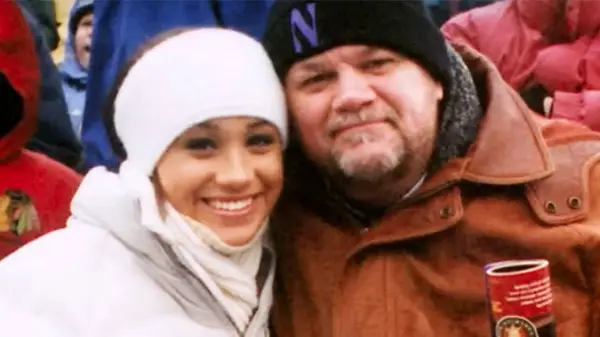
In the space between a father’s sorrow and a fiancée’s love, compassion formed the bridge that united them

0

Family relations can be complex at times, especially when it comes to in-laws, and this isn’t something I am just making up. No, anyone can tell you how much truth there is in these words. And yes, relations aren’t built in a single day. Oh, no! It takes a lot of time and patience to start considering someone family. I know it takes a lot of Sunday dinners, and sharing a bunch of important stuff together because I’ve experienced that first hand.

But when a loss comes, then everything changes.

As a parent, I can tell you that losing a child is so painful that it cannot be compared to any other form of pain. Losing a child means losing a part of yourself, and it means that your life can never be the same.

My son passed away recently at the age of 25. Two years prior, he was diagnosed with bowel cancer. Until then, he was a relatively healthy young man who never experienced any illnesses. His diagnosis came as a shock to everyone, because he was someone who was obsessed with living a healthy lifestyle, always minding his diet and exercising. But then, out of the blue, he started experiencing troubles with his abdomen which he brushed off at first. Then, he reached to some over-the-counter medication that he thought would help him with his constipation. But as it didn’t work, he finally visited a doctor who prescribed him with a bunch of pills.

Not long after, he started experiencing excruciating pain and was rushed to the ER.

The doctor ordered scans and it was revealed there was a mass in his colon.

Not long after, he was taken to surgery during which doctors removed a large part of his colon and told him they had also found large cancer-like tumours on his omentum.

Sadly, at that point, the cancer was at stage four and had already spread to other parts of his body, including his lungs, liver and spleen. He underwent two more surgeries during which the tumors were removed, and he ended up receiving chemotherapy.

His battle with the cancer went on for two long years. It included long hospital stays and even more surgeries.

To this day, I still feel the smell of the hospital and I still wake up in the middle of the night thinking he needs my company, forgetting he’s gone.

In the middle of my pain and grief, she was still there, my son’s fiancée.

They were high-school sweethearts, and he loved her endlessly. I have known her since forever, or it just seems to me like it.

She and my son lived together in a small house that is still on my name. I bought that place years ago as an investment. I believe it was even before the two met. So when they needed a place, I was happy to offer that house to them.

Today, the place feels like a museum. I can’t even force myself to go there any longer because all of my son’s stuff is still there. I don’t know why, but that house makes my chest tighten. I just lose my breath.

During the last couple of weeks, I had been thinking of renting the place. And it’s not just because I can’t go there. It’s also the medical bills from my son’s hospital stays and surgeries that mounted up. I nearly thinned my retirement saving and renting the house felt like a reasonable thing to do. I caught myself telling that to myself at least couple of times a day. At the end of the day, the house belongs to me.

So, one afternoon, I gathered the courage and told my son’s fiancée to leave the place. I wasn’t rude. Honestly, I tried to choose appropriate words, but no matter how I said it, I knew it didn’t sound right.

At the time, she was in the kitchen, having coffee. She was sad, and I knew she was truly heartbroken by my son’s passing. They loved each other unconditionally, and she missed him. She missed him more than she could say. But now that he was no longer there, I believed it was for the best if she just moved and continued with her own life.

“I need to rent the house,” I said. “I’m sorry, but you’ll have to find somewhere else.”

She looked at me as though she couldn’t understand what I was saying. And at first, she didn’t say anything. She just starred at that mug.

I started feeling uncomfortable and didn’t know if I should say anything else. But then she looked at me and said, “I took care of him for two years like a nurse. Is this really your gratitude?”

Her words hit me, but I wouldn’t let them sink in. I couldn’t. If I stopped to really hear what she was saying, I was afraid something inside me would split wide open.

“I’m sorry,” I said again, though it sounded hollow even to my own ears.

I helped her pack. Actually, that’s not true. The truth is that I forced her. I carried boxes to the door, stacked them too quickly, set her suitcase out on the porch like it was just another task to be finished and I told myself I was doing what needed to be done. I told myself I had to protect what little strength I had left.

However, when I took that last box outside the house, I didn’t feel the relief I expected to feel. Instead, the place felt even bigger and quieter than before.

But I tried to convince myself that it was a good thing. Right? It was a good thing!

That evening, while I was taking some of the old stuff out, I noticed my old neighbor, Mrs. Alvarez. She stood by the fence and then approached me. She knew my son for years. Since the moment I bought that house.

“I’m sorry for you loss,” she said. “Daren was a good man. He truly was one of a kind. A neighbor anyone would ask for. And the same goes for his beautiful fiancée.”

I said “thank you,” and rushed to get inside. But Mrs. Alvarez said, “By the way, where is Anna. Why isn’t she around?”

“She left,” I said, but somehow, I was ashamed of the words that were coming out of my mouth. “You know, I decided to rent the place,” I said. “I guess you’ll have new neighbors,” I said while trying to leave as soon as possible.

“I guess I will,” she said and handed me a folder. “I found this near the curb. It looked important. Maybe it’s just trash, who knows.”

I took it and recognized my son’s handwriting immediately.

Inside tat folder there were medical bills, pharmacy receipts, insurance papers stamped in red where they wouldn’t cover everything. There were pages of scribbled notes about dosages, appointment times, reminders to call this doctor or that specialist.

And on one sheet, in his shaky handwriting, he’d written: “Don’t tell dad how bad today was. You know he worries.”

There were also bank statements that belonged to Anna, including withdrawals, transfers, and large payments that aligned with treatment dates. Also, there was a receipt from a pawn shop for jewelry sold.

And that’s when I realized what I had done to that poor woman.

She had been covering the treatments insurance wouldn’t fully pay for. She was working night shifts, and there were the pay stubs to prove it. And after all that, she’d come home to take care of him all day. She’d sold off parts of her own future just to give him a little more time.

And somehow, I hadn’t seen any of it.

When I thought about it, I realized how selfish I really was. While trying to manage my grief, I somehow forgot she was grieving too, and I never asked her how she was doing. I never saw it that way. I never realized that she not only lost her loved one, but also the future she planning with him.

I called her right away and asked her where she was. “I’m in the neighborhood,” she said. She was just standing there, one street away from the house, because she had nowhere to go.

I begged her to return to the house, at least until she finds a place on her own. But I told her not to rush, to take her time.

“He made me promise to check on you,” she said. “He said you wouldn’t ask for help.”

I started crying, because at that point, I just couldn’t stop my tears. “He knew me too well,” I said.

She just nodded and said, “And he loved you so much.”

That evening, we spent the night taking about Daren. Anna shared stories about him, and honestly, I couldn’t recognize my son in some of them, because I knew he was suffering, but I didn’t know how much the cancer changed him. And Anna, she knew all too well.

“Stay,” I said once again. “At least until you find your footing. We’ll figure the rest out together.”

Please SHARE this article with your family and friends on Facebook.

Bored Daddy

Love and Peace

TRENDING