I guess there is no person out there who wasn’t in anticipation for the newest Scary Movie. The franchise has been fan-favorite for a very long time, and now the Scary Movie 6 is already out there, with its premiere taking place just a few days back.
One of the stars, Anna Faris, first appeared in the movie back in 2000 at the age of 23, and she’s become a true Hollywood star since then.
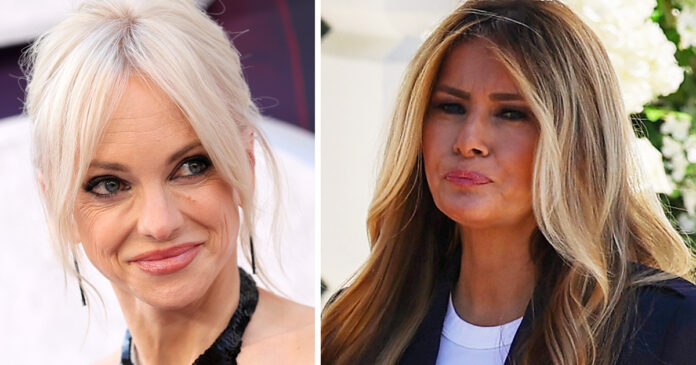
Throughout its franchise, Scary Movie has made fun of and referenced a number of celebs, but this time, the joke regarding one particular famous person had to be removed before the film premiered. Namely, the film made fun of the First Lady Melania Trump and her Be Best initiative, but the part had to be cut, Anna Faris revealed speaking to Dexerto. According to her, she tried to push her character, Cindy, into a “classic MAGA rabbit hole” in the horror-comedy.
MARIO ANZUONI, REUTERS
“The kind of person that you saw outside of the Walmart during quarantine that was raising some kind of crazy-ass fuss,” she explained.
Anna Faris continued, “There was a moment where I am getting wasted, like so drunk. I am in my truck and I look into the rearview mirror and I say, ‘Be best, Cindy Campbell. Be best. That didn’t make it, but I liked my little winking there.
“You know, what are you gonna do? You gonna be mad at Cindy? I’m in a movie that is truly the most offensive movie ever made, and I’m the lead of it. And I participate in offensive ideas. I think I can kind of do anything. It liberated me,” the actress concluded.
WASHINGTON, DC – SEPTEMBER 03: First Lady Melania Trump attends an event to mark National Alcohol and Drug Addiction Recovery Month in the East Room of the White House on September 3, 2020 in Washington, DC. The First Lady hosted a round table event with people who are recovering from substance use and mental health issues. (Photo by Drew Angerer/Getty Images)
Following its June 5 release, Scary Movie 6 dominated the box office, taking the number one spot and ranking in an estimated $55 million in domestic ticket sales over the weekend alone. While the film’s broad appeal is clear from the numbers, whether or not Melania Trump is actually a fan of the parody franchise is anyone’s guess, leaving her cinematic preferences entirely up to theimagination.
Please SHARE this article with your family and friends on Facebook.
The usher seemed more like a kid who had just graduated from high school. The tag on his uniform said “Brandon”, and he couldn’t even meet my eyes.
“Excuse me, Madam, but the front-row seats are no longer available,” he said. “So you’ll need to look for a place in the standing section behind the room.”
Holding on to the graduation program, I starred towards Row B. It was only a few hours ago when my son, Michael, had put in the two reserved cards for me in the front row himself. “The second seat from the aisle,” he had told me excitedly. “I saved the best seats for you!”
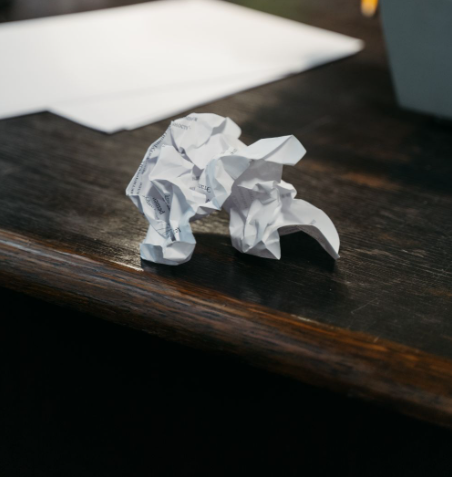
But the cars were no longer there. One of them had been wadded up and pushed underneath the row ahead of it and torn into two pieces. The one with my name on it, Sarah Evans, was also torn in half.
Brandon fidgeted awkwardly from one foot to another. “A woman wearing a blue dress told us that there was a mix-up with the seating arrangement.”
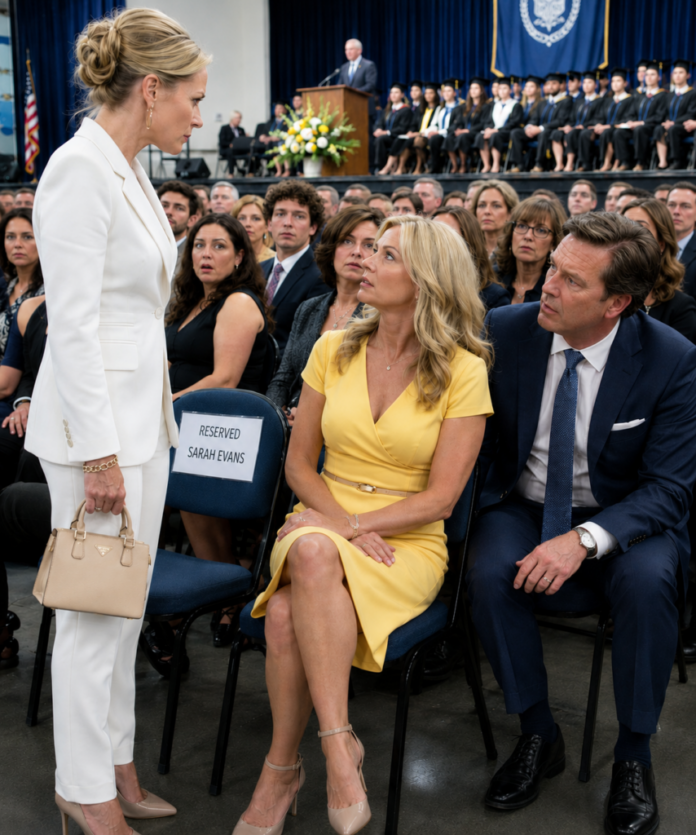
I followed his finger and there, in full view in the center of Row B, sat Chloe, my former husband’s twenty-eight year old third wife. When our eyes met, she smiled. And then she raised her cell phone to record me with her video camera.
It’s important for you to understand how those eighteen years felt.
David left when Michael was only six, saying he’d “outgrown” me. And he took the house but never paid child support. We moved into a small and freezing apartment above a Vietnamese restaurant. Michael had the one bedroom, and I had to sleep on the pull-out sofa in the living room.
In order to support us, I worked cleaning medical office buildings first thing in the morning and sewed alterations in the evening, sometimes past 2 or 3 o’clock in the morning. I lived by myself and bought only those things that were absolutely necessary. But I always made sure that Michael had whatever he needed.
Michael was very intelligent, and I would drive him to a special school every day for forty minutes each way, spending our weekends watching robotics competitions and math championships. During those twelve years, David came to two big events for all of fifteen minutes to take some photos. He skipped the sick days, the bullies, and the exhaustion, but he never missed a photo op.
That was precisely the reason I remained standing by the back doors after Chloe stole my place, refusing to give in to the social media video that she was making. I stood quietly near the doors and waited.
Earlier that day, Michael gave me a strong hug in the parking lot, saying, “I know precisely how hard you’ve worked for me.” And all I asked of him was, “Promise me you will not cry today because today will be a wonderful day.”
This day belonged to Michael, and Chloe was sitting in my place. Claire, my sister, was beside me, whispering angrily, “She literally took your seat.”
I shook my head at her words. “Today isn’t about her, it’s about Michael.”
“Now, I am delighted to present our class’s valedictorian for this year… Michael Evans!”
All of the audience erupted into applause. David jumped from his seat to clap wildly. Chloe immediately got her phone out to record the entire thing.
Michael took his place at the podium. He did not look down at David and Chloe; rather, he searched through the crowd of people and stared directly at the very last row of the room… directly at me.
He took out the piece of paper that had the speech written on it. After giving the sheets of paper a quick look, he carefully refolded them and placed them back into his pocket.
“I’ve prepared an entire speech for today,” he announced into the microphone. Everyone became silent immediately. “But I won’t be reading it. Because there was something that happened before the award ceremony that I can’t hold back on.”
Chloe slowly put her phone away, while Michael raised one hand and used his finger to point directly at her. Everyone in the room turned to stare.
“You honestly believe no one would notice what you had done,” he said in a loud voice. “And you truly believed that because you have money, you can just do whatever you please?”
Then he lifted something above his head and showed everyone, the ripped and wrinkled piece of paper with my name on it.
“Also, I’ve checked the surveillance camera,” Michael added. Then, his voice broke a tiny bit. “My mother held two jobs for eighteen years in order to bring me to where I’m at now. She got up early in the morning to clean the office buildings. She would work until very late at night. It’s only thanks to her that I’m standing up here today.”
But then, he gestured all the way to the back of the room. Straight at me.
Everyone in the room turned in their chairs at the same time. At last, all day long, no one was focusing on Chloe or David anymore. Everyone’s eyes were fixed upon me, standing silently below the exit sign.
And in that split second, I understood everything. Every single sacrifice I made along the way was worth it because Michael and I actually did it. And, my son had just made sure everyone in the room knew exactly who deserved the front-row seats.
Please SHARE this article with your family and friends on Facebook.
The day I went into labor, everything seemed set in stone. The picture painted before me was that of an independent mother and a child standing up to life alone. Months earlier, my husband had left me, and by then I had resigned myself to raising my son as a single mother. What I never could have guessed was that a shocking discovery in the delivery room would completely flip the script.
I endured the twelve hours of childbirth without anyone by my side who could comfort me. My mother died years back, and Mark had been out of the picture for months now. Every time a nurse would ask whether the father was on his way, I would merely put up a smile and lie that he was coming right along.
It was just easier than admitting the truth.
The truth was a lot heavier.
Seven months prior, when I first told Mark that I was pregnant, it was shocking how he reacted. Instead of expressing happiness, he actually reached for his car keys and walked towards the front door without even a second’s hesitation.
In fact, Mark said he did not want the burden of having a child. He was free-spirited, and he desired to go traveling around, rather than taking care of babies, losing nights’ sleep and becoming a responsible adult.
A few minutes later, he left me alone.
Unsplash
Initially, I convinced myself that all he needed was some time to think about it. However, day after day, week after week passed by without any news from him whatsoever.
To have some place to live in, I rented a very small room from a home of one of my elderly neighbors who lived close by. On top of that, I began working extra hours every chance I got in order to earn money and provide for myself and my future baby.
Then, after what felt like an eternity of waiting, my son finally arrived.
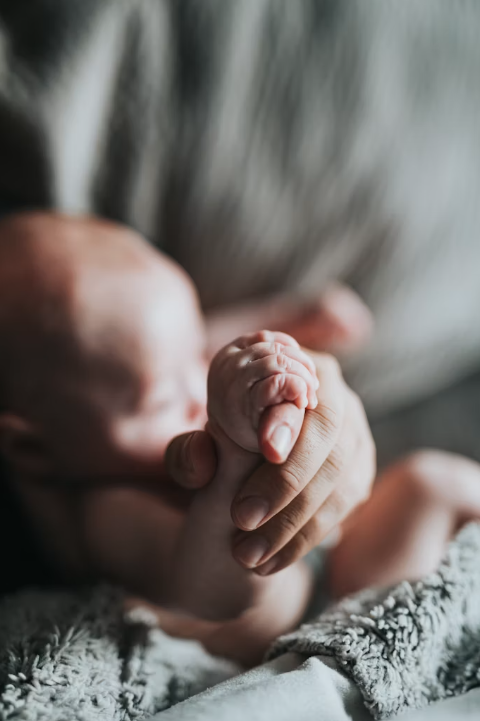
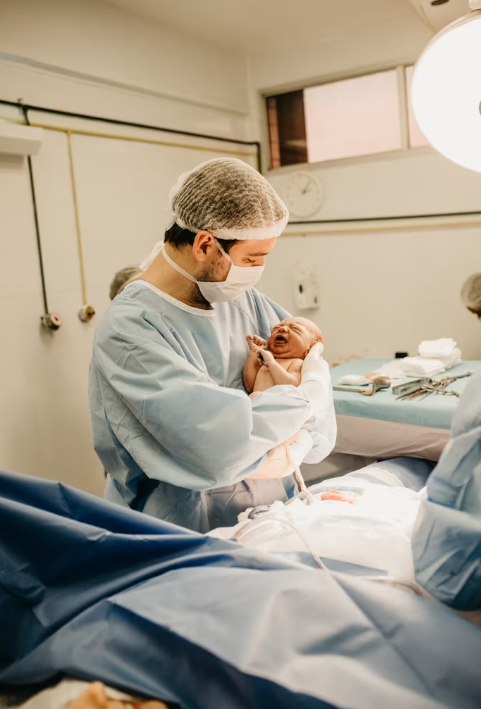
Noah was born at 3:17 p.m. crying as if he had screamed out his heart and lungs, full of life. The moment Noah was placed in my arms nothing else mattered anymore. It was as though a little light had been reignited within me for the first time in months.
This sensation was not meant to last long.
When the nurse walked away, Dr. Carter moved toward Noah in order to perform his check-up. He greeted me with a warm smile at first, but that quickly changed. His demeanor grew cold as he focused on looking at Noah’s face. That smile disappeared from his face in an instant.
“Is something wrong?” I asked him.
The doctor didn’t answer immediately; he just continued looking at the baby, and then he looked at me and asked me where the father was.
“He’s not in the picture,” I said.
“What’s his name?” the doctor asked.
Unsplash
The moment I said Mark’s full name, the doctor stared at me in shock. Something was going on, and I really couldn’t understand what it was.
Before I could even ask, a woman entered the room, still wearing a fast-food restaurant uniform. She looked at the doctor and said, “I’ve heard there is a boy born with two different colored eyes, and I just had to see it myself.”
The doctor looked at her and said, “You!”
It was painfully clear that both of them had met before. I found myself confused and completely baffled as I demanded an explanation. None of them gave me a quick answer.
Instead, the lady approached and stared down at Noah. The moment she set eyes on him, she completely broke down.
“Oh, no.”
The doctor sat down in a chair and buried his head in his hands.
“This should not be happening again.”
Again? This one simple word made me feel sick to my stomach. For once, the lady turned around to look at me.
“You are with Mark, too, aren’t you?”
I just looked back at her in confusion. “What do you mean?”
The doctor finally started speaking. He said that just a few months back, he had delivered another baby under very similar circumstances. This baby’s mother had also been dumped while she was pregnant with the same person who dumped me, Mark.
The other newborn baby also had different eye color due to heterochromia, a rare genetic condition. Just like Noah.
I was still trying to process the doctor’s words when the woman went on to introduce herself as Lena. She said that she had met Mark a little over a year ago. He had claimed to be single and alone all along, making her believe for months that she was starting a life with him.
The moment she got pregnant, he vanished and left her behind. Not even a single phone call or explanation or money support. Absolutely nothing.
And when I told her that Mark wasn’t someone I casually dated but my actual husband, she looked sick to her stomach, just like me.
None of us knew about each other’s existence. All of a sudden, all the crazy reasons, vacations, and behavior started to make sense.
It was not just about him abandoning me. He had been running two entirely separate lives, and he walked away from both of them.
No matter how painful this reality was, it still somehow cleared things up. Up until this point, for months, I blamed myself, but now I knew it wasn’t me who failed.
Dr. Carter said that he had immediately noticed the similarity between Noah and Lena’s daughter, and then he learned the father’s name. That meant my son had a sister.
Both the babies would grow up without a father willing to stay by their side.
Unsplash
And there we stood, Lena and I, staring into each other’s eyes in an uncomfortable silence. We didn’t know each other, yet we shared the same kind of betrayal and pain. And soon, the shock of that realization was replaced by a burning rage and resentment. There was absolutely no way we would allow Mark to get away with it.
When Dr. Carter told us about his brother being a family lawyer and asked if he could help us connect, we immediately agreed. Finally, after all those days of passivity and hopelessness, we took action.
As soon as I stepped out of the hospital, Lena tried to offer her apologies. But I wasn’t even upset with her; in fact, she was another victim of the same deception.
After coming back from the hospital, I met our lawyer for the first time. After looking through our paperwork, he made it clear that we have a good case. I didn’t feel helpless any longer.
As weeks passed, Lena and I talked almost daily, sharing screen shots, piecing together the timeline, and comparing Mark’s old messages. There was really nothing shocking about those messages. It was the same false promises, empty excuses, and a sudden disappearance into thin air.
However, while our lawyer worked tirelessly behind the scenes, an odd turn of events was taking place in our relationship. A true friendship emerged. Lena would often visit us with coffee, or we would chat for hours while the babies slept. Having the babies playing in one room was strangely calming. They didn’t even know that they were siblings, but their presence helped put things back into perspective. Gradually, Lena and I stopped concentrating on how much was taken away and started working on building our future.
A few months passed, and the lawyer managed to locate Mark. The process had already started, money was going to be provided. It could not cure our wounds, but it was justice.
Lena and I became a team. We took an absolutely crazy step, we found ourselves a little apartment and decided to rent it together. The first night we spent there without the babies, we ate some take-away food from a box and laid on the floor, looking at each other. The loneliness was gone, at last.
Lena turned her head towards me, smiling, “Would you ever imagine that your life would be like this?”
“I wouldn’t dream of this before,” I smiled back.
For me, motherhood always meant bearing everything myself. However, somehow I came across the people who really were there for me when everything went wrong. What Mark did brought pain, but also brought me a friend for life.
Please SHARE this article with your family and friends on Facebook.
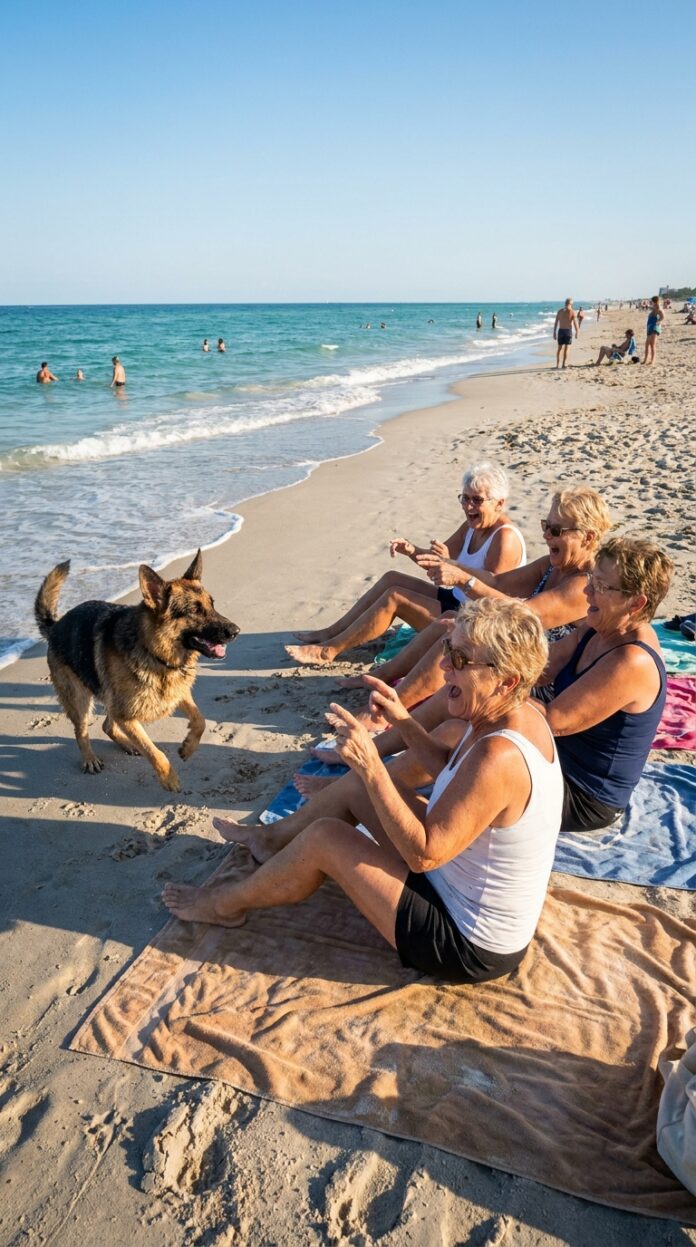
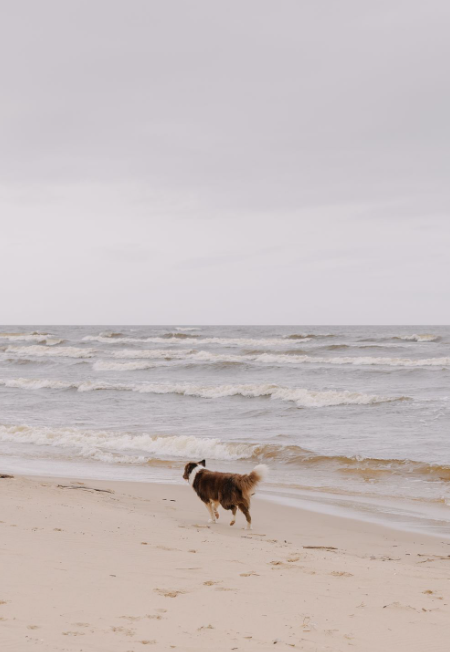
It was a perfect sunny day by the beach for five life-long friends, enjoying each other’s company and some snacks while basking under the warm sun when their peaceful time was interrupted. Out of the blue, a shaggy, reddish brown dog came rushing straight towards them.
They attempted to greet the dog, but instead of being friendly, the dog behaved erratically, spinning around them while barking aggressively without stopping. Instead of showing any interest, when they tried feeding the dog, it continued barking even more ferociously.
The friends exchanged concerned glances; this was clearly no typical stray searching for a free meal; it looked scared, desperate for them to act.
Just then, one of the friends paused and her face turned as white as paper. “See how its fur is?” she said, pointing at the dog’s side.
Moving closer, the ladies let out an exclamation; dark, sticky spots and little drops covered the dog’s thick coat and paws. It was blood. Desperately, they examined the animal for wounds, but there were none, not even a limp, whine, or any sign of pain. The blood clearly belonged to someone else.
A wave of dread settled over the group. The dog suddenly spun around, bolted a few yards down the beach, and whipped its head back to bark at them. It ran a bit further, stopped, and barked again. The cue was unmistakable: the dog was begging them to follow.
They jumped to their feet without a word and took off running after the animal. With its lead, they were led to a small, jagged rocky promontory toward the end of the beach, an area of large, slippery rocks that most people avoided.
Turning the corner, they stopped dead in their tracks.
A was a man lying there motionless on the wet sand. There was a huge bloodstain spreading out below him from the wet rock next to him. He obviously had slipped and fallen from the slippery rocks. The dog went up to him, giving out its last desperate bark. The poor animal wasn’t begging for food, all it wanted was for that man to be given help.
One of the women immediately dialed 911 while frantically trying to describe the secluded location to the dispatcher, while the other woman knelt down beside the man and checked for a pulse.
“Is he breathing?”
“Yes,” she answered with a sigh after a long pause, “but very, very slowly.”
Relieved but afraid, they gathered around the man, talking to him softly and calmly, in order to prevent him from losing consciousness until the ambulance arrived. The dog would not leave his side, constantly walking round his body and occasionally nudging him with his wet nose.
They could not get over their horror about how close to a catastrophe this situation had actually been. There were many people on the main beach, and yet no one noticed this man bleeding to death in that isolated place. If it were not for the dog, this would have been a recovery operation instead of a rescue one.
At last, the wailing cries of the sirens made their way through the crashing waves. The paramedics ran down the sand, taking over the entire situation at once to help treat the man by bandaging his head, immobilizing his neck, and placing him on the spine board.
A medic stopped and thanked the women, stating that their call had helped save the man’s life. As they loaded the stretcher into the ambulance, the group of women breathed a sigh of relief. At least the man would live.
Now, with the lights disappearing into the night, the dog seemed to relax again. There was no longer any need for barking, no more tension in its body as it sighed, relieved to have completed its task. One of the ladies bent down and held out her hand to which the dog sauntered over and placed its head into her hand.
The group stood by the shore as the ambulance vanished through the coastal road. Only an hour ago, they were enjoying themselves carefree. Now, they witnessed a miracle. They would always remember this summer day not for the perfect weather or the picnic, but for the heroic dog that turned a lazy beach day into a life-saving rescue.
Please SHARE this article with your family and friends on Facebook.
On April 9, First Lady Melania Trump blindsided the West Wing by giving an unannounced, five-minute long statement in the White House Grand Foyer regarding Jeffrey Epstein. At the time, the public took it as an ending of the rumors surrounding her alleged connections with him, but just six weeks later, things took a different turn after a now-deleted X video shared by former Brazilian model Amanda Ungaro claimed it wasn’t Paolo Zampolli who introduced Melania and Trump, but Epstein himself.
The recording showed Ungaro addressing Zampolli directly, saying, “Let’s tell the public you never was the one introducing Melania to Trump. It was Jeffrey Epstein, as she was escort of Jeffrey Epstein. That’s how she met Donald Trump.
“And I know, because I was with you 20 years and you always told me it was not you—it was Jeffrey Epstein,” she added.
Zampolli denied the claims, calling it a disgrace and claiming it could be AI-manipulated. He also said his legal team is closely monitoring the situation.
For long, Zampolli has maintained his matchmaker status, famously stating, “I said: ‘Melania meet Donald, Donald meet Melania,’ and then I left the table because I had 300 guests.”
For those still behind: Melania's Epstein presser yesterday ("I was not a participant") was almost certainly driven by Amanda Ungaro, an Epstein victim who had a child with Paolo Zampolli, who brought Melania to the US. Zampolli just got Ungaro deported; she's vowing revenge. 1/ https://t.co/uJUYSqmdcq
During her April press-conference, Melania said, “I am not Epstein’s victim. Epstein did not introduce me to Donald Trump. I met my husband, by chance, at a New York City party in 1998. This initial encounter with my husband is documented in detail in my book, MELANIA.”
She went further, specifying: “The first time I crossed paths with Epstein was in the year 2000, at an event Donald and I attended together. At the time, I had never met Epstein and had no knowledge of his criminal undertakings.” She also stated that she is “not a witness or a named witness in connection with any of Epstein’s crimes,” and that her “name has never appeared in court documents, depositions, victim statements, or FBI interviews surrounding the Epstein matter.”
According to Snopes, Melania decided to give the statement regarding Epstein because she was cornered by Ungaro’s series of posts on X. However, it wasn’t verified if the account belonged to Ungaro or whether there was a connection between the alleged threats and Melania’s statement, although the timing raises eyebrows.
In the past, Melania forced retractions from the Daily Beast, HarperCollins, and James Carville. However, a group of 13 survivors criticized her approach, accusing her of “shifting the burden onto survivors” instead of pushing for real accountability.
Ungaro and Zampolli had been together for two decades before their split in 2023. Ungaro was arrested and deported to Brazil in 2025 following a messy custody battle with Zampolli. The New York Times revealed that Zampolli called a top ICE official to keep her detained before she could post bail, calling it a favor for a friend of the president. He called this “absurd,” and the Department of Homeland Security maintained her deportation was strictly standard procedure, stating: “Any suggestion that she was arrested and removed for political reasons or favors is FALSE.”
Before being deported, Ungaro allegedly called Melania for help, but the “First Lady did nothing.”
Melania’s spokesperson countered that she “has no knowledge of, nor involvement in, the personal affairs of Mr. Zampolli and Ms. Ungaro.”
Evan Vucci/REUTERS
Ungaro has long been part of the Trump’s circle. Speaking to the Brazilian outlet O Globo, she claimed she claimed she flew on Epstein’s plane in 2002, when she was just 17 alongside convicted recruiter Jean-Luc Brunel.
“There were about 30 girls on the plane,” she told O Globo. “They looked more like students than models.”
Right now, the core accusation against Melania Trump stems from a deleted social media post, yet the drama prompted political fallout.
House Oversight Chairman James Comer committed to holding hearings, telling Fox News, “I agree with the first lady and appreciate what she said. We will have hearings.” Meanwhile, Epstein survivors Maria and Annie Farmer released a statement demanding “accountability, transparency, and justice,” adding, “If the federal government is truly committed to supporting survivors, it would ask us what we want and should follow the facts wherever they may lead.”
Please SHARE this article with your family and friends on Facebook.
For some, life starts in their fifties, but by the time I reached that age, I was already convinced that all the major chapters had already been written. Was I wrong? You bet I was.
My husband Harold and I never had much, but appreciated the little we had, including our love for one another. Having children was part of the dream we had, but for some reason, we always thought later would be a better time. First, we needed better jobs, then we needed to put some money aside, then life got in the way.
Eventually, I found myself sitting at the doctor’s office, hearing the last thing I needed to hear. After years of health issues, I was told I couldn’t have children, and no treatment helped. I remember Harold squeezing my hand. Neither of us cried, we just stared at the floor, completely defeated.
After some time, we just got used to the fact we won’t have children. There were no more talks about nurseries and baby names. Instead, work, bills, home repairs, and ordinary things occupied our life. Friends and family simply assumed we chose not to have children, and we never corrected them or spoke on the topic.
And then, during the coldest winter I remember, everything changed.
I was fifty-six. It was still pitch black when I woke up to some strange sounds. At first, I thought it was just the wind, but then I realized it was crying.
“Harold,” I said as I tried to wake him. “Can you hear that?”
Without thinking, I rushed outside. It was freezing, and the front porch was icy. And then I saw the basket with a baby boy inside. It was covered in a thin blanket, its face pink from the cold. I grabbed the basket and brought it inside, and then I told Harold to call the police.
Unsplash
The next hour, the house was filled with a bunch of police officers asking all sorts of questions and paramedics checking on the baby. Authorities searched around the area, and then they asked if we had seen someone around the house, or if there was a note or something. But there wasn’t.
We had no clue where that baby came from. Eventually, they took him to the hospital, and that I believed would be the last time I’d seen that baby. But for some reason, I couldn’t get him out of my head. All I could think of was if he was going to be okay and what would happen to him. The social workers said I could call them if I was interested in any updates in the case. And I certainly was. Every time, I asked the same question, “Is he okay?” and “Has anyone claimed him?”
One day, the social worker told me that if no parents or relatives come forward, the baby would end in foster care. That night I was sitting opposite Harold in the kitchen. “We could adopt him,” I told him.
Harold was quick to remind me that we were both almost sixty.
Well, I was well aware of that.
“We’d be changing diapers when most people our age are thinking about retirement,” he said.
I knew that too.
“And what is the reason for wanting this?”
My thoughts traveled back to the child alone in the hospital. To the empty years behind me. To all the love that I had missed giving. After some thought, I answered. “Because I don’t want him to think that nobody wanted him.”
And tears came to Harold’s eyes before mine could. It was at this point that our decision was made.
Adoption was not simple. We went through interviews, background check, lots of paper work, home inspections, and people wondering if we weren’t too old for the job. More than once we were told that we would be close to our seventies when he was an adult. We knew.
None of that made us change our mind. Months later, we finally got him. We named him Julian.
The first few years were exhausting. Sleepless nights seemed to affect us more than when we thought. Harold would fall asleep sitting up in his chair. I always had back pains. It was difficult going without proper rest. However, every laugh from him made it all worth it. Each and every smile. His little hands holding ours.
Most people thought we were Julian’s grandparents. Julian would make a face and say, “No, they’re my parents.”
And yes, we were always totally honest with him. He was aware he was adopted from early age. He also knew that he was left at our doorstep.
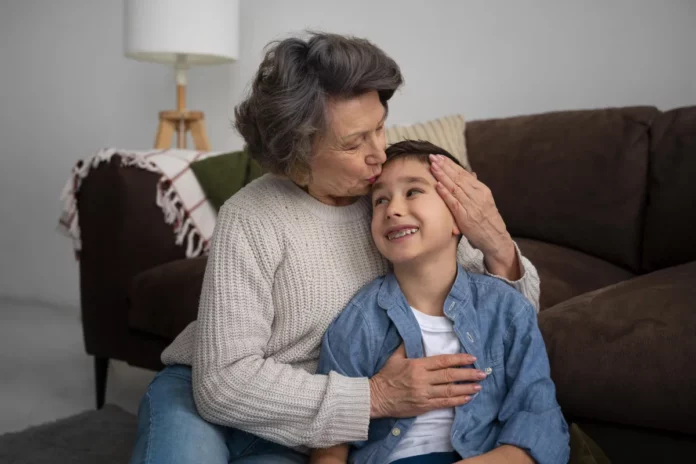
When he got older, he had questions about his birth mother. “Does she ever think of me?” he once asked. I hugged him tight and told him the truth. “I have no idea. But I sure think of you all the time.”
Julian grew into an amazing young man. A kind soul, a hard worker, and a good friend to anyone lucky enough to meet him. He finished college, started his own career, and moved on to adulthood. He would call often. Visit often. Be at our Sunday dinners any time he could. Life felt perfect.
When Julian turned twenty-three, yet another unexpected knock came at our door. I was getting ready for my coffee when I saw this lady standing outside.
“Are you Eleanor?” she questioned.
“Yes.”
“My name is Marianne.”
Her facial expression instantly scared me. Next, she told me that she was Julian’s lawyer. I felt a sinking sensation within me. Lawyer?
Immediately, my mind started thinking about accidents and lawsuits.
“Is Julian alright?” I asked.
“Yes, physically.”
Her emphasis on physically frightened me. I invited her inside. She put down the box she was carrying and sat down. Then she starred at us.
“What I am going to say won’t be easy,” she said.
The room had seemed very small all of a sudden.
She opened the box. It contained files, papers, pictures, and legal documents. The first picture showed a couple who seemed rich and successful. They looked perfect, almost.
Marianne pointed towards them. “These are Julian’s biological parents.”
Unsplash
My body shivered. They both came from very influential and rich families. It didn’t take long after Julian’s birth that doctors had told them that their child may have potential problems in the future.
Nothing seemed certain. A mere possibility. But it seems that all it took was fear. Instead of embracing uncertainty, they just left us with their baby. Our baby. The infant whom we rescued from dying in the cold outside our door.
This realization sickened me. But Marianne had more shocking news. Julian knew all along. He knew for years!
After his biological parents died in a car accident, lawyers tracked him down through DNA testing. He learned everything about his origins, their wealth, and the enormous inheritance they had left behind. And he had kept it from us.
Why? According to Marianne, when she got in touch with him, he didn’t acknowledge them as his parents.
He wouldn’t take their family name, and refused to attend their memorial service. “They don’t get to become my parents because they left me money,” he told her.
After Marianne left, Harold and I sat silently staring at the box. Eventually he looked at me. “Call him.”
So I did.
The moment Julian answered, I knew he already understood. “Marianne visited, didn’t she?” he asked.
That evening he came over for dinner. At first we pretended everything was normal. But eventually I brought up the box, and he apologized for not telling us the truth earlier.
In fact, he told us that he had held the secret to protect us and won’t let those people’s actions taint our lives.
When we spoke of the great amount of inheritance that could be left to him, he told us that the thought had crossed his mind. After all, such money could alter one’s life, yet at the same time it would mean accepting it from those who abandoned him.
Looking straight at us, he simply stated, “You pulled me in when I was cold, while they just left me. That is the difference, because I already got everything I needed – parents that loved me.”
“Rest assured, our love will never change,” Harold promised him. As Julian went out, he embraced us and lingered in front of the door. “Do you know what family means?” he asked. “It’s about those people who open the door when you feel cold.”
As I watched the car drive away into the distance, I reflected on that extremely chilly day twenty-three years ago—about the basket, the crying, and the decision I had made then. All those years I felt as though my maternal instincts were stolen away from me, that my body failed me, but now I knew better, I became a mother precisely at the point when I opened that door.
Please SHARE this article with your family and friends on Facebook.
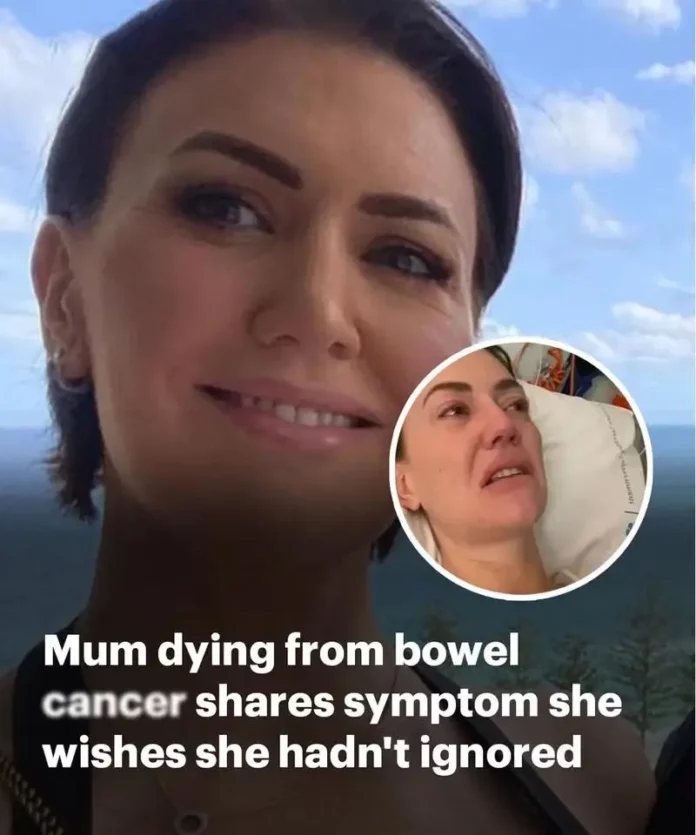
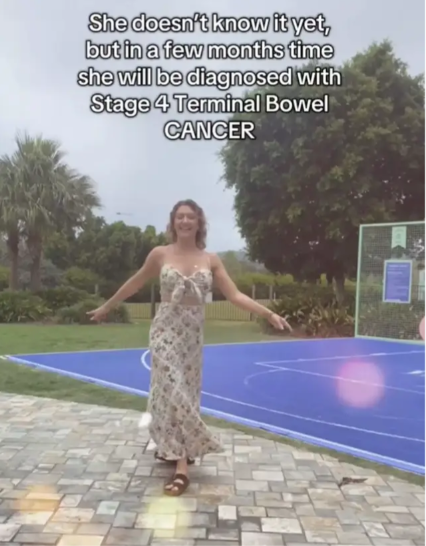
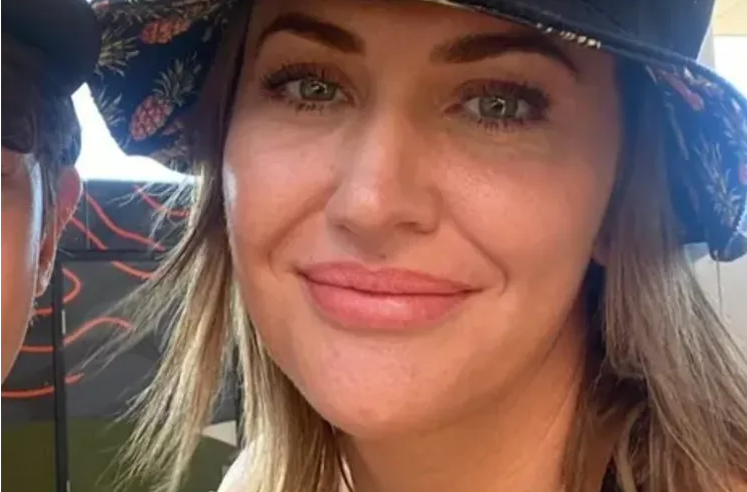
Krystal Maeyke, 39, led a perfectly healthy life that included regular exercise, a balanced food, and daily walks. Highly active with her kid, she was basically a definition of strength among her friends.
From the way she looked and lived, no one, including Krystal herself, would ever assume something inside was very wrong, and she only learned that before it was too late.
Back in 2023, she started experiencing stomach pain, but she brushed it off initially, believing it wasn’t anything serious. But then in May of the same year, she was diagnosed with stage four bowel cancer.
Before the awful disease claimed her life, she shared her story in hopes of helping others catch the symptoms early on and give themselves a change to fight the disease.
TikTok/@stoneinthe0cean
When she first experienced the sharp pain in her stomach, she convinced herself she had food intolerance and moved on with her life. “I thought it wasn’t anything serious,” she said. “That’s why it became advanced cancer and spread all through my abdomen, liver, and ovaries — starting from my bowel.”
At first, the pain came and went, but then it became unbearable.
She described the sensation as “stabbing pains that brought me to my knees.” Once the pain couldn’t be tolerated any longer, she was airlifted by ambulance to Alice Springs Hospital in Australia.
Even high doses of pain relief barely touched the agony. “Morphine did nothing,” she recalled. “Only fentanyl was able to dull it.”
When the doctors ran scans, they learned the cancer had already spread to other parts of her body.
At that point, she knew her body was trying to warn her that something wasn’t right, but she acted too late. Speaking of her fight with the disease, she shared some of the symptoms she experienced, and they included persistent abdominal pain and cramps, unexplained fatigue she attributed to being a “busy mom,” irregular bowel movements that she thought were due to irritable bowel syndrome (IBS), Night sweats, which she blamed on the warm Australian weather, and occasional discomfort and bloating after meals.
GoFundMe
At the time, none of these felt like a medical emergency, so she never really visited a doctor for any of it. “Never in a million years did I think that I would have something this cruel in my body. Cancer hurts — literally,” she shared.
During her final months, Krystal poured all of her energy into trying to remind people just how fast life can turn upside down and why catching cancer early can be the difference between life and death.
She ended starting a GoFundMe page, not only to make sure her young son, Mason, would be taken care of but also to shine a light on the illness that cut her life short.
“I ignored the pain because I thought I was too young and too healthy,” she said. “Please, don’t do the same. Listen to your body. Don’t wait.
“The true weight of my struggle lies not in my own pain, but the potential loss for my 12-year-old son, Maison.”
If you or someone you love is experiencing persistent issues such as stomach pain, changes in the bowel movement, or constant fatigue, please don’t brush it off. Schedule an appointment with a doctor and get screened. If you believe something is wrong, trust your instinct.
Please SHARE this article with your family and friends on Facebook.
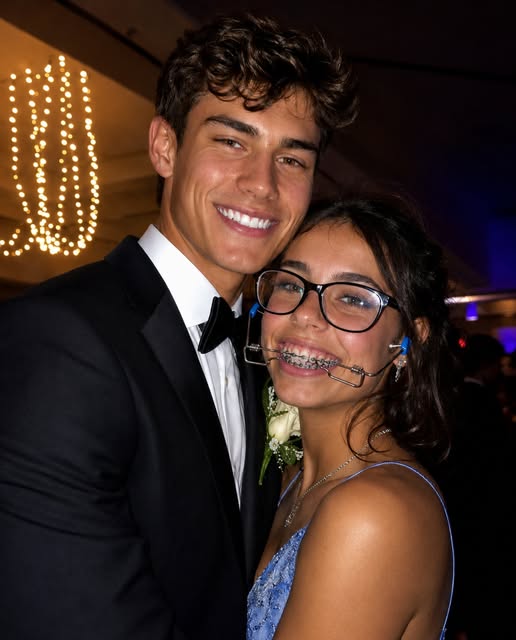
For as long as I could remember, my daughter did everything she could to bland into the background. It was partly because of her bulky orthodontic headgear. It wasn’t just any set of braces; it was something much more complex that covered her face in such a way that made her very noticeable everywhere she went. Adolescence is often brutal, and while some students taunted her with terrible nicknames or laughed behind her back when they thought she couldn’t hear, many others were just naturally curious.
However, the end result was always the same, and piece by piece, Elsie withdrew from all attention through her refusal to smile, by looking down and remaining silent throughout each of her classes. As difficult as it was for me to watch my daughter struggle with this awkward-looking machine, nothing was harder than witnessing her belief that she wasn’t worthy of attention.
One day, she burst into the house with a smile on her face bigger than any I had ever seen before, telling me that Mason, the golden boy of the high school, had just asked her to the prom and told her that she looked beautiful. See, Mason was the type of kid that all parents love, a brilliant, respectful, straight A’s student and captain of the football team.
I was very happy for her, especially because I was still carrying the burden of the time I lost my seventeen-year-old self after my boyfriend, Darren, had left me mid-prom and then again after he learned I was pregnant.
Watching my daughter live out the perfect prom dream that I never got to have was priceless, and there wasn’t anything in the world that I would’ve wanted more than for her to make memories that would leave no room for regret. As the time drew closer, Elsie walked down the stairs wearing a beautiful green dress. Her curly hair had been done up in a way that gave her old pearl pin, belonging to my grandma, a place to shine.
When Mason knocked on the door, I could see he was nervous. Seeing them together, I finally felt like life gave my daughter a break.
The dance took place at the gym, which wasn’t fancy but nicely decorated with drapes and fairy lights while the parents watched from the sidelines pretending to give their kids some privacy. I didn’t leave as Elsie had specifically told me to stay there, and during the first hour, everything was going well with Mason opening doors for her, fetching her a drink, and paying her all of his attention. During one moment, I saw Elsie laughing really hard without holding back which almost made me want to cry out of joy. Then the music shifted to a slow song, and Mason danced with her looking absolutely delighted. But then, something changed.
Mason leaned and whispered something to Elsie, and just like that, her smile got wiped off her face. He then whispered something again, and that’s when she tried to yank away from his so fast that some of the students turned to see what was going on.
Elsie started crying and ran towards me, crying. She accused me of paying Mason money to take her to prom because I pitied her.
Those around us heard what she said. I tried to explain to her that what she accused me of wasn’t true, but I didn’t get the chance because she ran outside as fast as she could.
Just as I turned around to follow her, Mason suddenly popped out of nowhere and without even a word of apology, nervously mumbled that he had done his part and asked me to follow him. He took me into a dimly lit corridor where there were no people except for some classrooms, and then he opened the door of a janitor’s closet. Initially, my mind just could not comprehend that there sat an elderly and tired-looking gentleman under a buzzing light bulb seated atop an upside-down bucket, until I realized that this was actually Darren. Just hearing him attempt to give me an explanation brought a whole decade of repressed fury to the surface within a second or two.
As he tried to defend himself by saying that he got hold of Mason just to be able to set up the meeting and see Elsie, I grew even more frustrated at how he took away Elsie’s best night for the sake of his little game. As he continued to speak, I realized that Darren had not changed even a little, that everything was still all about him and how he felt.
An idea flashed across my mind all at once, so I allowed myself to drop my guard and give him a glimmer of hope as I whispered that perhaps I should first speak to Elsie so that she wouldn’t shut herself down out of shock. He nodded, looking immensely relieved and asked me if I would really help him, to which I smiled and said I would.
The moment I stepped back into the gym, I saw Elsie near the doors with the school principal and Mason’s parents looking absolutely devastated. I gently told her that her dad was in the room, and that it was he who had arranged everything with Mason. Everyone around us gasped as whispers spread like wildfire, but while Elsie looked at me in shock, she squared her shoulders and demanded that I bring him out. After a few moments, Darren entered the gym in anticipation of a personal meeting, but all he found was a firing squad waiting for him.
All of his confidence was gone in an instant, and when he tried to step forward and call her honey, Elsie cut him off and told him to never call her that again. She looked him dead in the eye and confronted him about paying someone to pretend to like her, leaving him to stammer out pathetic excuses while Mason eventually cracked and admitted he’d been promised college connections.
Listening to them try to rationalize their actions only made everything feel more slimy, until Elsie pointed out to Darren that you don’t make things right by manipulating people, and that he could have written, called, or even knocked on our door.
When Darren defeatedly whispered that we wouldn’t have given him the time of day, she shook her head and noted that he never even gave her the choice.
The ensuing silence was deafening because each and every individual present in that gym knew that she was right, and eventually the principal had to intervene, reminding Darren that it was now time for him to go. Darren made his exit rather slowly, and without even a soul following him; all eyes watching as he left that gym for good.
It has been a while since this happened, but looking back, I don’t really recall the decorations, the embarrassment, or even Darren leaving. All I recall is the way my daughter stood in the midst of all those people inside that crowded gym with tears pouring down her cheeks, unwilling to become anyone’s puppet. That day, she saw herself not as the victimized little girl anymore, but the powerful woman who no one would ever under-estimate.
Please SHARE this article with your family and friends on Facebook.