Kate Middleton and Prince William’s marriage has always appeared picture-perfect. The two had their fair share of tough times when they were younger and even broke up for a short period, but that is now long in the past.
Back in March, 2024, Kate was diagnosed with cancer, and that changed a lot in the lives of the royal family, especially because King Charles faced the same diagnosis himself.
Despite the struggle and the many speculations surrounding Kate’s health state, certain royal authors claim something good also came from the experience; Kate and William rekindled their marriage.
Shutterstock/Simev
Kate refused to share with the public what type of cancer she had been diagnosed with, despite the pressure by the public. Luckily, in September of the same year, she shared via a video message that she was cancer-free. In January, she announced she was in remission.
Kate and William has been together through thick and thin, and they both stood firm together during Kate’s ordeal with the disease. When she started her treatments, it not only put her role of a princess on hold, but it also changed the family’s dynamics, meaning William had to step up and shoulder a lot more of the day-to-day load.
Every couple out there have their ups and downs, and dealing with a cancer diagnosis certainly brings and overwhelming amount of fear, stress, and uncertainty. But according to an exert, doing through this nightmare together has actually brought Kate and William closer than ever, making their bond even stronger.
Speaking with Fox, former royal photographer Ian Pelham Turner said Kate’s illness possibly served as a potent reminder for William.
“William has been known for his outbursts and Kate has found ways of calming the situation down but personally, I feel after the cancer diagnosis and the threat of losing her, the closeness was rekindled,” Turner said.
“And that is why decisions were made such as their quieter living accommodation rather than a palace to try and lead a normal family life have become their focus,” he added.
LONDON, UNITED KINGDOM – MAY 06: (EMBARGOED FOR PUBLICATION IN UK NEWSPAPERS UNTIL 24 HOURS AFTER CREATE DATE AND TIME) Catherine, Princess of Wales (wearing the Mantle of the Royal Victorian Order) and Prince William, Prince of Wales (wearing the Mantle of the Order of the Garter) watch an RAF flypast from the balcony of Buckingham Palace following the Coronation of King Charles III & Queen Camilla at Westminster Abbey on May 6, 2023 in London, England. The Coronation of Charles III and his wife, Camilla, as King and Queen of the United Kingdom of Great Britain and Northern Ireland, and the other Commonwealth realms takes place at Westminster Abbey today. Charles acceded to the throne on 8 September 2022, upon the death of his mother, Elizabeth II. (Photo by Max Mumby/Indigo/Getty Images)
Another royal expert, Hilary Fordwich, agrees that William and Kate’s marriage has actually grown even stronger through all of this.
“Adversity either destroys a marriage or brings couples closer after shared adversity. Certainly, their marriage has resulted in the latter not the former. They never stoop down to ghastly gossip, which is most admirable,” Fordwich said.
“With their move to Forest Lodge in Windsor Great Park, everything there has been seen, by those who know, is really focused primarily on their family stability as well as ever treasured privacy,” she concluded.
Please SHARE this article with your family and friends on Facebook.
My husband decided I was dead long before anyone else did.
All of a sudden, I found myself being forced to sign some documents that seemed legal but would in fact put me into mortal danger during my next deployment overseas.
From a very early age, I joined the Army as a career choice. Everything involving survival skills, operations in extreme weather conditions, and other emergencies became automatic for me. The one thing that was certainly beyond my knowledge and experience was coming home from a mission to find my own husband trying to betray me.
One week before the explosion of events, I returned home from a training camp much earlier than expected. When I entered the house from the backyard, I heard my husband Gavin talking to someone in the kitchen. He stopped the moment he realized I was home.
“All we need is one final confirmation,” I could heard him saying. “Once she’s gone for the Montana trip, everything becomes a lot easier.”
Another man laughed, and I knew it was my step-brother Clint, the very same Clint who, for years, had criticized each one of my career moves while still being unable to hold onto a job.
As soon as I stepped into the room, they both seemed thoroughly surprised. However, Gavin was the first to recover, putting a ridiculously fake smile on his face. “There you are! We were just discussing your financial paperwork.”
Unsplash
That explanation was far too fast and too well thought-out. Nothing seemed quite right. He then offered me a folder. “Here you’ll find an updated power of attorney to sign before leaving for another trip next week.”
I took the folder and examined it. On the outside of the envelope, there was no sign of anything wrong; only when I flipped it over did I notice a lipstick stain on its back flap. The color was bright red and couldn’t be mine for the world, Alyssa Miller, one of Gavin’s wealthiest clients, was the owner of that particular shade. An uncomfortable sense of dread filled me to the brim; though I had no evidence whatsoever, I suddenly started questioning my marriage.
For the next couple of days, however, Gavin seemed to have become oddly affectionate. He would bring me flowers, cook me dinner, and continue proposing spending more time with him. Any other person would take such behavior as a sign of love, but to me, that just seemed like pre-planning.
He then proposed us taking an escape weekend trip together, claiming that it was our anniversary and we needed some time to catch up. Against all my better judgment, I had agreed. The destination was an old wooden cabin secluded in Montana’s wilderness.
It seemed surreal to me, the way we traveled there. The moment we arrived, it was starting to snow. The cabin was surrounded by large pines; in fact, it was isolated and silent.
The moment I entered, the door closed firmly behind me. As I turned around, trying to open it, I realized the lock clicked into place. I could hear the loud clinking sound of the padlock fastening itself from the outside.
I moved to the window, where I saw him standing on the porch. He was not alone. Alyssa stood right next to him.
They stayed still for a minute or two, then Gavin raised my satellite phone in one hand, while holding my winter jacket in another. The truth struck me with a blow: it was planned.
“It was never really about us,” Gavin said. “But about what comes after you are gone.”
I looked at him in utter disbelief. The man who had been by my side all my life, was staring at me like I was just a memory. He spoke about all of it in this cold, calculated manner. Insurance policies, pensions, property investments – apparently, I was much better dead than alive. Once they finished explaining everything to me, Alyssa chuckled, looped her arm around him, and the two of them walked away, leaving me alone, trapped in a freezing cabin with a blizzard heading in my direction.
For a moment, the feeling of sheer panic overwhelmed me. Not because of fear of death; because I couldn’t seem to comprehend how someone close to me could have pulled a stunt like this off on me. And then everything changed. Panic faded away and I got myself into the mode of mind which allowed me to survive. Reality is the first thing you need to face when you are trying to survive. And mine was bleak – there was no way anyone would come to rescue me.
The cabin was a total wreck, with its chimney covered with ice, its windows protected with extra layers of glass, and the interior temperature dropping dramatically. As I began to tear the place apart looking for any usable material, the hours dragged on, my fingers grew numb, and eventually I tore apart a bed frame, using its metal parts to tamper with the locks.
The task was painfully slow. A few times, when I thought I couldn’t go any further, I realized that there was only one principle that every survival expert would have known: to focus on what’s right ahead and do not try to assess the entire situation. Eventually, however, I heard a clicking sound coming from the locked door.
I heard two more clicks, and finally, after a very long time, the lock popped off. The heavy padlock fell to the floor and even though I knew it was just a metal object, to me it sounded like the best melody in the world. After taking off the chains, I simply walked out of the room into the snowstorm.
The track out of those mountains nearly killed me. But I pushed myself through, one step at a time.
Finally, I ran into a military base. I was totally drained, frozen, and bruised all over. While waiting to be attended to by the medics, I came across a newspaper lying on the table next to me. In front-page news was none other than my own face. I was reported to be dead as it was assumed that I had vanished during a training mission and presumed to have been lost in the storm. There I sat, reading my own obituary, before bursting into laughter. There was nothing else left to do except scream.
Two days later, I found out Gavin had arranged a funeral for me that cost around $100,000. I had no idea mourning me was so expensive. I decided I was going to attend it.
There were military men, local dignitaries, friends, and media people everywhere. Flowers lined up rows upon rows on either side of a lovely casket right at the front of the room, and that particular casket was entirely devoid of contents. Gavin had stepped up to the pulpit to give his magnificent speech, and from any perspective, he seemed to be a thoroughly heartbroken widower. He choked up in all the right places, and tears brimmed beautifully in his eyes. Almost, I thought, he had earned my admiration.
Everyone’s head turned around as I walked to the center, still in the ripped up clothes and snow covered boots.
He was as terrified as anyone when I showed up at the funeral with the padlock that Gavin used to write me off.
Alyssa seemed to have seen a ghost, literally. I stopped right by the coffin, holding the padlock, and announced, “I’m sorry I’m late. I had a bit of difficulty escaping.”
Absolute chaos broke out as Gavin tried to convince everyone that I wasn’t who I appeared to be, Alyssa screamed, and the others were left dumbfounded. The federal agents, however, were already there. They’d both be put in handcuffs before it was over. I felt nothing but relief.
But then again, the nightmare was far from over.
It took months after the courts proceedings and divorce had settled down before I discovered that Gavin wasn’t alone in this. Everything led to Clint. He was the one providing Gavin with my movements down to the exact location. In a way, it hurt me even more knowing this than anything else that they had done to me. They didn’t care about how long I had known them; they viewed my life as something worth cashing in on. Fortunately, he got what was coming to him.
Everything is so different now. I no longer try to figure out the reasonings behind what they did. Now I run a survival camp in the mountains for women who come with their own burden of abuse, fear or loss.
Please SHARE this article with your family and friends on Facebook.
You don’t tell a mother who lost her boys that grief fades away with time.
Seven years ago, my husband, Ryan, took our boys to a fishing trip, and promised they’d be done till dinner. But none of them returned.
The years following their disappearance were hard enough without everyone around me urging me to come to terms with never seeing them again. Rescue services searched the lake, and volunteers walked the shorelines. In the meantime, neighbors and family sent me food and condolences. The conclusion everyone was quick to jump to was that Ryan and the boys drowned.
But their bodies were never found, and while everyone else went on with their lives, I couldn’t stop thinking about that massive detail.
Today, seven years later, it’s just the two of us, my thirteen year old daughter, Lily, and I. Lily may be very mature for her age, but she knows what a tragedy feels like. In so many ways we have grown up together since Ryan’s disappearance. She learned how to deal with the burdens no child should ever have to bear.
To this day, every now and then I find myself looking towards the front door hoping to see them walking through it.
I may have been their stepmother in terms of paperwork because by the time I had met Jack and Caleb they were already toddlers, but in all other aspects I was their mother. I packed their lunches, I helped them study for tests, I sat proudly through all their plays and sporting games. It was obvious to me that I would always consider those twins mine and that Ryan and even the children themselves knew this.
Each summer, Ryan would take the boys fishing out at Lake Monroe. This was their tradition. They’d all leave early in the morning and return much later with a scent of sun cream, fish oil, and Lake Monroe’s water. Each and every time Lily asked to join them, and each and every time Ryan smiled, patted her head, and said, “Next year, Peanut.”
Next year never came.
That day, nothing spoke trouble. Ryan was brewing coffee in the kitchen, while the twins were frantically gathering everything they needed. Jack had lost one boot, and Caleb was boasting about catching the biggest fish. Lily stood right by the door wearing her pajamas, making her final attempt to join them.
“Dad, please let me come with you,” she pleaded.
Ryan kneeled beside her and whispered, “You’re still too little, Peanut. Next year.” And then he gave her a kiss on her forehead and after some minutes, they took off. This is the last memory of my whole family being together.
Well, at first I wasn’t even concerned about it, since fishing expeditions usually take quite a bit of time. However, once it reached early evening, I began to check the clock once every several minutes. By evening, I tried Ryan’s phone around ten times. The first couple of calls did not get through, but after some time his cell phone just went straight to voicemail. An enormous knot began forming inside me. Once it became dark, I took Lily with a friend and headed for the lake alone.
I managed to gather quite a group of friends who joined me in searching for Ryan and the boys. All we found was Ryan’s boat floating near the shore, completely abandoned. Neither Ryan nor the boys were anywhere to be found, however, their vests were left in the boat. I screamed their names from the top of my lungs, but the lake answered with total silence.
The search continued for several days as boats searched the water, divers went under, and volunteers scoured many miles of shoreline, but nothing was ever discovered. It became clear that there was no longer any use for the word “missing,” and “they” simply were not around anymore. At some point during the process, Ryan’s best friend Paul came to speak to me, and voiced out loud what everyone else felt in their hearts: “They drowned, Anna.”
Perhaps they had, perhaps they hadn’t. But one thing was certain: No one knew. And yet, not knowing made things infinitely harder than before. For many months, I would go to the lake every single day following Lily’s walk to school, parked up in my car watching the water in hopes that looking harder would bring about a revelation. Eventually, I stopped making the trek entirely not out of peace of mind, but rather, exhaustion.
Life keeps moving whether you’re ready for it or not. The bills still need to get paid, the homework needs checking, laundry piling up in a heap, birthdays come around. Lily became tall, years passed by, and finally, I figured out a way of coping with those giant empty holes that Ryan and the boys dug.
But then, last weekend happened.
It was a regular Saturday evening. I was doing my laundry while watching some show on TV when Lily suddenly came in the room carrying a small pink flip phone. It took me a second to realize that this was that same cell phone she received when she was only six.
“It was inside one of the boxes that we kept in the closet,” she mumbled.
“Hey, I totally forgot about it!” I responded.
“Yeah, me too,” came another reply. But judging by her face, I realized right away that something was definitely wrong.
“What’s the matter, sweetheart?” I asked, laying the clothes aside.
Lily gulped hard. “Mom… there’s a video…”
“What video?”
“Dad sent it to me the day before the fishing trip and warned me not to show it to you. I was just six years old when all that happened. He told me to keep it secret and show it to you after ten years.”
She could barely hold that phone. I opened the video and Ryan’s face appeared on the screen. It seemed to me that he was seated in our garage.
“Anna…” he began in a low tone. Hearing his familiar voice erased seven years of absence almost instantly. However, hearing what he was going to say next was a real shock to me.
He explained he wasn’t taking the kids fishing. He was taking them to their birth mother, Andrea. Permanently. I became physically ill, feeling the contents of my stomach trying to force its way back up my throat. Ryan stated that he believed the children needed to spend some time getting to know their mother again since he was losing control completely and said sorry for everything. Then he turned to Lily and said that he loves her before the video cut to black.
And I simply sat there in front of the black screen without being able to breathe properly. It had been seven years spent mourning their death while asking myself endless questions, all just so I can discover that it was one big lie.
In the morning, Lily and I headed towards the address of Ryan’s ex-wife, Andrea.
She let us into the house, and before she could say a word, the photos of Ryan, Andrea, Jack, and Caleb – all smiling and alive – completed her story for her. It nearly took me down to my knees. I spent seven years mourning the deaths of children who had been very much alive. I didn’t know if I should scream, vomit, or pass out.
Finally, I looked at Andrea, and I managed to force out one question, “Why?”
Andrea’s eyes welled with tears. What happened next wasn’t anything that would have crossed my mind. Ryan had been diagnosed with stage-four, terminal cancer several months prior to disappearing, and he made sure that no one knew about it. According to Andrea, he freaked out when he thought that he was dying and he was desperate to make sure that his sons were with their biological mother before he died. He thought it was the right thing to do.
I sat there in utter and total shock. On one hand, I could somewhat comprehend the fear he had for himself because he knew he was going to die. On the other hand, I was furious! He did not trust me enough to be honest with me. He decided to make his own decision that would destroy several lives by making me believe that my family was dead and by raising Lily without her father and brothers.
Andrea eventually led us to a small cemetery where Ryan was buried underneath a small tombstone. It turned out that he died shortly after disappearing with the boys. There in front of Ryan’s grave, I experienced a completely new grief—not my old grief, but a totally different kind. The grief that came from finding out the horrible truth.
Unsplash
Back at the house, Andrea told me that Jack and Caleb were now studying abroad. They’re not children anymore, they’re grown men. They passed around a couple of photos and both of them are so alike to Ryan that it hurts. On the way out of the door, she gave me an envelope with a letter Ryan had written to me just before his death. I haven’t opened it yet.
The whole way to Ohio, Lily just stared at the picture of her brothers. At some point, she finally posed the question we’ve been wondering about. “Will I be able to meet them someday?”
I held onto the steering wheel tightly, took a deep breath and said, “I think there’s still a chance.”
I still can’t force myself to forgive Ryan for what he did, although I try to understand his reasons. At least, after seven years, I finally got the closure I needed.
Please SHARE this article with your family and friends on Facebook.
For twenty long years, I fell asleep every single night fully convinced that my baby girl was kidnapped right off our garden in Cairo. Then suddenly, a postcard landed in my mailbox. On one side of it, there was an Egyptian postmark, while on the other – the return address of some place located just three miles away from my Ohio home. At first, I thought it was just one more sick-minded prank by a person who wanted to reopen the painful wounds of my past. However, the information that I received after going to the address mentioned in the postcard made me realize that I have been cheated by one person whom I trusted my life.
The postcard itself was wild. It had that Cairo postmark, but the address written on the back was just a quick drive from my front door.
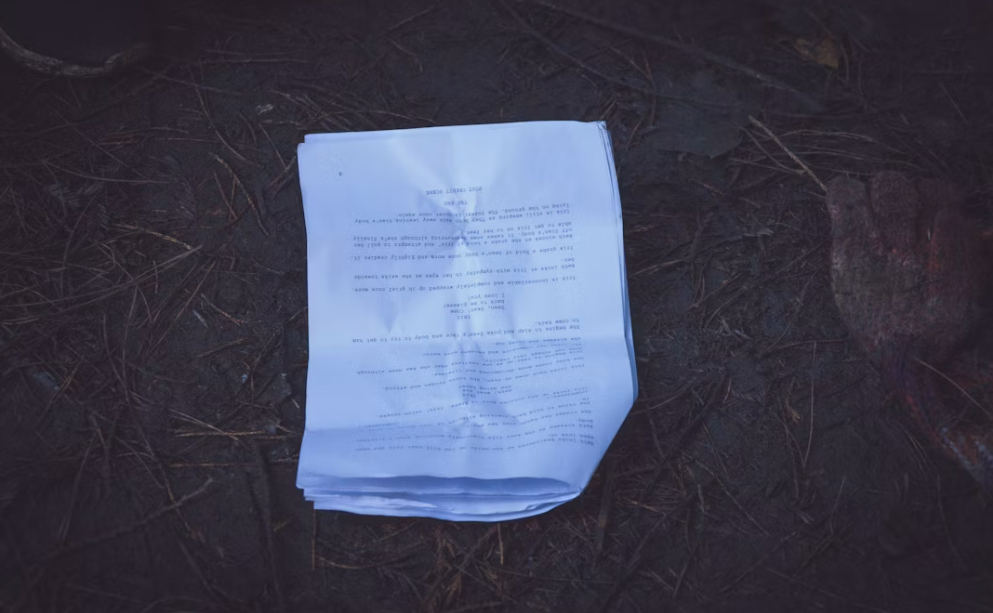
No greeting or a signature at the bottom of it, just a single sentence written in cramped block letters: “Come alone if you still want the truth about Tara.”
Tara was my daughter. She simply disappeared without a trace when she was eight years old while we were in Egypt. And now, twenty years later, here I am, driving a car towards this dodgy line of storage spaces for rent, with my heart pounding wildly inside my chest, reading the piece of paper lying next to me over and over again. I located unit number forty-two. I grasped the cold metallic doorknob, took a deep breath, bracing myself for whatever horror scene, and opened the door.
I collapsed straight down to the ground as I lost my knees.
The woman sitting there on a folding plastic chair near a couple of cardboard boxes was an exact reflection of me, the same eyes, that’s for sure. And all she did was sit there and stare at me, as if trying to figure out for if she absolutely hated me or not.
“You came pretty fast, Cassidy,” she said while making direct eye contact with me.
By then, I had trouble getting enough air into my lungs to say anything else. “Tara?”
She began trembling slightly, but stayed seated without even moving an inch. “I just needed to know if you’s come or not,” she said.
Before you start getting a grip of the situation, you must know that the story dates back to twenty years ago. Back then, I was married to a man named Grant, who was a journalist. At one point, he got offered a very lucrative overseas position, and as a result, the entire family had to pack everything and leave for Egypt. There we found a rather comfortable second floor apartment above a beautiful courtyard garden, which Tara loved and where she played almost every afternoon. In that moment, I honestly believed that we were happy.
It all changed after that fateful Tuesday, when I kissed Tara goodbye and left for work. Grant chose to stay behind because he was going to write something that day. He told me: “Don’t worry; I’ll keep watch over her.”
But when I pulled up to the building that evening, there were police officers all over the place. It was then that Grant told how Tara got out in the garden to play, and the next moment, she was nowhere to be seen.
For weeks, we searched high and low for my baby girl, but to no avail. No sightings, no random tips, no Tara. She simply vanished. In public, Grant was an absolute wreck, crying, and telling everyone that this was his fault, but as soon as we were alone in the apartment, he’d go completely silent and wouldn’t utter a word. Finally, after a year of madness, we decided to leave everything behind and go back home without our child. Not surprisingly, our marriage crumbled very quickly afterward.
Over the next twenty years, Grant basically turned our absolute worst tragedy into a full-blown career. He penned bestselling novels and delivered emotional lectures around the nation on grief and bereavement, while I remained home in suspended animation hoping for a miracle. That miracle showed up when that postcard landed in my mail slot.
Tara sat inside the dusty old garage of the rented car with me as she began telling me how she truly believed that I simply left her alone in Egypt. She rummaged through one of the boxes before bringing out the collection of letters that she had sent to me every year on her birthday from the age of nine to the time that she turned eighteen. Letters that I had never even seen before in my life. And then she dropped a bomb.
It wasn’t some stranger who dragged her away from the garden. It was Claire, my husband’s best friend. On that very night when our daughter disappeared, Grant had gone straight over to Claire’s apartment and instead of taking Tara back to me, he stared into her eyes and told her that I left both of them.
Claire raised Tara under an entirely made-up identity. Just days before Claire died, the guilt overwhelmed her, and she confessed everything. Grant needed to escape his marriage, needed to run off with Claire, and Tara was part of his plan. The only problem is that he was far too much of a coward to take on the reputation of being the bad guy who abandoned his family in a foreign country.
“He chose himself,” Tara whispered.
Pexels
That night, Grant was in town, running an enormous promotional party for his new book, called The Daughter I Lost in Cairo. Tara had checked the advertisement on her cell phone.
“That book made him a lot of money,” she said.
I looked at her and replied, “Actually, Tara, he made his millions by hiding you.”
An hour later, we went directly to his book-signing event. He was standing up at the podium, speaking to the crowded room of people when he began reading an emotional excerpt concerning the profound grief associated with losing a child. In the middle of the reading, Tara got up and walked to the front of the aisle.
“I just wanted to ask a quick question,” she said. “Is that passage before or after the part where you left me stranded at Claire’s apartment?”
Dead silence fell upon the room. Tara marched up to the podium, placing Claire’s note and her collection of birthday letters.
“My name is Tara,” she said loud enough for everyone in the room to hear. “And I’m the daughter that he claimed had been abducted in Cairo twenty years ago. But he didn’t lose me. He kept me hidden.”
A reporter from the front row shot straight up on his feet and demanded Grant to confirm whether he’d deny the allegations made against him. He remained standing as though caged and kept mumbling something like he just tried to shield everyone from the truth.
I stepped up beside Tara and stared at him, saying, “Your only concern was saving your image. In the process, you ruined our lives.”
That night after the show, Tara came to my apartment. I went into the closet and took out an old cedar box I had carried with me in all those years since then. Inside the box was her ribbons, her tiny little red shoes, an old card with a pancake recipe we used to cook together, and several missing person flyers, which had now turned frayed and cuddly with age.
“I never let go of anything about you,” I told her.
For twenty long years, I hated Egypt because I thought it took my baby away from me. But the desert didn’t take her—it was a disgusting, selfish lie that stole her childhood. But the truth finally caught up, and it brought my daughter right back to my kitchen table.
Please SHARE this article with your family and friends on Facebook.
The old lady spent most of her days seated by the window facing the front of the house.
It wasn’t like there was a whole lot to see out there. The scene remained the same through the years, a small street with some trees, neighbors coming and going now and then. She often recalled the days when there were children there playing outside her home.
But she still sat there anyways. Who knew, maybe it was just a habit she formed over the years. Maybe she was looking forward to something, although she didn’t know what.
Life had certainly become quiet since her days in her prime. It’s been years since her husband’s passing, and despite being frail herself, she had no one else to depend on.
Well, except her daughter. But recently, their relationship was strained. Their conversations became difficult and the visits were rare. Patience was running thin on both sides, but the old lady did her best not to think about it.
Then one day as she sat in that room looking out at the road, her daughter came walking in. “Mom, put on your coat.”
“What for?”
“I’m taking you out. You’ve been locked away in this house for much too long. Some fresh air will do you good.”
For an instant, the old lady’s face lit up with hope. It had been so long since her daughter had taken an interest in doing something with her.
It was a very straightforward reply, but that didn’t bother the old woman; instead, she felt the stirrings of something that she hadn’t felt for quite a while.
Hope.
She carefully packed up her stuff, sweater, pills, purse, whatever else she needed, while she made guesses about their destination. Could be some cozy lake cottage, quaint little restaurant in the countryside or some surprise visit to relatives.
No, the details didn’t really matter at all. She was just happy to spend a whole day with her only child.
Not too soon, she found herself on the road. At first, nothing seemed different.
They drive down those streets that were so familiar to her, the shops and high-rise apartment buildings. Lights flashed around them, cars whizzed past them; she just sat back comfortably in her seat and observed all this around her.
But then, suddenly, the view began to change. Buildings became fewer. Roads less busy. Fields were on both sides of the road. The farther away from home they traveled, the more anxious she felt.
She glanced toward her daughter. “Do you think that we are going in the right direction?”
Her daughter didn’t look away from the road and replied quickly. “Yes.”
After a while of silence, the old lady looked outside once again. Now, they could see only vast land covered with scattered trees. She felt like crying, but managed to swallow her lump of emotions.
“This place doesn’t seem very relaxing.”
Her daughter held the steering wheel firmly enough to turn white. “Mother, please, do not ask any more questions.”
Something was seriously wrong, and the old lady could feel that.
Twenty more minutes passed while her daughter kept driving through the deserted highway when she suddenly pulled over onto the side of the road and stopped the car. There was a long period of silence between them.
After that, her daughter turned towards her. “Get out.”
The old woman widened her eyes. “What?”
“I said, get out of the car.”
Initially, she thought that she misunderstood her daughter. “What are you saying?”
That’s when her daughter said, “I can’t do this anymore.”
“Do what?”
“What I’ve just told you,” her daughter replied. “All that taking care of you. Always worrying about your well-being. Spending all my money on you. I am exhausted.”
It hurt her like never before. Her daughter’s actions were so sudden. “Come on, baby,” she whispered. “What are you saying?”
“You’re a burden.”
A rush of tears sprung into the eyes of the old woman.
“Don’t say things like this.”
“I mean it, and you know it.”
Her daughter then pulled open the door to the passenger seat.
“Now, get out.”
The woman felt a rush of panic. “No! Please, don’t abandon me!”
But it seemed as though her daughter’s mind was made up. Without any hesitation, she seized her mother’s arm and dragged her out of the car so roughly that she nearly fell right to the ground.
As the woman turned toward the car, she pleaded desperately, “No!”
Yet her daughter looked at her without pity. “It is a hard decision, but I am sure this is for your own good,” was all she could utter.
As soon as she finished speaking, she slammed the door shut. Not even a moment passed before the car tires churned up gravel and she sped away.
The woman froze right beside the road. She kept staring until the car became a mere dot against the horizon and disappeared. Her brain wouldn’t let itself believe what it had witnessed. How could her very own daughter abandon her just like that?
Finally, she fell to her knees and started crying. She didn’t feel rage; just immense sadness.
All the things that she had done for her—bringing her up, sacrificing herself for her, working tirelessly to provide for her, and loving her—she never dreamed that it would end up like this.
But then an idea occurred to her. Her phone.
Fumbling with her purse, she fished out her old cell phone. There was one person whom she hadn’t contacted in years. Her nephew. They didn’t talk a lot, but he was always a kind-hearted boy.
Although hesitantly, she pressed the button.
To her surprise, the call was answered immediately. “Aunt Maria?”
To hear a friendly and familiar voice almost broke her down once again.
“It’s me,” she managed to stutter.
“Auntie Maria, what’s going on? Are you alright?”
She found it hard to speak.
“I’m out on the highway.”
“What are you talking about? Why are you there?”
“I’m all alone. She left me.”
There was an uncomfortable silence on the other side of the line.
“Tell me precisely where you are. I’m picking you up.”
Forty-five minutes later, a sleek black SUV stopped right beside her.
From it, a tall man got out. As soon as he spotted her sitting all alone, he yelled. “Aunt Maria.”
Without losing a second, he came closer and put his jacket around her shoulders. “What happened?”
“She left me here.”
“Let’s go,” he said softly. “Get into the car.”
Next thing she knew, the woman was at her nephew’s place, having a cup of hot tea.
The next morning, a lawyer appeared at the door and the woman didn’t quite understand why he was there.
Then her nephew explained everything to her. The home she lived in was hers. Her husband left it to her, not their daughter, and she had no right to make her leave the place. Not legally.
The lawyer addressed her calmly. “If you don’t feel ready to sign today, that’s okay.”
Pexels
But she did. For the first time in many years, her mind was absolutely clear. She took the pen. “No, I’m ready to do it,” she responded.
A week later, she returned home.
But this time, everything was completely changed. She was no longer alone. Her nephew had set up a support system for her, sorted out her legal protection, and helped her get her finances in order.
And then it happened.
One day, the front door burst open.
And in walked her daughter with multiple shopping bags in her hands.
But she stopped immediately once she noticed there was someone there.
“What is happening?” she yelled out loud.
The nephew calmly got up from his seat.
“You need to leave.”
She couldn’t believe what she was hearing. “What?”
“Get your things and get out!”
She tried to laugh nervously. “This is my mother’s house, how dare you order me around!”
He came closer to her, putting a folder in her hands. “Read this.”
With all her confidence gone after reading the document, she could hardly believe what she was seeing.
“No way!”
She started flipping through the papers, afraid to face the truth. “This can’t be true.”
“Absolutely legal,” he said.
She turned to her mother. “Mom! What have you done? You gave everything up?”
And the old lady only nodded.
“But where should I go?” the daughter cried.
The entire atmosphere turned utterly silent. The old woman looked at her daughter. There were no signs of anger on her face. She did not want any kind of retribution. She was only extremely sad.
“Exactly the same place that you left me,” she answered.
The daughter realized what it feels like to be abandoned, and the woman already knew that just because someone is family they get to treat you like garbage.
Please SHARE this article with your family and friends on Facebook.
Living alone for so many years had taught the old lady to get comfortable to the silence. Ever since her husband’s passing, the small wooden house located on the outskirts of the village only seemed emptier and emptier each year. In the past, there were people living in it and there was no silence but that was many years ago. Nowadays, the floorboards creaked and there was the sound of wind that slipped into the walls.
The condition of the house was not very good either. The center of the roof had become low and the windows froze every year to such a state that the lady had to chip the frost away from their inner part to see what was going on in the garden. She could barely live on her pension and although being feeble already, was too proud to move from the only home she knew almost all her life.
Everything in it seemed to remind her of something.
Village people understood what she was going through. At times, her neighbors would visit with a bowl of hot soup and even help pile a stack of firewood. This gesture was well-intentioned; however, they were all busy with their own lives and couldn’t really visit or help too often.
It happened out of blue one evening, changing an ordinary wintry night into something terrible. Wind was blowing with such power that it was tearing trees up by roots from the forest. Snow was falling heavily enough for roads, fences, and field to get covered in no time.
Soon enough, the whole village became cut off from the rest of the world.
The old woman was sitting right next to her stove, trying to rub some warmth back into her stiff hands. The fire was crackling quietly while the storm went crazy outside. She just listened to the wind shaking the walls and hoped the roof would make it through one more winter.
Then she heard a knock which was very loud. It was three loud, heavy thuds that actually shook the front door.
She got really scared, because who could come at that hour, especially in the middle of a blizzard.
She sat completely still in her chair for a minute, thinking she was just hearing things. But the knocking continued.
She stood up slowly and approached the door.
The wind howled outside as she opened the door cautiously and peeped through to see who it was.
There were four men at the porch. Though she couldn’t make out much from where she was standing, she could see the men looked intimidating. She saw that they were tall and burly, wearing heavy winter coats, and looked absolutely menacing. Their hands and necks were covered in tattoos and one of them was carrying a huge black sports bag slung over his shoulder.
She truly didn’t know what to expect next, but then one of the men stepped forward.
“Good evening, madam,” he said. “We’re in some difficulty. The road further ahead has been completely blocked by snow, and we need to wait here till the weather changes. Would it be possible to spend a night at your place?”
“I live alone,” she told him. “I don’t have much space for me. And, I haven’t got any food to offer.”
“We don’t want any food,” he said. “All we want is a warm place to rest till morning. We will not bother you at all, and we’ll stay away from you.”
She looked over their shoulders and saw the thick blanket of snow. It was snowing so heavily that she could hardly see beyond the entrance of her house.
Should she turn them away, these people would be left in the storm with no shelter at all.
However anxious she felt, it would simply break her heart to leave these people to the fury of the storm.
It was surprising how respectful they turned out to be right from the moment they came into the house. They removed their boots as soon as they got inside, they spoke only in whispers and simply sat by the stove without requesting anything.
She laid before them some food she had in the kitchen, bread, potatoes and hot water for tea.
Not even once did they complain about it.
Also, they said almost nothing throughout the entire evening, looking as if they were simply too tired to do otherwise.
One of the men unzipped the big black bag in order to pull out a dry shirt for himself.
The woman caught a glimpse of what was inside it just then, and she could not help feeling sick to her stomach.
Amidst the clothing, there were thick stacks of money, along with some heavy metallic items which she wasn’t able to recognize completely.
She immediately turned around and pretended that she had not seen anything. From experience, she had learned that there are times when one should refrain from questioning.
There was definitely a change in the atmosphere after that. Though they remained as polite as before, she now sat pondering over the identities of the gentlemen she had invited into her home.
That night, one of them casually informed her that they had recently been released from jail. Without saying a word, the old lady only nodded and continued placing pieces of wood in the fire.
She didn’t have a good night’s sleep that night, and kept opening her eyes even at the slightest movement.
However, the night went peacefully, and in the morning, she was woken up by strange noises. She thought the storm continued throughout the night and into the morning, but she was wrong. The weather was as nice as it could be, and she realized the noises were coming from the roof.
Once she got out, she saw one of the men hammering sheets of metal where there were leaks. Another of the men was cutting wood. There was an enormous pile of chopped wood placed beside the house. The third man was carrying full buckets of water taken from the well.
Finally, the last man was repairing the front gate that had been leaning towards the left since forever. The old woman simply stood by the window and stared for some time.
She could not believe what she was seeing. It was the very same men whom she had been afraid of all night long. However, they were now working in her garden as if it was something absolutely ordinary.
They were so busy working that they didn’t even notice the woman was outside already.
When they finally saw her, they politely greeted her and then continued their activity without saying anything more.
They didn’t really say anything, nor they asked for any money, they just worked as though it was something normal.
By noon, the storm had completely dried out. The snow from the roads began to disappear and the men started packing their bags, getting ready to leave.
The woman stood at the door watching them take their last tour of the garden.
There would be no more leaking roof. The gate operated perfectly. Her woodshed was now completely filled, and her water containers were now full.
It seemed that the house had never looked better than now.
Before they left the place, the man who had talked to her first returned inside the house and placed a pile of money on the kitchen table.
Immediately, the woman shook her head and tried giving it back to him.
“No,” she replied. “That’s far too much.”
The man only smiled at her.
“It’s not a payment.”
“What then?”
“It’s a thank-you.”
She stared hard at him. “For what?”
“For considering us as humans.”
Unsplash
There was silence in the kitchen. After some thought, the elderly lady gave her response.
“I really have no idea of what all you guys did before,” she replied. “Perhaps you’ve erred. Perhaps you have served your time for that. But one thing I could never do was turn away people from my house, allowing them to freeze to death.”
The four men then walked along the snow-covered path for some time until they disappeared from her sight beyond the next turn.
She never met these people again.
When the villagers learned strangers spent the night at the old lady’s house, there were gossips and stories.
Many insisted that she was reckless to let those people stay overnight in her house and that she should have called the police the moment they knocked.
Everyone had something to say about it.
But none of those people actually understood what she had gone through that night.
The thing that stayed with her wasn’t the fear she felt at first.
It wasn’t the money they left on the table.
And it wasn’t even all the work they did around the house.
It was just the realization that people are usually a lot more complex than they seem on the surface.
For one thing, they appeared in front of her as the kind of people one crosses the street when seeing them coming. People would normally judge anyone who came to their door in that manner automatically.
Yet somehow, those four guys showed her more respect and appreciation than any of those who had been living around her neighborhood for years now.
Please SHARE this article with your family and friends on Facebook.
A diet rich in whole foods, healthy fats, and plant-based foods is recommended by leading health organizations as a foundation for the prevention of cardiovascular disease and overall health.
In this article, we’ll delve a little deeper into how three of the so-called natural wonders of food — extra virgin olive oil, chia seeds and cayenne pepper — measure up.
All of these ingredients have been researched for nutritional properties consistent with heart-healthy diets: extra virgin oil is a significant component of Mediterranean-style diets associated with reduced cardiovascular risk, chia seeds are high in fibre, omega-3s and antioxidants that could help with blood lipid profiles, and cayenne pepper contains compounds that have been praised for their impact on circulation and inflammation.
Due to its abundance of natural antioxidants (polyphenols and vitamin E), extra virgin olive oil is frequently mentioned in the context of cellular protection against oxidative damage caused by free radicals, a process related to inflammation in the lining of blood vessels and the gradual development of cardiovascular damage.
Besides the related antioxidant effects, EVOO seems to be the subject of considerable discussion in nutrition science for its general cardiovascular effects, including its association with a more heart-friendly cholesterol profile and lower triglyceride concentrations, as well as more elastic blood vessels.
It has also been linked to better circulation, as well as support for nitric oxide activity and possibly for high blood pressure. One reason for the growing popularity of EVOO is its positive effect on endothelial function.
The endothelium, the thin inner lining of blood vessels, plays an integral role in maintaining unhampered blood flow throughout the body.
Chia Seeds: Tiny Seeds, Massive Cardiovascular Support
Although they are tiny, chia seeds are an established plant-based source of omega-3 fatty acids, which are often associated with decreased inflammation in the heart and blood vessels. These fats are important for so much more, including cardiovascular support and other functions affecting brain health, hormones, and immune response.
A mix of soluble and insoluble fibre in chia seeds helps with digestion, as do probiotics that feed friendly gut bacteria. They also create a byproduct of short-chain fatty acids such as butyrate, which is linked to anti-inflammatory activity throughout the body, the heart and blood vessels included.
Chia seeds are a source of protein (with fibre), and essential minerals including magnesium, calcium, and phosphorus.
Their high fiber content is also linked to more stable blood sugar levels, improved insulin sensitivity, and greater feelings of fullness that may help with weight management and long-lasting energy.
Cayenne Pepper: A Spicy Boost for Your Cardiovascular System
Cayenne pepper contains capsaicin, the heat-producing compound which is often discussed for the possible effects it might have on the cardiovascular system. Capsaicin is known for its vasodilatory properties, which are associated with dilated blood vessels, improved blood circulation, and reduced strain on the heart.
Researchers and nutritionists cite cayenne pepper as a contributor to cardiovascular health due to its effects on cholesterol levels, blood flow, and nitric oxide production, as well as thermogenesis related to energy expenditure and weight control. This spice has traditionally been used to enhance circulation, ease pain, and increase energy.
These are all factors commonly referenced in relation to long-term cardiovascular health.
The preparation of this powerful drink is rather simple. Just mix 1–2 tsp chia seeds, 2–4 tbsp extra virgin olive oil, and 1–2 dashes of cayenne pepper in a small glass. Let it sit for 10–15 minutes and stir until the chia seeds form a gel.
You can have it as it is or add it to a smoothie, yogurt, or oatmeal.
What to Expect
This powerful mixture is often associated with digestive support, increased satiety, steadier energy, and general cardiovascular and inflammatory balance if used regularly.
How Often to Use It
You can start by having it once a day before a meal. If the cayenne pepper feels too strong, you can adjust the dosage or omit it altogether.
*Disclaimer: This information is for informational purposes only and not a substitute for professional medical advice, diagnosis, or treatment. Always consult your physician or healthcare provider with any questions about your health or medications. Do not disregard professional advice based on this information.
Please SHARE this article with your family and friends on Facebook.
It was past midnight when I found myself sitting inside my car in front of my mother’s apartment complex, staring blankly at the numbers that flashed before my eyes on the dashboard. I wondered how in the world it was possible to make it work each time.
It felt like an impossible task every month, paying rent, buying groceries and gas, and getting my mom’s medications.
Finally, I took the grocery bag and the medicine packets from the front seat and headed to my mom’s place.
The door swung open even before I managed to knock.
“You really shouldn’t be working so late,” mom said, looking right into my soul.
“I brought your medicine,” I said, trying to keep it calm.
Mom simply smiled and touched my face, as she always did. “You’re absolutely worn out, Jeremy.”
The following morning, I took a coffee break mid-shift when a guy I had never met before sat opposite me.
He appeared so self-confident that I knew he’s one of those guys who never accepted “no” for an answer. What I didn’t know was why he was there.
“Jeremy?” he asked.
“Yes?” I answered.
“I heard that you need some extra money.”
Right then I immediately got a bad feeling about him. What is it with people who say such things?
He introduced himself as Tim and without any further ado he launched into an explanation. Apparently, his mother, Rosie, lived in the nursing home close by and had dementia. She was always asking the nurses why her son never visits anymore.
“So go see her,” I said, irritated.
He looked away, sitting uncomfortably for a moment. “It’s not that simple.”
And then he rummaged through his jacket pocket and shoved a pile of cash across the table towards me.
$500 a week. All I had to do was see Rosie once in a while, address her as “Mom” or “Mama,” and essentially pretend to be him.
I thought he was simply joking, but when I looked into his eyes and understood that he was dead serious, I refused, saying that it felt terribly wrong.
“I’ll tell you one thing: ‘wrong’ doesn’t pay hospital bills,” he responded cruelly.
And that really shook me inside because the man knew everything about my mother. He knew about my financial problems. He knew precisely how to break me down and make me do his dirty work.
I knew it wasn’t right. Yet, I accepted the deal and took the money.
A few days after that, I found myself standing in front of room 214. I clearly recall my hands literally shaking. This was not from fear of being caught by the nurses; rather, I knew instinctively that what I was planning to do was one of the most bizarre things ever.
When I finally went inside, Rosie was seated on a chair near the window. I cleared my throat and told her I it was me, Tim.
For a good minute or two, she looked at me like something was wrong with me. Then, a smile broke out on her face as she greeted me warmly. “There you are,” she said.
Somehow, that smile just left me feeling nauseous.
I sat down beside her and listened for an hour to stories that were not my own. She told me about flowers I have never seen before and old stories from the family I have never been part of and a dog I have never owned.
As I was getting ready to go, she came up and grasped my hand firmly. “Come back soon.”
I assured her that I would.
In the beginning, all I could think about was that it was just a job I was paid to do. Just get there, clock-in, and be done with the day. But slowly but surely, things began changing.
One week, I showed up with flowers for her. The other week, I showed up with chocolates. Before long, I found myself stopping by at least two days a week even though no one was actually paying me.
Rosie was just genuinely happy to see me every time I showed up there. She would always ask me if I was eating right, getting any rest, looking after myself. Simple, common questions. For some reason, those questions meant the world.
She looked at me once and said, “You’re a good man, son.”
I came so close to breaking down and telling her the truth right there. Instead, I just choked up and sat there in silence.
I was only one second from letting it out right then and there. In reality, all I did was choke and sit in silence.
Strangely enough, our meetings stopped being a pretense and started becoming something that I looked forward to. Sometimes we talked for hours, sometimes I read the newspaper to her, and sometimes we just sat there.
In the meantime, Tim would call me periodically and tell me that what we were doing was purely business and should be kept simple. But it stopped being simple because I wasn’t just visiting Rosie; she was a lonely soul who needed someone to spend her days with and, for some reason, that someone was me.
Months went by.
One day I received a call from the nursing home in the early hours of the morning. She had died peacefully in her sleep the previous night.
It felt like a blow right in the chest. I never expected it to affect me this much.
A few days later, the facility director gave me a call and told me to drop by. Once I arrived, she gave me an envelope that was quite thick. Even before I could open it, she said, “She knew.”
I looked at her with my mouth wide open and then asked. “What do you mean she knew?”
“That you were not her son.”
At first, I did not understand what she meant until she went on and clarified that Rosie had known right away since day one. She had known that I was not Tim. However, she decided not to say that to anybody, especially me.
When I opened the envelope, I found a letter written by her. In the letter, she had said that although her memory was a little bit blurry, she knew I wasn’t her son. Still, she let me stay because I was the only person who visited her, and that meant to her more than blood.
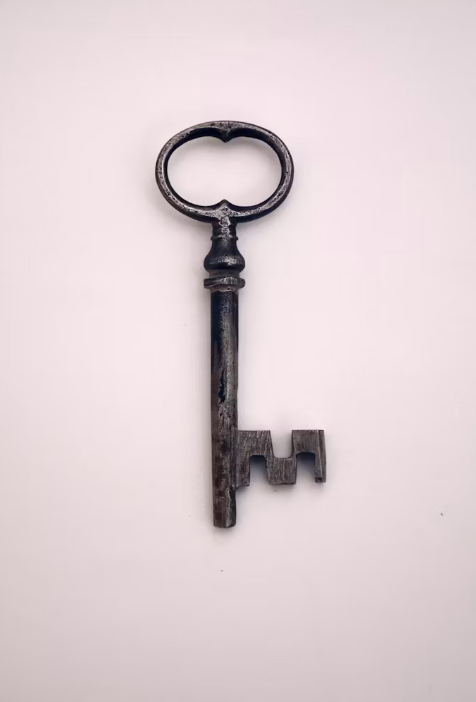
She also put a small brass key into the envelope. It gave me access to her safety deposit box under one condition, to use half of the money to help the residents of the facility.
I was still trying to process everything when Tim came banging on my door, demanding the key right away. He was raging at me that all that belonged to him.
I looked at him and asked him what he was doing all this time when his mother was sitting next to the window, looking at nothing but waiting for people that would never visit.
I could not get an answer from him then. Instead, he began threatening with lawyers.
A week after that, the nightmare begun. His lawyer sent the documents in which they claimed that I manipulated a vulnerable woman into giving me money. I found family members that I never knew existed attacking me in social media and court papers, calling me a monster.
There were moments when, under threats from lawyers, I wanted to quit. But my mom told me not to give up since I was telling the truth.
I had collected logs of my visits, receipts of payment, and declarations from nurses. Another resident of the hospice facility, Margaret, corroborated my story, stating that Rosie used to refer to me as “the young man who decided to stay.”
Pexels
In court, Tim attempted to make a case that I was a predator. However, my lawyer presented the texts and the financial information to prove he was the one who paid me to pretend to be him. Asked about the last time he visited his mother, Tim went quiet and admitted that he refused to do so because watching her deterioration was too painful for him.
I was honest on the witness stand, confessing to using the money to take care of my mother’s needs, but pointing out that I came back because no one else bothered to.
The judge sided with me.
Inside the deposit box, there were savings bonds, cash, and even a photograph from when Tim was a baby. Despite everything that happened, she must’ve cared about him.
I split the cash just like she wanted me to. Half went toward improving the conditions at the nursing facility, and the other half paid off all of my mother’s medical bills.
Even now, on the weekends, I go visit, sitting in her old chair. Last weekend, I brought along some tulips.
Margaret turned around and quietly asked, “Do you ever think about her?”
“All the time,” I said.
I took the job for money but Rosie showed me that family was not defined by biology, but by those who stick around when everyone else leaves.
Please SHARE this article with your family and friends on Facebook.