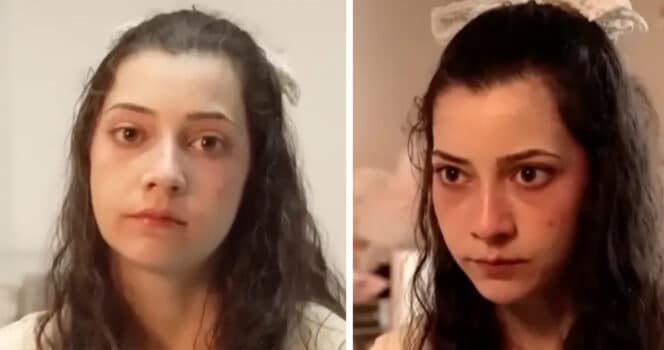
My former friend married my ex-husband — one night, she called in fear and everything changed

0

It’s weird how life does that, how it circles back on itself at exactly the time when you feel like you’ve finally moved past it. You spend all this time trying to put the past behind you, and then, out of the blue, something or someone appears, forcing you to confront it all once again. For me, it happened at three in the morning. I was half asleep, reaching over to grab my phone to shut off whatever alarm or notification had gone off, when I saw the name on the screen.

It was Stacey.

You see, Stacey was once my best friend, and she’s now my ex-husband’s wife. When I actually picked up, her voice was a mess, shaking and thin. I didn’t expect to hear fear in her voice, and I certainly didn’t expect to hear the regret.

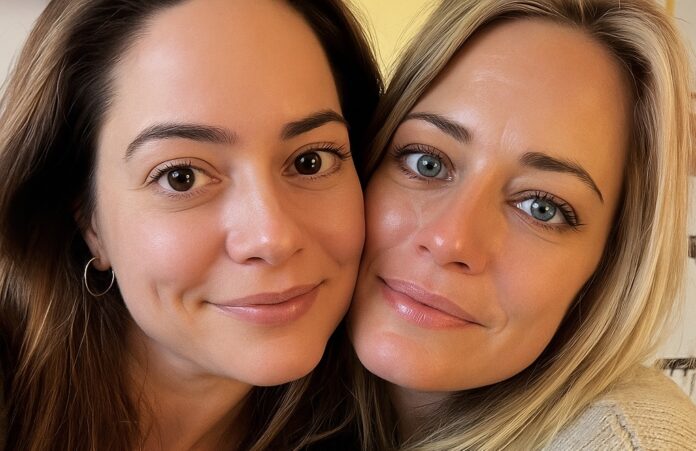
But then something happened that I could have never seen coming. It was this strange connection between two women who had been tied to this man in completely different ways. We had both been hurt and lied to by him, but instead of remaining bitter enemies, we had become unlikely allies in finding the truth we’d been blind to all these years.

It wasn’t even really about revenge or being bitter. It was just… clarity. We had found something in each other that I didn’t even think was possible.

For seven years, I really believed that Alan and I had a good thing going. And why wouldn’t I? He and I had a nice home, two lovely girls, Mia and Sophie, and a future ahead of us. Honestly, it did seem like a good marriage, maybe not a picture-perfect one, but definitely a solid one. Alan was a great with the girls, and he had this charm that just made people want to like him. I felt like I had a guy who really liked being around me and my girls.

But then things began to change. And those were slight changes at first, it’s not like it was a big blow out of the blue but more like a slow slide. He started coming home late, and he’d give me these vague excuses about his work. The business trips started getting more and more frequent, and it got harder and harder to pin him down. He and I no longer talked about everything like before, and I could sense something was going on. What I found the strangest of all was his phone that used to be just right there, on the middle of the table, but was now faced down and always locked. Call it intuition or being aware, but things were different, I could definitely see it.

As you assume already, bringing any of this up ended with Alan branding me paranoid. Was I imagining things? Of course I wasn’t.

When I think about it, I believe that I lived in denial more than I should’ve. I continued to tell myself that there had to be another explanation or that we were just having a rough period. Yet, the truth would finally come out, and it would turn out that he was with another woman, named Kara. When I finally confronted him about it, he did not even bother to try to defend himself. Instead, he just shut up, grabbed his bag, and left. And just like that, my marriage ended.

Pexels

Just like with any divorce out there, mine was also a rollercoaster. Messy? I guess so. What I found it the hardest of all was that now I had two girls that depended on me, so I didn’t have the luxury of falling apart, even though I felt like every minute of every day.

I picked up extra hours at work, went to therapy, and just focused on getting through it for my daughters. And then enough time had passed that let me believe that my failed marriage was already a closed book.

Unlike me, Alan moved on and remarried, and it was something I couldn’t wrap my mind around. That, by itself, would have been hard enough, but it turned out that Alan had married Stacey, my best friend. The person who I had confided in about my marriage, who had listened to me speak about all the pain that Alan had put me through, who had been with me throughout the divorce. Or at least, that’s what I had thought. When Stacey called me to tell me the news, I felt like the ground had been swept out from under me. I asked her how she could marry the man who had destroyed my family, who had put me through all the pain that Alan had, and still expect me to be her friend. She had no answer. That, to me, was answer enough. I hung up the phone, shut both of them out of my life, and focused on my girls. I thought I had shut the door on them forever.

Well, a year had passed and I moved on too, because there wasn’t really anything else that I could do. And then, out of thin air, I got a call in the middle of the night. It was Stacey. I didn’t want to answer the call,but I did it anyways.

Pexels

She told me that she did not feel safe, and that she had ignored the red flags for too long. She asked if she could come over, and even though every part of me wanted to say no, I told her yes because, unlike the other times, her voice told me she was scared.

An hour later and there she was at my door. Alan was out of town, and she had gone through his home office, a place he always locked. What she saw there wasn’t very nice. He had all of this material from all of these different women, organized and locked away like he was keeping trophies. While it wasn’t illegal, it was very weird. He had dates and information that indicated he went from one woman to another, never really committing to any of us, not even me, and not even this other woman.

Why wasn’t I surprised that her story was a carbon copy of mine? Just like me, she failed to see the red flags, but the difference was that no one warmed me about my ex, and Stacey had me to hear from all about the type of man Alan was, and yet, she went on and married him.

I did remind her of that, many times during that evening, and she kept saying, “I thought you were exaggerating.” So, was I? Of course not.

The most interesting part was that I wasn’t mad at Stacey for marrying Alan any longer. Because of some reason, I somehow felt sorry for her.

At that point, I realized that it wasn’t just Stacey’s life and future at stake, but also my daughters’. If Alan was that kind of man, then I need to know the whole story. So, we looked at everything she had found, remained calm, and even contacted a few of the other women. They had the same story. They had found him to be charming, easy to talk to, but couldn’t maintain an emotional stability, and that wasn’t much of a secret, really.

And by the time morning rolled around, we both felt something we hadn’t felt in years: clarity.

Pexels

Needles to say, Stacey decided to walk away from Alan. And she did not make her choice impulsively but with a plan and support. And when she did, Alan reacted in exactly the way you’d expect. He was confused, but not really affected. For me, having the entire picture gave me the confidence that I’d been lacking. I fixed the custody arrangements and defined my boundaries. I wasn’t guessing anymore; I finally knew what I was truly dealing with.

Months later, Stacey and I sat together once again, in the same room where she had first arrived, consumed with fear. Everything had changed. I looked at her and told her that we had made it through, and she thanked me for being there for her when I did not have to. For so long, the only thing that had ever really connected us had been anger, but now that had gone away. We were not two women, bound together by the act of betrayal, anymore. We were two people who had looked at the truth, had looked at the reality, and had made it through it, stronger for it.

I looked at her and told her that we deserved better, and she just nodded. For the first time in years, I did not feel closure, or relief. I just felt free.

Please SHARE this article with your family and friends on Facebook.

Bored Daddy

Love and Peace
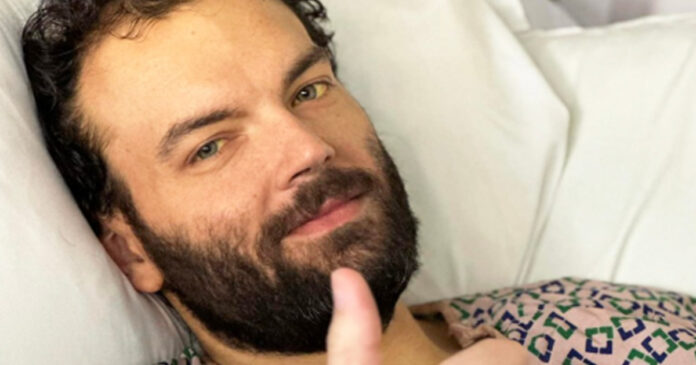
Man diagnosed with colon cancer at 26 reveals 1 symptom he dismissed

0

Colon cancer is on the rise at younger adults compared to the past, and more and more people under the age of 40 are diagnosed with this awful disease each year.

Historically, this form of cancer was typical for the older population, but as more and more young people are diagnosed with it, researchers are rethinking screening recommendations and are looking for different treatment approaches.

As per the American Cancer Society, colorectal cancer starts in the colon. “Most colorectal cancers start as a growth on the inner lining of the colon or rectum. These growths are called polyps.”

While polyps are quite common and often noncancerous, some can turn into cancer over time.

Dr. Jeremy Kortmansky of Yale School of Medicine explains that colorectal cancer typically exhibits aggressive histological features, which is why it is often diagnosed in later stages.

The symptoms can be rectal bleeding, changes in bowel habits, diarrhea, or constipation. It is very likely these symptoms to be mistaken for less severe issues like hemorrhoids or irritable bowel syndrome.

Of course, as with any other cancer, genetics can play significant role at colorectal cancer.

Obesity increases cancer risk by altering hormones like insulin, promoting cell growth. Chronic inflammation caused by fat tissue also contributes to this risk. A study in JAMA Oncology found that obesity nearly doubles the risk of early-onset colorectal cancer.

Courtesy of David Lyon

David Lyon, 26, from Erie, Pennsylvania, who has never been sick in his life except for some minor sport injuries here and there, never imagined cancer could strike him at such a young age. He noticed blood when at the toilet, but because of his age, he didn’t assume it was anything serious.

“I was seeing red when I would go to the bathroom. And I didn’t think much of it,” Lyon told Today.

“I kind of wrote it off because I worked in a sheet metal shop, and I didn’t know if maybe I had a piece of metal on my finger and it scratched something.”

Sadly, his symptoms worsened very quickly, and he got concerned for his health. The abdominal pain he experienced was so severe that he couldn’t stand upright and only found relief when he hunched over.

“That is when I was like, yeah, something’s not right. I need to go get it checked out,” he recalls. “Cancer was the farthest thing from my mind.”

The colonoscopy revealed a mass and further scans determined the cancer had already spread to his liver. Lyon was diagnosed with Stage 4 colon cancer.

The doctor who treated him, Dr. Bassam Estfan, said Lyon was his youngest patient, but he did see people in their thirties being diagnosed with this form of cancer. “I quickly got a scan done and they found the cancer had already metastasized to my liver. It was so aggressive,” David told People.

“The doctors didn’t know what to think because I was so young.”

Getting cancer diagnosis is, understandably, a shock — and David Lyon was no different.

“I was mad. Like I just saw red. I didn’t feel sad, I didn’t feel anything, I just felt mad,” he recalled.

Shortly after receiving the diagnosis, Lyon made a decision not to know the full extent of the severity of his condition, so for the first three years of his battle with colon cancer, only his mother was fully aware of how serious things were. Lyon says this helped him stay positive.

From the very start, Lyon refused to let the cancer define his life. Even through the very intense rounds of chemotherapy he went through over the three-year span, he continued going to the gym and playing hockey, a sport he had just taken up the last year of high school. Being out on the ice was his escape, a place where fear and pain seemed to disappear, even if only for a brief time.

Following chemotherapy treatments that shrunk a significant amount of the tumor from Lyon’s colon, he underwent surgery in 2022 to remove the remaining tumors and lymph nodes.

Sadly, however, since the cancer spread to his liver, he was also forced to undergo a liver transplant surgery in 2024.

Thanks to the advancement of medical science, transplant has now become a viable treatment option that extends life for cancer patients with colorectal cancer. This treatment option promises much better results compared to chemotherapy. The end result of the treatment was that he was now cancer-free. One person he had with him through all of this was his dog, Sully.

Lyon adopted the St. Bernard months before the diagnosis.

Lyon’s story is a reminder that we should listen to our body and seek help when we notice something isn’t right, because detecting colon cancer, and any cancer in general, during its early stages increases the chances of a successful treatment.

Doctors stress that symptoms like blood in the stool, unusual fatigue, unexplained weight loss, or changes in bowel habits should never be overlooked — even in young adults.

According to the NHS, some common signs of bowel (colon) cancer to watch for are:

  • Feeling unusually tired or fatigued without a clear reason
  • Changes in your bowel habits, like diarrhea or constipation
  • Bleeding from the rectum
  • A persistent feeling that you need to go, even after using the bathroom
  • Abdominal pain or cramping
  • A noticeable lump in your stomach
  • Bloating or swelling
  • Unexplained weight loss.

Please SHARE this article with your family and friends on Facebook.

Bored Daddy

Love and Peace
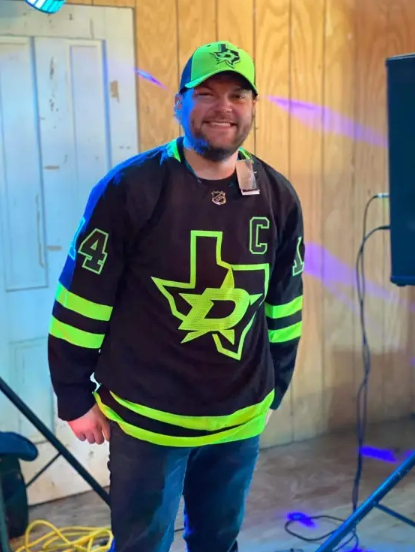
9 harsh truths you are unaware of until after you get divorced

0

When we get married to that one person who feels just right, the idea of that relationship falling apart feels a world away, and maybe that is the reason why for a long time divorce has been one of those subjects we’ve rarely talked about.

However, divorce between two people happens more often that one assumes, and when it does, it’s not just about the legal mess that people are forced to face, but more about the start of an emotional journey that can take years for people to come to terms with.

When you think about it, divorce doesn’t just end a marriage, it changes how you see yourself, your connections with the people in your life, and the world at large.

Some of the biggest truths people learn don’t come with the divorce itself, but after what’s left after it. Some of these truths are hard to grasp, and other bring a strange kind of peace. All in all, they represent a beginning of carving a path towards moving on and growing up.

1. It’s rarely about one partner being the problem

We tend to assume that every divorce has a clear “bad guy” and a victim. We want to point a finger at someone who “ruined everything.” But in the real world, it’s rarely that simple.

In most cases, what we have are two people who tried their best, perhaps for many years, but simply were not compatible in the ways that really mattered. This does not mean that anyone was a failure or broken in any way. It simply means that the relationship had run out of road.

Being obsessed with blame does nothing but keep you stuck in place. When you realize that not all relationships are destined to last the distance, it’s much easier to let go of the guilt. Rather than trying to determine who was at fault, the question becomes “what did not work and why?”

2. You can see the side of your partner you never knew existed

One of the scariest aspects of a divorce is watching your partner change right in front of your eyes. Many people, although they’ve decided to split, believe their marriage was solid and loving, but all that changes once the lawyer gets involved. So, your partner, who you once considered your rock and that one person you could rely on, suddenly becomes cold, defensive, and even nasty. There are also cases where the emotions of one of the partners regarding the other are so raw that no communication is possible.

This can come as a complete shock, especially if you believed that you knew that person all to well both inside and out. What some of us forget, however, is that the process of divorcing a partner is a stressful situation and people do weird things when they are under stress. That’s why having a support system is so big; it helps keep both sides grounded when everything else around them is changing.

3. The silence can be overwhelming at first

You’ve shared a lifetime with someone, and then out of the blue, that person is no longer part of your life, and you are left with silence that feels awkward at first. Coming into an empty house can be a heavy thing at first. It’s the little things, like not having anyone to talk to about your day, that really makes it hit you. It can be loud for a lot of people.

But this feeling tends to fade away eventually, and you simply get used to the new situation.

4. You start finding yourself again

There is a lot of give and take in a relationship, and it’s so easy to lose a piece of yourself along the way. You stop listening to the same kind of music, you change your routine, and you even change your personality a little bit to make everyone happy.

When you get out of a relationship, those pieces of yourself start coming back to you. You start to enjoy the things you used to enjoy again – whether it’s a hobby or a food or a way of spending a Saturday afternoon that you hadn’t thought of in years. Some people go back to those old things; others discover a new passion within themselves.

This isn’t about “starting over” like a failure. This is about meeting yourself again. It’s about remembering that you are who you are, no matter what your relationship status is. You are who you are because of your own values and your own quirks, and those have never changed.

Unsplash

5. You begin to reevaluate more than just your relationship

Divorce is usually a trigger for a chain of events. So once you get separated from your partner, you not only reevaluate your relationship but nearly every aspect of your life.

You begin to see your own habits, your grind, even the people you’re surrounding yourself with. Your friendships, which were perfectly fine before, might now be exhausting you. You might finally see some patterns, like how you’re eating or how little you’re caring for yourself.

It’s a big audit, and it can bring some massive changes. You might get healthier, establish better boundaries, or even simplify your life. It’s like a total system reset, one that’s forced on you, yes, but one that brings doors of opportunities for you to grow, opportunities you might not have had otherwise.

6. The stigma is still present, even if it shouldn’t be

While divorce is no longer stigmatized like it was back in the day, it still somehow feels like there’s this weird weight to it. People don’t really know how to talk to you about it, and that can leave you feeling pretty lonely.

You might lose some friends who don’t know how to deal with it. Or people might unintentionally make you feel like they’re judging you. In some circles, being divorced is like a strike against you.

But ultimately, you come to see that people are dealing with their own insecurities when they judge you for being divorced. They’re projecting their own fears of commitment. The more comfortable you are with yourself, the less what other people think of you matters.

Unsplash

7. The grief

You got divorced, it’s not that your partner passed away, so people assume you shouldn’t be grieving because they only associate grief with death and underestimate just how painful a divorce can be.

In a way, divorce is death, not of a person but of a future. It’s death of a future that never really happened. What’s worse is that people expect from you to just move forward, as though nothing had happened, and that’s almost always easier said than done. No, the pain doesn’t end when the legal process does, but that’s something not many understand.

The healing process can be a messy one, because there are days when everything seems just fine, and days when something random comes up and it knocks you over. The most important thing is to give yourself the time to heal without rushing your grief.

8. Ending a marriage doesn’t mean you’ve failed

A lot of people associate divorce with failure, but that’s never the case. We’ve been told that the only measure of a successful marriage is forever. That just staying put, no matter how miserable we are, is the ultimate goal.

Well, staying in a marriage that is dead, or even one that is harming us, is not strong. Sometimes, it takes more courage to walk away than it ever took to stay.

Divorce is not a failure. Divorce is just being honest with yourself. It’s recognizing that the marriage is not working, that it’s broken, and having the courage to change direction instead of wasting more time.

Unsplash

9. You become someone new

Divorce often comes with a “label.” But the good thing is that over time, this starts feeling more and more irrelevant.

Following a divorce, many believe you try to get to being “normal,” but that’s not what really happens. Usually, when who go through divorce, because of one reason or another, somehow you move to a new and better version of yourself.

You realize exactly what you need and what you’re no longer willing to put up with. You may even date again, but you do it with a lot more intention. Divorce isn’t just a tragic ending; it’s a turning point into a far more honest part of your life.

Conclusion

Divorce is brutal, period. It messes with your identity, your schedule, and your head. But within all of that chaos, there is a real opportunity to rebuild.

The awkwardness eventually turns into clarity. The quietness starts to feel like peace. The grief starts to feel lighter. The uncertainty starts to feel like a new direction.

It’s not about the things that fell apart; it’s about the things you get to build next. For most people, that means a stronger sense of self, stronger connections to others, and a much clearer sense of what’s truly important to you.

It closes one door but opens another to a life that’s more “you.”

Please SHARE this article with your family and friends on Facebook.

Bored Daddy

Love and Peace
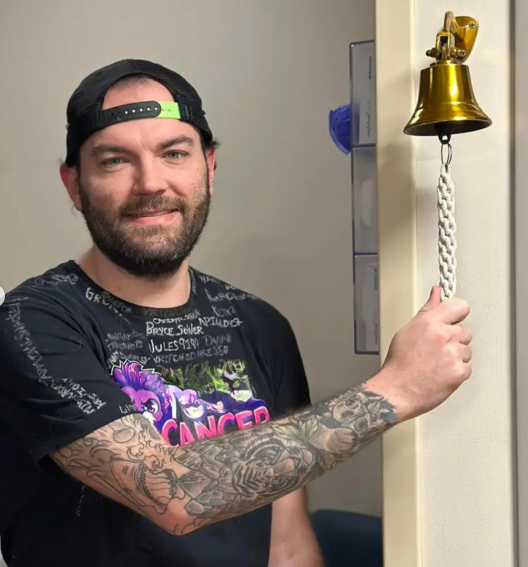
Starbucks barista’s ‘secret message’ to customer completely backfires

0

Writing messages on a cup of coffee has somehow turned into a trend during the past years, and many customers find it extra special when they stumble upon something like “thanks a LATTE!” “thank you SOY much!” “have a BREW-tiful day!” or “WATER we’d do without you?!”

However, one woman swore she’ never returning to a Starbucks location after the barista scribbled a “hidden message” on her cup.

Namely, twin sisters Ari and Noe Chance, from Canada, took to TikTok to share a video which shows one of them holding a Starbucks cup, with a “secret message” written across the top and an arrow directing attention to the printed hot drink warning underneath.

Normally, the text warns customers: “Careful, the beverage you’re about to enjoy is extremely hot.”

Well, it turned out the barista crossed se of those words out to have the message read, “Careful, you’re extremely hot.”

The barista probably thought his comment would make the woman’s day, but just the opposite happened. According to the twin sister, she felt embarrassed instead of flattered. “What just happened at Starbucks? Never going back there,” she said.

TikTok / chance_twins

The video, which was initially shared in 2022, went viral. Some people felt the message was humorous and explained that it reminded them of the cup warning and “was kinda funny.” Others, however, felt the message came across as… well, just “rude.”

“That was smooth [though] not gonna lie,” shared one TikToker, while a second wrote, “It’s cute, girls say guys never do anything. He just put his heart out to you.”

A third said, “This is why guys stopped asking girls out. Someone attempted to ‘shoot their shot’ and you put them on blast on TikTok and said you are not going back.”

Another added, “That is rude who did that, but that person is not wrong – you’re beautiful.”

Well, there were also those who questioned if the barista was the one who wrote that message or it was the sisters themselves for the sake of likes and media attention.

@chance_twins AHAHAHA😭 never going back there #fyp #starbuck ♬ original sound – Safar

“The quest for clout is never ending,” shared one netizen, while a second wrote, “She definitely wrote that herself.”

A third added, “one of the cheapest tricks for 2 million views.”

The skepticism also led to more sarcastic remarks: “Now spill it on yourself and sue,” wrote one TikToker, while a second quipped, “Spill it in yourself and sue Starbucks [because] the safety info was blocked.”

What are your thoughts on this trend of baristas scribing messages on customers’ coffee cups? Have you ever received one yourself?

Please SHARE this article with your family and friends on Facebook.

Bored Daddy

Love and Peace

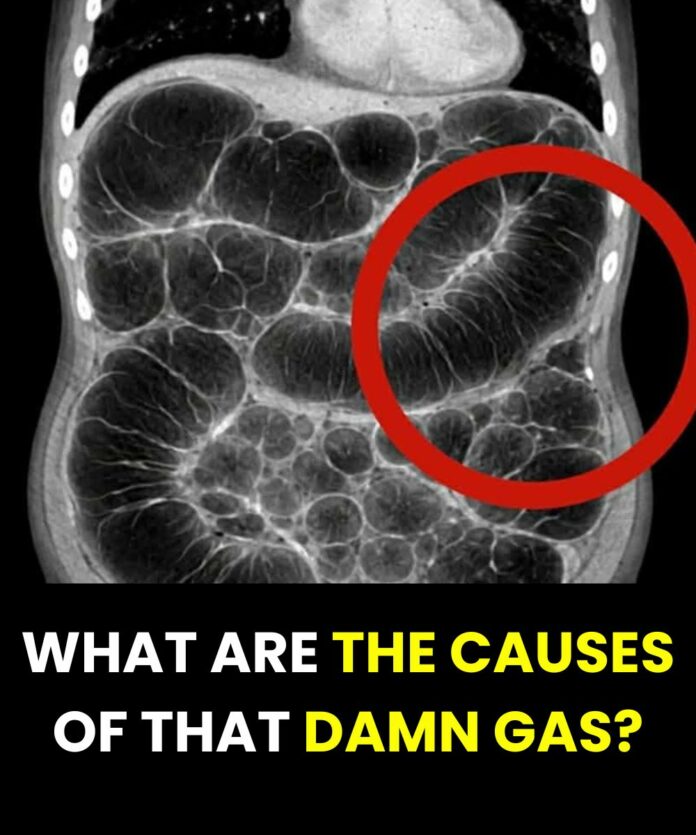
Frequent intestinal gas: the real causes that almost no one explains clearly

0

Why am I always bloated and gassy? A deep dive into reclaiming your gut health

Well, we’ve all been there. You’re out for a nice dinner, or you’ve just had a quick bite for lunch at the office, and within twenty minutes, you feel like you’ve shrunk two sizes. Your stomach is constricted, you’re acutely aware of the waistband on your pants, and you’re doing the subtle “post-meal stretch” just to find some relief.

It’s not the most pleasant feeling, and let’s be honest, it’s also a bit embarrassing. What we’ve all been told is that it’s “part of getting older,” or “something I ate,” but when bloating and gas have become the norm, it’s your body’s way of screaming, “Hey, something’s wrong here!” It’s your body’s way of warning you that the complex, 30-foot-long assembly line known as your digestive system has a bottleneck somewhere.

So in this guide, we’re going to go beyond the surface and explore the science of why you’re producing gas in the first place, the hidden culprits in your kitchen, the biological misfires such as SIBO and enzyme deficiency, and the day-to-day changes you can make to start feeling light again.

The reality check: what is “normal” anyway?

Before we get into the “fixes,” let’s talk about what’s really going on inside your body. Gas is not a failure; it’s a side effect of living! Every time you eat a meal, you’re feeding a colony of trillions of bacteria living in your gut. These bacteria eat what you eat, and just like you, they have waste products – often in the form of gas.

The Cleveland Clinic states the average person passes gas 13 to 21 times per day. Well, if you fall into this category, you must be proud, because you are a normal human being. But bloating, on the other hand, is the feeling of trapped gas or physical swelling. It’s the “inflated” feeling you get, the one where you run to put on sweat pants the minute you walk in the door.

However, when the feeling is chronic, or happens most days of the week, it is usually a sign of an interruption in the digestive process. In order to solve the problem, we need to determine where the interruption is occurring.

Unsplash

The enzyme gap: when your body can’t keep up

Digestion is like having a highly organized demolition crew work on your food. When you take a big bite of a sandwich, your body sends out its “workers” called digestive enzymes to break down the proteins, fats, and carbohydrates into little pieces your bloodstream can use.

Amylase takes care of the bread, which is carbohydrates.

Protease takes care of the turkey or ham, which is protein.

Lipase takes care of the mayonnaise or cheese, which are fats.

But what if the “demolition crew” does not come to work today? This is called Enzyme Insufficiency. When you do not have enough enzymes, you cannot break down your sandwich into little pieces, and it goes into your large intestine mostly whole.

This is where the trouble begins. Your bacteria in the colon look at this undigested food and see an all-you-can-eat buffet. They go into a process called fermentation. They release gases into your body, including hydrogen and methane. It is exactly the same process that happens when you are baking a loaf of bread.

A study from Clinical and Experimental Gastroenterology states that many people suffer from ‘random’ bloating, but this may simply be because they are deficient in these enzymes, particularly as they get older or are subjected to great stress.

SIBO: the bacteria in the wrong neighborhood

If your bloating happens right away after eating, within a short time of 30 to 60 minutes, then SIBO (Small Intestinal Bacterial Overgrowth) might be the culprit.

Normally, the vast majority of your body’s bacteria reside in the large intestine. Your small intestine is supposed to be a sterile zone, so to speak, so that it can focus on absorbing nutrients from the food you’ve eaten. SIBO occurs when the “gates” between the large and small intestines get stuck or when your body’s gut motility slows down. Bacteria from the large intestine migrate into the small intestine.

When the bacteria are in the small intestine, they get first dibs on the food you ate before you even get a turn to digest it. They ferment the food right in the middle of your abdomen. This results in high levels of pressure and gas in the abdomen.

A study done by Alimentary Pharmacology & Therapeutics found SIBO to be one of the most underdiagnosed causes of bloating. If you notice that even “good” foods like salads are causing you to look like you’re six months pregnant, SIBO is a prime suspect to bring up with your doctor.

Unsplash

The healthy foods that may be hurting you

It’s not fair, is it? You make an effort to eat well—more beans, more broccoli, more garlic—and your stomach protests with pain. It’s usually due to something called FODMAPs.

FODMAP is a clumsy word for a type of short-chain carbohydrate that is notoriously hard for the human body to digest. It is “osmotic,” meaning it draws water into the body, and is quickly fermented by bacteria.

Common high FODMAP foods include:

Veggie basics: Onions, garlic, cauliflower, and asparagus.

Fruits: Apples, pears, and cherries.

Legumes: Beans, lentils, and soy.

Sweeteners: Sorbitol, Xylitol (often in sugar-free gum).

For the person who has a “cast-iron stomach,” these foods are wonderful. But for the person who has a sensitive digestive system or IBS, these foods are like gasoline on a fire. The Monash University FODMAP guide is the best resource for learning how to reduce these foods for a gut reset.

Unsplash

Food intolerances: the silent saboteurs

Sometimes, it’s not because of a “bad” gut; it’s simply a case of your genes and your food just not getting along.

Lactose: the common culprit

The sad truth is that most people are lactose intolerant; that is, they don’t digest milk correctly after they are weaned from their mother’s milk. This is called Lactose Intolerance. When you are lactose intolerant, your body does not produce lactase, the enzyme that breaks down lactose, a sugar found in milk. The lactose then ferments or “rots” in your gut, producing gas and causing you to have urgent bowel movements. According to the Mayo Clinic, many people discover they are lactose intolerant in their 20s or 30s when they realize their lifelong love of ice cream is causing problems for them.

Fructose malabsorption

We are told that fruit is candy from nature, but for some people’s intestines, it is hard to “grasp” the fructose molecules. If you feel bloated after consuming a large smoothie or a lot of honey, then fructose malabsorption might be the underlying issue you are not aware of.

Non-Celiac gluten sensitivity

You don’t have to have Celiac disease to be sensitive to wheat products. Many people complain of low-grade inflammation in their intestines due to wheat proteins and feel “heavy” and bloated.

Unsplash

Habits: you are “eating” air

Sometimes, the source of the gas isn’t even the food, but the atmosphere. Aerophagia, the medical term for swallowing air, is more common than we think.

Common ways we swallow air:

Eating too fast: If you “inhale” your lunch, you’re literally inhaling air with your food.

Straws and water bottles: Drinking through a straw pulls air into the esophagus before the water even reaches the bottle.

Talking while chewing: The classic recipe for disaster.

Carbonation: The bubbles in your sparkling water or soda contain CO2, which must find a way out. If it doesn’t, it goes down into the intestines.

According to Harvard Health, even making the simple change to flat water and eating slowly, over the span of 20 minutes, can reduce bloating by as much as 30%.

Unsplash

The stress-gut connection

Have you ever noticed that you tend to be more bloated when you’re stressed out at work or worried about an important event? Well, this isn’t in your head.

The connection between your gut and your brain is through the Vagus Nerve. When you’re in “fight or flight” mode, also known as stress mode, your body takes blood supply away from your digestive system and sends it to your muscles instead. Your digestive system literally comes to a halt. Your food stays in your stomach for longer, giving the bacteria in your stomach more time to ferment it, and the muscles in your stomach can cramp or move irregularly.

This plays a huge part in Irritable Bowel Syndrome (IBS). It’s not just what you eat, it’s also the state your nervous system is in when you eat.

When is the time to see a doctor

Although bloating is usually related to lifestyle or functional causes, it may be associated with something serious, and you should consider consulting a doctor if you are experiencing:

Unintentional weight loss: This indicates that your body is not able to properly absorb calories.

Blood in stool: This may be a sign of inflammation or other gastrointestinal problems.

Severe pain: This could be a sign of a blockage or a gallbladder problem.

Fever: This may be a sign of infection.

Unsplash

Five steps to a flatter, happier gut

If you’re sick of being a balloon, you don’t need to change everything in your life. With these five changes, you can regain control of your gut:

The 20-Minute Rule: Take a moment to enjoy your food and really chew. This gets the enzymes going and prevents you from swallowing gas.

Post-Meal Walk: Take a 10-minute walk after meals to stimulate the muscles in your abdomen. This is called peristalsis.

The ‘Big Three’ Audit: Try eliminating dairy, processed wheat, and onions/garlic for a day or two. If you feel better, you know the culprit.

Enzyme Backup: Take an over-the-counter enzyme supplement for big meals to ensure you’re digesting fats and proteins.

Ditch the Bubbles: Try drinking flat water instead of soda and skip the straw to stop ingesting bubbles.

Bloating is not just ‘part of the meal’; it is a symptom. By making these small changes, you can stop living with bloating and start enjoying your food again.

*Medical Disclaimer: This article is for informational and educational purposes only and is not a substitute for professional medical advice, diagnosis, or treatment. Always seek the guidance of your physician, registered dietitian, or other qualified healthcare professional with any questions you may have regarding a medical condition or before making changes to your diet, exercise, or treatment plan. If you experience persistent, severe, or concerning symptoms, consult a healthcare professional immediately.

Please SHARE this article with your family and friends on Facebook.

Bored Daddy

Love and Peace
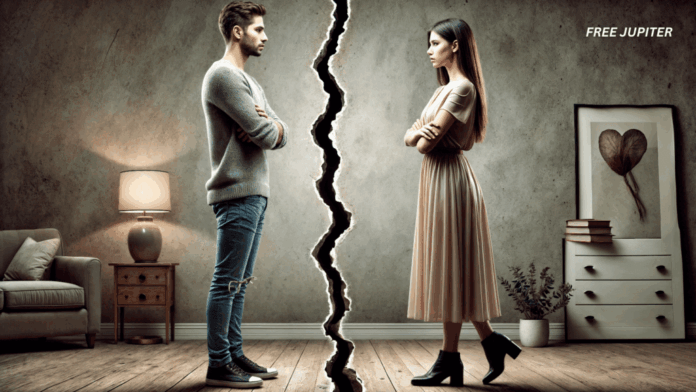
Note written by paramedic before suicide reveals dark truth

0

Rebecca McLellan, 24, born and raised in Clacton, Essex, suffered from bipolar disorder and was under the care of the Norfolk and Suffolk NHS Foundation Trust, which according to her mother, failed to provide her with help when she needed it, which eventually led to her death.

According to the BBC, McLellan was originally cared for by a psychiatrist in Essex, but was discharged when they found out she was moving to Ipswich for work.

“Her GP then also threw her out because she was moving,” her mother said. “There was a real lack of support from the start of her diagnosis, despite Rebecca desperately trying to access it.

“She was hugely let down.”

McLellan, who worked for the East of England Ambulance Service throughout the pandemic, was left without access to a doctor or psychiatrist. She eventually found a new GP in Ipswich, who referred her for specialist care.

She was assigned a care coordinator, but he went on leave. McLellan tried to find out who would replace him and sent numerous emails, but they were all left unanswered.

Rebecca McLellan

According to her mother, at times, the lack of support was so severe that, that her daughter felt she had to adjust her own medication when she was struggling because she could not get professional guidance. She also began ordering and paying for her own drugs online.

In August, during a mental health crisis, she went to a mental health unit in Ipswich and refused to leave until she received help.

“She told them she would drive anywhere in Norfolk and Suffolk to see someone, but they told her to leave – they threatened to call the police,” her mother said.

“The lack of support defined her way of thinking about the future. Rebecca was worried she wasn’t going to be well enough to work. She lived for her job.”

McLellan’s mother, Natalie, explained that an urgent referral was made to assess her daughter’s medication, but the trust cancelled it. When McLellan eventually saw a psychiatrist three weeks later, she was informed she would have to start taking lithium—a change she found “terrifying,” her mother said.

She was scared that particular drug would change her personality and that she wouldn’t be able to work, and to her, her job was extremely important.

Just three weeks later, McLallen took her own life.

During the inquest, evidence revealed that McLellan had struggled with her mental health. Through her work at the East of England Ambulance Service, she had received 18 sessions with psychotherapist Darren Monsigneur, who described her as “high risk” for suicide. Monsigneur offered to continue therapy on a pro bono basis, but she did not take up the offer. She also attended four sessions with psychiatrist Dr Kavitha Devarajan, concluding their last meeting in September 2023.

In a handwritten statement, McLellan expressed her frustration with the mental health system, specifically criticising the Norfolk and Suffolk NHS Foundation Trust (NSFT) for repeatedly failing to respond to her attempts to get help.

A video shown at the inquest recorded McLellan at NSFT’s Ipswich clinic, requesting to speak with a mental health practitioner. The receptionist told her no one was available and threatened to call security if she did not leave.

In a letter written by McLellan, she expressed the hopelessness she felt, saying, “People can survive pretty much everything as long as they can see an end in sight. Unfortunately for me, I cannot. All I can do is wait for the inevitable fall again.”

She went on, “I miss the person I used to be. Unfortunately, that girl is long gone. I’ve been running this race for a little too long, and now my legs are tired.”

She ended her letter by writing, “I know there are those out there who love me, and to those people I thank you from the bottom of my heart. I love you all tremendously. Please know that I tried. I really did.”

Natalie McLellan, the mother of Rebecca McLellan (Image: Shikhar Talwar)

Anthony Deery, chief nurse at the NHS trust, said: “We are very sorry for the profound distress that Rebecca’s tragic loss has caused.

“We have carried out an extensive investigation into the care which Rebecca received, and would like to thank her family and friends for the vital contributions they made during this process.

“Learning from Rebecca’s death has seen us introduce a new protocol to help us respond better when a young person comes to a mental health unit in distress without a planned appointment.

“We will now review the coroner’s findings in detail and take any further action which is necessary to ensure we are delivering safer, kinder and better care.”

McLellan’s mother described her to the press as a “loving person,” “sensitive,” “kind,” and “fiercely loyal.” Known for standing up for other people.

Outside court after the inquest, she said: “[My daughter] wanted help, she fought for help, she wanted to be in control of her life.

“She wasn’t allowed that, she wasn’t given that consistent care she should have been given.”

Please SHARE this article with your family and friends on Facebook.

Bored Daddy

Love and Peace

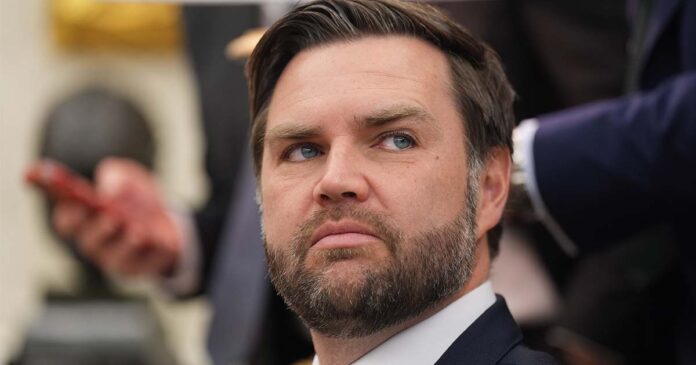
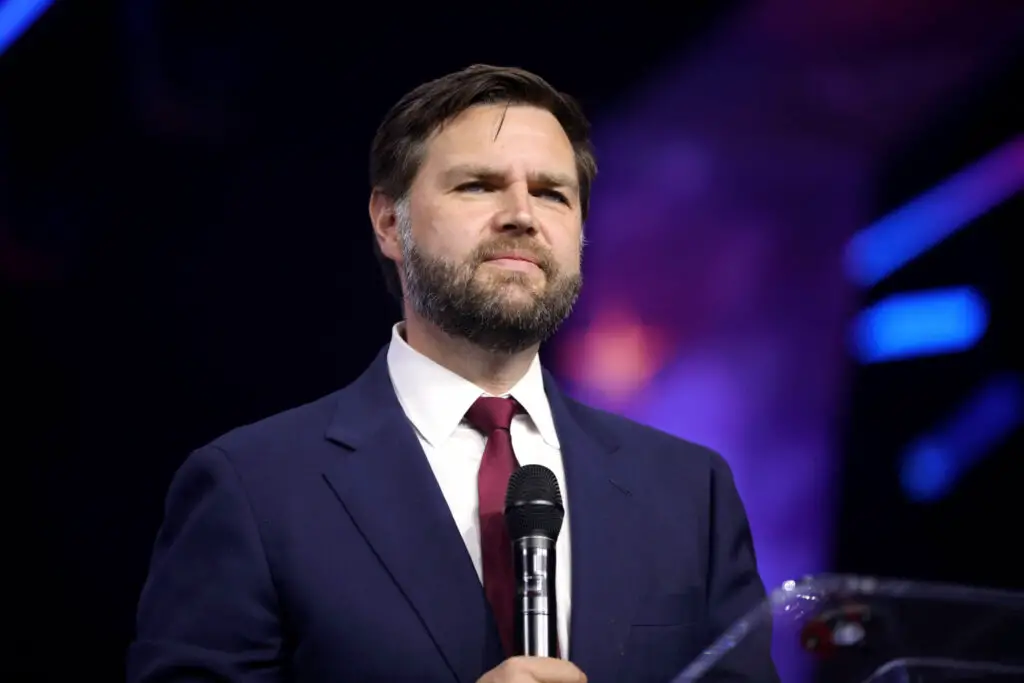
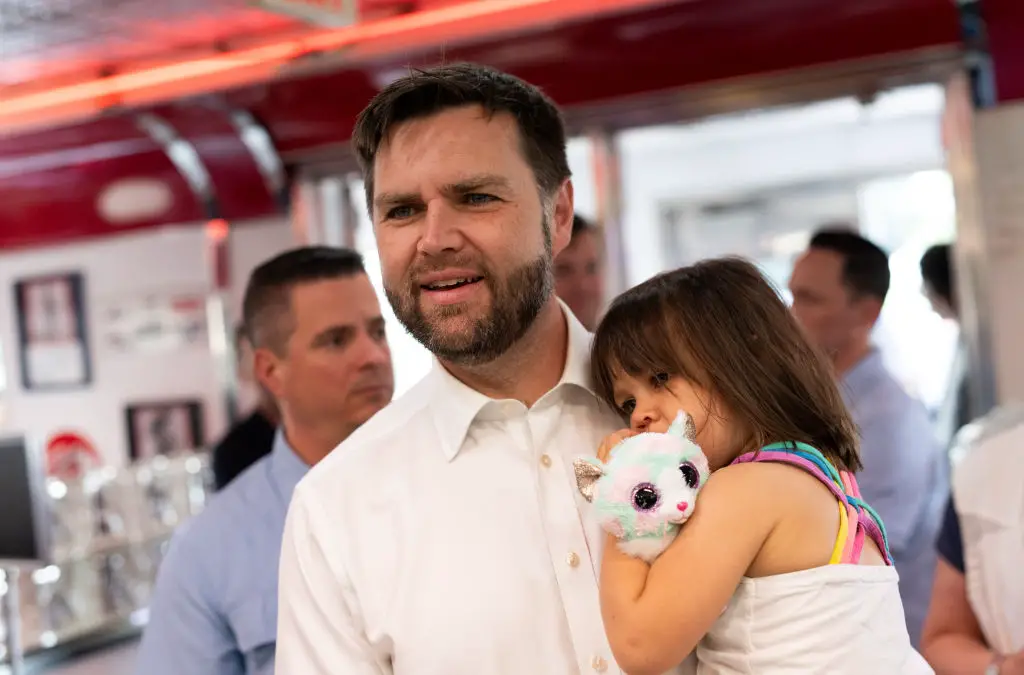
JD Vance underwent surgery before being sworn in as VP

0

The political career of JD Vance is an astounding one, to say the least. However, before he got into politics, he first rose to fame with his memoir Hillbilly Elegy: A Memoir of a Family and Culture in Crisis in 2016.

Before becoming the Vice President of the US, he served in the military and had a short stint as a venture capitalist.

However, his life hasn’t always been an easy one. On the contrary, he experienced hardship from the moment his parents divorced and his mother started expressing violent tendencies.

Luckily, he had his half-sister, Lindsay by his side.

Following an incident during which their mother threatened to crash their car and kill both her children, Vance and his sister got adopted by their grandparents.

When Lindsay started her own family and moved, it was extremely hard for Vance, but he never blamed her, because she was still his support.

Eventually, he started hanging out with the wrong people who were involved with using drugs, but it was his grandmother who talked some sense into him. Vance said it was a moment he’d never forget.

“She actually told me in a very menacing voice, ‘Look, JD, I’ll give you a choice. You can either stop hanging out with these kids, or I’ll run them over with my car. And trust me, no one will ever find out,’” Vance told NPR.

Stephen Maturen / Getty Images

After graduating from Middletown High School in 2003, Vance spent four years in the Marine Corps, serving as a combat correspondent in Iraq in 2005.

Retired Maj. Shawn Haney, JD Vance’s officer in charge at Cherry Point, North Carolina, told CNN that he and the rest of the marines knew Vance “would run for office one day.”

“He always did a great job where he was, but always looked forward to the next thing.”

Recalling the four years with the Marine Corps, Vance wrote in his memoir, “When I joined the Marine Corps, I did so in part because I wasn’t ready for adulthood. I didn’t know how to balance a checkbook, much less how to complete the financial aid forms for college.”

He added: “It was the Marine Corps that first gave me an opportunity to truly fail, made me take that opportunity, and then, when I did fail, gave me another chance anyway.”

AP Photo/J. Scott Applewhite

Once back to the Marine Corps Airfield in Cherry Point, North Carolina, Vance got the opportunity to become a media relations officer, considered the “holy grail” of Marine Corps public affairs with the “biggest audience and the highest stakes.”

In 2009, Vance graduated with a bachelor’s degree in political science and philosophy from the Ohio University. Showing immense talent and hard-work, he then attended Yale Law School, where he graduated with a law degree in 2013.

Today, JD Vance is the vice president of the country.

At the start of his term, he experienced minor health issues.

Vance underwent a “long-planned” minor surgery after appearing at the Capitol earlier in the day for the Senate’s swearing-in ceremony. 

“The Vice President-elect is having long-planned, minor sinus surgery and will be back at work tomorrow,” his spokesperson William Martin told Fox News.

The surgery took place at George Washington University Hospital.

Vance resumed hi duties just 24 hours later.

He is the youngest vice president since Nixon.

Please SHARE this article with your family and friends on Facebook.

Bored Daddy

Love and Peace

Spanish woman, 25, euthanized – her heartbreaking decision explained

0

Noelia Castillo, a 25-year-old woman from Spain, won the legal battle against her father to be euthanized.

Following a lengthy legal battle initiated by her father, courts ultimately upheld Castillo’s right to die after a medical body in Catalonia approved her euthanasia request in 2024. Castillo’s case attracted widespread attention in Spain as her family’s legal fight played out. With euthanasia legalized in 2021 under specific criteria, her age, the public dispute, and her circumstances sparked debate before courts ruled in favor of her right to die.

“At last, I’ve managed it, so let’s see if I can finally rest now,” Castillo told Spanish broadcaster Antena 3 in an interview that aired Wednesday. “I just cannot go on anymore.

“I just want to go peacefully now and to stop suffering. That’s all … there’s nothing I want to do. I don’t want to go out, I don’t want to eat, I don’t want to do anything.

“I’ve always felt alone because I’ve never felt understood … before I applied for euthanasia, my world was a very dark place and I foresaw a very dark end. I had no aims, no goals, nothing – and I still don’t.”

Castillo’s father, who was represented by the conservative campaign group Christian Lawyers (Abogados Cristianos), claimed his daughter’s mental judgement was affected by the her personality disorder. He also pointed to “the obligation of the state to protect the lives of people, especially the most vulnerable, as is the case with a young person with mental health problems,” according to the BBC.

Eventually, the European Court of Human Rights (ECHR) ruled in Noelia Castillo’s favour. She was euthanized on Thursday in Barcelona.

Announcing her death by euthanasia on Thursday evening on X, Abogados Cristianos pointed her case “highlights the serious flaws” in Spain’s euthanasia law.

Speaking to Spanish television earlier that week, Castillo said her father had tried to legally block her decision to die with dignity. “He hasn’t respected my decision and never will,” she said.

“They’ve said I just lie in bed,” she added. “But I get up out of bed and I shower myself. And I put my makeup on by myself … I’ve managed to do it at last.

“Let’s see if I can rest now because I can’t go on. I can’t go on with this family, I can’t go on with the pain and I can’t go on with all the stuff that’s tormenting my mind.”

She described her difficult childhood, much of it spent in care homes, and said she had been sexually assaulted on several occasions. She said the first time was by her former boyfriend after she had taken sleeping pills, and later by several men in a separate incident.

Afterwards, she tried to take her own life by jumping from a building. She survived, but was left paralysed from the waist down and in constant pain, and needed to use a wheelchair.

Castillo had struggled with mental health problems since her teenage years and was later diagnosed with conditions including severe depression, obsessive-compulsive disorder and borderline personality disorder. Medical assessments presented during her case described her suffering as persistent and unbearable.

Eighteen months later, she applied under Spain’s euthanasia law, introduced in 2021, and was granted permission to end her life after a lengthy legal battle.

“Nobody in my family is in favour,” she said. “I am leaving and you are staying here with all the pain, but what about all the suffering I have endured over the years? I just want to leave in peace and stop the pain.

“The happiness of a father or a mother or a sister shouldn’t precede the happiness of a daughter.”

Castillo said she had made the decision for herself and she did not want to be seen as “an example to anyone”.

She added: “I don’t want anyone to follow in my footsteps. I don’t want there to be people asking how the process works because they want euthanasia and they want to know how it’s done.

“I don’t want them to think about that. I just feel that my life is my life and that I’m not an example to anyone, be it for good or for ill. It’s just my life and that’s all there is to it.”

While her family was allowed to say their goodbyes, Castillo said she wanted to be alone when receiving the injection.

Please Share this article with your family and friends on Facebook.

Bored Daddy

Love and Peace