
I Faked a Collapse After Dinner — What My Son Whispered Next Shattered My World

Searching for Answers

In the months that followed, I searched desperately for answers. I confronted Marcus directly: “Had I done something wrong? Had I offended Sarah or anyone else?” He insisted there was no personal issue—that it was all a misunderstanding blown out of proportion.

I speculated about Sarah’s feelings, my parents’ intentions, and even logistical concerns. But none of those explanations fit. The most painful possibility settled in like a shadow: I had simply become peripheral to my family—a familiar face they no longer felt the need to include.

The Christmas Confrontation

Flying home for Christmas felt like walking into a carefully scripted play where I didn’t belong.

Conversations were stilted and shallow. Attempts to discuss the engagement party were met with deflection or silence. My presence felt like a burden, an uncomfortable reminder.

On Christmas Eve, as everyone gathered to talk wedding plans in the kitchen, I sat alone in the living room, swallowed by loneliness. Even my mother dismissed my feelings, calling me “too sensitive” and urging me to enjoy the holidays rather than “make a scene.” Her words stung as a form of emotional invalidation, deepening my sense of exclusion.

The Sister’s Verdict

Emma, my younger sister, had always been my ally—until that May visit when she dropped a truth bomb that cut deeper than I expected: “You moved so far away. It’s like you’re not really family anymore. You make everything feel weird now.”

Her words crystallized what I’d been fearing: my family had reorganized itself around my absence.

My efforts to stay connected were now seen as intrusions rather than acts of love.

The Wedding Invitation

Nine months later, a save-the-date card arrived for Marcus and Sarah’s October wedding. It felt surreal: I was “family” enough to receive an invite, yet the gesture was cold and formal.

The full invitation arrived six months later. I was included—but not in the wedding party. Emma and our brother Jake held defined roles; Sarah’s close friends and family were involved. I had no role, no significance. My girlfriend Rebecca wasn’t even invited, while Emma’s plus-one was welcomed.

The Decision

I wrestled with whether to attend. On one hand, I longed to rebuild bridges by showing up. On the other, going alone, invisible in the crowd, would be emotionally brutal. My presence might provoke awkwardness, forced conversations, or highlight my exclusion.

After much soul-searching, I chose silence. I didn’t RSVP. Not declining, but withdrawing quietly. It was both a painful surrender and an act of empowerment—accepting that my once unbreakable bond with Marcus had eroded beyond repair.

The Wedding Day

The wedding day arrived on a beautiful October Saturday in Scottsdale, Arizona. I stayed in Portland, keeping busy with simple comforts—grocery shopping, reading, a long walk. Rebecca was my rock, encouraging me to protect my heart rather than endure emotional harm.

We cooked dinner and watched movies—a private celebration of love far more genuine than the one I was excluded from.

The Buzzing Phone

I kept my phone off most of the day to avoid the inevitable social media flood. But around five o’clock—an hour before the ceremony—the phone buzzed nonstop.

Family members, assuming I was traveling, bombarded me with messages about delays and plans. Calls from my mom grew frantic; texts from dad and extended family expressed concern.

The contradiction was striking: despite the distance and strain, they expected me to be there, even as my inclusion had always felt reluctant.

The Confrontation

When the reception began, I answered my mom’s call.

Her voice was sharp with panic and anger: “Where the hell are you? This is your brother’s wedding. How could you embarrass us like this?”

The irony was bitter. My presence had become unwelcome; now my absence was shameful.

“I’m in Portland—where you all prefer me to be,” I said, steadier than I felt.

“This isn’t the time for your drama,” she snapped. “Everyone’s asking where you are. What do I tell them?”

“Tell them the truth,” I said. “I wasn’t really welcome, so I stayed home.”

“Of course you were welcome. You’re family,” she insisted.

I drew on therapy lessons and said calmly,“For a year, you made it clear I wasn’t part of this family anymore. You excluded me from the engagement party, made visits uncomfortable, and treated my attempts at connection like
intrusions.”

“It’s your brother’s wedding,” she repeated, hoping significance would erase the pain.

“It’s just a party,” I echoed coldly—the same phrase they used to dismiss my hurt a year ago.

After a pause, I said, “Tell everyone I said hi,” and hung up.

The Aftermath

Messages flooded in from family, interpreting my absence in their own ways. Dad urged me to apologize; Emma accused me of selfishness for making Marcus’s day about me. Some relatives were sympathetic, others disappointed, all encouraging reconciliation.

Marcus never called. I heard through others that my absence was painful for him too—he’d assumed I’d attend despite the rift, and my empty chair was a stark reminder of fractured ties.

Their surprise was telling. After a year of cold distance, they still expected my happy presence. The disconnect between their actions and my reality was profound.

Reflecting on Family Dynamics

Therapy helped me understand the layers beneath the hurt. Distance sometimes creates walls instead of protection. My role as the “academic twin” may have made me seem distant, not just geographically but emotionally.

My success might have been a silent wedge, unintentionally signaling that I belonged to a different world.

Building New Connections

The family fracture pushed me to invest in my chosen family in Portland. Rebecca and I talked openly about boundaries and healing. Friends became anchors of support and validation.

I began mentoring younger colleagues, guiding them through their own family complexities. These chosen bonds brought the love and respect I craved.

The Long-Term Perspective

Two years later, contact with my family is minimal. We exchange holiday greetings, but the closeness we once had is gone.

Marcus and Sarah had a baby last year; I sent a gift and card but wasn’t invited to meet my nephew. Absence has become expected, not mourned.

True reconciliation requires acknowledgment and accountability—neither offered. Without that, attempts risk repeating old wounds.

Lessons About Love and Loyalty

I’ve learned that blood doesn’t guarantee love or loyalty. Family obligations don’t justify mistreatment. Forgiveness is valuable but must not enable harm.

Choosing myself over painful expectations is vital for mental health and growth. Family can be chosen, not just given.

Conclusion

Looking back, this experience was both painful and enlightening. Being excluded revealed deep family fractures I hadn’t faced. Though the betrayal hurt, it taught me boundaries, self-respect, and honesty.

Family is defined not by blood alone but by care, support, and respect. My chosen family has shown me love and loyalty flourish beyond traditional ties.

Stepping back from relationships that cause pain doesn’t mean giving up on family—it means choosing a life where kindness and genuine connection come first.

The wedding day arrived on a beautiful October Saturday in Scottsdale, Arizona. I stayed in Portland, keeping busy with simple comforts—grocery shopping, reading, a long walk. Rebecca was my rock, encouraging me to protect my heart rather than endure emotional harm.

We cooked dinner and watched movies—a private celebration of love far more genuine than the one I they excluded me from.

Please SHARE this article with your family and friends on Facebook.

Bored Daddy

Love and Peace

Eric Dane’s friends give devastating update in ALS fight

Eric Dane, aka Dr. McSteamy, disclosed his ALS diagnosis in April 2025, and friends are now revealing details about his fight with the condition.

Amyotrophic lateral sclerosis – ALS – is a “rare, terminal neurodegenerative disorder that results in the progressive loss of both upper and lower motor neurons that normally control voluntary muscle contraction,” ASL Association explains. In the States, it is commonly referred to as Lou Gehrig’s disease.

Speaking of the devastating diagnosis, Dane told People at the time, “I have been diagnosed with ALS.

“I am grateful to have my loving family by my side as we navigate this next…I kindly ask that you give my family and I privacy during this time.”

Eric Dane disclosed his ALS diagnosis in April, 2025/ Jon Kopaloff/FilmMagic for HBO

Though the course of ALS differs from person to person, the disease has taken the lives of many familiar names — among them Bryan Randall, Sandra Bullock’s partner, in 2023, and SpongeBob SquarePants creator Stephen Hillenburg in 2018.

Stephen Hawking, one of the world’s most renowned scientists, lived with ALS for more than five decades, far exceeding typical survival expectations.

Due to the illness, Dane now appears to have lost mobility in his feet, as he was recently spotted in a wheelchair.

People close to him reported he’s also struggling with his speech.

Eric Dane and wife Rebecca Gayheart/Jon Kopaloff/FilmMagic for HBO

“This diagnosis has been devastating,” an insider told the Daily Mail about Dane’s condition. “And as much as Eric has leaned on his Jewish faith to get through it all, it has been his family and friends that have really stepped up and have made him feel loved.

“He wants to live life and he doesn’t want people grieving him or for him while he is going through this terrible disease, he just wants the people in his life to be present and as happy as they can be, he wants to always surround himself with positivity, that is a major thing that is driving him nowadays.”

Eric Dane with his daughters/ Lisa OConnor/AFF-USA.com / MEGA

The Grey’s Anatomy star is now on a mission to raise awareness of ALS, advocating for the renewal of the ACT for ALS, legislation designed to support essential research on ALS and related neurodegenerative conditions.

On September 29, Dane travelled to Washington DC to meet with US Rep. Frank Pallone of New Jersey, alongside members of the nonprofit I AM ALS.

In a TikTok by US Rep. Eric Swalwell, Dane reflected on his battle with the disease and the long, difficult road to getting diagnosed.

“ALS is the last thing they want to diagnose anybody with,” he explained. “So often, it takes all this time for these people to be diagnosed; well, then it precludes them from being a part of these clinical trials.”

Dane highlighted how vital the ACT for ALS is and vowed to keep fighting the disease for his daughters, Billie Beatrice, 15, and Georgia Geraldine, 13, with his wife, Rebecca Gayheart.

“I have two daughters at home. I want to see them graduate college, get married, maybe have grandkids. You know, I want to be there for all that. So I’m going to fight to the last breath on this one,” he said.

In a June interview with Diane Sawyer on Good Morning America, the Euphoria star spoke how quickly his disease has progressed since the diagnosis.

“I didn’t really think anything of it at the time. I thought maybe I’d been texting too much, or my hand was fatigued, but a few weeks later I noticed it got a little worse,” he told Sawyer.

“My dominant side. My left side is functioning; my right side has completely stopped working. It’s going. I feel like maybe a couple, few more months, and I won’t have my left hand either. It’s sobering,” he added.

Dane continued: “I will fly to Germany and eat the head off a rattlesnake if [doctors] told me that that would help. I’ll assume the risk.”

He added, “I’m very hopeful … I don’t think this is the end of my story. And whether it is or it isn’t, I’m gonna carry that idea with me.”

Please SHARE this article with your family and friends on Facebook.

Bored Daddy

Love and Peace

Scientists explain shocking reality of what your brain sees right before death

Near-death experiences (NDEs) continue to fascinate scientists and the public alike.

Survivors of cardiac arrest often report seeing brilliant lights, feeling their consciousness leave the body, or sensing a presence beyond themselves.

Researchers believe these intense experiences might be the brain’s way of responding to life-threatening situations. While we understand the physical processes of death, what happens to the mind in those final moments remains one of neuroscience’s greatest mysteries.

Metro has shared the incredible story of a man named Tom Kearney who was hit by a bus before Christmas in 2009.

He ended up in a coma after his head split open and his lungs burst.

Tom remained in coma for two weeks and claimed to have seen people who had been dead. First, he saw himself in Ireland, in the house of his great-grandfather where he had seen his deceased grandparents. He recalled they telling him he wasn’t supposed to be there.

All of a sudden, he was shown a gate that took him to New York City at the house of his in-laws. Speaking to Metro, Tom shared his mother-in-law telling him, “You’re not supposed to be here. You’re supposed to be with your wife and your boys, did something happen?”

When he explained he was hit by a bus, his mother-in-law said, “No, no, no, no, you’re not supposed to be here. You’re supposed to leave, you’re not supposed to be here. Please go home”.’

Tom then recalled meeting other deceased relatives, all of whom told him the same thing as his grandparents and his mother-in-law.

Getty Images

He also said he could hear the voices of those who had visited him at the hospital while he was still in coma.

“[My wife] proceeded to talk to me every day. She brought my friends in, my family visited everyone, and they all talked to me.

“This is extremely important because the coma is a bit like you’re in an underwater submarine and you’re trying to steer yourself by sound.

“I was able to construct a thought world that existed in my coma, which was not deeply unpleasant. I went to lots of places in time. Now I have fully consolidated those memories as dream memories.”

Speaking of Tom’s near-death experience, Dr. Charlotte Martial, a neuroscientist with the Coma Science Group and the University of Liege, said she’s fascinated it is a pleasant one since most experiences shared by people who faced death are somewhat negative.

She explained that what most people describe seeing are their loved ones or flash light before their eyes.

The science behind near-death experiences is complex, according to Martial who explains: “So we notably suggest that hypoxia would be the starting point of the cascade of specific neurochemical mechanisms.”

When cells lack oxygen, chemicals are released that may produce experiences such as hallucinations or intense peacefulness. “We list the neurotransmitter change that may lead to specific features, such as the visual hallucination, or the fact that they feel an intense feeling of peacefulness, or the dissociation that happened at that time,” she explains.

In addition to serotonin, other neurotransmitters such as dopamine, noradrenaline, GABA, glutamate, and endorphins play a role, and the resulting sense of calm may act as a protective mechanism.

“This may arise as a defense mechanism when people face a stressful or life-threatening or painful situation,” Dr. Martial added.

Please SHARE this article with your family and friends on Facebook.

Bored Daddy

Love and Peace

Legendary primatologist Jane Goodall’s cause of death revealed

Jane Goodall, the pioneering British primatologist, zoologist, anthropologist, and conservationist widely regarded as the world’s leading expert on chimpanzees, has died aged 91.

The Jane Goodall Institute has announced her passing.

“The Jane Goodall Institute has learned this morning, Wednesday, October 1, 2025, that Dr. Jane Goodall DBE, UN Messenger of Peace and Founder of the Jane Goodall Institute has passed away due to natural causes,” the statement read.

“She was in California as part of her speaking tour in the United States. Dr. Goodall’s discoveries as an ethologist revolutionized science, and she was a tireless advocate for the protection and restoration of our natural world.”

As per the institute, the renowned zoologist died of natural causes.

Goodall spent 60 years of her life studying chimpanzees, transforming human understanding of these magnificent creatures through her groundbreaking research at Tanzania’s Gombe National Park

Her studies and observations on chimpanzees’ behavior revealed that they use tools and have complex social lives.

Despite having no formal scientific training, anthropologist Louis Leakey encouraged her to pursue primatology, later earning a doctorate from Cambridge.

Throughout her life, Goodall became a global advocate for animal welfare and environmental conservation. In 1977, she founded the Jane Goodall Institute to protect great apes and their habitats.

She traveled the world sharing her vision, the UN named her a Messenger of Peace in 2002, and the Queen awarded her a damehood in 2004. Goodall left a lasting legacy as one of the most influential primatologists in history.

“I’m desperate to make a difference before it’s too late,” Goodall told Parade in 2009, asked why she continued working past what many see as a retirement age. “We can just give up, or we can say, ‘We’ve done a lot of harm to the environment, but we’re going to fight for what’s left.’”

Throughout her decades-long career, Goodall faced both criticism and challenges. Early in her work, traditional scientists questioned her approach of naming chimpanzees and attributing emotions to them, arguing it was unscientific.

However, her groundbreaking insights won over skeptics.

Tributes came pouring in for Goodall after her sudden passing.

Among those who praised her life and work were the Duke and Duchess of Sussex, Canadian Prime Minister Justin Trudeau, former US presidents Joe Biden, Bill Clinton and Barack Obama, and a number of influential people, celebrities and fans of Goodall’s work.

Actor Leonardo DiCaprio said “we all must carry the torch” for Dame Jane” and protect “our one shared home.”

While the world mourns Jane Goodall’s loss, her legacy continues to inspire.

Please SHARE this article with your family and friends on Facebook.

Bored Daddy

Love and Peace

Russia sends threat to strike 23 locations, fuelling WW3 fears

Dmitry Rogozin, a senior Russian official, ex-deputy premier and combat veteran, threatened that the UK will become “deadly dangerous” if they continue backing Ukraine.

Rogozin, who’s one of Putin’s closest allies, showed a map of 23 locations around UK that could come under attack. The locations he highlighted include both military and industrial sites lifted straight from the UK government’s ‘Defence Industrial Strategy 2025’ paper.

The threats came as a response to British defence secretary Ben Wallace’s statement about “making Crimea uninhabitable and unviable from a Russian point of view…

“Ukraine does not need to invade the peninsula (which I concede would be incredibly difficult if not impossible) but they should choke it to death,” Wallace added.

Dmitry Rogozin/ Roscosmos/EAST2WEST NEWS via Metro

Rogozin responded: “Former British Defence Minister Ben Wallace on what Kyiv and its NATO allies should do to end the military actions.

“We must help Ukraine acquire long-range capabilities to make Crimea uninhabitable. We need to strangle Crimea.

“What a sober minister has in mind, a former one has on his tongue.”

He continued: “However, it is even good that they reveal their true intentions.

“It is useful to read this for those of us who still consider peace with imperialist aggressors possible.

“And my advice to our [Russian] oligarchs: do not send your children to study in England!”

Rogozin concluded: “It is deadly dangerous.”

The map shows where could be struck/ East2West via The Express

Vladimir Solovyov, a TV presenter whose monologues echo Kremlin talking points, backed up Rogozin, saying, “Dmitry Rogozin today posted a reminder of targets in Britain that could be destroyed first. The idiots will get what’s coming to them.”

Speaking on a national TV, Solovyov warned that Russia might deploy its Poseidon underwater nuclear drone against Britain, adding that Britain could simply ‘not exist’ overnight, according to Daily Express.

He said: “But when the unfortunate Brits die, they should say your name, because it’s you, you moron, who brought trouble to the island.

“You’re a moron….

“He doesn’t care about the lives of Crimeans, he doesn’t care about their opinion.

“This is a man who has lost everything in his political career.

“If you remember, he dreamed of becoming NATO head…and [Joe Biden] they told him to get lost….”

REUTERS

Recently, Estonia accused Russia of flying MiG-31 jets over its airspace, calling the move “unprecedentedly brazen,” while Poland reported multiple Russian drone incursions last month, prompting NATO consultations, according to Uniland.

President Donald Trump suggested shooting down Russian planes if violations continue, a stance Moscow’s ambassador warned could trigger war.

Meanwhile, Russian state TV proposed destroying a WWII ship in the Thames estuary carrying 1,400 tonnes of explosives as “revenge” for UK-backed strikes on Russian oil refineries.

Please SHARE this article with your family and friends on Facebook.

Bored Daddy

Love and Peace

Alaska Airlines Flight 2221: How Quick Thinking Prevented Disaster

When Calm Turns to Crisis: The Alaska Airlines Flight 2221 Incident

What starts as an ordinary flight can quickly spiral into an emergency beyond anyone’s expectations. Passengers boarding Alaska Airlines Flight 2221 from Oakland to Portland were preparing for a routine journey when a sudden mental health crisis onboard transformed the flight into a tense ordeal at cruising altitude.

Shortly after takeoff, a male passenger experienced a severe psychotic episode, becoming aggressive and attacking other travelers. Panic swept through the cabin as passengers and crew faced an unexpected threat far above the ground.

Thanks to the swift and composed response of the flight attendants and several quick-thinking passengers, the man was subdued using seatbelt extenders as makeshift restraints.

This decisive intervention prevented injuries and allowed the crew to restore order. Upon landing in Portland, local authorities promptly took custody of the individual for a mental health evaluation. Despite the turmoil, the incident concluded without physical harm to any passengers or crew.

Key Takeaways

This event highlights the essential role of well-trained airline personnel and the importance of calm, immediate action when emergencies arise. It also illustrates how passenger vigilance and cooperation can be critical in maintaining safety onboard.

More broadly, the incident serves as a reminder of the complex challenges airlines face, including managing sudden mental health crises mid-flight. It underscores the importance of mental health awareness and preparedness to handle situations that go beyond the typical scope of in-flight emergencies.

Final Reflection

Alaska Airlines Flight 2221 was meant to be a simple domestic trip but quickly became a test of resilience, teamwork, and emergency readiness. The quick containment of the situation prevented potential tragedy and reassured passengers that safety protocols, combined with human courage and presence of mind, can save lives even at 30,000 feet.

As we consider the unpredictable nature of such events, this flight stands as a powerful example of why preparedness and compassion are indispensable in the skies.

Please SHARE this article with your family and friends on Facebook.

Bored Daddy

Love and Peace

The viral 70lbs baby who shocked viewers on Jerry Springer has grown up—see the incredible change

In 1996, viewers of The Jerry Springer Show met Zach Strenkert, a 3-foot-tall, 17-month-old baby who weighed staggering 70lbs.

His parents, Laurie and Chris, searched for answers why their baby was growing rapidly and sought help from the media.

Zach was growing an inch and gaining 2 and a half pounds every two weeks.

During the appearance on the show, Laurie told host Jerry Springer, “He’s not a big eater. That’s one of the most frequently asked questions.

“And that is also why we’re so concerned. Where is the growing coming from?” 

The Jerry Springer Show

Finally, after Springer connected them with a geneticist, it was discovered that Zach had Simpson-Golabi-Behmel syndrome (SGBS).

According to Rare Diseases, the syndrome represents an overgrowth disorder, “meaning that people with the disease are larger than average at birth (macrosomia) and continue to grow and gain weight at an unusual rate.” It primarily affects males.

The Jerry Springer Show

Growing up in Port Jervis, New York, Zach often appeared on shows like Oprah, Maury, and Inside Edition.

Looking back, he explains that while his mother’s intention was to find help, the experience left him feeling isolated.

“They presented me as different, which only separated me further from everyone else,” Zach, now 29, told The Mirror. “I was known as the kid that was on TV.

“Nowadays, people ask me what it was like. They assume my mom was chasing fame or money, but that wasn’t the case.” he continued. “We just wanted help with geneticists, which wasn’t easy to come by with our insurance.”

Zach Strenkert today/ @GiantOpana/X

Zach explained that his family’s goal was to raise awareness about living with SGBS.

“We didn’t really get a lot of take-home pay after all the affairs were done. It was strictly to make sure that her kid was okay,” he said.

Following the release of the Netflix documentary Jerry Springer: Fights, Camera Action, which left viewers horrified at the dark and unethical nature of the show’s production that often exploited guests for shock value, Zach admitted: “It’s just a spin on what’s already out there. It didn’t reveal anything new. It’s the same content, just packaged with bells and whistles.”

Today, Zach is focused on his physical health and overall well-being.

He used to weight 485lbs, but today, he weights around 280 pounds and feels better than ever.

He hopes his story would inspire others to start their health journey.

“If I can do it, anybody can do it,” he told Today. “You have to go at your pace. You’ll get there as long as you stay on the road and keep taking those steps.”

Please SHARE this article with your family and friends on Facebook.

Bored Daddy

Love and Peace
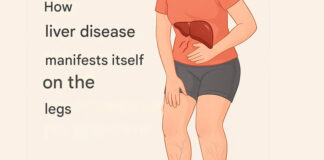
3 pain areas on your body that might be early cancer warning signs

Detecting cancer at an early stage significantly increases the chances of successful treatment. There are over 200 types of cancer, each with its own signs and symptoms.

The most important thing is to listen to your body and consult a doctor if you notice any unusual changes.

Cancer can affect specific areas of the body, such as the stomach or skin, or cause more general symptoms, including unexplained pain, fatigue, or weight loss. Some symptoms, like a lump, are widely known, but that doesn’t mean they are the most important or most likely indicators. Any unusual symptom should be checked by a healthcare professional.
Symptoms can vary from person to person, even for the same type of cancer. Some people may experience several symptoms, while others may have very few. It’s helpful to understand the types of symptoms to look out for:

  • Ongoing symptoms – last for more than a few weeks or keep coming back.
  • Unexplained symptoms – have no obvious cause, such as a new lump or unexpected bleeding.
  • Unusual symptoms for you – changes that are not normal for your body, like a persistent cough or a changing mole.

Understanding these signs and speaking to your doctor promptly can make a real difference in early diagnosis and treatment success.

This article highlights three types of pain that could signal early-stage cancer.

1. Unexplained Back Pain

A number of people experience back pain every day. This pain may be a result of muscle strain, lifestyle factors, poor posture, certain underlying medical conditions, or simply, aging.

Cancer is rarely the cause for back pain, but it’s possible for lower back pain to be associated with cancers like spinal, colorectal, or ovarian cancer.

Healthline notes that “back pain that could be a sign of cancer usually occurs along with other cancer symptoms.”

Some of those symptoms include back pain unrelated to movement or not worsened by activity, pain that appears at night or early morning and eases during the day, persistent pain despite treatment, changes in bowel or urinary habits – including blood, sudden and unexplained weight loss, unexplained fatigue, weakness, numbness, or tingling in arms or legs.

Early-stage cancers like lung, pancreas, or kidney cancer can cause back pain by pressing on nearby nerves, muscles, or bones. Pancreatic cancer, in particular, often begins with gradually worsening back pain that may spread to the lower abdomen.

If your back pain is persistent, seek medical help.

2. Persistent Abdominal Pain

Abdominal pain is a common symptom that can be caused by many conditions, including cancer. In cancer, this pain may result from the tumor itself, its spread to other organs, or side effects of treatment.

Cancers that can cause abdominal pain include pancreatic cancer, liver cancer, stomach cancer, colorectal cancer, and ovarian cancer.

Early-stage stomach cancer may cause upper abdomen discomfort, which is usually rated as mild to moderate and described as bloating or a dull pain. Pain can increase in frequency from dull to sharp as cancer develops.

Some women with ovarian cancer may experience pelvic or abdominal pain, bloating, or changes in appetite.

So if you’re experiencing consistent, repetitive or severe abdominal pain — especially if it’s accompanied by weight loss, nausea or difficulty eating — it’s wise to have a healthcare provider assess the situation.

3. Headaches and Neurological Symptoms

Although most headaches are caused by dehydration, illness, or sinus problems and aren’t usually concerning, they can also indicate a brain tumor, so it’s important to know what other warning signs to look for.

Because the skull is made of bones, anything that grows inside it — such as a tumor — can raise pressure on the brain. This increase in intracranial pressure frequently presents as headaches.

Consult with your doctor if you are dealing with new headache patterns, headaches that wake you from a sound sleep or are very painful; nausea, vision issues (flashing lights or blind spots), or headaches that worsen over weeks or months.

According to The Brain Tumor Charity, headaches caused by brain tumours are usually not relieved by painkillers, worse in the morning, and aggravated by straining, coughing, shouting, or bending over. Their intensity may lessen when standing upright, as cerebrospinal fluid (CSF) begins to drain.

Disclaimer: This article is for informational purposes only. Consult a healthcare professional if you notice warning signs or changes in your body.

Please SHARE this article with your family and friends on Facebook.

Bored Daddy

Love and Peace