The “Great Resignation” may have cooled, but the “Great Paycheck Pivot” is officially in full swing—and it’s arriving in a brown truck.
As Skyler Stutzman, a UPS driver based in Oregon, pressed “post” on his TikTok video showing his paycheck for the week in late 2023, he not only became an overnight sensation but also unlocked the key to one of the best-kept secrets in the blue-collar world. As many white-collar workers struggle with the concept of “quiet quitters” and stagnant salaries, Stutzman’s open discussion about his salary, which has the potential for six-figure incomes with top-tier benefits, has sent a shockwave for the labor market.
The clip revealed that Stutzman worked 42 hours at $44.26 per hour, earning $2,004 before taxes and taking home a little over $1,300 after deductions.
Needles to say, the clip caused a stir on the social media and triggered a lot of comments from people who compared their salary to Stutzman’s, especially those netizens whose job requires a university degree and a bunch of other qualifications. Well…it did sound like some of them were a bit jealous.
“Not me realizing that a UPS driver makes more than I do. 20 years in my field with a degree!” one person lamented.
Another added, “$44? I’m a dang nurse only making $32.”
In fact, many people joked about it, albeit half-heartedly, about joining the team themselves as drivers. But, as Stutzman explained in a series of follow-up videos, getting to where he is today has not been an overnight success. In one video, he mentioned that it took him nearly six years to land a full-time gig, followed by another four years of incremental pay increases to get to where he is today. That’s about a decade’s worth of waiting, which someone likened to the years it takes to become a doctor.
Stutzman also noted that workers may be required to start at a UPS warehouse before moving into a driver role. Thus, even though Stutzman’s paycheck may make the work sound appealing, it’s definitely not the easiest path. And that’s not even taking into consideration the physical work that goes into delivering packages.
Stutzman explained that he was sharing his paycheck as a matter of radical transparency, a core value upheld by the Teamsters union during their high-stakes 2023 negotiations.
He wanted to show the fruits of the labor battle the union fought for: a historic contract with substantial wage increases and safer conditions, such as the promise of air-conditioned delivery vehicles for the first time ever.
The point of Stutzman’s post wasn’t to invite envy but rather to show the power of collective bargaining and the importance of wages that keep up with the cost of living.
@skylerleestutzman Quite the 's'kerfuffle I'd say. UPS Chief Fincancial Officer Bryan Dykes and Teamster president Sean O'Brien sharing their point of view on this situation regarding UPS relationship with Amazon as well as the 20,000 Jobs that are at stake; UPS Center closures. Quite a lot going on. #upsdriver♬ original sound – Skyler Stutzman
While the internet buzzed over individual pay stubs, UPS CEO Carol Tomé confirmed the new standard during a 2023 earnings call. Tomé stated that by the end of the new five-year Teamsters contract, full-time drivers would enjoy an average total compensation package of $170,000. She further emphasized that the deal didn’t just favor those behind the wheel; part-time union workers would see their minimum pay rise to $25.75 per hour, all while maintaining the ‘gold-standard’ healthcare and pension benefits that have made UPS a cornerstone of American labor.
Please SHARE this article with your family and friends on Facebook.
When we are not getting enough sleep, it can have negative consequences on both our body and mind. Eventually, lack of sleep does more than just make us tired; it leaves us drained, foggy, and irritable, and it can increase the risk for serious health issues in the longer run. The good thing, however, is that it’s never too late to start forming better sleeping habits and getting your life back on track.
Nowadays, most of us tend to follow strict schedules packed with a bunch of commitments, and sadly, 24 hours aren’t always enough to have everything done, so we tend to start cutting corners, and sleep is usually the first thing we cross off the list of our priorities. Between our jobs, our families, and our screens, it’s easy to stay up a little too late or drag ourselves out of bed a little too early. While these things are important, cutting corners on sleep consistently eventually alters how both our body and brain operate, even if we are not really aware of it until we are running on empty.
So, how do we know we are running low on sleep? The most common signs are irritability, mood changes, or problems concentrating. Most times, sleep deprivation is also visible when we look ourselves in the mirror and notice dark circles or puffiness under our eyes.
While each individual is different when it comes to the hours of sleep they actually need in order to get through the day, the widely accepted rule says teenagers need between 8 and 10 hours of sleep daily, while adults need 7 to 9. Senior need 7 to 8 hours of sleep each night.
A great way to determine your personal “sweet spot” when it comes to the hours you need to sleep each night is to pay attention how you are feeling the next day based on the hours you get to sleep the previous night.
According to the Centers for Disease Control and Prevention, lack of sleep affects almost every part of our body, including the hormones that help regulate hunger and metabolism. This is the reason we always feel like having junk food when we’re tired. Prolonged deprivation of sleep is associated with more severe medical conditions like heart disease, hypertension, and diabetes. Sleep deprivation also affects our mental well-being. It is difficult to handle situations like anxiety when mentally exhausted because our brain has not had a chance to reboot.
Sleep is like a restoration project for the body. When you’re asleep, your body is hard at work. Your system is busy repairing muscles, balancing your hormones, and even “cleaning” waste from your brain. Sleep is also one of the best ways to combat stress. Sleep helps you keep your cortisol levels under control. When you’re well-rested, you’re able to handle the next day.
If you are having trouble getting a good night sleep, the good thing is that even slight changes to your routine can make a great difference.
For example, you can try going to bed at the same time each night, keep your room temperature cool, and keep your room dark. It’s also a good idea to put your phone away some time before going to sleep, avoid that late-night cup of coffee or a glass of alcohol, and get some physical activity during the day. If all this fails, then maybe it’s time to consult a medical professional who can give you useful advice and even medications.
At the end of the day, when you finally decide to prioritize your sleep, you are not just going to start the morning fresh and energized, but you will also help your heart, your brain, and your mood.
No matter your age, once you decide sleep becomes a non-negotiable part of your routine, you’ll start to feel real difference in your energy and focus.
The choice of food is also important when it comes to good-night sleep that comes without disruptions. Some foods help you sleep better, while others will just leave you lying awake all night.
So let’s take a closer look at the foods than can help facilitate your sleep.
1. Turkey
Turkey is an excellent source of lean protein; however, it is more famous for containing tryptophan, an essential amino acid that is used by your body to produce serotonin and melatonin—two of the most important chemicals that are used to regulate your mood as well as your sleep-wake cycles. Once in the brain, tryptophan helps increase the production of serotonin, which is then converted to melatonin, the hormone that tells your body it’s time to sleep.
Of course, consuming a slice of turkey won’t be enough, because tryptophan works best when paired with carbs which enable amino acids to get to your brain more effectively, as explained by Sleep Foundation.
Almonds are a nutrient-rich snack that can, in fact, do a lot to ensure a good night’s rest. Almonds are rich in magnesium, which is good for relaxing the muscles and regulating the body’s internal clock. With just a single serving of almonds, which is one ounce, you are assured of 77 mg of magnesium, which can do a lot for the quality of your sleep.
In addition to that, almonds are a natural source of melatonin, the hormone that regulates the body’s sleep-wake cycle, as well as healthy fats, which are good for you anyway. Almonds are low in sugar, so they do not cause a rapid increase in energy, making them a perfect snack to ensure a good night’s rest.
Kiwi make for a great healthy snack because they are low in calories. But did you know that they’re also good for a good night’s sleep? Just like almonds, kiwi contain serotonin, the chemical that regulates the sleep-wake cycle and kickstarts melatonin production. On top of that, they are also rich in antioxidants and vitamin C.
Chamomile tea is a classic for a reason. This tea contains an antioxidant called apigenin. This antioxidant binds to specific receptors in your brain that make you relax a little bit and feel drowsy. Because of this, chamomile tea is the best solution for anyone who wants to relax or needs a solution to deal with insomnia without grabbing the pills.
Fatty fish like salmon, trout, and mackerel are packed with vitamin D and omega-3 fatty acids which may help regulate serotonin levels and support better sleep.
Tart cherry juice is yet another natural source of melatonin. Consuming some of the juice before going to bed can ensure that you are asleep for a longer time, as well as improve the quality of your sleep. In fact, research indicates that the juice can even ensure that you fall asleep a little more comfortably when your head hits the pillow.
White rice has a high glycemic index, which can also help you fall asleep faster, as it allows tryptophan to enter your brain easily. Having some of this an hour before you go to bed can help you fall asleep faster and even improve your sleep quality.
The flavonoid antioxidants found in passionflower tea are natural relaxants that can aid your body in getting into a healthy sleeping routine. The relaxing effect of passionflower tea can take the edge off any stress or anxiety you may be feeling, making it much easier to fall asleep.
Shutterstock
9. Dairy Products
Dairy products, including milk and yogurt, are good sources of tryptophan, the amino acid that your body needs in order to create serotonin and melatonin, the “dynamic duo” for controlling your sleep.
Having some dairy products in your evening meal, especially if you’ve had some exercise during the day, can really help your body relax, which makes it much easier to fall into a deep sleep that rejuvenates your body.
Think of bananas as of nature’s own little relaxation kit. They’re chock-full of magnesium and potassium, which are two minerals that do all the hard work for you when it comes to relaxing your muscles and soothing your nervous system.
Having a banana in the evening is a great way to help your body relax on a physical level, which means that falling asleep is easy, and staying asleep until your alarm goes off is even easier.
When we turn to a comforting meal, it’s not unlikely that we choose oatmeal, since it’s high in carbs and fiber that can cause sleepiness if consumed before going to bed. Also, it contains melatonin, which we already mentioned is what helps us fall asleep.
Pumpkin seeds, sesame seeds, and sunflower seeds are like little magnesium powerhouse. Magnesium is also known as the “relaxation mineral” that helps the muscles release tension and reminds your nervous system that it’s time to chill.
Having seeds as part of your nightly routine, maybe soaked in yoghurt or just as a snack, can help you relax and have a better sleep.
Peanuts are an excellent source of niacin and folate, two nutrients essential for the production of serotonin. So, if you want your body to “switch gears” and starts preparing for sleep, have some peanuts before going to bed, you won’t regret it.
When you think of an “all-in-one” snack for a good night sleep, think walnuts. Not only they are naturally melatonin-rich, but they also have good fats and antioxidants that are beneficial for the brain.
Pexels
Food to Avoid for a Good Night’s Sleep
Sleep Foundationreminds us that besides the foods mentioned above, which facilitate our sleep, there are also foods to avoid if we have troubles sleeping.
Caffeine is a no-brainer, and I guess that’s something we are all aware of but there are also other foods that affect our sleep as much as the caffeine.
1. Coffee (of course), strong tea, and energy drinks
Coffee is at the top of the list for sleep disruptors because caffeine suppresses sleep pressure even six hours before bedtime. But caffeine is not just in coffee. It is also found in tea, energy drinks, and sweet treats such as tiramisu. However, as metabolism is genetically determined, all caffeine products should be avoided in the late afternoons to prevent fragmented sleep, morning grogginess, and caffeine dependency.
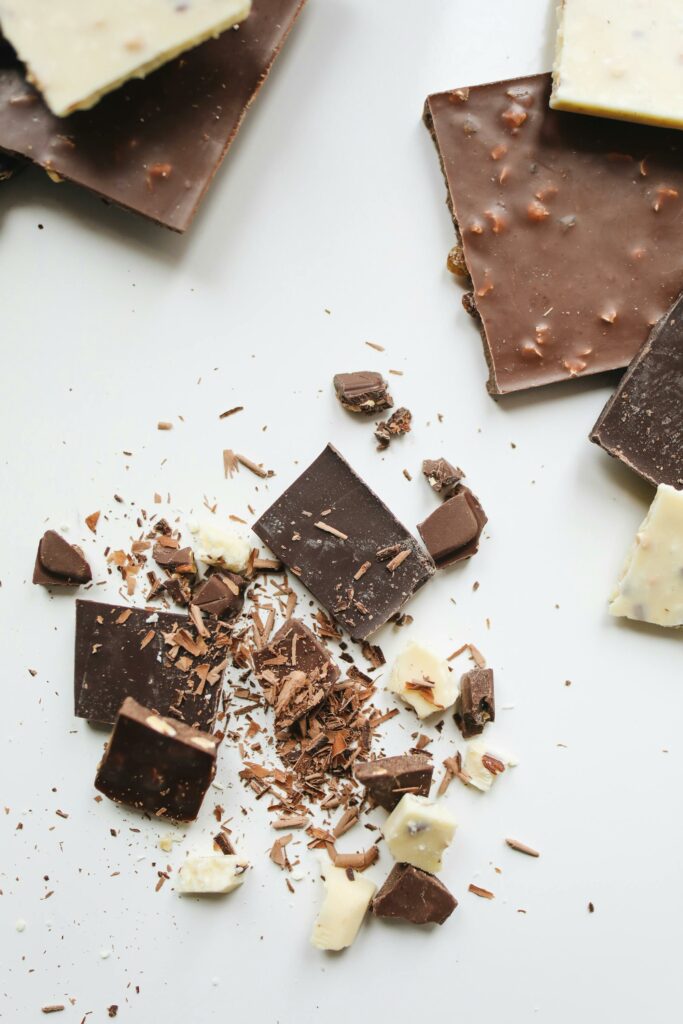
2. Chocolate and cocoa desserts
Chocolate masks stimulants behind a comforting reputation. Cocoa contains caffeine and theobromine, which can trigger alertness, especially in dark chocolate. Beyond stimulation, chocolate’s fat and sugar can cause nighttime reflux and indigestion. To ensure deeper rest, treat chocolate like coffee and avoid it in the hours before bedtime.
Alcohol is a deceptive sleep aid that trades quick sedation for shallow, fragmented rest. While it speeds up sleep onset, it disrupts sleep architecture, suppresses REM, and worsens snoring or reflux. This “nightcap” often leads to 2 a.m. wakefulness and morning grogginess, creating a cycle of caffeine dependency the next day.
4. Spicy dishes and chili-heavy takeaways
Spicy foods have a tendency to interrupt sleep because they cause heartburn and indigestion, especially when you sleep on your back. In addition, capsaicin increases the human body’s temperature, which is contrary to the natural processes of heat loss for sleeping. This has the effect of forcing the human body to digest the meal and control its heat at the same time.
Sugary desserts can interfere with sleep because they cause blood glucose levels to spike and provide large amounts of saturated fat and refined flours. The effects of this are lighter sleep and more awakenings. While ice cream or cake may be tempting, a midnight dessert means an exhausting morning.
6. White bread, sugary cereals, refined carbohydrates
White bread, sugary cereals, and crackers are all refined carbs that are stealthy sleep disruptors. Their high glycemic index causes blood sugar to shoot up while the body is trying to wind down, which might contribute to insomnia. These “light” foods are often low in fiber, causing shallow sleep and morning grogginess without the obvious discomforts of heartburn or caffeine.
Greasy foods such as burgers, pizza, and fried chicken ruin sleep because they put the digestive system to work overtime. Fatty foods cause light and unrefreshing sleep. They also cause reflux. These foods keep the body active and engaged in heavy digestion even when it should be resting.
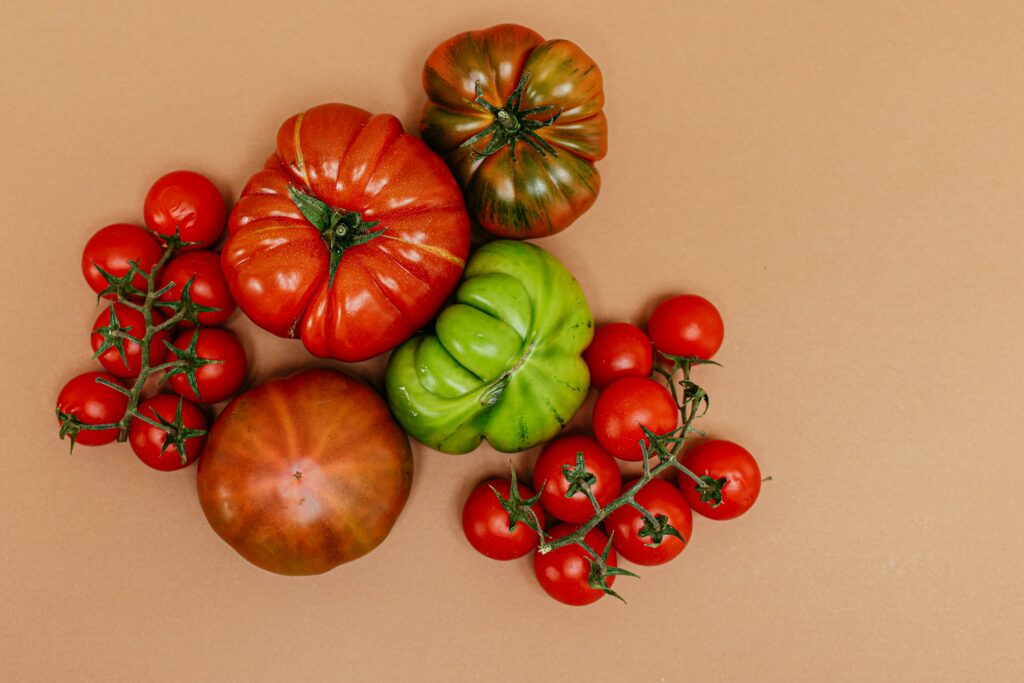
8. Tomatoes, citrus, and acid-triggering sauces
Healthy foods like tomatoes and citrus can ruin your sleep as they can set off heartburn as soon as you lay flat. Although this does not completely wake you up, it can disrupt your sleep. To save your sleep, eat such acidic foods earlier to enable digestion before sleeping.
9. Beans, lentils, broccoli, and other gas-producing foods
Healthy legumes and cruciferous vegetables can cause sleep disruption because of gas, bloating, and pressure. Although beans and broccoli are full of fiber, which is great for you, they are digested slowly, keeping your body restless. To reap the nutritional benefits of beans and broccoli without having your sleep affected, have large portions of them during the day.
*Disclaimer: This content is for informational purposes only and is not intended as medical advice. Always consult a healthcare professional before making significant changes to your diet, sleep routine, or if you have concerns about sleep disorders or other health conditions.
Please SHARE this article with your family and friends on Facebook.
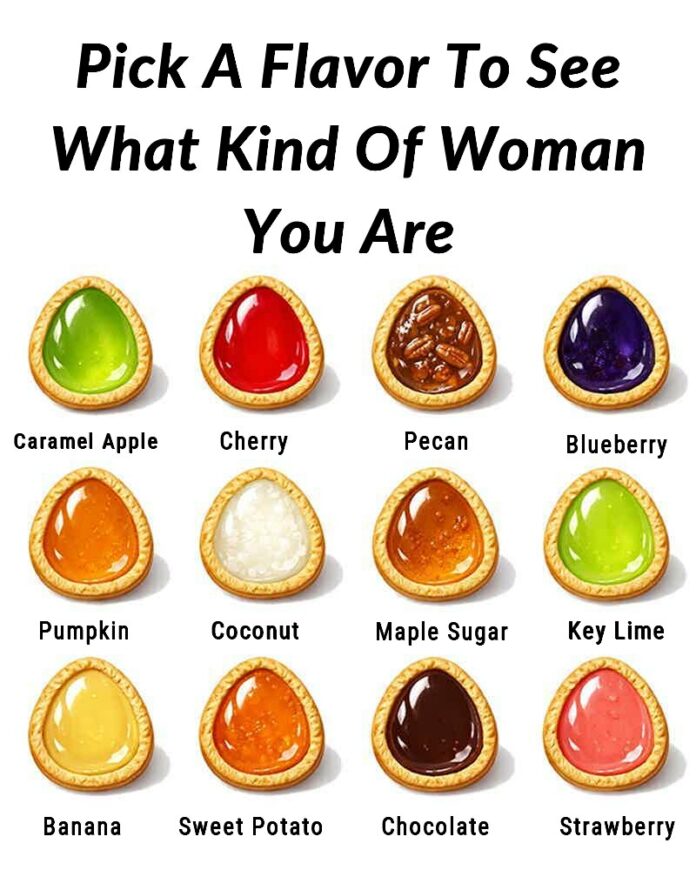
It’s actually kind of wild just how much our little daily habits and behaviors, especially in terms of the food we eat, can reveal about who we really are. Are you the kind of person who reaches for the same snack every time? Or the kind of person who can’t help but be attracted to the boldest, sharpest flavors possible? Either way, it’s not just about the food itself. Those behaviors tend to be like little windows into your mood and your actual experience of the world.
If you think about it, we’re not necessarily choosing these flavors at random. We’re drawn to things that somehow connect with our headspace at any particular time. Things that somehow ground us, excite us, or feel right. That’s what makes these choices interesting.
This is not some scientific study or psychological in-depth analysis. It is simply an intuitive, playful way of viewing yourself in the context of flavor. Each personality type has its own style: bold, relaxed, sweet, or adventurous; and often times, one of them will feel more like “you” than the rest.
So, what’s your favorite flavor saying about you today?
Caramel Apple – The Balanced Dreamer
If you’re a caramel apple enthusiast, then you’re probably living in the sweet spot between two worlds. You love the best things in life, but your feet stay firmly on the ground. There’s a natural balance to the way things go in your life. You’re never easily rattled, and you always seem to find your center.
You’re the go-to person when things get messy. You’re the voice of reason and stability in the midst of chaos. You’re a thoughtful and emotionally intelligent person, and this makes you a steady and reliable person to have in your life.
You haven’t lost your sense of wonder and your big dreams. You’re a dreamer, and the things in life that might seem mundane to other people, to you, they’re magical.
Cherry – The Confident Romantic
Cherry types are used to attention, and you know what? They thrive on it. If you are a cherry type, you are a bold and expressive individual, comfortable in your own skin.
You are a romantic at heart. Whether it is a love affair, a friendship, a passion for life or a work project, you are all-in. There is passion and intensity to everything you do, and while that may be a little too much for some people, for those around you, you are impossible to forget. You are honest and will voice your opinions even if they are unpopular. Some may say you are a little dramatic, but those who know you know you are just honest and straightforward.
Choosing pecan means you are a person who is extremely grounded. You are someone who values meaning over noise, depth over superficiality, and connection over complete chaos.
You are probably a person who loves quiet moments, deep conversations, and traditions that feel like a warm hug. There is a sense of timelessness to you, as if you have a well of knowledge you have been carrying around for a while now.
You are probably a person people come to for advice. You are a good listener and talker only when you have something meaningful to say. Being around you just feels like home.
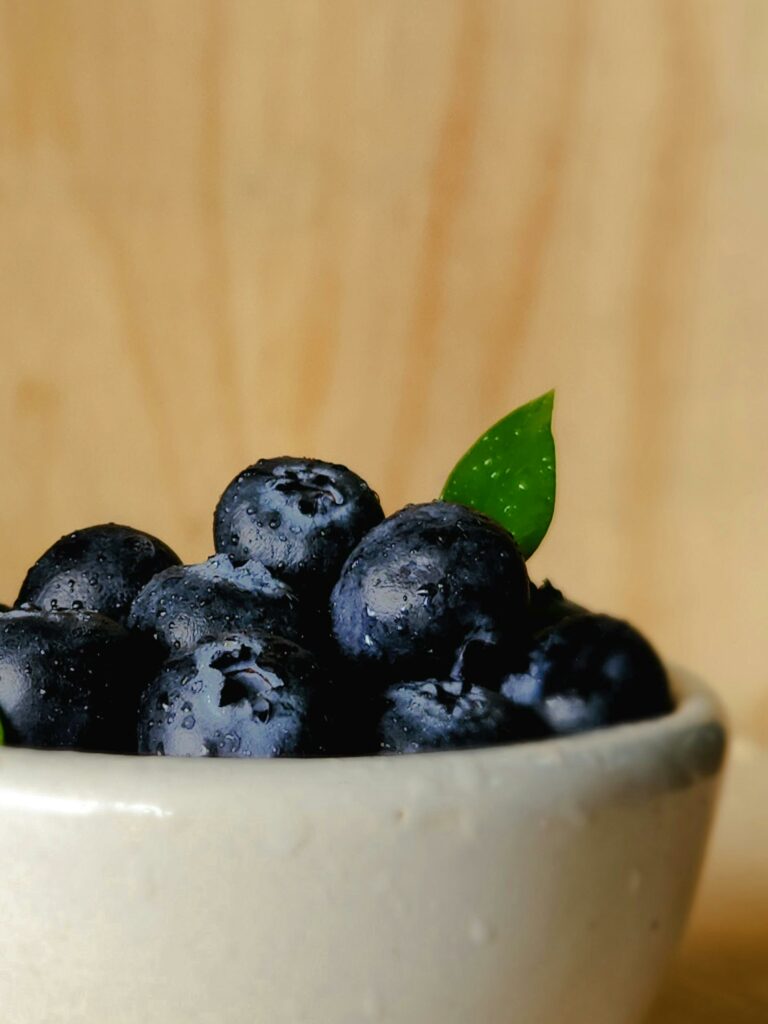
Blueberry – The Quiet Strength
If blueberry is your choice, then you might not be the loudest person in the room, but you are probably the one making the biggest impact. You are an observer, someone who absorbs everything before making your next move.
You are someone with quiet strength. You handle life’s curveballs with a lot of grace, and you don’t feel the need to brag about how tough you are. In fact, you’d rather let your results speak for themselves.
You might be someone who is easily overlooked at first, but when people see what you’re made of, then they see how much depth is there. You are someone who is smart, solid, and emotionally balanced, someone who makes an impact without even trying.
You’re the human equivalent of a fireplace if you’re a pumpkin lover. If you’re one of them, then you’re probably the kind of person who is very nurturing, reliable, and the go-to person whenever someone needs emotional support.
You have the capacity to give people a sense of security. It might be in the form of an encouraging word or simply being present; the presence of someone like you is enough to make anyone feel better. You’re the type of person who listens and reassures everyone that everything will be fine.
You’re the type of person who is very grounded. You value kindness and real emotional intimacy. You’re the type of person who looks out for the well-being of everyone else as well.
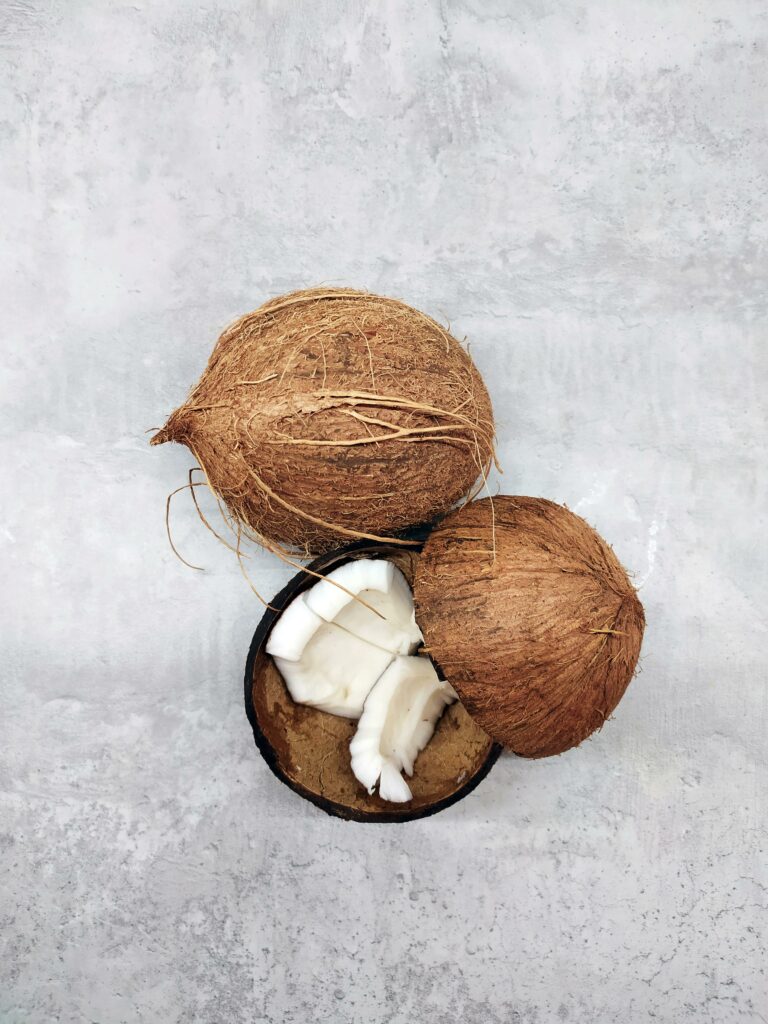
Coconut – The Free Spirit
Love the coconut? Then you’re all about being free and doing your own thing. So if this was your decision, then I guess you’re not really interested in following the crowd and doing your own thing.
You’re an inquisitive person who isn’t afraid of anything. Being stuck in a routine is like being in jail to you. You’re at your best when you’re exploring or doing something entirely new.
There’s just a little bit of wild in you, but that’s what makes you so attractive. People love your authenticity and the fact that you just dive into life without worrying about what’s “expected.”
If maple sugar is your pick, kindness is basically your superpower. You move through the world with a certain softness, empathy, and a lot of genuine sincerity.
You’re the person who catches the little things—you notice how someone is really doing and what they might need before they even ask. Just being in the room with you can make people feel seen and appreciated.
You aren’t looking for applause or a big thank you, but your impact is huge. People trust you and feel a sense of peace around you that they can’t quite find anywhere else.
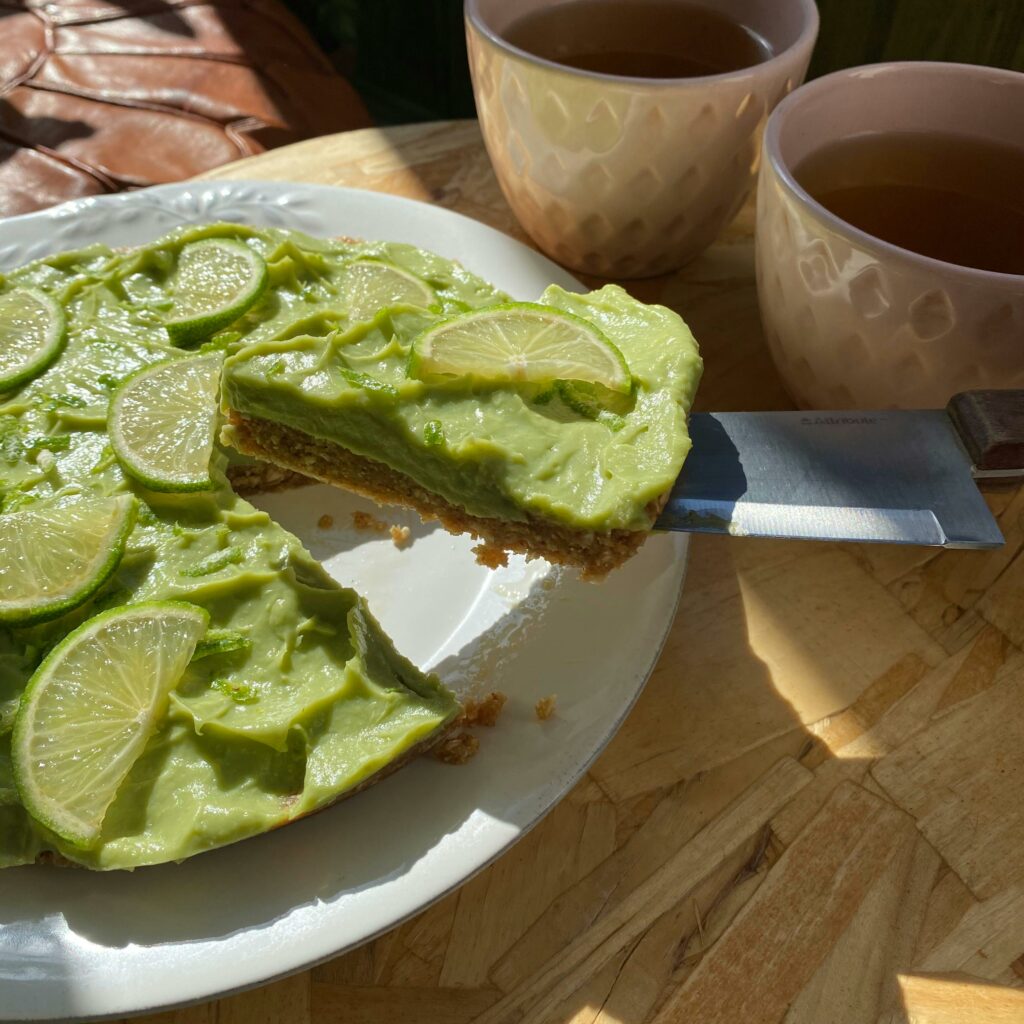
Key Lime — The Energetic Optimist
Key lime lovers bring the light. If this is your vibe, you’re naturally upbeat and you bring a fresh energy into every room you walk into.
You have a way of cheering people up, even when things are looking pretty grim. Your optimism isn’t just blind luck; it’s a choice. You decide to see the good, find the fix, and keep things moving forward.
People crave your company because you bring a sense of fun and lightness. You’re the reminder that life shouldn’t be taken too seriously and that the present moment is worth enjoying.
If banana is your choice, then you are refreshingly simple – genuine, warm, and incredibly easy to be around. You don’t feel the need to overcomplicate things, which is why people find you so easy to be around.
You enjoy comfort, honesty, and relationships that don’t feel like a chore. People feel like they can breathe around you because you don’t bring any unnecessary drama or pressure to the table.
There is something powerful about being simple. You know who you are, so you don’t feel like you have to prove anything to anyone.
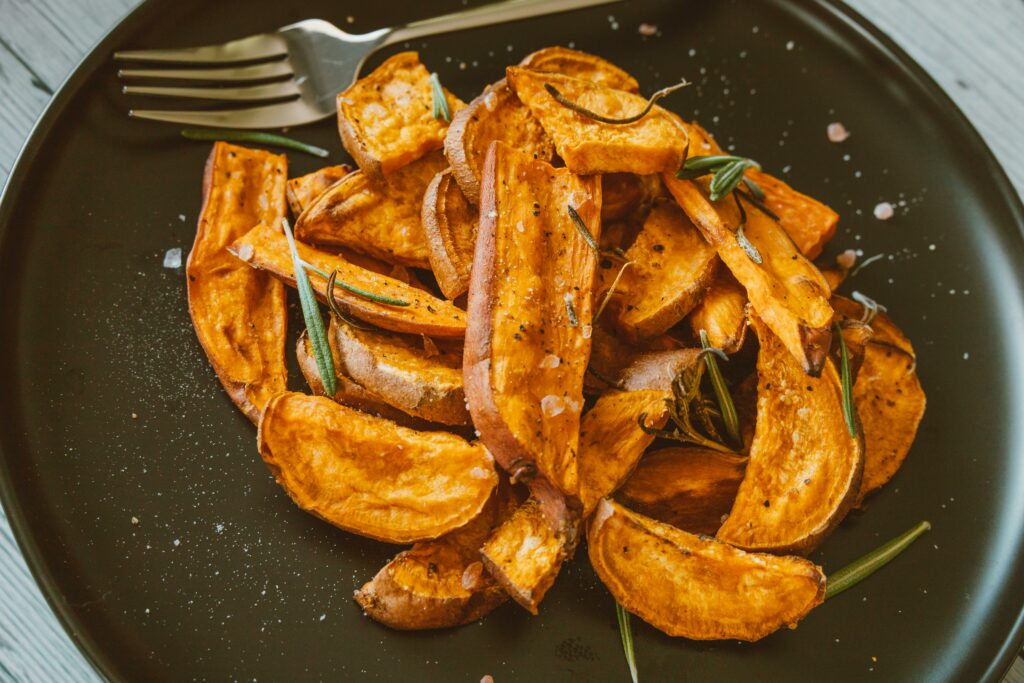
Sweet Potato — The Hidden Gem
Sweet potato represents a kind of depth that isn’t always obvious at first glance. If you picked this, you might seem a bit reserved to start, but there is so much going on under the surface.
You’re thoughtful, creative, and you spend a lot of time in your own head. You don’t reveal your whole self to everyone immediately, but for those who stick around, they find someone incredibly complex and rich.
There is a massive amount of strength in your quietness. You don’t have to shout to be powerful, and your presence often leaves a more lasting impression than the loudest voice in the room.
Chocolate lovers are the “all-in” type. If you’re one of them, then you’re passionate, emotional, and fully present in your life.
You’re not one to do things halfway. It doesn’t matter if it’s your job, your hobbies, or your relationships – you give it your all. And while it can be overwhelming at times, it makes your life experiences incredibly rich.
You’re not one for small talk or shallow relationships. You want it all or nothing at all. And when you’re in it, you’re in it with everything you have. It makes you both powerful and unforgettable.
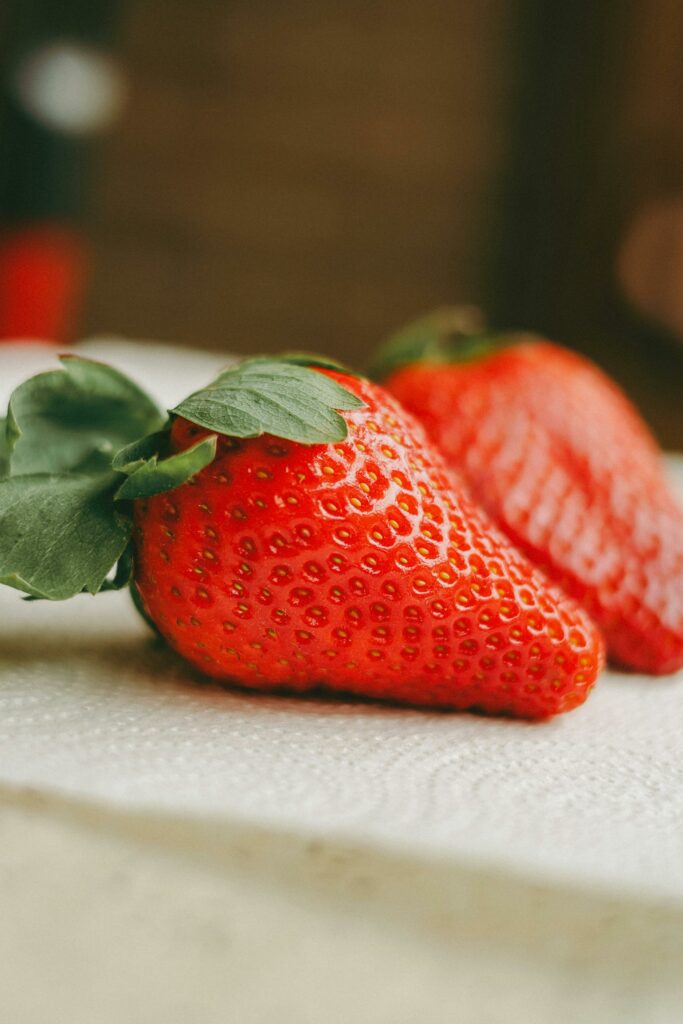
Strawberry – The Playful Charmer
You are all about joy, lightness, and even a little wink. So if this is your flavor, then you’re the one who brings the joy and the positivity wherever you go.
You’re all about the light side of life and try not to get bogged down in the heavy stuff. Your playful nature makes you super accessible, and everyone just wants to be around you.
You’re really good at making people happy without even trying. There’s just something charming about you that feels completely effortless and, more importantly, completely genuine.
The reality is, at the end of the day, a taste does not determine who you are. Human beings are too complex and multifaceted for something like a taste preference to determine our essence. What you chose today might just represent how you are feeling today or even what you need to help you get through the rest of the day.
Perhaps today you are feeling the high-intensity energy of chocolate, but tomorrow you might crave the refreshing taste of strawberry or key lime. And that’s the way it should be.
Our personality is not static; it evolves and develops as we go through different stages in life.
So, it’s not really about defining you; it’s more like a little representation of you in this moment.
The best part is, you can evolve, reinvent yourself, and adore every single version of you in the process.
Please SHARE this article with your family and friends on Facebook.
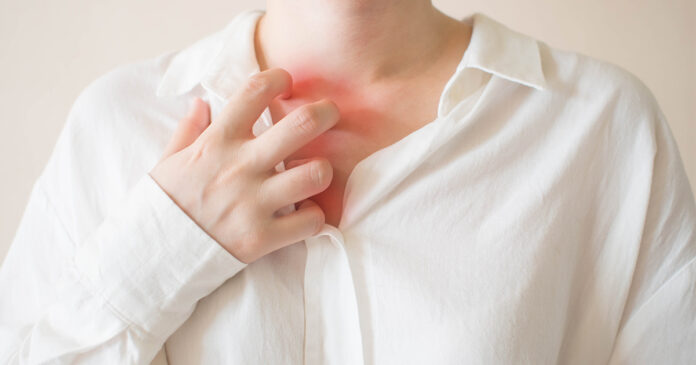
Breast itching is something that many women have experienced at some point in their lives. It can be a mild problem or a possible sign of an underlying issue. In most cases, it is simply a matter of dry skin, hormonal changes, or irritation from clothing. While occasional itching is not something to be worried about, if it persists, it can be a sign of something more serious going on in your body and should not be ignored.
In some instances, breast itching can be associated with more alarming conditions like inflammatory breast cancer and Paget’s disease of the breast. It is thus crucial for women to be aware of when an otherwise common symptom crosses the line and requires medical attention. While it is no secret that breasts often cause discomfort due to issues like poorly fitting bras and back pains, itching is becoming an alarming symptom for a number of women.
This awareness is evidenced by the rising search engine results for words such as “itchy breast.” The searches, which also include phrases such as “one itchy nipple” and “itching below breast,” tend to peak during times such as Breast Cancer Awareness Month, where there is greater awareness of possible symptoms.
Unsplash
While breast itching is generally considered harmless, health experts stress that recurring itch, noticeable changes, and unusual sensations that are unlike the usual feeling should not be taken lightly. In addition to this, there is the inconvenience of having an itch in a rather sensitive part of your body.
Dr. Tim Woodman, Medical Director for Cancer Services at Bupa UK Insurance, explains that occasional itching in the breast area is not unusual and often has straightforward explanations.
“It’s rare for itchy breasts to be a symptom of breast cancer,” Woodman said, “but if you have a patch of skin on or around your breasts that you find yourself regularly scratching, it’s always worth getting it checked by a health professional.”
Unsplash
As stated above, while most common causes of itchy breasts are ether skin conditions or allergies, there are two rare forms of breast cancer that may include itching as a symptom:
Inflammatory breast cancer (IBC): IBC is a rare and aggressive form of this disease that may also bring noticeable changes to the skin, such as redness, swelling, warmth, and persistent itching, according to the Cleveland Clinic. There may also be feelings of breast heaviness, tenderness, or a sudden change in size.
Paget’s disease of the breast: Paget’s disease of the breast is another rare form of breast cancer that “causes scaly or crusty skin on the nipple. The affected area may slowly grow to involve the skin around the nipple, called the areola,” according to the Mayo Clinic. This condition, different from Paget’s disease of the bone, “refers to breast cancer in the nipple,” and may cause itching, redness, flaking, or burning of the skin.
According to the National Breast Cancer Foundation, about 1 in 8 women in the United States will be diagnosed with breast cancer at some point in their lives. In 2026 alone, an estimated 321,910 women and 2,670 men are expected to be diagnosed with invasive breast cancer.
Unsplash
Because of these concerning numbers, doctors stress the importance of paying attention to any unusual symptoms, especially those that occur alongside changes in breast tissue.
The Mayo Clinic reports that symptoms include:
A breast lump or thickened area of skin that feels different from the surrounding tissue
A nipple that looks flattened or turns inward
Changes in the color of the breast skin. In people with white skin, the breast skin may look pink or red. In people with brown and Black skin, the breast skin may look darker than the other skin on the chest or it may look red or purple
Change in the size, shape or appearance of a breast
Changes to the skin over the breast, such as skin that looks dimpled or looks like an orange peel
Peeling, scaling, crusting or flaking of the skin on the breast
While these symptoms are often linked to non-cancerous conditions, medical professionals stress that getting them checked is the safest way to rule out anything serious.
“Advances in breast cancer screening allow healthcare professionals to diagnose breast cancer earlier. Finding the cancer earlier makes it much more likely that the cancer can be cured. Even when breast cancer can’t be cured, many treatments exist to extend life,” the Mayo Clinic writes.
Please SHARE this article with your family and friends on Facebook.
Let’s face it: there’s a certain type of inner shift that nobody really teaches you how to deal with. It’s not a mid-life crisis, and it’s certainly not a lightning bolt of an epiphany that strikes you like a bolt of lightning out of the sky. It’s much more subtle than that. It’s more like a tide rolling in. One day you wake up and you look around and you see that the things that once kept you up at night—social climbing, the need to always be “right,” the need to buy things to prove yourself—are just not as sharp as they once were.
It’s a little disorienting, to be honest. You might think to yourself, “Am I losing my edge? Am I getting old?” But if you lean into that, you’ll find that it’s not about losing anything. In fact, it’s about gaining clarity that you could not have achieved when you’re younger and busier. It’s the process of finally fitting into your own skin.
If you’re feeling as though the world is getting smaller and deeper, you’re not alone. This is what that looks like in real life.
We spend the first half of our lives gathering. We gather things like degrees, professional titles, and a lot of physical things to prove to the world that we’ve “made it.” But at a certain point, that starts to feel less like a badge of honor and more like a ball and chain.
You may find yourself standing in a closet full of clothing or a garage full of gear and feeling a strange impulse to just…let it all go. It’s not about becoming a monk or a hardcore minimalist. It’s just a matter of realizing that your identity is not wrapped up in your stuff. When you stop trying to prove your worth to the world through your stuff, you stop being a slave to the “upgrade.” There is a huge freedom that comes with realizing that the guy or girl across the street doesn’t actually care that you’re driving a Mercedes, and even more importantly, that you don’t care if they care or don’t care, if you know what I mean.
2. Quiet is no longer boring
Remember back when you were in your twenties? Silence was something to be avoided. We filled every void with music, television, or a night out on the town. But as this inner change begins to take place, you will find that noise is becoming very bothersome to you.
You may find that you are becoming more protective of your energy levels. That noisy restaurant that once was the place to be now becomes a source of a headache. You find yourself craving the quiet of a coffee shop in the morning, the sound of the wind rustling the trees, or the simple pleasure of a drive with the radio off. This is not being antisocial; it’s being choosy. You are at last understanding the value of the quiet: it’s full of the things you need to hear.
Pexels
3. The past becomes a teacher, not a haunt
Most of us are burdened with a heavy backpack of “should haves” and “could haves.” Old arguments or decisions made a decade ago are replayed in your mind. Yet, in this stage, the pain begins to dissipate.
You think about past loves or past career choices, but instead of the pain of regret, you experience a sense of distant empathy. You start to see yourself in the past as a person who simply did the best they could with what they knew back then. The need to be the “hero” of your story begins to dissipate, and you are comfortable simply being the narrator. Being at peace with the past doesn’t mean you enjoy what happened in the past; it simply means you are no longer trying to change what is no longer changeable.
4. A deep pull towards the real and the grounded
There’s a certain kind of “settling” that goes on during this time. There’s a certain kind of attraction to things that are tangible and slow. Some people find it in gardening, some people find it in woodworking, some people find it in cooking, some people find it in just walking.
It is an attraction to the rhythm of the natural world. In a world that is increasingly digital and everything is fast and fake, there is something healing about things that take time to grow. You are no longer seeking the “next big thing”; you are seeking the “current small thing.” You are no longer trying to get away from your life; you are actually seeking to be in your life.
Unsplash
5. Sleep and rest become sacred
Sleep was something we thought was a luxury or even a waste, a product of laziness. “I’ll sleep when I’m dead,” we’d say. But as you move into this new, introspective place, you realize that was a lie.
You start to listen to your own body with a level of respect that you may never have had before. You realize that a poor night’s sleep can make you short-tempered and change your outlook on things. Your dreams may even become more vivid, as if your subconscious is finally getting a chance to talk to you, since you’ve been talking over it for the rest of the time.
6. You no longer try to control the uncontrollable
One of the most exhausting aspects of being a human is the idea that we can prevent horrible things from happening if we just worry enough. We live in a perpetual state of future anxiety.
As you get into this new place, though, you stop doing that. You still plan and you still care, but you don’t panic anymore. You start to accept the fact that life is going to do what life is going to do, and you start to accept the fact that you’ve survived 100% of the horrible days so far. You start to accept the fact that no matter what the future is, you’ll likely find a way to deal with it when you get there. That’s probably the single biggest factor in finding peace.
Unsplash
7. The beauty of the mundane
When the big, loud goals begin to lose their luster, the small things begin to shine like beacons. You might even find yourself touched by a decent cup of tea, the light on a brick wall, or a genuine conversation with a neighbor.
You become more aware, and realize that you’re no longer just passing through your life, but are, in fact, present for your life. You begin to understand that the “good life” isn’t waiting for you at the end of a promotion or a vacation, but in the crevices of your ordinary Tuesday.
How to live through the change
This is not a medical condition or a problem to fix. It is an evolution. So, if you are feeling these things happening, the best thing you can do is get out of your own way.
Stop saying sorry for your “no.” If you don’t want to go to the party, don’t go. Your energy is a finite resource, and you need to spend it on people and things that actually matter to you.
Clear the clutter. If your environment is feeling heavy, clear it. Your house is supposed to be a place where you can breathe, not a museum for things you used to be into.
Be patient with the “old” feelings. If a feeling that happened to you twenty years ago is suddenly surfacing, just leave it there. You don’t have to analyze it to death. You don’t have to make a story about it. You just have to acknowledge that it is there and then move on.
Touch the ground. Literally. Get outside, put your hands in the dirt, or just walk around barefoot on the grass. It helps to quiet the brain.
Unsplash
Conclusion
In our society, we’re obsessed with the idea that “growth” is defined by “more.” We’re taught that to be more, to be better, we need more money, more followers, more achievements to add to our trophy case.
But the greatest growth is about less. Less noise. Less ego. Less of the things that don’t really nourish our soul. It’s almost like our inner world is finally turning down the static on the radio to turn up the music.
If you’re becoming more quiet, less engaged with the “hustle,” it might feel like you’re losing your spark. But what if I told you that what’s really happening is that you’re not losing your spark, you’re just replacing the flickering flame of the candle with the reliable heat of the fire. You’re moving away from the energy that will inevitably burn out and towards the energy that will sustain you for the long haul.
So, if you’re feeling a little more introspective and a little less “on” lately, don’t worry. You’re not disappearing. You’re just finally opening your eyes to see the world—and yourself—for what it really is.
Please SHARE this article with your family and friends on Facebook.
During Donald Trump’s campaign rally in Butler, Pennsylvania on July 13, 2024, prior to the presidential elections he won, the now president of the US was shot at by a 20-year-old man named Thomas Crooks.
The president wasn’t injured with any life-threatening injuries but was only hit in the ear. Sadly, Crooks claimed the live of a volunteer fire chief. Two other people were wounded in the incident in which Crooks fired eight rounds from an AR-15-style rifle from a nearby building’s roof.
“For 15 seconds, time stood still,” Trump told the crowd. “This vicious monster unleashed evil. The villain did not succeed in his goal.”
Trump was “fine and being checked out at a local medical facility,” a spokesperson said at the time.
In his inauguration speech, Trump said, “I was saved by God to make America great again.”
However, following the shooting, the FBI said they had no, or little, information concerning the shooter, who was apprehended shortly after the shooting. However, there has been speculation that they did not give out information concerning Crooks and the event itself.
Anna Moneymaker/Getty Images
Rep. Pat Fallon from Texas, speaking to The National News Desk, said that they, as a task force, were not given certain information, even though they were meant to look into the assassination attempt.
“We definitely got stonewalled,” Fallon said. “When we finally got answers that we thought were fully forthright, now it seems like they weren’t.”
The investigation, however, revealed that the event was preventable.
Among those raising doubts about what really happened on the day of Trump’s assassination attempt is Jesse Ventura, the former WWE star and Minnesota governor, who sparked controversy by questioning a key detail of the 2024 assassination attempt on Donald Trump.
During an interview with Piers Morgan, Ventura suggested the incident may have been staged.
Known for his past interest in conspiracy topics—especially from his show Conspiracy Theory with Jesse Ventura—he surprised Morgan by describing Trump’s near-death experience as what wrestlers call a “blade job.”
In professional wrestling, a “blade job” refers to a performer deliberately causing themselves to bleed to make an injury look more dramatic and convincing. While it’s meant purely for entertainment in WWE, Jesse Ventura suggested the same idea could apply to the shooting at a rally in Butler, Pennsylvania in July 2024.
Trump had been speaking to the crowd when he was struck on the ear by a bullet after turning to examine a chart on the stage. Secret Service agents immediately attended to the scene. Trump was later seen in Wisconsin with a bandage on his ear.
During the interview, Morgan noted Trump’s defiance after being attacked, to what Ventura said, “Oh yeah right, right, right, you ever heard of a blade job?” When asked if he thought the assassination attempt was “fake,” Ventura added: “I don’t know, where’s his scar today?”
Morgan then reminded the MMA fighter of the death of the former volunteer fire chief, who was struck by a bullet. Ventura went on to say, “I don’t know, come on Piers, you’re going to tell me this guy’s a big hero now?” When Morgan pressed further, Ventura replied sharply: “Then he accomplished what he wanted out of you guys.”
When asked what he’d say to Trump face-to-face, Ventura said he’d “rather not” speak to him, explaining, “He has no courage. He never has. There’s always one guy who will start the fight, and then hold your coat. That’s Donald Trump.”
Ventura was born in Minneapolis and has had a long and varied career in different fields. He initially served in the United States Navy’s Underwater Demolition/SEAL Teams during the Vietnam War. He later joined professional wrestling. From 1975 to 1986, he wrestled under the alias Jesse “the Body” Ventura, portraying an evil character.
BUTLER, PENNSYLVANIA – JULY 13: Republican presidential candidate former President Donald Trump is rushed offstage during a rally on July 13, 2024 in Butler, Pennsylvania. Butler County district attorney Richard Goldinger said the shooter is dead after injuring former U.S. President Donald Trump, killing one audience member and injuring another in the shooting. (Photo by Anna Moneymaker/Getty Images)
Following his retirement from wrestling, Ventura continued working for the WWF/WWE, this time as a commentator. He was later inducted into the WWE Hall of Fame in 2004. He was also involved in acting and appeared in popular movies such as Predator and The Running Man.
Ventura ventured into politics in 1991 when he became the mayor of Brooklyn Park, Minnesota, a position he held for four years. However, his biggest political breakthrough came in 1998 when he ran for governor of Minnesota, winning under the Reform Party despite competing against both Democratic and Republican candidates.
However, he distanced himself from the Reform Party and finished his term as a member of the Independence Party. While serving as governor, Ventura implemented tax reforms, lowered income taxes, and was involved in building the METRO Blue Line light rail system. He chose not to run for a second term and finished his stint in 2003. He continued to be an active participant in politics through books, TV appearances, and political endorsements, including supporting the Green Party in 2020 and the Democratic Party in 2024.
Please SHARE this article with your family and friends on Facebook.
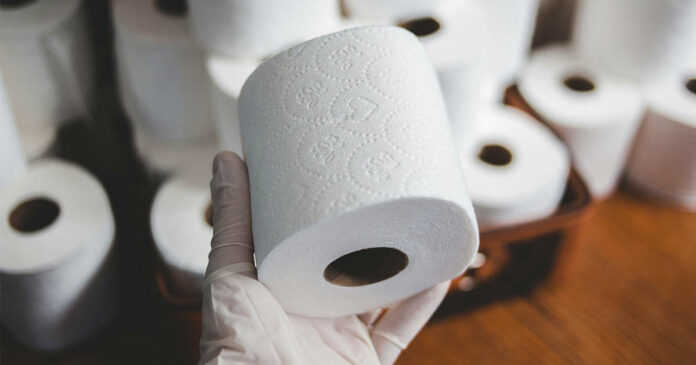
For most of us, toilet paper is not even a blip on the radar screen. It’s the ultimate “invisible” essential, until, of course, it runs out. So, learning that the rolls in your bathroom might have ties to some not-so-great chemicals, well, that’s a bit of a curveball.
But there’s a scientific reason why researchers are looking into this. It seems that some toilet paper out there has PFAS, or what’s sometimes called “forever chemicals,” which means they just don’t go away. That’s not to say that the rolls in your bathroom right now are a health risk or anything, but rather that an unremarkable aspect of our lives has become part of a bigger, more complex story.
The point of all of this, however, isn’t to try and freak everyone out, but rather to consider the facts, determine what, if anything, we should be worried about, and what we should do about it.
How toilet paper joined the PFAS conversation
This is not the result of a social movement; it is the result of a lab. Scientists studied wastewater samples and realized something unusual. Certain types of PFAS were showing up in the sewage. As they back-tracked to determine the origin, toilet paper came into the picture.
A study conducted in 2023 by the University of Florida analyzed rolls from North America, Europe, and Africa. The researchers detected measurable levels of fluorinated compounds in the rolls. The concern, however, was not the presence of these chemicals but the method by which they were being “disposed of.”
While a jacket or a pan might be used and then stored, toilet paper is used and then immediately disposed of. It goes right into the water system, which was not designed to filter out these kinds of molecules. Eventually, millions of households’ worth of toilet paper can make up a large portion of the PFAS in the sewage sludge.
The interesting thing is, these chemicals are not always intentionally added. Sometimes, they are inadvertently added during the manufacturing process, recycled paper pulp, or even machine lubricants in the factory.
Now, let’s get a little more specific. PFAS is a huge category of chemicals, with thousands of different varieties. While some, like PFOA, are associated with serious health problems, such as increased risk of cancer or suppressed immune systems, this risk level is completely dependent on how you are exposed.
The biggest risk with toilet paper, however, is not your skin at all. Most health experts, including those at the EWG, observe that skin absorption of PFAS is very, very low. The big culprits in human exposure are contaminated drinking water and food packaging.
Therefore, while these chemicals are noted in the product, the risk level as a result of using the product is low. The problem lies in the environmental build-up. Since these PFAS do not degrade, they accumulate in our soil and water forever.
But the real story begins when you push the handle. When the PFAS is introduced into the wastewater treatment, it is frequently included in “biosolids” (treated sewage sludge). It is frequently used as fertilizer for industrial farms.
This is the cycle: the chemicals go from the paper to the water, to the soil, and even into the food we might one day be eating. It is the environmental impact in slow motion, showing the effect our daily choices can have on our footprint.
Recycled vs. Bamboo: Are “eco” options safer?
If we try to do the right thing for the planet, we assume that using recycled or bamboo paper, as opposed to traditional wood pulp, is a get out of jail free card, so to speak, in terms of trees and carbon footprints. But in terms of chemical purity, there are a number of issues, some of which are a little ironic.
The Recycled Paper Paradox: While recycled toilet paper can be a fantastic option for the circular economy, it can be a “magnet” for unwanted chemicals. Consider what we put in the recycling bin. Glossy magazines, shipping labels, and thermal cash register receipts can all make their way into the recycling bin. These items can have BPA or PFAS to make them water-resistant or printable. If we mash them up into pulp, we can end up with unwanted microscopic chemicals in the finished product. Unless a company has extremely stringent filtration, your “eco-friendly” option could have more of these chemicals in it than virgin wood pulp.
The Bamboo Factor: While bamboo itself is considered a miracle crop because of its incredible growth rate and low water requirements, once the bamboo is cut, it must then be processed into soft, white paper. The safety of the finished product, however, rests entirely in the idea of a “closed-loop” factory. If the company uses harsh chemical solvents or even elemental chlorine to leach the difficult bamboo fibers, then we’re right back to square one. To get the full benefits of bamboo, we must find companies that emphasize mechanical processing over chemical-based techniques.
But when it comes time to fill the bathroom, things get a little fuzzy. While the peer-reviewed studies cited in this conversation so far haven’t mentioned any specific brands, further independent tests have tried to fill in those blanks.
It is, of course, absolutely essential to take these results with a grain of salt, as most of these tests are merely a series of spot checks, not exhaustive tests of a wide variety of brands. Take, for instance, a 2023 report conducted by Mamavation, in partnership with Environmental Health News, where 17 different products were sent to an EPA-certified lab to test for total fluorine, a chemical which is a common indicator of PFAS.
The levels found were generally low, in the range of 10 to 35 parts per million, which Environmental Health News indicates is a level at which these chemicals are “unlikely to be added on purpose, but are instead accidental contaminants from the manufacturing process.”
The “caution list” from limited testing
Within that particular screen of 17 brands, four of these products were shown to have detectable levels of fluorine. This doesn’t mean all rolls of these brands have fluorine in them; however, it is a reminder of how contamination can seep in.
Charmin Ultra Soft: As a major conventional brand, it is placed in this category based on those initial screening tests.
Seventh Generation 100% Recycled: Even green-rated brands are not spared. The company notes that because they use recycled paper, there’s a chance that any impurities in the original source material (such as old inks or coatings) may be found in their final product, too.
Tushy & Who Gives a Crap (Bamboo): Both brands were found in the limited fluorine screening tests. Who Gives a Crap has taken this situation in stride, noting on their site under their Transparency section: “Through our regular testing, we have found some trace amounts of organic fluorine… we won’t stop there! We are sooo committed to investigating where this contamination is coming from.”
These disclosures don’t settle the question, but they do confirm that concerns about contamination are a very real problem for manufacturers, not a purely hypothetical one.
Two categories to approach with extra care
Aside from the names themselves, you can generally protect yourself by being aware of two general categories of chemicals that often cause problems in safety standards such as the 2025 Green Seal GS-1 Standard:
The “Extra” Rolls: This category includes anything heavily scented or treated with lotions. These additives are not really necessary and can include hidden chemicals. The Green Seal standard even bans these kinds of additives in sanitary paper to avoid these risks.
The “Vague” Brands: If a company does not discuss their recycling contamination control or their whitening process, then it might be time to go elsewhere. Transparency is the only guarantee of safety.
What’s the safe bet?
If you want to play it safe, the strongest advice you can follow is this: look for the most basic products available. The current gold standard is trending towards Totally Chlorine Free (TCF) processes. This is a big deal, as the World Health Organization (WHO) has pointed out that previous chlorine bleaching processes have resulted in the creation of Dioxins – a type of toxic by-product.
The moral of this story is this: take a look at those with clear labels and a fragrance-free guarantee, and those with vague promises and luxury add-ons, and think of those as less safe options. It’s not about being perfect, it’s about choosing a brand that is working hardest to be perfect.
Conclusion
Toilet paper is not exactly something we ever thought we’d have to go around “auditing” in terms of safety, and learning that this is another contributing factor to this worldwide problem of PFAS chemicals in our environment is just another thing to add to the list of worries, right? However, let’s keep in mind that this is just a small piece of a gigantic worldwide puzzle, and this is not the entire picture.
The most balanced advice, in this case, would be: Don’t panic, but stay informed. You are not going to change the worldwide chemical situation by changing your type of toilet paper, but you can help change your personal household’s contribution to this situation. Going with simpler, less processed products is a classic example of a “low effort, high reward” situation. It’s a small change, but if millions of people are making this change, then this will start to change the market.
But until that time, a little bit of information and awareness is a big help in keeping your house and the world a little cleaner.
Please SHARE this article with your family and friends on Facebook.
That tickle in the back of your throat and the constant need to clear it. The general grossness of the mucus just… sitting there. If you’re experiencing this, rest assured: you’re not crazy. And you’re definitely not alone.
Chronic throat phlegm is one of those symptoms that is very simple in theory but ends up being ridiculously difficult to overcome. Most people think it’s some kind of infection and look for either antibiotics or other heavy-duty medication. The thing is: most of the time, it’s not an infection but your body telling you something’s a little out of whack.
The good news is that once you figure out exactly what is causing the problem, finding a solution is not nearly so difficult.
First, what is throat phlegm?
Phlegm is just a form of mucus. In fact, phlegm is the good guy. It’s a protective mechanism that catches dust and junk for you.
Phlegm is supposed to simply go down your throat without you ever even realizing it. The problem arises when your system overproduces it, or when it gets thick and cannot go down your throat as easily. And that’s when you’ll know it’s there—stuck in your throat, making you want to cough or swallow every five seconds. It’s not usually there for no reason, though. There’s usually something that caused it.
Post-nasal drip is the usual cause in the vast majority of cases. This occurs when mucus from your nose or sinuses runs down the back of your throat, which is frequently brought on by allergies, weather changes, or a little sinus irritation. Common symptoms are: worse when you wake up, thin, clear-ish mucus, constant throat clearing, itchy eyes or nose.
Many people do not even realize that their sinuses are the cause because they don’t really feel “stuffy.”
2. Silent reflux (LRP)
Unlike the classic version, this type doesn’t always produce heartburn. Instead, the stomach acid rises high enough to touch your throat. Common clues: hoarseness or raspy voice, a “lump in the throat” sensation, made worse by eating or lying down.
3. Dehydration
When you’re dehydrated, your mucus gets thick and sticky. That in itself causes the sensation of phlegm being “stuck.” The signs of dehydration are: thick, gluey mucus, dry mouth, relief after drinking water.
This is the simplest thing to cure, yet most people are totally unaware that dehydration is what causing it.
4. Medication side effects
Some meds can actually increase mucus production or dry out your throat. Look for: certain blood pressure medications, hormones, certain antidepressants.
If this problem began after you filled a new prescription, this may be your answer.
5. Smoking or chronic lung issues
If you have a persistent cough and a long-term cough (especially if you are a smoker), then a check-up is in order. Warning signs: a cough every day for months, discolored or thick phlegm, difficulty breathing.
This is not as common, but it is not something you should ever ignore.
Pexels
What most people miss
Throat phlegm is real; it is not “all in your head.” It is simply not a cause for alarm in most cases. This is why “blunt force” treatments rarely work and can sometimes make things worse.
What actually helps
1. Hydration
If you only take one piece of advice from me, let it be this: Water thins out the mucus so your body can expel it more easily. When it is thinned out, it does not pool or stick around.
How to do it right: drink steadily throughout the day (don’t chug it all at once), shoot for 2-3 liters based on your activity level, drink warm liquids like herbal tea, broth, or water. Warm liquids are good because they relax the muscles in your throat and help the mucus go along.
What to cut back on: too much caffeine and alcohol as both of these will dry out your body and make the phlegm stickier than usual.
By the way, that dairy product rumor about increasing mucus production? Not exactly supported by science. But if it does make your throat feel filmy, trust your instincts.
2. Saltwater gargling: Old School, but it works
This is the reason why your grandmother recommended this. Saltwater gargling is the best way to reduce the swelling caused by the fluid loss in your throat tissues. This is how to do it: mix one-half teaspoon of salt with warm water, gargle it for 30 seconds, spit it out. Do not drink it. Do this several times a day if it is bothering you. This is not a cure, but it is incredibly relieving.
3. Humidity matters more than you think
Dry air turns mucus into glue. This is why it’s always worse at night or in a heated office. What helps: running a humidifier while you sleep, setting indoor humidity at 40-60%, even just placing a bowl of water near your radiator will help.
If it’s allergies: Try a saline nasal rinse (like a Neti Pot), use an antihistamine, avoid allergens like dust or pollen.
If it’s silent reflux: Don’t eat 2-3 hours before bedtime, prop your head up with an extra pillow, avoid “triggers” like mint, chocolate, or booze.
If it’s dehydration: Set a “water reminder” on your phone, drink more during your workout.
If it’s your meds: talk to your doctor about alternatives but don’t stop your meds on your own.
What doesn’t work
The internet loves a “quick fix,” but most of them are junk.
Apple cider vinegar for reflux: It actually burns your throat more if you already have a raw throat.
“Drying out” the mucus: It actually makes your mucus more sticky. You want to thin it, not get rid of it.
Essential oils: There’s no scientific evidence that they help stop phlegm. In fact, for some, the smell of these oils causes your throat to constrict.
Dairy products as the “evil” cause: It can actually change your mouth sensation, but it’s not actually producing more phlegm.
Unsplash
When to see a doctor
Most of the time, some more water and a humidifier will cure your problem. However, pay attention to your body. See a doctor if you have: blood in your phlegm, hoarseness that won’t go away in a few weeks, trouble swallowing, losing weight for no reason, symptoms that last longer than two months, if you’ve tried the basics and nothing is budging, get an expert opinion.
Why this is so frustrating
Let’s be real: chronic phlegm is a mental drain, it’s distracting and constant, and it messes with your voice and sleep.
You can’t “see” it, so it’s hard to explain to others. Since it feels like such a “small” problem, it’s even more annoying when it won’t go away. The reality is that your throat, your sinuses, and your stomach are all connected. A “one-size-fits-all” solution is not going to work for you.
A smarter approach: Spot the patterns, stop guessing and start observing. Ask yourself: when is it worst? After coffee? First thing in the morning? Is the mucus clear and thin, or thick and yellow? Does it get better when you drink more water? By tracking this for a week, you’ll know more than a Google search could ever hope to provide. For instance: morning issues usually mean post-nasal drip. Post-meal issues usually mean reflux. Thick gunk usually means you’re just dehydrated.
Conclusion
Honestly, it’s super annoying to have to clear your throat every five seconds, but it’s rarely ever a situation that actually causes you to freak out. Most of the time, it’s just your body’s way of reacting to something totally fixable, whether it’s because the air is too dry, some random irritation, or because you need to drink more water. You don’t need super-strong meds to fix it; it’s more about those little, boring habits of making sure you’re hydrated, grab a humidifier, and actually pay attention to it. If you simply stop and pay attention to what your body is telling you, the solution is usually more obvious than you’d have thought.
*Medical disclaimer: This content is for informational and educational purposes only and is not intended as medical advice, diagnosis, or treatment. Always consult a qualified healthcare professional or your doctor regarding any medical concerns or symptoms. Do not ignore professional medical advice or delay seeking it based on information from this article.
Please SHARE this article with your family and friends on Facebook.