He Disowned Me for Getting Pregnant — Nearly Two Decades Later, My Son Gave Him a Lesson He’ll Never Forget

When my son told me he wanted to meet the man who had thrown me out at seventeen, my stomach dropped. I hadn’t spoken to my father in eighteen years—not since the night he turned his back on me and said, “Do it on your own.” I thought that chapter of my life was closed
forever. But as my son stood there, calm and certain, I realized some stories don’t end where we think they do—they just wait for the right person to finish them.

At seventeen, one moment changed everything: I found out I was pregnant. That single truth cost me my home, my father’s approval, and the life I’d always known.

Eighteen years later, my son stood on that same doorstep, face-to-face with the man who had once cast me out—and said something neither of us expected.

My father was never the yelling type. His cruelty wasn’t loud; it was quiet, cold, and controlled. He treated his life—and everyone in it—like one of his auto garages: spotless, efficient, and without room for error. His love always came with invisible terms attached. Still, I told him the truth. I sat him down, trembling, and whispered, “Dad… I’m pregnant.”

He didn’t explode. He didn’t even look angry, he just stood up, opened the front door, and said the words that shattered everything: “Then go. Do it on your own.”
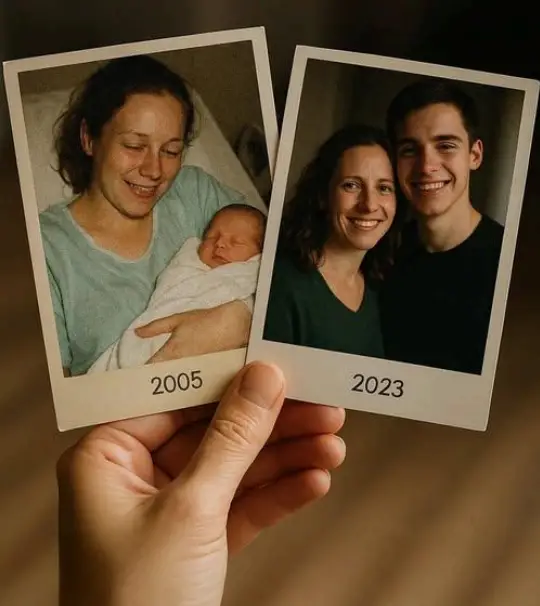
That was it. No goodbye, no regret. Just exile.

At seventeen, I found myself alone—with nothing but a duffel bag, a heartbeat inside me, and a determination I didn’t yet know I had. The baby’s father vanished within two weeks, so I worked—stocking grocery shelves during the day and cleaning offices at night. I whispered
promises to my unborn child, the kind that only desperate hope can write.

When my son was born, there was no waiting room full of family. No celebration. Just me and this fragile, perfect little boy. I named him Liam. He became my reason for everything.

By fifteen, Liam had a job at a garage. By seventeen, customers were already asking for him by name. He had my fire—but his grandfather’s skill. Life had come full circle, though I never said it out loud.

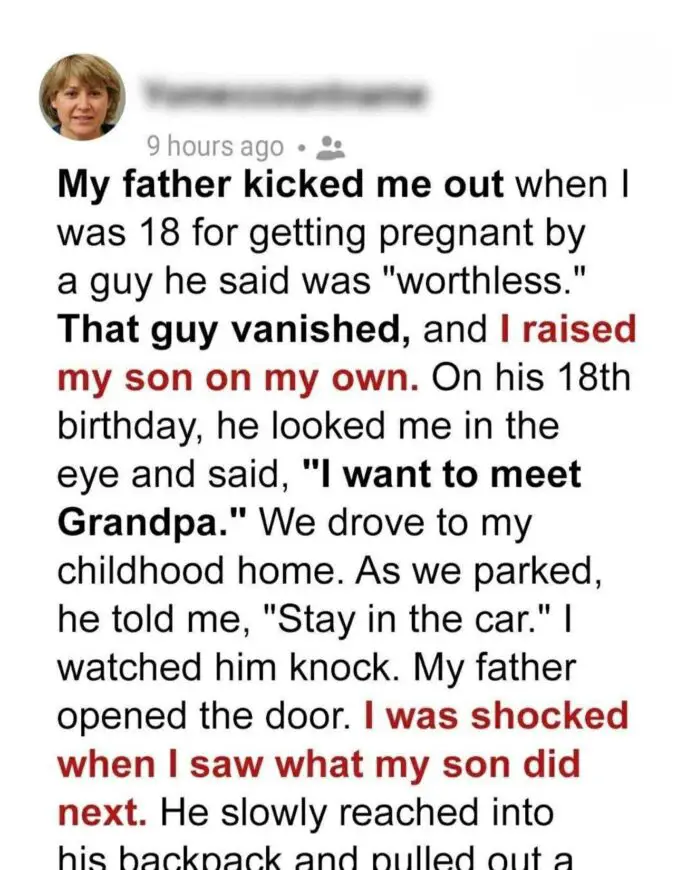
When Liam turned eighteen, I asked what he wanted for his birthday. His answer froze me. “I want to meet Grandpa.” The same man who had turned his back on us. The man who had never called, written, or even asked if we were alive. But Liam’s eyes held no anger. Just resolve. “I don’t want revenge,” he said. “I just want to look him in the eye.”

So I drove him there. Same cracked driveway, same flickering porchlight that had once illuminated my worst night. My hands trembled on the steering wheel as he walked to the door.

When my father answered, confusion crossed his face—until he saw it. The resemblance. Liam looked too much like me. Too much like him.
“Here,” Liam said, handing him a small box. “We can celebrate my birthday together.”

Inside was a single slice of cake. And then, softly but firmly, Liam said the words that stopped time: “I forgive you. For what you did to my mom. And for what you didn’t do for me.”

My father said nothing. He didn’t have to. His silence said everything. Liam took a breath and added, “Next time I come here, it won’t be with cake. It’ll be as your competition. I’m opening my own garage. And I will outwork you—not because I hate you, but because you made us strong enough to do it alone.”

Then he turned, walked back to my car, and closed the door without looking back. I couldn’t speak. My eyes filled with tears, and my heart ached—not from pain this time, but from pride. My son had done what I never could: faced the past without anger.

“I forgave him, Mom,” he said softly. “Maybe it’s your turn.” And that’s when I understood: what once felt like our rock bottom had been the foundation of our strength. We hadn’t just survived—we’d risen.

Conclusion

Eighteen years ago, I left that house broken and terrified. Today, my son walked away from it whole, calm, and unshaken. Forgiveness didn’t erase what happened, but it freed us from carrying it any further. We built a life from nothing—a life filled with resilience, love, and quiet victory.

My father lost his daughter that night, but I found something greater: the strength to raise a son who would one day teach me what grace really looks like. Sometimes, the deepest wounds grow into the strongest roots.

Please SHARE this article with your family and friends on Facebook.

Bored Daddy

Love and Peace

On Thanksgiving, my family called me a shameful single mother, and my dad yelled, ‘Get out of my house!’

Being a single mother was something my family was bothered about. They have always believed I’d be happily married, and not having a husband and raising a child on my own somehow didn’t fit their idea of what a woman “should” be.

The saw me as a disgrace, despite the fact that everything they had was financed by my million dollar company, the one I built from scratch after sleepless night and only a second-hand laptop.

The moment my father hit the table the entire room fell silent. My pulse raced while everyone was looking at me during that Thanksgiving family dinner as though I have committed a sin.

I was hurt and left the house quietly. My dad’s words, “Get out of my house!” were still echoing in my head.

I never told them that the house they were sitting in had been secretly financed by me for years, or that the SUV my sister loved showing off was courtesy of my company’s employee gifting program. No, I never rubbed my success in their faces the way they rubbed their judgment in mine.

That night, I cried in my car, but then I realized that I didn’t owe them explanations, I only owed myself my freedom.

In the morning, I logged into my company accounts and disabled every family-linked card, halted all automatic payments, and sent the bank a notice that the accounts were suspended for internal review. Then I flew to Honolulu.

As I stepped on the balcony of my villa, my daughter Lily approached and took my hand. “Mom… this is ours?”
“Yes,” I told her. “It’s all ours.”

For the first time in years, I allowed myself to breathe and didn’t care what others thought of my life choices. I had my daughter and my company, and it was all I needed.

When I turned my phone on a few days later, the messages poured in. No one apologized, they only cared of the benefits I provided them with.

“Those accounts were gifts. Gifts can be taken back,” my mother wrote. Honestly, I didn’t even read all of the messages before I blocked everyone’s number.

Somehow, life became easier and my and Lily’s days were filled with beach walks, simple dinners, and easy check-ins with my team.

A family friend later admitted people were questioning my father’s outburst.

As the days passed, I realized how long I’d carried them both financially and emotionally for the sake of being accepted and loved. I was glad I finally realized that love you have to pay for isn’t love at all.

When my lawyers confirmed every financial tie was cut, I felt myself finally let go. My success mine and my daughter’s.

What I learned the moment my dad told me to leave his souse was that sometimes the family you leave behind is the peace you gain.

Would you have walked away too?

Please SHARE this article with your family and friends on Facebook.

Bored Daddy

Love and Peace
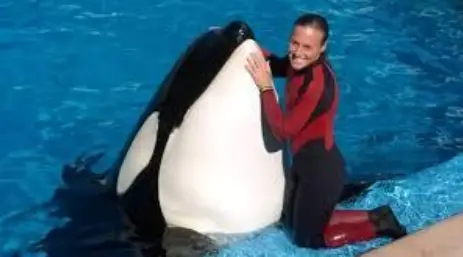
Heartbreak at the Tank: Killer Whale Accident Claims Life of Beloved Trainer

Behind the Curtain: The Tragedy at Ocean World

Was it really just a routine show, or did something go terribly wrong behind the scenes? What began as a typical performance at Ocean World ended in shock and tragedy, leaving audiences and the marine community stunned. Now, questions are emerging about the moments leading up to the fatal encounter—and whether warning signs had been ignored.

During a performance, Maris Ellington—a dedicated trainer known for her deep bond with Cairo, a massive killer whale she had cared for over several years—lost her life in a devastating incident.

This tragedy has brought to light the hidden dangers of marine entertainment, where the illusion of harmony often masks the stress and confinement these powerful animals endure. Behind the applause and cheers, risks were underestimated and warnings went unnoticed.

Maris’s death has sparked outrage and reflection among both the public and the marine community. Her story has become a catalyst for urgent discussions on safety protocols, ethical treatment, and the need for reforms that prioritize the welfare of both trainers and animals alike.

It stands as a stark reminder that our connection to nature demands vigilance, respect, and empathy—and that sometimes, tragedy is what ignites meaningful change.

Conclusion

The loss of Maris Ellington is a sobering reminder of the hidden perils in marine entertainment. Though her life was tragically cut short, her legacy fuels calls for greater compassion, stricter safety measures, and a reexamination of how humans interact with captive wildlife. Through her story, there is hope that future performances — and the animals involved — will be treated with the care, respect, and dignity they deserve.

Please SHARE this article with your family and friends on Facebook.

Bored Daddy

Love and Peace

The Surprising Link Between Blood Type and Aging—What Science Reveals

Could Your Blood Type Influence How You Age?

For years, we’ve understood that aging is shaped by diet, exercise, and genetics—but emerging research points to a surprising hidden player: your blood type.

It turns out that the type of blood flowing through your veins might subtly affect how your cells age, how your immune system functions, and how well your body withstands the stresses of time. Could the secret to aging gracefully be linked to your blood group?

Blood Type O: A Potential Advantage

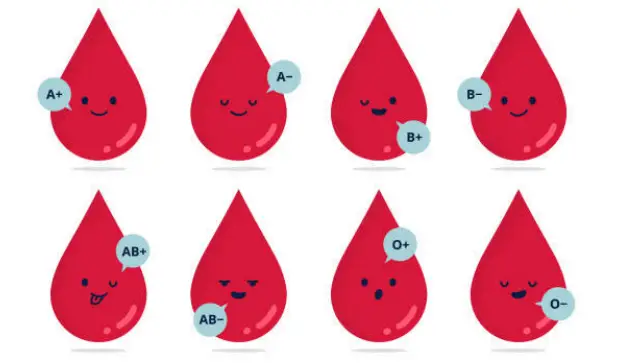
Studies suggest that people with blood type O might enjoy a slight biological edge when it comes to healthy aging. They tend to have a lower risk of cardiovascular issues such as heart attacks and strokes, along with a potentially reduced chance of certain cancers.
This advantage may be partly due to more efficient blood flow. Type O blood often supports smoother circulation and balanced clotting, which can help deliver oxygen to tissues more effectively. Over time, this may contribute to slowing some aspects of physical decline. While
lifestyle factors remain crucial, having type O blood could offer an extra layer of protection.

Blood Types A, B, and AB: Inflammation and Health Considerations

Individuals with blood types A, B, or AB might experience higher levels of chronic inflammation—a key contributor to aging and age-related illnesses. They may also be at a somewhat increased risk for high blood pressure and certain neurological conditions as they get older.

However, these risks aren’t set in stone. Experts emphasize that proactive measures—like adopting anti-inflammatory diets, staying active, and managing stress—can greatly reduce these vulnerabilities.

Oxidative Stress and Immune Response

Oxidative stress, which harms cells and accelerates aging, affects blood types differently. Some blood groups seem better equipped to withstand this damage, helping cells maintain their integrity longer. Blood type also influences immune system efficiency, affecting how well your body fights infections, repairs tissue, and manages chronic health challenges. In short, your blood type may quietly shape your body’s resilience as you age.

Lifestyle: The Ultimate Aging Factor

Despite these intriguing connections, lifestyle remains the strongest influence on how well you age.

Key factors for longevity include:

Eating a nutrient-rich, antioxidant-packed diet (think colorful fruits, leafy greens, green tea, and spices like turmeric)

Engaging in regular physical activity—whether it’s walking, swimming, yoga, or strength training

Prioritizing restorative sleep

Managing stress effectively

Avoiding smoking and limiting alcohol intake

Keeping up with routine health checkups

Your blood type might offer clues about potential health challenges, but your daily choices ultimately shape your aging journey.

In Conclusion

While your blood type may subtly impact inflammation levels, circulation, oxidative stress resistance, and immune function, it’s not the final word on your health or longevity. The most powerful tools for aging well remain within your control—through balanced nutrition, consistent
exercise, stress reduction, and mindful habits. Understanding your blood type can provide useful insights, but the story of graceful aging is written by the lifestyle you lead every day.

Please SHARE this article with your family and friends on Facebook.

Bored Daddy

Love and Peace

TikTok Star Nikki Garza’s Imagined Tragic Encounter at a Zoo Sparks Heartfelt Online Tributes

What began as a joyful day at the zoo quickly turned into a harrowing ordeal in this imagined scenario.

Nikki Garza, the vibrant TikTok star renowned for her unapologetic self-love and body positivity, found herself in a life-threatening struggle against nature’s most formidable predator.

Fans were left stunned as this fictional tragedy unfolded online—a stark reminder of how swiftly ordinary moments can spiral into the unimaginable.

In this imagined narrative, Nikki Garza, 27, was visiting the Atlanta Wildlife Park on October 9, 2025.

Celebrated for her empowering content centered on fat acceptance, queer visibility, and fierce confidence, Garza had inspired over 1.2 million followers with her humorous skits, bold fashion statements, and heartfelt conversations about embracing one’s authentic self.

That afternoon, while filming a TikTok video near the polar bear exhibit, dressed in a vibrant outfit embodying her “plus-size baddie” spirit, Nikki slipped on a slick surface and fell into the enclosure below.

The fictional account describes her desperate struggle in the icy water, surrounded by rocky terrain, and confronted by two adult polar bears. Despite swift intervention by staff and onlookers—who employed distraction tactics and rescue equipment—the injuries she sustained
were tragically severe. Emergency responders performed CPR on-site, but she was pronounced dead upon arrival at the hospital.

In reality, Nikki’s journey has been one of empowerment and resilience, as she became a role model for plus-size individuals and queer communities alike. She openly shared the challenges of growing up marginalized for her body size and identity, inspiring millions to celebrate their uniqueness. This fictional portrayal, while heartbreaking, underscores both the fragility of life and the profound impact of her real-world advocacy.

The scenario also highlights the vital importance of safety protocols and vigilance around wildlife, even in controlled settings, reminding us of the unpredictable nature of such environments.

Conclusion

Though entirely fictional, this story reflects the admiration Nikki Garza commands as a public figure and advocate. Through her unwavering message of self-love, confidence, and resilience, she has empowered countless individuals to embrace their true selves and challenge societal norms. This imagined tragedy, while somber, serves as a testament to the enduring power of her influence and the meaningful connections she has forged with her community. Above all, it reinforces the importance of empathy, advocacy, and the celebration of life in all its forms.

Please SHARE this article with your family and friends on Facebook.

Bored Daddy

Love and Peace
From Late-Night Rescue to City Hall: How One Small Act Shaped a Life—and Ours

It began as an ordinary night—a long, late drive home that took an unexpected, unsettling turn.

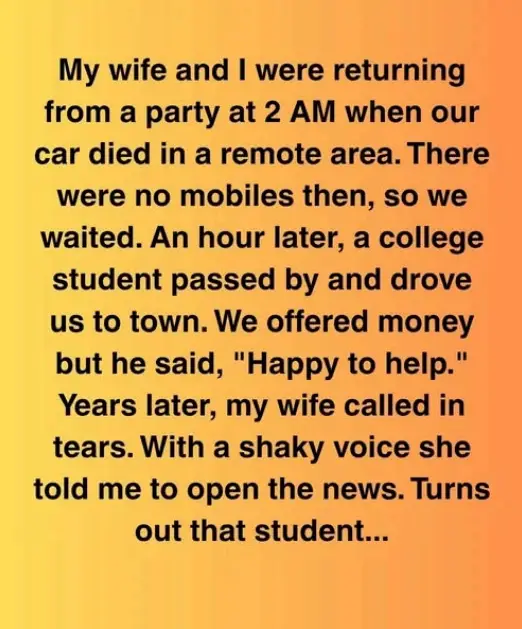
Our car broke down on a deserted stretch of road, hours away from any help, and the clock crept past 2 a.m. Just as hope was fading, a stranger appeared—a passing college student offering a ride that, years later, would reveal itself as a pivotal moment in all our lives.

My wife, Amrita, and I were stranded, phones dead, no way to call for assistance. We waited in the stillness, the chill of the night settling around us. About an hour later, a young man showed up. Lean and quiet, dressed simply, he offered us a ride into town. We tried to pay him, but he smiled and said only, “Happy to help.” That fleeting act of kindness was something we barely gave a second thought to—just one of those small, ordinary moments life throws at us.

Years passed before the news hit us like a lightning bolt. Amrita’s voice cracked as she told me: that very young man was now the newly elected mayor of our city. Zayd Nouri—a former foster youth, Harvard graduate, and someone whose face I’d never forgotten—had risen from adversity to lead.

I remembered him vividly—the quiet calm, the beat-up Corolla, the worn hoodie, the tutoring job he’d just finished that night. When I asked why he was out so late, he chuckled softly. At the time, it was just a small snapshot of a night, but in hindsight, it had quietly shaped a future none of us could have predicted.

And then I remembered something else: a complaint letter I’d filed years before, while working in city planning. I’d flagged the Bright Steps Learning Center for code violations, a bureaucratic step that unintentionally threatened the very tutoring center where Zayd worked. It was a paperwork task, an impersonal act—but for him, it carried real consequences.

Months later, when I met Zayd at City Hall, I braced for awkwardness, maybe resentment. Instead, he met me with grace. “You probably weren’t wrong,” he said thoughtfully. “Sometimes the hardest pushes are the ones we need. If that center hadn’t closed, I might’ve stayed stuck instead of seeking out new opportunities.”

That moment shifted something in me. Inspired by his resilience and generosity, Amrita and I began volunteering with local mentorship programs—working with young people whose struggles reminded us of Zayd’s journey. When Zayd launched Rebuild Roots, a city initiative
supporting foster youth and second-chancers, he invited us to join. It was a quiet nod to the ripple effect of small actions—a ride given out of kindness, a complaint filed out of duty, all converging to create a bigger story.

Zayd’s journey showed us the power of second chances. Our story reminded us that even the smallest acts—kind or unintended—leave lasting footprints. A simple ride, a bureaucratic form, a quiet conversation: all of it intertwined, teaching lessons about compassion, grace, and the unforeseen impact of our choices.

Conclusion

Life has a way of circling back, often when least expected. The student we once saw as a stranger became a leader reshaping our city—and, in ways subtle and profound, reshaped our lives too. Acts of kindness, decisions made without malice, and moments of grace echo far
beyond the moment. Zayd’s story reminds us that every gesture matters, every choice resonates, and sometimes, those we least expect become the catalysts for lasting change. In the end, it’s the quiet, unseen moments of generosity that can alter the course of history.

Please SHARE this article with your family and friends on Facebook.

Bored Daddy

Love and Peace

The untold dangers of falling in love after 60: What nobody tells you

Everyone deserves to experience love, no matter the stage at life they are at. And if you believe that love is only reserved for the young generations, you can’t be more wrong.

Truth is that love almost always comes unexpectedly and shakes our world, in one way or another.

However, finding love at certain age can feel a bit risky for some individuals, and the reasons behind that feeling are justified.

A doctor shared a story of a 67-year-old woman who sat across him at his office and said, “Doctor… I think I’m in love, and it feels like my life is slipping out of my hands.”

So why it is different when a person experiences love at their 20s and their 60s?

By the time they reach 60, most individuals have already built a full identity, including their habits, routines, emotional history, and, above all, their independence. So when someone new steps in and stirs everything up, it can hit with the force of an emotional earthquake.

And although few people ever mention it, love at this age brings real risks to their freedom, and even their financial stability.

Below are the most common challenges and how to protect yourself while still allowing room for a healthy relationship.

1. Mistaking loneliness for love

Most people over the age of 60 have experienced some kind of loss, either a divorce, death, friendships, or their children moving on. And truth is that loneliness can grow into an ache.

Then someone kind and attentive appears and the brain rushes to call that feeling love. Most often, however, it’s not love at all.

A quick romance won’t heal loneliness because true healing comes from meaningful bonds, purpose, and routines that feed your spirit. When your entire emotional world depends on one person, you hand them the power to control you.

2. The fear that “this is my last chance”

When a person in their 20s experiences break-up, they tend to recover, but at 60, that’s a whole new story because many people at that age fear that if they experience a failed relationship, they won’t find love again and see it as their last chance so sometimes they end up with a person who isn’t right for them.

Being in such a relationship pushes you to ignore red flags, rush into commitments, and idealize a person who’s practically a stranger. So whenever you convince yourself that this is your “only chance left,” you settle for less than you deserve.

3. The financial and asset risks

By this stage of life, most people have built something worth protecting: a fully paid-off home, retirement savings, investments, and a lifetime of financial stability. Unfortunately, that also makes older adults attractive targets for financial manipulation. Most partners are genuine, but there are emotional scammers who prey on vulnerable elderly individuals.

These are some warning signs to watch for before committing yourself to someone new.

  • “temporary” loan requests
  • pressure to merge finances
  • talk of changing wills or beneficiaries
  • pushing property transfers
  • isolating you from family

Don’t forget that true love doesn’t drain your bank account.

Please SHARE this article with your family and friends on Facebook.

Bored Daddy

Love and Peace
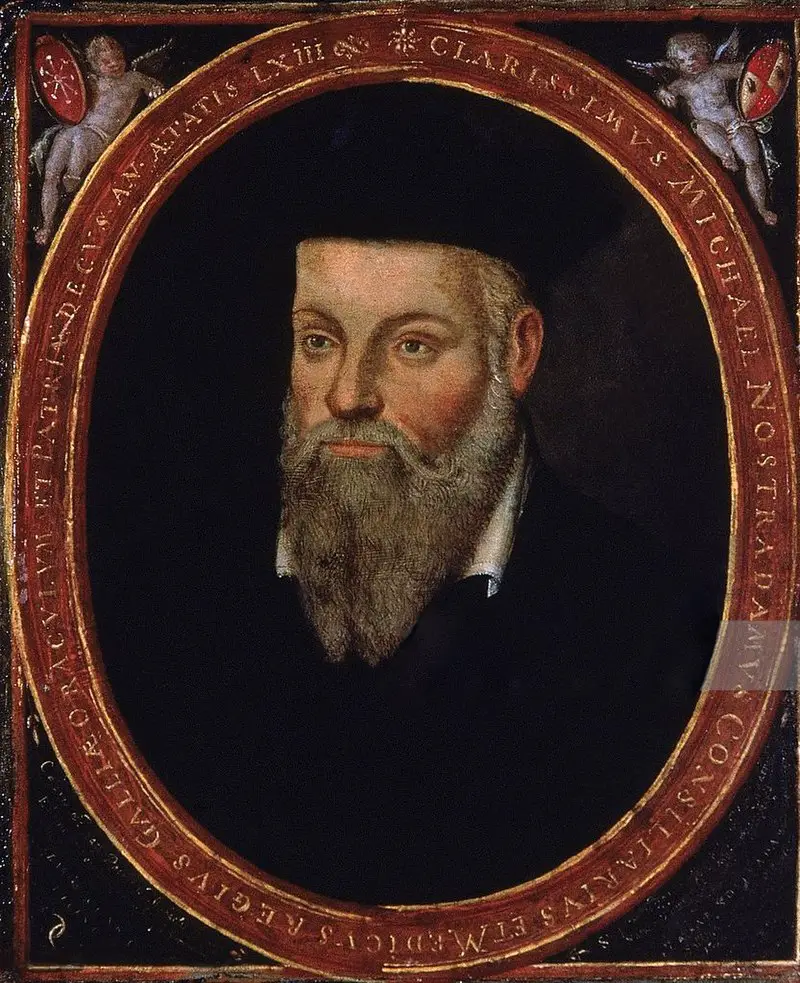
Bone-chilling 2025 predictions from both Nostradamus and Baba Vanga

The prophecies of two of the greatest prophets, Nostradamus and Baba Vanga, stunned humanity. Most of their visions about the future, which go far beyond the year we are now living in, have turned out to be true.

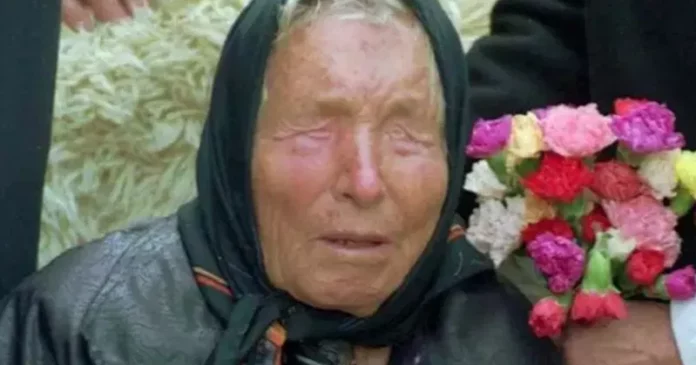
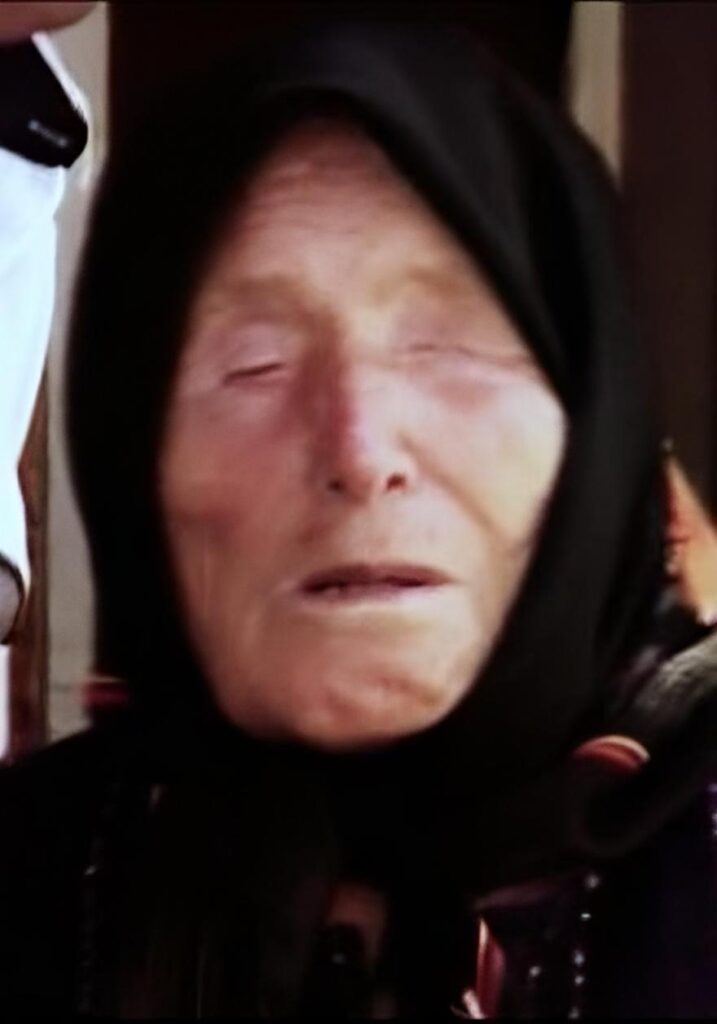
Baba Vanga, the Bulgarian blind mystic whose real name was Vangeliya Pandeva Gushterova, died in 1996. Among the predictions she made was the 9/11 attack on the Twin Towers, the same one believed to be made by Nostradamus himself.

Allegedly, back in 1989, Baba Vanga said, “Horror, horror! The American brethren will fall after being attacked by the steel birds. The wolves will be howling in a bush, and innocent blood will be gushing.”

Further, Baba Vanga predicted that the 44th president of the United States would be a black man. She also predicted the assassination of Indira Gandhi, as well as her own death.

Nostradamus, the French apothecary, physician, and reputed seer, among the rest, is best known for his book Les Prophéties, a collection of 942 poetic quatrains predicting future events. His quatrains have been re-read and re-interpreted for many, many years. Many believe that most of his predictions did come true.

It is said that he predicted the Great Fire of London. Also, Hitler’s rise to power, both World Wars, and the nuclear destruction of Hiroshima and Nagasaki. Those interested in his work, which was written in a combination of Greek, Italian, Latin, and Provençal, believe he also predicted the COVID-19 pandemic.

The year 2025

Regarding the year 2025, Nostradamus predicts the rise of a dark cult to power. Also an establishment of an underwater empire. Baba Vanga predicts the emergence of telepathy, reshaping our understanding of human potential with a futuristic twist.

Their projections also carry a dark and unsettling edge.

Nostradamus spoke of a catastrophic battle on Europe’s ground, saying, “The ancient plague will be worse than enemies,” while Baba Vanga said this fight will “devastate” communities.

Nostradamus also wrote of an asteroid coming to Earth. “From the cosmos, a fireball will rise, A harbinger of fate, the world pleads. Science and fate in a cosmic dance: The fate of the Earth, a second chance.”

Sky History writes that the French astrologer predicted the Russian-Ukrainian war would eventually come to an end when both sides get “exhausted.”

Please SHARE this article with your family and friends on Facebook.

Bored Daddy

Love and Peace