
Imagine the relief and disbelief of receiving a diagnosis at 42 for a condition that had shaped your entire childhood and had gone unrecognized for most of your life.
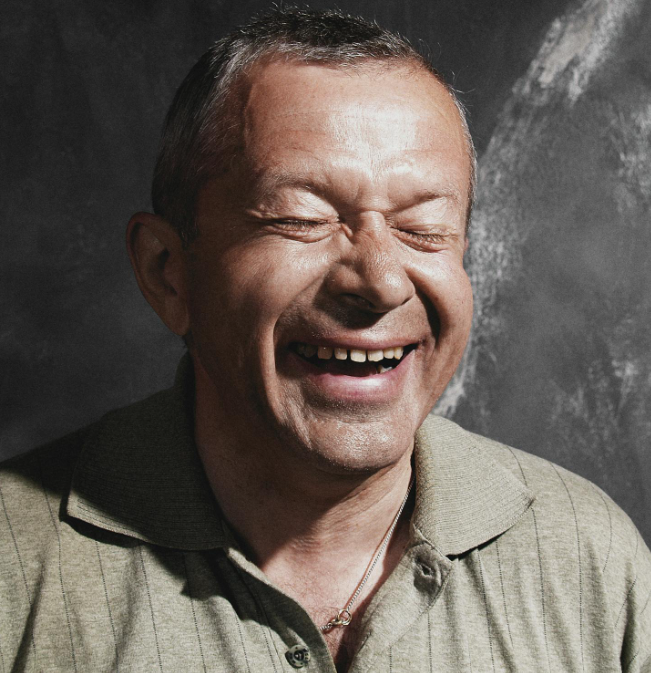
Tyler Barnett of California experienced exactly that when he was diagnosed with autism at the age of 42.
Speaking to People, he explained that this diagnosis changed everything because he lived his life “feeling like an imposter.”
As a child, many considered him to be gifted, but at the same time, doctors diagnosed with a bunch of mental health conditions including anxiety, depression, and bipolar disorder. In fact, even Tyler himself, who works as a public relations specialist, tried to figure out what was going on with his brain most of his life.
But it wasn’t until April 13, 2026, when he was officially diagnosed with level 1 autism and Attention-Deficit/Hyperactivity Disorder (ADHD). For him, it was the exact moment things fell into place.
Prior to the diagnosis, Tyler felt like he was looking on his own life from the outside, feeling a gap between him and those around him.
“I was watching a group of kids link arms and jump up and down and laugh…they were doing something from a movie I hadn’t seen or something. I was on the outside just watching,” he told People, recalling a childhood memory. “I didn’t really understand why they were doing that or why it was fun, but I felt like I didn’t get it or didn’t know how to fit in.”
Sadly, that feeling didn’t go away with time. Instead, it stuck with him throughout his adult life, too. Others advised him to try and blend in, which wasn’t an easy thing to do.
For the sake of fitting in, he started pretending in order to “make other people comfortable around me.” For him, that meant copying other people’s behaviors, something that simply didn’t come naturally to him.
Eventually, this led to something known as a “second nature,” and he no longer felt like himself.
Over the years, he sought help from therapists, but none of them got to the bottom of the problem he’s been facing his entire life.
“I saw a lot of therapists, and the thing about therapy is you can’t therapize yourself out of autism,” he said. “You can talk about your life and your problems and your parents, etc., but this is not seeing the forest for the trees. So while therapy was helpful, it actually pulled me further from the truth.”
The therapies he has received throughout the years, including anxiety, depression, and even bipolar disorder, only pulled him away from the real cause of why he was experiencing what he had been experiencing.
“Internally, I was in so much pain, exhausted, confused, scared and hiding it all,” he said.
Following the autism diagnosis, Tyler took to social media, where he has a TikTok page under the username @millenialdad, and shared in an emotional video: “Today I found out that I’m autistic and I have ADHD…I always have, and nothing’s wrong with me.
“I’ve been mislabeled and mismedicated, and misdiagnosed. I have tried to figure this out myself and I’m so relieved.”
Tyler Barnett
With the diagnosis came the relief because that constant need that he needed “fixing” faded away. “I couldn’t fix myself no matter what I did — and I tried a lot, for a long time,” he admitted. “And now I know there is nothing to fix…I am a zebra, not a broken horse.”
Eventually, he was taken off the meds for bipolar disorder.
“As I get back to my true self, I can see clearly I am perfect as I am. The world just couldn’t meet me where I was,” he shared with People. “Because when you understand autism and ADHD for exactly what they are, they can stop becoming a disability and become a superpower.”
Please SHARE this article with your family and friends on Facebook.
When it comes to global affairs, tension isn’t always seen through open conflicts or heated exchanges. In some cases, it’s all about the shift of tone, the change of priorities, or the omission of certain symbolic gestures otherwise expected to exist. Truth is, the relations of the Holy See with the US government are no exception to this trend; they are as much about collaboration as they are about careful distancing.
The relationship between Washington and the Vatican did not happen overnight; it has developed over a period of around one hundred years. The development was initiated by the meeting of Woodrow Wilson and Benedict XV, which took place in 1919. President Wilson was the first American head of state to visit the Vatican and initiate dialogue with the pontiff.
Nevertheless, it took another thirty years before the process of diplomatic interaction was normalized. Dwight D. Eisenhower started the trend of presidential visits to the Vatican when he visited Pope John XXIII in 1959. The meetings between representatives of the two states continued to occur and have become an integral part of international diplomacy.
That relationship only deepened further when Pope John Paul II visited Jimmy Carter in 1979. It was then that the conversations moved beyond formalities to focus on human rights and global cooperation, themes that still anchor Vatican diplomacy today.
President Ronald Reagan and Pope John Paul II/ David Hume Kennerly/Getty Images via Fox News
There have been moments when the Vatican and the United States found themselves closely aligned. During the Cold War, Ronald Reagan and Pope John Paul II developed a notable partnership shaped by their shared opposition to communist rule in Eastern Europe.
Their 1982 meeting is often seen as a defining moment in this relationship. Having both survived assassination attempts the previous year, the two leaders approached global affairs with a heightened sense of urgency. While the Vatican did not describe their cooperation as a formal alliance, both sides pursued overlapping goals—particularly in their support for the Solidarity movement in Poland.
This convergence of moral and political influence contributed to broader changes across Eastern Europe, which ultimately played a role in the decline of communist governments and the eventual dissolution of the Soviet Union.
Regardless of their frequent meetings, the Vatican and the United States often have two very distinct perspectives on international affairs.
For one, the Vatican has its own set of values based on moral theology. This includes values such as human dignity, poverty, and peace. The Vatican does not limit its perspective to the boundaries of any single nation. American policymakers, on the other hand, face many concrete issues. These include issues related to national security, economic development, and immigration. Even when discussing similar topics, the Vatican and American policymakers do so from very different perspectives.
Getty Images
All these differences have come out into the open during the papacy of Pope Leo XIV. In particular, the direct criticism by the Pope of the United States’ foreign policies, particularly the Iran issue, represents a sharper, more vocal approach than we’ve seen in the past.
Pope Leo has been clear: violence cannot be justified by faith, and “God does not endorse war.”
This message formed an uneasy juxtaposition with the use of moral and religious language by some American politicians concerning military activities. Public tensions arose after the vice president Vance raised objections to the pope’s theological views regarding wars, and the president himself joined the debate criticizing the pontiff.
“How can you say that God is never on the side of those who wield the sword?” the vice-president said during a Turning Point USA event at the University of Georgia, as reported by The Guardian.
“Was God on the side of the Americans who liberated Holocaust camps? It’s very, very important for the pope to be careful when he talks about matters of theology … you’ve got to make sure it’s anchored in the truth.”
A day before that, JD Vance, who converted to Catholicism, urged the U.S.-born Pope Leo XIV to “stick to matters of morality” following an earlier post on X in which the pope criticized the US-Israel war in Iran.
“God does not bless any conflict. Anyone who is a disciple of Christ, the Prince of Peace, is never on the side of those who once wielded the sword and today drop bombs,” Leo wrote.
Vatican Media/Vatican Pool – Corbis/Getty Images
Some two weeks ago, the pope spoke to reporters while traveling aboard the papal plane en route to Cameroon for an 11-day visit to Africa. Although he avoided directly responding to JD Vance’s remarks or the recent wave of social media criticism from Donald Trump—who had described him as “weak” and “terrible”—his comments suggested the ongoing dispute remained on his mind.
The tensions, which had unfolded over five days, began when Pope Leo XIV referred to the Iran war during evening prayers at St Peter’s Basilica as being driven by a “delusion of omnipotence.”
Although it is not the first time that popes and presidents have exchanged opinions on controversial issues, analysts note that what distinguishes this particular conflict from other debates is the directness of their differences. In fact, it has been called an “inflection point”—the point at which leaders sharing a common cultural background have become poles apart.
Within the realm of diplomatic discourse, every move is interpreted. Whenever there is an absence of harmony or frequency in the discussions, it becomes easy to see whether there are any fault lines. However, just because there seems to be “perceived distance,” it does not necessarily mean that all forms of communication have ceased completely. In fact, most diplomatic activity takes place behind the scenes through ambassadors and private correspondence.
Ultimately, the connection between the Vatican and the US can be viewed as two contrasting sides of the same coin. While one side of this coin is based on the teachings of God, the other side rests on the foundation of the state.
There are times when both sides align themselves, and there are times when their interests clash with each other. However, such differences do not reflect poorly on the relationship. Rather, they indicate that there are still many lessons that moral and political influence can learn from one another.
Please SHARE this article with your family and friends on Facebook.
Melania Trump is considered by many one of the most beautiful and most stunning first ladies the US has ever had.
It was back in 1987 when young Melania decided to drop out of the University of Ljubljana, Slovenia, and focus on modeling instead. It took her only a year to get a contract with a modeling agency in Milan. Her looks opened the doors to the fashion industry for her and she was very successful at what she did.
From a small town in her homeland of Slovenia to the White House, her life has been quite an adventure. Melania Trump remains a captivating presence and a name associated with elegance and grace.
Jim Spellman/WireImage
Here are some fascinating facts about Melania Trump you may not know.
1. Melania was born in Melanija Knavs on April 26, 1970, in Novo Mesto, Slovenia, making her the second first lady born out of the United States of America. The first was Louisa Adams, wife of President John Quincy Adams.
2. In her homeland, Melania attended the university of Ljubljana, where she studied architecture. However, she decided to drop out of her studies in order to pursue a modeling career.
3. After dropping out of university, it took Melania only a year to get a contract with a modeling agency in Milan.
When she met famous Italian businessman Paolo Zampolli, he helped her get a work visa to the US.
She had appearances in magazines such as Vogue, Harper’s Bazaar, and GQ.
Getty Images
4. Melania once shared that she speaks several languages, including Slovenian, English, French, Serbian, German, and Italian. However, she’s not fluent in all of them.
5. Melania received a green card in March 2001 and became a U.S. citizen in 2006, according to PBS. She has always claimed that she arrived in the country legally and never violated the terms of her immigration status.
6. Melania Trump first met her future husband at a Kit Kat Club event during the New York Fashion Week in 1998. He was with a date that night, but when he saw Melania, he immediately wanted to know more about her. The couple tied the knot in 2005 during a lavish ceremony at the Bethesda-by-the-Sea Episcopal church in Palm Beach, Florida.
She’s Trump’s third wife and is 24 years his junior.
Drew Angerer/Getty Images
7. Melania is involved in a number of charities, including Be Best program, which she launched in 2018. It aims at promoting physical and emotional wellbeing among children.
8. She is the first Catholic First Lady since Jackie Kennedy.
9. Melania Trump is a devoted mother to her son Barron Trump whom she kept out of the spotlight most of his life. During his childhood, she didn’t have nannies because she has raised him all by herself.
10. The first lady is an advocate against cyber bullying.
Alon Skuy/Getty Images
A survey recently conducted to rank America’s First Ladies has rekindled debate, but there is likely to be an unpleasant surprise for some.
As some of the country’s past First Ladies still retain their popularity several years on since they stepped down from their roles, present-day First Lady Melania Trump finds herself in a more complicated position, symbolizing the sharply polarized opinions of the American people.
In this survey of 2,255 Americans, Melania found herself among such famous First Ladies as Michelle Obama and Jackie Kennedy.
According to polling from YouGov, Melania Trump has an approval rating of -16. This places her behind her successor, Jill Biden, who scored -9—but she does not rank at the very bottom.
The holder of that title is Hillary Clinton, whose approval score was -17. On the whole, one can notice that negative approval scores for political figures are rather common nowadays.
However, there were some First Ladies who enjoyed the support of voters from various ideological backgrounds.
Among them:
Nancy Reagan (+25)
Rosalynn Carter (+32)
Lady Bird Johnson (+23)
Barbara Bush (+21)
Michelle Obama (+21)
Laura Bush (+19)
Joe Raedle/Getty Images
But towering above all these other figures in terms of popularity and influence was none other than Jacqueline Kennedy Onassis with an impressive approval rating of +56.
The poll also reflected a familiar pattern: Melania Trump performed much better among Republicans than Democrats, mirroring the broader political divide tied to her husband’s presidency.
Explaining its methodology, YouGov said:
“A random sample (stratified by gender, age, race, education, geographic region, and voter registration) was selected from the 2019 American Community Survey.
“The sample was weighted according to gender, age, race, education, 2024 presidential vote, 2020 election turnout and presidential vote, baseline party identification, and current voter registration status.”
The poll comes as a documentary about Melania Trump becomes popular, earning $7 million during its opening weekend, with Amazon reportedly paying $40 million for the rights and another $35 million for promotion.
The poll also surveyed former American presidents, and the results were just as shocking. Donald Trump came in last place among the 20 presidents that were surveyed, with a net approval rating of -20. Right behind him was Joe Biden, who came in second as the least popular president in the poll.
Nearly 48 percent of respondents rated Donald Trump as “poor,” while an additional 6 percent described his performance as “below average.”
If you found these facts fascinating, please SHARE this article with your family and friends on Facebook.
There is nothing more frustrating than waking up in the middle of the night to be faced with having your child, or yourself, scratching uncontrollably.
While the discovery of tiny intestinal parasites is enough to make any parent’s skin crawl, the reality is that pinworms are a standard part of childhood for millions of families. In fact, they are easily treated, and even though they may look gross, they don’t say anything about your household hygiene.
If you are going through a “wiggly” experience at the moment, then it’s worth keeping in mind that you are definitely not alone in the struggle. This guide takes an in-depth look at the lifespan of these hitchhikers, what makes them tick, and how to get rid of them once and for all.
What Exactly Are Pinworms?
Pinworms, medically referred to as Enterobius vermicularis, are minute, white, worm-like parasites. Typically growing up to a maximum of 1.5 cm (the length of a staple), they resemble tiny pieces of dental floss. Despite their ominous name, they are some of the most widespread parasitic diseases in the world, especially among schoolchildren and people living in close quarters.
These worms live primarily in the human large intestine and rectum. In contrast to other parasites, which are much more aggressive and travel to the lungs and liver or deprive you of nutrients, they simply live in your intestine without doing any damage to you. Nevertheless, they are experts in irritating you and keeping you awake at night.
The Hygiene Myth
It is vital to address the stigma: having pinworms is not a sign of being “dirty” or “poor.” The eggs of pinworms are so small and durable that the transmission occurs everywhere, from playgrounds to offices and schools, simply because they are very difficult to detect. People who are most attentive to their hygiene can face this problem when they touch a handle on a shopping trolley or take out a library book that has been touched by someone infected with pinworms.
The Midnight Itch: The Science of Nighttime Symptoms
A typical symptom of pinworm infection is severe itching around the anus, which worsens during nighttime hours. However, it is not mere coincidental; instead, this is a carefully planned tactic by the parasite in order to survive and reproduce. To comprehend the reasons for the increase in itching during nighttime hours, one must focus on what the female pinworm does during her “night shift.”
The migration: As the body of the “host” comes to rest and its temperature is regulated, the female pinworms move from the intestines to the anus.
Egg-Laying: At the destination, she proceeds to lay thousands of microscopic eggs around the anus area.
Biological “glue”: The female pinworm produces a glue-like substance to adhere the eggs to the host’s skin. This glue-like substance, when mixed with the physical motion of the pinworms themselves, creates the itchy, prickling feeling that the host suffers from.
Scratch and spread cycle: The itching causes an involuntary reaction to scratch. As a result of being so tiny and sticky, the pinworm eggs can get stuck beneath nails, on pajamas, or bed sheets, which means that inevitably some eggs will end up in the mouth of another human host.
The NHS emphasizes that this specific nighttime itching is one of the primary diagnostic signs that pinworms are present and should be the first red flag for parents.
Pinworms are extremely infectious. The life cycle of pinworms is straightforward, elegant, and very efficient when it comes to infecting the whole household. To stop the cycle, one needs to know all the pathways of transmission.
The fecal-oral route
This is the most common mode of transmission. When an individual scratches the irritated area, the eggs stick under their fingernails. Then, the individual puts their fingers into the mouth or even eats some food. The eggs enter the digestive tract and hatch there, after which the larvae go to the large intestine.
Surface Contamination
Pinworm eggs are surprisingly resilient. They can survive for two to three weeks on various surfaces, including:
Bed linens and pillowcases
Towels and washcloths
Stuffed animals and toys
School desks and cafeteria tables
Bathroom faucets and doorknobs
Airborne Inhalation
It may seem as though it comes straight out of a horror film, but because of the weightlessness of the eggs, they are capable of becoming airborne. Just shaking out a pair of sheets that have been infested will cause the eggs to take flight in a cloud-like formation. If someone breathes them in or swallows them, they will become infected.
The Reinfection Loop
The most annoying thing about pinworms is their ability to form a “loop reinfection.” Even if you treat yourself with drugs to eliminate the adult worms, the eggs already present in your surroundings could find themselves in your mouth within a week, initiating another cycle of infection.
Wikipedia
Identifying the Symptoms
Of course, not all individuals display symptoms; there are carriers who have a small “worm load,” but who remain asymptomatic. For others, you should notice:
Primary symptom: Continuous itching sensation in the anal and/or vaginal areas, beginning about one hour after the person lies down in bed.
Behavior changes: Kids tend to be cranky, hyperactive, or “fidgety” during the day due to their lack of deep REM sleep.
Physical observations: In a few instances, it is possible to observe the tiny, white, wiggling worms yourself by shining a light into the child’s anal region a few hours after he falls asleep.
Secondary problems: It is also possible for the parasites to migrate to the vagina in girls, resulting in itching and/or discharge.
Diagnosis and the “Tape Test”
When an infection is suspected, physicians do not opt for costly blood work or stool analysis, as the eggs are not commonly detected in stool specimens. Rather, physicians prefer the “tape test” method.
How to perform the Tape Test
Immediately after waking up, when the patient has not showered or gone to the bathroom, apply a piece of transparent tape to the skin surrounding the anus.
The tape collects any eggs or worms that have been laid during the night.
Stick the tape onto a slide or into a plastic bag to be analyzed under a microscope by a health care provider.
According to the CDC, performing this test three mornings in a row significantly increases the chances of a correct diagnosis.
Fortunately, pinworm infection responds well to treatments. Unfortunately, the whole family must be treated for pinworm infection.
Medical Treatment
There are usually only three drugs used by doctors:
Mebendazole – The most commonly prescribed drug.
Albendazole – Another effective drug against parasites.
Pyrantel Pamoate – The drug that is sold without prescription (Pin-X or Reese’s Pinworm Medicine).
Two Doses: Because these medications kill the adult worms but not the eggs, a second dose is mandatory exactly two weeks after the first. This kills any worms that hatched from eggs that were swallowed during the initial treatment period.
Treating the Whole Family
Treating just the patient with the symptoms is a frequent mistake. Since pinworm infections spread very rapidly, chances are that other family members have silent infections. If one does not treat all members simultaneously, a cycle of exchange of pinworm infections can take place, a ping-pong effect.
The Total Cleaning Protocol
The medication takes care of the worms within your body; however, your home may be considered a “minefield” of eggs. In order to break this cycle, the following steps need to be done diligently for at least three weeks:
Morning shower: All members of the household should take a shower upon getting up each morning. This way, you will wash off eggs that have been produced while sleeping. It is preferable to shower rather than bath because in a bath tub you would sit in contaminated water.
Hot water laundry: Towels, sheets, and underwear must be washed in the hottest water possible. The clothes should also be dried under the highest heat setting.
Sunlight: Leave the windows open. Pinworm eggs are susceptible to ultraviolet rays, therefore, the brighter the room, the better.
Nail clipping: Trim the fingernails short on a daily basis. Eggs may find refuge there, and shorter nails mean better hand washing.
Surface cleaning: Make sure to clean the surfaces which you come in contact with most frequently. This includes cleaning toilet seats, flush handles, and doorknobs.
Common Myths and Misunderstandings
“Are pets to blame?”
The most common misconception. Pinworms are strictly human parasites. Your cat, dog, and even hamsters will never get pinworm infections. When you find out your pet has worms, it’s another type (roundworms or tapeworms), and the treatment should be approached differently.
“Is it because I don’t clean enough?”
Certainly not. Once again, let me remind you that pinworm eggs are invisible to the naked eye. No matter how much you clean your apartment, you’ll probably still end up having at least one of those eggs land on your food. It’s just biology!
“Are they dangerous?”
Despite their fearsome name, pinworms are classified as “nuisance” parasites. They won’t cause any significant harm or illnesses and complications from the infection are exceedingly rare. The only problem is the secondary bacterial infection when children scratch themselves so badly that they wound themselves.
Conclusion
Getting rid of pinworms is something of a coming-of-age ritual for many families. This is a very frustrating experience, as well as an itchy one, and sometimes an exhausting one, as well. However, knowing that the worms have a 14-day cycle, and the eggs survive up to three weeks will give you control over the situation.
Using both the medication regimen consisting of two doses, showering each morning, and employing a scorched-earth policy towards laundry, you can get rid of pinworms and regain your comfortable nights of sleep. You can do it, and soon enough you’ll be able to put “midnight itch” behind you.
*Medical Disclaimer: This content is for informational purposes only and is not medical advice. Always consult a qualified healthcare professional for diagnosis and treatment.
Please SHARE this article with your family and friends on Facebook.
Very often, we procrastinate and put important things, like regular doctor checkups, off and we only realize the consequences of our actions when it is too late.
A young woman named Cheryl Murray noticed a tiny lump on her foot when she was just 15. At the time, doctors brushed it off as something not serious, believing she torn a ligament following a slip and fall.
Cheryl herself didn’t think it was anything serious although it grew to the size of a golf ball over the course of ten years.
When Cheryl started dating her boyfriend David, she was too embarrassed to tell him about the lump but he noticed she had issues with her leg and confronted her about it.
“David asked me what was wrong with my foot. I replied that it was torn ligaments, but he could tell it wasn’t, that it was more serious,” Cheryl recalled.
“I was ashamed of it,” she admitted while talking to Daily Mail.
As expected, he urged her to see a doctor, and she finally listened.
Once at the hospital, doctors ran a bunch of tests and the results were worrying. The lump turned out to be cancer affecting the connective tissue. The X-rays, a biopsy, and an MRI all indicated Cheryl had sarcoma.
Since Cheryl waited too long before seeking help, it was too late for anything to be done and her leg needed to be amputated to her knee in an attempt to prevent the cancer from spreading further.
“I never ever believed it would be anything severe,” she stated. “I was hysterical, I was so shocked I could not speak. I seemed like I had actually been typed the face two times in one day.”
She’s now sharing her story in an attempt to raise awareness of the importance of visiting a doctor when something doesn’t seem right, even if that’s something we believe is not harmful.
As explained by the Cleveland Clinic, sarcoma is an uncommon type of cancer that develops in the body’s connective tissues—such as muscles, tendons, fat, blood vessels, and nerves. It can occur in many areas of the body, though it most often begins in the arms or legs.
The exact cause of sarcomas isn’t fully understood. However, they are seen more frequently in adults, particularly in those who have previously received radiation or chemotherapy for other cancers. There are several forms of sarcoma, including:
Osteosarcoma, which affects the bones
Chondrosarcoma, which develops in cartilage
Ewing’s sarcoma, which starts in the bone marrow
Because symptoms can differ depending on where the tumor forms, these cancers are often difficult to recognize early on. Some warning signs may include:
Persistent swelling that doesn’t go away
Lumps or deformities in bones or under the skin
Chronic pain in a specific area
Muscle weakness or loss of mobility
Changes in walking or coordination
Cheryl’s experience is a strong reminder to pay attention when something doesn’t feel right. She was fortunate—her life was saved, but only after she chose to trust her instincts and her now husband’s urging to see a doctor.
“10 years I’ve been fighting the good fight 🎗️Soft tissue sarcoma is such a rare cancer and unfortunately one that…
“If I hadn’t shown him the lump, I probably would’ve ignored it even longer,” she said.
Please SHARE this story with your family and friends on Facebook.
As part of their four-day US visit, King Charles and Queen Camilla visited the National 9/11 Memorial in lower Manhattan where were welcomed by former NYC Mayor Michael Bloomberg, who is also the chairman of the 9/11 Museum and Memorial, and Beth Hillman, its president and CEO, who gave them a tour of the site. The royal couple also met with the current New York City Mayor Zohran Mamdani.
King Charles and Mayor Zohran Mamdani spoke briefly and were seen laughing.
Previously, Mamdani said he wouldn’t be meeting the king in private and the reason why enraged many who claimed the mayor has a hard time “set aside his obsession with colonialism,” according to Deccan Herald.
Namely, while Mamdani did greet the king, he made it clear he won’t accompany them on the tour. On Wednesday morning, Joe Calvello, the mayor’s press secretary, said in a statement, “The mayor will not meet privately with King Charles. But the mayor will be at the wreath-laying ceremony today.”
When asked whether he would have a private audience, Mamdani said, “If I was to speak to the king separately from that, I would probably encourage him to return the Koh-i-Noor diamond.”
X/Sky News, Getty Images
The remarkable 106-carat Koh-i-Noor is mounted in the crown that was once worn by Queen Elizabeth The Queen Mother. It was presented to Queen Victoria in 1849, and ever since, it has been the center of ongoing controversy, with debates over its rightful ownership continuing to this day.
According to critics, the striking jewel—often likened to the size of a hen’s egg—was taken under unfair circumstances from Duleep Singh, then just 10 years old, after the British seized his kingdom. The Guardian requested a response from Buckingham Palace, but the palace chose not to comment on whether the diamond might be returned.
The actions of Zorhan Mamdani did little to impress the editorial board of the New York Post. The outlet—consistently critical of him during his campaign and early mayoral tenure—wrote, “Of course Zohran Mamdani couldn’t manage a decent welcome for the king of England: That would’ve required maturity, grace and humility that our mayor just doesn’t have.
“Showing respect for the king is showing respect for Britain, yet Mamdani couldn’t resist showing disrespect,” the editorial wrote and emphasized that British royals have historically been greeted with enthusiasm by New York City mayors, recalling how Robert F. Wagner Jr. hosted a celebratory ticker-tape parade for Queen Elizabeth II during her 1957 visit.
“But Mamdani couldn’t bother with any such gestures; he couldn’t even set aside his obsession with colonialism, telling reporters he hoped to push Charles ‘to return the Koh-i-Noor diamond’, a 105-carat gem originally from India and now on display at the Tower of London,” the editorial said.
“Mamdani’s inexperience is no excuse for letting his personal passions blind him to the duties of his high office,” the editorial said, calling out his “addiction to performative displays.”
“At best, his youth means there’s a chance he’ll learn from his graceless mistakes, and do a bit better the next time he’s called to represent all the people of New York City,” the editorial added, as reported by Deccan Herald.
A spokesperson for the royal family declined to respond to Mr Mamdani’s remarks, according to Politico.
Francis Dias/Pool/via Samir Hussein/WireImage/Getty Images
Earlier, Buckingham Palace issued a response after Donald Trump claimed that King Charles III agreed with him that Iran should not be permitted to acquire nuclear weapons. Members of the royal family are expected to remain politically neutral, yet Trump told guests on Tuesday night that the US would never allow Iran to obtain such weapons and suggested the King shared his stance.
“Charles agrees with me even more than I do,” Trump said. In his own comments later, the King did not speak about Iran or the Iran war.
A Palace spokesperson responded: “The King is naturally mindful of his government’s long-standing and well-known position on the prevention of nuclear proliferation.”
Please SHARE this article with your family and friends on Facebook.
The human skin has amazing communication capabilities. It blushes if we feel embarrassed; it gives us goosebumps when we feel cold; and sometimes, it grows little mysterious white patches seemingly out of thin air.
Have you noticed little white spots or patches appearing on your skin lately? Don’t panic; you’re not alone! Most people’s first reaction to these patches is fear—they could be fungi, they could be permanent, and they could be an indication of some internal problem.
The good thing is that most small patches on the skin are actually harmless from a medical point of view. Nevertheless, taking into consideration that the skin plays such an important role in our confidence and appearance, figuring out the “why” behind all the changes is absolutely necessary. What happens is that there is some depletion of melanin, which gives the skin its natural color, or this substance stops being produced in certain areas.
We will go through all the causes behind the appearance of these spots, as well as find out how they develop and what can be done about them.
1. The Most Likely Culprit: Idiopathic Guttate Hypomelanosis (IGH)
If you are above the age of 30 and have seen very small, porcelain-like white spots on your shins or forearms, chances are that what you have is called Idiopathic Guttate Hypomelanosis (IGH). Though the name sounds scary, it is one of the most common skin problems.
In medical terms, “idiopathic” denotes the unknown cause of the problem, “guttate” is the term for the tear-drop shape, and “hypomelanosis” means the absence of pigment. As indicated by studies published in numerous dermatological periodicals, IGH is basically a manifestation of “aging of the skin” plus prolonged UV irradiation. The rays of the sun over decades may impair melanocytes (cells producing pigmentation) in isolated and localized sites; the cells just “shut down.”
Appearance: Pale patches in a flat and smooth form measuring from 2mm to 5mm across.
Location: Usually the shins, forearms, and occasionally the face or upper back.
As the cells responsible for producing the coloration in these areas often cease to function altogether, “repigmentation” is not an easy task. However, preventing additional exposure to the sun’s UV rays is essential to avoid developing more sunspots. Some dermatologists use topical retinoids or gentle dermabrasion to blend these sunspots together, but most individuals opt to leave them as they are.
2. The Living Landscape: Tinea Versicolor
But what about those cases where white spots aren’t caused by the sun, but by something else living on your skin? It’s a type of fungal infection called tinea versicolor that results from too much growth of yeast called Malassezia.
Malassezia resides on everybody’s skin; it is a normal part of our microbiota. Nevertheless, in hot and moist conditions, or when skin is especially oily, this yeast tends to overgrow. Once Malassezia overgrows, it starts producing an acid affecting the process of melanin formation. Thus, spots with reduced pigmentation (sometimes hyperpigmented spots) appear.
Appearance: White, pink, or light brown spots, having a thin and scaly coating. The latter can be easily spotted upon gentle scratching.
Behavior: Typically, such spots are more noticeable after being exposed to the sun as the yeast inhibits their tanning, whereas other skin remains darkened.
Tinea versicolor is easily treated with clotrimazole or miconazole cream from the local drug store. It is also suggested that individuals suffering from tinea versicolor use anti-dandruff shampoos which contain either selenium sulfide or ketoconazole, but they have to use them as a body wash instead. They have to apply this solution on the affected area, wait for five to ten minutes, and then wash it off.
Misdiagnosed as other, more severe illnesses, pityriasis alba is common in families with children and adolescents. In most cases, pityriasis alba is seen as a mild form of atopic dermatitis.
While in IGH there is smoothness, the patches in Pityriasis alba begin as red and scaly patches. After the inflammation goes down, there will be a pale and dry patch left behind. It is most prevalent among children suffering from asthma or hay fever.
Appearance: Circular or oval lesions found mostly on the cheeks, chin, or upper arms.
Seasonality: It becomes very apparent during the summertime. This is not due to exposure to the sun, but rather because the white spots do not tan, and thus, the contrast between the two becomes more pronounced.
DermNet NZclassifies this as a self-limiting condition, meaning it eventually goes away on its own as the child reaches adulthood.
Treatment and Care
The goal here is hydration. In this case, the treatment would involve the rehydration of the skin. It is recommended that you apply a thick moisturizing lotion without any smell two times a day. In case the patches appear red or irritated, then a hydrocortisone cream available over the counter could be applied for a couple of days.
4. Vitiligo: When the Immune System Intervenes
Perhaps the most well-known cause of white patches is Vitiligo. This is an autoimmune condition where the body’s immune system mistakenly attacks and destroys its own melanocytes.
Vitiligo is distinct because the loss of pigment is usually complete—the patches are “milky white” rather than just “pale.” It affects approximately 1% of the world’s population and can start at any age.
Appearance: Clearly outlined chalk-white patches that tend to be symmetrical, with matching locations such as the two elbows, both knees, or both sides of the face.
Course: It may be variable, where some individuals develop small patches that remain constant while others continue to spread for decades.
The NIAMS stresses that although vitiligo does not cause pain or is contagious, it has important psychological implications.
Modern Medical Breakthroughs
Vitiligo treatment has improved dramatically in the past few years. Not only does UVB light therapy and steroid creams provide relief, but there is also a brand-new group of medications called JAK inhibitors which help “shut down” the autoimmune response, thus enabling pigment to reappear. If you think that you might have vitiligo, visiting a dermatologist would be your best course of action.
If you are trying to figure out which condition matches your skin, use this comparison table:
Feature
IGH (Sun Spots)
Tinea Versicolor
Pityriasis Alba
Vitiligo
Texture
Smooth
Slightly Scaly
Dry/Rough
Smooth
Edges
Blurry/Small
Defined
Faded/Blurry
Very Sharp
Itchiness
Never
Sometimes
Rarely
Never
Typical Age
30+
Teens/Young Adults
Children
Any
Sun Impact
Caused by sun
Made more visible
Made more visible
High burn risk
Essential Skin Care Strategies
Whether the cause is known or not, the treatment of any white spots must be approached with two strategies – keeping the skin protected and healthy.
The Non-Negotiable: SPF 30+
Once the skin loses its coloration, it loses one of its major forms of protection from DNA damage caused by sunburns. White patches burn quicker than normal skin does. Therefore, wear sunscreen every day without fail, even when the weather is gloomy, to prevent what dermatologists call a “contrast effect.”
Barrier Repair
In cases where you have Pityriasis Alba, or generally dry skin, the “moisture sandwich” method should work well for you. You can put on your hydration serum or just water on your skin first, then follow with a rich moisturizer that includes ceramides.
Balance Your Microbiome
In case you tend to get those fungal related skin spots (tinea versicolor), make sure you dress in cotton or linen clothes. Polyester or other synthetic fabrics hold sweat and heat close to your skin, causing a greenhouse effect for the yeast.
Even though the skin disorders mentioned above are among the most frequent, there are also less common skin disorders such as Lichen Sclerosus or even rare skin lymphoma that may be manifested by white spots on the body. If any of the following symptoms occur, it is advisable to consult a dermatologist:
Rapid and sudden appearance of the patches. Patches cause thickening, pain, or bleeding of the skin. Patches occur in the genital region. Loss of color leads to severe emotional distress.
A dermatologist may use a Wood’s Lamp (a special UV light) to look at your skin in a dark room. Under this light, vitiligo glows a bright “blue-white,” while fungal infections may glow a dull yellow or green, allowing for an instant and accurate diagnosis.
*Medical Disclaimer: This article is for general informational and educational purposes only and is not intended to be a substitute for professional medical advice, diagnosis, or treatment. Skin conditions can vary widely between individuals, and symptoms that look similar may have different underlying causes. Always seek the advice of a qualified healthcare provider or dermatologist with any questions you may have regarding a medical condition. Do not disregard professional medical advice or delay seeking it because of information you have read here.
Please SHARE this article with your family and friends on Facebook.
Most of us have been taught that taking a shower every day is a sign of good hygiene, and most times, good hygiene means better health. But does this rule apply to the elderly people, too? Well, according to research, it doesn’t.
In fact, health experts believe that people over the age of 70 should avoid daily showers, and the reasons are various.
Pexels
1.Aging skin is different
Whether we like it or not, our skin changes naturally as we age. Over 70, it usually becomes thinner, drier and more sensitive. Sebaceous glands—responsible for producing natural oils— slow down, natural moisture is produced in lesser amounts, and the skin’s protective barrier weakens over time, making it more difficult to keep hydrated and protect itself from bacteria.
Daily showers, particularly with hot water and soap, can strip the remaining natural oils from the skin. In the long run it may lead to dryness, itching, irritation, and small cracks that may remain undetected for some time. Minor breaks in the skin such as these can let infections in, and older bodies generally have more difficulty fighting them off.
Because of this, gentle skincare becomes more important than ever—focusing not just on cleanliness, but on maintaining moisture and protecting the skin’s natural barrier.
Our skin harbors billions of friendly bacteria that protect us from invading harmful germs. Showering regularly, particularly with antibacterial or heavily fragranced soaps, can interfere with this balance. When beneficial bacteria are rinsed away too often, the skin is more susceptible to rashes, fungal infections, and inflammation.
Physicians now acknowledge that a “too clean” existence can actually undermine the natural defenses of the skin, especially in the elderly. It doesn’t imply that we should forget about hygiene; rather, we should approach it more intelligently. By using less harsh cleansers, cutting down on showering our entire body, and instead concentrating on maintaining our skin’s barrier, we could maintain this fine balance. In some cases, safeguarding the skin microbiome becomes equally critical compared to cleansing the dirt or sweat off our skin.
Taking daily showers also increases the chances of fatigue and falls, because showering isn’t just about staying clan but it also involves physical activity. People over the age of 65 may be at higher risk because of the slippery shower, the extended standing periods in the shower, and the hot water.
Falls are a major cause of injury in the elderly. Showering daily can increase that risk unnecessarily, particularly among those who have problems with balance, arthritis, low blood pressure or muscle weakness.
Additionally, the heat from the water might lead to lowered blood pressure, causing dizziness. When combined with fatigue, this makes it more difficult for one to retain balance during a shower. It is quite dangerous since even slight trips may result in broken bones, especially since bones become weaker as people grow older.
It is important to take some measures in order to avoid these potential dangers. The use of non-slip mats and the installation of grab bars can go a long way toward achieving safety while showering. Other preventive measures include lowering water temperatures and reducing the duration of the shower.
Here’s an important truth: staying clean doesn’t require showering every day.
That being said, you don’t have to shower every day to be clean. Most dermatologists and geriatric care providers believe it is generally acceptable for people aged 65 and over to not shower daily and to instead shower about 2-3 times a week, unless there is heavy sweating, incontinence, or a medical condition that requires more frequent washing.
On non-shower days, the minimal hygiene can be as simple as washing your face, hands, underarms and groin, changing clothes as needed, and taking a warm, damp cotton ball to your face for a more in-depth clean. It’s a way to keep the skin clean but not irritated.
However, at the same time, placing emphasis on gentleness can also produce tangible results. Mild, unscented soaps, the application of moisturizer post-bathing, and clothing made of light materials can all contribute to maintaining the body’s comfort while ensuring that its natural protective barrier remains intact. Personal care regimes can also be modified according to individual preferences and lifestyles; what truly counts is regularity and comfort, rather than rigid adherence to a certain set of rituals.
Pexels
5. Soap is not always necessary
A widely held belief is that all showers should include washing with soap all over the body, but that is not necessarily the case, particularly among the elderly population. With increasing sensitivity of the skin as we grow older, washing with soap can sometimes lead to drying out of the skin and irritation. Different areas of the body secrete different amounts of oils and sweat; therefore, their washing requirements vary.
Many dermatologists recommend being selective in our choice of which areas require washing with soap. The underarms, groin, and feet are some places that must be cleaned daily. In contrast, other parts of the body do not require soap and can be washed only with water.
Even though taking long showers may seem like a great way to unwind, it might be detrimental to the skin in the long run, particularly aging skin. Aging skin tends to become less oily, making it drier and more prone to wrinkles and other skin conditions. The prolonged exposure of the skin to water results in the softening and increased permeability of its external layers.
Therefore, the natural oils of the skin are washed out easily, thus leaving it susceptible to dryness and sensitivity after the shower. Hence, it would be best if you took short showers, preferably within 5-8 minutes, to maintain healthy skin. Moreover, taking short showers helps avoid exhaustion and strain due to prolonged standing.
7. What you do after showering matters just as much
The skincare routine does not stop the moment your shower ends. In fact, at times, what happens after taking a shower is even more significant than during a shower.
Once you get out of the shower, it starts losing moisture quite rapidly as you dry. If you want to avoid the sensation of feeling your skin tighten and become somewhat uncomfortable, you need to do something about it.
It would be helpful to pat your skin dry gently instead of rubbing, causing further irritation. It is also advisable to apply moisturizers as soon as possible after a shower. The reason for this action is that doing so helps you seal moisture when your skin is still damp.
Conclusion
At 65 and over, you don’t need to shower daily, as that can dry out your skin and potentially make you more prone to falls. Shower less frequently, bathe in lukewarm water and use mild soap, apply moisturizer afterwards, and pay attention to your body, and remember, cleanliness should support health, not compromise it.
Please SHARE this article with your family and friends on Facebook.