


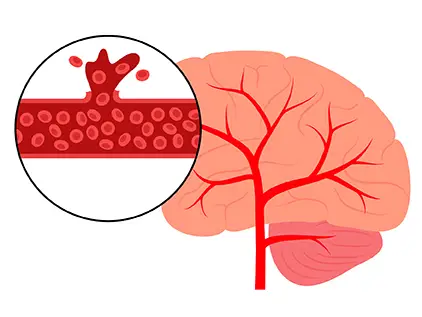
A stroke occurs without warning. It happens “when blood flow to the brain stops, and brain cells in the area begin to die,” as per Healthline.
When a stroke happens, the clock is your worse enemy. It’s a situation when the blood flow to the brain is either abruptly cut or severely restricted, which basically starves the brain cells of oxygen and nutrients they need in order to survive. Since the cells start dying in mere minutes, one of the most important things to do in case of a stroke is to seek medical help as soon as possible. The faster you get treatment, the better the chances of preventing brain damage and actually making a full recovery. When it comes to strokes, there is no “wait and see” period, and time and speed are the only things that matter.
According to the guidelines for the Early Management of Patients With Acute Ischemic Stroke published by the American Heart Association (AHA) and American Stroke Association (ASA) in 2018, people treated with “a blood clot-dissolving drug within 4.5 hours of symptoms have a greater chance of recovering without major disability.”
In order to be able to act quickly in case you or someone else experiences stroke, you need to know what you are looking for. You need to recognize the red flags before they start happening.
As per the Stroke Association, some of those signs are:
Face Weakness: Check if the person can smile and whether their face and eyes drop.
Arm Weakness: Can the person raise both their arms and keep them in that position?
Speech Problems: Is their speech slurred? Do they speak clearly and understand what you say to them?
Time to call 999: If you notice any of this signs, seek medical help.
This test is known as FAST.
Although there are no warning signs that may indicate a stroke will happen, a 2020 study published in The Journal of Headache and Pain suggests that around 15% of 550 adult participants who had suffered an ischemic stroke experienced sentinel headache before.
Transient ischemic attack (TIA), often called a “mini-stroke” occurs when blood flow to the brain is temporarily blocked, causing stroke-like symptoms that typically last for a few minutes or hours. TIAs should never be ignored.
As per the research, these headaches started within seven days of a stroke and lasted until the stroke happened.
One-third of individuals who have experienced TIA will suffer a more serious stroke in the future.
Although a TIA can be considered a warning sign for a stroke, the number of people who suffer an acute stroke within 90 days after a TIA has decreased in recent years, as per a recent research published in Jama Network. This may be an indicator that the actions taken after a TIA help in reducing the risks.
Other symptoms that can help determine if a person had a stoke are:
Sudden Numbness or Weakness
One of the most telling signs that someone is experiencing a stroke is when one side of the body suddenly stops cooperating. This usually affects an arm, a leg, or the face. You might notice the person’s smile looks lopsided or one side of their face is dropping. When the person tries to lift their arms, one may feel heavy like lead, and just drifts back down. This happens because the stroke is “starving” the specific part of the brain that sends “move” signals to the muscles. In simple words, what happens is a localized power outage in the nervous system.
Confusion or Difficulty Speaking
Since the brain is the center that controls communication, a stroke can make language feel like a foreign territory. A person may suddenly start slurring their words in a way people do when they are intoxicated. They may also experience a situation where the words they use are real but their sentences don’t make any sense. Also, they may experience trouble to understand you, looking completely blank and puzzled at even the most simple questions. What happens is a disconnection between what they try to say and what their brain allows them to process.
Vision Problems
The fact that vision problems are a huge red flag is something that people often overlook, thinking that it is simply an issue with their eyes or that it is simply a migraine. However, a sudden “gray out,” blurred vision, or double vision in one or both eyes, is often an indication that something is going on with the brain’s visual center. It is not an issue with their eyes; it is an issue with their brain being unable to process what it is seeing. If an individual suddenly does not recognize someone they know or is unable to read what is on a screen in front of them, it is a major warning sign.
Difficulty Walking
Lastly, pay attention to sudden clumsiness or a loss of balance. A person having a stroke may experience dizziness, vertigo, or difficulty coordinating movements, which can make walking suddenly difficult. They may stumble, sway, or need to hold onto nearby objects to remain upright. If someone who was walking normally moments earlier suddenly cannot maintain their balance, it may indicate that the brain regions responsible for coordination and movement have been affected.
Why Immediate Action Matters
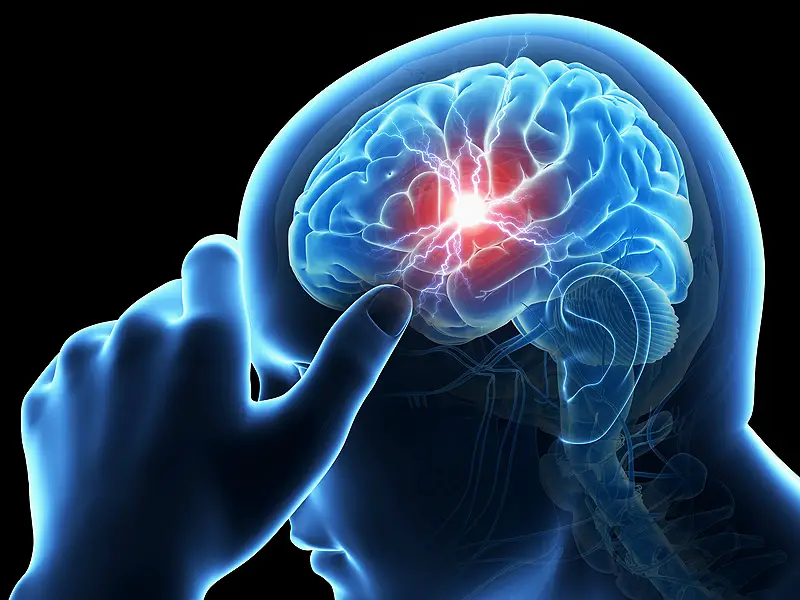
Recognizing these symptoms is the first step. Stroke is a medical emergency and once the symptoms appear, every second counts, so the prompt action that follows is crucial for saving the life of the person who has experienced a stroke. The sooner a patient is given medical attention, the better the chances of limiting the damage to the brain and preventing long-term disability.
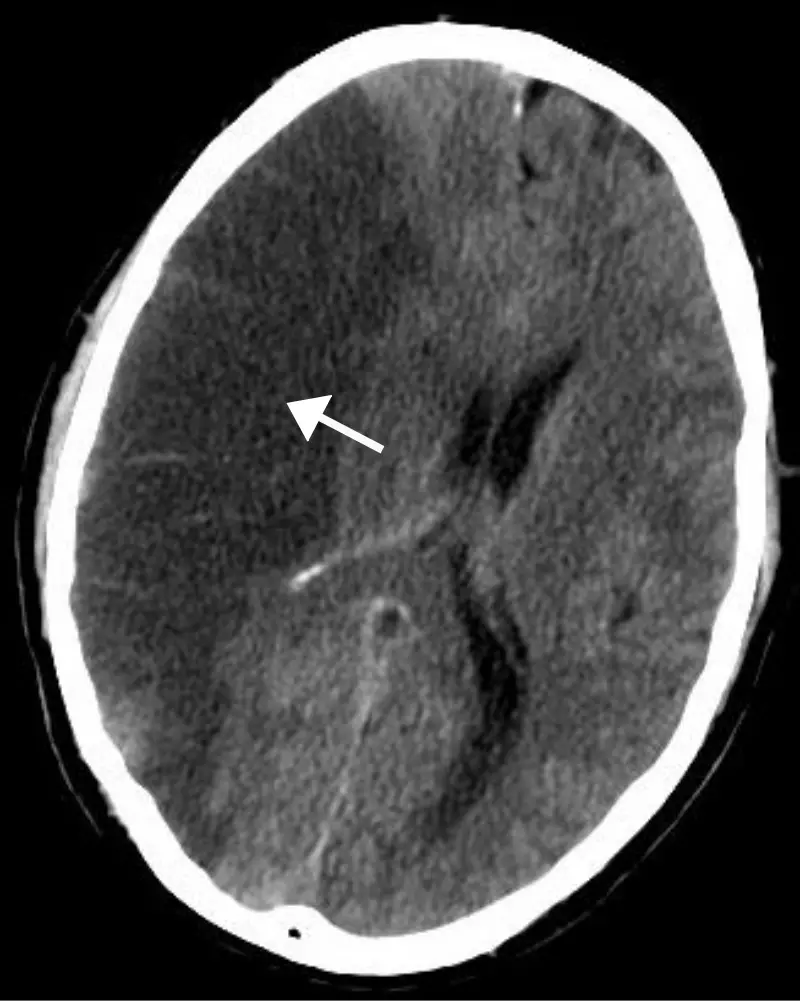
Health experts often use the phrase “time is brain” to highlight the urgency. Since the interrupted blood flow to the brain leads to brain cells dying due to the lack of oxygen and nutrients, the more the treatment is delayed, the greater the risk of permanent damage of brain areas responsible for speech, movement, memory, and other essential functions.
Prompt medical treatment enables medical professionals to identify the type of stroke and immediately begin the appropriate treatment. In some types of stroke, medication can dissolve the blood clot responsible for the stroke and re-establish blood flow to the brain. In other types, medical procedures may be necessary to relieve the blockage and prevent further brain damage.
That is why health experts recommend that people should not take any stroke symptoms lightly and should not delay seeking medical attention, even if the symptoms seem minor and disappear within a short time. They may be indicative of a serious problem that needs urgent attention.
Making an emergency call immediately provides medical personnel with the best opportunity to act promptly. Quick treatment not only saves life but also increases the prospects of full recovery and return to normal life.
Conclusion
Understanding your risk factors and being prepared ensures you’re ready to handle an emergency.
Please SHARE this article with your friends and family on Facebook!
Bored Daddy
Love and Peace
*Disclaimer: Please fact-check with your doctor before acting on any of the information provided.
*This post is an update to a previous one, as some of the information shared earlier was found to be misleading such as the writing that the body sends signals of a stoke a month before it happens.