

In its early stage, prostate cancer typically causes no symptoms in the vast majority of men. The reason why is because this type of cancer tends to move slow and remains confined to the prostate for years, meaning it can progress quite a bit while being practically invisible to the person who has it. Sadly, this is a bit of a biological trick because you can feel 100% healthy while the cancer is already present.
This is the reason why doctors emphasize the importance of screening for prostate cancer, which could help catch the “silent” phase before it turns into a bigger problem.
Eventually, symptoms may appear, and they are mainly related to the person’s bathroom habits. You may notice a weaker flow, troubles getting started or stopping, or getting up multiple times during the night to use the bathroom. However, even if you are experiencing these symptoms, take a deep breath, because they don’t necessarily mean you are affected by prostate cancer.
More often than not, these symptoms are also related to Benign Prostatic Hyperplasia (BPH), which is just a fancy way of saying that your prostate got enlarged with age. This is a non-cancerous and non-life-threatening part of getting older. However, although BHP is not life-threatening, it’s still worth getting out checked by a professional.
It’s important to remember that urinary changes can be a result of a whole range of issues, including simple urinary tract infection (UTI), to bladder issues or even prostatitis (an inflamed prostate).
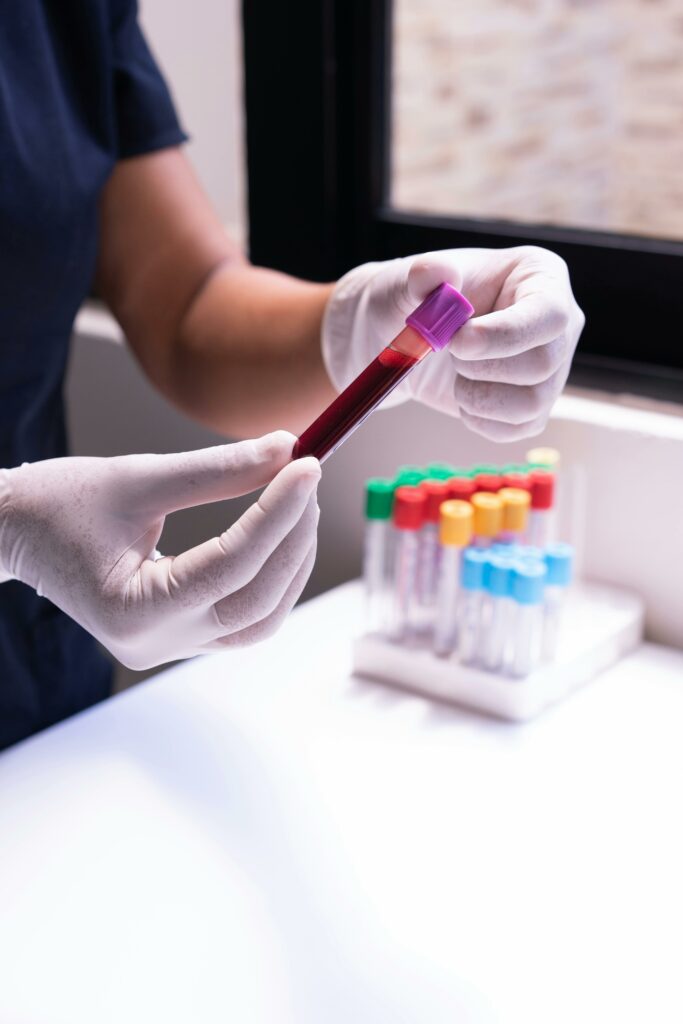
Since many different conditions mimic one another, when you experience symptoms like the ones described above, it’s best to consult a medical professional instead of trying to diagnose yourself. In case you notice persistent changes when it comes to your bathroom habits, the worst thing you can do is to ignore them and hope they would go away on their own.
Even when there is a perfectly harmless explanations for the symptoms, it’s always smart to grab a quick appointment with your doctor.
Health professionals can run tests, sort through the symptoms you have been experiencing, and rule out anything serious as prostate cancer. When you get medical advice early, it leads to two major things: it gives you a piece of mind if the cause is benign, and it ensures that if the condition is more serious, you caught it in its early stage when the chances of fighting against it are highest.
According to the American Cancer Society, the numbers tell a pretty sobering story, that one in eight men will be diagnosed with prostate cancer at some point in their life. While the good news is that most cases of prostate cancer are highly treatable, the disease is still a major health hurdle. In fact, prostate cancer is the second-leading cause of cancer death in men, following lung cancer. This statistic should serve as a reminder that being proactive isn’t just a suggestion but a necessity.
Lately, researchers have noticed a worrying trend. Recent studies show that the likelihood of a diagnosis has jumped by nearly 45% in some populations, and the main reason is because many men either delay or entirely skip their screening appointments. When you avoid these tests, you also avoid the opportunity to catch the disease early and increase your chances of fighting against it successfully.
This is why medical experts and professionals urge men, especially those over 50 and those with a family history of prostate cancer, to stay on top of their screenings.
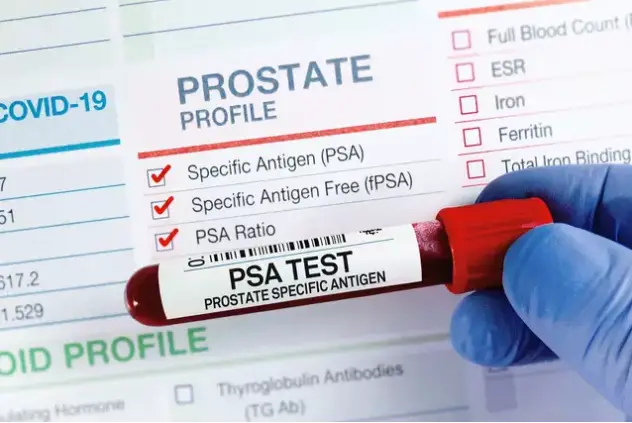
The doctor’s appointment usually starts with a simple PSA blood test that looks for prostate-specific antigens. If your levels are high, it could point to a group of health issues, including prostate cancer. Of course, these high levels don’t always mean a definite “yes” to a prostate cancer diagnosis, but they do tell doctors where to look next.

Medical professionals argue that a structured, nationwide approach to screening could help drastically improve how early we detect prostate cancer. When it’s caught early, it doesn’t only increase the survival rate, but also provide the patient with more options when it comes to treatment. It’s the most effective way to “bottleneck” the disease, preventing it from migrating beyond the prostate to other organs, according to Zero Cancer.
The confidence doctors have in the process of screening comes from massive, long-term research. The ERSPC study is the gold standard here. By tracking men for two decades across seven different countries, this study provided the long-term perspective needed to understand the true impact of screening. As one of the largest studies in medical history, its findings continue to shape how doctors approach prostate health today.
The results show that detecting prostate cancer in its early stage is the single most important factor in survival. Men whose cancer was detected early through screening had a much higher success rate for treatment and recovery than those who detected it in the later stages.
Early detection doesn’t only mean surviving. It also means you can skip aggressive and expensive treatments that are needed once the cancer spreads.
When you look at the bigger picture, the data suggests that regular screening can reduce the risk of dying from prostate cancer by about 20%.
While screening isn’t a preventative measure in a sense that it stops cancer from forming, it is the most effective tool doctors have for catching it when treatment works best.
This is why the medical community is so focused on encouraging men to stay on top of their check-ups and have honest conversations with their doctors about their personal health history
The research was led by the scientists from Erasmus MC Cancer Institute at the University Medical Centre in the Netherlands. It included 72,460 men.
The results showed that around one in six men never attended their regular screening appointments. Those who did had a 23% lower chance of dying from prostate cancer.
“It may be that men who opted not to attend a screening appointment are care avoiders, meaning they’re less likely to engage in healthy behaviours and preventative care in general. This is the opposite behaviour of people who are perhaps more health conscious and are more likely to attend a screening appointment,” lead study author, Renée Leenen, M.D., Ph.D. explained.
“Our study identifies that men who were invited for screening, but do not attend screening appointments are at significantly higher risk of dying from prostate cancer compared to men who were not offered screening or accepted an invitation for screening.
“We need to better understand who these men are, why they choose not to attend appointments, and how to motivate them. This will help us to design population-based prostate cancer screening programmes that encourage higher rates of informed participation.
“Tackling attendance rates in this way could be a big factor in the long-term success of a national prostate screening programme.”
She emphasized the need to get to the reasons why men avoid these screenings.
Many European nations are now coordinating their population-wide prostate cancer screening programmes to boost attendance.


The new analysis also indicates that the overall benefits of prostate cancer screening may be greater than previously believed, with Dr Tobias Nordström, a Clinical Urologist at the Karolinska Institute in Sweden and a member of the EAU Scientific Congress Office, explaining:
“For countries around Europe that are planning to introduce a national prostate screening programme, this analysis focusing on attendance shows that men who participate in screening have a much-improved long-term benefit than what we’ve seen from previous studies.
“But it highlights a group of men who need our attention, as they’re more at risk of developing advanced prostate cancer and dying from it.
“We need to better understand why these men might actively choose not to participate in screening, despite being invited to attend, and how this behaviour is linked to worse outcomes when they get a diagnosis.”
Please SHARE this article with your family and friends on Facebook.
Bored Daddy
Love and Peace