


According to Joseph Jorizzo, MD, from Wake Forest University, “your skin can be a window to your underlying health.” The truth is that the skin isn’t just a shield but a powerful communicator of your internal health.
Unexpected changes in your skin can sometimes be the body’s first warning that something more serious is happening internally and understanding these signs allows you to spot potential problems early and seek appropriate care.
Livedo reticularis (LR), also known as mottled skin, is a type of skin discoloration that can occur if there is an interruption of blood flow to the skin. According to a study on this condition, LR is often a temporary, harmless phenomenon that is the result of exposure to cold temperatures or stress, but can sometimes appear due to certain underlying health issues.
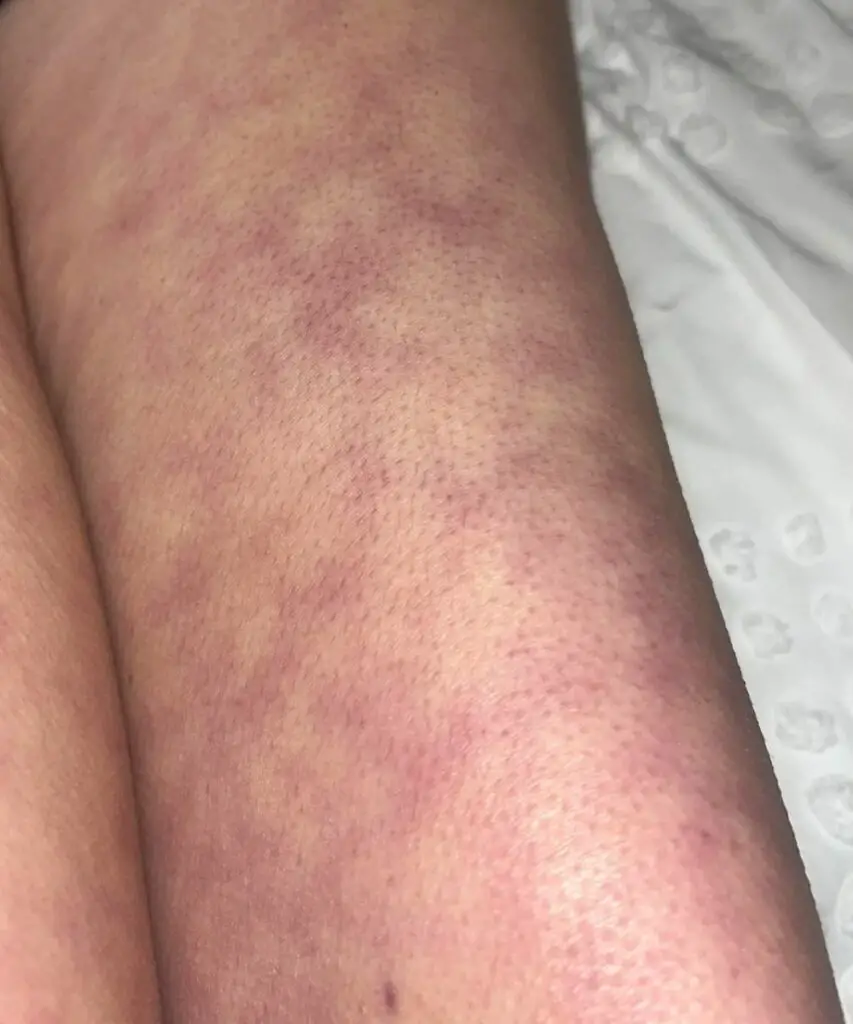
It appears as a purplish, net-like or lace-patterned discoloration on the arms or the legs and mostly impacts babies and assigned females between the ages of 20 and 50.
Mottled skin appears when the blood flow close to the skin’s surface changes, which can be caused by low oxygen levels in the blood, blood vessel spasms, or shifts in circulation. It can also be a result of certain medical conditions or a side effect of certain drugs and medications — mostly from amantadine (dopamine agonist used to treat Parkinson disease, multiple sclerosis, and attention deficit hyperactivity disorder). The discoloration typically becomes more noticeable in cold weather and may fade when the skin warms up.
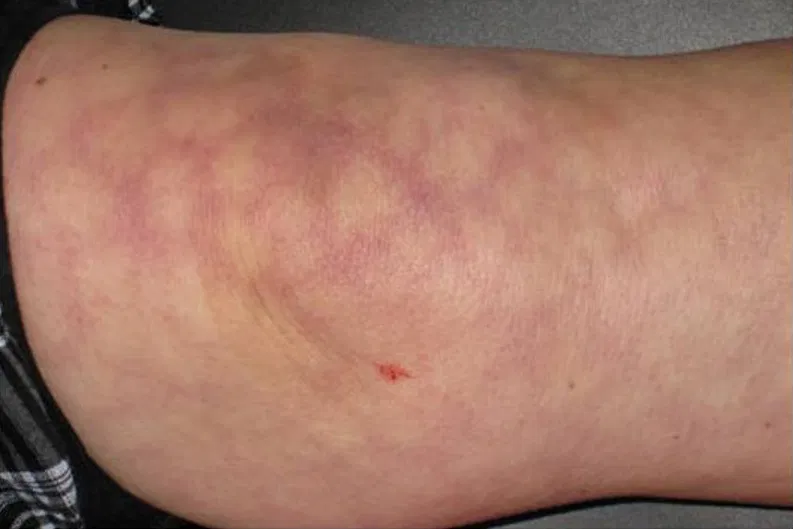
There are two forms of this condition: Physiological (Primary) Livedo Reticularis — a benign and temporary reaction to cold temperatures common in children, young adults, or people with fair skin, and Pathological (Secondary) Livedo Reticularis — more persistent and linked to underlying health problems such as autoimmune diseases, vascular disorders, or blood clotting abnormalities.
According to Verywell Heath, LR can be triggered by cold, septic shock, antiphospholipid syndrome, lupus, certain meds, rheumatoid arthritis, pancreatitis, thyroid disease, and at people who are nearing their life.
Although uncommon, livedo reticularis may sometimes indicate severe systemic illnesses, including Sneddon’s syndrome, a condition that links the skin pattern with stroke risk—polyarteritis nodosa, or cholesterol embolization.
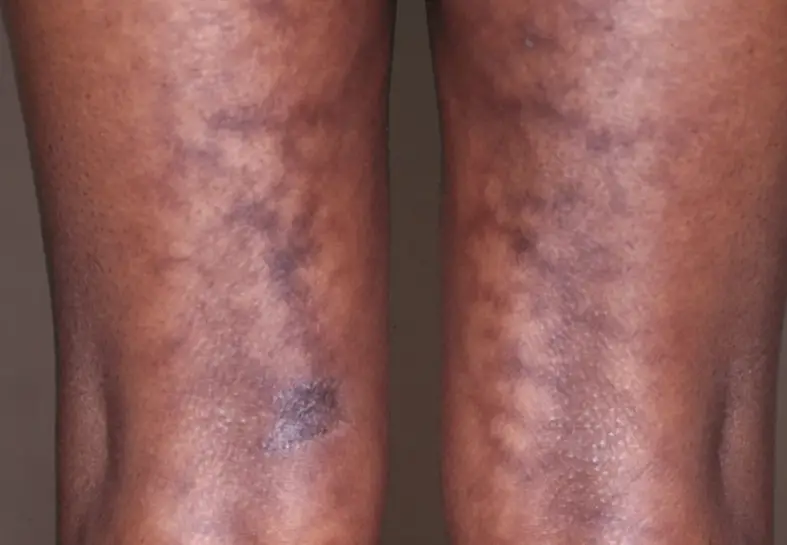
For primary livedo reticularis no treatment is typically required as it usually fades away by itself if the body is kept warm. For secondary livedo reticularis, however, a doctor may prescribe you medications such as anticoagulants (to prevent clots), corticosteroids (for inflammation), or drugs that improve circulation. Also, your doctor may recommend lifestyle changes that will likely include quitting smoking, regular exercises, and managing blood pressure and cholesterol.
Disclaimer: This information is not intended to be a substitute for professional medical advice, diagnosis or treatment and is for information only.
Please SHARE this article with your family and friends on Facebook.
Bored Daddy
Love and Peace