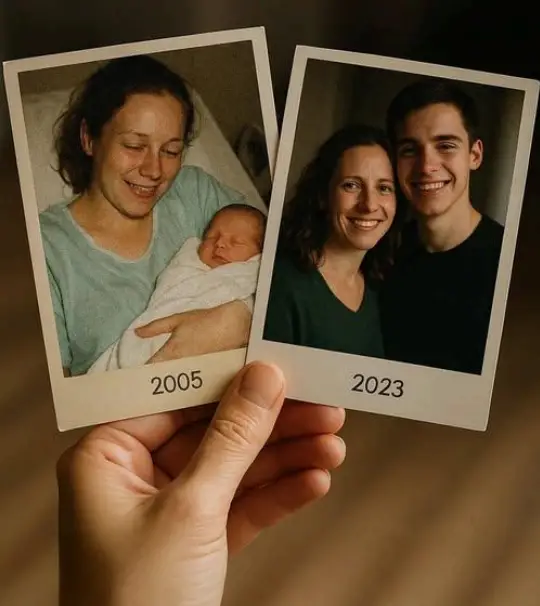
I nearly lost my life while giving birth to my son.
We both spent ten days in the hospital after that. My baby was in intensive care, and I was stuck in a small room down the hall. I barely slept. Nights were the worst because everything was quiet except for the machines and my own thoughts. I didn’t have anyone there with me, and the fear felt heavier when it got late.
That’s when this nurse started coming in.
Every night, usually after midnight, she’d quietly step into my room. She never rushed me or acted annoyed. She’d sit down and tell me how my baby was doing, if the doctors had said anything new, how he was breathing, whether he’d opened his eyes. Sometimes the news was good, sometimes not. But she always ended with this calm smile that made things feel a little less hopeless.
At the time, I didn’t realize how much I needed that.
Two years later, I was watching the news one night, barely paying attention, when I suddenly recognized her. It was the same face and the same calm presence.
The story was about local heroes. She was running a volunteer program that stayed overnight with parents of babies in intensive care. She said no parent should feel alone during those nights.
Then they mentioned that she’d lost her own baby years earlier and that hit me hard. Suddenly, everything made sense. She wasn’t just doing her job, she knew exactly what those nights felt like.
I ended up reaching out to the hospital and, somehow, she remembered me. She sent me a handwritten letter saying that helping parents through those moments was what mattered most to her.
I still think about her when things feel heavy. She showed me that kindness doesn’t have to be loud, it just has to be there.
Please SHARE this article with your family and friends on Facebook.
It doesn’t lurk in dark alleys or shadowy chat rooms — it hides in code. With just a few keystrokes, artificial intelligence can now fabricate s*xual images so realistic that even the people in them might not be able to tell they’re fake. The targets? Often ordinary individuals who have no idea they’ve been victimized until strangers start whispering, jobs start questioning, and reputations begin to crumble.
By the time victims discover these AI-generated deepfake images, the damage is usually irreversible. They’ve been shared, downloaded, and reposted across countless platforms — each copy harder to erase than the last.
The emotional toll can be crushing, combining humiliation, anger, and helplessness in a way few crimes can match.
In an overwhelming 409–2 vote, the House passed the Take It Down Act — legislation designed to make it a crime to create or distribute s*xual deepfakes without consent. The law forces online platforms to remove reported content within 72 hours and gives victims the power to fight back in court.
In a rare moment of unity, lawmakers from both sides — with support from President Trump — are calling it a crucial defense against a new kind of digital predator. It’s not just about punishing offenders; it’s about protecting dignity in an era where reality itself can be fabricated.
Bottom Line: From cutting-edge health concerns to the shadowy frontiers of AI exploitation, one truth holds steady: the earlier we act, the safer we are. Technology evolves fast, but so must our awareness, our laws, and our collective will to protect each other. Because in the digital age, your likeness can be stolen in seconds — and your defense starts before it happens.
Please SHARE this article with your family and friends on Facebook.
It began as nothing more than a whisper in the back of my mind — a quiet, persistent unease that grew stronger each time I looked at my newborn son. His tiny features seemed unfamiliar, his eyes a shade too dark, his smile not quite my own. Everyone around me told me it was normal, that new fathers often feel disconnected at first. But the doubt refused to die. It coiled in the corners of my thoughts, turning moments of joy into questions I couldn’t silence. Then one night, as my wife cradled him beneath the soft amber glow of the nursery lamp, I caught a fleeting look on her face — a strange, unreadable smile — and in that instant, suspicion took root. That single moment would become the fault line that tore my life apart.
When our son was only weeks old, I demanded a paternity test. My wife’s response was calm, almost eerily so. She tilted her head slightly and asked, “And what if he isn’t yours?” Her words hit like ice, and without hesitation I replied, “Then I’m gone — I won’t raise someone else’s child.” Weeks later, the results arrived: I wasn’t the father. I didn’t wait for explanations or second opinions. I filed for divorce, cut all contact, and convinced myself I was doing the right thing.
Three years passed before the truth came crashing down. I ran into an old family friend who couldn’t even look me in the eye. When I told him my side of the story, his expression turned to sorrow. He told me things I never wanted to hear — that my wife had been destroyed by my lack of faith, that the smirk I saw wasn’t arrogance but fear. She had never betrayed me. The test I had built my rage upon had been wrong — a rare, tragic mistake.
Shaken, I ordered another test. When the new results came, the world stopped. He was my son. My hands trembled as I stared at the paper, realizing I had abandoned the people who loved me most. My pride, my fear, my need for control — they had all cost me everything that truly mattered.
I tried to make amends, to explain, to apologize. But she had moved on. The woman who once smiled at me with such warmth now guarded her peace fiercely, protecting our child from the storm I created. Once, from a distance, I saw them together — my son laughing as he held her hand — and it broke me in ways words can’t capture.
Now I live with the quiet ache of hindsight. I’ve learned that love doesn’t survive on certainty; it survives on trust, humility, and the courage to silence your fears. Doubt is seductive — it masquerades as truth, whispering poison into your heart until you mistake suspicion for wisdom. I made that mistake, and it cost me a family.
Today, I try to live differently. I’ve accepted that the truth came too late for us, but not too late for me to change. Every time I think of them, I pray that one day my son will know who I truly was — not the man who walked away, but the man who finally understood what love really means: to believe, even when it hurts to.
Please SHARE this article with your family and friends on Facebook.
U.S. Military Strikes “Drug-Carrying Submarine” in the Caribbean — Trump Declares Victory in Anti-Fentanyl Campaign
In what appeared to be a routine anti-narcotics mission, a sudden explosion lit up the Caribbean Sea this week. Hours later, President Donald Trump confirmed that U.S. forces had destroyed a “very large drug-carrying submarine,” releasing dramatic footage of the strike himself. The video, showing the vessel engulfed in flames, left many wondering about the true scale and secrecy of the operation.
Trump announced on Saturday that the submarine, intercepted along a known trafficking route, was laden primarily with fentanyl and other narcotics destined for the United States. The strike reportedly killed two suspected narco-terrorists and captured two survivors, who are now detained aboard a U.S. Navy warship.
Posting on Truth Social, Trump emphasized the operation’s potential impact: preventing up to 25,000 overdose deaths nationwide.
“No U.S. forces were harmed in this strike. Under my watch, the United States will not tolerate narcoterrorists trafficking illegal drugs — by land or by sea,” Trump declared.
Fox News reported earlier about the rescue of two survivors, though Trump’s statement marks the first official acknowledgment of their identities. This marks the sixth major interdiction since U.S. forces intensified Caribbean operations last month as part of a broader campaign against maritime drug smuggling. However, the Pentagon has remained tight-lipped about mission details.
During a White House meeting with Ukrainian President Volodymyr Zelenskyy on Friday, Trump briefly referenced the strike, calling it a decisive blow against global narcotrafficking.
“We attacked a submarine — a drug-carrying submarine — built specifically for the transport of massive amounts of drugs,” he told reporters.
Secretary of State Marco Rubio confirmed the survivors’ existence but withheld further information, citing national security concerns. Earlier in the week, Trump also disclosed authorizing CIA operations in the region, accompanied by a B-52 bomber flyover near Venezuelan waters described as a “show of force.”
The fentanyl epidemic continues to ravage the U.S., with synthetic opioids responsible for hundreds of thousands of deaths. In May 2023, Rep. Marjorie Taylor Greene (R-GA) proposed the death penalty for fentanyl traffickers, highlighting the drug’s lethal toll.
“Three hundred Americans are murdered each day by fentanyl,” Greene wrote on social media. “It’s the leading killer of young people aged 18–34 in America.”
This stance reflects a broader Republican push for harsher drug laws amid criticism of current border policies. Lawmakers like Rep. Paul Gosar (R-AZ) have similarly advocated life imprisonment or capital punishment for major traffickers, citing unprecedented overdose death rates.
Gosar’s Death Penalty for Dealing Fentanyl Act of 2022 underscores the urgency: “More Americans have died from drug poisoning in the last two decades than in all U.S. combat losses since 1775.”
🔹 Conclusion
The destruction of the “drug-carrying submarine” has reignited national debate over the government’s war on fentanyl and an increasing U.S. military presence in the Caribbean. While Trump hails the strike as a landmark victory against narco-terrorism, defense officials remain discreet, fueling speculation about a deeper, more covert conflict. Whether this mission signals a turning point in America’s fight against the global drug trade—or the start of a new chapter in maritime security—remains to be seen.
Please SHARE this article with your family and friends on Facebook.
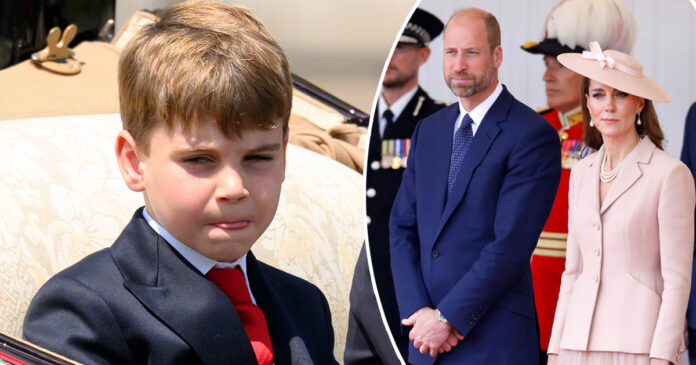
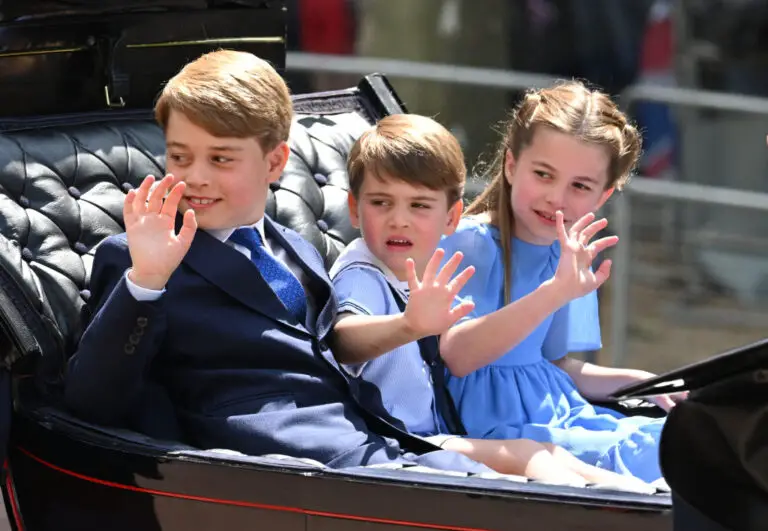
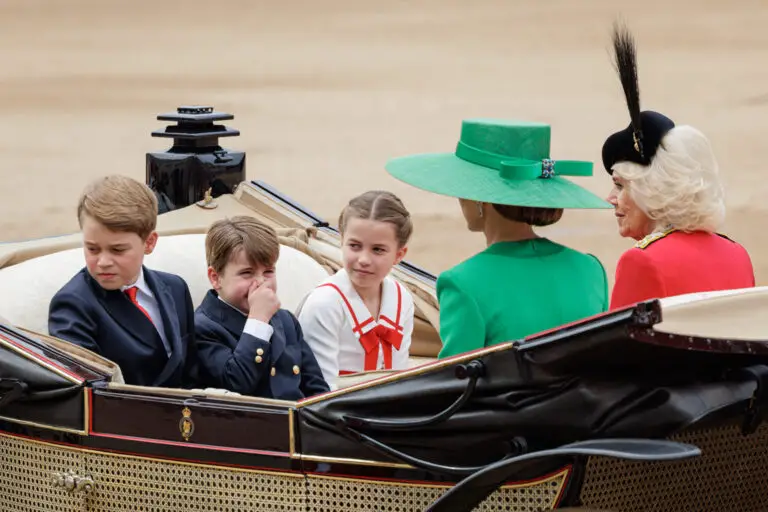
While Prince William and his wife say they want their children to have as normal childhood as possible without experiencing the burden of being part of the royal family, the public believes that the two princes and their sister are not exposed to the public eye enough.
“George, Charlotte and Louis are not only allowed to be playful, fun, spontaneous, and even cheeky in public, they are actively encouraged by their mum and dad, who often look at their most proud and most doting when they are doing so,” royal and body language expert Judi James told the Daily Mail in 2023.
According to her, the freedom to have fun is vital for the young royals.
“William and Kate’s parenting duties were always going to be unique as they’re inducting a prince, princess, and future king into the rules, traditions, and formalities of the royal family as well as allowing three small children to have as much fun and freedom as possible as they do so,” she said.
Prince William wants to make sure his children are aware that not everyone is fortunate as they are.
Karwai Tang/WireImage
Despite this, Katie Nicholl argues that William and Kate keep George ‘under lock and key’ and don’t let the public “fall in love” with him while he is still young, according to Express.
When it comes to their youngest child, William and Kate make sure he’s treated gently. “William and Kate are easier on Louis because he’s the baby of the family. They don’t want to break his little spirit,” an insider told OK! Magazine.
“Louis is quite a handful,” the source added. “William and Kate do their best to teach him how to behave but understand these events are tiresome for a youngster. They are like other parents with young children in this way. It does make them more relatable to the public.
“They gently admonish him when he gets out of hand because he’s got to learn,” the source said of George and Charlotte. “William and Kate know the day will come and making faces won’t be ‘cute.’ Hopefully Louis will grow out of it.”
Rob Pinney/Getty Images
William does not want his children labeled or limited by expectations tied to their order of birth, especially after his brother, Prince Harry, released the book Spare in which he claimed he was the spare child.
“William is focused on creating a stable and private family life—the kind he never had when he was growing up,” Jennie Bond told GB News. “And so he wants to keep his family firmly rooted.”
“He’s already defined the way he wants to do things. He calls it royalty with a small ‘r,’” The royal expert continued, adding that she thinks a “‘forever’ home at Forest Lodge is in keeping with that philosophy.”
Please SHARE this article with your family and friends on Facebook.
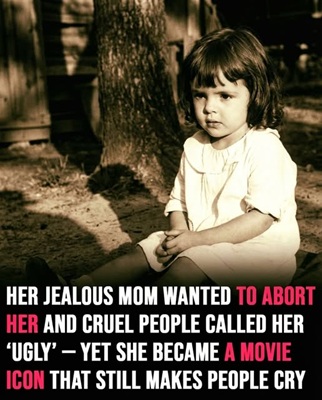
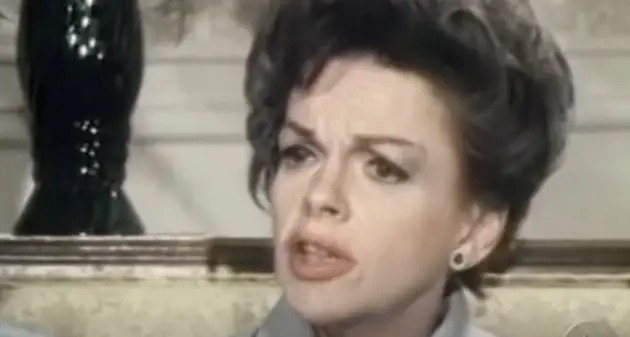
The life story of one of the most famous actresses Hollywood has ever seen, Judy Garland, is still filled with darkness and mysteries as to how the industry affected her health and how it pushed her to her limits, and eventually to her death.
Garland was the youngest of three sisters, all of which were singers and performers from very early age. Their mother forced them into the show business and was cruel when it came to following rules and being the best. In fact, it was Judy’s mother Ethel herself who caused pill addiction at Garland.
Credit: Youtube/Msmojo
During an interview with Barbara Walters back in 1967, Garland described Ethel as a “mean” stage mother.
“She was very jealous because she had absolutely no talent,” she said. “She would stand in the wings, and if I didn’t feel good, she’d say, ‘You get out and sing or I’ll wrap you around the bedpost and break you off short!’ So I’d go out and sing.”
Credit: Youtube/Msmojo
Being part of the showbiz wasn’t easy for someone as young as Garland. “As I recall, my parents were separating and getting back together all the time. It was very hard for me to understand those things and, of course, I remember clearly the fear I had of those separations,” the actress said back in the day.
In order to be able to perform many shows which lasted long into the night, Ethel would give Garland a bunch of pills to keep her going, after which she would give her other pills to calm her down, according to Garland’s biographer Gerald Clarke.
Garland was aware of the negative influence her mother had on her and referred to Ethel as of “the real Wicked Witch of the West.”
Credit: Youtube/Msmojo
At the age of 13, Garland auditioned in front of MGM founder Louis B. Mayer who was stunned by her singing talent. He offered her a contract and that’s when the real hell started for young Garland.
According to her, the studio forced her to lose weight and forbid her from eating. They gave her even more pills and made her work 18 hours a day, six days a week.
Credit: Youtube/Msmojo
“They had us working days and nights on end,” Garland recalled as quoted by Independent.
“They’d give us pills to keep us on our feet long after we were exhausted. Then they’d take us to the studio hospital and knock us out with sleeping pills – Mickey (Rooney) sprawled out on one bed and me on another.
“Then after four hours they’d wake us up and give us the pep pills again so we could work 72 hours in a row. Half of the time we were hanging from the ceiling but it was a way of life for us.”
Credit: Youtube/Msmojo
Mickey Ronney, however, denied Garland’s words. “Judy Garland was never given any [pills] by Metro-Goldwyn-Mayer. Mr. Mayer didn’t sanction anything for Judy,” he said, as quoted by PBS. “No one on that lot was responsible for Judy Garland’s death. Unfortunately, Judy chose that path.”
The Wizard of Oz star passed away at the age of 47. Her then-husband Michael De Vinko found her lifeless body in the bathroom. The autopsy reveled the actress died of “Barbiturate poisoning (quinabarbitone) incautious self-overdosage. Accidental.”
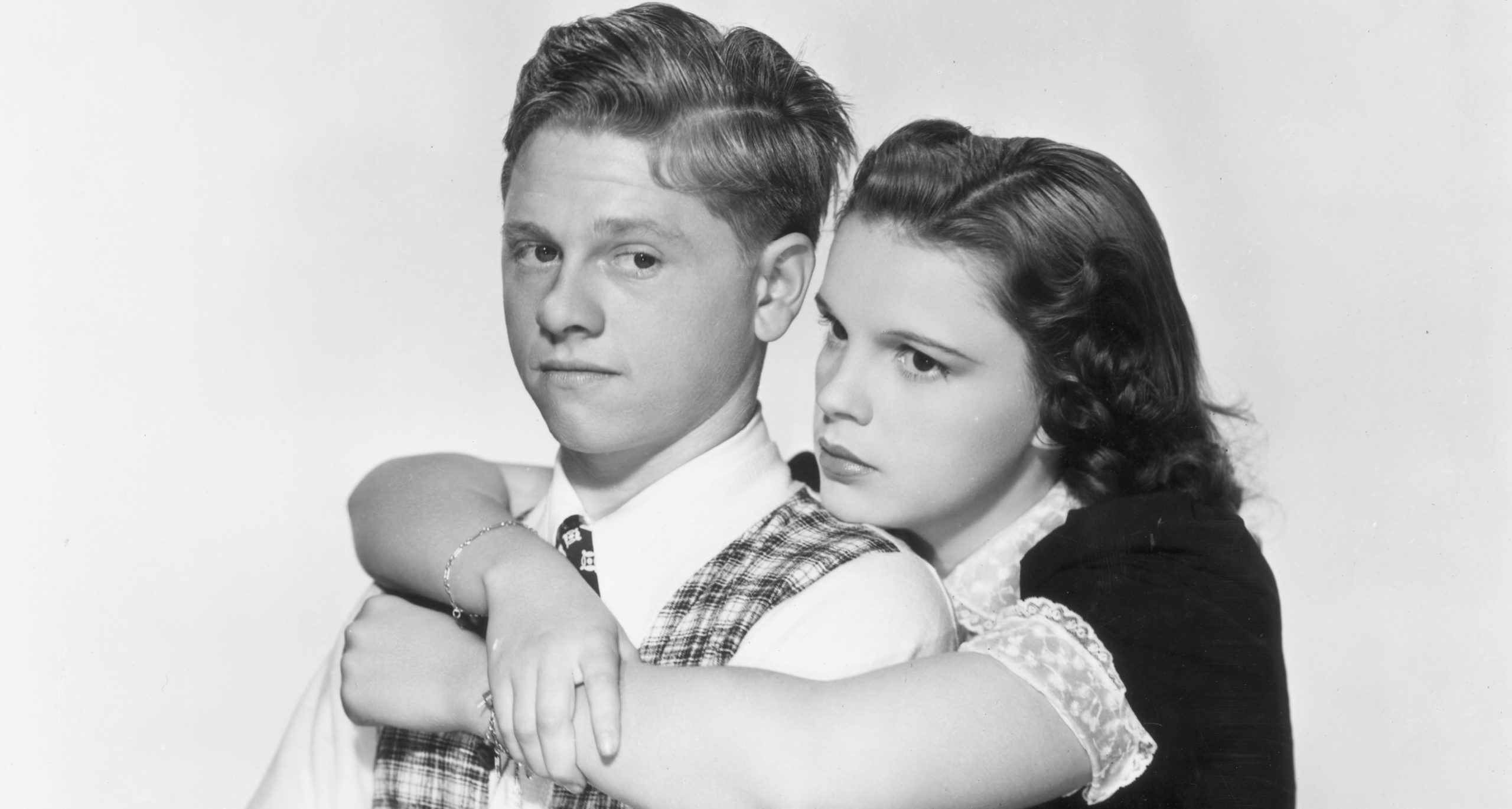
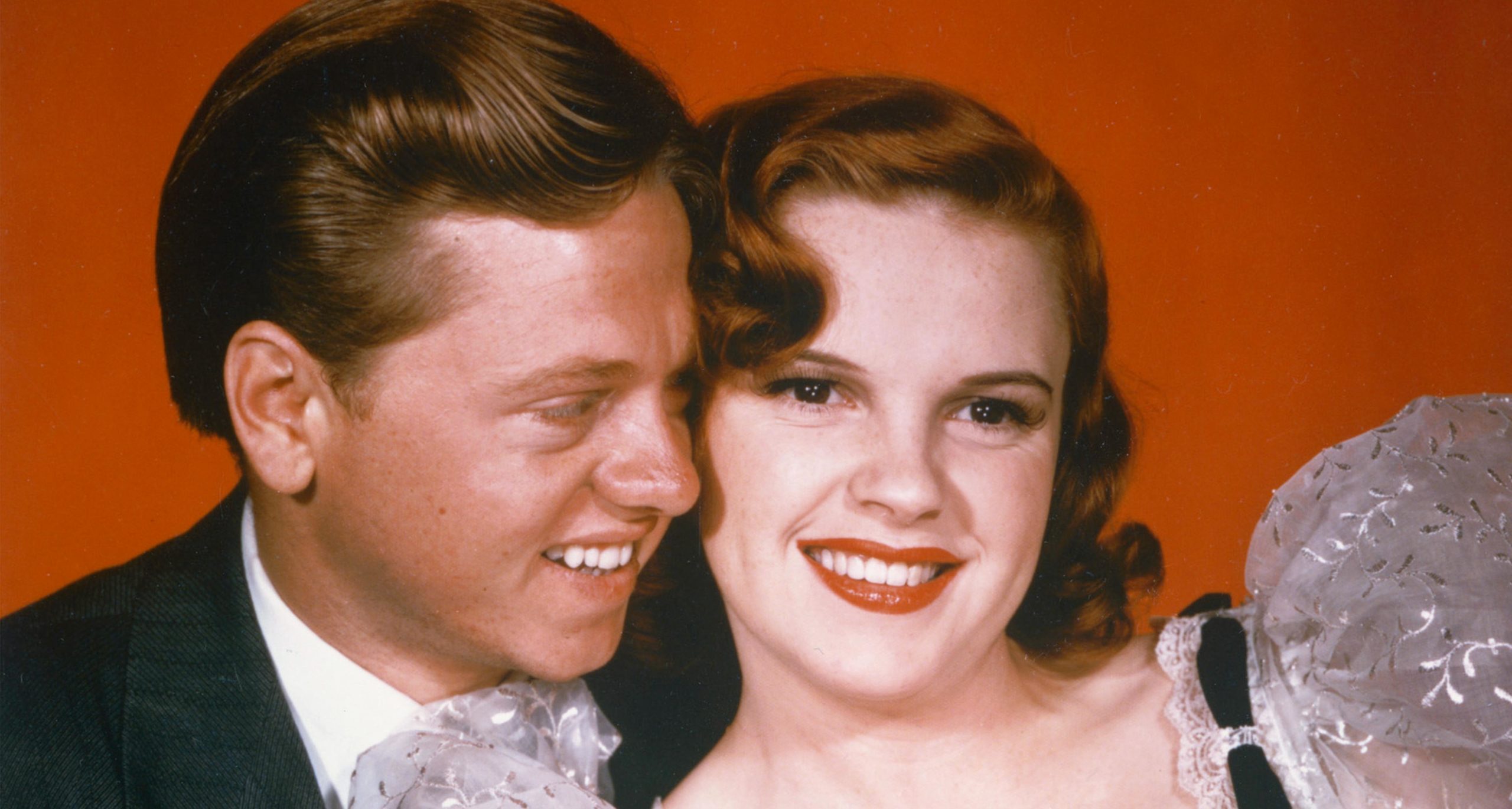
Mickey Rooney and Judy Garland became terrific friends when working so closely together. He described their relationship as deep and thoughtful but said it was never romantic.
“Judy and I were so close we could’ve come from the same womb,” Rooney told Parade. “We weren’t like brothers or sisters, but there was no love affair there; there was more than a love affair. It’s very, very difficult to explain the depths of our love for each other. It was so special. It was a forever love. Judy, as we speak, has not passed away. She’s always with me in every heartbeat of my body.”
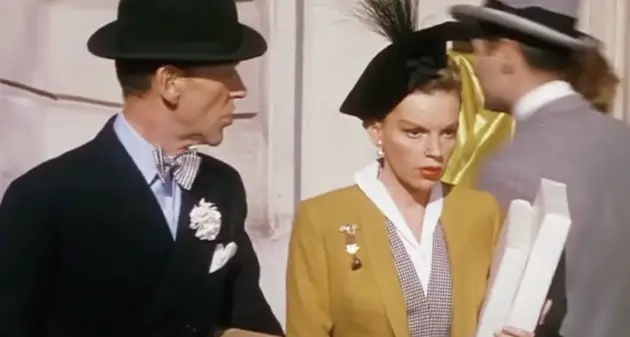
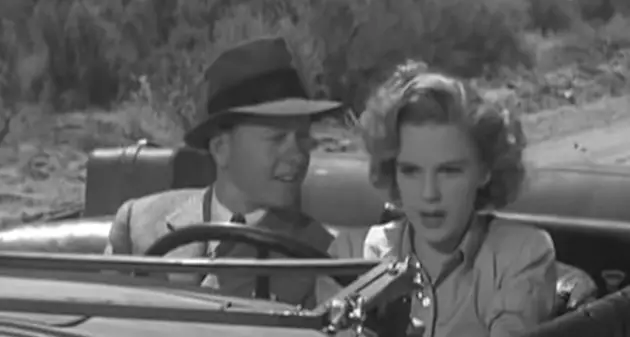
Some of the films they starred in alongside each other were Babes in Arms,Strike up the Band, Babes on Broadway, and Girl Crazy.
Hulton Archive/Getty Images
“We made a lot of pictures together, Judy and I. She was a wonderful girl. We knew what we were going to say before we said it to each other. We were great friends, and I know that the world is sad to have lost Judy,” Mickey Rooney said in a Television Academy Foundation interview, adding that they “didn’t spend a lot of time together outside of the stage.”
“She had her own life to live, and I had mine,” he added.
The last film the two played together in was Words and Music in 1948.
Youtube/ricardo2266
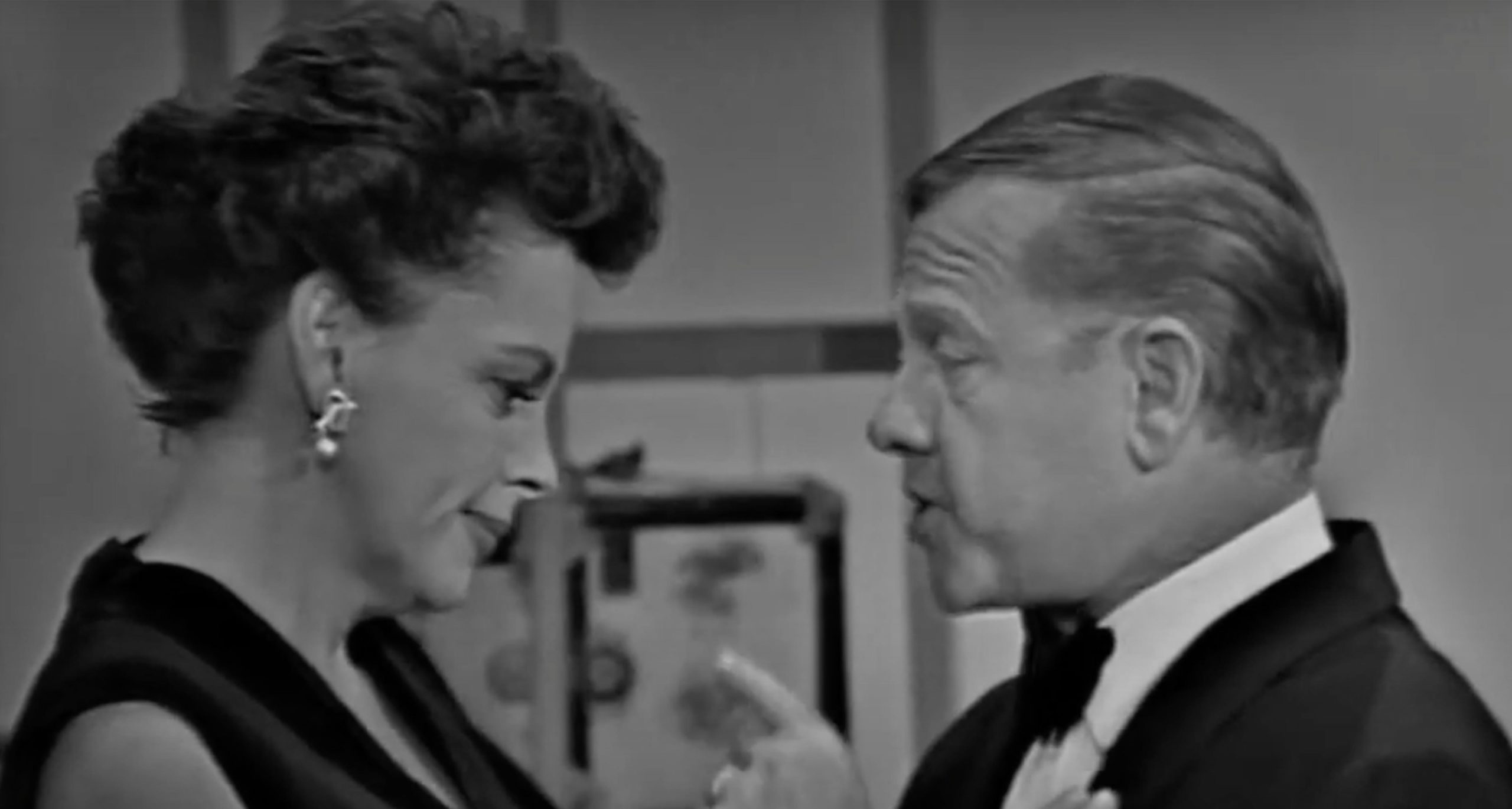
Then, in 1963, the couple reunited as Mickey Rooney appeared in the first-ever production of The Judy Garland Show.
“It was wonderful because Judy had a wonderful dressing room. They had a yellow brick road leading from her dressing room down to the stage,” he recalled.
“It was wonderful working with Judy. I did a routine on her show called ‘The Golf Thing,’ and it was wonderful, [it was] Judy’s favorite thing that I did. Nothing had changed. It seemed like it was only yesterday that we had worked together.”
Silver Screen Collection/Getty Images
Although she had a tough life, she gave the world so very much. We will never forget her iconic performances. Rest in peace, Judy Garland.
Please SHARE this story with your family and friends on Facebook to honor this incredible actress.
A Reddit user shared how a female college working at the hospital suffered a cardiac arrest while at shift, and the post, which has since gone viral, highlighted the awareness of the symptoms preceding the health scare, especially in women, and how they are often overlooked.
“Last week one of our admin staff presented to the ED after experiencing jaw/neck pain that proceeded to chest pain,” the user wrote.
“She ended up arresting in front of the triage desk but was successfully brought back by CPR,” they continued. “And is now recovering from surgery to place stents.”
One of the most obvious signs of heart attack which most people recognize is chest pain accompanied by shooting pains in the left arm and shortness of breath.
Secondary signs often include back and abdominal pain, dizziness, sweating, nausea, and a strong sense of panic.
The Reddit user, who is a medical student, wrote in their post that despite their extensive knowledge in the field, they were unaware that “jaw/neck pain is a common warning sign” for a heart attack.
Duke Healthwrites that this symptoms is largely unknown because it mostly happens in women.
In fact, it is women who usually feel pain in obscure places such as the the neck, jaw and shoulder blades in case of a heart attack.
Women are also more likely to experience general fatigue before cardiac arrest, along with symptoms such as indigestion and heartburn. The timing of these sensations also appears to differ between women and men.
Dr Radha Kachhy, Duke Health cardiologist, previously explained: “If it happens during times of exertion, it should be taken seriously. One of my patients said her shoulder hurt every time she walked.
“She thought it was her purse, but her shoulder throbbed even when she wasn’t holding her purse.”
Dr Kachhy added that women are also more likely to brush off symptoms of different health conditions, including those of heart attack.
“I have patients who experienced symptoms of a heart attack and said, ‘Well, I decided to do the laundry first. When it didn’t get better, I went to the doctor,'” the cardiologist claimed.
“Time is muscle. The longer you wait, the more heart muscle damage can be done.”
Addressing prevention, she emphasized the importance for women of monitoring blood pressure, glucose, cholesterol, and BMI.
“If you know you have some risks for heart disease, if you smoke, or if you are overweight, making lifestyle changes – like improving your diet and exercising more – can lower that risk,” she explained.
Please SHARE this article with your family and friends on Facebook.
There is nothing a mother wouldn’t do for her child, yet, there comes a time when some children distance from their mothers emotionally, and according to psychology, there are several reasons for that.
This distance is often rooted in the complex and often unconscious psychological dynamics that exist within a family and affects the way children interpret values and their relations to their mothers.
Humans tend to notice things that change, not things that stay the same, so when something is always there and we rely on it constantly, we stop paying attention to it and take it for granted. Because of this aspect of human psychology, the love of the mother is sometimes neglected and unappreciated simply because it’s always present.
2. The space needed to find yourself
For a child to develop identity, it’s often needed for them to create some distance. Children sometimes separate to understand who they are, not to withdraw love. While this can feel painful or rejecting to a parent, it is usually a normal part of growth. When separation is resisted, the gap between parent and child tends to get bigger.
3. Pain released where safety is guaranteed
When a child faces difficulties that create strong emotions in them, they tend to release those emotions, including anger, frustration, and their inner chaos onto the one person who is always there and will never leave.
This explains why a child may be kind to the outside world but not to his or her parents. For the parents, this feels unfair and unhealthy, and although it indeed is, this behavior often reflects the child’s inner struggles, not their mother’s value.
4. When a mother disappears behind her role
Out of love for their children, some mothers limit their role to the one of caregiver and provider. This prevents them from expressing their own desires, and their boundaries are not defined.
Because of that, children tend to believe that their mothers don’t have needs on their own and when self-respect isn’t something they see at their mothers, it’s difficult for them to learn it themselves.
This isn’t about judgement, but it’s important that mothers are aware that self-presence provides lessons as powerfully as sacrifice.
When children believe their mother’s love is a sacrifice, they may develop a sense of debt they cannot repay. To relieve that guilt, they minimize what was given: “It wasn’t much,” or “That was their job.”
In this process, love shifts from a voluntary bond into an obligation, and when love feels forced, rejection can emerge, not from indifference, but from the pressure of owing.
6. A culture centered on the self
Nowadays, societies favor personal satisfaction and individual comfort, and in times like that, relationships that require patience, endurance, and long-term commitment often lose value.
Maternal love, which is dependable and constant, sometimes finds it hard to carve out space in a culture that celebrates disruption and excitement.
For a lot of mothers, it’s hard to get over the unmet needs of their own childhood. As a result, they give more than what is considered healthy, unconsciously seeking from their children the validation they never received.
When a woman’s identity is limited to motherhood, the children feel the emotional dependence. They sense even without words that they are responsible for their mother’s well-being. Distance then becomes a tacit answer: “I can’t carry this.”
Please SHARE this article with your family and friends on Facebook.
President Donald Trump and First Lady Melania couldn’t be any more different when it comes to their media exposure. While Trump loves being in front of the cameras, his wife is leading more of a low-key life and tends to keep herself out of the spotlight.
These differences are what have sparked plenty of speculations regarding their marriage, with many claiming they have been experiencing troubles due to their lifestyle.
When they moved into the White House during Trump’s first presidential term, rumors were that he and Melania slept in separate bedrooms.
Allegedly, they won’t be sharing one this time either.
According to White House sources, Donald and Melania are “loners” and their relationship is rather “complicated.”
Reportedly, there were days when the two would spend their days at the White House without seeing each other.
NEW YORK, NEW YORK – JULY 20: Former President Donald J. Trump and Melania Trump exit the funeral of Ivana Trump at St. Vincent Ferrer Roman Catholic Church July 20, 2022 in New York City. Ivana Trump, the first wife of former U.S. President Donald Trump, died at the age of 73 after a fall down the stairs of her Manhattan home. (Photo by Alexi J. Rosenfeld/Getty Images)
Michael Wolff, the author of the book Fire and Fury: Inside the Trump White House, wrote: “Trump, in fact, found the White House to be vexing and even a little scary.
“He retreated to his own bedroom – the first time since the Kennedy White House that a presidential couple had maintained separate rooms.”
At the time, President Trump dubbed the book “really boring and untruthful.”
However, it wasn’t just Wolff who had presented the claims of the unusual sleeping arrangements.
In a Washington Post feature from 2018, a source disclosed that then-President Donald Trump and First Lady Melania Trump did not share a bedroom.
Joe Raedle/Getty Images
First lady scholar Annette Dunlap shared with Peoplethat the last time couples occupied separate bedrooms in the White House was Patricia and Richard Nixon. Prior to the 1970s, it wasn’t particularly unusual for couples to have separate sleeping arrangements.
“It was kind of a European thing,” Dunlap said at the time. “The idea of sleeping in the same bed together in the late 19th century and into the early 20th century was a symbol of poverty, because you couldn’t afford your own bed or your own bedroom.”
Biographer Mary Jordan, who interviewed White House staff, claimed that the president and the First Lady slept in separate bedrooms.
PALM BEACH, FLORIDA – DECEMBER 31: Former U.S. President Donald Trump and former first lady Melania Trump arrive for a New Years event at his Mar-a-Lago home on December 31, 2022 in Palm Beach, Florida. Trump continues to run for a second term as the President of the United States. (Photo by Joe Raedle/Getty Images)
Donald Trump himself once revealed what he and Melania did on the first night of their stay at the White House in 2017. During a fundraiser, the president said, “To me, there’s nothing like the White House. After I won, the first night, I went up and I’m standing in the residential hallway with Melania and I’m looking into the Lincoln Bedroom.
“I say, ‘That was a surreal experience.’ I’m saying, ‘Do you believe this? We’re in the White House and that’s the Lincoln bedroom!’” Trump continued.
Trump added, “It takes a while to get [used to it]. I’m still not, probably, used to it. It’s just a special place, what can I say. So we have to take care of it.”
Please SHARE this article with your family and friends on Facebook.
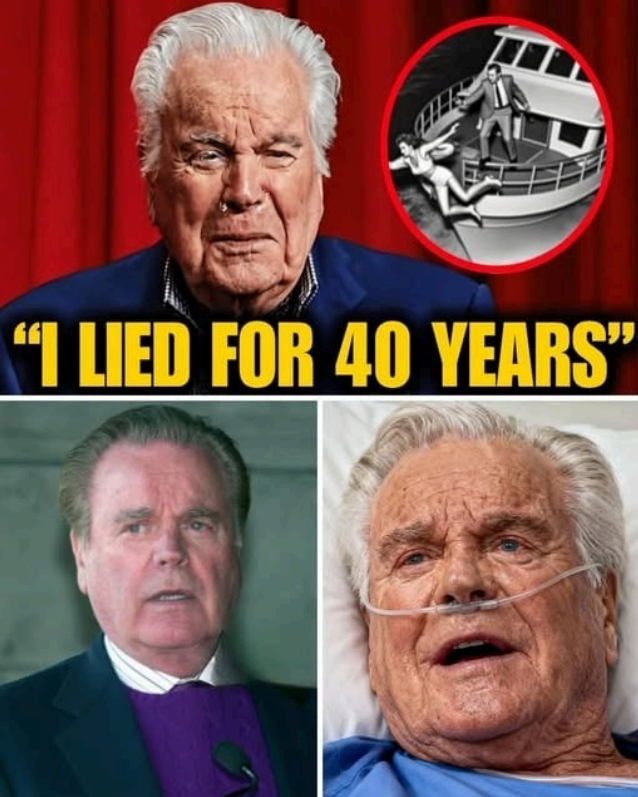
More than four decades after the untimely death of Natalie Wood, the mystery surrounding that night continues to captivate Hollywood, her husband, Robert Wagner, has broken his silence, offering a rare and intimate glimpse into the events aboard the yacht Splendor. His reflections reveal new layers of emotion and memory, shedding light on a tragedy that has long fascinated fans and investigators alike.
Natalie Wood died on November 28, 1981, in circumstances that have remained puzzling and heavily debated. The public, journalists, and film historians have long speculated about what transpired aboard the Splendor, a night that left a permanent mark on those closest to her and a lasting intrigue for Hollywood observers.
In recent statements, Wagner, now in his nineties, spoke candidly about that evening. His account balances honesty with reverence, offering a personal perspective on a moment that has been scrutinized endlessly while honoring Wood’s enduring legacy.
Through Wagner’s words, we gain insight into the human side of the tragedy: the depth of grief, the pressures of life in the spotlight, and the fragility of life itself. His reflections serve as a reminder that behind the headlines and speculation are real emotions, profound loss, and enduring love.
Conclusion
Robert Wagner’s candid perspective adds a deeply personal dimension to the long-standing mystery of Natalie Wood’s death. While many questions remain unanswered, his reflections highlight the human story behind the public tragedy—grief, devotion, and memory. In revisiting that fateful night, Hollywood and fans are reminded of the vulnerability that lies beneath the glamour and the lasting impression of a life that continues to inspire fascination and admiration.
Please SHARE this article with your family and friends on Facebook.
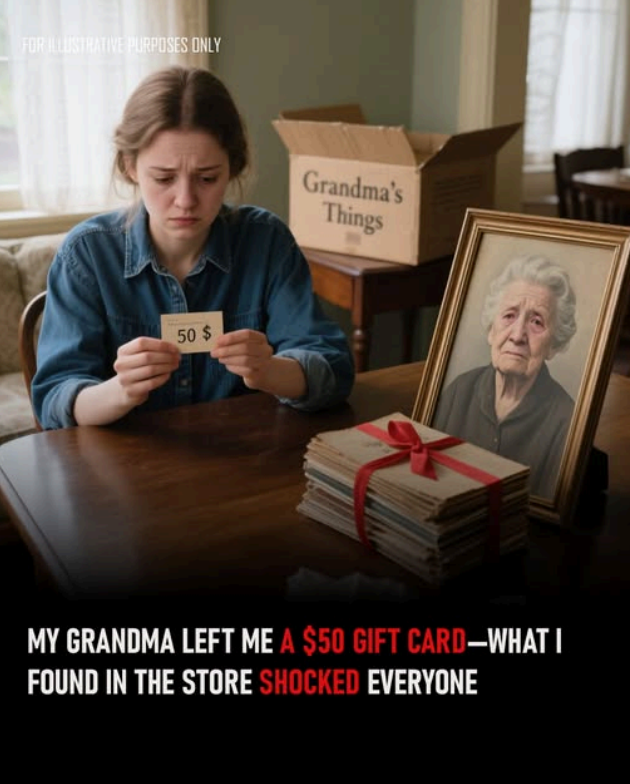
For the longest time, it was nothing more than an old cardigan — soft, faded, and quietly forgotten in the back of my closet. Its color had dulled, its fabric held the faint scent of dust and time. I never gave it much thought. But when my daughter pulled it out one calm afternoon, the air in the room seemed to shift. As though the sweater had been waiting — patient, silent — for someone to find it again.
Then her fingers brushed against a pocket, and she drew out an envelope I’d never seen before. My name was written across it in a hand I knew instantly — delicate, shaky, achingly familiar.
And just like that, the years between us vanished.
I was eighteen when my grandmother gave me that cardigan. Crimson yarn, hand-knit, every stitch carrying a rhythm only love could keep.
She’d smiled when she handed it to me, proud and gentle, while I—too young, too restless—mumbled a distracted thank-you. I didn’t see the story in the stitches or the tenderness in her trembling fingers.
A few weeks later, she was gone.
The cardigan went into a drawer and, over the years, became a quiet ghost of my youth. I built my life, forgot about it, and only sometimes felt a faint ache when winter came.
Now, watching my fifteen-year-old daughter slip her arms into those same sleeves, I saw something I’d missed all those years ago. She smiled, saying it was “so soft.” Then she found the envelope. My breath stilled. Inside, a note — creased, yellowed, and warm with memory.
“This took me all winter to make. Every stitch holds a wish for your happiness. One day, you’ll understand — love doesn’t need to be loud to be strong.”
The words blurred as tears rose. I could almost feel her beside me again — her gentle patience, her quiet strength. That cardigan wasn’t just made of yarn; it was spun from devotion, from the kind of love that asks for nothing in return.
My daughter stood there, wrapped in it, looking impossibly young and impossibly grown all at once. Something inside me loosened — a knot I hadn’t realized I’d been carrying. The gift I’d once overlooked was alive again, its warmth passing from her hands to mine, from one generation to the next.
Epilogue
I cried, but they weren’t tears of grief anymore — they were tears of knowing. I told my daughter about the woman she’d never meet, the one who stitched her love into quiet threads.
“Love doesn’t always speak,” I whispered. “Sometimes, it hums softly — in the things we keep, in the hands that made them.”
We folded the cardigan carefully, not to hide it away, but to honor it. And for the first time, I understood what my grandmother had been saying all along — that the gentlest gifts are often the ones that never stop holding you.
Please SHARE this article with your family and friends on Facebook.
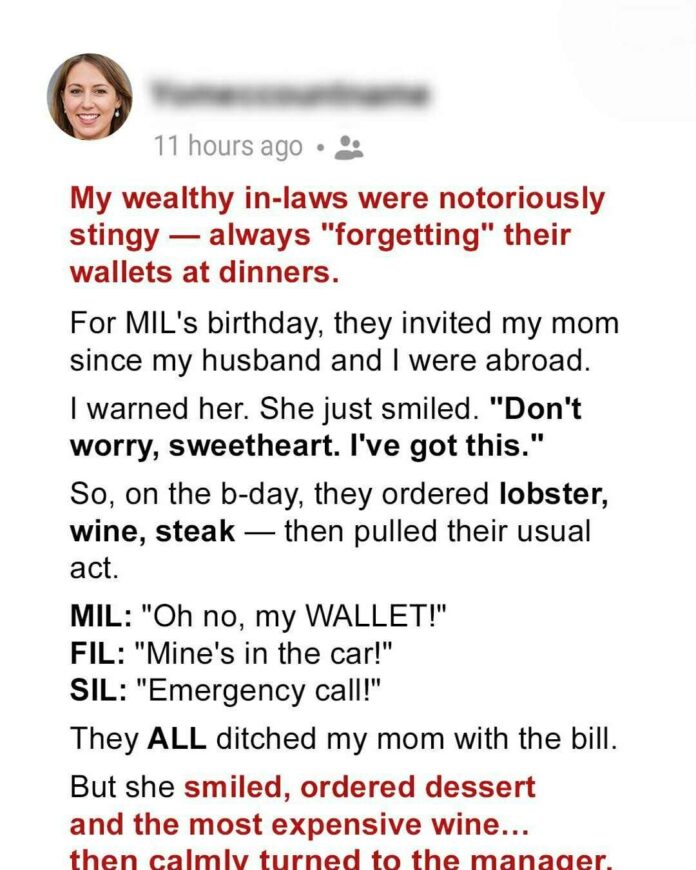
Sometimes, family dinners are about more than food—they’re a test of patience, etiquette, and wit. That night, I had a sinking feeling my husband’s parents had another trick up their sleeve, one that would leave someone else stuck with a hefty bill. Little did I know, my mom was about to turn their scheme into a masterclass in cleverness.
It all began with a familiar pattern. My husband’s affluent parents had a habit of “forgetting” their wallets at restaurants, leaving others to foot lavish bills. When they invited my mom to a high-end Italian restaurant for a birthday dinner—while my husband and I were away—I felt uneasy. I warned her, but she just smiled: “Don’t worry, I’ve got this.”
That evening unfolded exactly as expected. My in-laws ordered the finest wines, seafood platters, and decadent desserts. When the bill arrived, excuses poured in: misplaced cards, forgotten purses, sudden errands.
One by one, they slipped away, leaving my mom with a $1,500 check. Instead of panic, she calmly ordered a tiramisu and asked for the manager.
Here’s the twist: the manager recognized her—one of her former elementary students. Laughing warmly, she explained the situation. Together, they devised a plan: the manager called my in-laws, warning politely that the bill was still unpaid and that authorities might need to get involved if it wasn’t settled. Within minutes, red-faced and flustered, they returned with their cards. My mom enjoyed her dessert in peace.
The next morning, my mother-in-law acted as if nothing had happened. Yet the lesson had been learned. From that day on, every family meal ended with my mom loudly reminding everyone: “We’ll all pay separately, of course.”
Conclusion
That night proved that intelligence and composure can triumph over entitlement. My mom’s wit and grace not only preserved her dignity but also taught a subtle, unforgettable lesson: true class is measured in respect and accountability, not wealth.
Please SHARE this article with your family and friends on Facebook.
When it comes to intimacy and the role it plays in a person’s life, it’s safe to say that it’s the “spiritual super food,” and while some believe that this aspect of life fades away with age, that’s not really the case. In fact, while aging affects our bodies, minds, and even relationships, the desire for intimacy, closeness, and connections remains, although that also comes with slight changes.
Hormonal shifts and physical changes
One effect of reduced intimacy is that on the hormones. Physical closeness and shared sexual activity trigger the release of chemicals such as oxytocin, dopamine and endorphins, which in turn regulate mood, reduce stress and promote general well-being. When intimacy occurs less frequently, people experience these hormones less frequently, which can make them feel emotionally dulled or more easily overwhelmed.
Meanwhile, hormone changes come with aging. Desire and physical comfort may be affected by menopause in women, while energy, strength and sex interest may be impacted in men by increasing age and declining testosterone levels. Reduced intimacy doesn’t trigger these changes, but it can affect the intensity with which they’re experienced by taking away a natural source of emotional and hormonal support.
Impact on the immune system and sleep
Immune health can be supported by regular affectionate touch like hugging, holding hands, or cuddling, research suggest. When physical closeness fades, stress hormone levels may rise. This, as a result, can weaken the body’s defenses and increase inflammation over time. Sleep can also be at stake, as intimacy often encourages relaxation and deeper rest. Without it, people may find it harder to fall asleep, stay asleep, or feel fully rested.
Muscle tension and chronic discomfort
Physical closeness is one of the factors that helps the body relax and release tension. Some people also experience more stiffness, headaches or discomfort in general when intimacy is not present.
While intimacy itself isn’t a medical treatment, it does shows how the nervous system reacts to safe, comforting touch. And as mobility naturally decreases with age, a lack of this kind of relaxation can be even more noticeable.
Emotional and mental health effects
Emotionally, the effects of lack of intimacy may be quite strong. Since intimacy promotes a sense of belonging and emotional safety, without it, some elderly individuals feel isolated even when they have social interactions, because loneliness is the result of an absence of meaningful connection. This lack can gradually influence self-esteem at some individuals, while for others, it comes as a relief from the burden sexual activity brings in terms of expectation.
Cognitive and neurological effects
Being emotionally close with someone can support brain health by stimulating areas linked to memory, mood, and motivation. When those inputs drop, mental engagement may decline sooner, but intimacy is just one of many factors.
There’s often a change in intimacy as people age, but it need not vanish or be sexual. Touch, conversation, companionship, and emotional support can all contribute to resilience and well-being.
Please SHARE this article with your family and friends on Facebook.
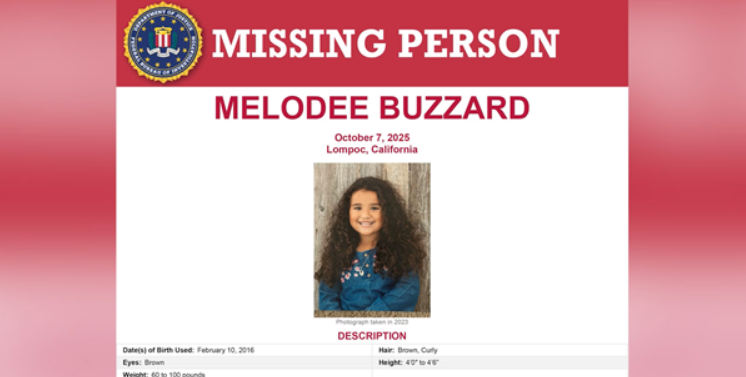
After weeks of excessive search, the body of missing Melodee Buzzard was found on December 6, 2025, in a remote area of Wayne County, Utah. She was only discovered after a man stumbled upon what looked like human remains near State Route 24, according to law enforcement.
Melodee’s mother, Ashlee Buzzard, has since been arrested and facing charges of first-degree murder, Santa Barbara County Sheriff-Coroner Bill Brown announced.
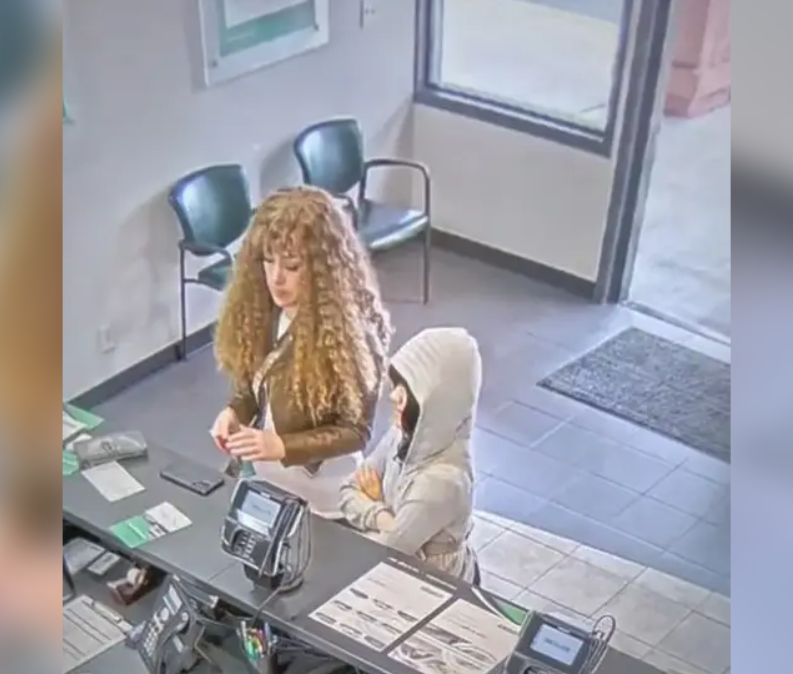
Melodee was reported missing by her school on October 14 after she had failed to attend lessons since August. When authorities questioned her mother, she was unable to answer where her daughter could be while security cameras from October 9 caught her and Melodee on the Colorado-Utah border. When she left California with Melodee, Ashlee was driving a rented white 2024 Chevrolet Malibu. The two travelled as far as Nebraska with stops in Nevada, Arizona and Utah, and a return route included Kansas.
Video from the rental car office in Lompoc, California showed that both Ashley and Melodee Buzzard wore wigs and changed their appearance during travel.
Authorities believe the girl was killed shortly after the video was taken, with forensic analysis confirming she had died from gunshot wounds to the head.
Santa Barbara County Sheriff’s Office
“This level of criminal activity is particularly shocking given the calculated, cold-blooded and criminally sophisticated premeditation and heartlessness that went into planning it,” Sheriff Brown said. “We have recovered a significant amount of evidence that clearly indicates that this heinous crime was committed by Ashlee Buzzard, Melodee’s mother.”
The sheriff added: “This is an extraordinarily tragic case involving the murder of a child by the very person she relied upon and trusted the most.
“While maternal filicide is rare and difficult to comprehend, the evidence in this case clearly indicates a calculated, deliberate and ruthless act.”
Surveillance photos of Melodee Buzzard and Ashlee Buzzard reportedly seen in wigs/ Santa Barbara County Sheriff’s Office
Melodee’s paternal grandmother, Lilly Denes, described her granddaughter as lovable, always smiling and well-behaved.
She said she was the first person who got notified that Melodee was dead. “She’s over there with her dad now,” Denes said.
Denes’ son, Melodee’s father, died in a motorcycle accident when Melodee was still a baby.
Please SHARE this article with your family and friends on Facebook.
Pope Leo was peppered with questions as he moved through the crowd at the Vatican during his first international press conference.
He spoke of the importance of free speech and a free press and thanked reporters for covering the papal election. The pontiff also emphasized the significance of “being an informed society in order to make good choices and decisions regarding international policy,” according to NewsNation.
At one point, NewsNation correspondent Robert Sherman asked the Pope Leo if he had “any message” to give the US to which the pontiff replied, “Many.”
He then added: “God bless you all.”
The short answer, which many saw as a menacing message from the Pope to the US, caused quite a stir and vent viral in the blink of an eye.
Plenty of people interpreted it as a dig at the US president whom Pope Leo criticized on the social media as Cardinal Robert Prevost.
In 2015, when Trump announced he was running for president and promised to “build a wall,” the pontiff retweeted an op-ed titled “Why Donald Trump’s anti-immigrant rhetoric is so problematic.”
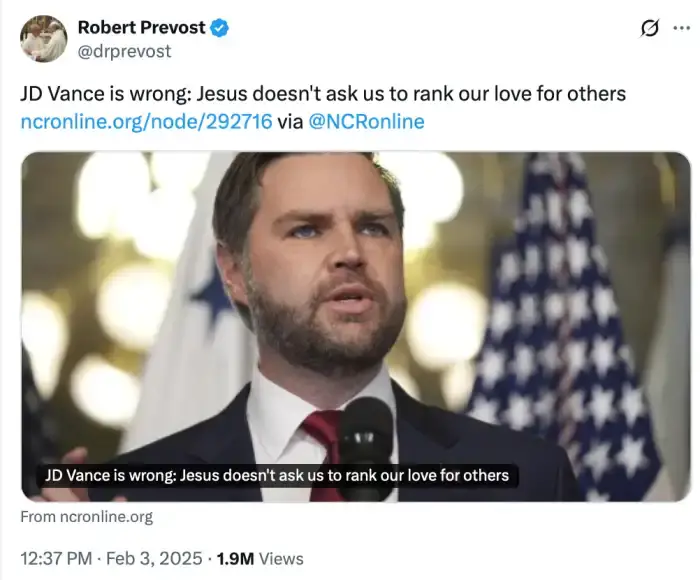
Pope Leo also criticized Vance for an interview he gave about Christianity on Fox News.
“JD Vance is wrong,” he said. “Jesus doesn’t ask us to rank our love for others.”
Discussing concerns over the Trump administration’s handling of immigration, Vance referenced a Christian tenet “that you love your family and then you love your neighbor, and then you love your community, and then you love your fellow citizens, and then after that, prioritize the rest of the world.”
After receiving criticism on his views, Vance took to the social media to defend himself, writing, “Just google ‘ordo amoris.’ Aside from that, the idea that there isn’t a hierarchy of obligations violates basic common sense.”
@newsnationnow/tiktok.com
Ten days later, Pope Leo, as Cardinal Robert Prevost, shared another piece from a Jesuit publication, titled, “Pope Francis’ letter, JD Vance’s ‘ordo amoris’ and what the Gospel asks of all of us on immigration.”
According to the Daily Mail, referring to Pope Leo’s message to the US, some questioned whether he may have misheard the reporter over “any blessings for the United States,” saying it “makes more sense” given that he told the nation “God bless you all.”
Please SHARE this article with your family and friends on Facebook.
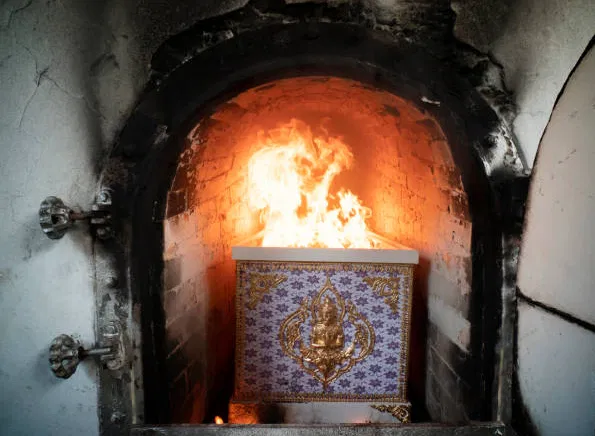
Cremation is the process of incineration of the body of a deceased person at very high temperatures, with only a relatively small amount of “ash” left at the end, for the family to either keep, bury or scatter. The truth is that cremation remains taboo in many cultures and religions, but despite that, it has gained popularity over conventional funerals in recent years.
There are many misconceptions surrounding the process of cremation, which leads people to feel scared of it — but that fear simply comes from the unknown.
Lauren, a former funeral home worker who goes by @lovee.miss.lauren on TikTok, decided to walk her followers — over 2.5 million — through the process of cremation and bust a few common myths.
According to her, the most common question she gets is, “How can I be certain that the ashes I receive truly belong to my loved one?”
Lauren walks families through the process, explaining that when a body arrives at the crematory, it is tagged with a metal ID plate carrying a unique number. That plate stays with the body throughout cremation. Afterward, the ashes are sealed in a bag with the proper identification, and the family is given a cremation certificate listing the person’s name and registration number.
Some of the questions people ask may sound unusual, but they address real concerns. For instance, one person asked if a tampon is removed when a woman passes away during her menstrual cycle. Lauren explains that, in most cases, an autopsy is performed before cremation, and items like tampons are removed—especially if embalming is part of the process. All of this is done following strict protocols and only with the family’s consent, ensuring the body is treated with dignity and respect.
Louise Singer, manager of Bramcote Bereavement Services in the UK, explained that before cremation, coffins are inspected for items that cannot be burned, such as metal objects. She stressed the importance of checking for pacemakers, as they can explode in the heat and even shift a massive cremation chamber.
Well, not only does the process of cremation itself raise questions for those who decide to have their loved ones cremated, but also the question of what happens to the soul afterward. This especially bothers those who are religious and believe in the afterlife and in the concept of the soul living forever.
Different religions, traditions, and beliefs offer different answers to this question.
Though the mechanics of cremation are clear, what happens to the soul is still shrouded in mystery.
1. Hinduism and Buddhism: A Path to Liberation
In Hinduism, the cremation is the preferred process when a person dies. It is believed that the soul (atman) is eternal and simply leaves the body at the time of death. The act of cremation helps the soul detach from its physical form and move on to its next life through the cycle of reincarnation (samsara).
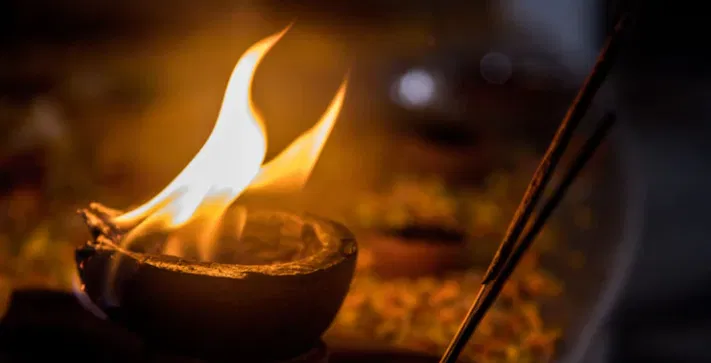
In Hindu belief, fire is considered a sacred purifier that releases the soul from the body.
In Buddhism, just like in Hinduism, cremation is commonly practiced, with the difference that Buddhism does not hold to the idea of a permanent soul. This religion teaches that consciousness continues in a cycle of rebirth. According to those who practice Buddhism, cremation isn’t only a ritual but a gesture of acceptance, honoring impermanence while opening the path to what comes next.
2. Christianity: Faith in the Afterlife
Over the centuries, Christian views on cremation have changed. For Christians, especially Catholics, burial was historically favored because of the belief in bodily resurrection. Today, most Christian denominations accept cremation, provided it doesn’t reject the belief in resurrection.
Christians believe that the soul is judged by God and moves to heaven, hell, or a waiting state like purgatory after a person dies. The body’s treatment—whether burial or cremation—does not affect the journey of the soul, but faith and one’s relationship with God are what truly matter in determining the soul’s path after death.
In Islam, cremation is strictly prohibited. Muslim tradition calls for the body to be buried as soon as possible following death, in a manner that is both simple and respectful.
Muslims believe the soul leaves the body at the moment of death, but remains linked to it until the Day of Judgment. This prohibition emphasizes the dignity owed to the human body, with burial serving as an expression of respect and obedience to God’s commands.
4. Secular and Spiritual Views
In today’s world, there are plenty of people who consider themselves spiritual but not religious, or they simply adopt a more secular perspective.
Cremation, in these contexts, is often viewed as a natural return of the body to the earth. Some hold that the soul journeys to another plane, becomes one with the universe, or lives on through the memories and impact left behind.
Others, particularly scientists and humanists, view consciousness as ending at death, making cremation a personal or ecological choice rather than a spiritual concern.
Please SHARE this article with your family and friends on Facebook.
Grammy Award-winning singer Michael Bolton was diagnosed with glioblastoma, a fast-growing type of brain cancer, in December 2023. He had underwent an emergency surgery to remove the tumor and then had a second surgery in January 2024 to treat an infection. He also received radiation and chemotherapy.
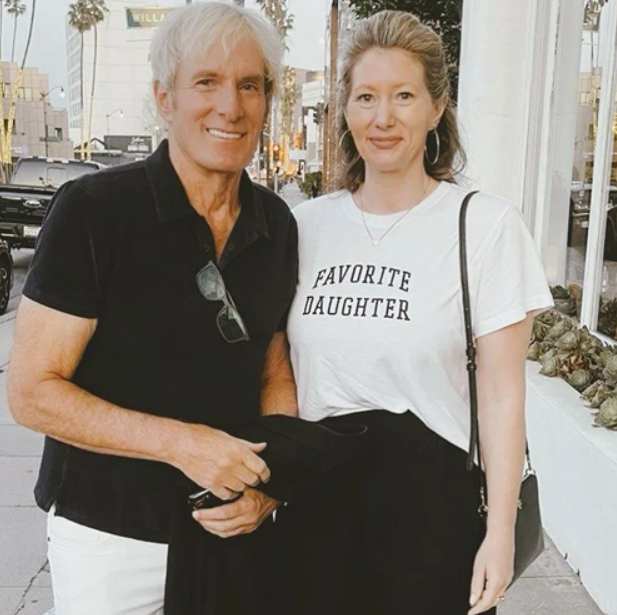
Now, two years after the diagnosis which the family described as “overwhelming” and “devastating,” Bolton’s daughters, Isa and Taryn, who take care of their father along with their sister Holly, provided an update on the singer’s health.
According to them, Michael Bolton is in “very good spirits and very good health.”
“He has a lot of challenges, and we do have great days and some tough days, but in general, he’s very strong. His mobility and cognition have been terrific. So, we’re in a really good place right now,” Isa, 50, told the AARP in a December 19 interview.
“He’s generally in a really good mood and just like excited for the day,” Taryn added.
The When a Man Loves a Woman singer shared that his daughters’ support “means more than I could ever put into words.”
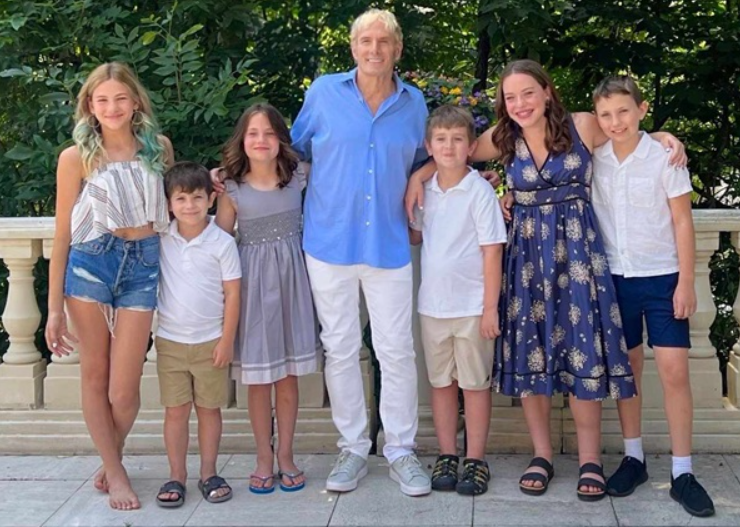
“My daughters have been constant in a way that grounds me,” Bolton said. “On the harder days, they help me stay centered; on the lighter ones, they bring out the laughter that makes everything feel possible again. They remind me of who I am and what’s worth fighting for.”
He added he feels “deeply grateful” to be surrounded by his family amid his battle with the disease.
“This past year has tested me in ways I never imagined, but it’s also made me more aware of the moments that fill life with meaning: having meals with my family, hearing my grandkids laugh, stepping outside on a beautiful day and just taking it in,” he explained.
According to People, Bolton undergoes MRIs every two months to ensure his tumor has not returned, and his April scan was clear.
Please SHARE this article with your family and friends on Facebook.
I am Jennifer, a 43-year-old single mother of a teenager. My life used to be picture perfect, but following my messy divorce from my ex-husband Dereck, everything went south. My son Josh and I ended up living in what looks like the tiniest apartment there is, but at least we have each other. The thing is that Dereck left without warning. He just didn’t want to have anything with me and Josh any longer, and he left heartbreak behind.
One day, I heart Josh’ footsteps, but they sounded heavier than usual.
“Mom, come quick. You need to see this!” he yelled from the front door.
I had no idea what was going on and got scared for a moment, and then I saw Josh carrying two babies in his arms. They were newborn twins, barely days old.
“Josh! Whose babies are these? And why do you have them?”
“Mom, they are daddy’s twins… let me explain everything.”
You see, our place is near Mercy General Hospital, and Josh went there to check on his friend Marcus who fell from his bike and injured his knee when he saw Dereck after years of not having any contact with him. He was angry and yelling before he stormed out the hospital.
Josh then learned that Dereck’s girlfriend Sylvia went into labor and wasn’t doing well. She was suffering from a severe infection, but Dereck left her, telling her he didn’t want to do anything with the babies.
“But Josh, how did you even got the babies. And how is this our problem?”
“Sylvia signed a temporary release form,” he explained. “She knew who I was. I showed my ID. Mrs. Chen, our neighbor who works at the hospital vouched for me.”
The babies were so tiny and fragile. I felt sorry for them, but they weren’t ours to care. Honestly, I didn’t want to have anything with Dereck’s babies, but Josh said, “Mom, do you realize these babies are my siblings?”
I took the babies and returned to the hospital. I demanded to see Sylvia, and Mrs. Chen warned me that she wasn’t doing well.
And she was right. Sylvia was barely breathing with the infection spreading faster than doctors hoped to.
“I’m so sorry,” she cried. “I didn’t know what else to do. I’m alone—Derek left.”
“I know,” I replied.
“He didn’t want to be involved,” she said, looking at the twins. “When he learned about them and my complications, he walked away. I don’t even know if I’ll survive. What happens to them if I don’t?”
Josh stepped forward. “We’ll take them,” he said.
My chest tightened. “Josh…”
“They need us, Mom.”
“Why is this our responsibility?”
“Because no one else will take it,” he cried. “If we don’t, they’ll be split up in foster care. Is that what you want?”
I couldn’t answer, and just I looked at the babies, my son and the woman fighting for her life.
“I need to make a call.”
Then I phoned Derek from the parking lot. He answered, irritated.
“What?”
“It’s Jennifer. We need to talk about Sylvia and the twins.”
Silence. “How do you know?”
“Josh saw you leave. What’s wrong with you?”
“I didn’t ask for this. She said she was on birth control. It’s a mess.”
“They’re your children.”
“They’re a mistake,” he said flatly. “I’ll sign whatever you need. Don’t expect help.”
I hung up.
An hour later, Derek arrived with a lawyer. He signed temporary guardianship papers without looking at the babies. “They’re not my problem anymore,” he said, and left.
Josh watched. “I’ll never be like him,” he whispered.
That night, we brought the twins home. Lila and Mason. Josh set up a small space for them with a secondhand crib.
The first week was exhausting. Crying, diapers, no sleep, but Josh handled most of it.
Five days later, Sylvia died. She had named Josh and me permanent guardians. Her note read: Josh showed me what family means. Please care for my babies.
A year later, our home is loud and chaotic.
Josh, now seventeen, gave up football and his teenage freedom. “They’re not a sacrifice,” he says. “They’re my family.”
Please SHARE this article with your family and friends on Facebook.
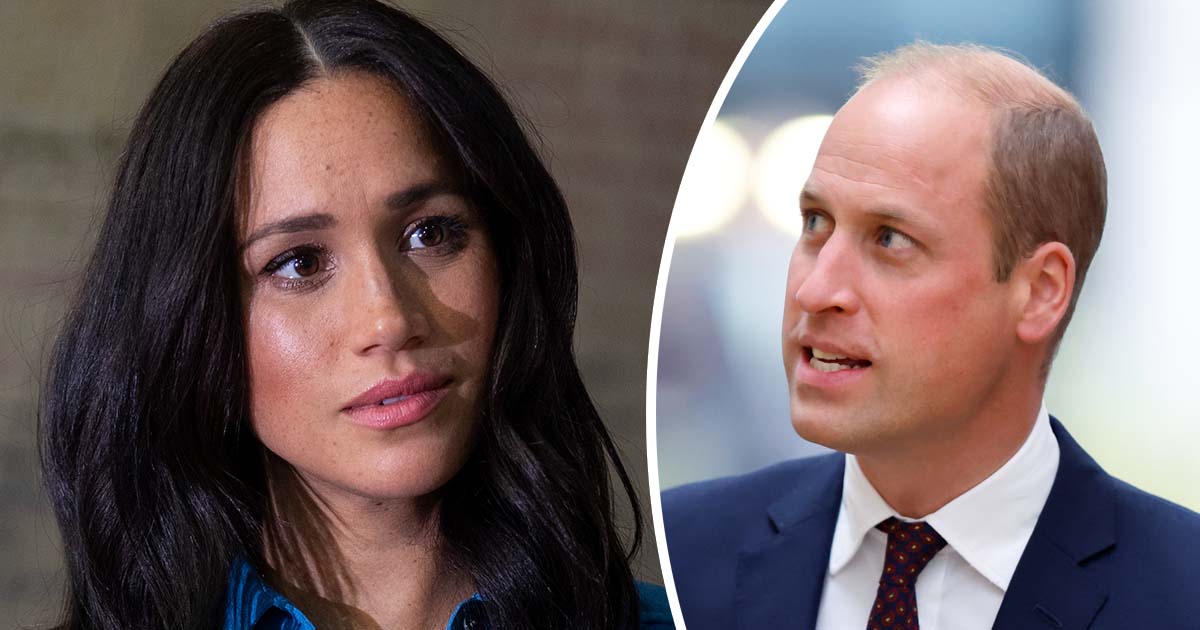
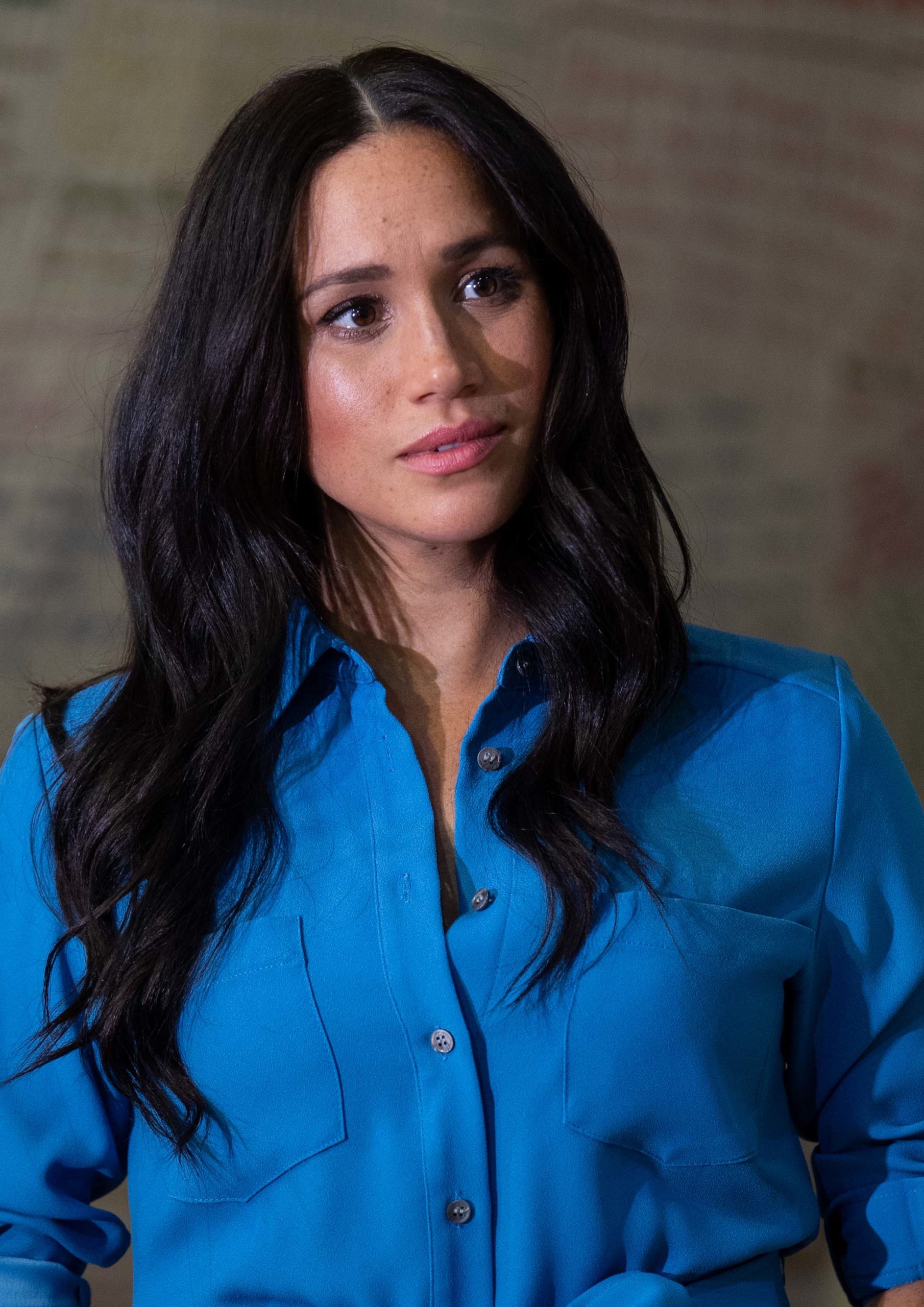
With Christmas being just around the corner and everyone getting excited about the most wonderful time of the year which is all about family and gatherings, we can’t help but turn to the rumors surrounding the British royalty and how they are spending Christmas.
According to royal experts, Harry and Meghan have been invited to spend the holidays in Britain, but they allegedly declined the invitation and will be celebrating in sunny California instead.
Pool/Samir Hussein/WireImage
When Harry and Meghan announced they were dating back in the day, late Queen Elizabeth made an exception and opened the doors to her home for Meghan and invited her to celebrate Christmas with the closest family.
Meghan was reported to be concerned about meeting William because she truly wanted to make an impression, and according to royal authors she and her brother-in-law got along nicely after their first meeting.
According to the Pro-Sussex biography Finding Freedom, written by Omid Scobie and Carolyn Durand, Meghan “thought William would no doubt want to know everything about her and her intentions.
“She was self-aware enough to understand that the brothers were wary of women who were more interested in their titles than their wellbeing,” they wrote.
“And she couldn’t have come from a more different world than that of William, his wife, and most of their friends.”
Netflix/ YouTube
As Harry and Meghan’s relationship progressed, William reportedly voiced concerns over the fast pace it developed and told his brother to take as much time as he needs to get to know Meghan. Harry on the other hand interpreted William’s words as “snobbish.”
“William soon began to wonder about some of Meghan’s traits and motivations,” a source told the Daily Mail, as revealed by the Express.
“He was worried that at times she seemed to be more concerned about her personal progression or profile over the wider goals and aims of the Royal Family.”
Sadly, now that the trailer for Harry and Meghan’s new documentary is out and seen by millions in just 24 hours upon being on YouTube, many are convinced that the chances of smoothing things out between the Sussexes and the Firm, which seemed like a reality after the Queen’s passing, are even slimmer than before.
“No one sees what is happening behind closed doors,” Harry could be heard saying. “I had to do everything I could to protect my family.”
Now that Christmas celebrations as a family seem like a distant past, there were times when Harry and Meghan were looking forward to spending time with the rest of the royalty.
What’s most, besides the hunting, the dinner, and the monarch’s speech, there is a tradition within the royal family to gift each other unusual gifts.
Max Mumby/Indigo/Getty Images
It has been said that Princess Ann once gave her brother King Charles a leather toilet seat cover and Harry gave his beloved grandma a shower cap that read “Ain’t life a b***h.”
When it came for the perfect gift for the Queen, Meghan opted for a singing hamster which both she and her corgis loved. However, William was something different, as Meghan was unsure of what to get him because according to authors Carolyn Durand and Omid Scobiee, her “biggest challenge was finding the perfect novelty gifts to amuse her new extended family.”
Eventually, she came up with the perfect idea and got William a spoon that had ‘cereal killer’ embossed on the shallow bowl end of it.
It turned out to be a huge hit.
Please SHARE this article with your family and friends on Facebook.
Why Wrapping Aluminum Foil Around Your Door Handle Might Be the Smartest Home Security Trick You’ve Never Tried
At first glance, wrapping aluminum foil around your door handle sounds like something out of a quirky internet trend — strange, unnecessary, maybe even pointless. But don’t be too quick to dismiss it. Homeowners everywhere are discovering that this odd little hack can actually serve as a clever, low-cost layer of home protection. And all you need is a roll of foil from your kitchen drawer.
The Science (and Simplicity) Behind the Trick
Here’s the idea: before heading to bed or leaving for the day, take a small sheet of aluminum foil and wrap it snugly around your exterior door handle. Keep it smooth — no need for extra wrinkles. When you return, any new dents, smudges, or folds in the foil can reveal whether someone has tried to jiggle or test your door. It’s a subtle visual cue that something might be off — an instant sign of tampering that costs you next to nothing.
An Unexpected Sound Alarm
Foil isn’t just for leftovers. When tightly wrapped, it’s also surprisingly sensitive to movement. If you’re inside the house and someone tries the handle, that faint metallic crinkle can serve as an early warning. It’s not loud enough to wake the neighborhood, but it’s often just enough to alert you — and startle anyone trying to sneak in quietly.
The Psychology of Deterrence
Sometimes, security isn’t just about locks and alarms — it’s about perception. To an intruder, a foil-wrapped doorknob is confusing. It’s out of the ordinary. It signals that the homeowner is cautious and possibly monitoring for unusual activity. That moment of hesitation — that “something feels off” moment — can be enough to make them walk away and look for an easier target.
Boosting the Effect
Want to take it up a notch? Place a lightweight metal cup or small pot on the inside door handle before you go to sleep. If the handle moves, the object will clatter to the floor, creating an instant noise alarm. Pair this DIY trick with motion-sensor lights, security cameras, or smart locks for a more complete defense system.
🔹 Final Thoughts
Sure, it might look a little odd — but the aluminum foil door handle hack isn’t just a social media gimmick. It’s a simple, surprisingly effective way to add a subtle layer of awareness to your home security routine. It won’t replace professional systems, but it can make you more alert, deter unwanted visitors, and help you rest a little easier knowing you’ve outsmarted potential intruders with nothing more than a humble sheet of foil.
Please SHARE this article with your family and friends on Facebook.
Behind the laughter and drama of some of the UK’s most cherished shows, Frank Grimes quietly commanded attention, leaving a lasting impression on both audiences and colleagues.
Many were unaware of the full range of his talent and dedication until his passing brought renewed focus to a career that had quietly influenced decades of theatre and television. What untold stories lie behind the man who made every character feel real—and why did his performances resonate so deeply across generations?
The entertainment world is mourning Frank Grimes, the acclaimed Irish actor whose charm, talent, and authenticity enriched every role he undertook. He passed away at the age of 78, leaving a legacy that spans theatre, television, and film.
UK audiences will remember him fondly as Barry Connor on the beloved soap Coronation Street. Making his debut in 2008, Grimes’ character—the father of Michelle, Paul, and Liam Connor—was central to many significant family storylines. His return in 2015 for Michelle’s wedding to Steve McDonald remains a treasured moment for fans.
Beyond Weatherfield, Frank’s career was both extensive and diverse. Celebrated as “one of Ireland’s finest actors,” he earned acclaim for commanding stage performances and memorable television roles, including his appearances on Mrs Brown’s Boys, where his comedic timing matched his dramatic prowess.
Born in Dublin, Grimes earned a reputation for his unwavering commitment to his craft. Whether performing on Dublin’s renowned theatre stages or in front of television audiences, his portrayals carried a rare authenticity. Colleagues and fans described him as generous, professional, and deeply passionate about storytelling.
Tributes have poured in from across the acting community, praising his ability to bring depth to every scene. His work touched audiences across Ireland, the UK, and beyond, cementing his status as a cultural icon. While his passing marks the end of an era, the characters he embodied—and the joy he brought—ensure his memory will endure.
Conclusion
Frank Grimes’ death is a significant loss for theatre, television, and film. Through performances ranging from the streets of Weatherfield to stages across Dublin, he inspired colleagues and captivated viewers. His legacy of authenticity, dedication, and storytelling will live on through the characters he portrayed and the audiences he touched. Frank Grimes will be remembered as a consummate professional and an extraordinary actor.
Please SHARE this article with your family and friends on Facebook.
Tragedy at Home: 12-Year-Old Dies After Hidden Electrical Hazard Turns Deadly
What should have been a place of warmth and security has become the setting for a devastating and unimaginable loss. A 12-year-old child has tragically died in their own home after a hidden electrical hazard delivered a fatal shock—transforming an ordinary day into a nightmare no one saw coming.
Emergency services were called to the residence, where it was confirmed that the child had stepped on a live, faulty electrical connection. The surge was powerful, and despite immediate efforts to revive them, the child was pronounced dead shortly after the incident.
The sudden loss has shattered the family and sent shockwaves through the local community, where neighbors are grappling with the heartbreaking reality: a child’s life cut short by a danger that lay hidden within the walls of their home.
Authorities have opened a formal investigation to determine how the electrical fault occurred—and whether poor maintenance, outdated wiring, or negligence contributed to the tragedy. Safety experts warn that many households harbor unseen electrical risks: exposed wires, malfunctioning outlets, or aging systems that can go undetected until it’s too late.
This incident casts a harsh light on an often-overlooked threat. While homes are meant to protect, they can also conceal hazards that become deadly without regular safety checks and preventive action.
A Wake-Up Call for Every Household
The death of this child is not only a personal tragedy for one family—it’s a chilling reminder of how quickly safety can unravel when hidden dangers are left unaddressed. It urges every homeowner and tenant to take stock of their surroundings, to treat electrical safety as more than just a technical concern.
Inspections, proper repairs, and professional oversight aren’t just about compliance—they are about preventing unthinkable loss.
Conclusion
This heartbreaking loss serves as a solemn call to action. A child has died because of a hidden threat inside a place that should have been safe. While the investigation continues, one truth is already clear: vigilance saves lives.
For the grieving family, the pain is immeasurable. But for the broader community, their story is a powerful warning. Let this tragedy not be in vain. Let it be the moment we commit to ensuring our homes are truly safe—for ourselves, and for those we love most.
Please SHARE this article with your family and friends on Facebook.
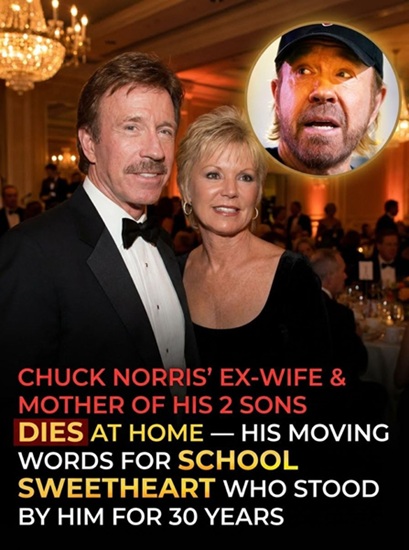
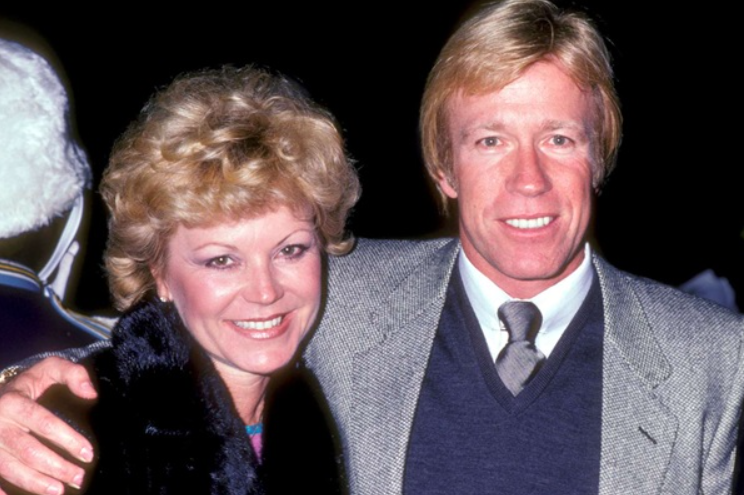
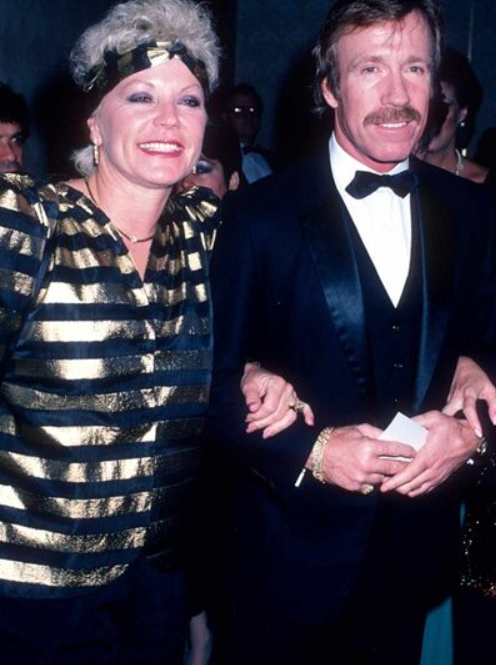
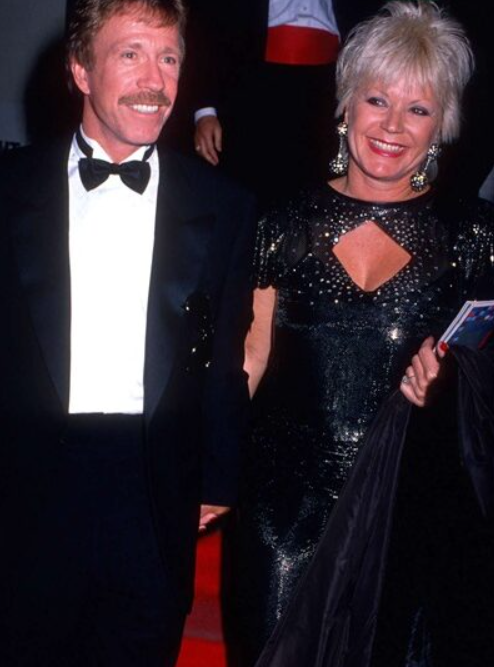
Dianne Holechek, the first wife of martial artist and movie star Chuck Norris, has died at her Texas home after battling dementia for a longer period of time.
The announcement about her passing was shared by her son Mike Norris, whom she shared with the actor. “We are thankful she is no longer suffering. She was the best, the greatest mom. We were so lucky to have her,” Mike told TMZ.
Chuck Norris also shared his tribute through a social media post. “I am deeply saddened to share that my ex wife, Dianne, has passed away. After being married for 30 years, we were able to find a way to remain close friends, and those years of friendship meant the world to me,” the Walker, Texas Ranger star wrote.
“Dianne was an incredible person. She was kind, intelligent, and lived life to the fullest. Her presence in my life will never be forgotten. She was also a loving and devoted mother to our sons, Mike and Eric, who were always her greatest pride.
“Even as our lives took different directions, we continued to care deeply for one another, and I will forever cherish the memories we built together.”
Norris and Holecek were high school sweethearts and tied the knot were they were both teenagers. However, they separated in 1988 and their divorce was finalized a year later. The couple shared two sons together. While Norris’s career took off in Hollywood, Holechek led a more low-key life.
In 1998, Chuck Norris married wife Gena O’Kelly and the pair welcomed twins Dakota and Danilee in 2001. The Way of the Dragon star also has another daughter, Dina, whom he met later in life. It was her who reached out to him and told him she was his daughter from an affair he had while serving in the Air Force.
At the time of her passing, Dianne Holechek was 84. May she rest in peace.
Please SHARE this article with your family and friends on Facebook.
When my son told me he wanted to meet my father, the man who threw me out at seventeen, my stomach dropped. I hadn’t spoken to my father in eighteen years—not since the night he turned his back on me and said, “Do it on your own.” I thought that chapter of my life was closed forever. But as my son stood there, calm and certain, I realized some stories don’t end where we think they do—they just wait for the right person to finish them.
At seventeen, one moment changed everything: I found out I was pregnant. That single truth cost me my home, my father’s approval, and the life I’d always known.
Eighteen years later, my son stood on that same doorstep, face-to-face with the man who had once cast me out—and said something neither of us expected.
My father was never the yelling type. His cruelty wasn’t loud; it was quiet, cold, and controlled. He treated his life—and everyone in it—like one of his auto garages: spotless, efficient, and without room for error. His love always came with invisible terms attached. Still, I told him the truth. I sat him down, trembling, and whispered, “Dad… I’m pregnant.”
He didn’t explode. He didn’t even look angry, he just stood up, opened the front door, and said the words that shattered everything: “Then go. Do it on your own.”
That was it. No goodbye, no regret. Just exile.
At seventeen, I found myself alone—with nothing but a duffel bag, a heartbeat inside me, and a determination I didn’t yet know I had. The baby’s father vanished within two weeks, so I worked—stocking grocery shelves during the day and cleaning offices at night. I whispered promises to my unborn child, the kind that only desperate hope can write.
When my son was born, there was no waiting room full of family. No celebration. Just me and this fragile, perfect little boy. I named him Liam. He became my reason for everything.
By fifteen, Liam had a job at a garage. By seventeen, customers were already asking for him by name. He had my fire—but his grandfather’s skill. Life had come full circle, though I never said it out loud.
When Liam turned eighteen, I asked what he wanted for his birthday. His answer froze me. “I want to meet Grandpa.” The same man who had turned his back on us. The man who had never called, written, or even asked if we were alive. But Liam’s eyes held no anger. Just resolve. “I don’t want revenge,” he said. “I just want to look him in the eye.”
So I drove him there. Same cracked driveway, same flickering porchlight that had once illuminated my worst night. My hands trembled on the steering wheel as he walked to the door.
When my father answered, confusion crossed his face—until he saw it. The resemblance. Liam looked too much like me. Too much like him. “Here,” Liam said, handing him a small box. “We can celebrate my birthday together.”
Inside was a single slice of cake. And then, softly but firmly, Liam said the words that stopped time: “I forgive you. For what you did to my mom. And for what you didn’t do for me.”
My father said nothing. He didn’t have to. His silence said everything. Liam took a breath and added, “Next time I come here, it won’t be with cake. It’ll be as your competition. I’m opening my own garage. And I will outwork you—not because I hate you, but because you made us strong enough to do it alone.”
Then he turned, walked back to my car, and closed the door without looking back. I couldn’t speak. My eyes filled with tears, and my heart ached—not from pain this time, but from pride. My son had done what I never could: faced the past without anger.
“I forgave him, Mom,” he said softly. “Maybe it’s your turn.” And that’s when I understood: what once felt like our rock bottom had been the foundation of our strength. We hadn’t just survived—we’d risen.
Conclusion
Eighteen years ago, I left that house broken and terrified. Today, my son walked away from it whole, calm, and unshaken. Forgiveness didn’t erase what happened, but it freed us from carrying it any further. We built a life from nothing—a life filled with resilience, love, and quiet victory.
My father lost his daughter that night, but I found something greater: the strength to raise a son who would one day teach me what grace really looks like. Sometimes, the deepest wounds grow into the strongest roots.
Please SHARE this article with your family and friends on Facebook.