

Overnight, a yellow crust known as eye sleep builds up on our eyelashes and the corners of our eyes. At some people, the eye sleep accumulates more than at others.
It is also known as “eye boogers” and “eye gunk,” while the medical term for it is “rheum.”
What people need to be aware of is that the presence of eye sleep is a normal phenomenon.
When we are awake, we blink and help the tears and the mucus clear away. However, during sleep, these build up in the corners of our eyes and become crusty.
In fact, despite tears and mucus, the eye sleep also consists of oils, dead cells, and bacteria and their remains.
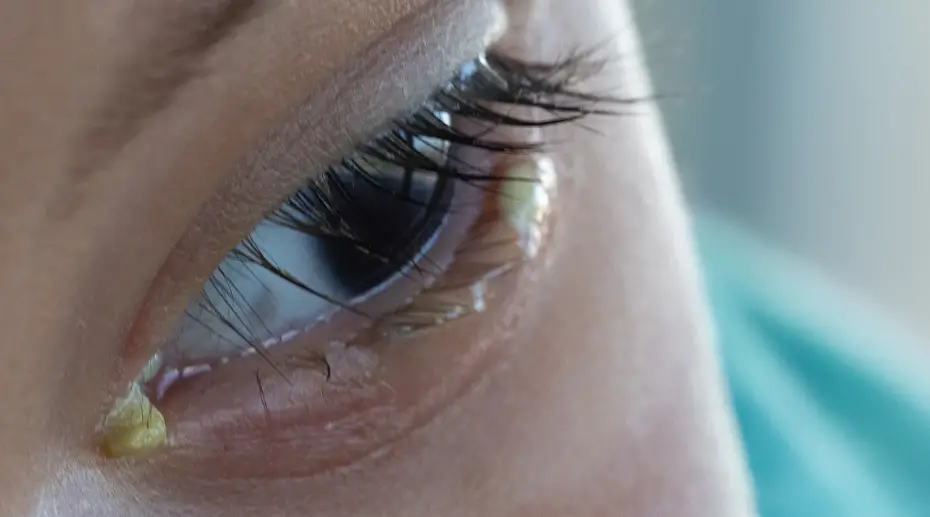
Dr. Rachel Clemmons, an ophthalmologist at the Wills Eye Hospital in Philadelphia, says, “The eye has several mechanisms to protect itself from infection, including antimicrobial proteins in tears and the physical barrier created by mucus. What we see as discharge is partially the evidence of your immune system successfully neutralizing potentially harmful bacteria that could otherwise cause infections.”
According to the Cleveland Clinic, the debris collected on the eyes is normal, unless it is related to other conditions, such as conjunctivitis, an inflammation of the conjunctiva.
In these cases the eye discharge is more abundant and more noticeable than normal eye discharge.
Abnormal eye discharge includes discharge that is green in color, sticky, excessive, and foamy.
It is usually accompanied with pain, itching, redness, blurred vision, sensitivity to light, swollen eyelids, or a bump on the eyelid.


Dr. Samantha Weiss, an optometrist in private practice, states: “While some morning discharge is entirely normal, patients should be aware of significant changes in the amount, color, or consistency of their eye discharge. These changes can be important indicators of eye health and shouldn’t be ignored.”
Other causes of abnormal eye discharge include: Staphylococcus epidermidis, a common bacteria found on the ocular surface, Propionibacterium species, Corynebacterium species, Streptococcus species, and various gram-negative bacteria in smaller numbers.
Babies and young children experience more excessive eye discharge or eye sleep because their narrow tear ducts block easily. Also, it is more abundant at elderly people and those experiencing dry eyes.
Please SHARE this article with your family and friends on Facebook.
Bored Daddy
Love and Peace