

Diego was 21 and in his third year of studies in Guadalajara. Just like most people his age, he struggled to make ends meet. He was in that perpetual state of low-grade hustle, taking whatever odd job came his way. Some weeks, he was a tutor, and others, he was clearing tables at a café in the neighborhood. When the money was really tight, he was spending hours scouring digital job boards, hoping for a break.
This was how he found the job.
The job was described in direct terms. Someone was needed to assist with cleaning for an old woman who was alone in a small alleyway in the old part of town. It was a small pay, 200 pesos per visit, but for Diego, it was the difference between eating and hoping.
When Diego knocked the door, it was Doña Carmen who opened it.
She was leaning on a cane and seemed really thin and fragile. Her hands had a constant tremor that she had a hard time hiding from Diego. Something about her eyes said she was through much throughout her life, as they were wary and spoke of a person who seemed to be used to loneliness and silence.
The moment Diego entered the place he realized that the house itself was a reflection of that elderly lady. The place was dark and cluttered and somehow it resembled her spirit. On the table, there was a dead radio bought years ago. The curling photographs on the walls, and the wooden bed made the place look as it had been worn down by the weight of a thousand lonely nights.
Doña Carmen moved really slowly because of her rheumatism which was a real struggle. Each move seemed like a battle to her, and it was something Diego could easily notice.
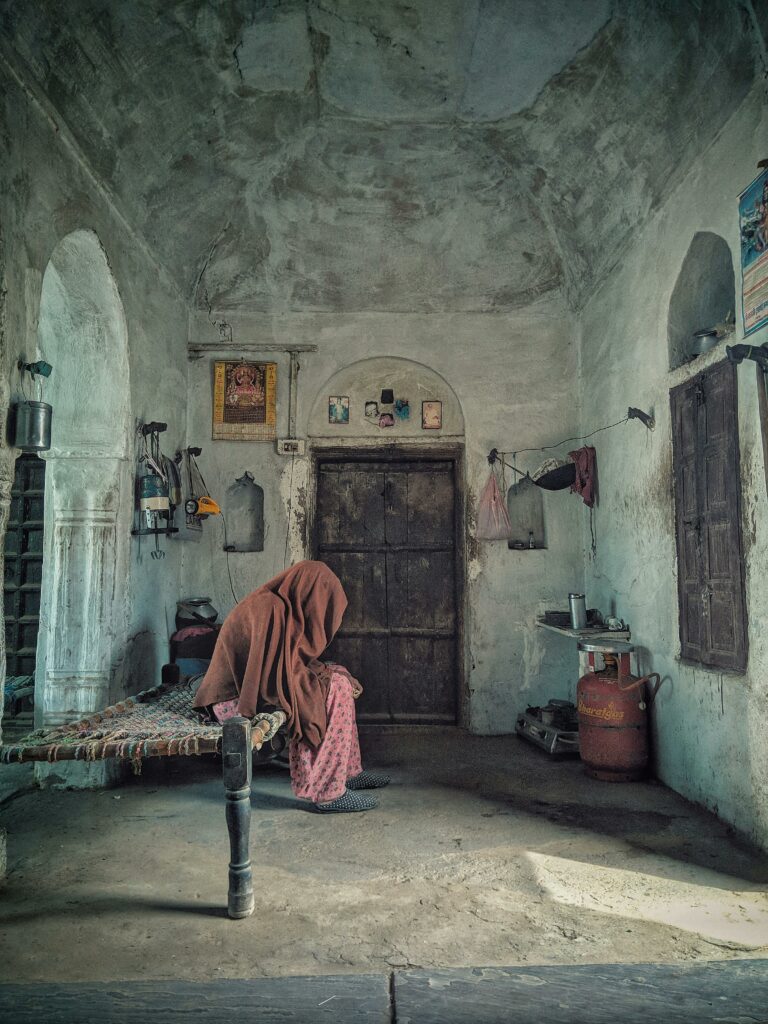
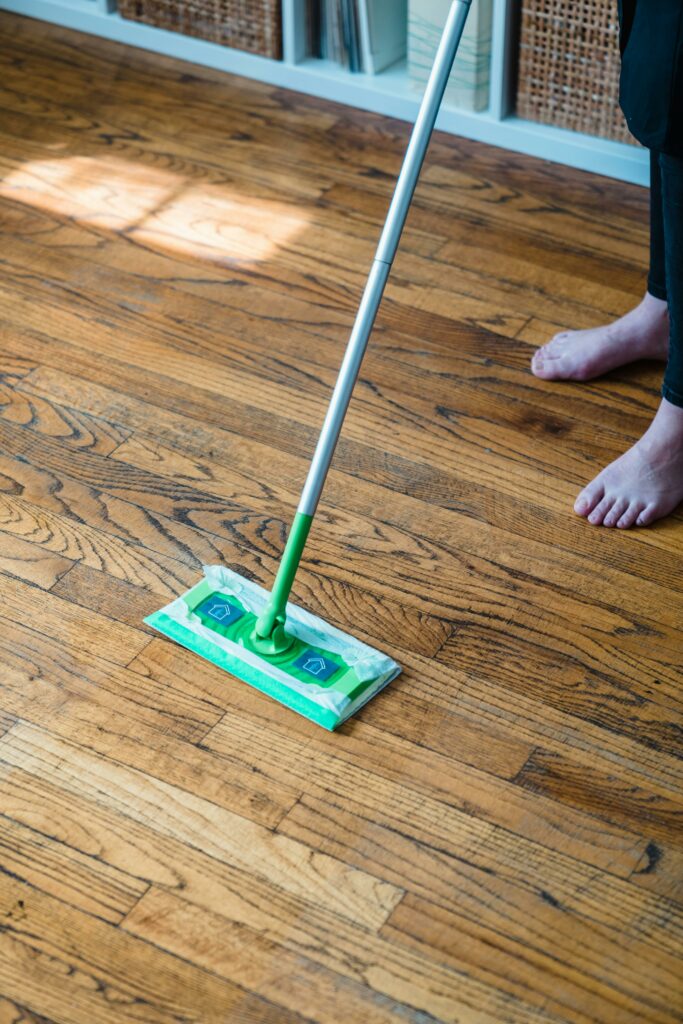
When she finally started speaking, she explained that she only needed him once a week. His job would be to sweep the floors, dust, and clear out the sink.
“I’ll pay you 200 pesos each time,” she told him.
Diego didn’t hesitate even a bit, he accepted the job right there and then.
At first, it was all business. He would go, clean, exchange some small talk, then go out again. But after a few weeks, he began to notice the small tragedies that filled this house.
The fridge was always hauntingly empty. Not empty as in, this person is too busy to eat. It was empty as in, this person is not even surviving. There were two eggs and a few wilted veggies.
One afternoon, Diego finally asked her if there is someone in her life to help her with her expenses. And it was than that Doña Carmen told him that she in fact had children, two sons and a daughter, who lived away. She said she didn’t want to be burden to them. It was obvious they rarely visited her, almost never, honestly, and it was sad just to think about it.
Diego didn’t ask any more questions because he knew she wasn’t happy when she spoke of her estranged children.
The next time he went over, he didn’t just clean the place. He also stopped by the store and got some groceries. It was just the basics. He then returned to her place and make her a pot of chicken broth.

It was for the first time in weeks that the elderly lady actually smiled genuinely.
After that day, the visits became more frequent.
He still cleaned for her, but from that moment on, he didn’t leave her house the moment the floors got dry. Instead, he cooked for her, ran her errands, and even took her to the public hospital when her flareups worsened. What’s more, he waited for her at the hospital’s waiting room so he could help her return home safely.
One day, as he was leaving the clinic, Doña Carmen put out her hand, took his, and said:
“Son, I don’t know how you found me… but when the money runs out, please, don’t stop coming by.”
Diego just smiled and said, “Don’t worry about that. Let’s just get you feeling better.”
“Promise me,” she said. And without knowing why he really did that, Diego gave his word.
When the payments eventually stopped, he figured it was just a lapse. Maybe she’d forgotten, or maybe she was waiting on a check. But as the weeks stretched on, the reality became impossible to dodge.
She was completely broke.
One afternoon, while he was stirring a pot on the stove, Diego said, “You can pay me back whenever you’re able.”
Doña Carmen looked at him and said, “You talk as if there’s still plenty of time left.”
Diego was caught off guard and didn’t know what to respond to that.
Over the months, Diego started visiting even more often. He’d get her fruits whenever he had some extra coins, but he mostly listened.
Doña Carmen shared stories of her youth, he husband who was long gone, and her children who barely reached out to her. Diego, however, found it fascinating that she never spoke ill of her children, beside they never called her.
“A mother is always a mother,” she said one day. “Even when her children forget how to be sons and daughters.”
Diego felt that statement had marked him.
One night, while searching through a drawer for a cloth, he came across a pile of old letters. All had been returned, unopened, addressed to a handful of names.
He did not say a word.
Nor did she.
But that night, as he went out the door, she called out to him.
“Come back tomorrow.”
She was dying with a speed that was terrifying. Getting out of bed was becoming a struggle. Her breathing came in shallow, ragged hitches.
At the clinic, a doctor stopped Diego in the hallway.
“She’s fading,” he said. “There’s not much time left at all.”
Diego barely nodded.
On the way home, Doña Carmen sat at the back of the taxi and starred at the streets as though she was trying to say her final goodbyes to the town where she had spent her entire life.
“Diego,” she whispered, “when I’m gone… promise me that you won’t let them throw everything out without looking in the wardrobe.”
And yet again, Diego made another promise.
The end was quiet and grueling. Doña Carmen ate very little. Diego sat with her in the room, helping her drink water, adjusting her blankets, and reading out loud to her to keep the silence from feeling like a predator.
One night, she placed her hand on Diego’s and said, “Please forgive me.”
“Forgive you for what?” Diego asked.
“For never paying you.”
“You don’t owe me a single cent.”
Two days later, Doña Carmen was gone.
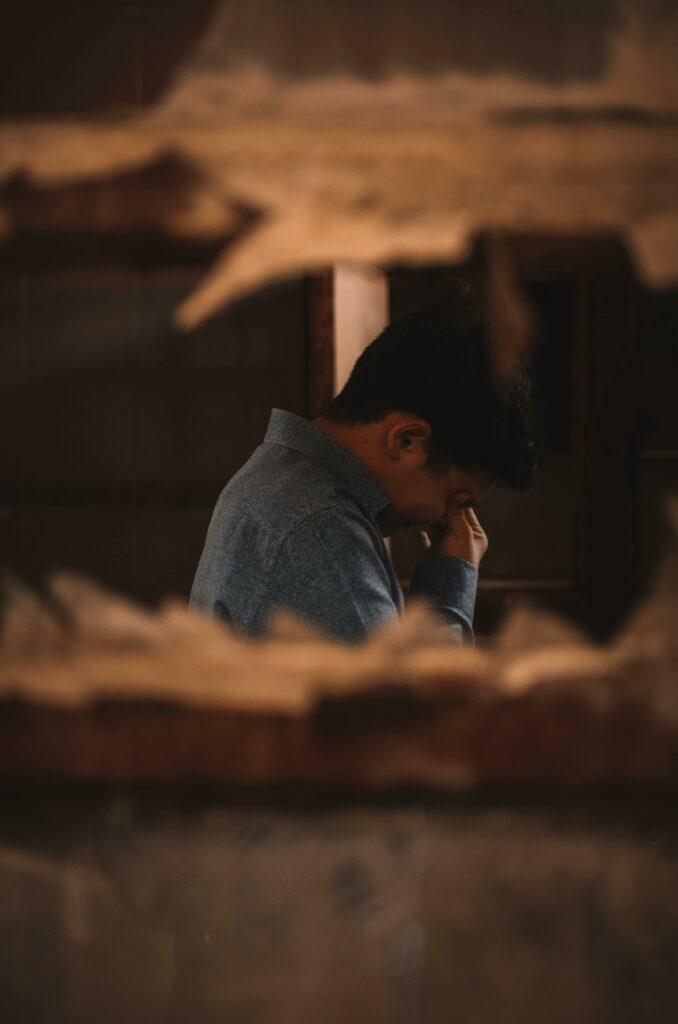
Diego learned of her passing when he went to visit her that morning and a neighbor told him the news. He explained that Doña Carmen died during the night.
The neighbor told Diego that he knew how much he meant to the elderly lady and handed him an envelope. “Diego, she wanted you to have this.”
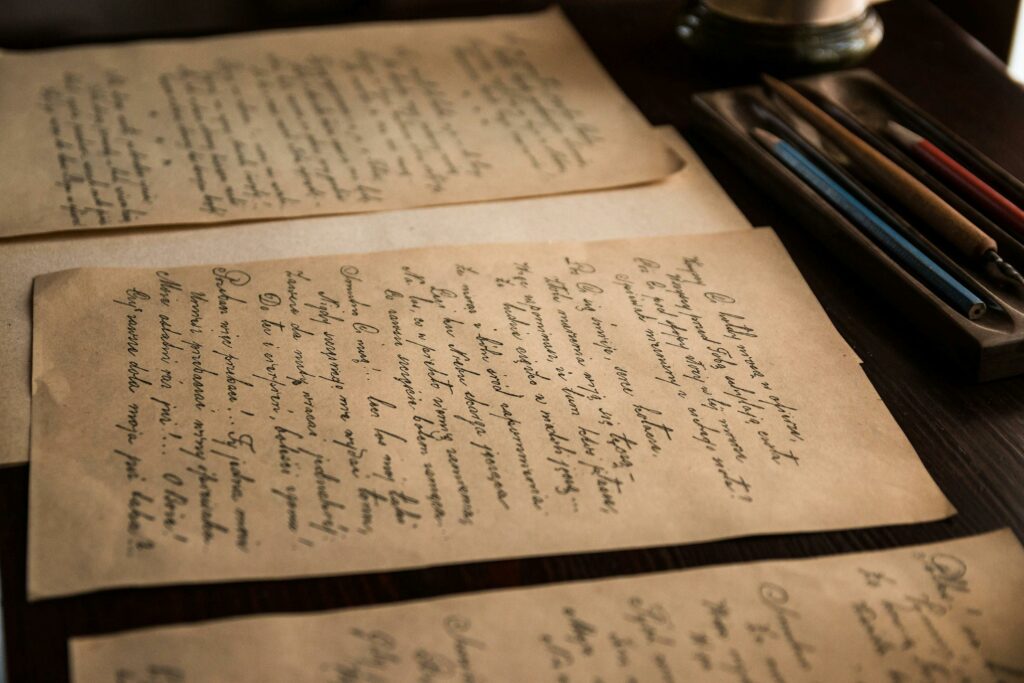
Inside the envelope, there was a letter and a key. As Diego read, the truth began to make sense. Doña Carmen wrote of her son, Tomás—a boy who had balanced his books and work, as Diego had. He had fallen ill years ago. There was a cure, but it was expensive, far more than she could ever pay.
“I had seen a ghost of what I’d lost. And a debt I could never truly settle,” she wrote of the moment Diego entered her life. She then wrote about the wooden box placed between her clothes in the drawer.
Diego used the key to open the box, and to his surprise, there was a pile of cash and deed to the house. She had left everything to him.
Diego couldn’t believe what he was seeing. Was he really the owner of that small, dark home?
The following day, Doña Carmen’s children showed up. They went through her rooms as if they were at an auction, calculating what they would sell.
When Diego presented them with the documents, the air became bitter. They tried to accuse him of taking advantage of their mother and stealing the house, but it was the neighbor who stood up for him, reminding them that he was the one there with her as she died away.
And then they were gone and the house was once again silent.

But Diego stayed. That place was now his home, and that meant he would no longer pay rent. Eventually, he fixed the leaks in the roof and paid the bills.
He did renovate the place little by little with the little money he was making, but he never touched some of the things there that Doña Carmen liked so much, like that old radio, the photographs, and the wooden bed.
Two years later, Diego graduated from university. At those moments in life when he felt proud of himself, all he could think of was that elderly lady he met by chance but who changed his life forever.
After the ceremony, he returned home and cooked some chicken broth. He then placed two bowls on the kitchen table. “I made it,” he whispered, because he knew that Doña Carmen was looking at him from heaven and was smiling at him.
Please SHARE this article with your family and friends on Facebook.
Bored Daddy
Love and Peace