A Florida man has been charged with murder after he allegedly shot and killed three tourists who were staying at a rental home in Kissimmee, a popular vacation area near Disney World, after their car broke down and left them stranded, authorities said.
Ahmad Jihad Bojeh, 29, was arrested at his home near the rental property where the killing took place, the Osceola County Sheriff Christopher Blackmon said during a press conference.
“It was cold-blooded, it was premeditated, there was absolutely no issues,” Blackmon said. “There was no conflict between these people. This was just random. And this happened to be the person who lived next door.”
Fox 35 Orlando
Deputies responded to reports of a shooting around 12:13 p.m. Saturday in a subdivision near Kissimmee, where they found three adult men dead from apparent gunshot wounds.
According to the sheriff, two of the men killed were brothers — Robert Lewis Kraft, 70, of Holland, Michigan, and Douglas Joseph Kraft, 68, of Columbus, Ohio. The third victim was identified as their friend, James Puchan, 68, of Ohio.
Police found two firearms at Bojeh’s home after executing a search warrant and are working to determine whether they were used in the killings. Jail records show Bojeh was arrested on three counts of premeditated murder and one count of resisting arrest without violence.
Fox 35 Orlando
Bojeh was known to the police from earlier, and was a “frequent flier to the sheriff’s office,” Fox News reported.
“I can tell you he was a threat to the neighborhood all the time. We had a lot of calls for service on this person in that area, so he was a known person, a frequent flier to the sheriff’s office,” Blackmon said and emphasized that the suspect is in custody.
“There is no threat to the community, as a suspect of these horrific and senseless murders has been caught and arrested by Osceola County deputies,” he said.
Please SHARE this article with your family and friends on Facebook.
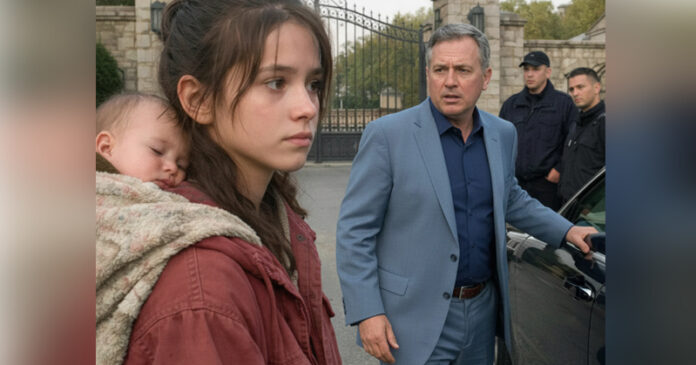
Victor Rowan was about to open the door of his black sedan when a timid, hesitant voice intervened on the front iron gates of his sprawling estate in Northern California.
“Sir… are you looking for someone to work? I can clean, cook, do laundry. Anything. Please. My baby sister hasn’t eaten since yesterday.”
His security team responded right away and advanced just as they had been trained. Victor had witnessed this type of situation far too many times. He’s heard a lot of heartbreaking tales of random strangers prepared to try and soften the heart of a wealthy man.
He learned not to pay attention because if he would, he knew it would bring trouble.
That day, this billionaire should have kept walking, but something inside him told him not to. There was something in that girl’s voice that made him stop.
The girl who was standing there seemed just about sixteen years old. She was painfully thin and was wearing a jacket that was much too big for her. Her shoes were dirty and her hair was pulled back in a hasty, sloppy bun. What’s more, she was tired in a way no kid her age should ever be because she was taking care of a baby.
The baby was bundled up in an old, worn-out blanket and tied around her back. Nothing was new or warm, just wrapped tightly enough to keep. What struck Victor first was how quiet the baby was. It was so quiet that he found himself watching the child’s chest rising and falling at a slow rate. Because of some reason, it caused discomfort at him.
At first, he was annoyed at the teenager crossing his path, but then he noticed something.
Below the girl’s jaw, at the top of her neck, there was a mark that he had seen before.
His sister had one too. It was the same curve, at the same place. He remembered his sister called that mark her “little moon,” but always tried to hide it with scarves and collars.
Viktor hadn’t seen that mark for twenty years, the same amount of time his sister Elena was missing.
“Who are you?” he asked.
My name’s Clara,” she said. “I’m not asking for money. I just need work. Any kind. My sister’s hungry.”
He lifted his arm slightly, forcing the guards to back away. “Give them something to eat,” he said. “And bring some water.”
When the food came, Clara tore the bread into small pieces and fed the baby whenever she stirred. Only after the baby was full did Clara take a few spoonfuls of soup herself.
“When did you last eat?” he asked.
“Yesterday morning,” she said. “It’s okay. I’m used to it.”
“What’s her name?” he asked, nodding toward the baby.
Before he continued, Viktor hesitated. “And your mother?”
“Elena. She died last winter. Pneumonia.”
“Elena,” he repeated quietly. “Did she have that mark too?” he asked, pointing toward Clara’s neck.
“Same place. She hated it. Said people stared.”
Victor closed his eyes for a second.
For years, he tried to convince himself that his sister had walked away because she wanted to. That she didn’t want his life, his rules, his way of doing things. It was easier than admitting he hadn’t tried hard enough to find her.
And now her children were standing in front of him, hungry and exhausted.
“She said you were her brother,” Clara added. “She said you were important. Busy. She told us not to bother you.”
Unsplash
That hurt more than anything else she could have said.
Victor then reached for the gate and unlocked it.
“Come inside,” he said. “Both of you. You don’t need to work. You don’t need to explain anything.”
That night, Clara had a hard time falling asleep. She was scared for herself and her sister because she knew that good things never lasted long. But the following morning, June was taken to the hospital for a check-up and Clara was given new clothes, and she somehow knew they were finally where they belonged.
“I should’ve looked for you,” Viktor said. “I shouldn’t have stopped.”
Clara hesitated, then said that her mother had always thought he would come for them. It was then that Victor realized he was not only a man behind gates and guards, he was an uncle.
Please SHARE this article with your family and friends on Facebook.
It began with a soft, almost hesitant whisper at his front door — a knock so light that at first Francisco thought it was the wind. But something about the timing felt off: the precise stroke in the dead of night, the silence that followed, and the faint echo that lingered far too long.
There was no name on the intercom, no message slipped under the door — only an aura of expectation, a suggestion that someone or something had come looking for him. As he stepped toward the threshold, his heart pounded with a mixture of anticipation and dread.
Did he open it, or let the mystery remain outside? Either way, he sensed that whatever awaited him could reshape everything.
Francisco San Martin — an actor widely known for his work on daytime soaps such as NBC’s Days of Our Lives and CBS’ The Bold and the Beautiful — has died.
He was found dead in his Los Angeles home on Thursday, Jan. 16. The Los Angeles County Coroner’s Office has ruled his death a suicide by hanging. He was just 39.
Born in Mallorca, Spain, in 1985 and raised in Montana, Francisco San Martin began acting in children’s theatre in the U.S. He later returned to Spain as a teen, pursued modeling, and undertook formal acting lessons. Over time, he appeared in several Spanish stage, TV, and film productions before returning to the United States to further his career.
San Martin’s most notable roles were in American daytime television. After a one-off appearance on Days of Our Lives in 2010, he was cast as Dario Hernandez, a character he portrayed in over 50 episodes during a six-month run in 2011. Following that, he appeared in the 2013 TV movie Behind the Candelabra. He later returned to daytime television in 2017, appearing on The Bold and the Beautiful as Mateo — a groundskeeper caught up in one of Sheila’s schemes. That same year, he joined the cast of Jane the Virgin, playing Fabian Regalo del Cielo in seasons 3 and 4.
News of his passing shocked fans and colleagues alike. Among those paying tribute was his Days of Our Lives co-star, who affectionately called him “Pepe” and shared memories of him singing “Happy Birthday” during a Hollywood concert — a moment she said she will never forget.
🔹 Conclusion
Francisco San Martin’s sudden passing leaves a void in the hearts of fans and colleagues — a poignant reminder of how fragile life can be, even for those who seem to live under a bright spotlight. His roles brought entertainment, his presence brought warmth, and now his absence reverberates across a community that admired him. Though his life ended too soon, the moments he created — on screen and off — will live on in memory.
Let his story be more than a tribute; may it serve as a call for compassion, mental-health awareness, and kindness. In remembering Francisco, we are reminded to reach out, care sincerely, and never assume another’s smile hides no pain.
Please SHARE this article with your family and friends on Facebook.
It was a discovery that left everyone puzzled: a tiny, mysterious door within a door, concealing objects that no one could immediately identify. Curiosity—and a touch of disbelief—spread online as photos began circulating, sparking waves of speculation. Was it a secret mechanism, a relic from the past, or something far stranger? As often happens, the answer emerged from an unexpected source: the internet.
Viewers were amazed by the odd items hidden inside the small door, but explanations soon surfaced online. One Reddit user, 3rdCoastTxn, offered clarity: “You can communicate with someone without opening the door; it’s called a speakeasy.”
Interest in the miniature door intensified, prompting questions like, “What is this tiny door for?” 3rdCoastTxn recounted their experience: “When we moved in, my girlfriend and I found it. It’s probably the strangest thing we’ve ever come across.”
Among the finds was a small, stone-tipped object, roughly six inches in length, discovered during a home renovation. Though it looked ordinary at first glance, a quick Google search revealed it to be a type of pin. Some even joked about its purpose, with one playful comment saying, “It works your abs,” capturing the mix of absurdity and fascination these hidden household curiosities inspire.
Conclusion
What started as a baffling home oddity became a story about curiosity, discovery, and the power of online communities. From a tiny door hiding mysterious items to the rapid sharing of insights on Reddit, this tale shows how even the most obscure discoveries can capture attention, spark conversation, and remind us that sometimes the answers are only a click away.
Please SHARE this article with your family and friends on Facebook.
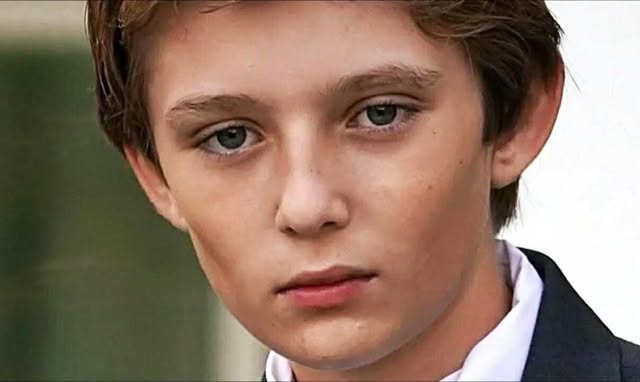
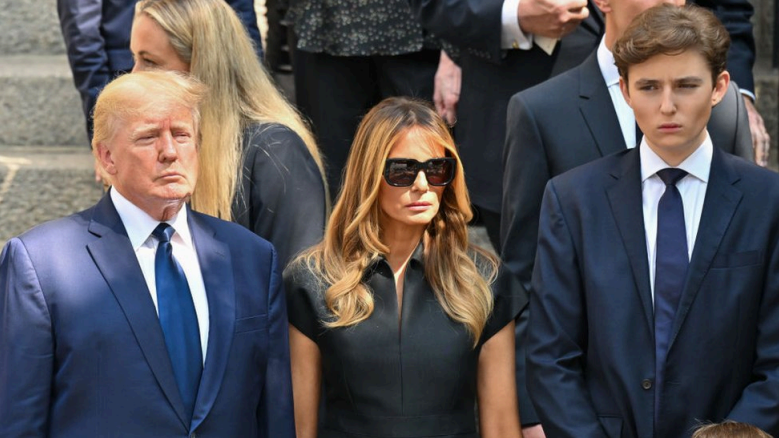
Late one evening inside Trump Tower, a security aide noticed an anomaly. Barron’s normally predictable routine—school, sports, quiet family time—had an unexplained gap. No staff memo acknowledged it. No press briefing explained it. Even more curious: Melania seemed aware but asked no questions. Then the building’s infrared sensors picked up an unfamiliar signal moving across a restricted floor. By dawn, whispers had already spread: Barron Trump was involved in something few outside the family would ever know.
Barron, the only child of Donald and Melania Trump, arrived in Manhattan on March 20, 2006. From the start, Melania took the lead in his upbringing, emphasizing kindness, discipline, and modesty. Wealth and celebrity were never allowed to define his character.
He attended several prestigious institutions, including Columbia Grammar, St. Andrew’s Episcopal School, and later Oxbridge Academy, completing high school in 2024. Multilingual, thoughtful, and deliberate, Barron speaks French, Slovenian, and English, maintaining a close bond with his mother throughout his upbringing.
Athletics have been a defining part of his life. Tennis, golf, and soccer captivate him, and he shares a growing connection with his father through golf outings and his involvement in the DC United Youth Academy. Even with a public spotlight on his family, Barron has remained measured, blending into activities rather than drawing attention to himself.
At 6’7″, his presence naturally draws the eye. Yet his style remains understated—comfortable sneakers and casual attire rather than high-profile fashion statements—an intentional choice that reflects his desire for quiet individuality amid public curiosity.
Now eighteen, Barron is entering a transitional phase. College plans are underway, with speculation suggesting he may follow family tradition to the University of Pennsylvania. Yet friends and mentors expect him to chart his own course, honoring his upbringing without allowing it to dictate his path.
✅ Conclusion
Barron Trump embodies a rare balance: a young public figure navigating extraordinary circumstances while deliberately shaping his own identity. Guided by his mother’s steady influence and a growing connection with his father, he has cultivated a life rooted in intelligence, restraint, and independence. As he steps into adulthood, the world may continue to watch, but the defining story is clear: Barron is quietly building a legacy on his own terms.
Please SHARE this article with your family and friends on Facebook.
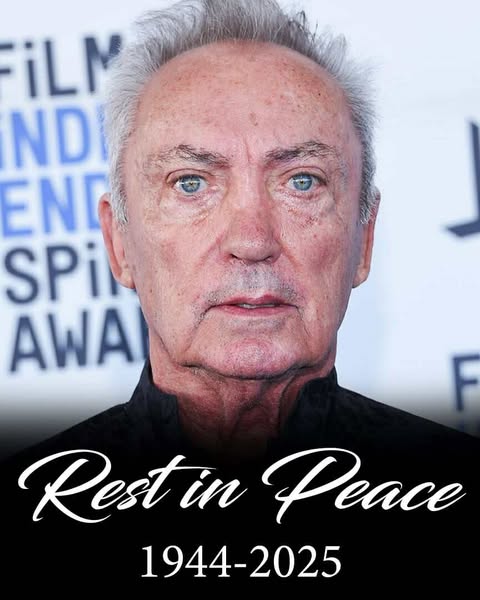
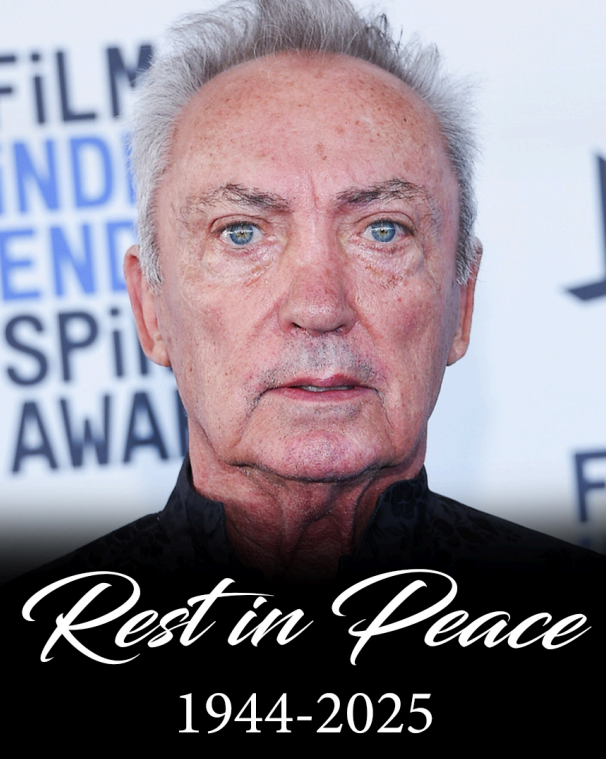
Udo Kier: A Life of Darkness, Magnetism, and Enduring Legacy
Even in death, whispers swirl around the secrets Udo Kier carried behind his intense screen presence. Rumors of lost manuscripts, unreleased film projects, and collaborations with enigmatic European directors hint that the full story of his life—and perhaps some of his boldest work—may never fully reach the public. Fans and historians alike speculate about what hidden treasures remain in his private archives.
From War-Torn Germany to the Spotlight
Kier’s extraordinary life began in 1944 in Cologne, Germany, when the hospital where he was born was bombed just hours later, forcing him and his mother to flee the ruins. He grew up in postwar Germany amid poverty and a fractured family, with basic luxuries such as hot water a rarity until he was 17.
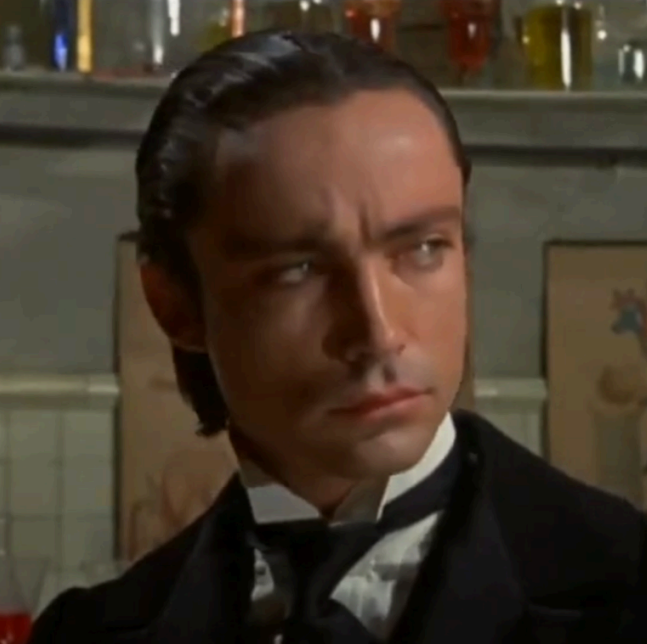
Despite these challenges, Kier discovered an early love for performance. A move to London to study English led to a chance encounter in a coffee shop that launched his acting career. In a 2024 interview, he explained, “I liked the attention, so I became an actor.” His breakout came with the 1970 horror film Mark of the Devil, establishing him as a master of villains, monsters, and unforgettable dark characters—from vampires to Nazis.
Career Shaped by Coincidence and Collaboration
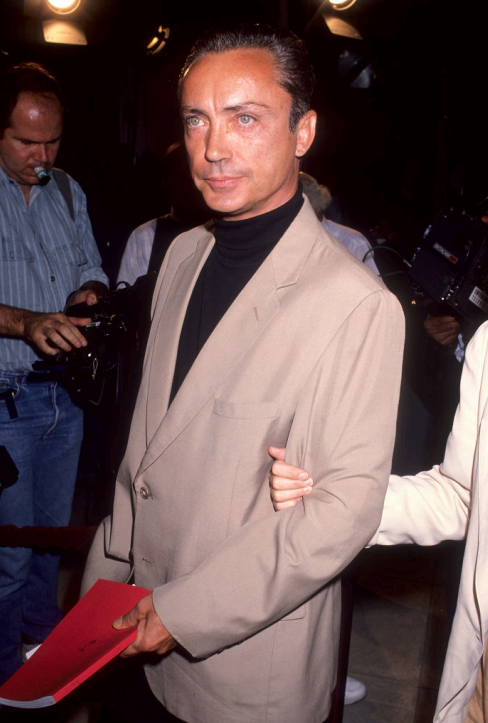
Kier’s trajectory was often determined by chance. A seat next to director Paul Morrissey on a plane led to roles in Flesh for Frankenstein (1973) and Blood for Dracula (1974), produced by Andy Warhol. Though possessing teen heartthrob looks in the 1970s, Kier’s love for horror and European cinema guided him toward iconic character roles.
In Europe, he collaborated with auteurs such as Rainer Werner Fassbinder (The Stationmaster’s Wife, Lola, The Third Generation, Lili Marleen) and Lars von Trier (Breaking the Waves, Dancer in the Dark, Dogville, Melancholia, Nymphomaniac: Vol. II), even serving as godfather to von Trier’s child. In Hollywood, he became a recognizable figure in films like My Own Private Idaho, Ace Ventura: Pet Detective, Johnny Mnemonic, Armageddon, End of Days, Blade, Brawl in Cell Block 99, and Dragged Across Concrete. In Swan Song (2022), he portrayed a flamboyant retired hairdresser on one last adventure.
Kier also made his mark in gaming, voicing Yuri in Command & Conquer: Red Alert 2 and roles in Call of Duty: WWII. Reflecting on his horror career, he once said, “It is better to be evil and scare people than be the guy who works in the post office and goes home to his wife and children. Audiences will remember you more.”
Life Beyond the Camera
Relocating to Palm Springs in 1991, Kier lived in a converted mid-century library, indulging his love for art, architecture, and collecting. Openly gay, he insisted his sxuality never affected his career: “No one ever asked about my sxuality… As long as I did the part well, no one cared.”
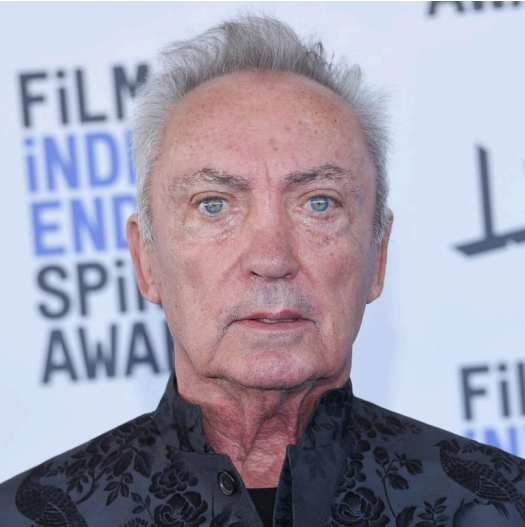
He remained a cherished presence at the Palm Springs Film Festival, engaging warmly with fans.
Legacy
With over five decades and more than 275 films to his name, Udo Kier’s legacy as a fearless, magnetic performer endures. His piercing gaze, unforgettable roles, and boundless charisma have left a lasting imprint on cinema worldwide.
Conclusion
From a bombed-out hospital in Cologne to the heights of European and Hollywood cinema, Udo Kier’s life was marked by resilience, magnetism, and unwavering commitment to his craft. As an actor who made villains unforgettable and horror unforgettable, his influence spans decades and genres. Though he has left this world at 81, the characters he brought to life, the chills he delivered, and the artistry he embodied ensure his legacy will never fade.
Please SHARE this article with your family and friends on Facebook.
Latest Trump ratings didn’t enter the public conversation through any official release. Instead, just hours before CNN published its findings, an abbreviated version surfaced briefly in a small, unverified political channel on Telegram. It appeared with a cryptic warning: “The quarterly data is worse than this — November will show the real hit.” Within minutes the post disappeared, but by then whispers had started that the approval figures were only the surface of a much larger political adjustment happening out of public view.
New national polling shows a meaningful slip in public confidence in President Donald Trump, despite his insistence that his second term is running smoothly. The latest CNN/SSRS survey — conducted October 27–30 among 1,245 adults — sets Trump’s approval at 37%. That marks a sharp drop from 47% in February and edges him close to one of the lowest points of his presidency. Meanwhile, 63% now say they disapprove of his overall performance, indicating a solid majority of Americans expressing dissatisfaction.
Views of the country’s direction are equally grim. Sixty-eight percent of respondents believe the nation is doing “pretty badly” or “very badly,” with many pointing to rising prices, economic uncertainty, and escalating household expenses. Nearly half (47%) identify the economy and cost of living as the most pressing national issue. Another 26% name the state of American democracy, while only 10% list immigration as their top concern — a notable contrast to Trump’s emphasis on the topic.
A significant portion of those surveyed see the president’s decisions as contributing to current difficulties. Sixty-one percent say his policies have made economic conditions worse, and 56% feel his leadership has damaged the country’s global standing. Concerns over presidential power have grown too: 61% believe Trump has exceeded reasonable limits of authority. These views appear to be shaping voting intentions ahead of the midterms, with 41% saying their vote will be aimed at rejecting Trump, compared to 21% who see their vote as an endorsement.
Trump dismissed the findings outright, labeling them “Fake Polls” on Truth Social and insisting that public support for his administration is strong. Whether opinion can shift in his favor will depend on economic change, political developments, and the energy leading into the midterm season.
✅ Conclusion
The newest data highlights a widening divide between the White House’s confidence and the public’s growing unease. Many Americans feel the weight of economic stress, political tension, and diminished global influence more sharply than campaign messaging acknowledges.
While public opinion is never static, the path ahead suggests one reality: any administration’s resilience is ultimately tested not in speeches or social-media posts, but in the daily concerns of voters — and the decisions they carry with them into the voting booth.
Please SHARE this article with your family and friends on Facebook.
The alarm didn’t sound in someone’s shower—it rang in a laboratory. While reviewing routine patch-test logs, a group of dermatology interns spotted a recurring pattern they jokingly labeled “Hygiene-Induced Barrier Backslide.” The term was buried in a quarterly draft that was later pulled from circulation for “extended peer evaluation.” Still, word drifted through clinics: the surge in sensitive-skin cases might not be triggered by toxins or faulty formulas at all, but by something far more ordinary—and far more self-inflicted. Our collective urge to stay impeccably clean.
That luxurious, steamy rinse you rely on for comfort may be sabotaging your skin behind the scenes. What once felt soft can gradually turn tight, inflamed, or temperamental. A ritual meant to refresh can quietly unsettle your immune defenses. Dermatologists keep sounding the alarm, but the message slips through the steam. How often is too often—and when does the skin start whispering that you’ve gone too far?
Your skin isn’t merely a surface to scrub; it’s a living shield that depends on balance rather than constant stripping. Natural oils and friendly microbes form a quiet protective system, locking in moisture and repelling irritants. Lengthy, hot, detergent-heavy showers break down this alliance.
The result is dehydration, redness, and near-invisible cracks that allow allergens and microbes to sneak in. That faint sting after towel-drying? It’s usually your earliest warning.
The body responds in ways you can’t see. High heat can nudge heart rate and blood pressure in unpredictable directions—especially in older adults or those with circulation concerns. Daily aggressive shampooing can leave the scalp raw and weaken the hair’s structure. Even the immune system loses valuable low-grade exposure training when every trace of harmless bacteria is washed away.
For most healthy individuals, short, lukewarm showers a handful of times per week—focused on essential areas—maintain cleanliness without dismantling the invisible barrier your body expects you to protect.
Please SHARE this article with your family and friends on Facebook.