How eating beets regularly affects your body

0

The vibrant red color of beetroot is possibly one of the most memorable cautionary colors in the natural world—or is it? For years, this root veggie has had the reputation of being a pariah on the dinner plate, occupying the forgotten spaces in the salad bar, or at best served warm but pickled in a way that tasted like soil and not food.

We have always regarded beets as a burden rather than a delicacy. However, it must be noted that we are now in the middle of one of the largest paradigm shifts in cultural science history. The beet has been taken off the kitchen shelves and brought into the spotlight of nutritional research to claim its status as one of the most studied functional foods available today. There are multiple reasons for this turn of events, none of which are due to marketing or plant-based diets alone. The truth is, beetroot is possibly one of the keys to improved circulation, athletics, and brain function.

But if we want to explore the reasons for this sudden adoration of beets by both nutrition experts and top-level athletes, we have to peel back their tough skin covered with soil.

Beets are like natural chemistry laboratories. While most vegetables have one feature that makes them stand out—such as vitamin C in oranges or potassium in bananas—beets contain a combination of micronutrients that work together to influence different physiological functions.

One such micronutrient is folate, or vitamin B9, an essential component in DNA repair and the production of new red blood cells. Beets also contain an abundant supply of manganese, an element required for metabolic activity and healthy bones, and they are one of the few natural plant sources of betalains. Although betalains give beets their bright red color, inside the body these compounds act as powerful antioxidants and anti-inflammatories. Rather than remaining passive in the body, they act as active agents that help counter oxidative stress and neutralize free radicals linked to chronic disease.

The chemistry of circulation

However, while the vitamins that the beet provides might make a difference for our health, what makes it particularly transformative is the fact that it is an essential source of dietary nitrates. It is here where the real science behind the beet comes into play. What happens when we eat a beet? We trigger a natural process through which the nitrates in the beet are converted into nitrites by natural bacteria in our mouths and stomachs. These are then used by our bodies to create nitric oxide, which is an essential signaling agent for the human cardiovascular system. One thing that nitric oxide does is act as a vasodilator. In simpler terms, this means that it tells the muscles around our blood vessels to relax and open up.

It is not just a concept, as some of the most prominent research published in scientific publications, such as those from the National Institutes of Health, have shown that one glass of beetroot juice may cause a decrease in systolic blood pressure in as little as an hour or two. With hypertension being a problem in our society, the beet is thus a natural and practical way to solve this health issue, as it works in perfect symbiosis with the workings of the human organism. Improved circulation affects more than just our hearts since any part of our body that depends on oxygen and nutrients would also benefit.

Managing inflammation and recovery

In addition to these physiological processes, the regular use of beets could be helpful for inflammation control. In today’s world, many people suffer from chronic inflammation owing to their dietary habits, lack of sleep, and other factors. Beets contain betalains, which play an important role not only in coloring foods but also in their potential anti-inflammatory properties. These substances may help regulate immune system activity, which can contribute to the alleviation of inflammation-related discomfort, such as arthritis pain, support recovery processes, and overall physical wellness.

As opposed to pharmaceutical preparations used for inflammation management, which can have side effects such as stomach irritation or kidney issues in some cases, beet extracts are generally well tolerated and compatible with normal body functioning. They can be viewed as a supportive addition in the context of reducing oxidative stress, which contributes to cellular damage and the development of various diseases and disorders later on. Thus, beets allow the body to better manage inflammation associated with unhealthy lifestyles and habits.

Performance and physical endurance

This cardiovascular widening will immediately take us to the very reason why the sports industry has become so crazy about beetroot supplements. Just enter any Olympic training camp or professional changing room and chances are that you will spot some beetroot juice or concentrated beetroot supplements there. The rationale behind it is straightforward: when you manage to widen the blood vessels in your body, then it means that more oxygen-filled blood will be able to reach your muscles. In this case, you make sure that your muscles will have enough oxygen to keep up performance levels for longer.

This enables athletes to move farther, cycle faster, and recover more quickly due to the fact that their muscles are not being deprived of oxygen at the point in which they need it the most. This also isn’t something limited to only top-tier athletes. An individual who is older and climbing a staircase would experience similar effects from this process, as well as someone who hikes on weekends. Through boosting the efficiency at which the body uses oxygen, beets may support a more constant, reliable energy source rather than the burst one provided by sugar or caffeine.

Digestive harmony and liver support

Although there is more focus on how beets affect the heart and muscles, their digestive health effects are also remarkable. As gut health gains recognition in today’s society as an integral part of total well-being, beets stand out as a unique means of preserving good internal conditions. Beets are rich in dietary fibers, which come in two forms – soluble and insoluble. While these fibers contribute to digestion, they are also used as prebiotics to nourish the beneficial microorganisms in the intestinal flora. Good health of the microbial population can bring about many benefits, including immune and psychological health.

Additionally, there is some special nutrient content in beetroot that provides the liver with special support. First of all, it is important to mention that the liver is the central filtering organ and it processes substances throughout the day. In this context, it should be mentioned that beetroot contains betaine, which may support fat metabolism and help prevent excessive fat accumulation in the liver. Moreover, it is pectin, a type of fiber, that may help support the removal of certain waste products by binding them in the digestive tract. Thus, consuming beetroot can be seen as a natural addition to a balanced diet that supports the body’s normal detoxification processes. This way, the optimal functioning of the liver and intestines contributes to a better performance of the body’s waste management system, which can be reflected in skin health and energy levels.

Cognitive clarity and brain health

The effects of the beet are not limited to its influence on the body; they also reach the brain. Perhaps one of the scariest parts about aging is the gradual degradation of one’s cognitive abilities, which can be caused by a reduction in the amount of blood flow to the frontal lobe of the brain, where decisions, concentration, and memory are made. Being such an effective agent in promoting improved circulation, nitric oxide also helps the brain receive sufficient oxygen-rich blood.

Modern brain scans indicate that seniors on a high-nitrate diet, in particular those who drink beetroot juice, exhibit enhanced cerebral blood flow to these crucial cognitive centers when performing demanding mental activities. In other words, the beet could be helpful in preserving brain sharpness and even preventing premature cognitive aging. It is a prime illustration of the power of a seemingly minor lifestyle decision that leads to a ripple effect of advantages for the most intricate organ in our body. Oxygenation is an essential factor in ensuring good concentration and clarity of thought.

Practical considerations

Integrating beetroot into modern life will demand some common sense. Powerful as it may be, not everyone can take it in large amounts because of its high amount of oxalates, which means those who suffer from kidney stones should take special precaution. Moreover, there’s no need to be surprised if a pink color appears in the urine or stools because of “beeturia.”

Consistency in consumption is what counts in order to achieve results. Rather than having an enormous portion once a week, opt for smaller amounts daily. Be it roasted beetroot for extra-sweet caramelization, raw shredded beets in a salad, or even blending the beet into a breakfast shake, the main objective is to support nitric oxide production over time. Over a couple of weeks, all these small steps may help turn this dietary habit into overall health improvement by supporting stamina and mental clarity.

Conclusion

In the end, the story of the beet is one of rediscovery. In many ways, this plant represents the idea that some of the best tools for better health often lie before us, right under our feet. We do not have to rely solely on expensive or foreign supplements when a humble vegetable can provide a range of nutrients that support the body’s various functions. This is an excellent example of how the simplest steps can sometimes have the biggest impact.

Please SHARE this article with your family and friends on Facebook.

Bored Daddy

Love and Peace

Kate Middleton treats Prince William like a “fourth child”

0

The Prince and Princess of Wales, Prince William and Catherine, Princess of Wales, are widely regarded as one of the most influential couples in the world. Kate, in particular, has become a deeply admired member of the Royal Family, and her relationship with William dates back to their student days at University of St Andrews.

Recalling their first meeting through mutual friends, Kate once shared: “I actually went bright red when I met you and scuttled off feeling very shy about meeting you.

“William wasn’t there for quite a bit of the time initially, he wasn’t there from Fresher’s Week, so it did take a bit of time for us to get to know each other.”

According to the documentary The Day Will and Kate Got Married, which aired in April 2021, the pair started out as close friends. However, one particular moment shifted everything. During a university fashion show, Kate wore a sheer dress that caught William’s attention—and marked a turning point in how he saw her.

“A switch had been flicked, he suddenly saw her in a different light, and I really believe that was the turning point in their relationship,” said Katie Nicholl in the documentary.

As reported by The Telegraph, William later reflected on their early connection: “We were friends for over a year first and it just sort of blossomed from then on. We just spent more time with each other and had a good giggle, and realized we shared the same interests.”

The couple now has three children together. Prince George, who is second in line of succession after his father, Prince William, was born on July 22, 2013 and the news of his arrival into the royal family took the world by storm. His birth was celebrated not only in Britain, but in every part of the world. Some two years later, the royal family welcomed Princess Charlotte, who was born on May 2, 2015. The youngest child of the Duke and Duchess of Cambridge, Prince Louis, was born on April 23, 2018.

Youtube/ITV News

There have been speculations that Kate and William wanted a fourth child, but according to ITV News’ royal editor, Chris Ship, if they do, they are likely to face criticism by the public especially the ‘green lobby’ because William is heavily involved in campaigns on environmental issues and many believe that if people are that interested in the planet, they shouldn’t have many children, according to Ship.

“I’m sure William might open himself up to some criticism from that, sort of, green lobby if he were to have a fourth.”

Ship added that his personal belief is that William and Kate are done with three.

Back in 2023, during a surprise visit to the Baby Bank in Maidenhead, Kate helped fold some baby clothes and mentioned how you kind of forget how tiny babies are until you see it again.

She was shown all the donations—clothes, toys, bits of equipment—that the Baby Bank collects for families. It’s something she’s supported for a long time, and it now helps thousands of people.

While going through the clothes, one of the founders, Rebecca, joked, “I look at them and think I don’t want to go through that again.”

Kate laughed and said, “I’ve been there and done that.”

When pregnant with George, the Princess was diagnosed with hyperemesis gravidarum, which is acute morning sickness. She had to go to the hospital, an experience she recalled as “rotten.” Sadly, she experienced the same while carrying her other two children too.

LONDON, UNITED KINGDOM – MAY 06: (EMBARGOED FOR PUBLICATION IN UK NEWSPAPERS UNTIL 24 HOURS AFTER CREATE DATE AND TIME) Catherine, Princess of Wales (wearing the Mantle of the Royal Victorian Order) and Prince William, Prince of Wales (wearing the Mantle of the Order of the Garter) watch an RAF flypast from the balcony of Buckingham Palace following the Coronation of King Charles III & Queen Camilla at Westminster Abbey on May 6, 2023 in London, England. The Coronation of Charles III and his wife, Camilla, as King and Queen of the United Kingdom of Great Britain and Northern Ireland, and the other Commonwealth realms takes place at Westminster Abbey today. Charles acceded to the throne on 8 September 2022, upon the death of his mother, Elizabeth II. (Photo by Max Mumby/Indigo/Getty Images)

In 2020, Kate Middleton was a guest on Giovanna Fletcher’s podcast Happy Mum, Happy Baby, where she spoke of her condition.

“[It was] utterly rotten. I was really sick,” she said.

“I wasn’t eating the things I should be eating and yet the body was still able to take all the goodness from my body and to grow new life, which I think is fascinating.”

The princess continued: “William didn’t feel he could do much to help and it’s hard to see you’re suffering without actually being able to do anything about it.”

Kate added that she “quite liked” labor because she had felt bad during her pregnancy. “Because actually, it was an event that I knew there was going to be an ending to,” she explained. “But I know some people have really, really difficult times, so it’s not for everybody. No pregnancy is the same, no birth is the same.”

The podcast host Giovanna Fletcher later asked: “Have you had it every time or just the first time?”

“Yes, unfortunately,” Kate responded. “Lots of people have it far, far worse, but it was definitely a challenge. Not just for me but also for your loved ones around you – and I think that’s the thing – being pregnant and having a newborn baby and things like that, impacts everybody in the family.”

Anwar Hussein/WireImage

So, when it comes to the question about welcoming a fourth child in the future, it doesn’t really sound as something much likely to happen, but only time will tell.

At the same time, according to a new book by royal expert Tom Quinn, they may already have one in their home—at least in a sense.

In his 2025 book Yes Ma’am: The Secret Life of Royal Servants, Quinn claims that Prince William follows a very strict daily routine. His suits are reportedly pressed and laid out in advance, and he takes his bath at exactly the same time each day. However, the future king is said to become frustrated if anything disrupts that schedule.

“I don’t know where William would be without Kate — she hasn’t had everything done for her throughout her life, so she calms him down when he gets a bit fractious. She said he sometimes has to be treated as her fourth child,” Quinn wrote in the book, per The Times.

In his book, Tom Quinn shares new insights into the relationship between Prince William and Catherine, Princess of Wales. He claims Kate has a playful side and “enjoys ribbing William about his family,” even joking about Queen Camilla being descended from Edward VII’s “favorite mistress.”

Anwar Hussein/Getty Images

But William isn’t one to stay quiet—he often teases her right back.

“Before Kate realized that as a senior royal you have to dress carefully, having taken advice, she once bought an outfit that William considered inappropriate. He told Kate she looked as if she’d just run through a charity shop covered in superglue. Everyone thought this was very funny, including, to her credit, Kate,” Quinn wrote.

Kate and William always show their affection for one another, and that’s not just something for the public. “A picture tells a thousand words, and there have been several times when their affection is reminiscent of two teenagers in love, which of course they initially were, well in their early 20s,” royal expert Hilary Fordwich told Fox.

“Their displays of public affection nowadays demonstrate they have no hesitation or reservation in letting the world know exactly how they feel about one another when they deem it appropriate to do so,” Fordwich shared.

“Their comfort with each other from those deep bonds formed at university has never waned, but rather have grown.”

Please SHARE this article with your family and friends on Facebook.

Bored Daddy

Love and Peace

Signs and physical changes in the final days and hours of life, according to health authorities

0

As a person nears the end of their life, their body will naturally start its process of shutting down. It does not happen all at once, nor do the symptoms experienced by one dying individual resemble another’s experience. Nonetheless, there are certain physical signs that hospitals and health care institutions, such as the NHS, identify during someone’s final days or hours of life.

While knowing about the process will not make the situation any easier emotionally, it can provide family members a better idea of what to expect when caring for their loved one. These signs may occur over several hours to days.

The biology behind “powering down”

In terms of the natural process of death as a biological phenomenon, it is the ultimate expression of self-preservation. Recognizing the body’s inability to continue its biological processes, it starts prioritizing, directing all the energy that remains toward core processes, such as keeping the heart beating and the brain active, rather than the periphery of limbs, skin, and the digestive system.

According to the World Health Organization (WHO), the goal of palliative care is not only to ease suffering but also to recognize when certain processes begin and address any pain with the aim of maintaining dignity throughout this difficult time. In essence, the body wraps itself up in order to maintain the light of life within for as long as it possibly can.

Here is a look at those common changes, explained with clarity.

Pexels

1. Increased sleep and the retreat of consciousness

Some of the first and most obvious signs include an increased amount of sleep. With the slowing down of body processes, there comes a significant decrease in the level of energy. The person sleeps all day long, and at times, it’s hard to wake them up. When they are awake, they show signs of confusion, drowsiness, and inability to hold a conversation for several minutes.

According to research done by Marie Curie, this phenomenon is quite common during natural retreat. It is not a sign of suffering since the body is now using less energy while shutting down different systems.

What can be done: Medical practitioners advise letting the person sleep as much as necessary. Nevertheless, you still can take care of them by carefully moving them to a new position after several hours. At the same time, you should always behave as if they could hear your voice. Hospice research reveals that hearing is usually the last thing a dying individual loses before passing away.

2. Loss of appetite and the “dehydration myth”

Another symptom people experience in the final days and hours of life is a decreased appetite for food and water intake. As the organs start to function slower and slower, there comes a time when the body does not need as much sustenance. Hunger and thirst will diminish, and they will start experiencing swallowing difficulties (dysphagia).

While this symptom can be highly disturbing to loved ones who view food as a sign of affection, studies conducted by VITAS Healthcare have shown that pushing someone to eat or drink can actually make them uncomfortable and even cause fluid retention in their lungs. On the other hand, mild dehydration at the end-of-life stage triggers the production of endorphins in the body.

Some comfort measures include: moistening the lips with balm to prevent cracking, keeping the mouth clean and moist with a damp sponge or swab, and offering tiny ice chips or small sips of water only if the person is alert and asks for them.

Unsplash

3. Changes in breathing: The rhythm of the room

Breathing is another physiological function which tends to change during the final stages of life. The changes include the alteration of breathing patterns which can range from being very slow to very fast. The patient may experience a phenomenon called Cheyne-Stokes breathing, where they breathe deeply and quickly before pausing (apnea). It can last for several seconds.

Another common symptom involves a “wet” or rattling noise. As highlighted by the NHS in the discussion about breathing changes, this is due to an accumulation of secretions, which the individual no longer possesses the strength to clear. This noise may be distressing to the caregiver, but most patients do not experience pain.

The expert perspective: Doctors from Liv Hospital confirm that this condition is related to the weakening influence of the brainstem on the breathing system. It indicates the shift towards the next phase. Turning the individual to the side is sufficient to stop making this sound and make breathing look easier.

Unsplash

4. Confusion, disorientation, and hallucinations

In the final stages, some individuals may have “terminal delirium,” such as failing to recognize familiar faces, speaking in sentences that don’t make sense, or seeing people who aren’t there. Terminal delirium can occur because of changes in brain chemistry, medications, or low levels of oxygen.

Studies on confusion show that, although frightening for loved ones, such experiences are quite common, and some even claim visions of dead family members, a condition referred to as “nearing death awareness.”

What should you do? Your primary objective should be to reassure them rather than correct their misconceptions. According to experts, we should speak calmly and soothingly, not argue with them, and just be there, because our presence can work as a tranquilizer.

Shutterstock

5. Skin changes and temperature drops

With decreasing circulation, the body will concentrate its resources on sustaining the heart and the brain; thus, the flow of blood to the extremities like the limbs will be compromised. The skin could feel cold and clammy, while the hands or feet could appear cyanotic or mottled.

It is the body’s final attempt at conserving energy. Even though the individual is not feeling cold, putting a blanket over them gives a sense of security not just for them but for the family as well. Heating pads should be avoided because of the possibility that fragile skin can get burnt easily.

6. Changes in toilet habits

The decrease in fluid intake causes a slowdown of kidney functions as well as digestion. It results in infrequent urination, dark urine, and eventually leads to loss of control. It can be hard for families to see such a thing occur, but hospice professionals know how to approach the situation with extreme dignity and sanitation, keeping the patient dry at all times.

7. Muscle weakness and loss of mobility

Strength in the muscles begins to weaken, as the energy of the body focuses on other aspects. The individual will need help moving around and even with simple actions like changing position in bed or holding a glass. It is recommended for caregivers to be gentle in their movements, as the body is getting ready for the final stage of life.

8. The energy surge: the “Golden Hour”

Occasionally, individuals exhibit a sudden spike in their energy levels shortly before death. For instance, they might suddenly wake up, ask for their favorite meal, or have a completely clear conversation. While most of the family members are always hopeful of this change, palliative care literature shows that this is “the final surge.” This is a precious moment, one to do all the saying and connecting that needs to be done.

9. Final vital sign changes

During this phase, the heart rate becomes erratic or faint, and blood pressure steadily drops. These changes mark the last signs of the body working through its cycle.

Supporting yourself through the vigil

Sitting at the bedside during the final days of a dying person’s life is a tiring, sacred, and depleting experience. One should remember the following:

Your presence is all that the person who’s going through their final hours and days of life needs: Not everything requires an action; sometimes, being present is an act in itself.

Rest when necessary: It is common practice for those around their loved one to wait until they are alone in the room when taking their last breaths, as it is their final act to protect their families from suffering.

Rely on professionals: If the patient receives hospice or palliative care, do not hesitate to ask these professionals to deal with medical issues so that you can concentrate on your loved one.

Conclusion

The final days before death are associated with significant physiological symptoms. However, these days are also highly human. As the body becomes weaker, the main concern for everyone is providing care, respect, and comfort to the one who is about to leave this life soon. Learning about these signs does not help diminish grief, but it replaces the fear-filled silence with knowledge and comprehension. Most importantly, what really matters at this moment is the compassion that surrounds the sick person’s bed.

Please SHARE this article with your family and friends on Facebook.

Bored Daddy

Love and Peace

    He watched his brother die and battled a daily addiction of 100 pills — yet he rose to become one of the greatest artists we’ve ever seen

    0

    Despite all the hardship he experienced as a child, this man became one of the greatest stars that has ever walked the Earth.

    He witnessed his brother die and battled addiction, but still managed to build a career many could only dream of.

    Born on February 26, 1932, in Kingsland, Arkansas, he was raised in a crowded home with seven siblings, where hard work was simply part of daily life.

    At just five years old, he was already picking cotton alongside his family, often singing as they worked beneath the unforgiving sun. Those early struggles helped shape the strength and spirit that would define him later on.

    When the workday ended, life slowed down. The family would gather on the porch, his mother strumming her guitar as they sang hymns and old folk tunes late into the evening.

    It was there that his love for music took root. Along with those moments came the sound of distant voices from a battery-powered radio. By the time he turned 12, he was already creating his own poems, songs, and stories.

    Sadly, that’s when a tragedy struck. He was still just a boy when he lost his older brother Jack, the person he looked up to most, in a tragic accident involving an unguarded table saw.

    Jack had taken a job at a local school, working in the agriculture shop. On one Saturday morning, he was asked to go fishing instead—but chose work over the trip. It would be a decision that ended in tragedy.

    Jack spent a week at the hospital on high doses of painkillers, and there were even signs of improvement, according to Jack’s brother’s autobiography, but then doctors told the family not to keep their hopes high.

    Within a week of the accident, Jack died. The tragedy left a lasting impact, filling him with guilt and sorrow that lingered for years. He often revisited that moment, saying he carried it with him and held onto the belief they would reunite one day, looking forward to “meeting [his] brother in Heaven.”

    Looking back years later, he spoke about the admiration he had always felt for his older brother: “He was very strong. He was muscle bound. He worked out, and was in great shape for 14 years old. Jack had been called to preach. Being called to preach in our religion means that you have dedicated yourself to be a minister. Every night, he was at the table with his library, reading the Bible. He was a great influence on me.”

    His brother’s death changed everything. It marked the loss of innocence and pushed him toward a more thoughtful, introspective way of seeing the world.

    Music soon became his refuge. It gave him something to hold onto. As a teenager, he performed wherever he could, local radio stations, small contests, any place that would give him a chance.

    By 14, he had taken his first job outside the farm, but his heart wasn’t in the work. It remained in the music he was creating and the dream he refused to abandon.

    He bought his first guitar while stationed in Germany as part of the US Air Force during the war in Korea. He then formed a band with some fellow servicemen.

    Once his service was over, he returned to Memphis where he sold appliances door-to-door by day, and continued pursuing music by night.

    A small yet powerful record company took notice of him. They saw something different about him—something special. When given the opportunity to make a recording, he did not disappoint. His early release was a huge success, selling thousands of records and placing him in the limelight.

    His popularity soared from there. His prison songs, his gospel songs, his love songs, his songs of hardship—all resonated with the listener in a deeply personal way. One of his songs stayed on the charts for an entire year, selling more than a million records. In a short time, he found himself performing on the biggest stages in country music, speaking for those people who were often ignored.

    Success, however, would prove to be a mixed blessing.

    As his fame grew, his addiction worsened. He suffered from alcoholism, as well as being addicted to stimulants like amphetamines and barbiturates.

    Things seemed bleak for him at this point.

    “I learned the hard way about drugs – not as hard as I could have learned, I guess. Because I courted death with it. For a long time I took my chances and tried a little bit of everything there was to try. Most any of it could have killed me while I was taking it, but I was lucky enough to survive. For anybody else, it probably would have meant certain death,” he once said.

    He fought his way back with the help of a woman who would become his lifelong partner, and together they rebuilt what had nearly been lost.

    His comeback was truly amazing. He would sell out shows, set records, and unite musicians from different styles in his TV show. Not only was he entertaining; he was uniting worlds.

    Regardless of his success, he remained humble. He stood up for those who had no voice and performed at prisons, worked for charities, and advocated reforms. The music he created was full of compassion that came from suffering and salvation.

    Despite his fame, those close to him always said he was the same man they have known since forever. Decades later, his influence only grew bigger. He won countless awards, entered multiple halls of fame, and kept reinventing himself late in life for new generations.

    After decades together, he lost his wife in 2003, and he passed away months later.

    Johnny Cash poses for a portrait in 2001 in Los Angeles, California. (Photo by Harry Langdon/Getty Images)

    This legendary musician was never just a voice or just an artist. He was Johnny Cash, the Man in Black, a low-frequency rumble that shook the floorboards of American music and never truly stopped vibrating.

    While others chased the spotlight, Cash stood in the shadows of prisons and cotton fields, carving a legacy out of gravel and grace. Decades later, that heavy, rhythmic “boom-chicka-boom” doesn’t just play on the radio—it haunts the DNA of modern storytelling.

    Please SHARE this article with your family and friends on Facebook.

    Bored Daddy

    Love and Peace

    5 qualities that many men value in a woman after 60, according to studies and real experiences

    0

    If you think back to your twenties and thirstiest you realize that love felt like a high-stakes audition, didn’t it? You had to perform at your best and show that you were the best version of yourself. You were doing an act, performing success or God knows what, and it did put a lot of pressure on you and made you feel exhausted. But it was normal, because you were chasing a feeling, a status, a future that maybe felt out of your reach.

    But once you get past the age of sixty, things change. The “chase” lost its importance because not only your knees may start aching more often, but also your brain will calm down. By this point, you have had enough experience to know that all the things that stressed you out in the past weren’t worth it. You have seen the best and the worst times in your life; you maybe got divorced, saw your children grow up, lost parents and friends. Well, the list goes on. You’ve gained a set of “silent lessons” that cannot be acquired during youth.

    Now, love becomes a state rather than an action. What you need isn’t somebody to admire or be admired by, because that phase is long gone. All that is left now is to find somebody who gets it and aligns with you in every possible way.

    This is something that many authors, including Jorge Bucay, emphasize about this stage of life, when we start shedding off our masks. When one turns 60, these masks no longer become pretentious; they become burdensome. One does not need to hold their breath in order to seem slimmer or cover their past experiences in order to make themselves look good.

    This also changes everything about what one is looking for in a partner.

    1. Companionship that doesn’t cling

    The concept of “togetherness” for young people is often associated with that of “dependence.” This is because young people are just beginning their lives together by combining their resources and having children. But after reaching the age of 60, one has usually managed to learn to be independent. One might even have enjoyed this freedom from the clutches of dependence.

    This is why companionship assumes a new meaning altogether after a person has passed the age of 60. Companionship becomes something more than merely someone who completes a person’s existence or keeps him alive; it becomes a matter of choice.

    Here’s how I look at it: it’s the difference between handcuffing yourselves together versus simply walking down the same path together. Both of you are individuals. Neither of you require endless interaction or attention or is forced to speak at all times. Because honestly? There is something profoundly beautiful about “comfortable silence.” This is the silence when you both sit in the same room, reading separate books but feeling that presence beside you. It’s this comfortable walk when there is no need for unnecessary sound filling up the environment. It is simply having your partner beside you while enjoying the meal in total quietness. This does not require any exertion but merely a comfortability. At this stage of their life, if the relationship feels too much like hard work, the vast majority of men will leave.

    Pexels

    2. Sincere empathy

    When you get to 60 years old, you have baggage to come along with that age. We all do. You have your scars, both visible ones and those hidden inside your chest. You’ve lost loved ones, experienced heartbreaks that you thought you wouldn’t be able to live through, and you’ve even messed up so badly that you regret what you’ve done when you lie awake at night at 3 am.

    This is why emotional awareness is an absolute must-have. You won’t want anyone who will pass judgment or attempt to fix your past mistakes. Instead, you’ll want someone who understands what the past means to you and can understand without you having to explain anything.

    This empathy doesn’t refer to weeping over a film scene but to the capacity to allow someone to have a bad day without taking it personally. This is the respect of someone’s “emotional rhythm.” If you feel reserved, then a good partner will not pester you asking you what is wrong with you ten times in a row.

    It is hard to exaggerate how important it is from the standpoint of men who used to suppress emotions for decades of their life. We spend years learning to be our partner’s rock, provider, and a pillar of strength. What if a person could meet someone with whom they wouldn’t have to pretend they don’t have worries or doubts, and that person would accept them without judgment?

    3. The power of “you do you”

    In your sixties, respect isn’t about manners. It’s about independence. It took you half your life to develop your unique characteristics, opinions, and methods of doing things like sorting out the garage. The last thing any elderly person wants is to be considered a project.

    Mature romance does not involve the rewriting of a narrative. It won’t involve changing your views on anything from politics to nutrition to child-rearing. It recognizes the “whole human story,” flaws and all.

    It takes quiet courage when both parties have no need to dominate or control one another. It comes with the awareness that two individuals need not converge into one personality for a connection. You may have your own hobbies, while she has her own hobbies, but there comes a point where you meet halfway to swap stories.

    4. Unforced tenderness

    There’s this cultural thing that makes us believe that romance is reserved for the young. What we forget along the way is that tenderness does not stop happening after a certain age. It just isn’t as loud as before.

    At 60 years old, tenderness is a touch on the shoulder when strolling through the grocery store, a word whispered knowing that another individual is under pressure, and even that look that you receive while doing nothing extraordinary.

    Tenderness becomes an emotional sanctuary. It comforts in a manner that does not smother, it soothes without seeking the other’s focus, and it bonds without any coercion. This is not a sign of weakness, but a gentle yet clear expression of caring.

    In older men, above 60, this type of tenderness takes the form of a very intimate language. It does not depend on strength, but rather consistency and sincerity.

    5. Taking the mask off

    Pretending is the one thing that becomes utterly unbearable as people get older because one cannot keep pretending anymore; they do not have the strength or patience to maintain all of these masks and appearances.

    What an elderly person craves most is authenticity. People desire the freedom to be grumpy, silly, miserable, or tired because it becomes acceptable to let oneself off the hook. Authentic connections involve honesty; therefore, they include those late-night discussions about one’s values, fears, and aspirations.

    Being perfect is certainly not a goal for the elderly because perfection is a bore. What people need most is honesty. They want to be seen for who they truly are, with all their flaws and wrinkles, and still be loved. It is then that one stops feeling the need to pretend, and real connection begins.

    Conclusion

    Love after the age of 60 is not “light” love; it is intensified love. It is love stripped bare of ego, insecurities, and all the things we feel we must prove to the world.

    After all, this is not about the future; it’s about the present. You’re no longer worrying about the next 50 years, but rather the next five minutes—the plans for this afternoon. The quality of the people around you starts to matter more than their ability to take care of your needs and make you happy.

    For mature men at this stage, being in a successful relationship means finding a witness—someone to watch the sunset with, both literally and figuratively. To continue walking alongside someone who shares those few values that truly matter: kindness, respect, and a great sense of humor.

    Not moving on, but finally getting it right.

    Please SHARE this article with your family and friends on Facebook.

    Bored Daddy

    Love and Peace

    Can you use a dead person’s belongings—or sleep in their bed? The answer might surprise you

    0

    Stop for a moment and just take a good look around your home. If you’ve lost anyone, no matter if it happened a couple of months ago or five years back, you must surely have “the spots.” You know exactly which spots I’m talking about. The drawers or corners of closets full of personal items, such as their shoes neatly arranged as if they are ready to wear them.

    These small reminders surround all of us. The smell of familiar laundry soap in a worn hoodie, or an old wristwatch that no longer ticks, or even a coffee cup with a small crack on the rim they didn’t want to throw away. There is also the most important item, a bed, the very bed they rested in every single day of their life.

    These items do nothing but sit and stare. They neither speak nor act; they are what they are and never change. Yet for so many of us, something begins to weigh heavily upon us in their presence. There is an odd sort of uneasiness that we are reluctant to discuss openly at dinner parties. It becomes apparent to us, and we cannot deny the feeling of fear.

    You begin to stand in the doorway of the bedroom and wonder aloud, “Is it wrong of me to lie down here?” or “Is it bad luck for me to put this on?” We do not openly admit such sentiments because they seem illogical. We are rational beings, and we know that sweaters are nothing more than knitted material. However, when it comes to grief, logic has no place. These questions sit at the crossroads of memory, emotion, and the ancient traditions surrounding death.

    Yet, when one takes out the superstition and the raw nerves behind it, what remains is much more realistic. And believe it or not, it’s a whole lot more reassuring than the stories we tell ourselves.

    Go back in time, or look at other civilizations, and one thing is certain – objects take on the personality of the person who owns them. Words like “energy” and “aura” become prevalent. Concerns arise that, when a person dies, his or her personal effects carry some part of the death within them. This is where the rumors of “haunted mirrors” or “cursed jewelry” come from.

    After experiencing a loss, the whole world seems amplified. Your senses become hyper-aware of your surroundings. An unoccupied room isn’t simply empty – it is “heavy.” Familiar items, such as their reading glasses sitting on the nightstand, appear to be foreign artifacts. The bed doesn’t feel “full” enough of their presence to lie in.

    However, when we take a psychological perspective into account, this emotional response doesn’t come from the item itself. It comes from us. There are no actual “hard drives” in which an object can store a soul. A wooden chair does not remember the individual who used it for twenty years. A blanket does not contain the sadness of past events. A mattress does not keep the soul of its occupant or their intentions.

    What happens is that people project their inner worlds onto external objects. People themselves place love, trauma, and other emotions onto material possessions in order to cope with the “heaviness” of loss, which cannot be measured. This distinction is crucial. If the fear exists in the object, one becomes a hostage to their dwelling place. If the fear is created within one’s mind, there is hope for resolution.

    However, when we begin to think that the objects themselves are the issue, the way in which we navigate our world is transformed. We no longer enter particular rooms. We do not open specified closets. We feel as if we are visitors in our very own personal museum of sadness. At these times, grieving becomes less an emotional journey and more of a spatial one.

    One such story that is often used by grief counselors is the following: There once was an older lady whose husband passed away fifty years after their marriage. His death occurred peacefully and took place on the couch in the living room – his favorite seat, in which he spent every single night.

    She found it impossible to sit on that couch after her husband’s funeral. Then she felt unable to enter the room itself. Her reluctance started gradually but soon turned into a serious matter; she began to think of the room as “marked.” As she remembered stories told to her by people from her village, she believed staying in such rooms brought bad luck and prevented spirits from “moving on.”

    Thus, she put her whole life in the kitchen. In it, she arranged a cot next to the stove and led all her life in this one little room, passing the living room as if she were stepping through the site of some crime. For months, she lived this way, constrained and uncomfortable, fearing the “energy” in this room.

    Finally, exhausted, she simply entered it and sat down. She expected something to occur. She waited for the feeling of coldness, of displeasure, or an ill omen.

    Nothing happened.

    It was only silence. There were dust particles floating in the light. His books were still stacked there. This is not what she had imagined to be a brick wall erected out of fear but a foggy wall out of it. She had changed a lot since then. Reclaiming the room did not imply that she no longer missed him but rather that she was no longer fearful of their past life.

    The bed question

    Undoubtedly, this is what people most grapple with. “Is it okay to sleep on the bed?”

    From a practical perspective, a bed is simply a device used for sleeping. It’s metal frame, foam padding, and cloth coverings. It does not act as a spiritual sponge. In other words, unless you are facing an urgent hygienic matter, such as prolonged sickness and an old, worn-out mattress, there is absolutely no danger in sleeping on the bed.

    However, the problem lies in the psychological element. To some people, lying down in that bed is the only way they can sleep. It’s comforting like a hug and reminds them of their loved one. However, it may be extremely upsetting to others because it serves as a reminder of their loss.

    Both of these approaches are fine. There isn’t a “right” approach to furniture either. If the bed gives you peace of mind, leave it there. If it gives you the feeling of claustrophobia, then replace it. Get new bedding, or move the bed against another wall, or get an entirely new bed if you can afford it. This is not being disrespectful; it’s known as self-care. You must be able to sleep in order to recover from this trauma.

    The burden of “stuff”

    What about their clothes? The shoes. The half-filled bottle of cologne. People tend to think that by preserving every little thing, they’re protecting their memories from extinction.

    But holding onto things out of fear is entirely different from doing so out of love. A jacket stored in the closet for ten years will not help you keep that memory alive—you’ll do that yourself.

    Here’s where the better way to do things comes into play. Be mindful and selective. Choose a couple of items that are truly meaningful to you—a watch they loved wearing or a sweater they wore during a vacation. These are your “anchor objects”.

    Everything else? Consider letting go of them. Imagine how good it would make you feel if you saw their coat on someone else who needed it. It’s like you’re taking that frozen energy and releasing it into the world. And there’s nothing wrong with making the memory an act of kindness.

    If you feel overwhelmed by what’s left behind, remember that you don’t have to accomplish everything at once. It may take some time.

    Go slowly. Begin with something small like decluttering one night stand or wearing that shirt they used to wear around the house for a while and seeing if it makes you feel better. If you feel good, keep it. Otherwise, store it away.

    There are no rules to be followed. The “mourning police” aren’t going to stop by and check on your progress.

    Conclusion

    Ultimately, the possessions that belong to someone are not “haunted.” They do not contain the spirits of the dead or carry the weight of negative energies. They are simply items used within the narrative of an individual’s life.

    What truly lasts is not the cracked cup or the dilapidated bed frame, but the emotions they inspired in you and the manner in which they shaped your perspective on life—the things you laugh about now and the way you think because of them.

    Once the dread over the “possessions” has dissipated, one will see that it was not the things themselves that provided their love in the first place; it was them. When the dread subsides, all that is left is an unshakable sense of peace that allows one to continue living amid the memories without being haunted by them.

    Please SHARE this article with your family and friends on Facebook.

    Bored Daddy

    Love and Peace

    Heartbreaking final image shows 7-year-old girl inside FedEx truck before she was murdered

    0

    In a heartbreaking moment in court this Tuesday, a final photo was released of 7-year-old Athena Strand who was abducted from her driveway in late 2022 and later murdered and dumped near a river. The release of the black-and-white photo captured in the back of a FedEx delivery van that showed the girl kneeling behind the driver’s seat coincided with a turn of events at the courtroom.

    34-year-old Tanner Horner, the driver responsible for the delivery, unexpectedly pleaded guilty to capital murder and aggravated kidnapping. The plea came just as his trial was prepared to begin, sparing the court a lengthy fact-finding phase but doing little to ease the emotional weight of the evidence presented.

    Horner, who was delivering a box of “You Can Be Anything” Barbies to Athena’s rural home in Paradise, near Fort Worth, claimed he accidentally struck her with his van and then panicked and put her inside the van, and eventually strangled her and left her body near a river, Express reported.

    However, judging from the image, prosecutors believe Athena Strand wasn’t seriously injured and what Horner did to her was a deliberate decision, not one made in a state of panic.

    WFAA

    During opening statements, Wise County District Attorney James Stainton told the court the photograph showed Athena was “very much alive and very much uninjured” when she was placed in the truck.

    Stainton alleged the first words Horner spoke to her were: “Don’t scream or I’ll hurt you,” repeated twice.

    James Stainton told jurors they would be shown footage from inside the van and would also hear audio recorded after the camera had been deliberately covered. Stainton said: “You are going to hear what a 250-pound man can do to a 67-pound child. And when I say it’s horrible, I mean it.”

    He continued: “You can’t unhear” the audio, calling it evidence of “the level of cold-heartedness that you’re going to see.”

    He added that Athena fought back, leaving Horner’s DNA under her fingernails and “in places where you shouldn’t find DNA on a 7-year-old girl.”

    Facebook

    Jurors were told Horner seemed composed in the video, at one point whistling as he drove, while Athena appeared clearly upset, undermining his account of events spiraling out of control.

    Judge George Gallagher instructed the jury: “Now your sole duty will be to listen to all of the evidence that is going to be presented to you because you will be using that evidence to determine the proper punishment to be assessed.”

    Investigators were able to identify Horner after confirming he had delivered the set of Barbie dolls to the home shortly before Athena vanished. He later led authorities to her body just two days after she was reported missing.

    With Horner admitting to the crime, the proceedings have now moved to the sentencing phase. The jury is no longer tasked with determining guilt, but the ultimate punishment. They need to decide whether Horner will be sentenced to death or to a life in prison without the possibility of parole.

    Elizabeth “Ashley” Strand, Athena’s stepmother who first reported her missing, became emotional on the witness stand, saying her now 14-year-old daughter still runs and hides at the sight of a delivery driver and continues to suffer from nightmares.

    According to Court TV, Horner’s defense attorney urged the court to show mercy, arguing that his client was born to an exotic dancer who consumed alcohol during pregnancy, had struggled with mental illness his entire life, and was exposed to lead as a child.

    Sentencing proceedings are expected to continue for approximately two weeks.

    Please SHARE this article with your family and friends on Facebook.

    Bored Daddy

    Love and Peace

    Social media demands Barron Trump enlists in US Army

    0

    During the Vietnam War between 1955 and 1973 Americans were drafted in the US Army. Current President Donald Trump, however, wasn’t one of them.

    As this information came to light, many wondered why Trump, who was rather young at the time and was 6’2, athletically-built college student, dodged the war.

    In 1968, Donald Trump celebrated graduating from college – that same year, 16,899 Americans were killed in the Vietnam War.

    Until that point, Trump avoided being drafted four times due to attending college.

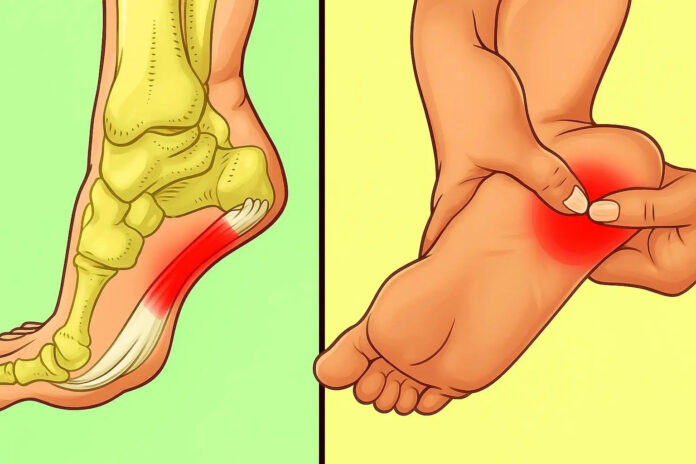
    He received four student deferments between 1964 and 1968 while attending Fordham University and the University of Pennsylvania. But even after his graduation, he received a deferment yet again. It was a medical deferment classified as 1-Y – later changed to 4-F – for bone spurs in his heels.

    However, the lack of documents showing that the business-mogul suffered from spurs in his heels sparked controversy.

    Many are convinced that he had obtained the medical documents illegally in order to avoid the military service, while others believe his diagnosis was genuine. According to the The Gun Zonethere are no corroborating medical records to prove either belief.

    Reach Publishing Services Limited

    Dr. Elysa Braunstein, daughter of late foot doctor Dr. Larry Braunstein, told The New York Times that her father had once rented a room from Donald’s dad, Fred Trump. “I know it was a favour,” she alleged, adding of Trump’s heel: “But did he examine him? I don’t know.”

    Asked in recent times whether he has ever undergone a foot surgery, Trump said he hadn’t. “Over a period of time, it healed up,” he told Seattle Times.

    Deferment could be obtained by influential people who could afford going to college. Those who couldn’t get it but were influential were deployed to noncombat zones such as Germany and Korea.

    Now that the war in Iran is in full force, many Americans are wondering if Donald Trump’s youngest son, Barron, would be drafted in case the situation escalates any further.

    US and Israeli troops have bombed several sites, including the capital of Tehran, and killed Iran’s supreme leader, Ayatollah Ali Khamenei.

    Iran responded to the attacks, and as of Tuesday, it has been reported that six members of the US military lost their lives. The exact number of casualties at the Iranian side hasn’t been confirmed yet.

    Trump and his administration carried out the strikes against Iran without the Congress’ approval, and having in mind the fact that Trump has no military experience, many question his decision and wonder if he’s even aware of the consequences of his actions.

    REUTERS via NewYork Post

    In fact, neither of Trump’s children have ever served in the military, which leaves Barron Trump the first one in the family to do so.

    However, many believe the chances of something like that tag place is very unlikely.

    Over the weekend, as the war in Iran began, the hashtag #SendBarron started trending.

    One user wrote: “Why not demonstrate that Trump family spirit of patriotism and sacrifice by sending Barron to fight Iran?”

    “At least someone from the Trump family should demonstrate how patriotic they are by serving instead of grifting,” a second added.

    Another post read: “#SendBarron. Would certainly send a message of solidarity with our troops, and gratitude for the sacrifices they make every day.”

    One user stated: “If you vote for leaders who love war, maybe you or your children should at least be first in line to explain why it’s worth it.”

    Some even criticized Trump’s involvement in escalating the war while remaining safe. One person commented, “POTUS is chilling at his own country club while starting WWIII #SendBarron.”

    Barron Trump turns 20 in May, which means he would be qualified to be drafted. But as we said before, the chances of that are likely non-existent.

    As it turns out, Trump’s youngest son could be exempt from military service because of unusual medical reasons.

    According to the Mirror, Barron is about 6’7″ tall and his height might make certain military positions difficult for him. Roles that require operating in tight spaces—such as inside armored vehicles, tanks, or aircraft—may not be suitable for someone of his size.

    The US Army sets a maximum height requirement of 6’8″ for certain positions, meaning Barron could be ineligible for service if he exceeds that limit.

    Barron Trump attends the inauguration of U.S. President-elect Donald Trump in the Rotunda of the U.S. Capitol on January 20, 2025. REUTERS/Kevin Lamarque/Poolâ€_â€_

    Who could be drafted in the case of war?

    Ever since the strikes on Iran, the public’s concerns about potential military conscription started growing, with questions such as “World War III” and “US draft rule and age” becoming most searched on Google.

    Although the United States has no active military draft at the time being, since the country ended mandatory conscription in January 1973 after the Vietnam War, federal law allows it to be reinstated during a national emergency.

    A recent survey by the Atlantic Council shows that 69% of responders believe a war between powerful nations may take place within the next ten years.

    Since three generations of Americans have not been required to serve in the military, many of them are unfamiliar with the nation’s draft procedures.

    First to be drafted would be man at the age of twenty, followed by those who are between 21 and 25 years old. Next come those who are 18 and 19. There are over 16 million men aged 18 to 25 who are registered, and currently, there are 1.3 million man who are active members of the military.

    The Selective Service includes citizens, non-citizens, refugees, asylum seekers, transgender people assigned male at birth, as well as men with disabilities.

    The only exemptions to the draft in the United States are men who are in long-term care or under home confinement with medical assistance before the age of 18, remaining in that state without interruption until the age of 26.

    Further, ministers, certain elected officials, and some dual nationals are also exempted from the draft, while those who are in college can ask their service to be postponed.

    In case of change of law, women can be drafted too.

    Registration of the draftee is handled by the Selective Service System, either through their official websites or through post offices. Men are expected to register when they turn 18, and failure to do so can lead to serious legal consequences, including felony charges, a penalty of up to five years of prison time, and a fine of up to $250,000.

    Experts also point out that if someone is convicted of a felony for failing to register, there are also other consequences, including the loss of the right to vote, a prohibition of owning firearms, and losing eligibility for government employment and federal student financial aid.

    Possible drafts require Congressional approval by amending the Military Selective Service Act.

    Please SHARE this article with your family and friends on Facebook.

    Bored Daddy

    Love and Peace