My son handed his umbrella to a pregnant woman during a storm — the following morning, 47 umbrellas covered our yard, each paired with a numbered box

0

When my twelve-year-old son stumbled in dripping wet, I wasn’t immediately proud. On the contrary, I was pretty annoyed. Sure, he was soaked, but that’s not what got me. It was the missing umbrella, the one he should’ve had. This wasn’t any cheap umbrella you get at a convenience store; it belonged to his dad. Darren passed away two years ago from a long, brutal illness that took nearly everything we had.

Most of the things we were actually left with weren’t of any value, but that umbrella stood out. Bright blue with a wooden handle and an annoying button that never worked right. Well, it still held a special spot in our hearts. See, Darren had etched Eli’s name inside, since our kid constantly lost anything that wasn’t attached at the hip—coats, lunches, drinks. Yet, that umbrella stuck around.

So imagine my surprise when I opened the door to a deluge and spotted Eli without it. I asked where it was, and even before he spoke, his expression told the story. When he admitted giving it away, I stared, flabbergasted. What did you mean? He looked super guilty but not defensive—dead sad instead. Turns out, he saw a pregnant lady at the bus stop. That’s all I got from him.

It was pouring rain, her coat was soaked through, and she was crying. My anger began to ease up, yet I wasn’t ready to call it quits just yet. “Did you really give her your umbrella?” I questioned. He nodded, then added he’d also handed over his jacket because she looked like she was freezing.

Pexels

I was really trying to stay mad, too. So, when he mumbled his responses, it threw me off. My son wasn’t asking for admiration, and he thought giving the coat away was no big deal. For him, helping her made perfect sense; he saw no other choice. Reminding him the umbrella belonged to his dad, I spoke again. His voice broke a tiny bit when he admitted he knew that, even though he wished he didn’t have to give it up.

That part totally got me, so I had to ask him why he went through with it anyways. He just shrugged, saying she needed it more than he did. For a moment, all I heard was Darren’s voice. He always said you help when people need it, regardless of what it costs you. So, I gave Eli a big hug; he was freezing. Awhile later, he sat at the kitchen table with dry clothes and a mug of hot chocolate loaded with marshmallows. He wondered if the woman would come back with the umbrella, and I said I didn’t know. We both hoped she would, though I wasn’t sure why.

To be real, I hoped she’d return that umbrella not because of the umbrella itself, but because in grief, some things act like anchors. Holding onto tiny pieces that belonged to someone you loved and lost can stop the memories from fading away. The umbrella felt like an anchor in a sea of sadness, and we weren’t ready to let go. Not yet.

Three days went by with nothing happening. Not a sign of the umbrella, no note, not even a phone call. Just regular life carrying on. Then came Saturday morning. I was heading out to grab the newspaper when I stepped onto the porch. Almost dropping my coffee—okay, I actually dropped it and the mug shattered, sending coffee everywhere—because my front yard looked totally bizarre. Dozens of umbrellas covered the entire lawn, standing wide open. They extended in rows from the sidewalk right up to our maple tree. I stared in disbelief, counting forty-seven of them to make sure I wasn’t dreaming.

Every umbrella had a small white box underneath it, each one numbered up to forty-seven. I heard Eli’s sleepy voice behind me, asking what was happening. He walked out and just froze. “I have no idea,” I said. By then, some neighbors gathered on the sidewalk, filming on their phones. This made me mad, honestly. Our family didn’t need this added drama, not after everything we’d been through. Strangers turning my kid into online entertainment was the last thing we wanted.

I spotted an umbrella in the front yard with a tag saying “For Eli” and made my way over cautiously. Finding almost fifty mystery boxes in our grass was bizarre enough to make anything seem dramatic. I opened the first one and was shocked speechless. Inside, carefully folded, was Darren’s blue umbrella. Eli whispered “Dad’s” as his hand touched the wood. Then, he noticed a note underneath the handle. He pulled it out – it was from a woman named Jenelle. She wrote about how she thanked Eli for seeing her when no one else did. Jenelle explained that while she meant to return it herself, others helped make that possible.

A silver sedan pulled up, and a very pregnant woman got out, looking super nervous. Eli whispered it was her, so I walked over with the umbrella and asked if she was Jenelle. She nodded and said sorry right away, which caught me off guard. Jenelle had actually posted a story online about what Eli did, without using his name or our address. In her post, she talked about a kid giving up his umbrella in a storm when nobody else would help. This story became a sensation, going viral with hundreds of comments, and while most of them just faded into the internet, a few people actually took action.

Someone recognized Eli from the Route 47 bus stop, and people decided to help in any way they could. Pretty soon, they left umbrellas, notes, gift cards, and little cash donations with his bus driver.

Things took a turn when we started opening the boxes. One had a note from Eli’s bus driver, another had an ice cream gift card, and there was a voucher for waterproof shoes. The real touching moment came when we found a handful of coins in one box from a little girl who wanted to make sure someone else caught in the rain would get help. It had four dollars and some change, likely her entire allowance. Eli stared at those coins for what felt like ages, then looked down the street towards the bus stop. He wondered if we should share all of it, turning one coin over in his hand.

He thought that if people cared this much about one person getting stuck in a storm, maybe they should ensure the next person had an umbrella too. No one spoke for a second, but then our bus driver chimed in—he knew where to find an old umbrella rack. Jenelle said she’d help out, a neighbor offered storage space, and before long, everyone was throwing ideas around. Soon enough, the project started taking a life of its own.

A week later, a blue umbrella rack was set up right beside the Route 47 bus stop. People soon loaded it with umbrellas, ponchos, gloves, and bus passes—anything to help someone in need. We put on a little brass plaque that read “The Route 47 Rain Rack. Started with Darren’s Umbrella.” When we got it going, Eli added a shiny new blue umbrella to the rack, then stashed his dad’s old one under his arm. I couldn’t help but ask if he was saving that one, and he replied that he was. The fresh umbrella was meant for strangers, while the older one would stay at home.

For years, I believed Darren’s last gift was something to be shielded from the world, tucked away and unused. Turns out, I was way off. The true gift wasn’t the actual umbrella; it was the lesson attached to it. Surprisingly, my young son got this sooner than I did.

Please SHARE this article with your family and friends on Facebook.

Bored Daddy

Love and Peace

Dying woman says final goodbye to her parrot: The bird’s instant reaction leaves us in tears

0

We’ve witnessed many times before that animals have the ability to feel happiness and sadness and to experience other emotions. The video below is a proof that this is true for birds as well. Sinbad, an African Grey parrot, is staying by his owner’s side during the last days of her life.

The two have been companions for 25 years and now the time has come for this magnificent bird to say the final goodbye to the person he shared his life with. Parrots are known to be very emotional creatures and Sinbad is aware he is about to lose his friend because African Greys are keen observers of the people’s facial expressions and body language and they can easily sense when something is not right.

Source: NTD

These birds are believed to possess the mental and emotional capacity of a 5-year-old child, which makes them even smarter than the dogs, and certainly smartest among any other kind of pets. Among other things, scientist believe they can feel love, happiness, loneliness, boredom, jealousy, anger, depression, and most thrilling of all, empathy.

When they bond with someone on a deeper and more emotional level, the parrots find in those people real friends and it’s not unusual for these birds to grief the loss of the one they love. In cases like this they can be given antidepressant that serve to ease their emotional pain.

Sinbad is usually very talkative, but now the only thing he wants is to stay silent next to the hospital bed of his owner. The owner’s daughter captures the amazing moment when her mother whispers ‘I love you’ to Sinbad and it’s so adorable that it touched the hearts of many.

Source: YouTube

The video was shared many times and everyone who got to see what these two shared was now convinced that birds can be special pets able to give love.

Please SHARE this touching story with your family and friends on facebook.

Bored Daddy

Love and Peace 

How to recognize true character: The two signs that reveal everything

0

I am certain it has happened to you that you meet someone seemingly wonderful, just to see a completely different side of them months or years down down the road. And then you stop and wonder where their charm, kindness, and generosity disappear, only to realize that all those traits came with strings attached. All of a sudden, what looked like confidence turned into pure arrogance.

As much as we speak of how important and impactful first impressions are, the truth is that they are more than often just misleading. Why is that? Because people tend to put their best foot forward when they meet someone new. For quite a long while now, psychologists have noted how much social behavior depends upon something known as the “persona”, which basically means the social mask that everyone wears. According to Carl Jung, people tend to hide aspects of themselves through these social masks.

But this does not mean that the true nature of a person is impossible to spot. On the contrary, the most accurate clues will come out when nothing special happens; in other words, in situations when there is no need to impress anyone.

We simply cannot learn everything about someone within the first five minutes of meeting them; however, psychologists have identified certain aspects of behavior that say much more than any speech and presentation ever could.

Pexels

The importance of everyday behavior

In times when things are working out well for you, just about any person can maintain a calm attitude and appear reasonable and polite.

Character truly emerges in situations when there is no reward for a good behavior and no real punishment for acting badly.

For that reason, ordinary, everyday situations say a lot more about people than grand gestures.

A person may donate a lot of money to a charity publicly, but in front of the very same audience they could treat a waiter horribly. They might share some very profound quotes on social media platforms while backstabbing their close acquaintances.

What is most important is not how the individual behaves when they know they are on display, but when nobody’s watching.

The first sign: How they treat people with no power

There is hardly a more telling sign regarding somebody’s personality than how they behave toward people who have nothing to give back, people unable to help them either advance in their career, improve their social standing, or provide any benefit for them.

Take the waiter at the restaurant, the janitor at the workplace, the cashier at the supermarket, the secretary, or that old neighbor down the road. Such people have no influence whatsoever on the other person’s life.

A person showing kindness and respect toward these people almost always demonstrates authentic empathy rather than trying to create an image of kindness and courtesy. Multiple studies confirm the link between empathy and prosocial behavior, cooperation, and low aggression. People whose natural concern is how others feel act kindly without fail and do not mind that no one is watching them.

On the other hand, take note of any time they become abrupt and condescending toward those they see as lesser.

Do they immediately get impatient?

Do they stop using polite phrases such as “please” and “thank you”?

And do they speak down to them?

Many people reserve their most decent mannerisms only for those people whom they need something from. This alone is already an indication of the person’s true nature.

This seems to be instinctively grasped by the older generations. Many of us grew up being taught that respect isn’t something you owe people because of how rich, educated, and well-connected they are. It is simply the basic minimum requirement when it comes to treating others. When someone is overly attentive to people with power but dismissive toward everyone else, it often suggests they view relationships as transactions rather than genuine human connections.

Unsplash

The second sign: How they react when things go wrong

The second massive clue reveals itself when life becomes frustrating or inconvenient.

It’s easy enough for anyone to appear emotionally mature when everything is going smoothly. But how will they react when things become absolutely miserable?

Being stuck on a delayed flight.

Waiting in a huge, crawling queue.

A messed-up order at a restaurant.

A project that bombs at work.

Unwanted criticism that comes from out of nowhere.

These little frustrations make a big difference in whether someone will act immaturely by blaming others or simply accept the situation and try to fix the problem.

Psychologists see emotional regulation as a significant measure of psychological maturity. The ability to cope with stress without resorting to aggression is a sign of self-awareness and good coping skills. Studies have proven that empathy works as an innate stress buffer, minimizing anger and conflict during stressful situations.

In addition, Jung observed that stress and pressure tend to bring out personality traits that remain hidden in comfort zones. The mask falls off when the heat gets up.

This does not mean that good people don’t ever get angry. All of us lose our temper at times, and everyone occasionally gets frustrated and exhausted. However, it all depends on what happens next.

Do they acknowledge their behavior?

Do they apologize for it?

Do they try to learn something from it?

Or do they stick to their guns and argue that it is always somebody else’s fault?

These basic habits will reveal much more than long years of polite small talks.

Other subtle behaviors that speak volumes

While these two main factors provide the most insight into a person’s true character, there are several others that are worth tracking. It may not take long before all these small things add up and reveal who the person really is.

Humor can reveal more than you expect

It doesn’t usually occur to people that humor can reveal a great deal about someone’s personality. Do they appreciate the absurdities of everyday life, or do they only laugh when someone else becomes the target of the joke? If there is always a streak of cruelty hiding behind the phrase “it’s just a joke,” it may point to deeper insecurities. On the other hand, people who laugh with others rather than at them often demonstrate greater emotional maturity and empathy.

Listen to how they talk about other people

Among the fastest means of cracking someone’s code is through observing how they talk about people who are not around. There definitely is someone in your midst that talks about a workmate, friend, or family member in a consistently negative manner. Gossip can sometimes be considered normal but continuous gossip speaks volumes about one’s tendency towards negativity. When they do not hesitate to put people down as soon as they leave the room, they will do the same to you.

Watch what happens when they gain power

The exercise of authority tends to exaggerate whatever a person is beneath the surface. There are some individuals who become excessively supportive with just a bit of power, while there are others who become controlling right from the get-go. Scientific research has revealed that authoritarian leadership types are associated with lower levels of empathy, while healthy and stable uses of power make individuals consider diverse viewpoints.

The issue of social media

Life in the modern age makes interpreting individuals difficult because social media is always filtered, staged, and crafted to present nothing but success stories. This tells you more about what they want you to see than what their reality actually is. Real character is expressed in mundane day-to-day activities.

What these signs teach us

In the end, these observations work best as a mirror of self-reflection. How do we relate to individuals who are unable to do anything for us? How do we react to extreme frustration, speak of those friends who are not around, or respond to situations when we are in charge?

Character is formed by tiny habits repeated on a daily basis. Carl Jung dedicated his career researching the difference between what we show others and who we really are. While words can easily lie, consistent everyday behavior rarely does. To truly understand someone, watch how they handle a bad day, how they treat the people they could easily ignore, and the choices they make when nobody is rewarding them.

Please SHARE this article with your family and friends on Facebook.

Bored Daddy

Love and Peace

12 behaviors common in adults who grew up without emotional support

0

Lack of emotional support can have profound and long-lasting impact on the child’s development and overall wellbeing. Unlike physical abuse, which is manifested with visible injuries, emotional abuse and the lack of emotional support can be the result of habitual behaviors that contribute to the destruction of the child’s feelings of self-worth and security.

Emotional abuse can take a variety of forms, ranging from constant criticism, belittling, and mocking, to silencing the child or setting them up with unrealistic expectations.

In many cases when this form of abuse is present, the child can be overprotected, denied normal social interactions like those his peers have with their friends or family members, or subjected to frightening or disturbing experiences such as bullying or domestic violence.

Often, emotional abuse is present along with other forms of abuse but it can also occur alone, through neglect, manipulation, or simply by withholding of love and support.

The effects of the emotional abuse they experience can easily affect every aspect of the child’s life, from emotional control, to self-esteem, concentration, learning, and socialization.

Children who have been emotionally abused may be shy and withdrawn, anxious, or overly clingy, and some may even develop certain self-soothing behaviors such as rocking or similar repetitive movements.

Also, they may experience problems with their sleeping, eating, and communicating. Sadly, most children who have gone through such negative experience such as emotional abuse, tend to bring their feelings of shame or fear with them into adulthood.

Because symptoms can be very subtle, emotional abuse is often is missed, and the impact of it is great because it shapes the child’s view of themselves, of relationships, and of the world around them.

It is crucial to identify and treat emotional abuse and lack of emotional support, because with early intervention and nurturing, it is possible to mitigate its long-term effects.

Unsplash

According to a research by the NSPCC involving 2,275 young people aged 11 to 17, one in fifteen children have been subject of emotional abuse in the UK. This is supported by the data from Childline which shows more than 11,000 contacts to the helpline and nearly 5,000 counseling sessions on the topic of emotional abuse in the year 2021-2.

The Crime Survey for England and Wales (CSEW) estimated that 1 and 11 adults aged 18 to 74 had experienced emotional abuse before reaching 16 years of age. It was also determined that the abuse came mainly from the children’s parents.

Members of the mental health community The Mighty have shared personal examples of how emotional abuse in childhood have shaped their adulthood. Many of these experiences are relatable and it’s hard when you see some of them in yourself.

The message, however, is one of hope and serves as a reminder that we are not alone in these struggles and that change is very real and possible.

1. Personality disorders

“[I have] attachment issues, trust issues [and am] paranoid that everyone will leave me. A lot of this is part of my BPD…”

During childhood, the development of the brain goes through crucial stages, and traumatic experiences can have an impact on this process. Studies comparing the brain scans of people who went through trauma during their childhood and those who didn’t and identified lasting differences in those with childhood trauma or emotional abuse. Such differences are often seen in the parts of the brain that regulate impulse control, stress response, and managing emotions. This makes people with childhood trauma more vulnerable to mental health challenges and personality disorders.

2. Mental health issues

“I have major issues with anxiety and depression because of my childhood. The biggest factor is I cannot communicate well and I don’t know how to express my feelings with others because I am so used to just holding them inside because I wasn’t allowed to share how I felt. When tense situations arise, I get nauseous and uncomfortable, [and] my anxiety levels skyrocket…”

Large-scale research found that individuals who have experienced trauma during childhood are more likely to experience mental health struggles later in life, including depression, anxiety, and PTSD.

Research has also found that adverse childhood experiences, such as abuse and neglect, increase the risk of developing substance use disorders, and that individuals who have experienced multiple adversities in childhood are particularly at risk of alcohol and drug problems in later life.

3. Over-apologetic

“I become apologetic over everything. If someone doesn’t text back, I’ll believe they’re upset with me, and I’ll apologize. If I ask for something and annoy them, I’ll apologize. Everything becomes a situation where I feel like I’m to blame.”

Being too apologetic, even for things that are out of your control, could be a sign of emotional abuse in childhood. This is because these adults grew up in a household where they were constantly blamed and criticized, making them feel like everything had been their fault even when it wasn’t so they coped with the trauma by offering constant apologies.

4. Unclear sense of self

“I don’t really know who I am or what I truly think. Virtually everything I say seems to me to be a lie I’ve just fabricated for that particular situation. I have real problems trying to identify what I’m feeling.”

When a child is raised in an environment that isn’t healthy, they are often robbed of the chance to express their interests. Sadly, this can lead to low self-esteem and lack of identity.

5. Fear of conflict

“[I] can’t stand conflict, loud sudden noises, shouting and screaming or aggression in any form. [It] triggers my fight or flight, instantly.”

Fear of conflict is also common at people who faced emotional abuse as children. Why? Simply because their brain associates conflict with danger. What they do is try to avoid conflict at any cause, even then when they deny their own needs by doing that.

6. Being hard on yourself

“I am in a constant state of blame no matter who is at fault. I hate going out in public or even going to work because I am afraid I am going to do something wrong and everyone will notice, I am afraid of making a mistake because I will beat myself up over it for the rest of the day.”

If a child is made to feel as though they are to blame, they can become an adult who instinctively takes the blame for issues, feels guilty, and has a hard time recognizing when things are out of their control. Sadly, this affects many other aspects of their life.

7. Trust issues

“[I have] attachment issues, trust issues [and am] paranoid that everyone will leave me. A lot of this is part of my BPD. My sudden divorce also contributed to these behaviors.”

Emotionally abused children may have difficulty trusting others as adults. They may feel that it is not safe to trust others because of the way they were treated in the past, and this can make it difficult for them to feel comfortable trusting others.

8. Emotional unavailability

“I’m very defensive which can come across as cold or nasty. I also portray quite a lot of negativity which seems to be my barrier so I don’t get hurt.”

Emotional unavailability is yet another trait prevalent in adults who have experienced emotional abuse at some point in their childhood. Children whose feelings were invalidated may have learnt to shut their emotions for the sake of feeling safe. However, this can lead to problems with emotional intimacy in adulthood, such as being emotionally unavailable to others, distant, aloof, and unwilling to share their feelings, but not because they don’t want that but because it feels dangerous or foreign to them.

Unsplash

9. Repeating the cycle (or fearing to)

“…I’m afraid to [be a] parent because I don’t want to ‘mess up’ my kid.”

No matter how odd this sounds, it’s very true. Often, adults make a vow to never act like their abusers, but the patterns they established in childhood may be difficult to break. They may find themselves repeating the same hurtful patterns without even realizing it, as their methods of coping with their situation, developed from the abuse they experienced in childhood, may be doing the opposite of what they intend. This could manifest itself in giving the silent treatment instead of communicating, acting impulsively without considering others, not showing affection, or being unable to show comfort.

10. Underdeveloped coping skills

“…Lashing out on social media for years. Controversial and angry statuses, just due to the anger inside of me. I have texts I sent my friend where I described just how much I felt this unsettling anger in my chest. Emotional abuse from peers at school to family [can] really [mess] you up…”

When parents comfort their children, they actually teach them how to deal with their emotions. So, children who grow up in households where they don’t receive any comfort may resort to unhealthy behaviors, like binge eating or alcohol, in order to cope with their emotions.

Unsplash

11. Difficulty accepting love

“I have trouble accepting any kind of love because growing up, it was always given with strings attached or used a tool for manipulation. I don’t trust that others have the capacity to love me unconditionally, so I hide away parts of myself, never allowing myself to experience the vulnerability that comes with being loved, chosen and accepted by others.”

Having been raised in a home where love was conditional, inconsistent, or just absent, can make people feel like they are not deserving of love.

12. Difficulty accepting joy

“I always feel like I am doing everything wrong… It’s very hard to convince me I am good at something.”

Joy wasn’t something children who experienced emotional abuse often felt like growing up, and now that they are adults, that feeling is strange to them and they have hard time accepting it because they believe that things can go wrong any moment.

Unsplash

Conclusion

Emotional abuse during childhood can have a long-lasting impact on one’s life, influencing the way one thinks, feels, and interacts with others. Issues related to trust and conflict, regulating emotions, and accepting love can be a result of the experiences one had during childhood. The most important thing is to understand the impact and work towards healing, which can help one unlearn the negative behaviors.

Please SHARE this article with your family and friends on Facebook.

Bored Daddy

Love and Peace

My husband pointed at my eight-month pregnant belly and told the judge, ‘She has no income and no family support, I demand full custody’

0

When my husband attempted to take my child away from me for the first time, our son hadn’t even been born yet. Pregnant as I was, close to delivery, I sat in the frigid courtroom while the man who was supposed to cherish me argued in front of the judge that I could not possibly take care of my own baby. Daniel spoke smoothly and reasonably, just like he always did when he wanted to convince others of his words.

“My wife has no independent income,” he began, looking calmly at the judge. “She has no support group, no resources. I believe awarding me primary custody would be in the child’s best interests.” It was a huge blow.

Sitting next to him was Vanessa, the woman he left me for. She was adorned in lavish jewelry and a perfected look of sympathy, often squeezing Daniel’s arm as if he was the one suffering greatly under his misfortune. I recognized the earrings she wore since they had vanished from my room months before, and had evidently found a new home.

In order to keep myself collected, I placed my hands on my stomach and concentrated solely on my breathing. At just that moment, my baby boy gave me a kick underneath my rib cage, and that little action was what kept me grounded. Daniel spoke about our unborn baby as if he were something to be won or an asset to be removed from one person’s life and transferred into another’s. It made me despise him even more.

Pexels

As the attorney detailed why I allegedly wasn’t fit for being a mother, listing off my lack of income, my lack of close family around me, and how utterly financially dependent I am, it came time for that thing I absolutely anticipated hearing.

Emotional instability, apparently.

I almost wanted to burst into laughter. By Daniel’s accounts, my supposed emotional instability consisted of sobbing after he told me he had been cheating on me, screaming when I found out he had cleared out our shared savings account without warning, and heartbroken when Vanessa showed me pictures of my house. Any normal response I might’ve had to all he did had become twisted into something bad about me.

Finally, the judge turned to look at me, asking, “Mrs. Vale, is there anything you would like to say?” Daniel shot me a look, one not very long-lasting but one which made the meaning abundantly clear: Shut up and don’t fight!

But then the reality hit me. I had done things I shouldn’t have, like apologizing when he should have been the one apologizing, accepting blame when the issue wasn’t even mine, and convincing myself that being peaceful is the same thing as saving the marriage. But at that moment I understood that there was no peace to save—just power and fear. So I raised my head and spoke.

“My son isn’t an asset in a negotiation.”

The courtroom fell silent. Daniel seemed pleased with himself because my sudden outburst just confirmed his point, and his lawyer said immediately, “Your Honor, outbursts of emotions do not alter the facts.” Perhaps not, but the facts change once the entire truth is revealed.

The hearing went on for question after question, as the lawyer portrayed me as a woman who possessed nothing at all. Was I employed? No. Had I any property of my own? No. Was I now dependent upon others? Yes. And each of these answers only seemed to reinforce Daniel’s case, as I could sense his confidence mounting. He thought that it was just a matter of time now, but he didn’t realize that my lawyer had prepared meticulously for this very occasion.

Then, Daniel’s lawyer actually went as far as to say I had threatened to take off with the child, which took me completely by surprise. I quickly figured out where this was coming from, however, because not too long ago, in the heat of yet another screaming match, I said I better left before all this destroyed us both.

“No,” I responded clearly. “That never happened.”

“No,” I responded clearly. “This did not take place.”

Daniel laughed, causing my lawyer to stand up at long last. “Your Honor, we would like to produce evidence regarding Mr. Vale’s credibility.”

Everything changed instantly. The look on the faces of both Daniel and his lawyer was one of discomfort rather than concern. In front of us were three folders which contained bank account statements, financial records, and an investigation report. The first sign of worry did not emanate from Daniel, but from his lawyer instead.

My lawyer began opening the first folder and asked, “Mr. Vale, how do you explain half a million dollars moved from joint accounts over the past eighteen months?”

Daniel sat up straight and said, “Investments in business.”

“In a company owned by Miss Vanessa Crowe?”

Both Vanessa and Daniel froze. It only lasted for a split second, but it happened, and everybody saw it. Then, all kinds of questions were asked regarding the apartments, extravagant spending on luxury items, and expenditures that went under other names to cover up that the money was missing despite Daniel claiming we were having financial difficulties.

The more he talked, the quieter the room became until the recording of Daniel’s voice played, which he didn’t know existed. The tone of his voice sounded so cold, so casual. He could be heard saying he was going to take custody of our son, drain me dry, put me in a place where there was no way that I could defend myself, and sell everything else that was left.

The court’s doors swung open, and everyone’s eyes were drawn to the entrance, as my mom walked in, accompanied by security staff. While Daniel had seen her years ago at some foreign gathering, and brushed her off as simply a sophisticated lady, it would prove to be his biggest mistake.

Laying a consoling hand on my tired shoulder, my mom presented a few papers to the court. “My daughter is quite wealthy,” said my mom coolly. Those papers held secrets—secrets about huge family trusts, international properties, and generations of wealth that existed long before Daniel.

Vanessa was shocked beyond belief, and Daniel’s world fell apart. He accused me of deception, but my attorney corrected him. The trust required strict confidentiality during the early years of marriage—a decades-old precaution designed to test a partner’s true intentions. Ironically, in less than two weeks, the truth would have been revealed naturally. Daniel had chosen betrayal just before discovering the very wealth he’d spent years chasing.

The judge demanded broader investigation of my finances, and Daniel’s case became an utter failure. Vanessa tried not to get mixed up in the situation, and Daniel held everybody responsible. As a result, by the end of the hearing, both of them seemed to be total strangers thrown into the same mess.

A month later, my son was born completely healthy. While holding my newborn baby in my arms, I understood that neither the courtroom nor the money nor the thirst for vengeance meant anything anymore.

Deeper investigations eventually stripped Daniel of his career and relationships.

Please SHARE this article with your family and friends on Facebook.

Bored Daddy

Love and Peace

Homeless man helped me change a flat tire on Route 9 where my son vanished 20 years ago – then he left something on the passenger seat

0

There are roads you never take. And you don’t even make a conscious decision about skipping them, it’s just that time passes by, habits form, and such roads just disappear from your head.

For me, that road was Route 9.

The last time I drove it, I was thirty. Today I’m fifty. Twenty years is a long time for anyone to carry the weight I had. It’s enough time for people to stop calling and making sure you are alright, enough time for neighbors to move away, and certainly enough time for the missing child poster to fade into nothing on the local telephone pole. Everyone else forgets.

But I never did.

My son, Daniel, was seven years old when he went missing. At one moment, he was sitting right beside me in the passenger seat, asking me to buy him a soda. Next thing I knew, he had vanished without a trace. People would expect to hear a story of abduction, or a parent who checked out for hours.

That wasn’t the case.

It happened when I stopped at a roadside rest stop. Daniel asked for a Sprite, so I asked him to wait in the car while I went inside to buy it. I was gone less than two minutes when I got out of the shop to find that my son was nowhere in sight.

It took me many sleepless nights to relive those two minutes over and over again, blaming myself. What if I hadn’t told him to wait? What if I had parked my car closer to the entrance?

They combed every inch of the area. Search parties spent countless hours scouring the forests. Dogs followed his scent only for it to disappear abruptly in the middle of nowhere. Helicopters circled overhead for days. For weeks, you cling to hope, but eventually it begins to fade. After about a year, you start facing reality. No one says it out loud, but everyone knows he isn’t coming back. Before long, you become known as the mother whose child went missing. I hated that label, but I had no choice except to carry it.

Anyway, last week, I found myself driving on Route 9. Not intentionally, mind you. There had been an accident on the interstate, forcing traffic to be rerouted. Before I realized what was happening, my GPS was directing me onto ROUTE 9. My heart sank immediately. I almost took the next exit, but something made me keep driving, maybe the fact that twenty years had passed, or maybe I was simply tired of running from my demons. So I stayed on that road.

And then my tire blew out.

The sound was so shocking that I nearly lost control of the steering wheel, but finally I stopped on the side of the road and just sat, looking through my windshield. The problem wasn’t with the tire, it was the location, the road, the memories, being exactly where it all went down. Before I could stop myself, I was crying. I mean crying hard.

A knock on my window shocked me out of my tears, and an old man stood in front of me. His coat looked older than most people I work with, his boots were totally cracked, and he had a thick gray beard. He looked like someone who lived on the highway.

“I can help you,” he said.

“I have a blown tire,” I replied.

“Oh, I see that!”

There was something so dry about him that I found myself laughing amidst the pain I was feeling. He looked towards the backseat of the car. “Got a spare?”

“Yeah.”

“Good.”

He didn’t bother asking for more. He just started working. And I was watching him replace the tire extremely fast. He didn’t say anything, nor did I. , Somehow, the silence between us wasn’t awkward, but comforting. Once he was done, he tightened the last nut and stood up.

“Should be fine now.”

“Thanks.”

He nodded his head, and then stared at me. Looked into my eyes. With such a piercing gaze that he clearly saw right through me. I felt goose bumps all over my skin.

He went on to say, “Be careful, Margaret.”

My name. I hadn’t told him my name.

I couldn’t take my eyes off him as he said that. “What did you say?”

But he had already started walking away from me.

“Don’t go!”

I wondered for a moment if he would stop and come back to me, but instead, he only looked back at me with a look I cannot fully describe. I suppose ‘regret’ is the best word for it. He turned his back on me, and walked away.

I returned to the car and was so upset. This was when I saw the photograph on the seat. Trembling, I reached out and picked up the photo. It was a Polaroid.

It showed a little boy wearing a red shirt with messy hair and a slightly lopsided smile and front tooth. He resembled Daniel.

I stopped breathing. On the bottom of the picture, there was the address and my name written.

Pexels

I contacted the old sheriff right away. He was the one who handled the case twenty years ago, he was now the town’s mayor. The second he got the picture of the Polaroid, his tone changed drastically.

“Where did you get this?”

After explaining everything to him, he cursed silently. But he started mentioning someone’s name – Roy. Roy was one of the maintenance workers who worked along Route 9 at the time. They had talked to Roy then too, and he insisted on seeing nothing.

“Margaret, you shouldn’t visit that address,” warned the mayor.

However, I was already halfway there.

It wasn’t some mysterious cabin in the woods, it was just an ordinary house where there were toys of children lying around in front of it. I was walking up to the door when it suddenly opened for me.

Standing in front of the house was a young boy holding his toy dinosaur. For a fraction of a second, my mind saw Daniel. Then I was jolted back to reality; the boy was too young. Next to him walked a woman who stopped dead in her tracks when she saw me, then lowered her gaze to take in the photograph in my hands.

“Oh, no,” she mouthed.

She had known from the beginning.

Minutes passed before she invited me into her home. Her name was Kate, the little boy was her son, and the man in the Polaroid was her husband. She called him Danny. As she spoke, everything became clear to me. Roy took Daniel twenty years ago, creating an entirely new identity for him and keeping everyone on their toes all the time. He created an entirely new identity for Daniel so that people wouldn’t ask questions.

The more she told me, the sicker I felt. Twenty years. My son had been alive this entire time. He wasn’t with some criminal mastermind, he wasn’t sold, he wasn’t hurt. He was just trapped inside one man’s awful choice.

Kate told me she had just found out the truth a few weeks ago after Roy died. She found old newspaper clippings, missing person articles, and photos hidden away. She realized who her husband actually was, and that I was still out there looking for him.

The old man on Route 9 had worked with Roy years ago. When Kate had shown him the photo recently, he recognized me from the old posters. When he saw me broken down on the side of the road, he knew exactly who I was. He left that picture on purpose. He didn’t want credit; he just wanted the truth to finally come out.

The lumberyard was about thirty minutes away. I got lost along the way, thinking of nothing and driving in a complete haze. All I could see is the figure of that grown man. A man stacking logs under the afternoon sun. My son. Not seven-year-old anymore, now twenty-seven. A complete stranger, yet at the same time, someone I know very well.

He saw me staring at him and frown slightly. “Can I help you?”

I just looked at him for a minute without opening my mouth, because how would I approach him after all those years? What would I say, telling him that I’ve been wondering what had happened to him for the last two decades?

Finally, I managed to call him by name, saying, “Daniel.”

“No, Danny,” he corrected me.

His correction sounded like a blow into my face. Another person he’d been playing for twenty years.

I stepped forward, asking him whether he could remember the events of that day. At first, he had nothing on his face, neither understanding nor recollection, only sheer confusion.

And then I remembered something. I drove to a local gas station, returned, and gave him a cold bottle of sprite.

As soon as his fingers made contact with the bottle, his face drained of color.

“There was a vending machine,” he breathed.

I nodded.

A sharp intake of breath. “I remember standing.” He paused, looking down. “I remember being lost.”

I felt like someone had broken my heart then. Completely and utterly shattered.

He raised his eyes and looked at me again. Not a stranger to me anymore. Not completely.

“Mom?”

One little word erasing two decades of grief, pain, and loss. It didn’t make up for everything, but it erased the distance. I put my hand on his face and he didn’t pull away. For the first time since 2006, I absolutely knew that my child was alive.

We can’t get back what we lost. His childhood, the birthdays, the graduations, the normal family dinners—all of that is just gone, stolen by years we can’t get back. But later that night, I sat in his kitchen while his little boy showed me his dinosaur stickers. I listened to Daniel talk, watched him laugh, and watched him just exist.

And then it hit me. For twenty years, I had believed Route 9 had taken everything from me, my son, my peace of mind, and the future I had imagined. Yet somehow, against all odds, it had given something back. Not enough to erase the years we lost. Not enough to undo the damage. But something I never thought I would have again.

My son.

Please SHARE this article with your family and friends on Facebook.

Bored Daddy

Love and Peace

My MIL secretly cut my son’s curls—but my husband’s response at dinner stunned her

0

My son’s golden curls have always been a conversation starter. Complete strangers would approach us at the grocery store to comment on his looks, asking if they were all natural. To me, those girls just felt like an extension of his personality, they were shiny and always caught the light.

To my mother-in-law, Brenda, however, those beautiful curls were a problem that needed fixing. She had been making comments for months, and the entire situation turned into a slow-motion build up of passive-aggression. You see, Brenda isn’t one of those mother-in-laws who have public meltdowns. Oh no, Brenda has mastered how to chip away at your boundaries in a polite manner.

Every Sunday dinner, every time we visited her home, she’d tilt her head to the side, squint at my son for a moment too long, and sigh. She’d remark about how boys should be neat and tidy. She’d also make remarks about how my son’s hair made him look “soft.” She never said anything about him looking like a girl, but we all knew she though exactly that since her implications hung in the air like heavy humidity.

My husband, Mark, never let her get away with her comments. Whenever she’d start talking about my son’s curls, he’d stop her dead in her tracks saying something like, “We like his hair, Mom. It’s staying. End of story.”

Brenda would just give me that tight, thin-lipped smile—the kind of smile that says I’m listening but I’m not hearing you—and change the subject to the weather. But I knew she was simmering. It wasn’t that she’d dropped it; she was just waiting for a gap in the fence.

And that gap came on a Thursday.

Nothing seemed out of the ordinary. I dropped my son, Leo, off at kindergarten and saw him running to his teacher while his curls bounced. I went home and got settled at my “office” – which is really just the kitchen table – and got down to business while keeping an ear out for Lily, who was sleeping in the guest bedroom. She’d been having a tough week, and it was quiet at home.

I got a call around noon from the secretary at Leo’s kindergarten. Oh, that immediate, cold feeling you get in your stomach when you look at your phone and see “Kindergarten” on the caller ID. “Brenda came by and picked Leo up an hour ago, said it was a family emergency,” she said. “Just calling to make sure everything is okay at home.”

I couldn’t even think of what to say for a second, because there was no family emergency, so I just said thanks and got back on the phone, dialing Brenda right away. The call went straight to voicemail so I called her again. Nothing. I started pacing back and forth down the length of the kitchen, then the living room, then back down the kitchen again. I checked the driveway every thirty seconds. In my mind, I was running through all of the worst-case scenarios: car accident, hospital visit… But on a more cynical level, I knew what was going on.

Two hours went by. Two hours of nothing, of silence, of a weight on my chest.

Finally, I could hear Brenda’s sedan pulling in the driveway. I was out even before she could kill the engine. And there was Leo. He hopped out of the backseat, holding flocks of hair in his tiny hands. He didn’t cry, but he definitely sobbed, just like little children do after they’ve been crying for so long they can’t even catch their breath any longer.

I couldn’t believe what I was seeing. Leo didn’t resemble himself. His curls were all gone and he was left with jagged, uneven buzz cut. His hair wasn’t just short, it was butchered. Some of it was buzzed down so close that the skin of his scalp showed through, and some of it was a half-inch longer than that. It looked as if it had been done in a frenzy of spite.

I bent down to his level, trying to keep my hands from shaking. “Leo, baby, what happened?”

He looked at me while still sobbing and said, “Grandma said I had to be a big boy, she said it was a surprise and that you will be happy.”

Just then, Brenda stepped out of the car, and she was incredibly composed, as though she didn’t do anything wrong. While still brushing a few stray golden hairs from her sweater, she looked straight into my eyes and said, “He looks much more presentable now, don’t you think? Like a real boy.” No apology, nothing. She even tried to make it sound as though she made me a favor having my son’s curls cut. Who knew, maybe she even expected a “thank you” for what she did.

I don’t recall the exact words I uttered, honestly, I just know I told her to leave my property and never come back unless she’s invited. She rolled her eyes and said I was being “hysterical,” and she drove off like she had just done me a great service.

Unsplash

Leo was sad the entire afternoon. He kept looking at himself in the mirror and cried. When Mark finally came home, he was shocked. He didn’t yell, he just held Leo fora long time.

“Why did she do it, Daddy?” Leo asked, and Mark didn’t have an answer, at least not one that a five year old could understand.

When Leo finally went to sleep, Mark took his laptop and went straight to the kitchen. He told me he would “fix this” but his expression didn’t give anything away.

A couple of months later Brenda called. She acted as nothing had happened, and invited us over for dinner. “The whole family will be there,” she said in a normal voice that one would never think she basically kidnapped her grandson from kindergarten and forced him to have a hair cut.

Just as I was preparing to unleash the anger I had been keeping inside me for so long, Mark said, “Ok, mom, we’ll be there, see you at five.”

His answer stunned me. “You don’t really think we should be going at your mother’s, do you?” I asked. But he assured me he knew what he was doing and asked from me to create a video of all the photos that showed what we were forced to go though because of his mother. And I knew exactly what I needed to include.

Sunday dinner at Brenda’s always felt like a production of some sort. The house was filled with aunts, uncles, and cousins ans she served the food in her best china. To outsiders, it would have looked like a perfect, suburban family gathering.

Unsplash

Brenda was in her element, flitting from one person to another. She even had the audacity to pat Leo on the head as he walked into the room. “See, doesn’t he look so much smarter now?” she said.

Leo flinched away from her touch.

Mark didn’t eat much. He waited until everyone had finished and the conversation had lulled into that post-dinner silence. Then, he stood up, and I knew the atmosphere was about to change. And you know what? I was honestly waiting for this moment for too long and was happy it was finally happening.

Mark handed his mother a letter and asked her to read it aloud. To her surprise, it was a “boundary agreement” which spelled out that any further unauthorized contact with our children would be considered a legal issue, and that from that moment on, she was to be under a “no contact” status until she completed the family counseling sessions.

Brenda got furious. “This is a joke,” she hissed. “I’m his grandmother! I was helping! You’re being dramatic about a haircut?”

“It wasn’t just a haircut, Mom,” Mark said. “And you didn’t just ‘help’.”

Mark then nodded at me and I plugged the flash drive into the TV set in the living room. The vide started with my daughter Lily, who had been battling cancer for some time. Because of the chemo treatments, she had lost her hair. Then it switched to this part showing Lily and Leo together, with Leo telling his sister, “Don’t be sad, Lil. I’m growing mine extra long. When it’s big enough, the doctors said they can turn it into a wig for you. It’ll be my hair, so you’ll always have me with you.”

Unsplash

The silence in that room was deafening. I looked around the table. My sister-in-law was in tears. My father-in-law was staring at his hands.

“He wasn’t keeping it long because he’s ‘soft,’ Brenda,” I said. “He was growing it for his sister. He’s been counting the inches every week. He was three weeks away from the donation length. And you took that from her. You took that from both of them because you couldn’t handle a boy not fitting your ‘neat’ little image.”

Needless to say, we did stay for dessert.

Brenda came knocking on my door the following morning, and she looked like she hadn’t slept at all. She then pulled out a wig, and it was an expensive one and resembled Leo’s curls. Brenda approached my daughter and said, “I am so sorry.” Her apology seemed sincere. “I was so focused on what I thought was right that I didn’t see what was actually good.”

Lily put on the wig and rushed to the mirror. She started smiling for the first time in weeks. And then Leo came, touched her wig, and said in excitement, “It looks like mine!”

This didn’t erase the trauma, but at least it made Brenda realize her mistake. And Leo. Well, he’s growing his curls again.

Please SHARE this article with your family and friends on Facebook.

Bored Daddy

Love and Peace
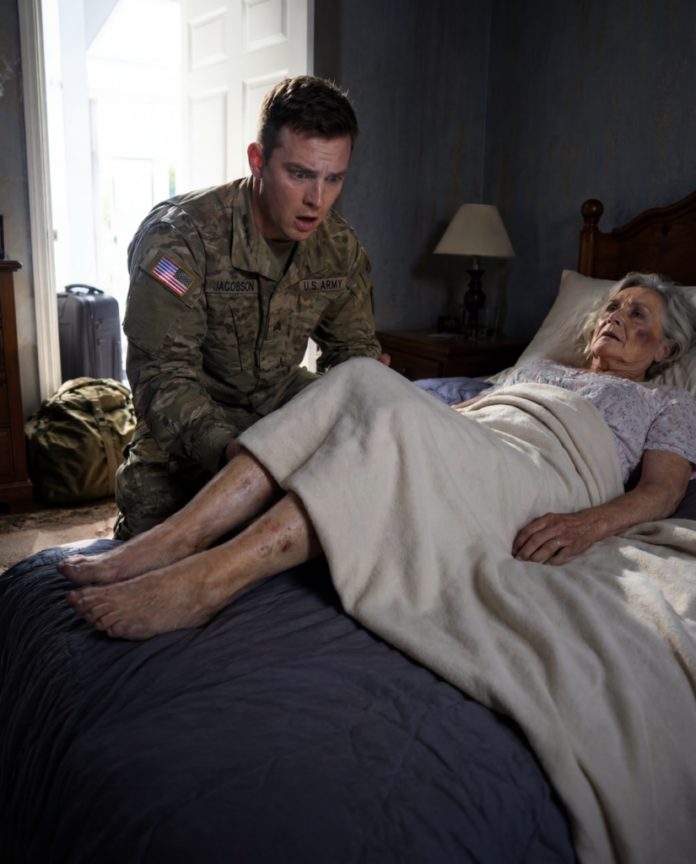
I married a millionaire to pay for my son’s surgery — that night, he said, ‘This is what you really signed for’

0

As I sat by Noah’s hospital bed long past visiting hours, the rhythmic sounds from his heart monitor beeped, giving me comfort that things were all well. They were not.

The operation that he required was not experimental or anything rare and innovative. It was a relatively simple one. All that was necessary was finding the right kind of specialized hospital to carry out such a surgery. The only issue was the high cost involved.

It was two hundred thousand dollars.

Every time I heard that figure stated out loud, it sounded utterly ridiculous. I had two jobs. I would clean office buildings after midnight, and during the day, I would care for elderly people. It was difficult to pay off the bills on time, cover the rent, buy medication, and get groceries.

It was clear that the cardiologist tried his best not to frighten me with what he had to say. “Unless he undergoes the procedure, the physical damage will continue to progress,” he said in a gentle tone.

I gulped to ease the lump down my throat. “How much time do we actually have?”

He didn’t say anything, but I saw hesitation in his eyes; it said everything. “Not enough.”

I left that appointment carrying a heavy stack of medical papers I couldn’t afford and a deep, paralyzing fear I couldn’t outrun.

I scoured every possible avenue for weeks on end. Loans. Fundraising campaigns online. Medical charities. Friends of friends. Church groups from around town. Doors kept opening up only to be closed again immediately. The more time passed by searching, the more I noticed Noah deteriorating physically. On one particular night, following the latest rejection letter via email, I sat crying so uncontrollably in my car that I literally could not even see clearly enough to drive away.

It was then that I spotted a new job position. Private caregiver required. Live-out arrangement. Excellent pay. Start immediately. I submitted my application online without hesitation.

Three days after, there I stood right in front of one of the biggest houses I’d ever laid eyes on. Calling it a house sounded absurd. It was a mansion – an absolute mansion! “You’ll be helping Miss Eleanor,” the woman who introduced herself as the household manager said.

“She must be impossible!” I exclaimed.

“No. She’s very nice,” the woman said with a slight chuckle.

“Then why is the salary so high?”

“The family doesn’t give a damn!” her grin immediately fell from her face.

That took less than a week to figure out. Eleanor was really sweet considering how much the stroke had affected her. No, Eleanor wasn’t the problem. The issue was the rest of the people living in that house, especially the adult children of Mr. Arthur.

Mr. Arthur was eighty-one years old, richer than anything conceivable, and as stubborn as hell!

Unsplash

His daughter, Vivien, came over all the time. Every single discussion was about documents. Signatures. Bank accounts. Trusts. Property. Inheritance. Money. Money all the time. I would bring in the tea to the living room just to witness their heated discussions.

“You should consider the future, father,” she would say.

“I already am,” Arthur would replied.

“No, you aren’t. You’re being emotional.”

“And you are very greedy.”

It was easy to tell there was tension between them. At first, I did my best to remain invisible. However, on one day, he stopped me in the hallway after I left Eleanor’s bedroom.

“You seem tired,” he said.

“I’m fine,” I lied.

“No, you’re not.” His tone didn’t sound unkind. It sounded quite perceptive.

I dropped my gaze. “My son is sick.”

Something clicked instantly in his face, but it wasn’t sympathy. No, it was recognition – the face of someone who knew what it meant to be afraid. Over the next few weeks, we spoke sometimes, but not often. Just enough for him to get to know Noah. Just enough for me to realize how alone Arthur was despite all of his money.

That morning, the hospital called. I hurried out to the courtyard while I answered it. “We have to go ahead now.”

My gut clenched. “I understand.”

“We know you do.” There was something in the tone that made everything even harder. “We can’t wait anymore.”

Unsplash

When I finished speaking, I collapsed onto the steps of the house and stared blindly at nothing. A little while later, Arthur came out to join me.

“You’re looking like you carry the weight of the world.”

“Possibly just a very heavy portion of it.”

“What’s the matter?”

I told him everything. The degenerative disease, the money, the time frame, the fear. For once, I didn’t attempt to make myself sound courageous. And when I finished, he was still completely silent. Then he said something so completely out of the blue that I truly believed he hadn’t spoken at all.

“Marry me.”

I looked at him. “What?”

“Marry me.”

I laughed outright. It wasn’t funny; it was completely out of the question. “Arthur…”

“Your son gets his surgery. I will pay off the hospital today.”

“No.”

“Reconsider.”

I worked through the entire night trying not to. But Noah’s health quickly went downhill and in the next twenty-four hours we were running a series of tests and talking to more specialists than I could count. There were no more discussions with vague promises. From now on, the doctors talked in terms of precise timeframes. That change scared me immensely. When daybreak finally came, I found myself standing in the freezing parking lot of the hospital clutching my mobile. I called Arthur on his personal number.

“If I say yes,” I began, my hands shaking, “then you pay the hospital immediately.”

“Yes.”

“No strings attached?”

“There are always strings attached. I don’t need to remind you of that.”

Unsplash

“I see. Then what are they?”

“You’ll understand once you get married.”

All my protective instincts urged me not to proceed any further. And then I remembered Noah. Because in the end, all roads led back to him.

“Alright,” I replied quietly.

The wedding was rushed, and crazy stories filled the headlines. People saw a young girl marry an old man, yet I was nothing more than a mother purchasing life for her sick son. Through Arthur’s resources, Noah received the care he needed and regained some color in his face. That alone made the disdain of Arthur’s shocked children, especially his daughter, Vivien, tolerable.

Later that day, Arthur invited me to his office. Expecting some price to come with our agreement, I stood nervously before Arthur as he put a large folder on the desk. Instead of marriage contracts, I found legal papers that appointed me as guardian for Eleanor, his frail sister, among other important legal papers.

“My children have been waiting for me to die for years now. They don’t give a damn about Eleanor, all they care about is my money.”

I suddenly got it. “You aren’t paying me for marriage. You need somebody you can rely on.”

He didn’t have time to elaborate since Vivien stormed in with two lawyers making vile accusations against me. She snarled something to the effect that I shouldn’t even be allowed to raise my own child. At that point, I moved closer to warn her off.

Arthur suddenly clutched his chest. His complexion paled as he collapsed onto the floor. By midnight, he’d been admitted to ICU.

Then came the tough legal fight. Vivien challenged the marriage, the estate, and the guardianship of my own child. But what she did not know was that Arthur had planned for this all along. Documents and letters were presented, and she lost everything to him completely.

Unsplash

Just one month later, Noah underwent successful surgery. Hours spent outside the surgery waiting room finally turned into relief; I could picture myself having a future for the first time.

Arthur died quietly during winter. Eleanor was safely under my care, while Noah grew up healthy and strong—a slow miracle that I thought would never come true.

When people ask if I regret marrying Arthur, my answer is always a clear “No.” The whole story wasn’t really about getting rich through marriage; it was about a mother who had made her last desperate move to save her child. In the end, Arthur had saved my son from certain death, giving me the future that I am thankful for everyday.

Please SHARE this article with your family and friends on Facebook.

Bored Daddy

Love and Peace