

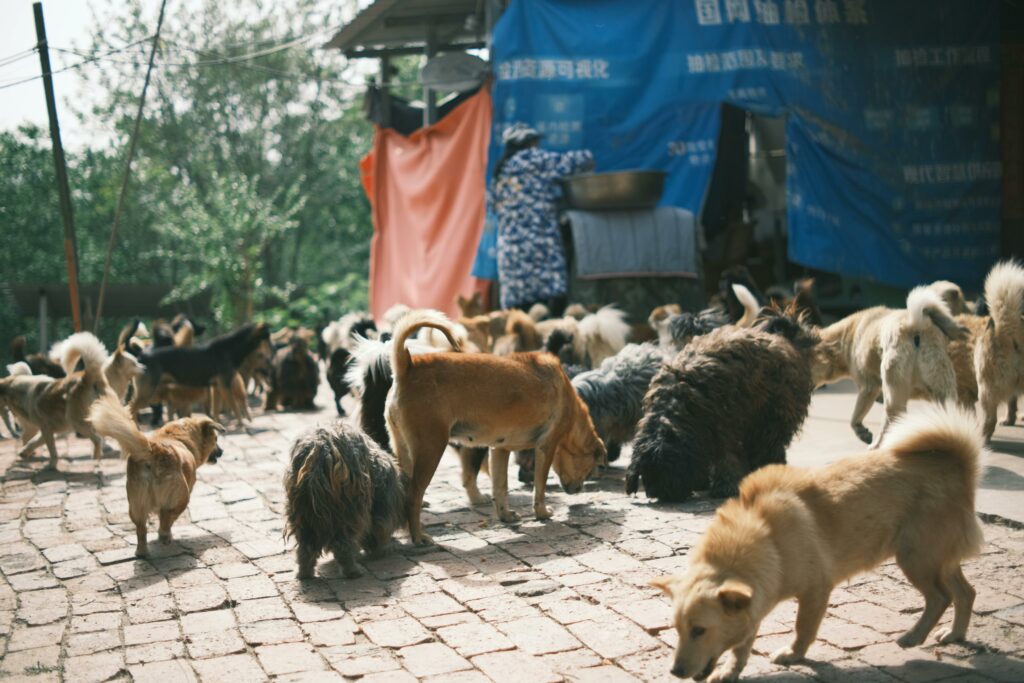
The rain was pouring, and it seemed like it would reclaim the earth. That cold, heavy rain soaked through Ivan’s canvas jacket until it felt like he was walking around with a sheet of lead draped over his shoulders. When Ivan finally arrived at the grounds of the municipal shelter and opened the heavy door, the sound hit him even before the stench did. It was a frantic, desperate cacophony of barks from hundreds of dogs who all wanted to be elsewhere than at that cold place.
Some of them probably lived better lives before they ended up at that shelter. But most of them were there for so long, that they probably barely remembered those better days. At least Ivan thought so.
You know, when people go to a shelter, they usually come with a list of expectations. Everyone seems to want that Golden Retriever energy, even if the dog itself is a mutt. They want a wagging tail, that “pick me up” look they’d share stories about to their friends, and a dog that would easily get used to the new life. And yes, almost everyone hopes to get that friend for life that would immediately fit into their life just like a piece of furniture.
Well, it’s true shelters are built on such hopes. People walk down the aisles, point at the quiet dogs and dogs that lick fingers through the mesh. They look for dogs that simply feel “safe.”
But not Ivan. He, unlike many people who visit the shelter in hopes of finding the perfect fur “baby,” didn’t walk towards the noise, but towards the silence at the very end of the hall.
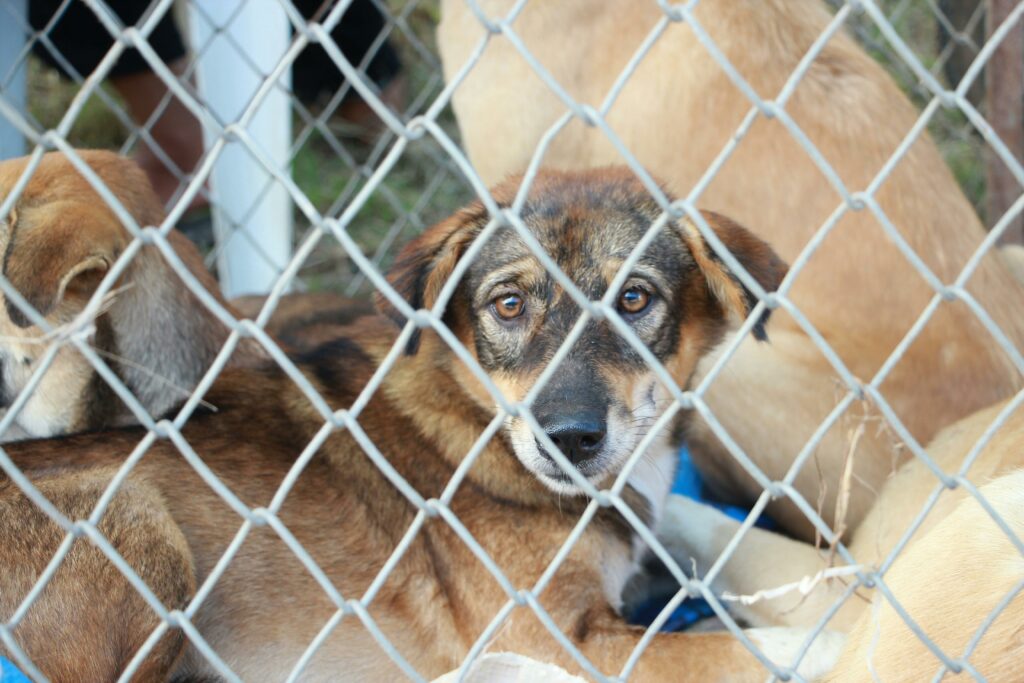
There is always a row of cages that people skip. It’s the row where the light is a little dimmer. The dogs in that row do not perform. They do not bark for attention because they know that when they bark, it hurts. Or they bark so hard that the cage door rattles on its hinges. These are the dogs with the red folders attached to their wire mesh enclosures. The ones with the warnings printed in bold: Aggressive. High-Shedding. Unpredictable. Not Suitable for Households with Children.
These are the “lost causes,” who in the world of economy of shelter life, are the bad investment.
A woman named Irina looked at Ivan with a tired look in her eyes and said, “Can I help you find a specific breed?”
“I’m looking for the dog no one wants,” Ivan said.
She looked at him and said in a rather professional voice. “Well, we have plenty of seniors that are hard to place.”
But it seemed like she didn’t understand Ivan’s words. So he made his request a bit more clear this time. “You see, I mean the most difficult one you have. The one that’s been here the longest. The one that people are afraid of.”
Irina’s face then turned from tired to genuinely concerned. “Look, heroes are great, but trust me, I’ve seen them before. People think they can save a broken animal with some treats and a YouTube tutorial, but then they bring that animal back two days later with a little nip on their arm and a large dent in their ego.”
She then continued, “These dogs… they aren’t projects, Mr.”
However, as she realized Ivan was really determined to get such a dog, she agreed to take him to see one at the last kennel in the hall.
The dog inside that kennel was a German Shepherd, or at least he had started as one. At that very moment, he looked like a map of hard luck, all sharp ribs and scar tissue. One ear looked as if it’d been chewed on, and his fur had dulled. He didn’t do the usual kennel routine, not a single bark. Just stood there, dead center, like a statue. But his eyes were wide, showing those frantic crescents of white as he followed every move Ivan made.
“This is Shadow,” Irina said. “He’s been with us three years. He was an owner surrender. Severe incident. We’ve tried three different placements. Last one ended with a hospital visit for the adopter. Since then, he’s been on the euthanasia list twice. Just… we haven’t been able to get it done yet.”
Ivan didn’t reach out with that “good boy” phrase all dogs seem to like. He just sat on his heels, looking at the floor three inches in front of Shadow’s paws.
“I’ll take him,” Ivan said.
“Ivan, listen to me,” Irina said, with her hand on the latch of the kennel. “He may never let you touch him. You may just be housing a roommate who despises you for the next five years of your life. Are you ready for that?”
Ivan stood up from the bench. “Listen, I’ve lived with people who hated me for far longer than five years,” he said. “At least this one is honest about it.”
The drive home was a tensed one. Shadow rode in the back of Ivan’s old Ford. And to Ivan’s surprise, the dog didn’t look at the trees or the streets during the ride. He stared straight at Ivan the entire time, something Ivan could see in the rearview mirror. That wasn’t typical behavior for a dog who had spent years in a shelter.
When they finally arrived at the isolated cottage at the end of the woods, Ivan opened the tailgate of the truck, but Shadow didn’t rushed out. Instead, he dragged himself inside the house and went straight to the most isolated corner of the place. He didn’t growl, just started breathing heavily.
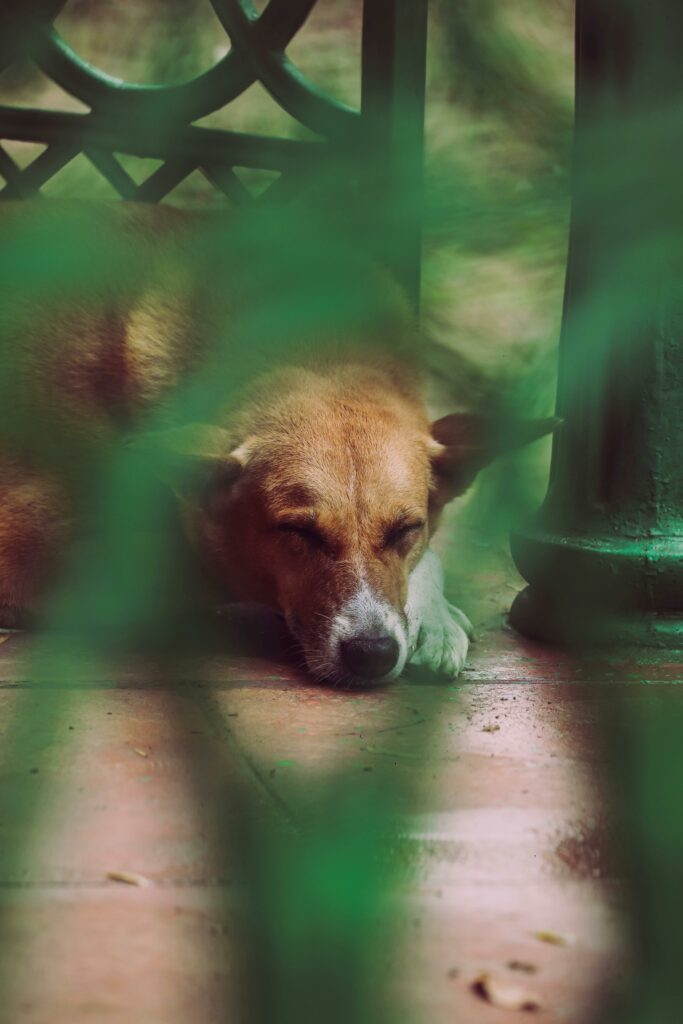
Ivan didn’t try to coax him nor he gave him a huge steak. Instead, he placed a bowl of good kibble and a bucket of fresh water next to the dog and went on with his evening. He put on a record with some jazz music, sat in his armchair, and then started reading a book. At times, he read aloud.
He wasn’t talking to the dog, he was just trying to fill in the silence, and that was it. And yes, he also wanted Shadow to start getting used to the vibration of his soul.
Week one was a ghost story. Shadow only ate somewhere between 2 a.m. and 4 a.m. When Ivan would get out of bed, he’d see the licked bowl, and Shadow was once again either under the wooden table or behind the couch.
One day, while Shadow stood by the wall, the sun caught him, and Ivan could see the marks on his body more clearly. Those weren’t marks from fights, but from cigarette burns. There was also this long jagged line down his hindquarters that looked as though it came from a hot wire.
God knew what that dog had gone through while in the hands of the wrong people.
Ivan got angry, but he didn’t react because he knew dogs can sense emotions. “Yeah,” Ivan muttered, not looking at the dog. “People are the worst thing that ever happened to this world, aren’t they, Shadow?”
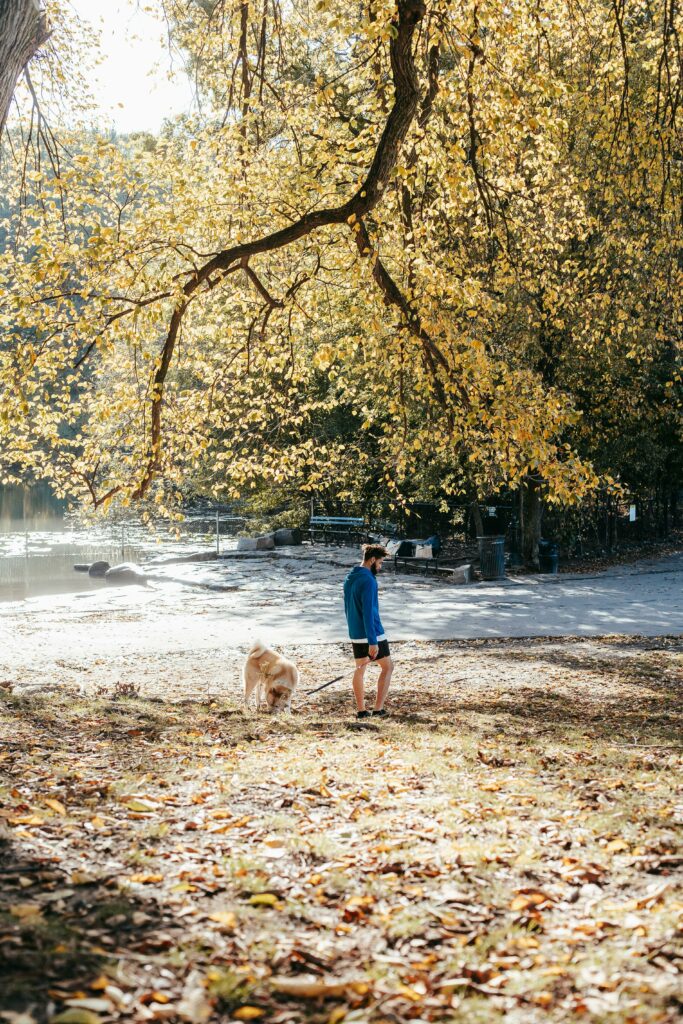
Ivan tried to give Shadow some form of predictable reality. Every morning at sharp 7 a.m.he gave Shadow his food. Next, the two walked, and while Shadow was on a leash, it looked as though the two were just strangers who found themselves sharing a sidewalk.
And then, around a week in, the atmosphere changed. It wasn’t much, even too small for some to notice, but Ivan did. Out of nowhere, Shadow moved towards Ivan.
Ivan didn’t say anything. He didn’t even react because he didn’t want to scare Shadow. He just got on his knees and opened his hand, but pretended not to look at the dog. After a couple of minutes, Shadow put his paw in Ivan’s hand, and then pulled away a second later. But that was it. That was all.
Things did not suddenly get easier after that, but it started to happen. Shadow started coming out during the day, and they began taking small, awkward walks. They were stiff at first, both of them tense, but gradually, the dog started to ease.
However, as it is with humans, not everyone was on board with a dog in the neighborhood. Most of the neighbors would cross the street whenever they saw Ivan and Shadow approaching. Eventually, someone even called the local police apartment just “to check in.” The officers gave Ivan the usual lecture when it comes to dogs, and that was pretty much it.
One day, purely by accident, Ivan learned Shadow’s true story. Deep under the matted fur, tucked away, was a small, scratched-up metal tag. It was old and worn, but the message on it remained clear enough to read. Shadow hadn’t always been a “problem dog.” He had once been a service dog.
Ivan could only imagine what had happened to him after that, but he knew he didn’t need to imagine too much to know that it hadn’t been good.
Eventually, Shadow learned to listen and to follow commands. He acted around Ivan as though he finally started to trust him.
The neighbors also noticed the change. They no longer feared Shadow, and they even walked by his side when they spotted him outside with Ivan.
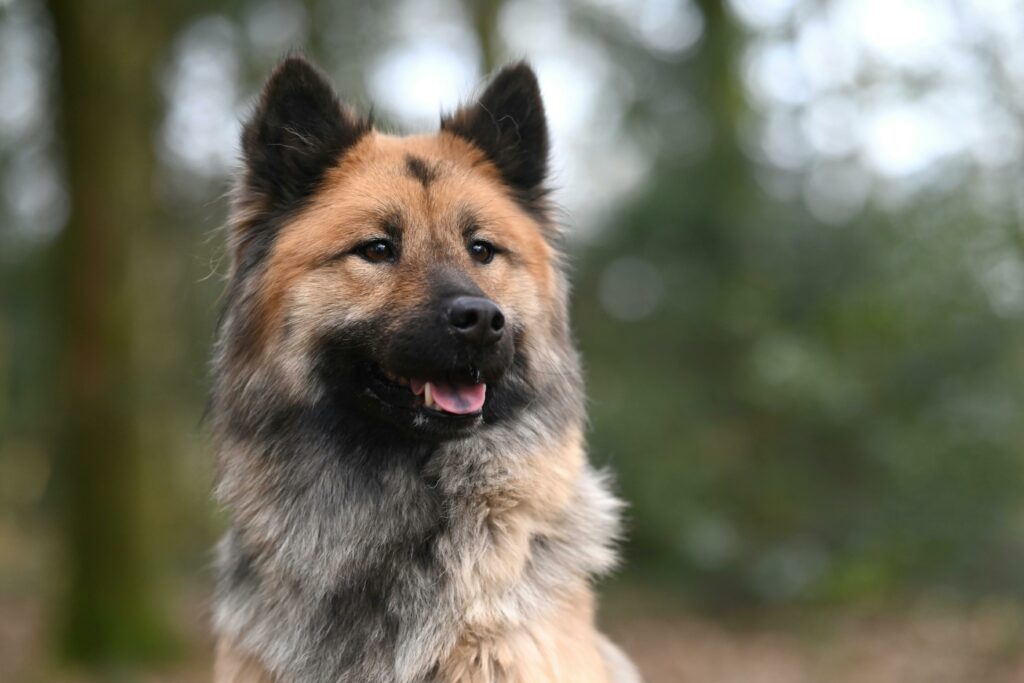
The reality, though, was that there had never been that kind of “miracle” or “cinematic” moment, just the boring stuff: the hard work, the repetition, the showing up every day, no matter what.
The boring stuff people don’t want to talk about, the boring stuff that’s hard, the boring stuff that nobody wants to do, but that, in the end, makes all the difference.
What shocked the neighbors, though, wasn’t so much that Ivan took in a “monster” in. It was that the scary dog eventually stopped being scary. Shadow did not transform into something else. He simply went back to being who he had been before everything went wrong.
There are a great many dogs just like Shadow in shelters all over the country – the ones nobody wants because they are “broken.” Well, maybe some of them are. But I think most of the time, when you see a mean dog, what you are really seeing is a terrified one who has been ignored for too long.
Please SHARE this article with your family and friends on Facebook.
Bored Daddy
Love and Peace