
Woman lost both kidneys before turning 30: Doctor warns of 2 habits that cause kidney failure

- Advertisement -

End-stage kidney failure (ESRF) or disease (ESRD), or simply kidney failure, is the fifth and final stage of chronic kidney disease (CKD) progression. At this point, you need dialysis or kidney transplant in order to survive.

Kidney failure occurs when the kidneys fail to function properly and are unable to effectively filter toxins, manage blood pressure, and regulate electrolyte levels. Until recently, kidney failure was related to old age, but sadly, the disease affects more and more young adults in recent years.

This disturbing trend calls for urgent education on lifestyle choices, early symptoms, and prevention.
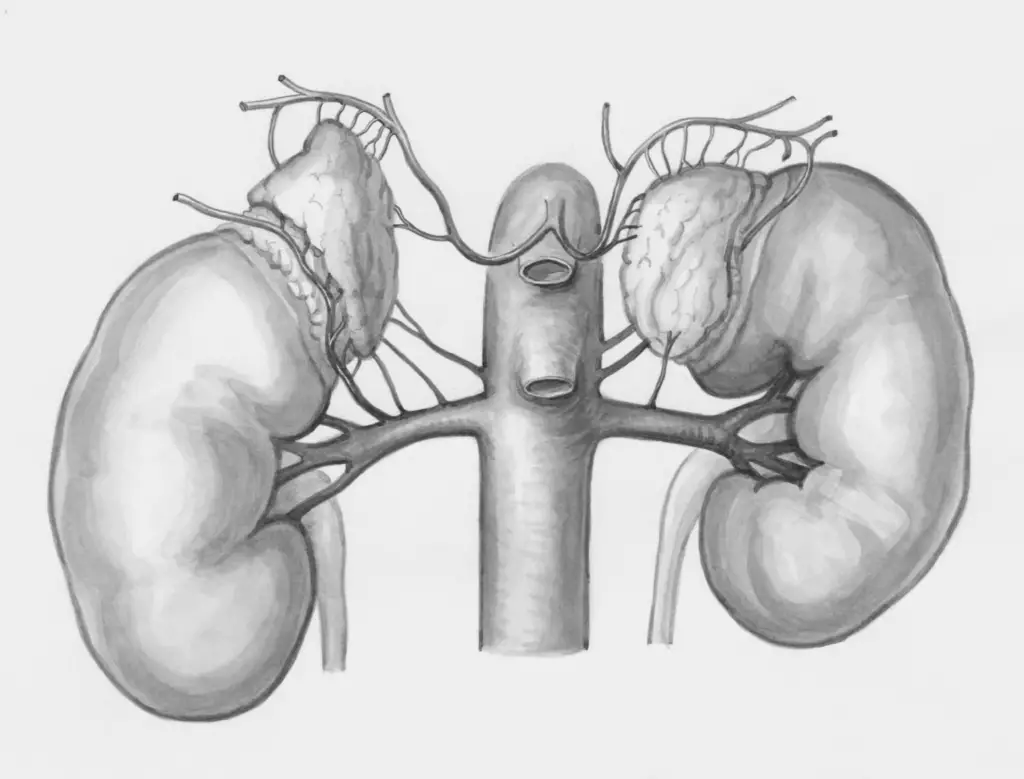
Most recently, the case of a Vietnamese actress younger than 30 who was diagnosed with end-stage kidney failure sent shockwaves across the country, but her case is not unique. Many others have faced the same and nephrologists around the world are raising the alarm: kidney failure is getting younger. They also agree that the condition is largely preventable at the younger population because the risk factors leading to kidney failure are driven by lifestyle, most precisely by two destructive habits.

1. Unbalanced Diets Rich in Protein and Processed Foods

When trying to lose weight or build muscle, many adults turn to protein-rich supplements. The large amounts of “high-protein” place strain on your kidneys by raising urea and uric acid levels, overloading the kidneys and increasing the risk of kidney stones and damage.

Additionally, processed foods rich in sodium, sugar, and phosphates further affect the health of your kidneys.

- Advertisement -

A 2020 study published in the Clinical Journal of the American Society of Nephrology links high-sodium, low-potassium diets to kidney decline—even in healthy young adults.

2. Lack of Exercise and Sedentary Lifestyle

Another major risk is inactivity, which leads to obesity, high blood pressure, and diabetes — conditions contributing to kidney damage.

A 2023 study in Kidney International Reports linked sedentary lifestyle to rapid declines in estimated glomerular filtration rate (eGFR)—the key measure of kidney function.

It is estimated that young people spend 10-12 hours a day on their lap tops, scrolling on their phones, and binge-watching TV.

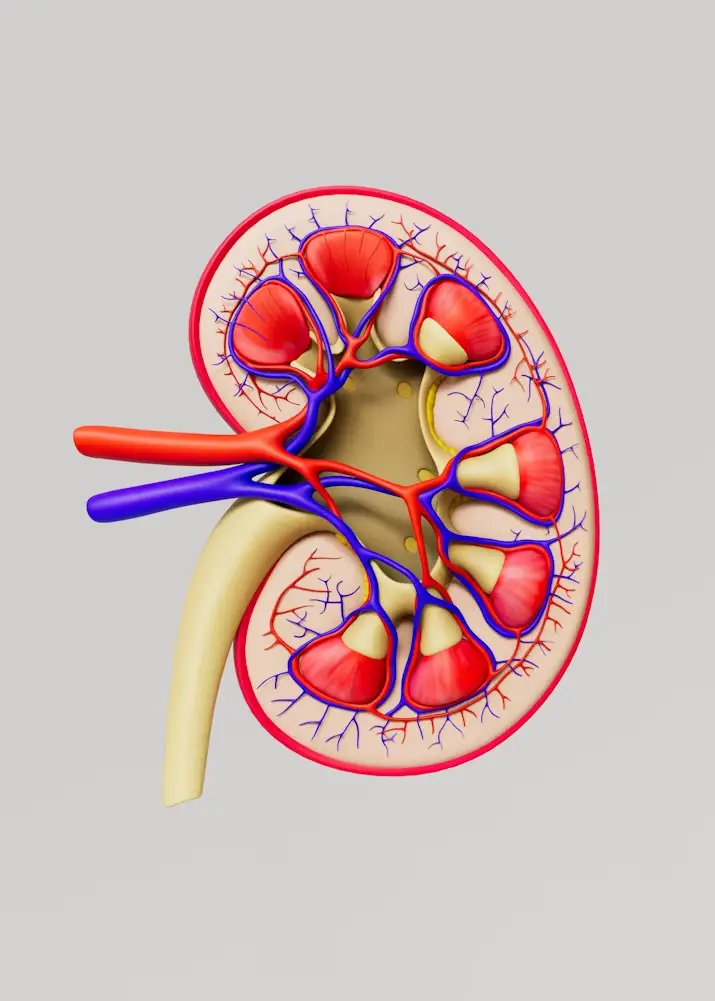
The kidneys are very resilient, meaning they can do their job even if they lose up to 90 percent of their function, according to Healthline.
- Advertisement -

Usually the symptoms in early stages of kidney failure are almost nonexistent, but when they do occur, they may include:

  • confusion
  • decreased urine output
  • fatigue
  • itching
  • muscle twitches and cramping
  • metallic taste in your mouth
  • nausea and vomiting
  • loss of appetite
  • seizures
  • swelling in your body
  • shortness of breath due to fluid buildup in your lungs
  • weakness

While kidney failure cannot always be prevented, there are things you can do to minimize the risks.

Except for a balanced diet and avoidance of processed foods, as well as minimizing a sedentary lifestyle as described before, other ways to protect your kidneys include: managing blood sugar levels, managing high blood pressure, maintaining a healthy weight, reducing salt intake, drinking enough water, limiting the consumption of alcohol, quitting smoking, and reducing stress among the rest.

Please SHARE this article with your family and friends on Facebook.

Bored Daddy

Love and Peace

- Advertisement -
- Advertisement -
- Advertisement -

End-stage kidney failure (ESRF) or disease (ESRD), or simply kidney failure, is the fifth and final stage of chronic kidney disease (CKD) progression. At this point, you need dialysis or kidney transplant in order to survive.

Kidney failure occurs when the kidneys fail to function properly and are unable to effectively filter toxins, manage blood pressure, and regulate electrolyte levels. Until recently, kidney failure was related to old age, but sadly, the disease affects more and more young adults in recent years.

This disturbing trend calls for urgent education on lifestyle choices, early symptoms, and prevention.

Most recently, the case of a Vietnamese actress younger than 30 who was diagnosed with end-stage kidney failure sent shockwaves across the country, but her case is not unique. Many others have faced the same and nephrologists around the world are raising the alarm: kidney failure is getting younger. They also agree that the condition is largely preventable at the younger population because the risk factors leading to kidney failure are driven by lifestyle, most precisely by two destructive habits.

1. Unbalanced Diets Rich in Protein and Processed Foods

- Advertisement -

When trying to lose weight or build muscle, many adults turn to protein-rich supplements. The large amounts of “high-protein” place strain on your kidneys by raising urea and uric acid levels, overloading the kidneys and increasing the risk of kidney stones and damage.

Additionally, processed foods rich in sodium, sugar, and phosphates further affect the health of your kidneys.

A 2020 study published in the Clinical Journal of the American Society of Nephrology links high-sodium, low-potassium diets to kidney decline—even in healthy young adults.

2. Lack of Exercise and Sedentary Lifestyle

Another major risk is inactivity, which leads to obesity, high blood pressure, and diabetes — conditions contributing to kidney damage.

A 2023 study in Kidney International Reports linked sedentary lifestyle to rapid declines in estimated glomerular filtration rate (eGFR)—the key measure of kidney function.

It is estimated that young people spend 10-12 hours a day on their lap tops, scrolling on their phones, and binge-watching TV.

The kidneys are very resilient, meaning they can do their job even if they lose up to 90 percent of their function, according to Healthline.

Usually the symptoms in early stages of kidney failure are almost nonexistent, but when they do occur, they may include:

  • confusion
  • decreased urine output
  • fatigue
  • itching
  • muscle twitches and cramping
  • metallic taste in your mouth
  • nausea and vomiting
  • loss of appetite
  • seizures
  • swelling in your body
  • shortness of breath due to fluid buildup in your lungs
  • weakness

While kidney failure cannot always be prevented, there are things you can do to minimize the risks.

Except for a balanced diet and avoidance of processed foods, as well as minimizing a sedentary lifestyle as described before, other ways to protect your kidneys include: managing blood sugar levels, managing high blood pressure, maintaining a healthy weight, reducing salt intake, drinking enough water, limiting the consumption of alcohol, quitting smoking, and reducing stress among the rest.

Please SHARE this article with your family and friends on Facebook.

- Advertisement -

Bored Daddy

Love and Peace

- Advertisement -
Monica Pop
Monica Pop
Monica Pop is a senior writer for Bored Daddy magazine covering the latest trending and popular articles across the United States and around the world.

More from author

Related posts

Advertisment

Latest posts

A year after my divorce my ex MIL told me her son did the right thing leaving me

Every divorce is painful in its own way, and mine wasn't an exception. Around a year following my separation with my ex-husband, I found...

My husband let his secretary ride in the front seat of my car and called me sensitive—so I sold his house, took his car,...

When people ask me at what point did I realize my marriage was over, I don't really overshare. But I knew exactly what that...

Donald Trump’s niece Mary claims he’s in a ‘downward spiral’ and reveals what he’s ‘terrified’ from

That Mary Trump isn't fond of her uncle, President Donald Trump, isn't anything new. In fact, it looks like she's using every chance she...

Want to stay up to date with the latest news?

We would love to hear from you! Please fill in your details and we will stay in touch. It's that simple!