
Millions of Federal Workers Face Uncertain Future Amid Controversial Resignation Incentive

0

A High-Stakes Offer to Leave: The Federal Government’s Deferred Resignation Gamble

The Trump administration has unveiled a sweeping initiative that has instantly ignited debate across Washington and beyond. The new “deferred resignation program” offers nearly two million civilian federal employees a stark choice: resign by February 6 and continue receiving full pay and benefits through September, or remain in a system facing uncertain reforms.

Framed as a cost-saving measure to modernize government operations and encourage in-office attendance, the proposal has quickly become one of the most controversial workforce initiatives in recent memory.

The Offer: Full Pay to Walk Away

At its core, the program promises eligible employees full salary and benefits until the end of September if they voluntarily resign by the deadline. Officials describe it as a pragmatic way to reduce payroll expenses over the long term, arguing that only a small fraction—around 6
percent—of D.C.-based federal workers are consistently reporting to the office.

By incentivizing voluntary departures, the administration says it can streamline agencies, improve efficiency, and reshape the culture of government work after years of remote operations.

White House Press Secretary Karoline Leavitt has insisted the plan is not politically motivated, calling it “a necessary step to bring accountability and productivity back to public service.”

Why Critics Are Concerned

The reaction from unions, watchdogs, and public-service advocates has been swift and skeptical. Federal employee unions warn that the program could drain agencies of experienced talent and leave critical public services under-staffed.

Legal experts have also questioned whether the government has the authority to guarantee months of salary and benefits to workers who are no longer employed. Others argue the plan blurs the line between voluntary departure and coercion—offering financial security now but
creating uncertainty for those who choose to stay.

For some employees, the decision feels like a gamble: take the short-term guarantee, or risk being left behind in a rapidly changing federal landscape.

Early Results and Legal Challenges

By early February, tens of thousands of federal workers had reportedly accepted the offer—a number significant enough to capture attention but still far below the administration’s target for reducing headcount.

The program’s rollout has faced legal and procedural challenges as well. Several federal employee unions filed suit, arguing that the plan circumvents existing labor protections. A federal judge temporarily paused the February 6 resignation deadline before later allowing the program to proceed.

Meanwhile, several state attorneys general have warned employees to carefully review the terms before signing away their positions, citing uncertainty about long-term benefits and retirement impacts.

Potential Consequences

The deferred resignation program could have lasting ripple effects across the federal system:

Loss of Institutional Knowledge: The departure of experienced staff could weaken the effectiveness of agencies and delay critical services.

Savings vs. Costs: While the administration touts fiscal savings, analysts suggest the financial impact could be modest if most participants were nearing retirement anyway.

Morale and Trust: Linking pay to voluntary resignation may strain morale and erode confidence in government leadership.

Future Precedent: The policy could set a new benchmark for how administrations manage workforce reductions—blurring the traditional boundaries of voluntary exit programs.

The Bigger Picture

The deferred resignation program underscores the delicate balance between efficiency and stability in government operations. Supporters see it as a bold attempt to modernize a bloated system and restore accountability. Critics view it as a reckless maneuver that risks hollowing out public service in the name of short-term savings.

Whatever the final outcome, one truth is clear: the program has forced millions of federal workers to confront an impossible choice between immediate financial certainty and long-term professional security.

Conclusion

The Trump administration’s deferred resignation initiative is more than a buyout—it’s a defining test of how far the federal government can go in reshaping its own workforce. Whether remembered as a visionary reform or a disruptive misstep, its impact will echo through agencies, communities, and households for years to come.

At its heart, the debate isn’t just about budgets or headcounts—it’s about what kind of government America wants to build, and who will be left to carry that mission forward.

Please SHARE this article with your family and friends on Facebook.

Bored Daddy

Love and Peace
Woman lost both kidneys before turning 30: Doctor warns of 2 habits that cause kidney failure

0

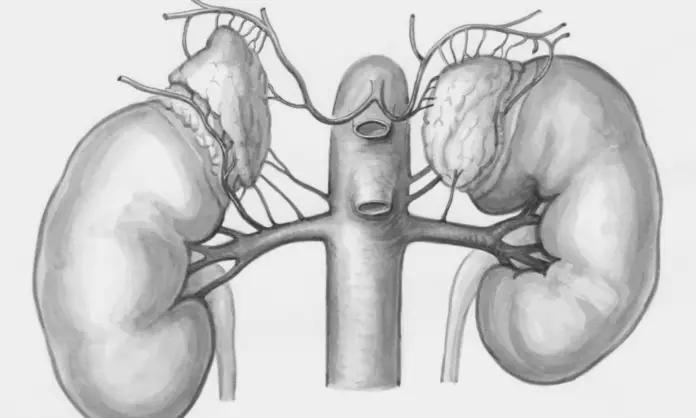
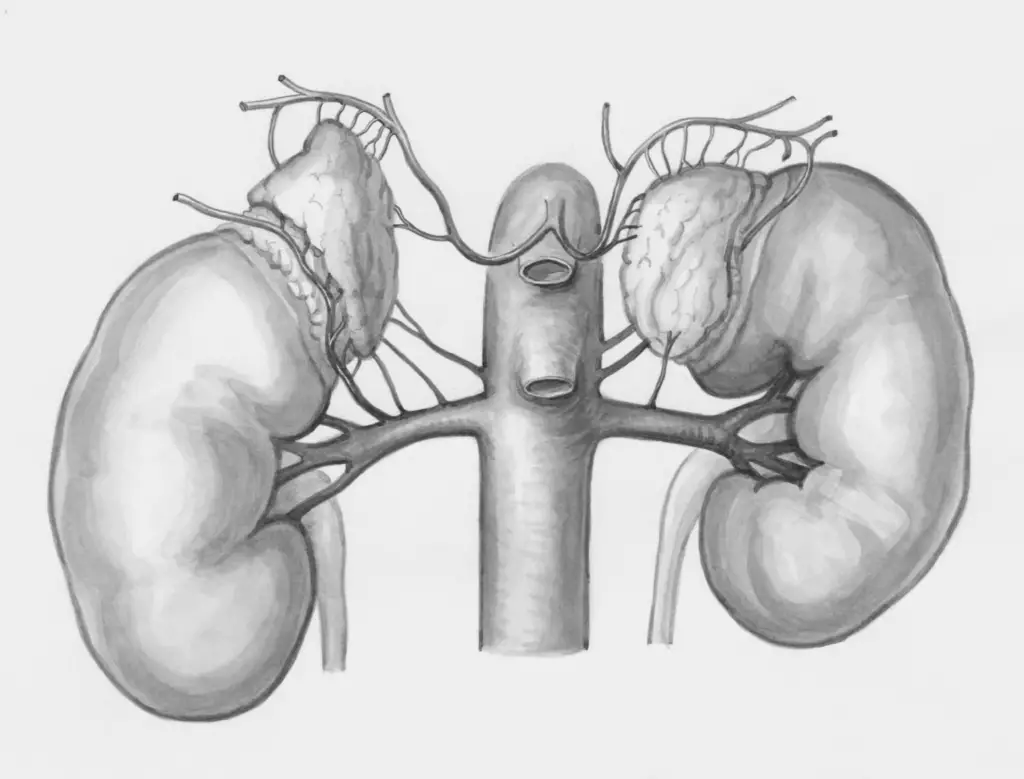
End-stage kidney failure (ESRF) or disease (ESRD), or simply kidney failure, is the fifth and final stage of chronic kidney disease (CKD) progression. At this point, you need dialysis or kidney transplant in order to survive.

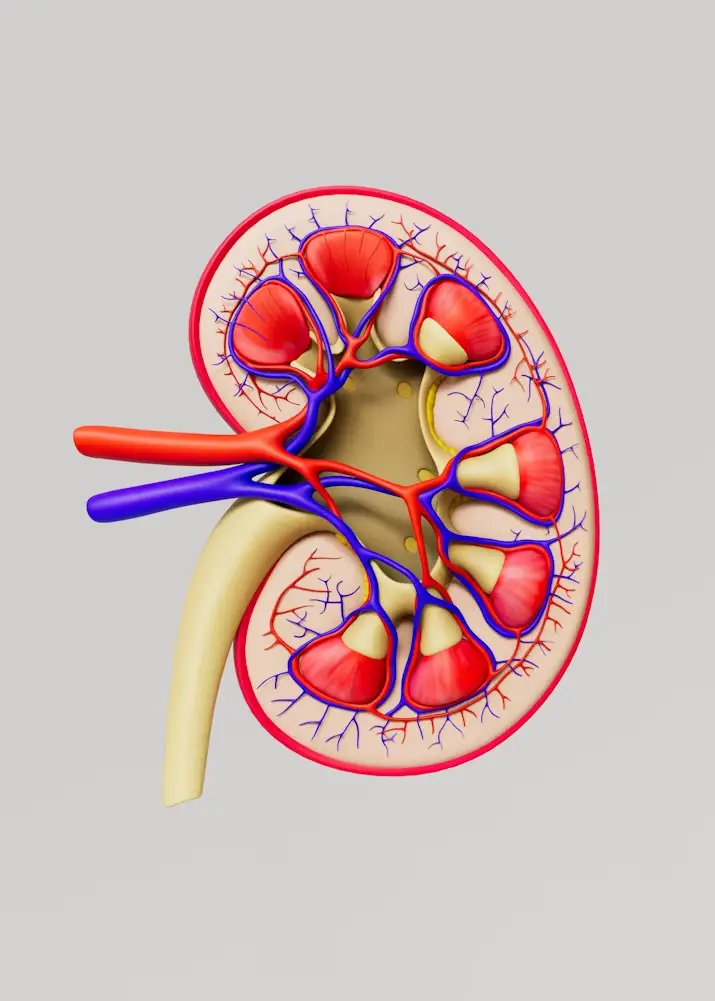
Kidney failure occurs when the kidneys fail to function properly and are unable to effectively filter toxins, manage blood pressure, and regulate electrolyte levels. Until recently, kidney failure was related to old age, but sadly, the disease affects more and more young adults in recent years.

This disturbing trend calls for urgent education on lifestyle choices, early symptoms, and prevention.

Most recently, the case of a Vietnamese actress younger than 30 who was diagnosed with end-stage kidney failure sent shockwaves across the country, but her case is not unique. Many others have faced the same and nephrologists around the world are raising the alarm: kidney failure is getting younger. They also agree that the condition is largely preventable at the younger population because the risk factors leading to kidney failure are driven by lifestyle, most precisely by two destructive habits.

1. Unbalanced Diets Rich in Protein and Processed Foods

When trying to lose weight or build muscle, many adults turn to protein-rich supplements. The large amounts of “high-protein” place strain on your kidneys by raising urea and uric acid levels, overloading the kidneys and increasing the risk of kidney stones and damage.

Additionally, processed foods rich in sodium, sugar, and phosphates further affect the health of your kidneys.

A 2020 study published in the Clinical Journal of the American Society of Nephrology links high-sodium, low-potassium diets to kidney decline—even in healthy young adults.

2. Lack of Exercise and Sedentary Lifestyle

Another major risk is inactivity, which leads to obesity, high blood pressure, and diabetes — conditions contributing to kidney damage.

A 2023 study in Kidney International Reports linked sedentary lifestyle to rapid declines in estimated glomerular filtration rate (eGFR)—the key measure of kidney function.

It is estimated that young people spend 10-12 hours a day on their lap tops, scrolling on their phones, and binge-watching TV.

The kidneys are very resilient, meaning they can do their job even if they lose up to 90 percent of their function, according to Healthline.

Usually the symptoms in early stages of kidney failure are almost nonexistent, but when they do occur, they may include:

  • confusion
  • decreased urine output
  • fatigue
  • itching
  • muscle twitches and cramping
  • metallic taste in your mouth
  • nausea and vomiting
  • loss of appetite
  • seizures
  • swelling in your body
  • shortness of breath due to fluid buildup in your lungs
  • weakness

While kidney failure cannot always be prevented, there are things you can do to minimize the risks.

Except for a balanced diet and avoidance of processed foods, as well as minimizing a sedentary lifestyle as described before, other ways to protect your kidneys include: managing blood sugar levels, managing high blood pressure, maintaining a healthy weight, reducing salt intake, drinking enough water, limiting the consumption of alcohol, quitting smoking, and reducing stress among the rest.

Please SHARE this article with your family and friends on Facebook.

Bored Daddy

Love and Peace
Bruce Willis’ wife Emma Heming shares heartbreaking update just days before Christmas

0

Following the devastating aphasia diagnosis in 2022, a condition which affects one’s ability to communicate, actor Bruce Willis has been keeping a low profile. It was later confirmed by his family that the Die Hard star has been in fact battling frontotemporal dementia.

Along with the news regarding his health, Willis’ family announced he was retiring from acting.

“To Bruce’s amazing supporters, as a family we wanted to share that our beloved Bruce has been experiencing some health issues and has recently been diagnosed with aphasia, which is impacting his cognitive abilities.

“As a result of this and with much consideration Bruce is stepping away from the career that has meant so much to him.”

Willis’ career in film has been an impressive one. Best known for his roles in the iconic films Die HardPulp Fiction, and Sixth Sense, among others, this actor’s impact on the world of film is huge to say the least.

Getty Images

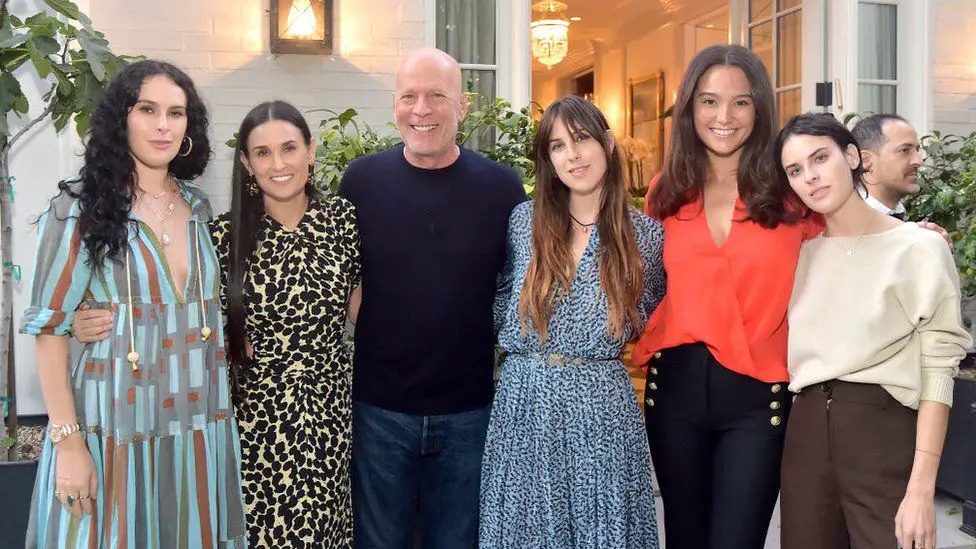
In the months and years following his diagnosis, his family, including his daughters, his ex-wife, actress Demi Moore, and his wife Emma Heming have been sharing updates on the actor’s health condition.

Most recently, Emma Heming penned down a reflection of feeling sadness as the family is doing their best to navigate Willis’ condition. Among the rest, she wrote in her blog that holidays “look different.”

“The holidays have a way of holding up a mirror, reflecting who we’ve been, who we are, and what we imagined they would be. When you’re caring for someone with dementia, that reflection can feel especially poignant. Traditions that once felt somewhat effortless require planning- lots of planning. Moments that once brought uncomplicated joy may arrive tangled in a web of grief. I know this because I’m living it. Yet despite that, there can still be meaning. There can still be warmth. There can still be joy. I’ve learned that the holidays don’t disappear when dementia enters your life. They change,” she wrote.

Shuttterstock/Featureflash Photo Agency

“Before anything else, I want to say this, it’s okay to grieve. Grief doesn’t only belong to death. It belongs to change, and the ambiguous loss caregivers know so well. It belongs to the realization that things won’t unfold the way they once did, it belongs to the absence of routines, conversations, or roles that were once so familiar you never imagined them ending.”

Days before Christmas, Emma reflected on the past and offered insight into her husband’s feelings about the holiday, writing he “loved” this time of the year, including the “energy, family time, the traditions.”

“He was the pancake-maker, the get-out-in-the-snow-with-the-kids guy, the steady presence moving through the house as the day unfolded. Dementia doesn’t erase those memories,” she continued. “But it does create space between then and now. And that space can ache.”

Shutterstock

In September, Emma opened up about the heartbreaking decision to have Willis moved into a nearby one-story home staffed with full-time caregivers.

“I find myself, harmlessly, cursing Bruce’s name while wrestling with the holiday lights or taking on tasks that used to be his,” she said. “Not because I’m mad at him, never that, but because I miss the way he once led the holiday charge.

“Yes, he taught me well, but I’m still allowed to feel annoyed that this is one more reminder of how things have changed,” she continued.

Emma encouraged the families who are in the same position as hers to embrace the change and create new memories.

“This holiday season, our family will still unwrap gifts and sit together at breakfast. But instead of Bruce making our favorite pancakes, I will,” she wrote.

Please SHARE this article with your family and friends on Facebook.

Bored Daddy

Love and Peace

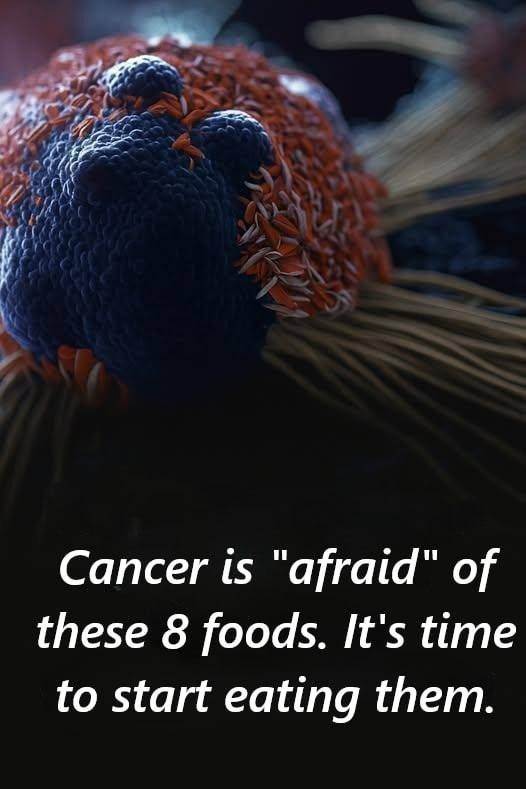
8 powerful anti-cancer foods you should start including in your diet

0

When it comes to our overall well-being, the food we consume plays a key role. Through our diet, we provide our body with the essential nutrients, vitamins, fibre, and energy to get through the day.

The Standard American Diet (SAD), is “believed to contribute to the health challenges experienced in the United States, including cancer.”

According to the American Institute for Cancer Research, only about 8% of the standard American diet consists of protective foods.

The truth is that no food by itself can help in the fight against cancer, but there are several foods that are believed to help preventing it.

“Research tells us that making healthy food choices consistently over time can reduce your risk of getting cancer, but you can’t say with absolute certainty that food can prevent cancer,” says wellness dietitian Lindsey Wohlford. “There are no guarantees.”

1. Cruciferous Vegetables

Shutterstock

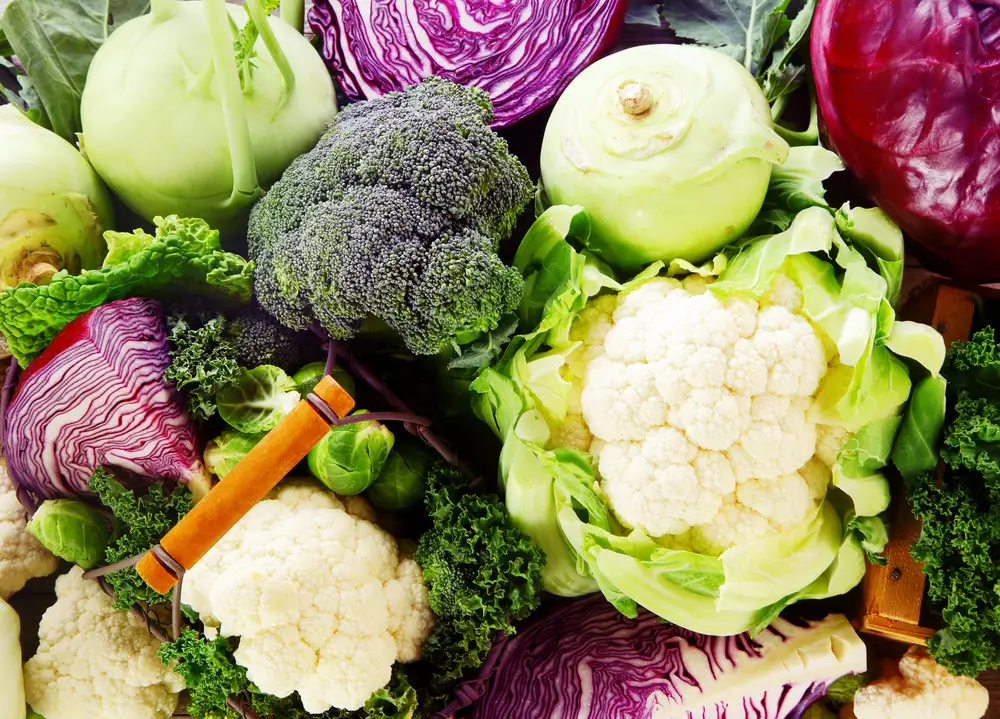
Cruciferous vegetables are a diverse group of vegetables belonging to the family Brassicaceae, also called ‘Cruciferae,’ that are believed to have cancer-preventive properties. Vegetables belonging to this group are radish, arugula, bok choy, broccoli, Brussels sprouts, cabbage, cauliflower, kale, daikon, and turnips, among the rest.

These are rich in isothiocyanates, compounds that reduce inflammation and deactivate cancer-causing chemicals.

Consuming these vegetables helps lowering the risks of developing certain types of cancer, including breast, esophageal, oral, and kidney cancers.

2. Turmeric

Turmeric is yet another plant that is so versatile that it’s found its way not only in the cuisines of many countries, but also in the cosmetic industry, the pharmaceutical industry, and more.

Among the rest, turmeric contains protective compounds, including curcumin, has anti-oxidant properties that may help the body combat inflammation, can help ease arthritis, can help limit the growth of cancerous cells, protects cells from damage, and reduces the signs of ageing.

3. Mushrooms

A study conducted on 36 thousand participants over several decades showed that incorporating mushrooms in the diet helps reduce the risk of developing prostate cancer. Mushrooms are rich in vitamins, minerals, and antioxidants, in particular L-ergothioneine, thought to help reduce oxidative stress.

Another study suggest mushrooms may help prevent breast cancer, likely due to compounds like glutathione, ergothioneine, and polysaccharides. Medicinal varieties like reishi, turkey tail, shiitake, and maitake boost antitumor immunity, with turkey tail’s PK polysaccharide aiding cancer therapy.

4. Allium Vegetables

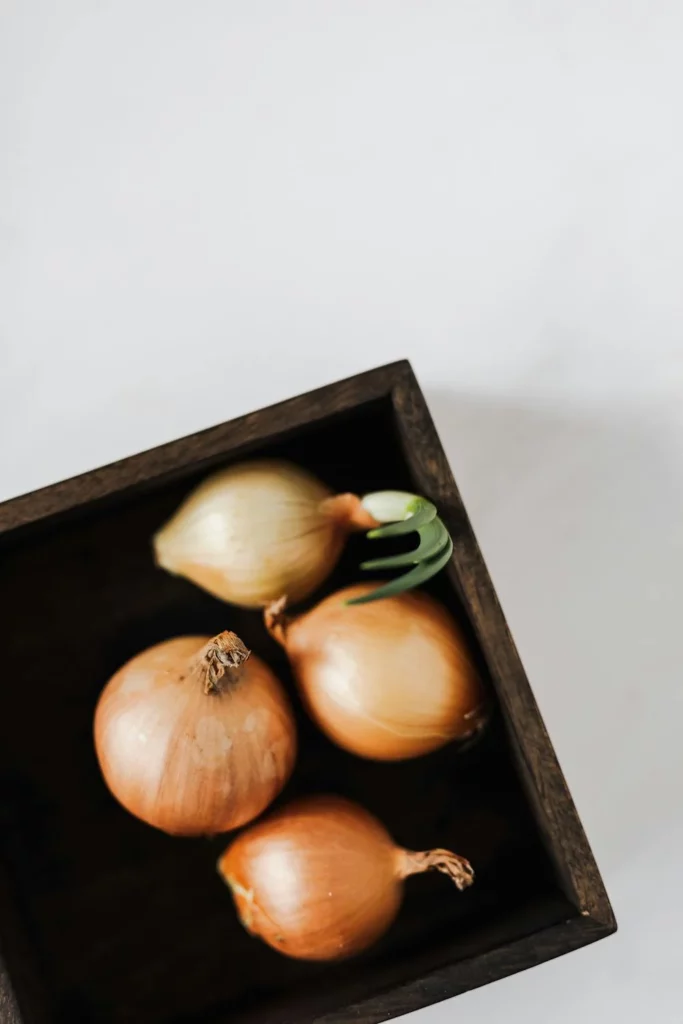
Onions, shallots, leeks, and garlic are anti-cancer foods said to prevent certain cancers such as colon cancer and other cancers related to the gut.

According to a research, onion and garlic possess “promising biological activities that are indicative of their potential as potent antioxidant and anticancer agents.”

5. Wakame

Shutterstock

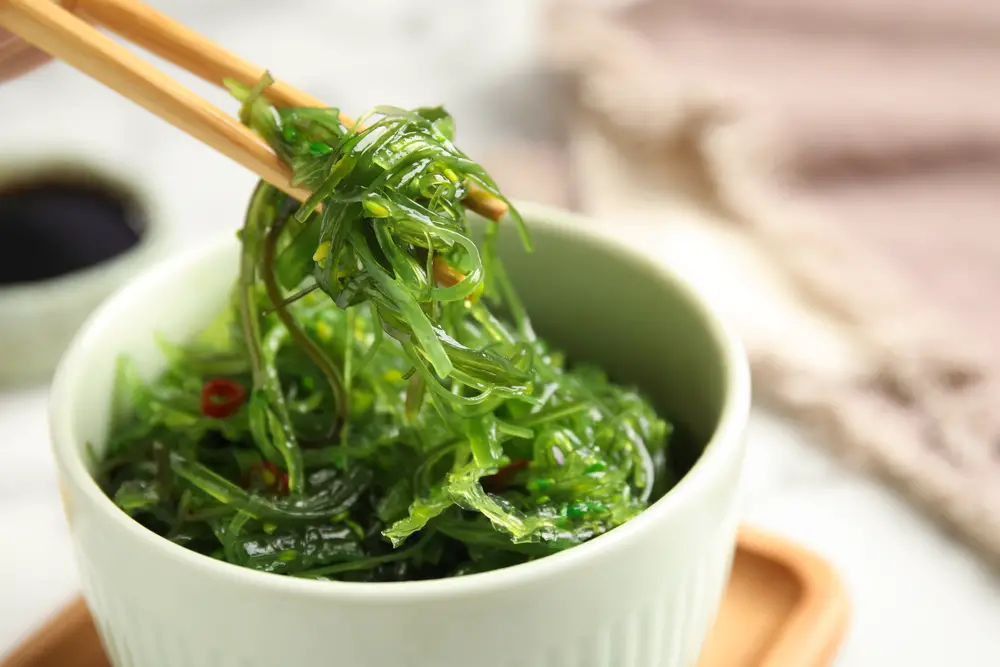
Wakame is an edible type of seaweed that is believed to suppress the growth of breast cancer, colon cancer, and kidney cancer cells. The research showing these results has been performed in a lab using animals, so its properties on humans are yet to be researched.

Also, wakame contains around 42mcg of iodine per serving.

6. Lycopene-Rich Foods

Shutterstock

Lycopene is a phytochemical, or a biologically active chemical found in plants. Since it’s not produced within the body, it’s not considered neither a vitamin nor mineral.

According to Hope Barkoukis, Ph.D., chair of the department of nutrition at the Case Western Reserve University School of Medicine in Cleveland, OH, lycopene is a potent antioxidant. “This means it can reduce the presence of harmful compounds in your body called free radicals.”

Diet rich in foods that contain lycopene, such as tomatoes and watermelons, may help reduce the risk of cancer, heart disease, and other chronic diseases.

7. Beta Carotene-Rich Foods

Shutterstock

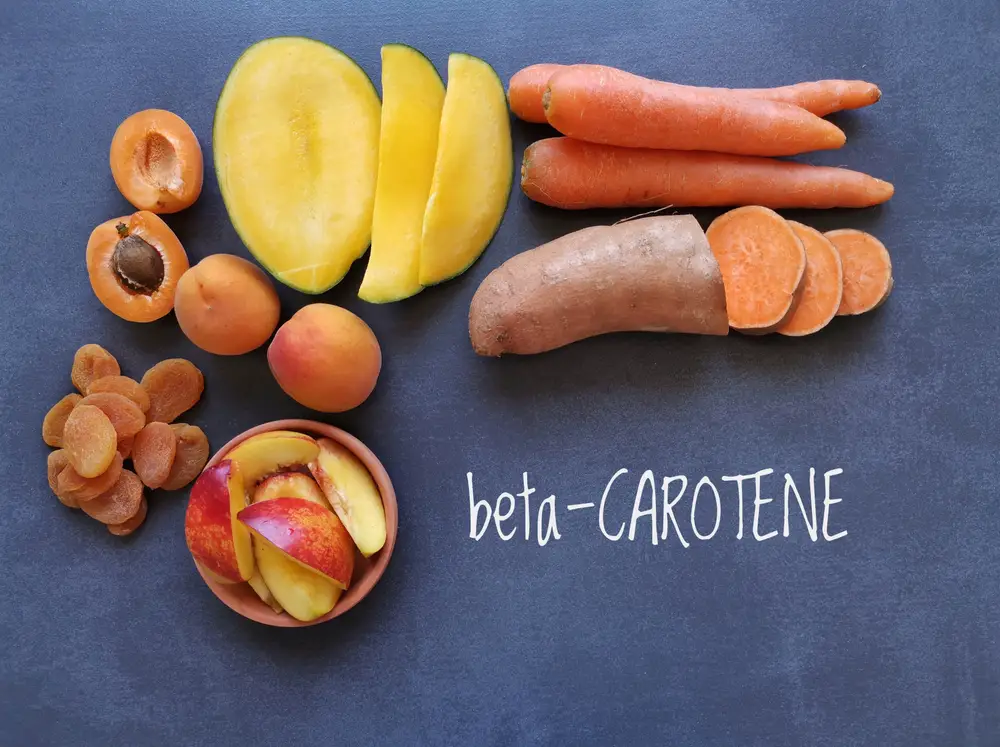
Beta-carotene rich foods include carrots, sweet potatoes, butternut squash, and other yellow-orange fruits and vegetables.

Their consumption on preventing cancer is yet to be researched further.

8. Fatty Fish

Research indicates that other anti-cancer foods include fatty fish like albacore tuna, salmon, herring, mussels, anchovies, and sardines. If consumed weekly, they may help lower cancer risk. This is likely due to their high vitamin D and Omega-3 fatty acids, thought to help prevent disease, including cancer.

*Disclaimer: This information is for informational purposes only and not a substitute for professional medical advice, diagnosis, or treatment. Always consult your physician or healthcare provider with any questions about your health or medications. Do not disregard professional advice based on this information.

Please SHARE this article with your family and friends on Facebook.

Bored Daddy

Love and Peace

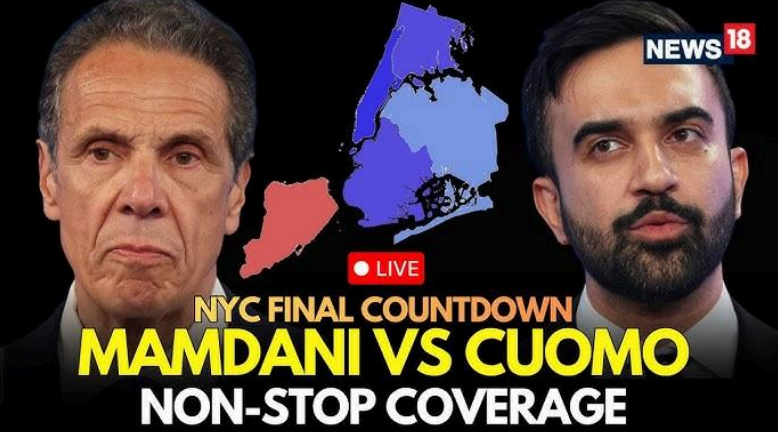
From Exile to Edge: Cuomo Narrows the Gap in High-Stakes NYC Election

0

New York City’s Mayoral Showdown: Experience vs. Bold Change

New York City is again the epicenter of high-stakes politics—but this time the story isn’t just familiar, it’s charged.

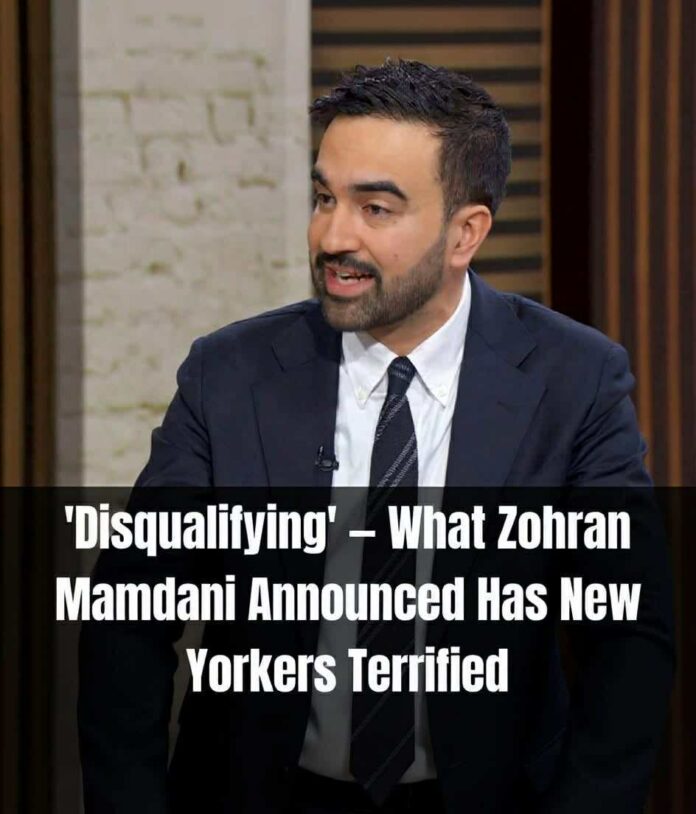
What began as a routine mayoral contest has morphed into a tense confrontation, with former Governor Andrew Cuomo attempting a comeback and State Assemblyman Zohran Mamdani riding a surge of progressive momentum.

Mamdani — the young, self-described democratic socialist — has emerged as the Democratic Party’s nominee, after a major upset over Cuomo in the June primary.

His campaign has centered on sweeping change: rent freezes, fare-free buses, publicly-owned grocery stores, and an expansive vision of what the city government could become.

Cuomo, on the other hand, had been seen as all but finished politically after his resignation in 2021 and the ensuing scandal.

He jumped back into the mayoral race, first in the Democratic primary and then, after his loss, as an independent candidate.

His message: a return to what he calls “order, experience and pragmatic leadership” in a city grappling with cost-of-living crises, crime concerns, and rapid change.

So far, the landscape looks like this:

Mamdani has consolidated his position as the Democratic nominee, having defeated Cuomo in ranked-choice voting with roughly 56.4 % of the final tally vs. ~43.6 % for Cuomo.

Cuomo’s independent candidacy complicates the general election, meaning the contest isn’t simply a left vs. right or old vs. new framing so much as it is a clash of competing visions for New York’s future — and also a battle of who can mobilize more voters in a diverse and sprawling city.

While your version described Mamdani’s lead shrinking to ten points under pressure, current polling suggests Mamdani still holds a sizeable lead in his own right, but the margin narrows significantly in a one-on-one matchup vs Cuomo. For example, a poll showed Mamdani at 46% vs Cuomo at 24%, but in a head-to-head scenario it was 48% vs 44%.

The Stakes

For voters, the choice is framed as much about identity and values as policy: Are they drawn to Mamdani’s generational shift, progressive agenda, and promise of structural transformation?

Or do they lean toward Cuomo’s pitch of stability, governance experience, and his critique of what he characterizes as overly idealistic reform?

In many ways, this is what you captured: a contest not just for city hall but for the city’s character. Will New York embrace bold experimentation — or will it pull back toward familiar leadership?

What’s Changed Since Your Draft

It is no longer accurate to say Mamdani “once held a comfortable lead” only to see Cuomo nearly overtake him — the primary result shows Mamdani winning decisively.

Cuomo’s “resurgence” indeed exists, but his path is harder: the independent run means he must pull beyond the core Democratic base to succeed.

The key numbers and timelines differ slightly from your draft: for example, Cuomo conceded the primary but then re-entered the race, rather than simply mounting a comeback mid-race.

The overall narrative is less about a sudden turnaround by Cuomo and more about Mamdani’s rise + Cuomo’s attempt to re-enter the scene.

Revised Conclusion

In the end, this mayoral election is about more than who gets to move into City Hall — it’s a referendum on what kind of New Yorkers want their city to be. Will the electorate opt for Mamdani’s ambitious reform agenda and symbolic break with the past? Or will Cuomo’s message of governance, control and a return to experience win out?

Whichever way the vote goes, this race will likely mark a defining moment for the city’s politics and identity.

Please SHARE this article with your family and friends on Facebook.

Bored Daddy

Love and Peace
Michele Obama makes devastating admission about night Rob Reiner and his wife died

0

The world of film is still mourning the sudden passing of actor and filmmaker Rob Reiner and his wife, photographer Michele.

Condolences came pouring in from fans, friends, and fellow actors. Among those who shared their heartbreak was Former President Barack Obama and his wife Michelle. They wrote, “Michelle and I are heartbroken by the tragic passing of Rob Reiner and his beloved wife, Michelle. Rob’s achievements in film and television gave us some of our most cherished stories on screen. But beneath all of the stories he produced was a deep belief in the goodness of people—and a lifelong commitment to putting that belief into action. Together, he and his wife lived lives defined by purpose.”

Now, Michelle Obama shared that on the day they received the news of the Reiners being killed in their own home, they were supposed to meet.

“We were supposed to be seeing them that night, last night, and we got the news,” Michelle said in an interview on Jimmy Kimmel Live! on Monday night.

The former first lady shared that she and Barack have been very good friends with Rob and his wife “for many, many years.”

Director Rob Reiner (L) and wife Michele Singer attend the premiere of “The Magic of Belle Isle” at the Directors Guild of America on June 20, 2012 in Los Angeles, California. (Photo by David Livingston/Getty Images)

Rob and Michele were found dead in their Brentwood home on Sunday, December 14, by their daughter, Romy, who stumbled upon what officials describe as a “horror double murder.”

Paramedics and firefighters responded to a home on Chadbourne Avenue in Brentwood around 3:38 p.m. on Sunday after a man, 78, and a woman, 68, were found dead and later identified by police as the well-known couple. Authorities said there were no signs of forced entry, and sources told the Los Angeles Times the victims appeared to have suffered stab wounds.

The couple’s son, Nick Reiner, 32, has since been arrested in connection with the double homicide.

Rob Reiner and his son Nick Reiner/ Rommel Demano/ Getty

Amid the many tributes and messages of sympathy, Donald Trump drew attention for a remark widely criticized as inappropriate, accusing Rob Reiner of suffering from “Trump Derangement Syndrome.” The comment was so widely condemned that it even prompted criticism from members of Trump’s own party.

“They’re not deranged or crazed,” Michelle Obama told Kimmel, referencing Trump’s disparaging response to the tragedy.

“They were the kind of people who were ready to put their actions behind what they cared about, and they cared about their family, and they cared about this country, and they cared about fairness and equity, and that is the truth.”

Los Angeles prosecutors have said that Nick Reiner could face the death penalty if he is found guilty of murdering his parents.

District attorney Nathan Hochman said in a statement: “Rob Reiner was a brilliant actor and director, an iconic force in our entertainment industry for decades. His wife, Michele Singer Reiner, was an equally iconic photographer and producer.

“Their loss is beyond tragic. We will commit ourselves to bringing their murderer to justice.”

Please SHARE this article with your family and friends on Facebook.

Bored Daddy

Love and Peace

I opened my teenage daughter’s door — and stopped in shock at what she was doing

0

I’ve always thought of myself as of a trusting parent. I almost never snoop or hover, and I like to think my daughter knows that. But sometimes, trust can be tested, like on that Sunday afternoon when I could hear laughter and whispers coming from behind her closed bedroom door.

My daughter is fourteen and her boyfriend is the same age. He is a polite, gentle, and surprisingly respectful for a teenager. He always says hello when he arrives, takes off his shoes at the door, and thanks me when he leaves. Every Sunday, he comes over, and they spend hours in her room. I tell myself they’re just hanging out, but when the laughter gets softer and the door stays closed a little too long, my imagination starts going wild, if you know what I mean.

That afternoon, I tried to ignore it and just told myself to stay calm and respect her space like I always do. But then curiosity whispered, What if? What if something’s going on? What if I’m being naive? Before I knew it, I caught myself tiptoeing down the hallway. And just as I stood in front of the room, I pushed the door open just a crack.

Soft music was playing in the background, and there they were, cross-legged on the rug, surrounded by notebooks, highlighters, and math problems. She was explaining something, so concentrated that she barely spotted someone entering the room. Her boyfriend was nodding, completely focused on my daughter’s math explanations. The plate of cookies she took to the room was at her desk, untouched.

She looked up and smiled, a little confused. “Mom? Do you need something?”

“Oh, I just wanted to see if you wanted more cookies.”

“We’re good, thanks!” she said, and turned to what she was doing.

I closed the door and leaned against the wall, half embarrassed and half relieved.

It was then that I realized how often parents imagine the worst when the truth is beautifully simple. There was no secret, just two kids helping each other learn.

Please SHARE this article with your family and friends on Facebook.

Bored Daddy

Love and Peace
Three holy water rituals many people practice at home before Christmas

0

While many relate Christmas with decorations, lights, and family dinners, the holiday is much more than that. In its core, Christmas is a holy time when God longs to get close to every human soul. Saint Padre Pio beautifully crystallized this reality when he told us that the true meaning of Christmas is found in a heart that has been purified.

While preparing our homes is necessary, preparing our souls is more so. For Padre Pio there was a straightforward, modest, within-reach means to expose ourselves to God’s grace prior to the coming of Christ: the mindful and faithful use of holy water.

The spiritual meaning of holy water

Holy water is neither symbolic folklore nor superstition. Rooted deeply in Christian practice it has been for many centuries an expression of spiritual renewal and an indicator of spiritual vitality, divine safeguarding and purification. Saint Padre Pio also considers it to be a powerful spiritual help when prayed over and received with genuine faith.

Through holy water, the Christian is reminded of baptism, of Christ’s victory over sin and the devil, and of the Light of God shining in the darkness. Pio noted that evil flees from holy water because it is a witness to its own final defeat. In the days before we celebrate Christmas—the mystery of God drawing near to us as human beings is renewed—what we do to prepare our souls matters as much as what we do to prepare our homes.

First practice: Blessing the entrance of the home

Padre Pio believed that what enters a home also enters the hearts of those who reside there. Therefore he advised to bless the main entrance door before Christmas as a spiritual safeguarding.

A simple way to do this: Moisten your fingers with a bit of holy water. Sign your hands with the sign of the cross in the doorjam. In silence or with a brief prayer, invite Jesus that only His peace and presence dwell in your home.

The power of this ritual has nothing to do with how many doors are blessed but rather how blessed the act is in terms of your personal faith.

Second practice: Cleansing the heart within

For many, the Christmas season arrives mixed with exhaustion, inner tension, worry, sorrow, or old wounds that have never fully healed. These burdens can cause one’s heart to grow dim, and it can make it more difficult to feel the presence of God.

Saint Padre Pio said that holy water is not confined to the material but reaches the soul and speaks to it.

A simple practice: Lightly place a drop of holy water on your forehead and your chest. Make the sign of a cross and pray to God for your peace of mind and the healing of your heart.

That gesture is a way of humility and trust, to say, “I do not know everything, there are loads I have to carry that I can’t handle on my own, and I’m just going to put that down for a moment, and wait for God’s grace and light to help me with those burdens.”

Many people witness feeling a quiet relief after performing this ritual.

Unsplash

Third practice: Blessing shared family spaces

Families never torn apart because of a single moment. Instead, it is the effect of tiny daily stresses such as barbed comments, extended silence, tiredness that’s not talked about. After a while, it seems, these feelings settle over the very places in which ordinary life takes place.

On account of this, Saint Padre Pio recommended the blessing of the homes of the family members (and more so before Christmas), the dining room, the living room, or any other room where the family gathers in the home.

A quick and easy way to do this: Lightly splash these areas with holy water. Say a silent prayer for peace, for harmony, for healing in the family. It might not fix everything in an instant but it’s a gentle invitation to grace to work on things in its own time, making space for forgiveness and reconnection.

Please SHARE this article with your family and friends on Facebook.

Bored Daddy

Love and Peace