
The poolside betrayal that had the whole neighborhood talking

0

Have you ever noticed how the human brain does weird things when things fall apart, like hyper-focusing on the lest important details? For Marissa, it was her avocados.

As she drove home that Thursday afternoon, she wondered whether they were ripe enough for the guacamole Caleb always wanted on Thursdays.

The computers at the office crashed, so she headed back home earlier than usual and stopped at the grocery store to get some limes, cilantro, and that super expensive chips Caleb always complained about being too salty but ate anyways.

Once home, nothing really seemed out of place. The sprinklers were on, the curtains were half-way open, and Caleb’s shiny new truck was parked right where it should be. Marissa was concerned about how expensive that truck was, but all Caleb did was kiss her on the forehead and say that she “worried beautifully.” He was good at making condescending things sound like compliments.

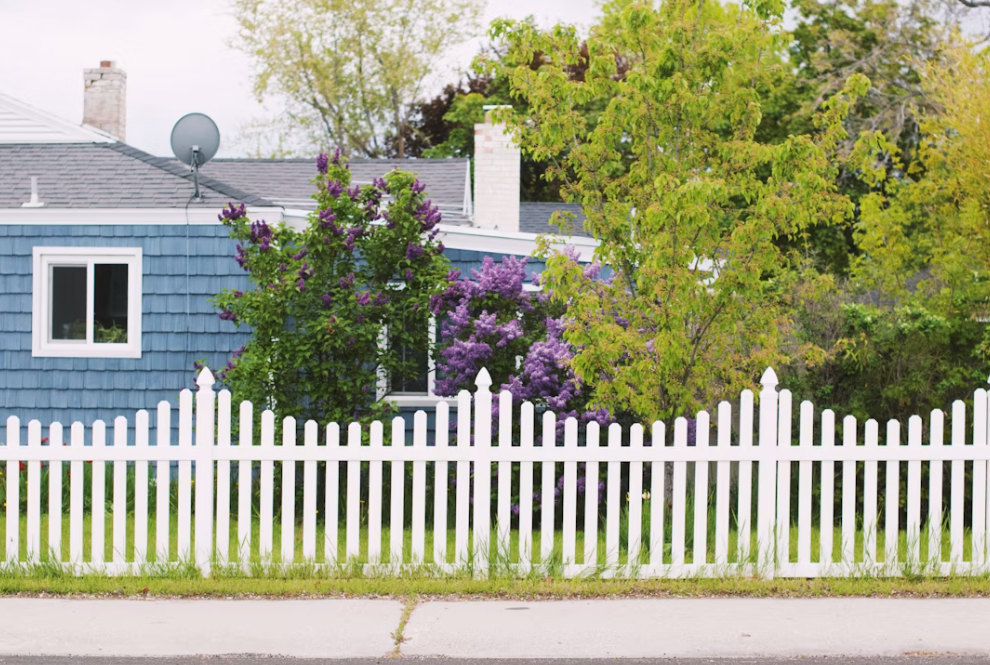
Ridge Hollow, Marissa’s neighborhood, was a place where people built these tall privacy fences and pretended to mind their own business but the truth was they knew everything about everyone. Take Vanessa from number 218. Marissa used to really like her. Vanessa was the kind of neighbor who brought over banana bread, watered the plants, and had the gate code because Marissa literally gave it to her. You always think betrayal is going to kick your front door down, but usually, you just hand it a key and call it a friend.
The smell of chlorine, hot stone, and the basil near the grill greeted Marissa when she opened the door to the kitchen. The brightness of the sun on the glass doors temporarily blinded her before she heard the soft splashing of the water in the pool tiles.

Caleb was in the pool. Vanessa was in his arms.

It was Caleb who saw her first. “Marissa,” he called out. He wasn’t sounding guilty; he just sounded pissed off about being interrupted.

Vanessa sunk into the pool, with the same red lipstick on her that Marissa had noticed on the coffee cup left by the island in her kitchen one week prior, when Vanessa was innocently asking if Caleb was still working late as often as before.

Marissa looked down at the concrete floor, seeing the puddles of wet footprints leading out of the kitchen doorway into the backyard.

The shopping bag was sagging in her hands as an avocado fell to the ground and made a little hollow thump against the outside sink.

“Don’t make a scene,” Caleb said.

Truly, the marriage was over right there. Not when Marissa saw him in the pool, but rather when Caleb saw his wife with groceries and his very first thought was to control the volume of her voice.

That strange, crystal clarity suddenly hit her. She went over to the lounge chairs and collected their things – Caleb’s shirt, his keys, Vanessa’s dress, her shoes, and her phone, which vibrated with unanswered calls from her husband, Mark.

“We can explain!” Vanessa pleaded.

Marissa took in the wet footprints. “Already done.”

Caleb shifted closer to the edge of the pool. “Don’t overreact.”

It was always his favorite game. She screamed? She was crazy. She cried? She was hysterical. Men like Caleb don’t just screw up; they demand you grade your response to what they’ve screwed up.

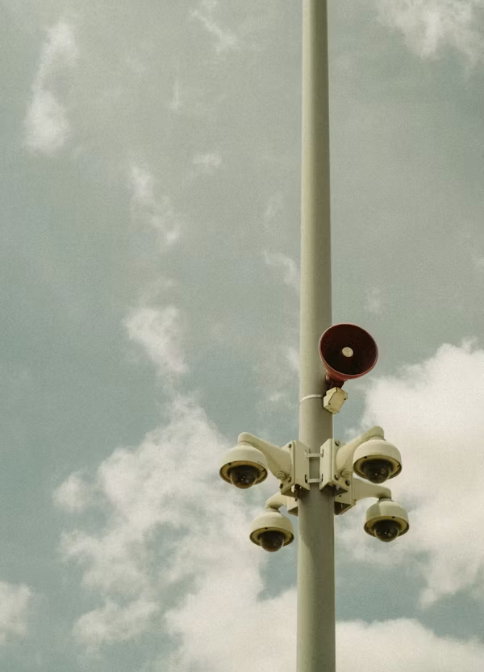
She saw the bright red panic button next to the kitchen door – part of the high-end security system that Caleb had teased her mercilessly about purchasing because he called her paranoid. But it all worked together: the gate, the pool camera, the doorbell, and the neighborhood alert system.

Caleb paled. “Marissa! Don’t!”

The siren tore through the backyard, deafening and vicious. Across the street, dogs began barking. Curtains fluttered, neighbors appeared over fences, bikers came to a stop on the sidewalk, and a delivery man paused in front of his van. It was like everything and everyone had frozen.

“Turn it off!” shouted Caleb.
Unsplash

But Marissa only stood there holding their clothes in her arms. “Why? You dragged this mess five feet from my kitchen.”

And then came the digital fallout. Her phone lit up with a security alert, followed seconds later by the ping from the neighborhood community app: Backyard alarm at 214 Ridge Hollow Lane. That alert was legal proof. It stamped the event in time and in public, with dozens of witnesses, at exactly 5:42 p.m.

Marissa fished through the pocket of Caleb’s soaked jeans, plucked the remote to his precious new truck, and held it aloft. Caleb’s mouth fell open.

“This,” she said, “is the last thing of yours that will go into my pool.”

And she tossed it into the deep end. For the first time ever, Caleb had nothing left to say.

Vanessa tried to make a run for the side gate, but a car door slamming shut up front paralyzed her where she stood. “Mark,” she whispered.

But right now, the live feed showed a black SUV idling at the curb, and Mark, Vanessa’s husband, standing on the front porch pressing the buzzer. He had been tracking Vanessa’s phone GPS after weeks of suspicion, arriving just as the neighborhood siren went off.

Marissa turned the cell phone around for Caleb to see the recorded history. Before he even felt any remorse, his eyes darted frantically around, assessing how bad the damage was. “Marissa, don’t show him that!” he hissed over the siren.

The doorbell intercom chimed through the patio speaker. Marissa hit the talk button. “Mark.”
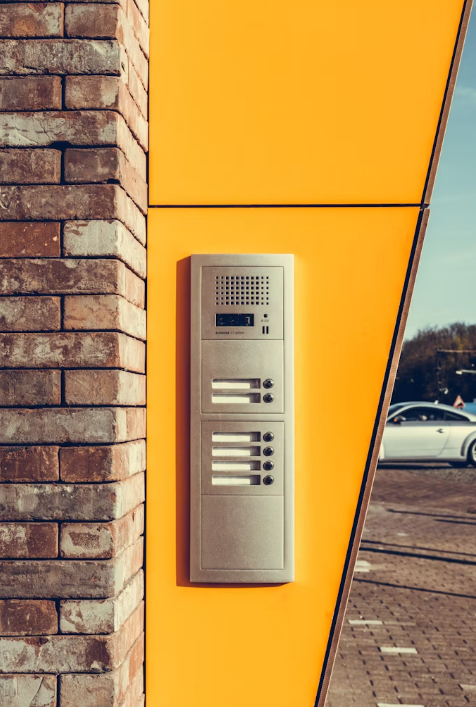
Mark’s face filled the screen. “Before you open this door,” he said, “just tell me one thing. How long has my wife been using your kitchen door?”

Vanessa let out this ragged sob from the pool.

Marissa didn’t say anything. Instead, she just scrolled back through the camera history and pulled up a whole catalog of past Tuesdays. Vanessa showing up with an empty measuring cup. Caleb unlocking the door while Marissa was at work. Vanessa leaving later, putting her sunglasses on, her hair totally different. The cameras didn’t care about morality; they were just keeping time.

Marissa went and opened the front door, and Mark walked right past her straight to the patio. When he saw the pool, Vanessa shrank back. “Mark…”

He did not even glance at her. He just stared at Caleb, at the clothing in Marissa’s hands, and at the blinking panel on the alarm system. As soon as Caleb tried to stutter an answer, Mark held up one finger, silencing him. This silent signal finished Caleb off.

The police arrived six minutes later, turning the incident into a report for the world. Vanessa emerged, wrapped in a towel, while Caleb found himself standing in the water as Marissa handed him his clothing one item at a time. There were no smiles now. No matter whether humiliation is deserved or not, Marissa had had enough of hiding Caleb’s mistakes from others.

Unsplash

When the siren stopped sounding, Caleb asked, “Can we go inside and talk?”

“No,” she replied. “I am done discussing my marriage in places where you bring home other women.”

Mark took Vanessa away in silence. Caleb’s truck was left sitting in the driveway, unable to start due to the key fob lying at the bottom of the pool. At 8:04 p.m., all the footage ended up in a divorce lawyer’s mailbox.

The following morning, Marissa filed away the pool tech’s invoice for the broken key fob. It was proof. Throughout that week, Caleb offered every possible explanation, even trying to blame the alarm system itself. Marissa simply played the loop of doorbell videos, entirely cutting off his air supply.

Three days later, Mark texted: Thanks for not letting them make us both look stupid.

Sitting at her kitchen counter, Marissa cried for the first time. The cheating was a shock, but the gaslighting had been mental torture. Caleb and Vanessa had expected their spouses to feel crazy just for noticing what was being done with such routine elements of everyday life.

The divorce was a brutal process, but the security system Caleb had once ridiculed made it much easier for her. She kept the house. Vanessa and Mark sold theirs in the bleak days of late winter, before the trees even had leaves.

Over the next few months, Marissa reclaimed her home. That spring, she repainted the kitchen a bright, vibrant yellow—never once thinking about his constant warnings over its resale value.

That June, she hosted a small dinner party. No one brought banana bread as a cover story, and no one had the gate code without intention.

Whenever someone asks if she regrets setting off the alarm, Marissa gives the same answer: Caleb brought the lie right to her kitchen door. All she did was refuse to keep the volume down.

Please SHARE this article with your family and friends on Facebook.

Bored Daddy

Love and Peace

Could eating 2 tablespoons of coconut oil twice a day affect the brain?

0

Imagine waking up to a reality where your brain is slowly losing its ability to fuel itself.

This is the reality for 5.4 million Americans living with Alzheimer’s disease. Even more concerning, the number of people affected is projected to reach 16 million by 2050, meaning as many as one in four Americans could be impacted by the condition in the future.

Due to the fact that medical treatments are limited right now, there has never been a greater need to explore means of preserving our brain health. It is this very need that has prompted both scientists and families to investigate some unconventional places—including the humble jar of coconut oil in your kitchen cupboard.

The coconut oil buzz

A few years ago, the USF Health Byrd Alzheimer’s Institute launched a clinical trial to study this exact connection. The pilot study was inspired in large part by the work of Dr. Mary Newport. Her late husband, Steve, suffered from early-onset Alzheimer’s and experienced noticeable behavioral and memory improvements after adding four teaspoons of coconut oil to his daily diet. According to Dr. Newport, it helped him regain the ability to read and perform daily tasks when standard medications weren’t working.

Although personal stories like Steve’s are compelling, the scientific community remains cautious about coconut oil as a treatment for dementia. The main reason is that large-scale clinical studies have not demonstrated that it is an effective therapy.

How is coconut oil supposed to work?

How does the “brain food” work? It has to do with energy utilization by our body. Normally, the brain gets its energy from glucose, which is a product of carbohydrate metabolism. In Alzheimer’s disease, however, the brain may experience impaired glucose uptake, a phenomenon that some researchers have referred to as “type 3 diabetes.”

This is where fats come in:

The Power of Ketones: When the body burns fat instead of carbs, it produces molecules called ketones. The brain can readily use ketones as an alternative fuel source.

Medium-Chain Triglycerides (MCTs): Coconut oil is packed with MCTs. Unlike long-chain fats, MCTs go straight to your liver, where they are rapidly converted into ketones and released into the bloodstream.

The Neurological Impact: Some researchers hypothesize that supplying the brain with these ketones might help bypass the glucose block, keeping brain cells alive and functioning even after damage has occurred.

What do experts recommend?

Dr. Newport has previously claimed that just over two tablespoons of coconut oil contain about 20 grams of medium-chain triglycerides (MCTs), which she considers beneficial for neurological function.

However, if you decide to try coconut oil, health experts recommend taking a cautious and practical approach.

Start small: Coconut oil is heavy. To avoid an upset stomach, start with just one teaspoon a day and slowly work your way up.

Watch the saturated fat: Because coconut oil is highly saturated, mainstream organizations like the American Heart Association warn that consuming large amounts can spike LDL (“bad”) cholesterol, which might negatively impact your cardiovascular health.

Ultimately, incorporating some coconut oil into your meals is unlikely to cause harm for most people and may provide an additional source of energy. However, it should not replace evidence-based medical care or professional guidance. Be sure to consult your physician before making any significant changes to your diet.

Please SHARE this article with your family and friends on Facebook.

Bored Daddy

Love and Peace

Stroke prevention tips: habits to avoid after eating and before bedtime

0

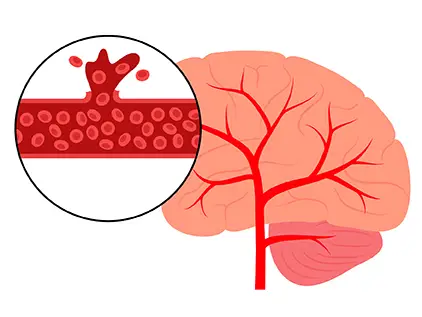
A stroke happens when the blood supply to part of your brain is suddenly cut off. This can affect movement, speech, or thinking, and recovery often takes time. It’s a serious medical emergency that needs immediate hospital care, as it can be life-threatening.

According to NHS, the main symptoms of stroke, which can happen suddenly, include:

  • Face weakness – one side may droop and you might struggle to smile.
  • Arm weakness – one arm may feel numb or too weak to lift.
  • Speech problems – you might slur words or have trouble speaking clearly.

The impact of a stroke varies based on its location in the brain and the extent of the affected area, Stroke Association explains.

The good thing is that nearly 80% of strokes are avoidable, according to research, and while there are risk factors that you can’t change, such as ethnicity, genetic factors such as a family history of certain diseases or conditions that increase the risk of stroke, sex, or older age, prevention, at least to some extent, is possible.

A “sleep stroke” is the common term for what doctors call a wake-up stroke, Healthline notes. It refers to a stoke that happens while the person is asleep. So, basically, they go to sleep perfectly healthy but wake up experiencing stroke symptoms. Since the person is asleep, they are not aware at exactly what point the stroke occurred.

As per Frontiers, wake-up strokes are surprisingly common, accounting for roughly 15% to 25% of all acute ischemic strokes (strokes caused by a blood clot blocking blood flow to the brain).

The Warning Signs (B.E. F.A.S.T.)

If you or someone else wakes up with these symptoms, it requires immediate emergency medical attention. Do not try to roll over and “sleep it off.”

  • B – Balance: Sudden dizziness, loss of coordination, or trouble walking.
  • E – Eyes: Sudden double vision, blurred vision, or loss of sight in one or both eyes.
  • F – Face Drooping: One side of the face droops or is numb. When smiling, the smile is uneven.
  • A – Arm Weakness: One arm feels weak or numb. If both arms are raised, one drifts downward.
  • S – Speech Difficulty: Slurred speech, trouble speaking, or difficulty understanding what others are saying.
  • T – Time to call emergency services: If any of these signs are present, call emergency services (like 911) immediately.

Why do they happen?

While strokes can happen at any time, certain biological changes that happen during sleep can act as triggers:

Blood Pressure Shifts: Blood pressure naturally changes and often surges right before we wake up in the early morning hours.

Increased Blood Clotting: Platelets (the cells that help blood clot) tend to be stickier, and blood is slightly thicker in the early morning.

Obstructive Sleep Apnea (OSA): This is a massive risk factor. Sleep apnea causes a person to repeatedly stop breathing at night, cutting off oxygen delivery and causing sudden spikes in blood pressure that strain the heart and brain.

Habits after a meal and before bed time you should avoid

After eating, your body balances insulin and glucose levels, and before bed, it switches to repair mode, lowering blood pressure and preparing for the next day. So, late-night eating and snacking, alcohol, or poor sleep can disrupt this and raise the risk of heart problems and stroke. Here are some tips to help prevent it.

Don’t Nap or Lie Down After Eating

Most people feel the urge to take a nap or lie down after a meal, and although it feels nice,lying down too soon can cause acid reflux and disturb sleep. Instead, try to stay upright for two to three hours and avoid eating shortly before bedtime.

Take a Little Walk Instead

A study published in Scientific Reports found that a 10-minute walk after eating can significantly lower blood sugar spikes compared to sitting still or napping. Regular walking also supports healthy weight, cholesterol, and blood pressure—key factors in reducing stroke risk and boosting energy after meals.

Don’t Take a Bath Immediately After Eating

Following a meal, blood flows to the stomach to process food, and if you bathe immediately after a meal, blood diverts to the skin instead, which weakens digestion and stresses the cardiovascular system. In severe cases, this imbalance can cause dizziness, stroke, or even heart failure.

Avoid Alcohol Before Going to Bed

A glass of wine may seem harmless, but drinking before bed can raise nighttime blood pressure and disrupt sleep. Research shows heavy drinkers have higher blood pressure and greater risks of hypertension, arrhythmia, and stroke.

Don’t Have Your Dinner Late

In the evening, your body naturally starts winding down and eating late forces your digestion and insulin to keep working. This can raise blood sugar, cause reflux, and make it harder to sleep. Make sure you have your last meal two to three hours before bed for better sleep and metabolism. If you must eat late, choose something light so your organs don’t need to work overtime.

The Importance of Keeping a Regular Bedtime Schedule

According to research, irregular sleep patterns can increase the risk of heart problems, even if you get enough total sleep. Try to get 7 to 9 hours of sleep each night and stick to a regular schedule for going to bed and waking up. If your schedule allows it, create your own relaxing routine like showering or reading to signal your brain it’s time to rest. If you usually go to bed late, start shifting your bedtime by 15 minutes each night.

Limit or Eliminate Caffeine Before Bed

Caffeine can ruin a good night’s sleep, even if you drink it six hours before bed. Try cutting it off by late afternoon to sleep better and lower your risk of heart disease and stroke.

Disclaimer: This article is not intended to be a substitute for professional medical advice, diagnosis or treatment and is for informational purposes only.

Please SHARE this article with your family and friends on Facebook.

Bored Daddy

Love and Peace

I paid my son’s crush to ask him to prom — Then I saw the photos

0

I kept staring at the money on that counter; five hundred dollars, enough to buy that one thing my son had never had before, one normal night.

I hoped I erased a childhood lived on the edges, to protect my son against the loneliness that had been the hallmark of his younger years. I wished to give him a single moment of not being the kid who was always left on the margins. Instead, I gave him a gun with which he shattered all my illusions about him, turning my mother’s love into a tool of his cruelty.

Earlier that afternoon, the kitchen table had been completely buried under decades of snapshots. I went through a pile of photos from Jeremiah’s first 20 years of his life. In each and every one of those photos, he stood half a step apart from the other children, looking entirely detached.

When he came into the kitchen, looking tall and slender in his gray hoodie, his eyes focused on a middle school photo of Ella, a quite, humble, and shy girl coming from a struggling family, the exact kind of person I imagined might understand what it felt like to be invisible.

With a few dry comments, Jeremiah indirectly reminded me of a wish I’d made one night: that I would do anything to give him a proper prom. There was no whining or pleading; he just gave me that vulnerable, exhausted smile I had spent my whole life trying to guard from harm. It was a quiet reminder of how afraid he was of facing another major milestone entirely alone. Guilt flooded me, instantly shifting my perspective. Before he could turn and retreat into his room with his usual hesitation, I promised him I would sort it all out.

My deal with Ella was purely transactional. Within just a few lines of text, she agreed to my proposition—her mother was months behind on rent and facing eviction—asking me merely not to make things awkward for her. Everything that followed was driven by an almost hysterical obsession on my part. I bought the dress she liked, sent a stylist to her apartment, and even flew in a makeup artist from two cities away just to keep things absolutely private. Everything I did, I justified to myself in terms of saving two lonely children.

Yet the moment the night actually arrived, my maternal fantasies completely shattered. Ella was standing on our porch holding a tiny bouquet, her hands shaking like crazy, completely unable to meet my eye. And Jeremiah, coming down the stairs in his rented tux, didn’t look like a kid anymore. His face had hardened into his father’s, strong, with that exact jawline typical of the men in their family. There was zero teenage awkwardness to him. Instead, I just saw this cold determination in his eyes and the faint trace of a smile. A few minutes later, as they walked past the bushes, Jeremiah whispered something in her ear, and Ella violently jerked away, like she couldn’t handle it for another second.

At ten o’clock, my denial came crashing down around me. Right after seeing a disturbing video on social media of Ella being pinned against the windows of the limo, I got a text from Jeremiah’s AP English teacher. It was her third time reaching out that month, cautioning me about the watchful, malicious intensity he’d been displaying in class. I had angrily rejected her previous warnings, unable to accept that the kid who had been bullied for so long could actually hurt someone. But this time, she included a photo. Standing menacingly over a weeping Ella in the yellow glare of a hallway by the gym, Jeremiah had a venomous smile on his face.

I rushed to the school through a blur of headlights and fear, only to have my worst nightmares confirmed by the teacher waiting at the entrance. Jeremiah wasn’t the victim. He had been boasting to the senior class all night about how I had literally bought his date, mocking Ella and her family’s poverty while humiliating her until she finally fled the gymnasium. He had forced her into the photos, closing in on her every single time she tried to back away.

I spotted him at the other end of the gym, casually drinking punch out of a plastic cup, seemingly untouched by the havoc he’d caused. He wasn’t acting guilty or cornered; he was proud. He told me, with terrifying calm, that he’d been planting seeds about Ella for months. He knew precisely how to manipulate my guilt into handing her over to him. For four years she had looked right through him, and tonight was his twisted vengeance.

Before I had time to even take in what happened, Ella’s mom appeared at the door, red-faced with rage. We were taken outside to the glare of the security lights where she asked if I had been paying her daughter to be here. Jeremiah automatically took my side, his hand brushing against mine as it always did whenever he needed protection, his voice effortlessly reverting back to its innocent tone as he told me to tell her that it was just a misunderstanding.

It was then that I saw who he really was. I was done protecting him. I tracked down Ella’s mom, told her exactly what happened, forced the money into her hands, and told her I’d cover whatever therapy Ella needed after tonight. Jeremiah lost his mind. His voice went totally flat and mean, screaming that I was ruining his life and that I was the one who made him this way. I just let him yell. I realized if I kept shielding him from the consequences of his own actions, he’d never learn a damn thing. He just stared at me in this dead silence, realizing his safety net was gone, and walked out into the dark.

Now it’s weeks later, and the house is completely dead. Jeremiah left for college without saying a single word to me. He just shut the front door quietly behind him and walked out. I packed away all our old photos in a drawer. So now I’m just sitting here in the kitchen, writing an apology letter to Ella that I know is completely too little, too late.

Please SHARE this article with your family and friends on Facebook.

Bored Daddy

Love and Peace

How 2 simple ingredients may help clear built-up waste from the intestines

0

If you are one of those people who spend endless hours scrolling through social media, you’ve probably stumbled upon those videos that promise to help you “empty your gut of years of toxic waste.”

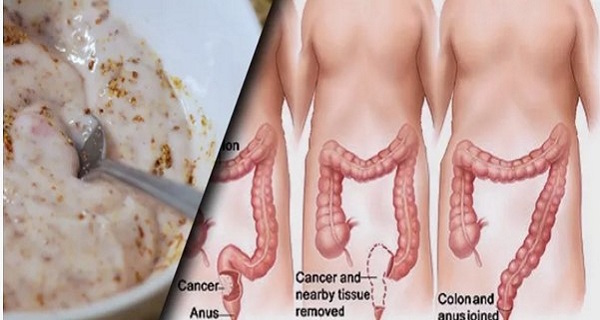
According to one widely circulated recipe, consuming kefir and flaxseed flour at breakfast for 21 days is claimed to help remove up to 20–30 pounds of waste and toxins from the body, improve nutrient absorption, and promote weight loss.

This protocol consists of three separate stages:

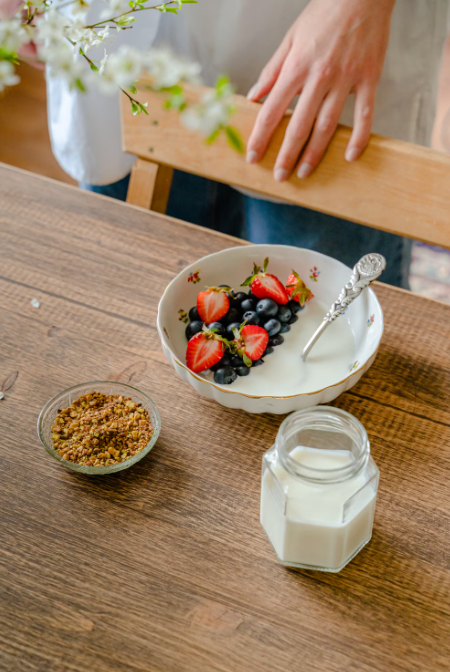
Stage 1 (first week): Mix 1 tablespoon of flaxseed flour and 100 ml of kefir as breakfast every morning.

Stage 2 (second week): Add 2 tablespoons of flaxseed flour mixed with 100 ml of kefir.

Stage 3 (third week): Add 3 tablespoons of flaxseed flour and 150 ml of kefir.

The “Advanced” Modification: Some versions suggest repeating this exact routine right before bed for all three weeks to maximize weight loss.

Proponents of this routine offer excellent general health advice alongside it, such as walking 30 minutes a day, eating whole organic foods, taking breaks if you aren’t used to fermented foods, and drinking at least 8 glasses of water daily.

However, does scientific evidence support the theory that one is carrying tons of “toxic sludge” attached to the colon walls? Let’s take a look at the facts supported by different scientific studies about colon cleanses and why the ingredients used in this particular formula are incredibly healthy.

The belief that the human colon stores pounds of toxic waste products is simply an old wives’ tale. According to the Mayo Clinic, there is no proof that the body stores toxins from a normal diet or that waste products stick to the intestinal walls.

Furthermore, gastrointestinal experts at the MD Anderson Cancer Center point out that the human body has its own highly efficient system for ridding itself of toxins. The liver and kidneys work constantly to filter and neutralize waste products daily.

When someone experiences rapid weight loss after following a strict detox program, it happens because of water loss and not from the removal of 30 pounds of toxic substances from the body.

Even though a “colon detox” may be nothing more than a fad, the two main components in this breakfast dish—flaxseeds and kefir—are genuine superfoods when it comes to digestion.

Once the empty promises of rapid weight loss are set aside, there is plenty of science that backs up their actual health benefits.

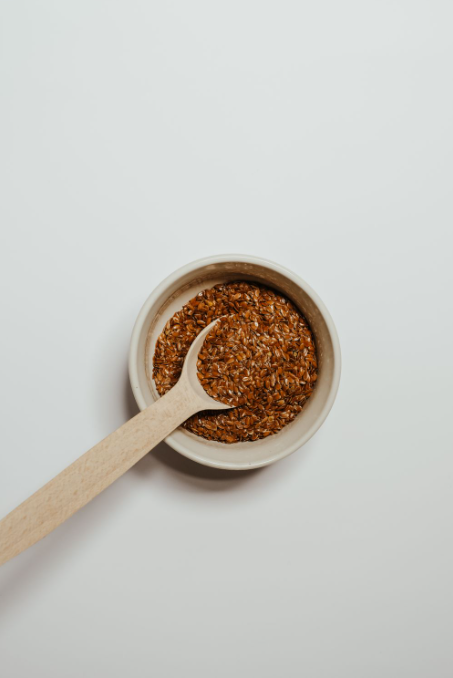
Flaxseed: The Ultimate Fiber Broom

Flaxseed is rich in both soluble and insoluble fiber. In fact, a clinical review by Ubie Health notes that doctors often recommend whole or ground flaxseed over commercial colon-cleansing pills.

Its insoluble fiber adds bulk to the stool, while the soluble fiber forms a gel-like substance that softens it. Together, these natural mechanisms gently stimulate peristalsis without causing pain or dehydration.

Pexels

Kefir: A Microbial Shield

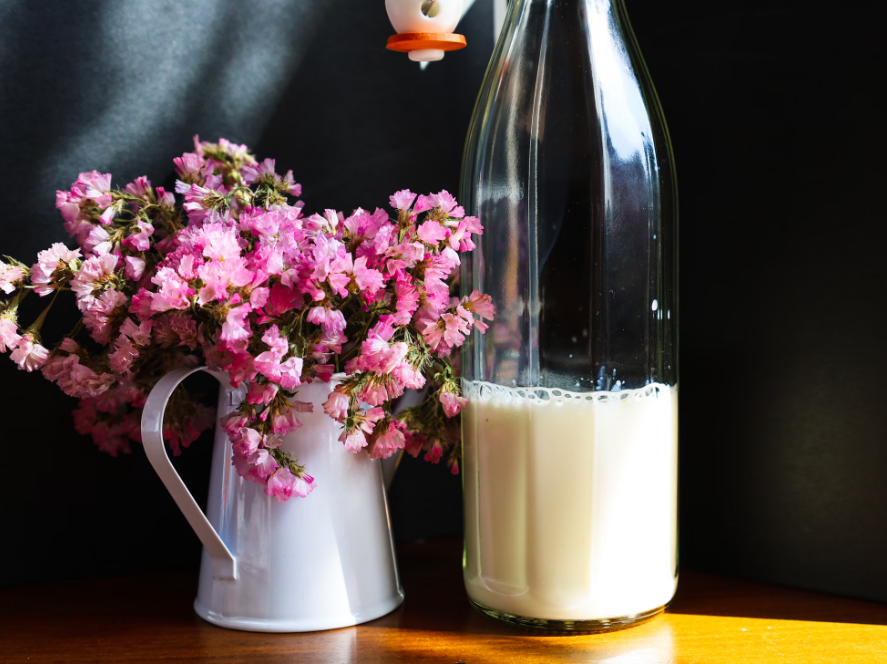
Kefir is a fermented dairy drink rich in diverse bacteria and yeasts. According to research archived by the National Institutes of Health, pairing kefir with flaxseed creates what scientists call a “synbiotic” combination.

The mucilage and fiber in flaxseed act as prebiotics, serving as the ultimate fuel to nourish the live probiotics found in kefir. By supporting these beneficial microbes, this powerful duo helps balance the gut microbiome, ultimately enhancing digestion and boosting immunity.

Why “Gentle Transition” Wins Over “Aggressive Cleansing”

If you decide to try a 21-day flaxseed and kefir regimen, it can be a highly nourishing way to start your morning.

However, jumping right into large amounts of fiber and fermented foods all at once can initially cause some gassiness and bloating.

Rather than treating this as a strict, emergency “cleansing” process to endure once a year, medical experts advise integrating these superfoods into your daily life permanently—but gradually.

To avoid overwhelming your digestive system, experts from Harvard Health offer several tips for making a smooth transition:

Stay Hydrated: Fiber needs a lot of water to be effective. If you add more flaxseed into your diet, ensure that you get those 8 glasses of water per day.

Keep moving: 30 minutes of walking daily will help stimulate bowel movements.

Eat Real Food: It is important to have a diet which includes whole grains, fruits and vegetables, and limits processed foods.

Pexels

You don’t need to poison your system with aggressive laxatives or chase extreme 30-pound detox claims. Your body doesn’t need to be aggressively “cleaned”—it just needs to be properly fed. Ditch the detox mentality, enjoy your kefir and flaxseed for their genuine nutritional benefits, and let your gut do the rest of the work naturally.

Please SHARE this article with your family and friends on Facebook.

Bored Daddy

Love and Peace

At holiday lunch, my mom told me to ‘Stop relying on the family’

0

You want to know the exact moment I finally realized my family was using me? During a holiday lunch.

I spent years my family’s lifestyle. It was me that quietly kept everything running. I paid the electrical bills for the family cottage, sorted out their chaotic banking affairs, saved my brothers from money troubles, and completed all the irritating tax forms which my parents did not even want to look att. I have even been making a “temporary” monthly payment to my parents’ bank account which I first arranged many years ago as a favor and just… did not stop. Yet to them? I was the burden.

I guess the worst of all is that I wasn’t even aware of how deep that delusion went until a holiday lunch.

You know already what holiday get-togethers are like. Everything looks picture-perfect from the outside but the reality hardly matches it. That day, everything seemed nice, the table, the candles, you name it. I remember I was bringing the bread basket to the table when my mother leaned over and said, “Kisnley, you need to stop relying on the family.”

Wait, what? Did I misheard what she’d just said? I had to, because her words were far from what was really going on inside that family. Could they possibly take my financial help for granted and see me as a leech?

Not only that. No one around said anything to defend me. My father just kept cutting on his turkey while my brother Steven said something about independence. Bobby, my other brother, even offered to help me if I was struggling financially. “You just need to say it, you know that, right?”

Looking at my mom’s face, I knew she expected me to try and apologize for whatever she was thinking I was doing wrong and I just knew she expected me to start crying in order to make me the bad one. But I didn’t. Instead, I just said “okay,” took my coat, and left.

That night, I sat down in front of my computer at home and just hit the cancel button on everything. Internet, power, maintenance, pest extermination, tax account, and my monthly check to my parents. And I wasn’t doing it out of spite or vengeance; I was just tired of being the safety net to those who did not even know that I was hanging off the edge of the safety net right along with them.

I then figured out that when you help someone once, then they expect you to do it over and over again. And once you say no, you are the villain in their story. Would what I did make me the mean one? I didn’t really care at that point.

Only three days passed before the first panicky calls came through. Bobby was furious that the heat and internet were not on at the cabin, as he had plans for the weekend. After telling him that I was no longer paying for it, he went crazy on me, calling me childish and hanging up the phone. My dad then left this extremely passive-aggressive message regarding how “adults handled things” and basically what it boiled down to was: get this sorted out now before everyone learns what you did. I decided not to answer to any of those messages, so they decided to play dirty.

A couple of days later, there actually were legal documents that arrived at my door, as my parents sued me, wanting to contest the cabin transfer. The problem is, a long time ago, my parents put the cabin in my name since they did not want to have anything to do with the logistics and knew that I was “organized.” However, the lawyer that I hired managed to put in a clause in the contract at that time, stating that in case my parents tried to contest the transfer for no legal reasons, they forfeited their right to even use it and the property became fully mine. And they signed everything then without even reading it! So now, by suing me and trying to bully me, they legally handed the cabin to me.

I arranged a meeting in a local diner where I would finally get to speak about everything. My mother arrived there very defensive and said, “It has gone too far already. You have made your point.”

I didn’t really get into an argument with her. I just laid out a bulky folder with several years’ worth of receipts, bank statements, utility bills and transfer confirmations that I had paid for everybody. Dad got pale as a sheet as he went over it.

Steven was rather shocked, “You’ve paid for all of this?”

And Bobby being Bobby muttered: “Well, nobody put a gun to your head, huh?”

It was literally the final nail in my coffin. I explained that I considered it family thing, but now that I am such a heavy burden, they should take care of themselves. And then I laid out papers which proved the fact that the cabin belongs completely to me now. Mom looked shocked as if I slapped her and accused me of punishing them. I explained to her that I do not punish them, I just let them live in the reality which they created.

Unsplash

To them, I was still in the wrong, and I knew that when my father asked me what I wanted from them. I said I didn’t want anything, and that was the essence of all this nonsense they created. And when my mom said to me, “You’ll calm down. You always do,” it was that very minute that some part of me settled down forever. And I told her that this was not some kind of phase that I would come out of anytime soon.

A lot of time has passed since then, and quite frankly, things have settled down and it’s all become very calm. What was really difficult was not leaving the place or the money behind; it was grieving for the family I never had—the parents that could have said thank you, or the brothers who could have defended me. However, they’ll never be able to be that way, and I couldn’t go on pushing myself to try to make them so.

Life has never been so calm for me. I don’t have to wake up with anxiety in fear of another person’s crisis. My money goes into my account. I sometimes drive by their place, and I see their house looks like the one from postcards. In the winter there are candles in their windows and a perfect table set within. But not me. Not because I’m holding a grudge but because I finally understand the difference between being loved and being used. They were walking around with me thinking they were holding me up, when really it was me keeping the lights on.

Please SHARE this article with your family and friends on Facebook.

Bored Daddy

Love and Peace

A stranger asked me to pretend to be sleeping on his shoulder… then I discovered he was Mexico’s most powerful businessman

0

Valeria Hernández flew off with two suitcases, a collapsible stroller, and a broken heart. At thirty-one years old, she had never expected to be leaving Guadalajara like this, holding her baby girl Sofia close to her chest, having no place to go to but a tiny bedroom offered by her cousin in Iztapalapa and not much savings. Legally speaking, she was still bearing the surname of her husband, Rodrigo Salinas, who had broken their marital ties completely. She was heading off to Mexico City, where she had to start rebuilding her life from scratch.

Before the plane took off, Sofia started crying, prompting a nearby passenger to complain loudly. The man sitting next to Valeria, Alejandro, stepped in and calmly told the woman that the adults were the ones who needed to show patience. He then helped Valeria with the baby, giving her a sense of security she hadn’t felt in years.

As the flight went on, Valeria noticed other passengers staring and trying to film Alejandro. He leaned in with a strange request: he asked her to pretend to sleep on his shoulder so people would think they were just a normal, exhausted family and stop recording. Though hesitant, Valeria was so exhausted that she ended up falling fast asleep against him for the rest of the flight. Upon landing, a flight attendant approached him and called him “Mr. Montenegro.” It was then that Valeria realized her seatmate was Alejandro Montenegro, an intensely private tech and banking billionaire who owned one of the biggest empires in Mexico.

The plane had barely touched the runway when Alejandro got an alert from his security team. A man in a gray suit—matching Rodrigo’s description—was at the arrivals terminal showing airport staff a recent photo of Valeria and Sofia. It turned out an old friend had leaked her travel plans.

Alejandro had Valeria stay seated until the cabin completely emptied out. Then, his bodyguards boarded the plane with a security tablet, confirming that Rodrigo was indeed waiting by the baggage claim. Valeria panicked, unable to understand why her ex-husband was hunting her down when he had already stripped her of everything she owned.

The two managed to avoid the crowds by slipping out through a private executive exit, where a fleet of security SUVs was waiting for them. Meanwhile, Rodrigo found out from a corrupted airport employee that Valeria had already escaped via a private platform. Furious, he called an accomplice. The truth was, Rodrigo had lost his entire fortune in fraudulent investments, and his only remaining lifeline was a multi-million peso trust fund that Sofia’s grandfather had set up for the baby.

Inside the SUV, which was bound for Mexico City, Alejandro asked Valeria where she’d stay. When she told him about her cousin, he said it wasn’t a great idea because her husband could easily track her there. He offered his estate instead.

Valeria objected at first, because she didn’t think it would be okay if she and her daughter stayed with a complete stranger, but then Alejandro explained that he knew what it was like for someone to be in trouble and in need of help. At one point in his life, when he was at his lowest, someone offered a helping hand.

To assure her that his intentions were honest, he shared with her his life story and revealed that his wife and their newborn child passed away some twelve years ago, and Valeria could feel the sorrow in his eyes.

They reached his huge house in Bosques de Las Lomas and the place resembled a luxury resort, with beautiful gardens and high-shining windows around it, though it was extremely quiet.

Later that night, Valeria overheard Alejandro talking to his head of security. They did a background check on Rodrigo and learned that he was in huge debt and that he had carefully planned his divorce with Valeria, using shell companies and crooked lawyers to trick a smiling, clueless Valeria into signing away all of her personal assets. He hadn’t just left her; he left her peniless.

Valeria’s ordeal wasn’t over. The following morning, she received a call from an unknown number. It was Rodrigo. He told her she couldn’t hide behind her new friend for too long. Tomorrow I’m coming for my daughter… and for something Alejandro Montenegro isn’t aware of.” Then he hung up the phone.

On the other side of the room, Alejandro had heard every word of the conversation. Stunned, it dawned on him that the encounter on the flight had not been accidental at all. There was someone playing behind the scenes for months now, and he and Valeria had found themselves caught in the middle of a huge conspiracy.

Soon enough, the problem at the gates turned out to be part of something much bigger. Security personnel loyal to Alejandro soon learned that not only was Rodrigo looking to steal his daughter’s inheritance, but he had also aligned himself with the corrupt officials from within Alejandro’s business empire. Rodrigo had used Valeria as an unwitting pawn, planning to use the situation to blackmail Mexico’s most powerful businessman.

Instead of running, Alejandro used his immense resources to turn the tables. He coordinated a sting operation with local authorities directly outside his Bosques de las Lomas estate. When Rodrigo attempted to force his way onto the property the following day to kidnap Sofia, he was surrounded by police and private security, and arrested on the spot.

Rodrigo now faces a lifetime behind bars, hit with a mountain of charges including attempted kidnapping, corporate fraud, and the systematic theft of Valeria’s assets. With the legal backing of the Montenegro empire, Valeria successfully recovered every peso stolen from her during the divorce, securing sole custody of Sofia and full control of the multimillion-peso trust fund.

Out of the ashes of betrayal, Valeria and Sofia finally found the safety they deserved. Having helped each other heal from past tragedies, Valeria and Alejandro chose to face the future together, turning a calculated trap into a genuine new beginning.

Please SHARE this article with your family and friends on Facebook.

Bored Daddy

Love and Peace

Cardiologist reveals the 6 p.m. rule that could protect your heart but most of us break

0

With roughly 8 million people in the UK currently battling heart disease, and over half the population expected to develop a heart condition at some point, preventative care is more crucial than ever. To keep his own heart in top shape, one cardiologist shared six strict rules he follows every single night after 6:00 p.m.

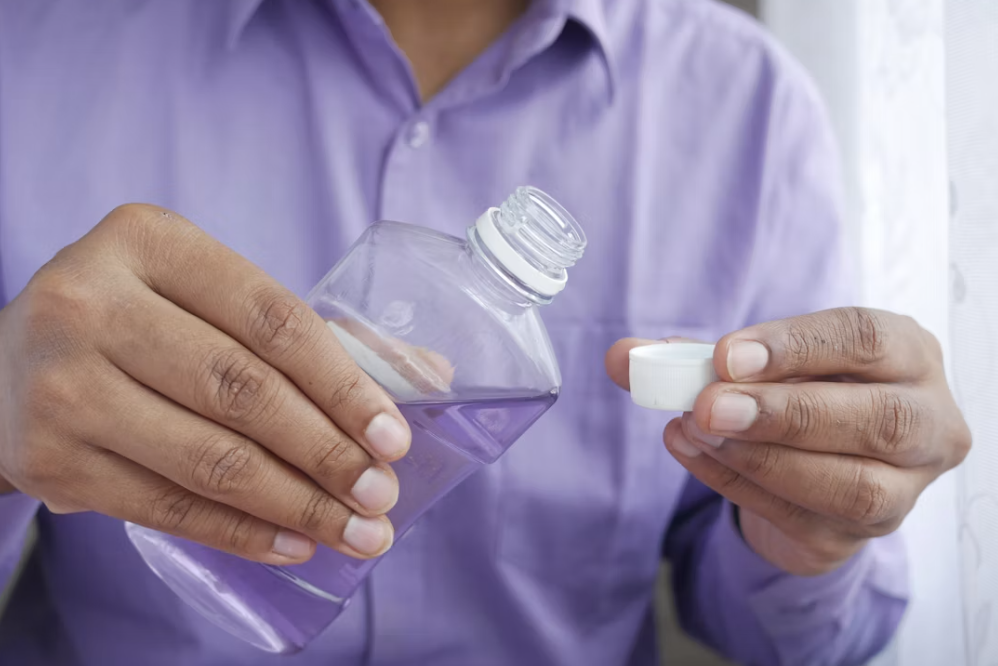
First up on Cardiologist Dr Francesco Lo Monaco‘s advice list? Ditching the harsh antibacterial mouthwash at night.

Ditch strong mouthwash

“The bacteria in your mouth helps convert compounds from food into nitric oxide, which keeps your blood vessels flexible and able to relax when needed,” Dr Lo Monaco, who’s the founder of the National Heart Clinic says. “However, some powerful mouthwashes can wipe out this bacteria, which can raise blood pressure, which is not what you want when your body should be resting and recovering from the day.”

Cut out late-night screen time

We’ve heard before that spending endless hours scrolling on our phone right before going to bed is a no-no, and Dr Lo Monaco reminds us of that yet again. “Bright blue-rich light in the evening, especially through the eyes, can suppress melatonin, which isn’t just for sleep, it’s actually one of the most protective antioxidants for your blood vessels,” he says, according to Metro. “So less melatonin means more oxidative stress in your arteries over time.”

Skip the evening planks and wall sits

According to Dr. Lo Monaco, holding isometric exercises, such as planks, wall sits, or dead hangs, can cause an elevated blood pressure reading that lasts for hours.

“If you’ve already had a stressful day, your nervous system is in overdrive, and heavy late-night strain keeps it there,” he said. “Train hardest early in the day and keep any late-evening exercise sessions lighter to help your heart.”

Think twice before grabbing a sleep supplement

You might think sipping green tea is a great way to wind down before bed, but it can actually backfire. Dr. Lo Monaco points out that compounds like L-theanine in green tea affect your nervous system and stress response, both of which directly impact your heart rhythm.

“With the wrong dose, timing, or context, supplements can interact with sleep in ways we don’t always predict, which can unbalance your natural heart rhythm.”

Unsplash

Do not hold your breath for extended periods

A lot of people use breathwork to sleep better, but doing it wrong can actually strain your heart. Dr. Lo Monaco notes that while he’s a fan of the practice, holding your breath for too long or doing it repeatedly can drop your oxygen levels and force your heart to work way too hard.

“During REM sleep your blood is slightly more prone to clotting. If someone already has underlying vascular or sleep issues, stacking extra stressors on top of that isn’t wise.”

Unsplash

Avoid late-night snacking for at least three hours

Last but not least, Dr. Lo Monaco recommends closing the kitchen three hours before you go to sleep. Fasting before bed takes the pressure off your heart and helps keep your blood pressure under control.

“If you eat too close to when you sleep, your body is being forced to increase sympathetic activity when it should be resting,” he said. “By simply fasting three hours before bed you will reduce endothelial stress and improve vascular flexibility, meaning less oxygen demand on your heart and more efficient overnight recovery during sleep.”

Small changes to your evening habits can make a massive difference in protecting your cardiovascular health. Steering clear of these nightly triggers is a simple, effective way to take the pressure off your heart when it matters most.

Please SHARE this article with your family and friends on Facebook.

Bored Daddy

Love and Peace