Dallas Cowboys defensive end Marshawn Kneeland, 24, was found dead on November 5, leaving the entire NFL community in shock.
The devastating news was shared by Kneeland’s team via a statement that read, “It is with extreme sadness that the Dallas Cowboys share that Marshawn Kneeland tragically passed away this morning. Marshawn was a beloved teammate and member of our organization. Our thoughts and prayers regarding Marshawn are with his girlfriend Catalina and his family.”
A confirmation also came from Kneeland’s agent, Jonathan Perzley, on X. “I am shattered to confirm that my client and dearest friend Marshawn Kneeland passed away last night,” Perzley wrote.
“I watched him fight his way from a hopeful kid at Western Michigan with a dream to being a respected professional for the Dallas Cowboys.”
While none of them mentioned Marshawn Kneeland’s cause of death, the police are investigating it as a “possible suicide,” according to a press release.
INDIANAPOLIS, INDIANA – FEBRUARY 28: Marshawn Kneeland #DL41 of the Western Michigan Broncos speaks to the media during the 2024 NFL Draft Combine at Lucas Oil Stadium on February 28, 2024 in Indianapolis, Indiana. (Photo by Michael Hickey/Getty Images)
According to the Texas Department of Public Safety, via Sports Illustrated, the NFL star died of a self-inflicted gunshot wound following a police pursuit.
“Texas Department of Public Safety Troopers attempted to stop a vehicle for a traffic violation on the northbound lanes of the Dallas North Tollway near Keller Springs Blvd,” the statement read.
“The driver refused to stop, resulting in a pursuit with DPS Troopers. However, DPS Troopers lost sight of the vehicle, and the pursuit was terminated.
“The vehicle was later located abandoned and had been involved in a crash on the southbound lanes of Dallas Parkway near Warren Parkway. DPS Aircraft and Troopers, along with the Frisco Police Department, searched the immediate area and found the driver, Marshawn Kneeland, deceased from a self-inflicted gunshot wound.”
Jacob Kupferman/ AP
Kneeland was in his second season with the Dallas Cowboys after being drafted in the second round of the 2024 NFL Draft out of Western Michigan University. A Michigan native, he appeared in seven games this season and had recorded 12 tackles, one sack, and his first career touchdown just days before his death during the Cowboys’ loss to the Arizona Cardinals.
According to the Plano Police Department, officers responded to a “welfare concern” at his residence around 11:40 p.m. on Wednesday night, but no one responded.
Rest in peace, Marshawn Kneeland.
Please SHARE this article with your family and friends on Facebook.
The elderly have been on this planet long enough in order to gather all the knowledge about life and learn how things work, so massing with them is never a good idea.
Interestingly enough, three youngsters who wanted to act criminals learned this firsthand. We are sure they won’t even try getting near old people in the near future. This story may also teach others a lesson before they even try making something as stupid as these gangsters tried to do.
It was a day just like any other for 77-year-old grandma Winifred Peel. She was out taking a walk when she decided to stop at the nearest ATM. That’s when she encountered Piper Dumitru, Florin Geblescu, and Felix Stoica. They had a ‘perfect plan’ that went down the drain when they realized they messed with the wrong person.
As the lady tried to withdraw some cash, she could suddenly feel someone was standing behind her. She very quickly realized how it wasn’t someone waiting in line, but a thief who was there for her money. The person knocked Peel off balance while his friend tried to get £200.
She knew they planned this action as she recalled seeing them the day before. They were following her from the moment she got out of the bank.
This quick-thinking lady knew she mustn’t let those youngsters make her a victim, so she grabbed one of them by the collar and banged his head on the ATM using all her strength. She then alerted the police about the incident.
The officers who came to the scene were able to track the three men down. They were charged and are now where they deserve to be; behind bars. Peel was relieved to learn the attackers were jailed, and says that although she hoped they would serve some jail time, she initially believed they would just be told off.
This incident affected Peel in a way she never though it could affect her. She told Metro, “They did not care about how this would affect me. I would definitely say this has changed my life, I will never have the confidence I once did. I only hope my confidence returns.”
We are lucky this fierce lady wasn’t injured, although she now fears that someone could attack her again. However, thanks to her courage, as well as the fact that she was a regular gym visitor in her 70s, she could get out of that situation as a winner.
Thugs believe the elderly are an easy target, but luckily there are more people like Winifred, who fight back when they find themselves in trouble. Just take a look at the video below. It shows a pensioner who pushes back against the robber who attacks him at the ATM and throws in a bunch of punches.
Next time you think elderly people are an easy target, think again.
When it comes to our overall well-being, the food we consume plays a key role. Through our diet, we provide our body with the essential nutrients, vitamins, fibre, and energy to get through the day.
The Standard American Diet (SAD), is “believed to contribute to the health challenges experienced in the United States, including cancer.”
According to the American Institute for Cancer Research, only about 8% of the standard American diet consists of protective foods.
The truth is that no food by itself can help in the fight against cancer, but there are several foods that are believed to help preventing it.
“Research tells us that making healthy food choices consistently over time can reduce your risk of getting cancer, but you can’t say with absolute certainty that food can prevent cancer,” says wellness dietitian Lindsey Wohlford. “There are no guarantees.”
1. Cruciferous Vegetables
Shutterstock
Cruciferous vegetables are a diverse group of vegetables belonging to the family Brassicaceae, also called ‘Cruciferae,’ that are believed to have cancer-preventive properties. Vegetables belonging to this group are radish, arugula, bok choy, broccoli, Brussels sprouts, cabbage, cauliflower, kale, daikon, and turnips, among the rest.
These are rich in isothiocyanates, compounds that reduce inflammation and deactivate cancer-causing chemicals.
Consuming these vegetables helps lowering the risks of developing certain types of cancer, including breast, esophageal, oral, and kidney cancers.
Turmeric is yet another plant that is so versatile that it’s found its way not only in the cuisines of many countries, but also in the cosmetic industry, the pharmaceutical industry, and more.
Among the rest, turmeric contains protective compounds, including curcumin, has anti-oxidant properties that may help the body combat inflammation, can help ease arthritis, can help limit the growth of cancerous cells, protects cells from damage, and reduces the signs of ageing.
3. Mushrooms
A study conducted on 36 thousand participants over several decades showed that incorporating mushrooms in the diet helps reduce the risk of developing prostate cancer. Mushrooms are rich in vitamins, minerals, and antioxidants, in particular L-ergothioneine, thought to help reduce oxidative stress.
Another study suggest mushrooms may help prevent breast cancer, likely due to compounds like glutathione, ergothioneine, and polysaccharides. Medicinal varieties like reishi, turkey tail, shiitake, and maitake boost antitumor immunity, with turkey tail’s PK polysaccharide aiding cancer therapy.
Onions, shallots, leeks, and garlic are anti-cancer foods said to prevent certain cancers such as colon cancer and other cancers related to the gut.
According to a research, onion and garlic possess “promising biological activities that are indicative of their potential as potent antioxidant and anticancer agents.”
5. Wakame
Shutterstock
Wakame is an edible type of seaweed that is believed to suppress the growth of breast cancer, colon cancer, and kidney cancer cells. The research showing these results has been performed in a lab using animals, so its properties on humans are yet to be researched.
Also, wakame contains around 42mcg of iodine per serving.
6. Lycopene-Rich Foods
Shutterstock
Lycopene is a phytochemical, or a biologically active chemical found in plants. Since it’s not produced within the body, it’s not considered neither a vitamin nor mineral.
According to Hope Barkoukis, Ph.D., chair of the department of nutrition at the Case Western Reserve University School of Medicine in Cleveland, OH, lycopene is a potent antioxidant. “This means it can reduce the presence of harmful compounds in your body called free radicals.”
Diet rich in foods that contain lycopene, such as tomatoes and watermelons, may help reduce the risk of cancer, heart disease, and other chronic diseases.
7. Beta Carotene-Rich Foods
Shutterstock
Beta-carotene rich foods include carrots, sweet potatoes, butternut squash, and other yellow-orange fruits and vegetables.
Their consumption on preventing cancer is yet to be researched further.
Research indicates that other anti-cancer foods include fatty fish like albacore tuna, salmon, herring, mussels, anchovies, and sardines. If consumed weekly, they may help lower cancer risk. This is likely due to their high vitamin D and Omega-3 fatty acids, thought to help prevent disease, including cancer.
*Disclaimer: This information is for informational purposes only and not a substitute for professional medical advice, diagnosis, or treatment. Always consult your physician or healthcare provider with any questions about your health or medications. Do not disregard professional advice based on this information.
Please SHARE this article with your family and friends on Facebook.
The fast-paced living that modern life imposes on more and more people has made meal-prep a thing for many. The reason why is because preparing your meals in advance and them use them in the days to come saves time. However, what many aren’t aware of is that not every food can be reheated or kept overnight because they can develop harmful bacteria or release toxic compounds that put your health at risk.
Below are 5 foods you should never reheat or keep overnight no matter how tempted you are to consume them the following day.
1. Leafy Greens (Spinach, Celery, Lettuce)
You are likely well-aware that leafy greens are healthy additions to your diet. However, keep in mind that they should never be reheated. If you wonder why, here’s why. Leafy greens are rich in nitrates that can convert to nitrites and nitrosamines when exposed to high heat, compounds linked to cancer and other health issues.
If you still want to eat your leftover leafy greens, just have them cold.
Reheating rice might seem harmless, but it can actually pose a serious health risk if not handled properly. Cooked rice can contain spores of Bacillus cereus, a bacterium that survives cooking. When rice is left at room temperature, these spores multiply and produce toxins reheating won’t destroy that cause nausea, vomiting, and diarrhea. Just to be safe, always cool rice quickly (within an hour), store it in the fridge, and reheat only once until steaming hot. Ideally, eat it within 24 hours or turn it into fried rice right away.
Who doesn’t love eggs? They are easy to cook and are a great source of protein. However, when reheated they can release sulfur compounds, which may lead to stomach upset or worse. Also, if left out too long, eggs are prone to contamination by bacteria like Salmonella.
Mushrooms are highly sensitive to temperature changes. Reheating them can lead to the breakdown of their proteins, producing compounds that may upset your stomach or cause food poisoning. In addition to that, improper storage increases the risk of bacterial growth.
Seafood tends to spoil quickly, so reheating it isn’t a good idea. Even when it looks and smells fine, it may contain bacteria or toxins that cause food poisoning, such as scombroid or ciguatera poisoning. These toxins can’t be destroyed by reheating. The proteins in fish also break down fast, making it easier for bacteria to grow. To stay safe, always store cooked seafood in the fridge right away and eat it cold within 24 hours.
A Rare Glimpse: Barack Obama Shows Emotion in Washington
Just thirty minutes ago in Washington, D.C., something rare happened—something that caught even longtime observers of Barack Obama off guard. Witnesses describe the moment as powerful, deeply personal, and unlike the carefully composed image many associate with the former president. It wasn’t a speech, a policy discussion, or a staged photo-op. It was raw emotion—unexpected, unscripted, and undeniably human.
For a man who spent eight years under the relentless glare of global scrutiny, such a display carries weight. Obama’s ability to connect through words is well known, but this moment pulled back the curtain on the man behind the presidency. It raised new questions: How much of the emotional burden of leadership lingers long after leaving office? And how often do the private struggles of public figures remain invisible until a rare moment of vulnerability slips through?
The Hidden Weight of Leadership
From natural disasters to acts of violence, Obama was no stranger to tragedy during his presidency. Each time, he was tasked with speaking not just as a leader but as a voice for millions who were grieving. He carried those moments publicly with composure, yet anyone watching closely could sense the toll.
Today’s unexpected emotion serves as a reminder that those burdens don’t vanish when the motorcades disappear. Former presidents, like anyone else, live with the echoes of their past decisions, regrets, and memories.
What separates Obama is his willingness, even now, to let those emotions surface instead of burying them under polished rhetoric.
Strength in Vulnerability
Critics often equate strength with stoicism, but Obama has long shown a different kind of resilience—one rooted in honesty and compassion. His tears at memorials, his pauses during speeches, and his moments of visible grief weren’t signs of weakness; they were evidence of a leader unafraid to feel.
That balance of empathy and authority has become a central part of his legacy. For many, seeing Obama express himself so candidly today reaffirms why his words once resonated so strongly: because they weren’t just political statements, they came from a place of lived emotion.
Why This Moment Matters Now
In a climate where political figures are often judged for their toughness, an unguarded show of emotion feels almost radical. It reminds us that leaders are not immune to the struggles, griefs, and hopes of ordinary life. Obama’s moment today is more than a passing glimpse—it’s a symbol of a leadership style rooted in humanity at a time when that quality often feels in short supply.
Conclusion
Barack Obama’s willingness to let his emotions be seen is a powerful reminder that true leadership isn’t defined only by policy achievements or public approval ratings. It’s also about compassion, authenticity, and the courage to be human even when the world is watching.
This rare display in Washington ensures his legacy remains not only that of a historic president, but also of a man whose heart was as present as his intellect. For many, that combination of strength and vulnerability will always be what set him apart—a leader remembered not just for what he accomplished, but for how deeply he cared.
Please SHARE this article with your family and friends on Facebook.
A Surprise for Seniors: Trump’s Bold Tax Move Shakes Up Retirement Finances
At first glance, it seemed like just another routine campaign update—until the details emerged, revealing a tax proposal that could reshape financial futures for millions of retirees. Former President Donald Trump has unveiled a sweeping tax break targeted directly at Americans aged 65 and older. But is this a genuine boost for seniors, or a calculated strategy with bigger political implications? The real story lies beneath the surface.
Trump’s Latest Tax Deduction Proposal for Seniors: A Breath of Fresh Air for Retirees
In a statement that took the political world by surprise, Trump announced a new tax deduction scheduled to take effect in 2026, offering retirees much-needed relief amid rising living costs.
Under the plan, individuals over 65 could claim a $6,000 tax deduction. Couples where both spouses meet the age threshold would see that number double to $12,000. This deduction is part of a broader tax reform package aimed at easing financial pressures on older Americans living on fixed incomes.
With inflation pushing daily expenses higher and Social Security benefits stretching thinner, this proposal promises a welcome reprieve—potentially putting thousands back into seniors’ pockets.
Political Calculus or Pure Generosity?
While many retirees are celebrating the potential boost, critics warn the plan might strain the nation’s budget in the long run. Still, supporters argue that after decades of contributing to the country’s growth, seniors deserve targeted economic support. “Older Americans built the foundation of this country,” Trump emphasized in his announcement. “It’s time we reward their lifetime of hard work.”
The proposal has stirred buzz on social media and financial circles alike, prompting many seniors to check their eligibility and plan for the upcoming tax season.
What’s Next?
The tax break still requires Congressional approval, meaning the details could shift before it becomes law. However, the message is unmistakable: retirees are in the spotlight, and their financial well-being is front and center in the current tax debate.
Final Takeaway: A Potential Win for the ‘Forgotten Generation’
Whether it’s a political maneuver or a genuine effort to aid retirees, Trump’s tax proposal has reignited the conversation about how America supports its aging population. If passed, this deduction could mark a significant victory for seniors, giving them extra breathing room in a challenging economy.
For millions of Americans over 65, this could be the start of a brighter financial chapter—and a reminder that, in the battle over tax reforms, the needs of older citizens can no longer be overlooked.
Please SHARE this article with your family and friends on Facebook.
Whispers from the Deep: Hawaii’s Brush with a Potential Tsunami Sparks Unease Despite Official Reassurance
It began with whispers—quiet signs that something was off. The tide pulled back faster than usual. Birds vanished from the shoreline.
Dogs barked and refused to settle. Then, the eerie quiet that settled over Hawaii’s coastlines was broken by breaking news: a tsunami watch was in effect. For a brief moment Saturday night, the islands held their breath.
At 8:49 p.m. local time, seismic sensors recorded a massive 7.5 magnitude earthquake, its epicenter buried beneath the sea off Russia’s far eastern Kamchatka Peninsula.
Within minutes, Hawaii’s emergency systems sprang into action, and by 9:03 p.m., a tsunami watch was issued, sparking widespread alarm.
But just as quickly as the warning came, it was gone.
The Pacific Tsunami Warning Center (PTWC) analyzed wave propagation models and seismic data, determining that the quake’s movement was not conducive to generating a Pacific-wide tsunami. The watch was lifted not long after it was announced, and by 10 p.m., the islands exhaled in collective relief.
Skepticism Beneath the Surface
Still, many locals weren’t convinced.
Despite the PTWC’s reassurance, some residents shared observations of irregular sea behavior—anomalous wave patterns, strange animal behavior, and subtle changes in air pressure. While none of these signs confirmed danger, they reminded long-time residents of the infamous 1952 Kamchatka earthquake, which created a tsunami that battered Hawaii’s shores and caused extensive damage.
That memory, seared into local history, sparked renewed concern. “We’ve seen this movie before,” one Maui resident posted. “Even if they say we’re safe, I’m not taking chances.”
From Russia With Tremors
Saturday’s quake was part of a seismic sequence that rattled Kamchatka, starting with a magnitude 7.0 shock, followed by multiple aftershocks measuring up to 7.4. Russian emergency officials cautioned residents in coastal zones to avoid the shore but noted that expected wave heights were low.
Meanwhile, Hawaii officials confirmed that no significant sea-level changes were observed and reiterated that no further action was necessary unless new information arose.
Yet, the scare reopened familiar questions: Are we too reliant on automated early warning systems? Can we detect—and trust—the signals that nature sends before technology does?
Echoes of 1952
That year, a 9.0-magnitude quake in the same region triggered a tsunami that ripped through Hawaii’s coastal infrastructure. Fishing vessels, piers, and entire stretches of beachside communities were destroyed. The trauma of that event lingers, especially among older generations who lived through it.
So even with modern technology on our side, the psychological weight of historical catastrophe remains. Some community members canceled evening outings. Others warned against venturing into the ocean to gather ‘opihi, a prized local delicacy that clings to slippery coastal rocks—often harvested during low tide.
Nature’s Unpredictability
In the end, the night passed without disaster. But for many, it left a deeper awareness of the fragile balance between preparedness and false alarms.
Disaster didn’t strike—but it might have. And in that slim space between what could’ve been and what actually was, Hawaii was reminded just how vulnerable it is to faraway tremors.
If nothing else, the event underscored one truth: Earth doesn’t always shout its warnings. Sometimes, it just whispers. And whether through seismic data or silent signs in the sand, we’d do well to listen carefully.
Please SHARE this article with your family and friends on Facebook.
Our body and mind have the power to send signs whenever something is wrong with our body. Sometimes, we decide to accept these warnings, and other times, we simply ignore them.
Paying attention to these signs, that are often subtle, can lead to early detection of an illness and increase the chances of battling it successfully.
Of course, whenever we feel something isn’t right, we should always consult a doctor.
Below are some of the early signs that warn us cancer is present in our body.
While most of us love being skinny and lose some weight when we are not happy with our appearance, losing weight all of a sudden, without making any changes in our diet or lifestyle may indicate the presence of cancer. This is especially true if the weight loss is significant and in a short amount of time.
Possible forms of cancer associated with unexplained weight loss are stomach, pancreas, or liver cancer (affects digestion and metabolism), lung or esophageal cancer (which interferes with swallowing and appetite), and blood cancers such as leukemia and lymphoma (which affect metabolism and immune function).
Unlike fatigue that is a result of lack of sleep and tiredness, fatigue that may indicate some more serious conditions, including cancer, is persistent.
Certain forms of cancer that cause fatigue are leukemia and lymphoma, colon or stomach cancer (causing slow internal bleeding and leading to anemia), or liver cancer.
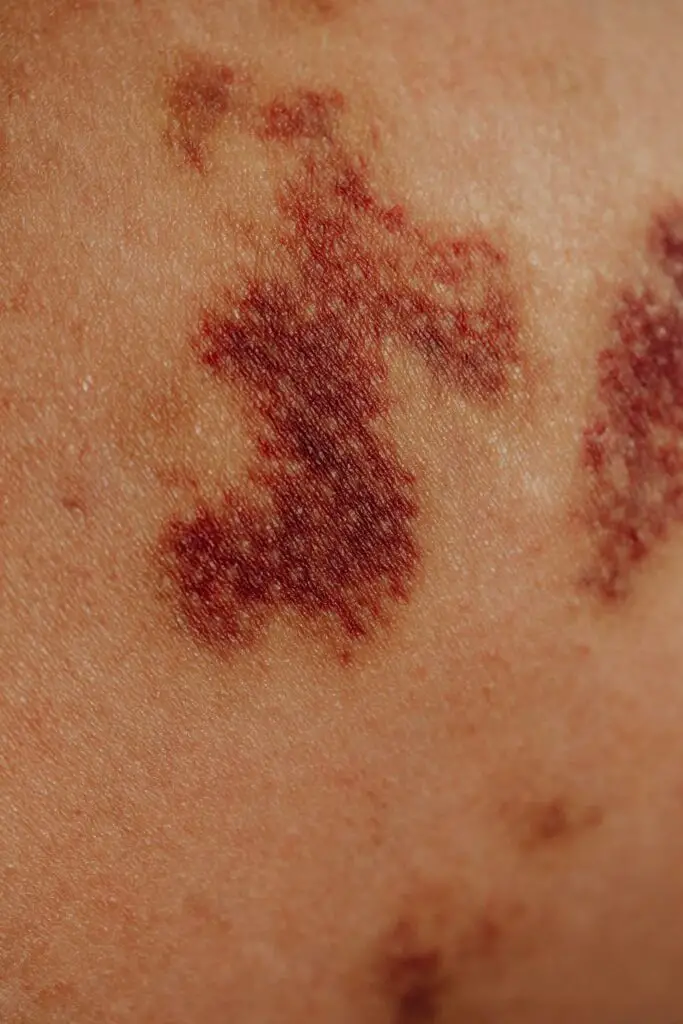
Any changes on the skin should be taken seriously.
No matter if it is moles, lumps, or skin discoloration, make sure you consult with your doctor.
Potential skin changes to keep an eye on are: moles with uneven borders, or change in color and size (probable signs of melanoma), constant sores that do not heal (may imply skin cancer), yellowing of the skin and eyes (jaundice) (related to liver or pancreatic cancer), dark spots or excessive itching (may indicate cancer of internal organs)
Chronic pain that won’t go away even after you take medications and the amount of rest needed.
If the pain worsens over time, consult a doctor because it may be a sign of a more serious condition such as bone cancer (pain in the bones or fractures), brain tumors (causing persistent headaches, nausea, and vision problems), ovarian or colorectal cancer (causing pelvic or abdominal pain), or lung cancer (chest pain).
Getting lumps and growths on the skin is not unusual or uncommon. However, of the lumps get bigger, become red and painful, last more than two weeks, are hard and don’t move, or appear on your breasts or te***cles, consult wit your GP.
Please SHARE this article with your family and friends on Facebook.