
Supreme Court Invalidates California’s Green Mandates

- Advertisement -

In a landmark 7–2 decision, the U.S. Supreme Court delivered a major setback to California’s green mandates, striking at the heart of Governor Gavin Newsom’s environmental goals. Writing for the majority, Justice Brett Kavanaugh argued that the state’s aggressive electric-vehicle requirements and strict emissions limits may overstep federal authority. The ruling opens the door for fuel and energy companies to challenge the Environmental Protection Agency’s prior approval of these rules. Kavanaugh criticized the agency sharply, noting that “the government may not suffocate an industry with unlawful regulation and then seek refuge in immunity,” and pointing out the EPA’s shifting legal interpretations over the years.
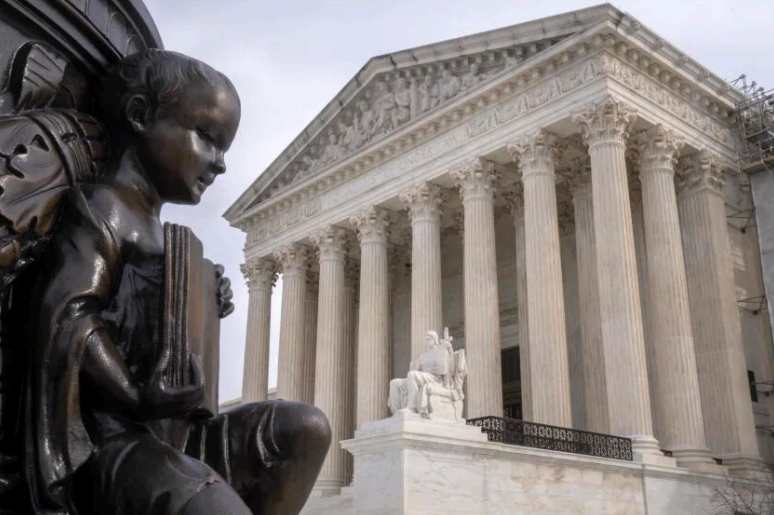
The decision is being celebrated by traditional energy producers, who view it as a long-awaited pushback against California’s sweeping climate directives.

For Newsom, however, it marks a significant political hurdle, especially since his 2035 plan to end the sale of gas-powered
vehicles has been a cornerstone of his environmental platform. The ruling arrives just as President Donald Trump has moved to dismantle several of California’s regulatory waivers, signaling a dramatic turning point in America’s ongoing fight over climate and energy policy.

On the same day, the Court issued another major 6–3 ruling that strengthened the authority of federal immigration officials, reinstating their broad enforcement powers. Together, these decisions send a clear warning: state governments may find it increasingly difficult to push
policies that stretch beyond federal boundaries, as the judiciary takes a firmer hand in defining regulatory limits.

Conclusion

The Supreme Court’s twin rulings underscore a pivotal recalibration of U.S. governance, reinforcing the primacy of federal authority and placing new constraints on state-driven regulatory efforts. For California, the climate ruling could force a significant reconsideration of its
ambitious push toward an all-electric future. On a national scale, these decisions suggest a judiciary more willing to intervene when state policies collide with federal law—reshaping the future of environmental regulation, energy policy, and immigration enforcement across the country.

Please SHARE this article with your family and friends on Facebook.

- Advertisement -

Bored Daddy

Love and Peace

- Advertisement -
- Advertisement -
- Advertisement -

In a landmark 7–2 decision, the U.S. Supreme Court delivered a major setback to California’s green mandates, striking at the heart of Governor Gavin Newsom’s environmental goals. Writing for the majority, Justice Brett Kavanaugh argued that the state’s aggressive electric-vehicle requirements and strict emissions limits may overstep federal authority. The ruling opens the door for fuel and energy companies to challenge the Environmental Protection Agency’s prior approval of these rules. Kavanaugh criticized the agency sharply, noting that “the government may not suffocate an industry with unlawful regulation and then seek refuge in immunity,” and pointing out the EPA’s shifting legal interpretations over the years.

The decision is being celebrated by traditional energy producers, who view it as a long-awaited pushback against California’s sweeping climate directives.

For Newsom, however, it marks a significant political hurdle, especially since his 2035 plan to end the sale of gas-powered
vehicles has been a cornerstone of his environmental platform. The ruling arrives just as President Donald Trump has moved to dismantle several of California’s regulatory waivers, signaling a dramatic turning point in America’s ongoing fight over climate and energy policy.

On the same day, the Court issued another major 6–3 ruling that strengthened the authority of federal immigration officials, reinstating their broad enforcement powers. Together, these decisions send a clear warning: state governments may find it increasingly difficult to push
policies that stretch beyond federal boundaries, as the judiciary takes a firmer hand in defining regulatory limits.

Conclusion

- Advertisement -

The Supreme Court’s twin rulings underscore a pivotal recalibration of U.S. governance, reinforcing the primacy of federal authority and placing new constraints on state-driven regulatory efforts. For California, the climate ruling could force a significant reconsideration of its
ambitious push toward an all-electric future. On a national scale, these decisions suggest a judiciary more willing to intervene when state policies collide with federal law—reshaping the future of environmental regulation, energy policy, and immigration enforcement across the country.

Please SHARE this article with your family and friends on Facebook.

Bored Daddy

Love and Peace

- Advertisement -
Bryan Seal
Bryan Seal
Bryan is an American novelist and Veteran of the United States Marine Corps. Between those careers, he’s worked as a deckhand, commercial fisherman, divemaster, taxi driver, construction manager, and over the road truck driver, among many other things.

More from author

Related posts

Advertisment

Latest posts

A year after my divorce my ex MIL told me her son did the right thing leaving me

Every divorce is painful in its own way, and mine wasn't an exception. Around a year following my separation with my ex-husband, I found...

My husband let his secretary ride in the front seat of my car and called me sensitive—so I sold his house, took his car,...

When people ask me at what point did I realize my marriage was over, I don't really overshare. But I knew exactly what that...

Donald Trump’s niece Mary claims he’s in a ‘downward spiral’ and reveals what he’s ‘terrified’ from

That Mary Trump isn't fond of her uncle, President Donald Trump, isn't anything new. In fact, it looks like she's using every chance she...

Want to stay up to date with the latest news?

We would love to hear from you! Please fill in your details and we will stay in touch. It's that simple!