
Shocking new study reveals what might be silently destroying human fertility

- Advertisement -

New research reveals disturbing details related to increased risks of infertility involving microplastics, and humans are likely to be blamed.

The research presented at the 41st Annual Meeting of the European Society of Human Reproduction and Embryology (ESHRE) presents evidence of microplastic found in reproductive fluids at both men and women, affecting the reproductive health.

The study examined follicular fluid from 29 women and seminal fluid from 22 men. These are both essential for natural conception and assisted reproductive procedures.

The analyzed female fluids contained 69% microplastics, with PTFE found in 31% of the samples, while the semen analyzed contained 55%.

“These are fluids that should be pristine, vital to the beginning of life,” Dr. Emilio Gomez-Sanchez who lead the team of scientists remarked. “So to find microplastics here is not just surprising—it’s deeply concerning.”

Except for PTFE — better known as Teflon — scientists also discovered the presence of polypropylene, PET (used in drink bottles), polystyrene, polyurethane, polyamide, and polyethylene.

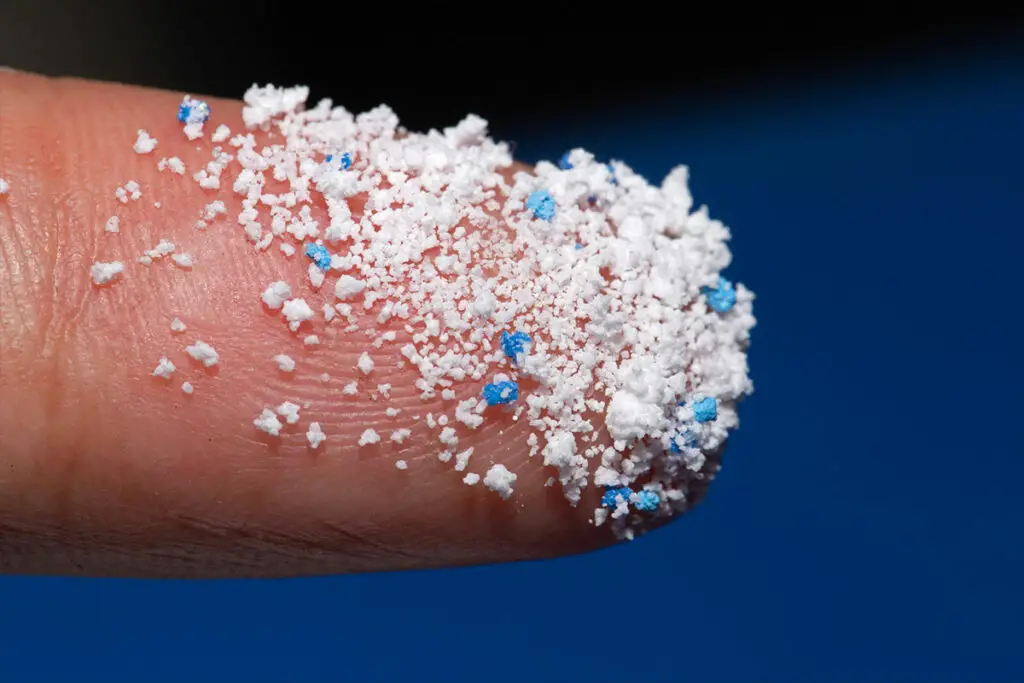
Microplastics refer to plastic pieces smaller than 5mm that are a result of broken-down waste or products like cosmetics and clothing fibers. Once released in the environment, they are practically impossible to remove. Microplastics find their way inside the human body through the food we consume, the air we breathe, and the water we drink.
- Advertisement -

Sadly, they also reach human reproductive cells.

Current research conducted on animals show that once inside the body, microplastics can trigger inflammation, cause DNA damage, hormonal disruption, and premature aging of the cells.

“In animal studies, we’ve seen microplastics accumulate in reproductive tissues and impair egg and sperm quality,” Dr. Gomez-Sanchez noted. “It’s possible they could do the same in humans—but we simply don’t know yet.”

Previous studies have detected microplastics in human breast milk, the bloodstream, and even brain tissue.

Dr. Gomez-Sanchez concluded, “There’s no need for alarm at this point. Microplastics are just one of many elements that may play a role in fertility. However, it is sensible to consider ways of reducing our exposure to them. Simple steps, such as using glass containers to store and heat food, or limiting the amount of water we consume from plastic bottles, can help minimize our intake.”

Please SHARE this article with your family and friends on Facebook.

- Advertisement -

Bored Daddy

Love and Peace

- Advertisement -
- Advertisement -
- Advertisement -

New research reveals disturbing details related to increased risks of infertility involving microplastics, and humans are likely to be blamed.

The research presented at the 41st Annual Meeting of the European Society of Human Reproduction and Embryology (ESHRE) presents evidence of microplastic found in reproductive fluids at both men and women, affecting the reproductive health.

The study examined follicular fluid from 29 women and seminal fluid from 22 men. These are both essential for natural conception and assisted reproductive procedures.

The analyzed female fluids contained 69% microplastics, with PTFE found in 31% of the samples, while the semen analyzed contained 55%.

“These are fluids that should be pristine, vital to the beginning of life,” Dr. Emilio Gomez-Sanchez who lead the team of scientists remarked. “So to find microplastics here is not just surprising—it’s deeply concerning.”

- Advertisement -

Except for PTFE — better known as Teflon — scientists also discovered the presence of polypropylene, PET (used in drink bottles), polystyrene, polyurethane, polyamide, and polyethylene.

Microplastics refer to plastic pieces smaller than 5mm that are a result of broken-down waste or products like cosmetics and clothing fibers. Once released in the environment, they are practically impossible to remove. Microplastics find their way inside the human body through the food we consume, the air we breathe, and the water we drink.

Sadly, they also reach human reproductive cells.

Current research conducted on animals show that once inside the body, microplastics can trigger inflammation, cause DNA damage, hormonal disruption, and premature aging of the cells.

“In animal studies, we’ve seen microplastics accumulate in reproductive tissues and impair egg and sperm quality,” Dr. Gomez-Sanchez noted. “It’s possible they could do the same in humans—but we simply don’t know yet.”

Previous studies have detected microplastics in human breast milk, the bloodstream, and even brain tissue.

Dr. Gomez-Sanchez concluded, “There’s no need for alarm at this point. Microplastics are just one of many elements that may play a role in fertility. However, it is sensible to consider ways of reducing our exposure to them. Simple steps, such as using glass containers to store and heat food, or limiting the amount of water we consume from plastic bottles, can help minimize our intake.”

Please SHARE this article with your family and friends on Facebook.

Bored Daddy

Love and Peace

- Advertisement -
Monica Pop
Monica Pop
Monica Pop is a senior writer for Bored Daddy magazine covering the latest trending and popular articles across the United States and around the world.

More from author

Related posts

Advertisment

Latest posts

A year after my divorce my ex MIL told me her son did the right thing leaving me

Every divorce is painful in its own way, and mine wasn't an exception. Around a year following my separation with my ex-husband, I found...

My husband let his secretary ride in the front seat of my car and called me sensitive—so I sold his house, took his car,...

When people ask me at what point did I realize my marriage was over, I don't really overshare. But I knew exactly what that...

Donald Trump’s niece Mary claims he’s in a ‘downward spiral’ and reveals what he’s ‘terrified’ from

That Mary Trump isn't fond of her uncle, President Donald Trump, isn't anything new. In fact, it looks like she's using every chance she...

Want to stay up to date with the latest news?

We would love to hear from you! Please fill in your details and we will stay in touch. It's that simple!