
New leading infectious disease: COVID-19 no longer top of the list

- Advertisement -

COVID-19 has been on top of the list of infectious diseases for a number of years. This is expected as the pandemic, which was global and didn’t spare any country, claimed the lives of a number of people and affected the everyday life of millions.

Recently, however, the World Health Organization stated that tuberculosis (TB) has retaken its position as the leading infectious disease, surpassing COVID-19, as per The Hearty Soul.

WHO reported that in 2023, the number of people diagnoses with TB was approximately 8.2 million. This is the highest since 1995 when the organization started the monitoring process of the infectious disease.

Shutterstock

“The fact that TB still kills and sickens so many people is an outrage, when we have the tools to prevent it, detect it and treat it,” said Dr Tedros Adhanom Ghebreyesus, WHO Director-General. “WHO urges all countries to make good on the concrete commitments they have made to expand the use of those tools, and to end TB.”

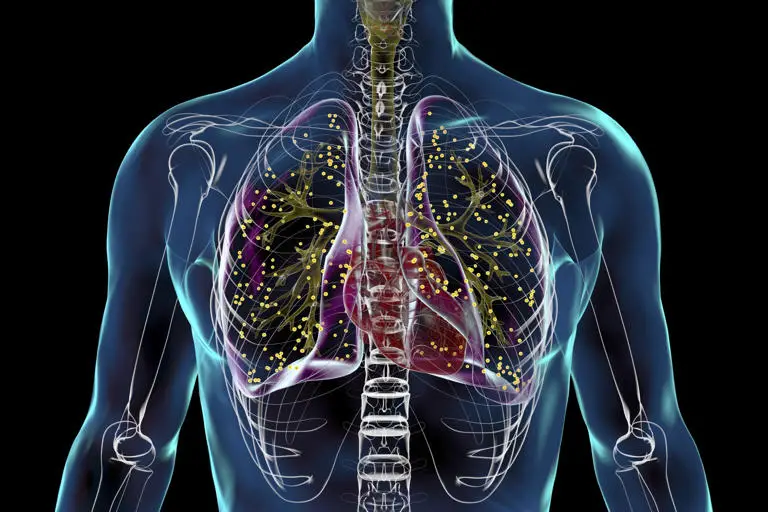
Tuberculosis is an infection that usually affects the lungs.

However, it also can affect other parts of the body such as the kidneys, the spine, or the brain.

Most people who have TB infection will never develop TB disease.
- Advertisement -
Getty Images

The treatment of this infectious disease involves the use of antibiotics, and if left untreated, it can be very serious. There is also a vaccine, called the BCG vaccine, recommended for people who are at higher risk of catching TB or getting seriously ill from it. In certain countries, the babies are vaccinated with it right after birth.

TB spreads through the air, when a person who is infected sneezes, coughs, or talks.

Shutterstock

This infectious disease primarily affects people from low and middle-income countries, with limited access to healthcare.

56% of those affected are from India, Indonesia, China, the Philippines, and Pakistan.

NHS lists the most common symptoms of TB, which include: persistent cough that lasts more than three weeks, mostly accompanied with mucus and bloody mucus, high temperature and night sweats, loss of appetite, weight loss, and feeling tired or exhausted.

Please SHARE this article with your family and friends on Facebook.

Bored Daddy

- Advertisement -

Love and Peace

- Advertisement -
- Advertisement -
- Advertisement -

COVID-19 has been on top of the list of infectious diseases for a number of years. This is expected as the pandemic, which was global and didn’t spare any country, claimed the lives of a number of people and affected the everyday life of millions.

Recently, however, the World Health Organization stated that tuberculosis (TB) has retaken its position as the leading infectious disease, surpassing COVID-19, as per The Hearty Soul.

WHO reported that in 2023, the number of people diagnoses with TB was approximately 8.2 million. This is the highest since 1995 when the organization started the monitoring process of the infectious disease.

Shutterstock

“The fact that TB still kills and sickens so many people is an outrage, when we have the tools to prevent it, detect it and treat it,” said Dr Tedros Adhanom Ghebreyesus, WHO Director-General. “WHO urges all countries to make good on the concrete commitments they have made to expand the use of those tools, and to end TB.”

- Advertisement -

Tuberculosis is an infection that usually affects the lungs.

However, it also can affect other parts of the body such as the kidneys, the spine, or the brain.

Most people who have TB infection will never develop TB disease.

Getty Images

The treatment of this infectious disease involves the use of antibiotics, and if left untreated, it can be very serious. There is also a vaccine, called the BCG vaccine, recommended for people who are at higher risk of catching TB or getting seriously ill from it. In certain countries, the babies are vaccinated with it right after birth.

TB spreads through the air, when a person who is infected sneezes, coughs, or talks.

Shutterstock

This infectious disease primarily affects people from low and middle-income countries, with limited access to healthcare.

56% of those affected are from India, Indonesia, China, the Philippines, and Pakistan.

NHS lists the most common symptoms of TB, which include: persistent cough that lasts more than three weeks, mostly accompanied with mucus and bloody mucus, high temperature and night sweats, loss of appetite, weight loss, and feeling tired or exhausted.

Please SHARE this article with your family and friends on Facebook.

Bored Daddy

Love and Peace

- Advertisement -
Monica Pop
Monica Pop
Monica Pop is a senior writer for Bored Daddy magazine covering the latest trending and popular articles across the United States and around the world.

More from author

Related posts

Advertisment

Latest posts

A year after my divorce my ex MIL told me her son did the right thing leaving me

Every divorce is painful in its own way, and mine wasn't an exception. Around a year following my separation with my ex-husband, I found...

My husband let his secretary ride in the front seat of my car and called me sensitive—so I sold his house, took his car,...

When people ask me at what point did I realize my marriage was over, I don't really overshare. But I knew exactly what that...

Donald Trump’s niece Mary claims he’s in a ‘downward spiral’ and reveals what he’s ‘terrified’ from

That Mary Trump isn't fond of her uncle, President Donald Trump, isn't anything new. In fact, it looks like she's using every chance she...

Want to stay up to date with the latest news?

We would love to hear from you! Please fill in your details and we will stay in touch. It's that simple!