


I believe it is in the human nature to dread the idea of getting old, and honestly, it’s not that hard to see why. Sometimes, it feels like we live in a time where youth is the only thing we are allowed to worship. Every time we turn a year older, it’s like the world tells us we somehow slowly slide into irrelevance.
We’re constantly bombarded by ads that try to sell us eternal youth in a jar, biohacking tips and tricks, and retirement strategies that make us feel more like bank savings than human beings. What the media doesn’t do, however, is talk about who we are inside, and how we’ve developed as individuals over the years. Somehow, it defines our worth based on how we look on the outside and how much money we’ve saved. No wonder we wake up every morning, looking at our reflection in the mirror, and feeling genuinely shocked by how fast the clock is ticking.
But long before we were sold a bunch of anti-aging creams and retirement saving plans, there was a Chinese philosopher named Confucius (or Kong Fuzi) who was already trying to figure out what it looked like to age well.
His style, to be honest, is rather different from our modern “deny it at all costs” attitude. He believed that life is a work of self-improvement, where the later years of our life are not an old age of decline, but an old age of harvest. To him, old age is the time when a life lived with heart, integrity, and wisdom finally reaches its full bloom. If we are afraid of old age, it is because we have not built a life around values like these. A review of the teachings of Confucius might be what we need to turn our fear of aging into something truly fulfilling.
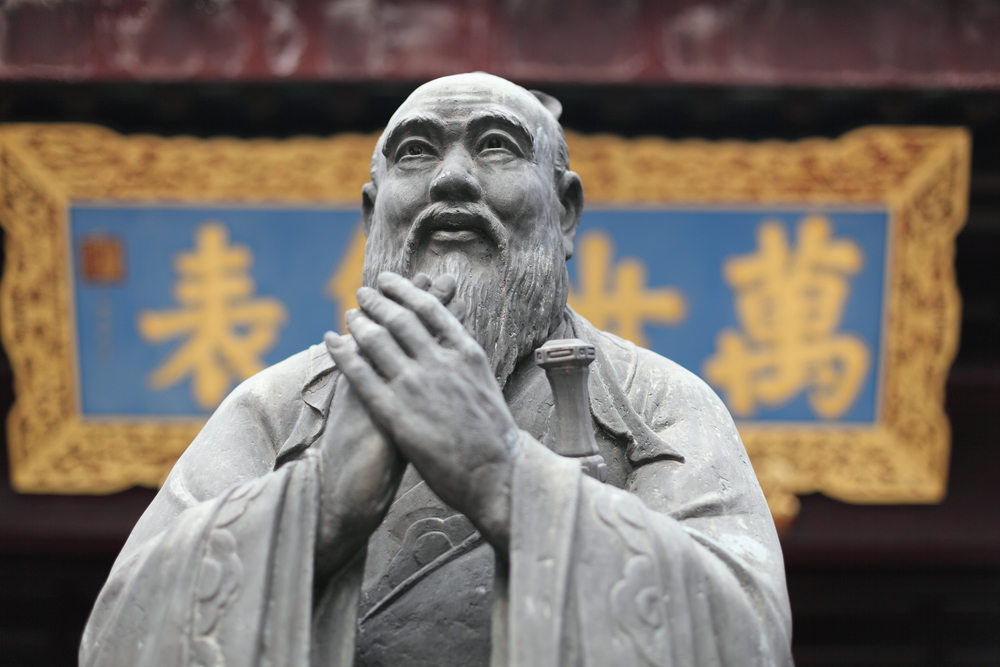
The journey of self-cultivation
Great Confucius was not a believer in life being a sprint to some finish line. On the contrary, he was a firm believer in self-cultivation, or the constant effort to grow your mind, your morals, and your spirit. For Confucius, the “golden years” were not about stepping into the background of life; they were the grand finale of a lifetime of hard work. This was the time when a person, what he called a Junzi or an exemplary person, got to enjoy the fruits of a life well spent in the pursuit of being a good human being.
According to Confucius thought, the fear of aging is a result of ignoring our inner life. Just think about it, if you have built your life on the thought that you are the “young, fast, and successful one,” what happens when those titles are handed down to the next generations? If you haven’t been working on becoming a person of character, aging can be a burden. But if you’ve been working on becoming a person who’s committed to growth and development your whole life, aging then isn’t about what you’re losing but about who you’re becoming: wiser, lighter, more at peace.
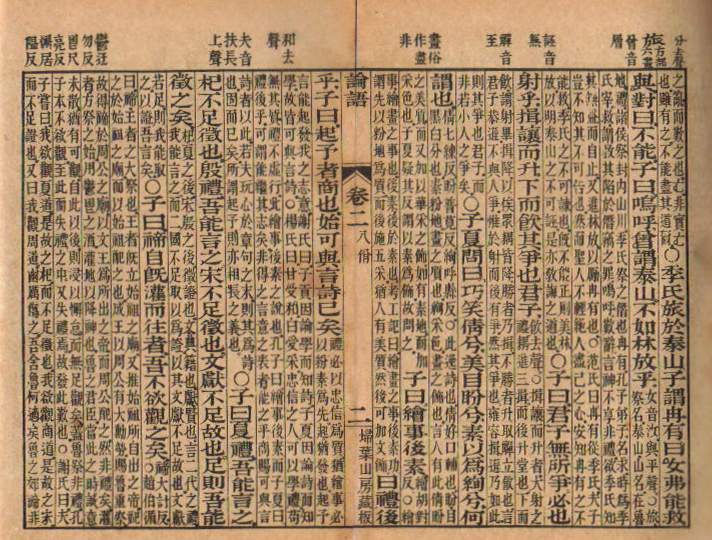
Confucius lived this himself. In The Analects, he famously broke down his own timeline:
“At fifteen, I had my mind bent on learning. At thirty, I stood firm. At forty, I had no doubts. At fifty, I knew the decrees of Heaven. At sixty, my ear was an obedient organ for the reception of truth. At seventy, I could follow what my heart desired, without transgressing what was right.”
This concept completely flips the script on the “peaking in your twenties” narrative. While most of us are raised to believe that life is a battery that drains with time, Confucius teaches us that life is in fact more like a library; the older it gets, the more valuable and packed with wisdom it becomes.
Our golden years are not a decline, but a grand finale in which we trade our youth anxiety for a grounded sense of self.
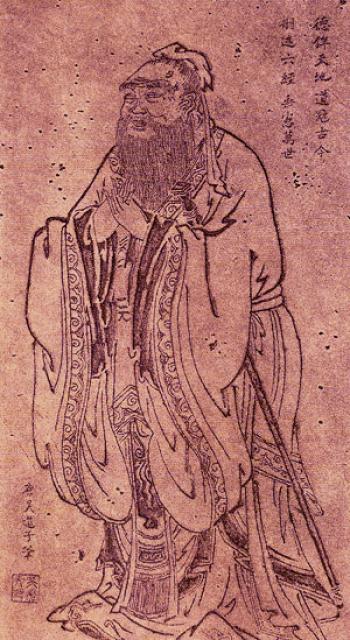
1. Personal dignity: The backbone of it all
One of the biggest aspects of aging well, according to Confucius, is dignity. In today’s terms, we might refer to this as living with integrity and self-respect, regardless of what’s going on around us. When we are younger, our sense of dignity is often connected to our work, our status, our physical appearance—but none of these is sustainable over time. In fact, Confucius taught that our sense of dignity comes from our own inner virtue, our own alignment with our own values.
It’s not about being stiff or formal. It’s about having an unshakeable sense of self-respect. It’s about the little things: how you treat others when you have nothing to gain from them, how we carry ourselves when you are tired, how you respect your own space. He believed that the tiny ways we live our lives add up to a life of honor.
As we age, most of us feel like we are losing our “power,” but Confucius would argue that external power has been an allusion anyway. Our worth isn’t about the titles we receive, but about who we are. It is all about not letting our spirit slump just because nobody’s watching. For those who’ve lived ethically, old age becomes a sanctuary rather than a source of regret. You don’t have to look back and wonder if you were a “good” person—you already know.
2. Mastering your relationship with time
Another essential principal is learning to live fully in the present. Many people have trouble as they get older, either dwelling on the past or worrying about the future. Confucius encouraged people to be aware of and accept the natural flow of life. He believed that happiness comes from embracing each moment, as opposed to going against the clock.
In the world we live in, we are constantly fixated on “optimizing time.” Most of us live every hour as if it were an asset to be extracted to maximum deficiency. Confucius proposes a different path, and this path isn’t about being lazy or chasing just pleasure. It’s about honoring the “season” you are in. When you are young, time is something you spend or invest, when you get older, time is a space you inhabit.
This shift of perspective is radical because it removes the pressure of “to be someone” and allows you to simply “be.”
Letting go of the “lost” years and the anxiety of what’s next allows you to live fully, creating a sense of serenity that the youth-obsessed world can’t touch.
3. Relationship: The true wealth
To Confucius, real wealth and success are not measured by how much money you’ve got in the bank, but how deep your connections are. He was all about family and community, and he saw that we’re all connected through a web of social ties. His concept of filial piety, or Xiao, is just about how we should treat each other across generations, how we should show respect and care for each other. It’s just the notion that we’re not really “individuals” at all, we’re part of a long, beautiful chain.
However, these connections don’t come easily but demand effort and sincerity. You have to be present and to empathize. If you spend your middle years climbing a corporate leader, you shouldn’t be surprised if the view from the top is lonely.
In the end, Confucius teaches us that the only investment that is worth is the one in people.
4. Leaving legacy beyond yourself
Finally, Confucius teaches us to look for a purpose bigger than we are. A happy old age can come from contributing to others, whether through mentorship, sharing stories, or just being a moral touchstone to those around you. Older people aren’t just spectators; they are active participants in creating what’s next.
Confucius thought of life as a relay race in which wisdom was the baton. Your individual triumphs are ephemeral—nobody cares who you were in 1994 for winning the sales award—but the good you pass along will be remembered. This makes aging very meaningful. When you focus on what you can pass along rather than what you’re losing, you can think of old age as a time of purpose.
Basically, the core of Confucius’ teaching is that it’s all about how you impact the world. It is about how your kids, or your neighbors, define “doing the right thing” by watching you do it. It changes the golden years into a time of mentoring and giving back. When you focus on your contribution, you make sure the cycle of learning remains in motion long after you are gone.
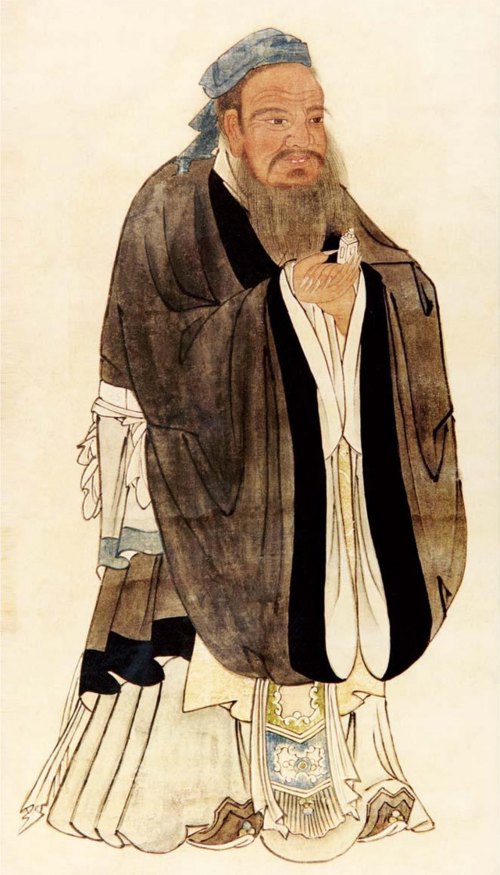
Aging as a philosophical practice
At the end of the day, aging isn’t about biology but about your mindset. Confucius’ take on aging is that it’s a process that’s both active and enriching. When you take in dignity, presence, relationships, and purpose, your later years are a time of “effortless mastery.” You don’t have to prove yourself to the world anymore; you can just live in it.
The best part? It’s never really too late to start. Whether you are twenty or sixty years old, today is the day to sharpen your character and connect to others.
One simply shouldn’t fear aging but see it as a process of becoming more human and more fulfilled. It’s a process of cultivating a resilience that can ride out the physical changes of life without losing who you are.
Please SHARE this article with your family and friends on Facebook.
Bored Daddy
Love and Peace