

Indeed, life has become easier because of technological advancements, yet it is hard not to question whether we’ve gotten just a little too dependent on our gadgets.
For example, a number of supermarkets decided to embrace self-service technology in order to make their customers’ shopping experience as smooth as possible by increasing efficiency. Yet, it turns out that just the opposite has happened, and the decision has been far from welcomed due to customers’ personal beliefs about convenience.
The thing is, these self-checkout lines are not exactly new. In fact, they have been around since the 1980s and were invented as an attempt to reduce the cost of labor for businesses.
As much as there has been time for people to get accustomed to them, there has also been enough time to discover that self-service checkout is quite unpleasant because it makes the customer do extra work while bagging their milk and receiving alerts about “unexpected item in bagging area.”
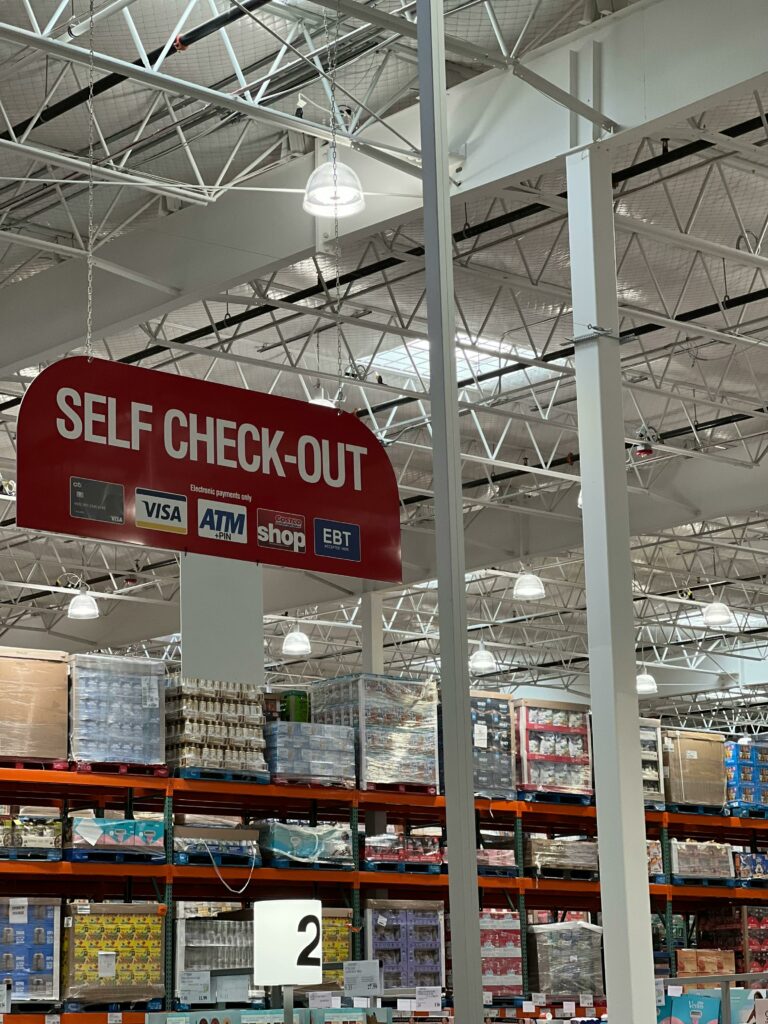
Retailers are also having headaches due to self-checkouts. The moment a trained cashier is replaced by a distracted consumer, there comes the possibility of “inventory shrinkage”—the industry’s fancy word for theft.
Take the “banana trick,” for instance. Consumers can easily get away with stealing expensive steaks or wine by simply swiping the items through the scanner as cheap fruits like bananas for fifty cents a piece.
Voucher Codes Pro, an online coupon website, conducted a survey among 2,634 consumers and discovered that 19 percent of them had stolen goods from a self-service checkout point.
What drives them to do so? Almost two-thirds of respondents claimed they were doing so only because they felt they could get away with it. The current scenario can be likened to a “digital Wild West,” wherein consumers have discovered certain methods to outwit the technology employed in these terminals.
1. The banana trick
This is probably the most notorious trick out there. The customer puts an expensive product, such as a top-quality piece of meat, organic honey, or maybe even electronic devices, on the scale. Rather than scanning the item’s actual barcode, the customer searches for the code of a low-cost but hefty item such as bananas or onions, and pays just a few cents while it ought to have cost twenty dollars.

2. The pass-around
The trick involves speed and not being observed. The customer will pick up the object and pretend to scan it, but will ensure that the barcode is never brought close enough to the scanner for it to register. The customer will then simply put it in their shopping bag. Unless there is a highly sensitive scale, the item has effectively vanished from the inventory system.
3. The ticket switch
Others enter the shop with stickers which they have carefully removed from cheaper items. As they stand near the checkout point, they will covertly place the sticker labeled “99 cents” on top of the barcode of an expensive item. Since it recognizes a legitimate barcode, the computerized scanner successfully processes the product without any hitch. By this time, the attendant will be assisting another customer who does not notice anything unusual.
4. The bottom of the basket (BOB)
It is a form of shoplifting where customers deliberately forget to pay for items placed at the bottom of their basket. Some of the common examples include items such as large containers of soft drinks, 40 lbs bags of dog food or bulk boxes of tissues. The shoppers pay for all other items but ignore placing the items found in the bottom part of the basket at the cashier’s counter.

In 2015, researchers from the University of Leicester conducted an extensive study involving about a million purchases made using self-checkout counters. The total value of these sales amounted to about twenty-one million dollars, but there was a significant problem with this system, with almost eight hundred fifty thousand dollars worth of goods being taken away without being paid for.
It is believed that much of this may have to do with the ease at which individuals can get away with it, whether through the system itself or its design. The self-checkout process essentially gives consumers an easy chance to opt-out of the scanning process without necessarily being “conventional” shoplifters. Most of the time, people would not plan to commit such acts, but once they reach the self-service checkout area and see how easy it is to “forget” an item, their temptations overpower them.
The legal approach to addressing the matter has proven to be of little assistance as well. Police in cities such as Dallas have been forced to downgrade some cases of petty theft due to their limited manpower. The threat of arrest is virtually non-existent when the police will not respond to the theft of a chocolate bar or a couple of apples.
It is not only the opportunity to get away with theft that plays a role; psychology is also a significant factor. According to Barbara Staib of the National Association for Shoplifting Prevention, this technology can make consumers feel anonymous. When there is no cashier present to provide direct social interaction, the sense of accountability is reduced, and people may feel less shame when acting dishonestly.

According to Shadd Maruna of the University of Manchester, people are often capable of rationalizing their behavior in order to avoid feelings of guilt. They may recognize that no single individual directly loses money, instead viewing large corporations as financially resilient enough to absorb small losses. In some cases, individuals even justify their actions by arguing that since stores save money on cashier wages by using self-checkout systems, a small degree of loss is somehow “balanced out.”
Individual personality traits also contribute to this behavior. As psychologist Frank Farley suggests, some consumers are motivated by sensation-seeking tendencies. These so-called risk-takers may find that attempting to bypass the system adds excitement to an otherwise ordinary shopping experience.
However, if there is such high levels of theft, why would stores continue offering self-service? Ultimately, this question boils down to cost-cutting measures. Hiring enough workers has always been difficult, particularly during the COVID-19 pandemic. Moreover, due to increasing e-commerce activity, physical stores are desperately trying to reduce expenses.
Through self-service, physical stores can manage lines using minimal staff. Despite taking into account shoplifting and possible scanner errors, savings from labor costs outweigh potential losses.
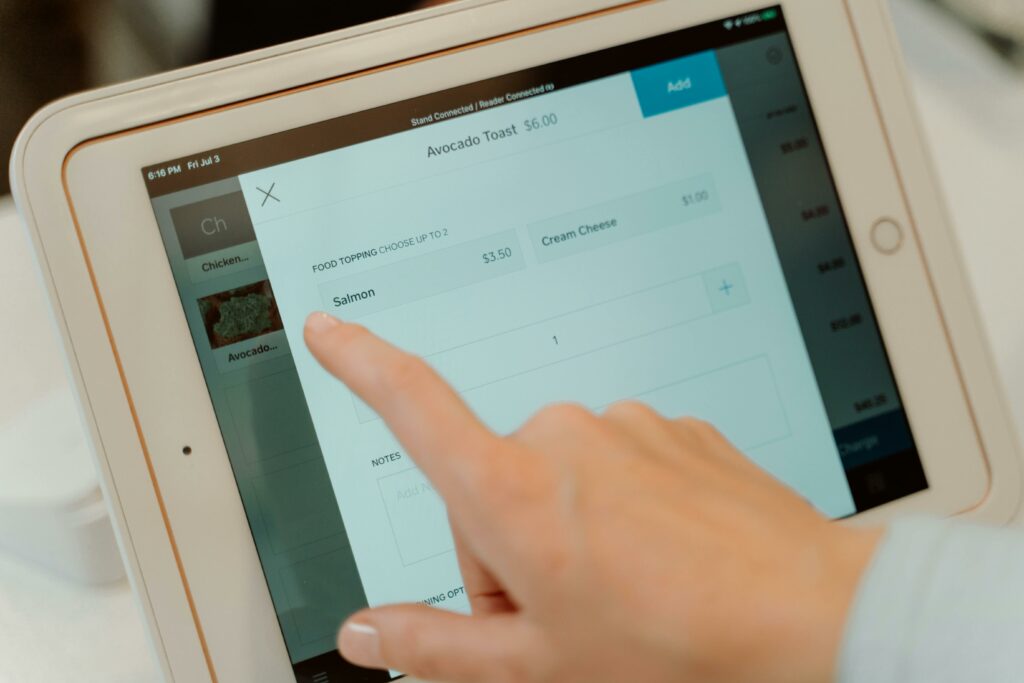
That said, stores are trying to get smarter. Old weigh-in technology was a constant pain not only to the stores but also to customers who would constantly be notified of some “unexpected items in the bagging area” and have their transactions frozen. Modern technologies, including artificial intelligence and video monitoring systems, can detect a mistake in scanning at once. In case there are doubts regarding the payment process, it could be instantly frozen, or the manager would receive a video notification of the problem.
Despite the initial difficulties, we have largely adapted to checking our own milk and eggs. While we previously grumbled about the added labor and malfunctioning screens, we now appreciate that scanning our items at self-checkouts is quicker overall than waiting in line for a cashier during quick runs. As a result, major retailers such as Walmart and Target continue to invest heavily in the technology due to the clear customer preference for efficiency. On the other hand, the “banana trick,” or scanning expensive cuts of meat as inexpensive produce, becomes increasingly difficult with advanced artificial intelligence surveillance. In conclusion, while self-checkouts will not go away anytime soon, the “freebie era” is likely drawing to a close.
Please SHARE this article with your family and friends on Facebook.
Bored Daddy
Love and Peace