

Keeping blood sugar levels stable is one of the most important things you can do for your own body. This task, however, becomes particularly challenging when dealing with type 2 diabetes. While medications and regular exercise should not be overlooked as vital parts of managing this condition, proper nutrition remains one of the most important and impactful factors.
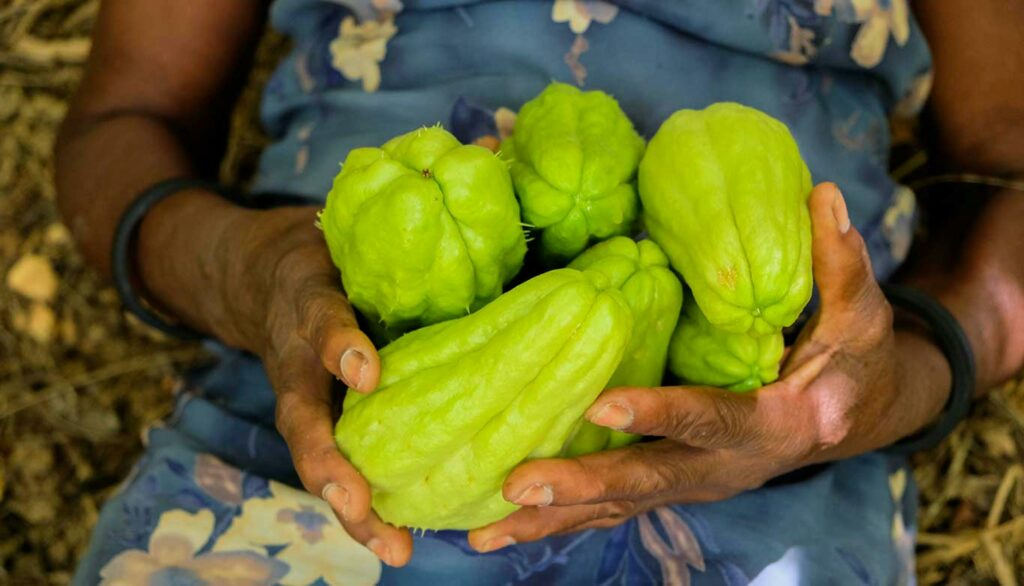
Among the usual suspects in the produce aisle, there’s one vegetable that usually flies under the radar: chayote. This pear-like light-green squash is not as popular as other types of vegetables, but its effect on metabolism are powerful, to say the least. Due to the low-calorie nature and the high water content, this vegetable makes a great addition to any diabetic-friendly diet.
What exactly is chayote?
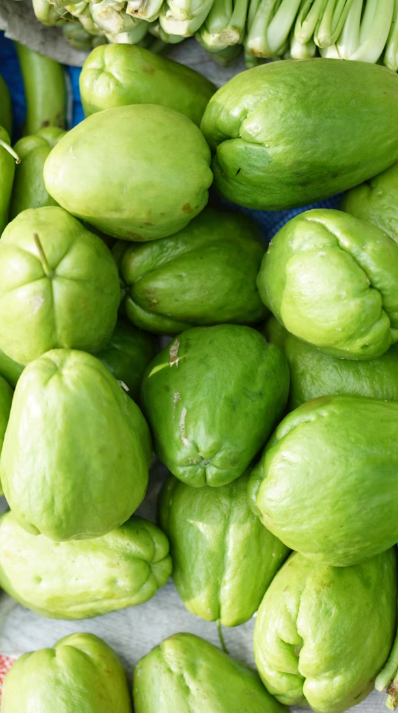
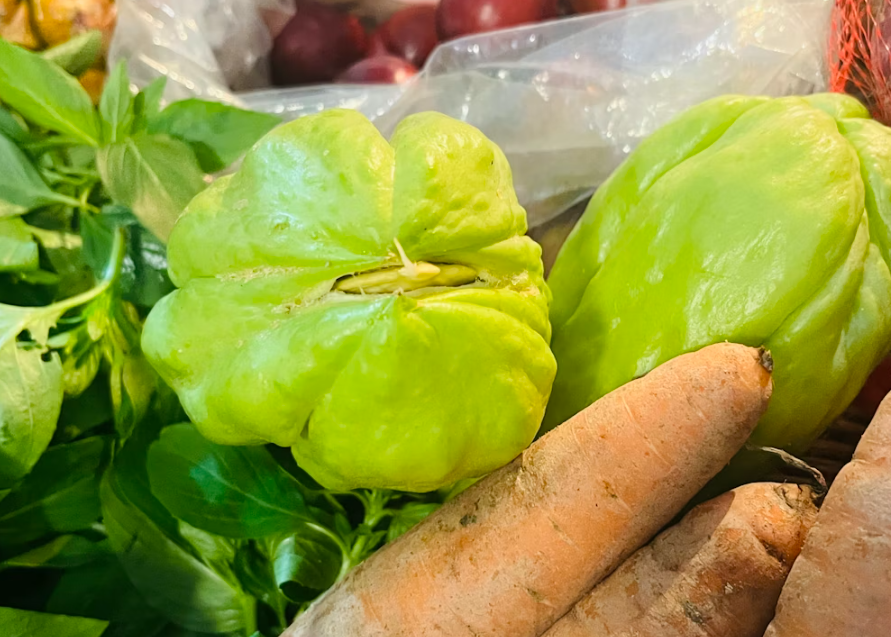
Chayote falls under the same family of Cucurbitaceae, making it related to cucumbers, melons, and summer squashes. The chayote is referred to as “vegetable pear” or “cho-cho,” but whatever name you may call it, one thing is certain – it has an incredibly mild taste, something like a blend of a crisp apple and zucchini.
Nutrition-wise, chayote is built for metabolic efficiency. As per the USDA FoodData Central, a cup of cooked chayote (about 160g) contains:
Calories: 38 kcal
Proteins: 1 gram
Carbohydrates: 8 grams
Fiber: 4.5 grams (which is quite impressive for a low-calorie food)
Water content: 94%
Since it is highly concentrated in water and fiber but low in carbohydrates, its energy density is extremely low. What this means is that you can consume a lot of it without ingesting too much sugars and calories.
The glycemic index: Preventing the spike-and-crash cycle
The most immediate benefit of using chayote comes from its extremely low Glycemic Index. The Glycemic Index refers to a system for rating how quickly the intake of carbohydrate-containing foods raises an individual’s blood glucose level. High glycemic index foods, such as white bread and tropical fruits, result in rapid spikes in the sugar level in the blood. In turn, such foods force the body to produce high amounts of insulin; hence, creating an insulin spike that leads to a sudden “crash,” leaving a person feeling exhausted and irritable.
Since chayote ranks at the lowest point on the glycemic index, it provides an array of benefits to those with Type 2 diabetes and pre-diabetic patients. It has been shown by the Harvard T.H. Chan School of Public Health that including low glycemic index foods in one’s diet can be highly beneficial to those with Type 2 diabetes because it significantly improves insulin sensitivity, reducing the risks of heart disease. Chayote provides an “insulin buffer” to people suffering from diabetes.
Fiber: The natural glucose “speed bump”
If insulin acts as the fuel for your metabolic car, then fiber acts as the braking system that will keep you from plummeting into the abyss. Indeed, chayote fruit has both types of fibers—soluble and insoluble—and each performs a particular function in managing glucose levels.
Soluble Fiber: As the name implies, this type of fiber absorbs water, forming a viscous gel. This gel serves to slow down the rate of sugar and fat intake into the bloodstream.
Insoluble Fiber: Insoluble fiber increases the bulk of your digestive tract and helps maintain beneficial microbes in your gut. Recently, studies show that gut health correlates to effective insulin action.
The Centers for Disease Control and Prevention (CDC) reports that individuals rarely take in more than half the amount of fiber required on a daily basis. Adding chayote to your diet can help fill this void effortlessly. By eating foods rich in fiber such as chayote, one can create a speed bump for carbohydrates in their meal, making sure they do not all reach their bloodstream at once.
The science of myricetin and insulin sensitivity
In addition to the common vitamins, chayote contains numerous bioactive components from plants, referred to as flavonoids. Particularly, one type of flavonoids present in large quantities in chayote has drawn global interest due to its benefits in metabolic health – myricetin.
Current research, including that featured in Frontiers in Nutrition, has indicated that myricetin exhibits strong antidiabetic effects. Myricetin is effective through multiple mechanisms:
Increasing Sugar Uptake: It facilitates glucose uptake in your muscles and adipose tissues, improving how they draw sugar from the bloodstream, even when you have some degree of insulin resistance.
Beta Cell Protection: These are the pancreatic cells involved in insulin production. The antioxidant activity of myricetin assists in protecting beta cells against oxidative damage, delaying the onset of any metabolic deterioration.
Alpha Glucosidase Inhibition: These are enzymes present in your digestive tract which facilitate the breakdown of starch into sugars. Extracts from chayote contain compounds that inhibit this enzyme.
This is why chayote does more than just serve as a mere “side dish”; rather, it functions as a functional food, contributing to positive changes in internal body chemistry.
Clinical evidence: Chayote and metabolic syndrome
It is not only a theory but there have been some clinical observations of the effect of chayote on the human organism. Specifically, researchers examined the effect of chayote on people suffering from Metabolic Syndrome that includes such factors as high blood glucose, high blood pressure, excessive weight.
The experiment conducted by MDPI and published in their journal Antioxidants revealed several effects. People with metabolic problems used chayote in their diet, and the results were impressive:
Reduced Fasting Serum Glucose: Fasting serum glucose was reduced.
Improved HbA1c: HbA1c levels were also reduced because it shows three months of an average sugar level in a person’s blood.
Reduced Inflammation: The antioxidants in chayote increased the activity of enzymes in order to fight chronic inflammation typical for diabetes patients.
While the researchers emphasized that no single food can replace medical treatment, they concluded that Sechium edule (chayote) is a powerful, low-cost complementary tool for glucose control.
Weight management
It is clear that there is a definite relationship between excess body weight and insulin resistance. Visceral fat deposits produce inflammatory agents that impede the physiological function of insulin.
Chayote is described by researchers as a “secret weapon” in one’s arsenal against obesity. This is due to the extremely high satiety index of the fruit. When consuming it, the presence of large amounts of both water and fiber causes stretching of the stomach wall and stimulates the brain to send a signal of satisfaction. The fact that the amount of consumed calories is negligible prevents the creation of a calorie surplus.
According to the American Diabetes Association (ADA), even a modest weight loss of 5–7% can significantly improve insulin sensitivity and even put some cases of Type 2 diabetes into remission. Swapping high-starch sides like potatoes or white rice for roasted or sautéed chayote is a simple, painless way to reduce your caloric intake without feeling like you’re on a “diet.”

Heart health and the potassium connection
The metabolic health of an individual cannot be isolated from their cardiovascular condition. Often, when an individual has problems with their blood sugar level, he or she is likely to have high blood pressure.
The chayote vegetable contains a substantial amount of potassium, a key mineral that ensures the elimination of excessive sodium from the body and promotes the relaxation of blood vessels. In turn, this helps keep blood pressure within acceptable ranges, thereby decreasing the strain placed on the cardiovascular system, which is already experiencing high pressure due to the person’s increased glucose level.
At the same time, dietary fibers present in chayote bind bile acids in the gut, which is helpful in reducing the level of harmful cholesterol.
Folate and cellular repair
Chayote contains a rather large amount of Vitamin B9, also known as folate. In one cup of chayote, there is more than 20% of your folate requirement per day. Folate has a lot of important roles, from repairing the DNA and cell division to the breakdown of homocysteine, which is a type of amino acid associated with increased heart disease and stroke risk when found in high amounts in the body. For individuals living with a metabolic disease, low levels of inflammation and high cell repair capability are crucial.

How to cook chayote
Many people avoid chayote simply because its bumpy skin looks intimidating. The good news is that it’s incredibly easy to work with. If the chayote is young and bright green, you don’t even have to peel it—the skin is perfectly edible and contains a large portion of the antioxidants.
The “potato” swap
This is by far the most widely used preparation method for chayote. Chop the chayote in small pieces, season it with olive oil, salt, pepper, and rosemary, and then bake it in the oven at 400°F (200°C) for 20-25 minutes. The chayote will remain crunchy and give you more satisfaction than any other soft vegetable; besides, it will provide you with the taste of roasted potatoes with just 1/4 of the carbohydrates.
Sautéed with protein
Slice the vegetable thinly into semicircles, sauté with garlic, onion, and ginger, and then add whichever meat you like. Chayote has very little flavor and therefore makes it easy to get the flavors from the garlic and ginger.
Refreshing “slaw”
A fresh chayote feels like the combination of a jicama and a cucumber. You can either grate it or cut it into thin slivers, then toss it with some lime juice, olive oil, and cilantro. It is a perfect accompaniment to spicy dishes and also a great way to have some fresh raw fiber.
In soups & stews
Chayote is one of those vegetables that are commonly used in traditional soups such as “caldo de pollo” since it does not fall apart the same way zucchini does.
Conclusion
Unlike the super foods like kale or blueberries, chayote doesn’t have an expensive marketing strategy, but its role in blood glucose regulation is hard to ignore. Chayote’s composition that includes low glycemic index, high fiber content, insulin-like plants compounds, and low calorie count make it one of the simplest and highly-effective foods that will allow you to take your well-being under control.
Adding it to your daily diet doesn’t mean that you will have to undergo drastic changes to achieve your goal. All you need to do is try replacing other vegetables with chayote in your stir-fries or roast it instead of your preferred option. In many cases, the tools that help us stay healthy are the easiest ones that we have never used before. Try adding chayote to your diet now and see how quickly it helps you regulate your blood glucose levels.
Please SHARE this article with your family and friends on Facebook.
Bored Daddy
Love and Peace