

Despite having a full night’s rest, many people still get up feeling sleepy and lacking energy. One possible cause is mouth dryness, a seemingly minor issue that can impact the entire body.
Waking up with your mouth feeling like parched paper isn’t just a matter of discomfort, it can signal that something might be wrong.
This problem usually presents itself in the latter stage of sleep and is due to many interrelated factors, and while it’s not something that should be ignored, many people take little notice when their mouth becomes dry at night.

Being aware of the causes and dealing correctly with it can significantly improve both sleep quality and general health.
1. Digestive Issues
What you eat before you sleep can affect how well your digestive system works. Some foods are particularly a bad choice for nighttime snacks, including greasy, spicy, and salty foods. The reason to avoid them before bed is that they irritate your digestive system and make it harder for the body to process meals while you’re sleeping.
These types of foods use the water of the body and can also increase fat and blood pressure, further exacerbating digestion. As the body continues to process food while you sleep, it will take fluids from other areas, which can lead to a dry mouth in the morning.
2. Liver Problems

The liver is responsible for filtering toxins from your body. When it becomes inflamed or doesn’t work properly, toxins can accumulate in the system. A subtle sign of liver trouble is waking up with a dry mouth during sleep. If it happens often and for no obvious reason, it’s important to seek medical advice.
3. Dehydration
One very common reason for dry mouth at night comes down to not drinking enough water throughout the day. Even while you sleep, your body still uses and loses water via respiration, among other basic functions. Low hydration can result in a dry mouth, so drink water consistently throughout the day to avoid this from happening.
4. Oral Diseases

Diseases like gingivitis, periodontitis, and cavities are signs of poor oral hygiene and can cause harmful bacteria to multiply in the mouth. Over the course of the night, these bacteria can accumulate and lead to inflammation and dryness.
This can be prevented with regular brushing, flossing, and visits to the dentist to prevent oral infections from developing.
5. Diabetes
People with diabetes often experience dry mouth, especially at night. High blood sugar levels make your kidneys work harder to eliminate excess sugar through urine. This leads to fluid loss and dehydration. As a result, your mouth may feel unusually dry during sleep.
6. Bile Reflux

Bile reflux can also contribute to dry mouth at night, along with other digestive discomforts. Supporting and maintaining liver health is important for managing this problem.
7. Fever
When you have a fever, your body temperature rises, causing you to lose more fluids than usual. This can lead to a dry mouth and a burning or itchy sensation. Drinking water and reducing the fever through rest or medication can help relieve these symptoms.
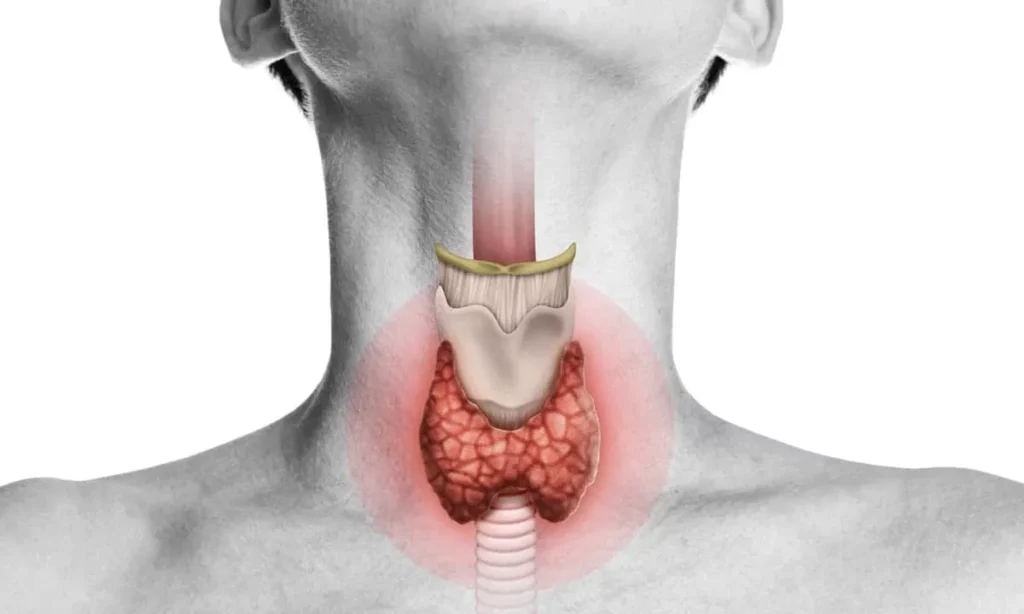
8. Hyperthyroidism
An overactive thyroid speeds up metabolism, which increases the body’s need for water and overstimulates the nervous system. As a result, the mouth may feel extremely dry, even during sleep.
The Surprising Link Between Stress and Dry Mouth
You might not realize it, but stress and anxiety can actually do a number on your saliva production. When you’re under prolonged stress, your body goes into “fight or flight” mode, releasing a rush of cortisol and adrenaline. While these hormones help you deal with the situation, they can also temporarily dry up your mouth.
For a lot of people, this stress-related dry mouth is most noticeable at night. Racing thoughts, anxiety, or tossing and turning can seriously interfere with how your body rests and recovers overnight.
Even the National Institutes of Health have considered the correlation between chronic stress and xerostomia, which is the scientific name for dry mouth. One study published in Clinical Oral Investigations found that perceived stress was significantly associated with several aspects of dry mouth, including the sensation of oral dryness and reduced quality of life. Further, chronic stress not only causes dehydration but also is responsible for such problems as bruxism (teeth grinding), jaw stiffness, and insomnia.
In other words, there can emerge an unfortunate loop: bad sleep increases stress, which worsens dry mouth and sleeping problems.
Fortunately, there is a way out. It is possible to significantly improve both your sleep quality and dry mouth condition by unwinding properly before sleep. For example, try doing some gentle stretching exercises, put your smartphone aside, do some deep breaths, or develop a comfortable bedtime ritual.
Why Dry Mouth Tends to Happen More as We Get Older
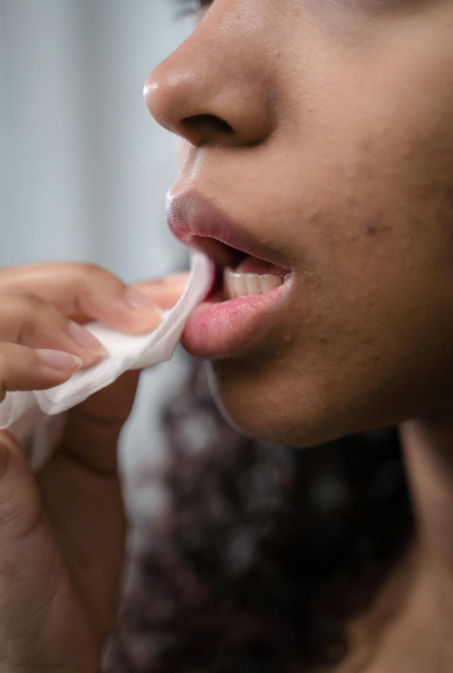
Dry mouth is something that becomes increasingly common as we age. Although aging itself doesn’t directly cause our mouths to stop making saliva, the older we get, the more vulnerable we become to experiencing the conditions that lead to it.
Side effects from medication: We take daily medication for all sorts of things, like blood pressure, depression, or allergies, which can lower our saliva production.
Dehydration: Our bodies naturally change as we age, and our ability to feel thirsty becomes less effective.
Hormonal fluctuations: As women enter menopause, the fluctuations in estrogen levels can cause their mouths to dry out.
Since saliva acts as our mouth’s shield from bacteria and infections, prolonged exposure to dry mouth can result in an increased risk of infection or cavities. Therefore, when dentists encounter dry mouth, especially when it occurs suddenly, they take it seriously as a potential warning sign.
Little Signs in Your Mouth You Shouldn’t Ignore
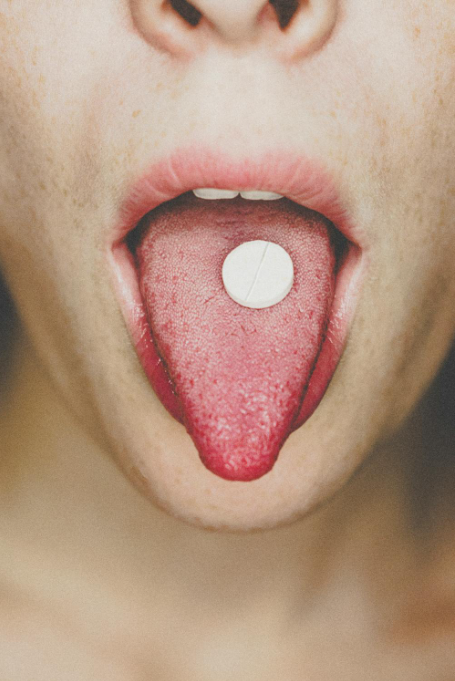
Your mouth can be an indicator of many other conditions in your body. The following signs will usually occur if you are consistently waking up with a dry mouth:
Dry or sore patches of skin around your lips
Feeling of dryness or stickiness inside your mouth
Difficulty swallowing dry foods throughout the day
Altered sense of taste
Burning sensation on your tongue
Stringy saliva
Halitosis despite brushing
Because saliva helps clear bacteria from the mouth, a lack of moisture leads to an ideal habitat for bacteria. You may want to pay attention to your oral cavity if you continue experiencing the aforementioned signs for weeks and especially if they get progressively worse.
Conclusion
Feeling thirsty when you wake up every morning doesn’t sound like something too serious, but your body could be trying to tell you that something is wrong with you because of either dehydration, some medicines you are taking, or even due to changes in your sleep cycle.
Most of the time, simply making several small changes to your daily routine will help you solve the problem (like keeping a glass of water by your bed or adding a humidifier to your room). But when the problem persists or is accompanied by any other symptoms, visiting your doctor is the best choice.
After all, it is better to listen to what your body is trying to tell you than ignoring the signals.
*Medical Disclaimer: The information provided is for educational and informational purposes only and is not intended as medical advice. It should not replace consultation with a qualified healthcare professional. Always seek the advice of your doctor or another licensed medical provider regarding any medical condition or treatment. Never ignore professional medical advice or delay seeking it because of something you have read here.
Please SHARE this article with your family and friends on Facebook.
Bored Daddy
Love and Peace