

Most of us think of stroke as of a sudden medical emergency that happen without warning. A person can go to bed feeling completely fine and then experience life-changing neurological issues just a few hours later.
According to cardiovascular experts, strokes are rarely the result of a single isolated incident. On the contrary, they are mostly a culmination of long-term health factors, systemic inflammation, and everyday lifestyle choices that help shape our vascular health over the years.
In this list of everyday decisions, our sleeping routine proves to be surprisingly significant. The things that we do right before sleep have an effect on our blood pressure, blood sugar level, and on the overnight recovery of our organism. The newest medical studies show how two rather popular nighttime habits can put extra stress on our heart and increase our risk of having a stroke.
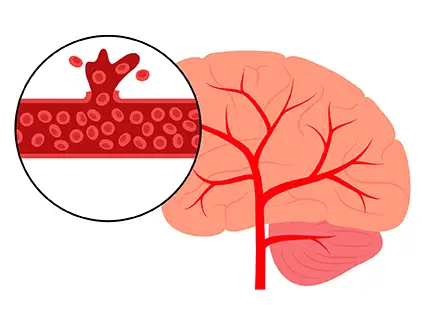
Late night sugar and vascular damage
Consuming high-energy drinks containing sugar, such as soda, sweet tea, or juice, during the night, forces the body to cope with large intake of glucose. It comes during the period when the metabolism starts to slow down because the body prepares itself for sleep. Throughout the daytime, the activities we do help get rid of extra glucose in the body. However, during the night, there is no possibility to do so, and the burden is put onto the metabolism.
Repeated blood sugar peaks stimulate systemic inflammation and insulin resistance that have negative impact on the endothelial layer of the blood vessels. Once the blood vessel walls become inflamed and damaged, they start accumulating the plaque that may burst, leading to ischemic stroke.
An extensive, 30-year long-term study conducted by the Harvard T.H. Chan School of Public Health on the eating patterns of more than 100,000 people found that those who drank one or two soft drinks a day increased their risk of developing any form of heart disease by about 18 to 21 percent. Crucially, the data showed that the higher risk persisted even among those who engaged in physical activity and exercise.
The American Heart Association (AHA) issues a similar warning, that fluid sugar spikes directly contribute to the accumulation of visceral fat around vital organs and slowly weaken blood vessel walls, creating the exact arterial conditions that lead to restricted blood flow to the brain.

Disrupted sleep and the “blood pressure dip”
The other cardiovascular risk factor associated with our nighttime routine is the quality of sleep. Consuming caffeinated beverages or energy drinks, or even consuming alcohol before going to bed disrupts our sleep cycle and the deep sleep periods, adding more stress to the heart.
For many, having a glass or two of alcohol before going to bed is a way of relaxing and falling asleep easily. However, what many are not aware of are the downsides of consuming alcohol at this time of the day. This routine affect REM and deep sleep stages, leaving the cardiovascular system in a prolonged state of stress, just as with the caffeine and the energy drinks.
As noted in the data published by the Center for Disease Control and Prevention (CDC), good-quality, undisturbed sleep is important for a physiological process called “nighttime dipping.” When you sleep deeply, your blood pressure naturally falls by 10 to 20 percent. This drop helps your heart, arteries, and blood vessels to have some time to relax and recuperate from their daily activities.
When the sleep gets disrupted by caffeine, sugar, or breathing disruptions, your body remains in a sympathetic “fight-or-flight” state. This means your blood pressure remains high for longer periods throughout the night. Over time, this causes damage to the cerebral arteries and makes hypertension the primary and most preventable cause of stroke.
Further, a global epidemiological study published in the medical journal Neurology confirmed that individuals who regularly experienced multiple sleep disturbances, such as frequent nighttime awakenings, chronic insomnia, or tossing and turning, faced a significantly higher statistical risk of suffering a stroke compared to those who maintained healthy, consistent sleep schedules. The researchers noted that poor sleep quality should be treated as a major independent risk factor for vascular incidents, right alongside smoking and high cholesterol.

The Warning Signs (B.E. F.A.S.T.)
If you or someone else wakes up with these symptoms, it requires immediate emergency medical attention. Do not try to roll over and “sleep it off.”
- B – Balance: Sudden dizziness, loss of coordination, or trouble walking.
- E – Eyes: Sudden double vision, blurred vision, or loss of sight in one or both eyes.
- F – Face Drooping: One side of the face droops or is numb. When smiling, the smile is uneven.
- A – Arm Weakness: One arm feels weak or numb. If both arms are raised, one drifts downward.
- S – Speech Difficulty: Slurred speech, trouble speaking, or difficulty understanding what others are saying.
- T – Time to call emergency services: If any of these signs are present, call emergency services (like 911) immediately.
Optimizing your evening routine for long-term safety
Maintaining your heart health is not a matter of completely transforming your lifestyle but rather about making conscious decisions that help your body’s rhythms stay regulated and balanced. To ensure the best results in terms of protecting your heart and brain, here are some small changes you can introduce into your evening routines:
Switch to water or herbal tea: Do not consume any beverages that contain sugar, caffeine, or alcohol for at least four to six hours before going to bed. If you need a soothing evening beverage, go for unsweetened chamomile, peppermint, or hibiscus tea.
Follow a stable sleep pattern: Try to get seven to eight hours of continuous sleep each night. Going to bed and waking up at the same time every day will help stabilize your autonomic nervous system and allow your blood pressure to naturally dip.
Create a restful environment: Keep your bedroom cool, dark, and free of electronic screens. Blue light from phones and televisions suppresses melatonin production, which further sabotages deep, restorative sleep.
Schedule regular checkups: Regular screenings can be helpful in discovering hidden illnesses such as hypertension, atrial fibrillation, or high cholesterol levels.


Indeed, the key to good cardiovascular health lies in regular activities rather than isolated instances. You can greatly lower your susceptibility to stroke by helping yourself develop healthy nightly habits, avoiding metabolic strain during late hours, and getting enough sleep.
*Disclaimer: This article is for informational purposes only and is not a substitute for professional medical advice, diagnosis, or treatment. Always consult a qualified healthcare provider regarding cardiovascular health or before making changes to your lifestyle. If you or someone else shows signs of a stroke, call emergency services immediately.
Please SHARE this article with your family and friends on Facebook.
Bored Daddy
Love and Peace