

We’ve all been there: skipped eating that garlic knot during our first date, or chewed some mints right after having a heavy pasta meal. Garlic is famous for being extremely loud. It doesn’t really care about your social life and doesn’t give a damn about how your breath smells.
However, once start looking look past the smell, and the outdated legends about repelling vampires, garlic is one of the most effective foods you can give your body.
Here is the twist, however: if you really want to experience all the health effects, you have to consume it raw.
To clarify, don’t get me wrong here, there’s probably nothing better than roasting an entire head of garlic to a soft, sweet, and buttery consistency. However, cooking completely transforms the chemical composition of it. As far as its health benefits go, cooking garlic essentially kills them off.
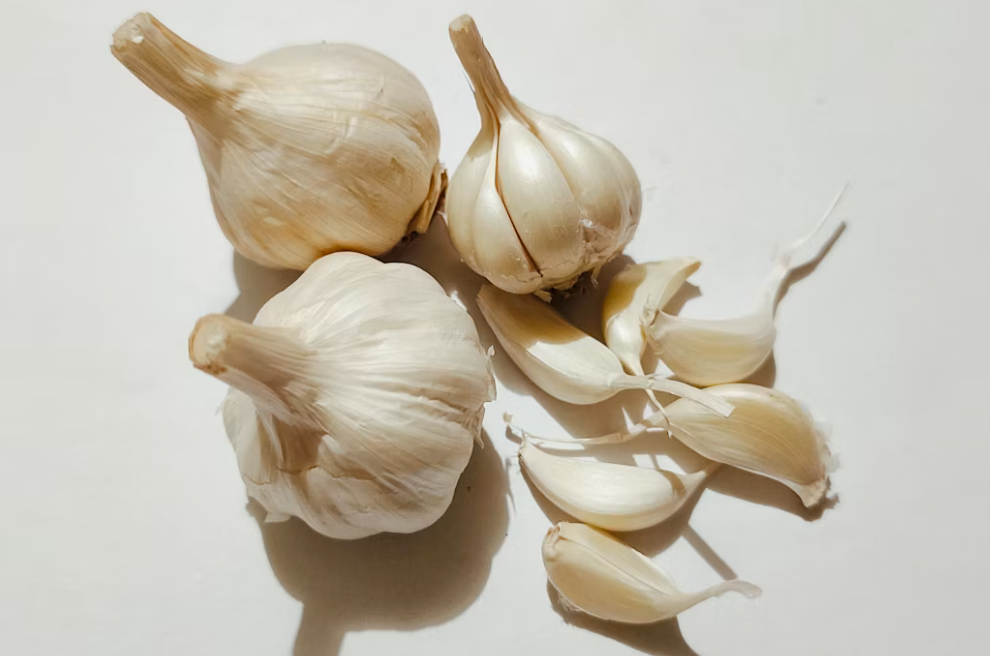
To understand why raw garlic is so powerful, you have to look at a sulfur-based compound called allicin.
Here’s a fun piece of food science: allicin doesn’t actually exist inside an intact clove of garlic. It’s a defense mechanism. Garlic produces allicin the moment its cells get damaged. If you crush, slice, or chew a raw clove, two different compounds will mix up within the plant to form allicin. This process is causes the burning sensation you get when eating raw garlic, as well as the characteristic smell of it.
As allicin is very sensitive to heat, then cooking, roasting, or even pickling garlic can completely destroy it. By the time your garlic has mellowed out in a hot pan, the allicin is mostly gone. Eating it raw ensures you’re actually getting the active compound at peak strength.
What raw garlic actually does for your body
If you look at the cardiovascular research, garlic keeps popping up as a major player. It doesn’t just do one thing; it tackles heart health from a few different angles:
1. It’s a massive help to your heart
Reducing blood pressure: In a clinical trial study conducted and documented by the National Institutes of Health, participants suffering from hypertension who were administered aged garlic supplements for three months experienced a significant decrease in blood pressure.
The effect was even comparable to many prescribed blood pressure medications. As explained by Dr. Sudha Raj, a nutrition professor at Syracuse University’s Falk College, garlic causes our bodies to produce nitric oxide. This natural compound helps dilate and widen blood vessels, making it easier for our blood to flow through. Also, garlic reduces ACE (angiotensin-converting enzyme) activity in our bodies, and this is exactly how many prescribed medicines work.
Keeping your arteries clean: Dr. Wendy Bazilian, a public health expert and nutritionist, points out in studies tracked by the American Journal of Clinical Nutrition that compounds in the allium family (which includes garlic, onions, leeks, and shallots) make your blood platelets less “sticky.” When your platelets don’t clump together too easily, it reduces the risk of blood clots. This anti-clotting effect is a huge deal for preventing atherosclerosis, which is the dangerous buildup of plaque in your arteries that can ultimately trigger a heart attack or a stroke.
Lowering cholesterol: In addition to all this benefits, there are clinical studies in the same scientific literature indicating that the use of garlic can lower the levels of your LDL cholesterol (or “bad” cholesterol) by 10-15 percent. Of course, consuming garlic only won’t do the magic, but when you combine it with balanced diet, regular exercise, and when you try to manage your stress, it can indeed support your cardiovascular system.
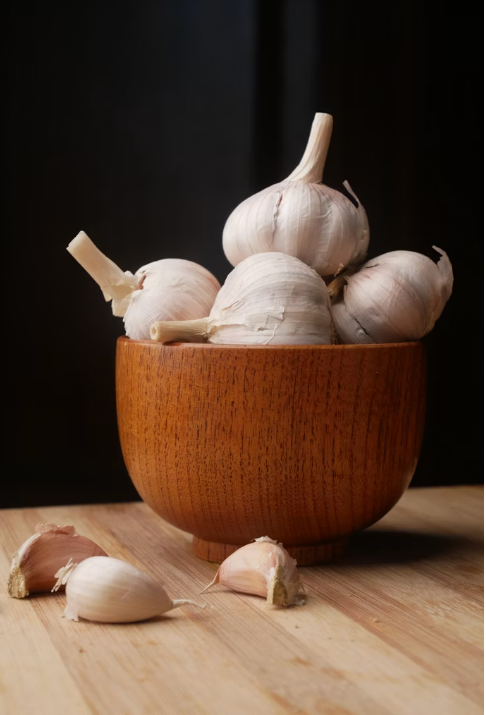
2. Giving your immune system a hand
Garlic has been used for medicinal purposes for thousands of years, even before people even began to understand why it worked. Garlic contains a very rich amount of vitamins C, B6, manganese, and an enormous number of antioxidants.
Antioxidants are extremely important since they help us fight oxidative stress which is associated with chronic illnesses such as heart disease and neurological conditions such as Alzheimer’s and dementia.
When it comes to the common cold, the data compiled by the National Cancer Institute is pretty interesting. While eating raw garlic won’t necessarily make your cold go away any faster once you’re already miserable, studies show that eating it regularly can actually prevent you from catching the cold in the first place.
3. Long term cellular defence
Health benefits of allium vegetables extend much farther than merely fending off a cold in the winter. Large-scale nutritional studies conducted by the National Cancer Institute have discovered that a high consumption of allium vegetables among women is associated with a notably lower incidence of osteoarthritis. In addition, the research concerning the possible anti-cancer effects of garlic is underway, and currently focuses on the prevention of prostate cancer, lung cancer, brain tumors, and even alcoholic liver disease.
The catch side: effects and boundaries
Given how powerful fresh garlic is, it should really be consumed in moderation. There are some boundaries you should keep in mind when it comes to eating garlic daily.
Upset stomachs and acid reflux: As mentioned earlier, raw garlic can really sting when you have a particularly sensitive stomach. For those people who experience heartburn, GERD, or acid reflux, raw garlic can make the condition worse and cause burning pains in your stomach or chest area.
Trick to remember: Of course, if raw garlic just makes your stomach feel terrible, there is still hope for you. Crush or slice a garlic clove and let it stay on your countertop for about 10 minutes. After this short break, the chemical process will finish producing allicin and make all of its healthful properties resistant to heat.
Increased bleeding risks: Do you recall how garlic stops the platelets in your bloodstream from clumping up? The patient safety guidelines at the Mayo Clinic say that since it thins your blood, it may cause increased bleeding problems. If you are currently taking other blood thinning medications such as warfarin and aspirin, or if you have a surgical procedure scheduled for the future, then you need to consult your doctor before you start eating heaps of raw garlic or taking high dose suplements.
Yes,you can overdose on garlic: Toxicology data from the University of Rochester Medical Center warns that in massive quantities, garlic can actually become toxic to the human body. To keep things completely safe, a 150-pound person shouldn’t eat more than 17 grams of raw garlic a day. If you weigh around 250 pounds, your absolute ceiling is about 28.4 grams.

How much do you actually need?
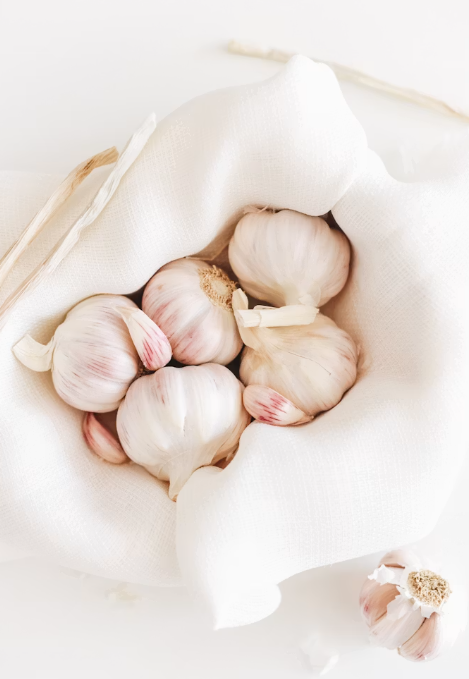
No, you do not need to swallow entire cloves as capsules nor struggle eating handfuls. In a number of clinical studies, it has been proven that the same effects are produced by 1 to 2 raw cloves on daily basis. In case you really detest the taste of garlic and prefer taking it as supplements, then opt for the aged garlic extract as 3,600 mg is clinically proved to be very safe and effective.
If the idea of biting straight into a raw garlic clove makes you want to run away, don’t worry. You can easily hide it in everyday recipes while keeping all the health benefits completely intact:
- Make a piece of crunchy toast. Split the raw garlic clove, then rub it on the heated and crunchy toast directly. The juices and oils will be left behind instantly, providing everything you need from this ingredient without its pungent and burning taste.
- Mince the raw garlic finely or grate a little of it, then add to your own dressing made of olive oil, lemon juice, mustard, and a little bit of honey. The fat in the oil will help reduce the heat of garlic.
- Grate a little of the raw garlic into fresh guacamole, homemade hummus or Greek tzatziki with cold yogurt and cucumber.
While eating raw garlic could use a slight dose of strategy in case you intend to be near people soon, your heart and immune system would appreciate it.
Please SHARE this article with your family and friends on Facebook.
Bored Daddy
Love and Peace