

Later that afternoon, a family of three walked into the shabby police station located on the Oregon coast. The parents looked devastated and as though they haven’t slept in weeks, and their girl, around two years old, looked scared and as though something huge bothered her.
She was glued to her parents. Her face was red, and her eyes were puffy from crying. It was obvious she was in distress, and it was hard to guess what could have possibly happened for a girl that young to feel that way.
The front-desk lady leaned over and asked what the problem was and if she could help them somehow.
The dad cleared his throat and apologized for causing then inconvenience. He then went on to explain that their daughter had been hysterical for days and there was no way to calm her down, no matter what they tried. All she was saying was that she wanted to tell a real police officer what she had done.
This confused the lady even further. What could possibly a girl that age needed to confess? Being a mother herself, the lady was well aware that children often believe their fears are real, so she didn’t make fun of the family. Instead, she assured the girl that a real police officer was on their way.

It just happened that at that time, a lieutenant was passing along the hallway, and he heard everything. He seemed pretty calm and ready to help, so he knelled down and told the girl, “I’m here, little lady. You can talk to me if anything is upsetting you. I’ll listen.”
The girl stopped crying and stared at him for a while. She looked at his uniform and his badge and then asked him, “So you are a real policeman?”
He smiled and assured her he was real and that it was his job to help people and children who are scared. He then let her touch his badge.
Her parents were somehow relieved the girl finally stopped crying, but the feeling didn’t last long since the next thing their daughter said was that she committed a crime.
Lieutenant Harper stayed composed and professional and only nodded in reply to the girl’s confession, saying, “It takes guts to confess. Now tell me what happened.”
“Are you going to lock me up forever?” she asked.
“That all depends, now tell me from the beginning,” said Lieutenant Harper, who was still keeping a completely serious face.
And everything spilled out in a rush of staccato words, punctuated by violent hiccups.

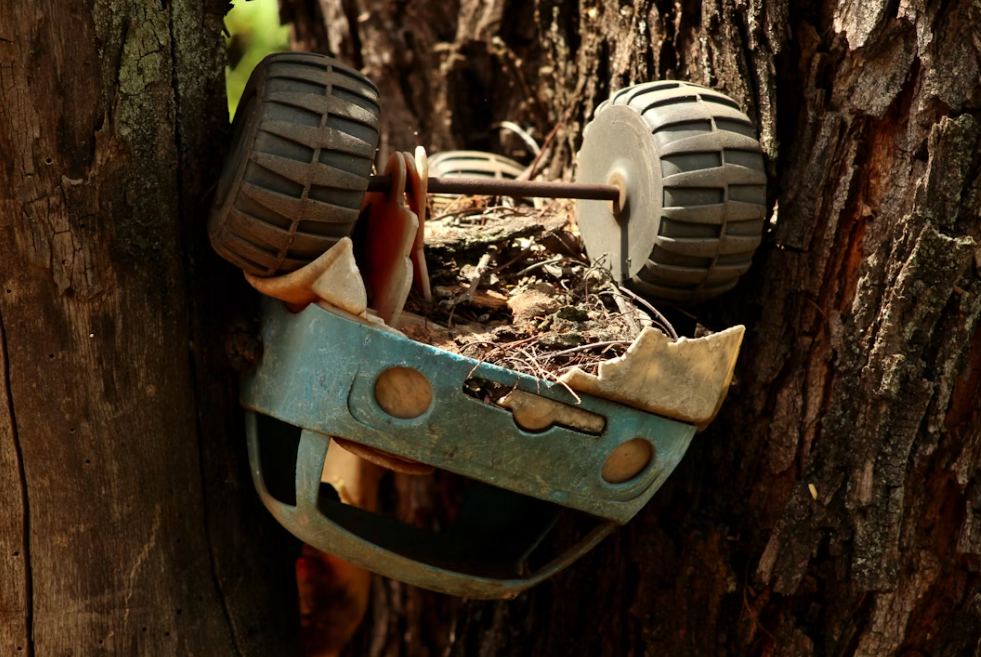
“I stole the brother car. The blue one—the special car.
“I threw it,” she admitted, raising her arms up to the ceiling. “Boom! On the floor. It’s broken; no wheels. He cried and cried. It’s my fault.”
She then continued, “Grandpa gave it to him. That was his favorite toy. Now it’s ruined. I am a bad girl.”
For a moment, the lieutenant did nothing but sit there in astonishment. He had heard hundreds of excuses and outright lies come from adults for their actions in his career; but here, a child of three years old was blaming herself for her innocent mistake and was heartbroken because she could not fix her mistake, she barely knew the meaning of the word ‘crime’, let alone understand what she did wrong!
He gently placed a hand on her shoulder and reminded her firmly that no child gets arrested for breaking toys.
“No jail?”
“No jail,” he said. He went on explaining that toys get broken, and emotions get hurt; however, people always figure out ways to reconcile and move forward together. What mattered was her safety and willingness to repair her relationship with her brother.
The little girl whimpered again, saying that her brother was still very upset about it. The police lieutenant agreed, saying that things like that do hurt sometimes; however, this only meant that she made a mistake and did not mean she was a bad girl because she actually had a great heart to confess what she did.
Looking at her parents, the little girl received a reassuring nod from her mother, who was crying herself.
The police officer wondered whether she had apologized to her brother. She nodded but said that even she said she was sorry, the car was still broken.
The officer said that she was right about that, because saying sorry doesn’t fix broken things, but it does help people feel better.
The young girl listened to every word. And then the lieutenant gave her a list of guidelines. First, be honest. Second, say sorry and sincerely apologize. She did this too. Third, repair any harm; perhaps you could do something truly nice for your brother today. Fourth, after you did this, you have to learn to forgive yourself; you should no longer beat yourself for breaking your promise; you are not bad, only learning.
Finally, she thought for a bit, she said, “I’ll give him my bunny. The whole day, even though it’s mine.”
Her mother said it was a great idea.

As the family was leaving, the girl asked the officer if she could give him a hug.
And yes, years after this encounter, she probably won’t remember his name or how that station looked like. But she’ll certainly remember that messing up doesn’t make you a bad person, and that being responsible means telling the truth, trying to heal the hurt, and eventually letting yourself move on.
Please SHARE this article with your family and friends on Facebook.
Bored Daddy
Love and Peace